
-
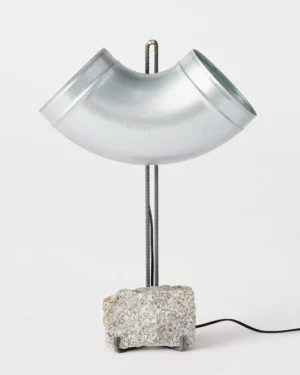
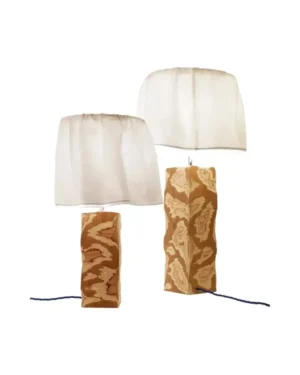
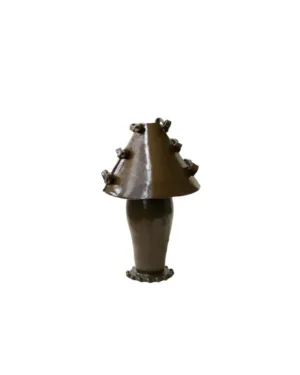
O.f.i.s Series Table Lamp in Pipe, Rod And Brick
By Lucas Muñoz Muñoz
€280€252 -
 In stock
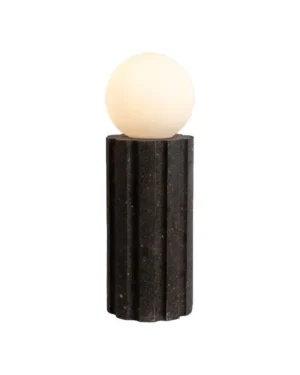
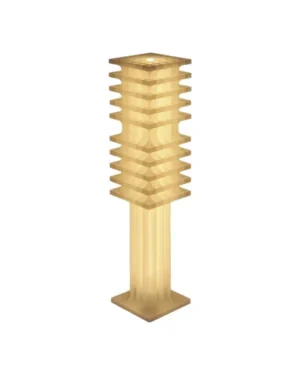
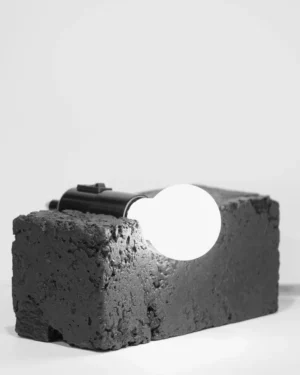
Cofit-20 Table Lamp In Coal Concrete
By Atelier Haute Cuisine
€380 -
 In stock
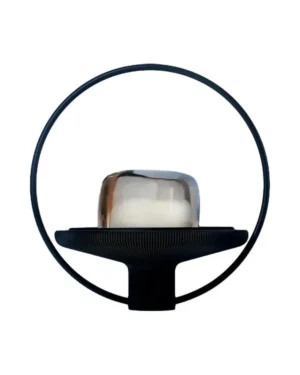
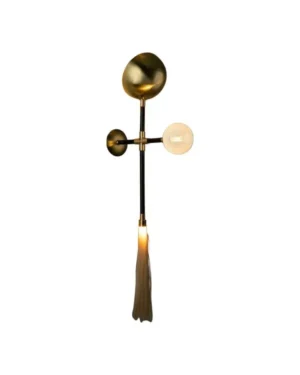
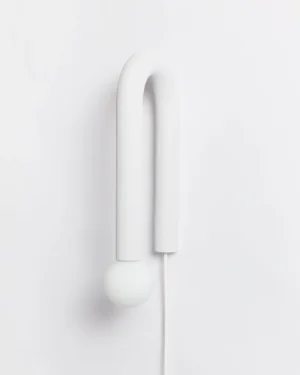
Object 09 Sconce in Nylon and Sand
By Hot Wire Extensions
€1.145 - €1.163 -
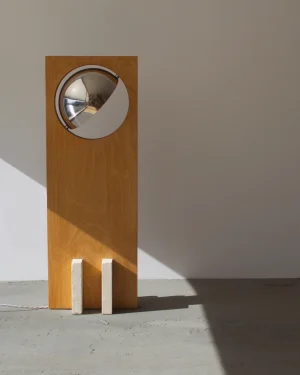
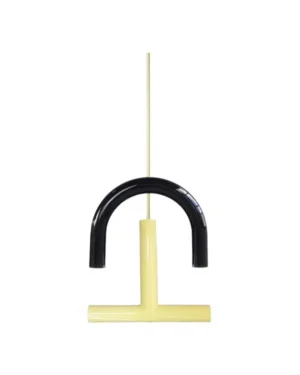
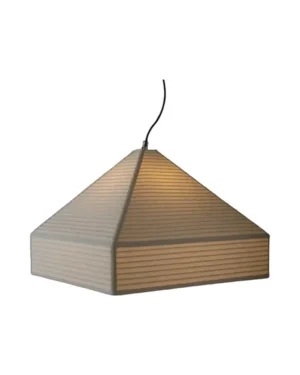
Galileo 2.3 Floor Lamp In Marble And Plywood
By Edoardo Lietti Studio
€1.050 -
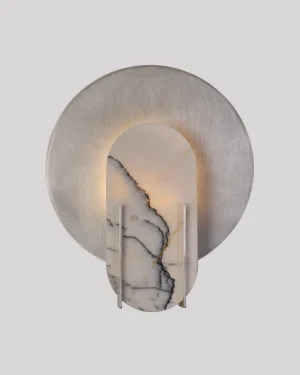
Alice Wall Lamp in Illuminated Marble
By Hasik Design Studio
€1.225 -
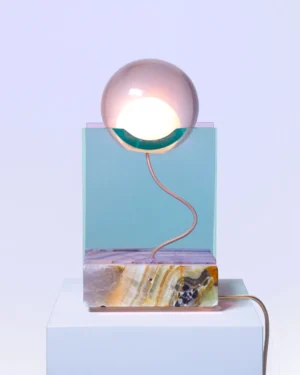
Rotonda Table Lamp in Resin
By Adrian Cruz
€2.380 -
 In stock
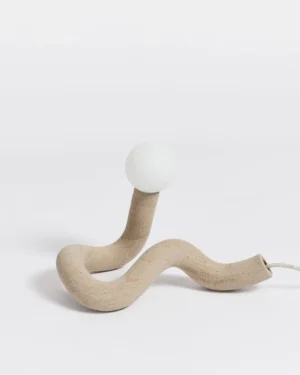
Object 05 Table Lamp in Nylon and Sand
By Hot Wire Extensions
€935 -
 In stock
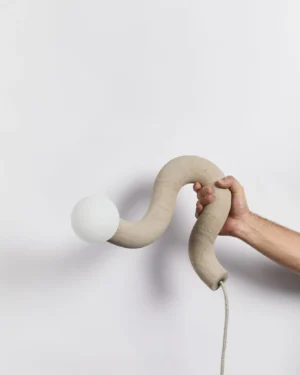
Object 09 Sconce in Nylon and Sand
By Hot Wire Extensions
€935 - €1.145 -
 In stock
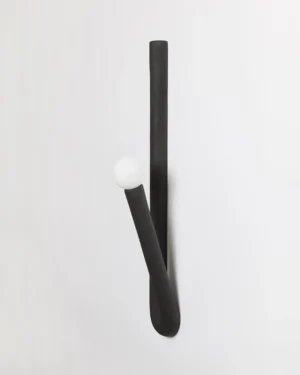
Object 12 Sconce in Nylon and Sand
By Hot Wire Extensions
€1.145 - €1.355 -
 In stock
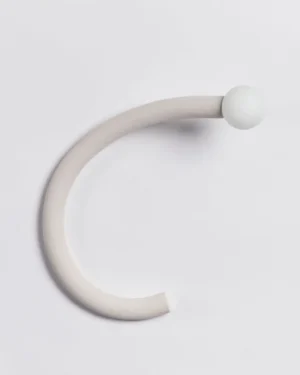
Object 02 Sconce in Nylon and Sand
By Hot Wire Extensions
€1.460 -
 In stock
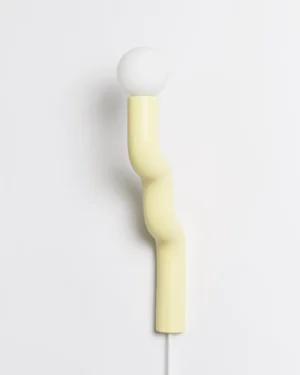
Object 04 Sconce in Nylon and Sand
By Hot Wire Extensions
€1.208 -
 In stock
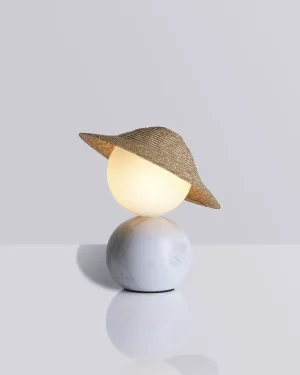
Object 07 Sconce in Nylon and Sand
By Hot Wire Extensions
€1.145 -
 In stock
Object 08 Sconce in Nylon and Sand
By Hot Wire Extensions
€1.670 -
 In stock
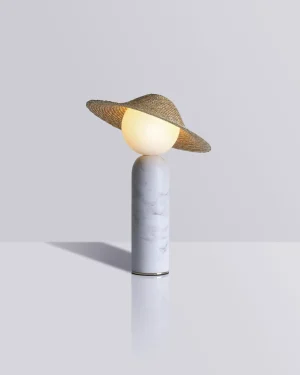
Théros 0.2 Table Lamp in Blown Glass and Marble
By Studio Aristotelis Barakos
€950 -
 In stock
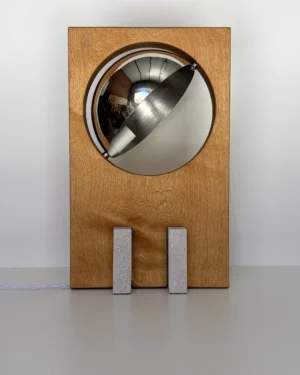
Théros 0.3 Table Lamp In Borosilicate Glass
By Studio Aristotelis Barakos
€1.100 -
Galileo 2.2 Table Lamp In Marble And Plywood
By Edoardo Lietti Studio
€750 -

Regina Table Lamp In Marble
By Daniel Orozco Estudio
€2.034 -
 In stock
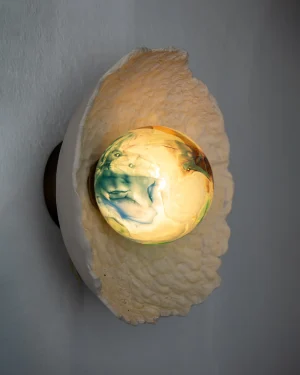
Asea No. 17 Wall Sconce In Stoneware And Blown Glass
By Ceren Gürkan
€900 -
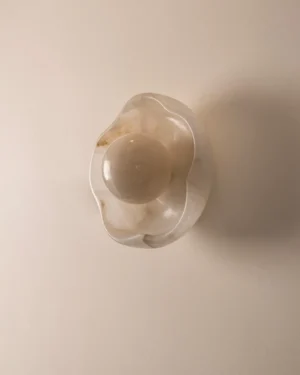
Flower Wall Sconce In Alabaster
By Harshita Jhamtani Designs
€700€630 -
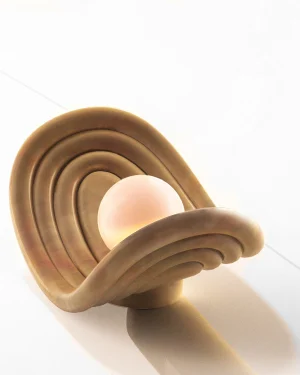
Pearl Table Lamp
By Alter Ego Studio
€4.790 - €8.700 -
 In stock
Lunel Table Lamp in Alabaster
By Mugen
€2.042 -
 In stock
Hero Lamp Floor Lamp In Stainless Steel
By Panorammma Atelier
€4.850 -
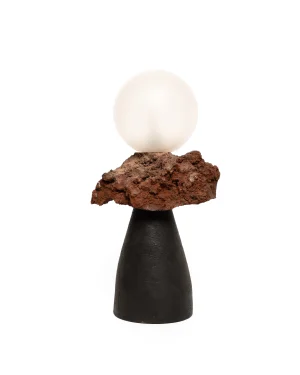
Hof Tezon Lamp
By Daniel Orozco Estudio
€475 -

Black Wool Table Lamp in Biocomposite
By PletoStudio
€700 -
 In stock
Blobo Table Lamp in Alabaster and Teak
By Mugen
€2.323 -

Laco Floor Lamp in Biocomposite and Linen
By PletoStudio
€3.600 -
 In stock
Pa Lamp
By BuRRo
€62 -

Shadow Wool Floor Lamp in Biocomposite and Carpathian Wool
By PletoStudio
€2.200 -
 In stock
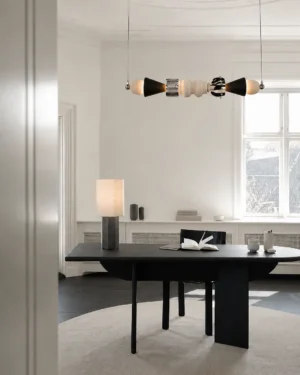
Arinna Pendant Lamp In Oak, Stone And Brass
By MARAU
€15.000 -
 In stock
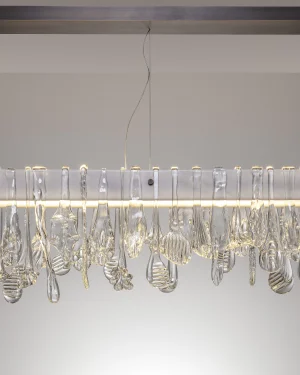
Pingente Pendant Lamp
By Carol Gay
€8.000 -
 In stock
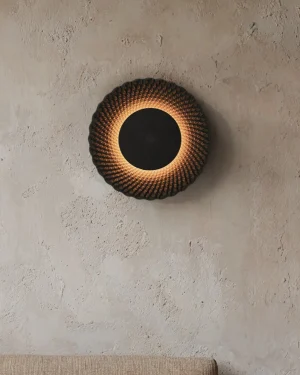
Sun Vxs 05 — Sculptural Wall Lamp In 3d-printed Sand
By Rollo Studio
€1.080 -
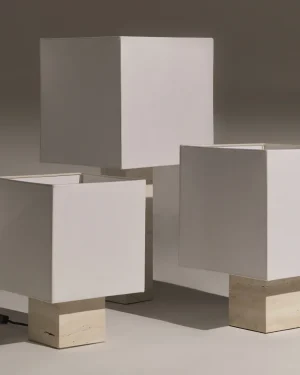
Roma Squared Table Lamp In White Travertine
By NASSI LAMPS
€946 - €1.369 -
 In stock
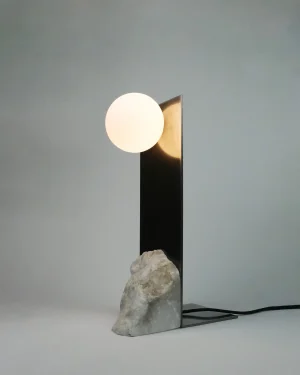
Himalaya Lunar Vertical Table Lamp in Alabaster
By HEAKO
€3.300 -

Orbita Floor Lamp in Biocomposite and Bouclé Wool
By PletoStudio
€5.000 -
 In stock
Barq Table Lamp in Alabaster
By Mugen
€3.518 -
 In stock
Pe Lamp
By BuRRo
€62 -
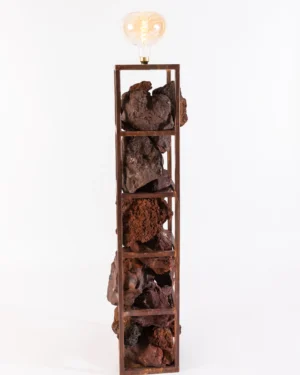
Zm Tezontle Floor Lamp in Metal and Volcanic Stone
By Daniel Orozco Estudio
€2.820 -
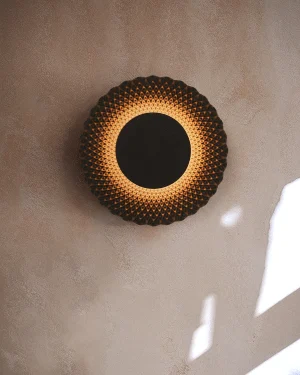 In stock
Sun Vxs 06 — Sculptural Wall Lamp In 3d-printed Sand
By Rollo Studio
€1.080 -
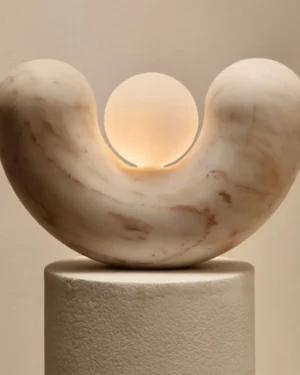
Estremoz Floor Lamp In Marble And Glass
By Joana Vilaça Studio
€3.800 -
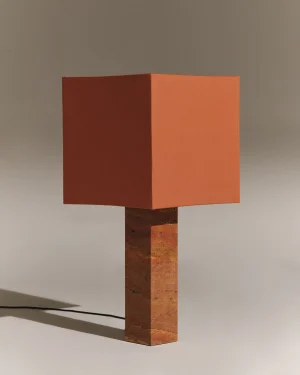
Roma Squared Large Table Lamp In Red Travertine
By NASSI LAMPS
€1.522 -
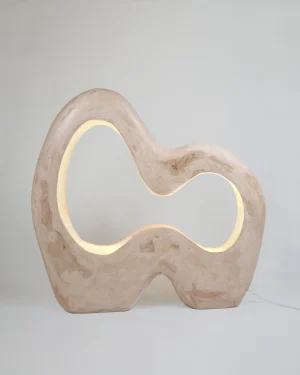
Infinite Floor Lamp in Pigmented Gypsum
By Studio AOAO
€6.000 -
 In stock
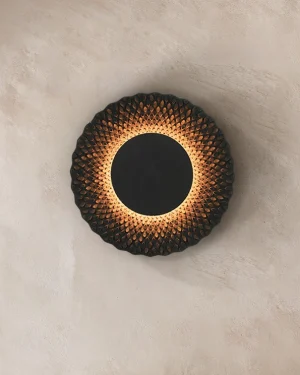
Sun Vxs 08 — Sculptural Wall Lamp In 3d-printed Sand
By Rollo Studio
€1.080 -
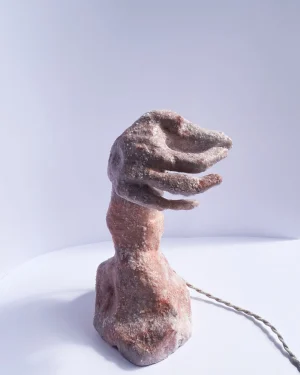
Beggar Table Lamp In Acrylic Resin
By Ieva Gudelaitytė
€400 -
 In stock
Alba No. 2 Table Lamp in Alabaster
By Mugen
€953 -
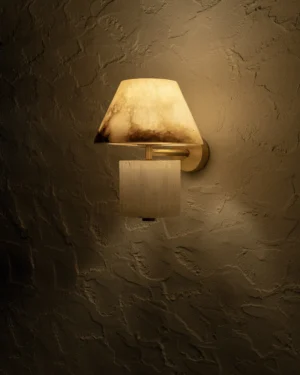
Rio Wall Lamp In Alabaster And Brass
By Harshita Jhamtani Designs
€1.150 -
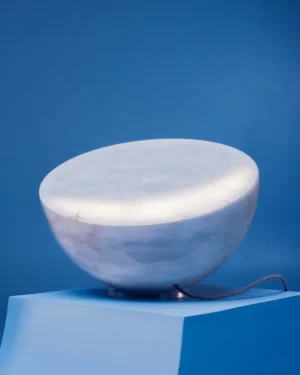
Moon Forty – Alabaster Floor Lamp
By A.D.U. Studios
€3.720 -
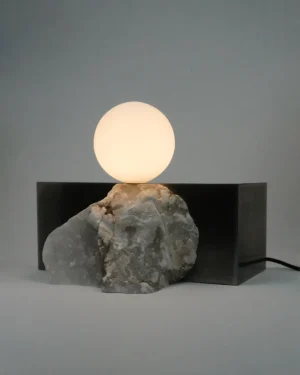 In stock
Himalaya Lunar Horizontal Table Lamp in Alabaster
By HEAKO
€3.200 -

Eclipse Pendant Light
By Rollo Studio
€2.400 -

Papiro Table Lamp In Alabaster
By Luis Gimeno Design
€1.800 -

Basalte Table Lamp In Lava Stone
By Clemence Birot
€2.170 -
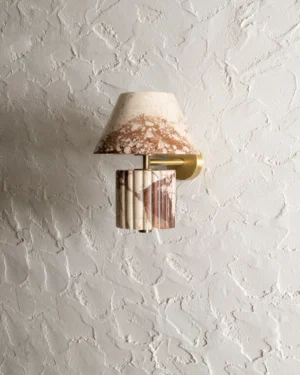
Rio Wall Lamp In Pizzato Marble And Brass
By Harshita Jhamtani Designs
€1.290 -
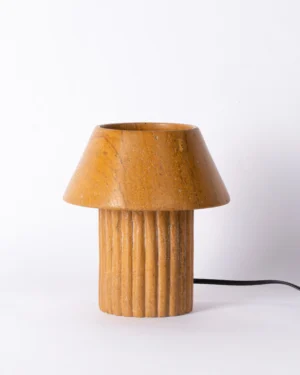
Rio (m) Table Lamp In Sandstone
By Harshita Jhamtani Designs
€690 -
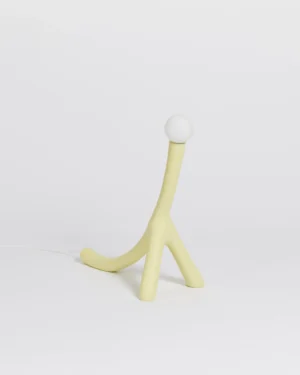 In stock
“Object 01” Lamp from the “Play” Collection
By Hot Wire Extensions
€1.890 -
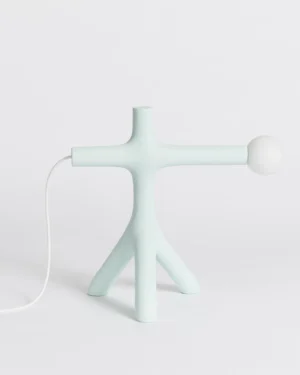 In stock
“Object 03” Lamp from the “Play” Collection
By Hot Wire Extensions
€1.670
Stone lighting brings the density and markings of quarried material into a lit object, carved, turned or hand-built by studios working in marble, travertine, sandstone and lava stone. Each base or shade keeps the veining, pitting or crystalline flecks particular to its block, so no two lamps read quite the same even within one run. Some studios pair the stone with metal fittings or blown glass diffusers, others leave it to stand alone.
What defines stone lighting
Weight is the first thing you notice. A stone base sits low and still on a surface, needing no clamp or counterweight, and that same mass is what makes the lamp read as an object worth keeping rather than a fixture to be replaced. Color and grain come from the quarry, not a dye lot, which is why pieces in the same stone can still vary from pale sand to charcoal.
Materials, finishes and ways of working stone
Marble remains the material most studios reach for, prized for its polish and its capacity to take a soft glow through a thin-cut shade. Travertine, sandstone and lava stone appear often too, each with a rougher, more porous face that holds light differently and ages into a matte, chalky surface over time. Some makers finish the stone smooth and cool to the touch, others leave tool marks from the carving visible.
- Stone carving and turning, worked from a solid block
- Stone paired with metalwork, glassblowing or hand-building for the shade or fitting
- Open editions alongside limited runs and unique pieces, since natural blocks vary
Anyone drawn to the look of stone without the weight of a full base can find related pieces across stone and mineral lighting and objects, or compare how studios combine stone with other materials in metal lighting.
Choosing a stone lamp for scale and placement
Stone lighting is rarely subtle about its footprint, so measure the surface it will stand on before anything else. A squat marble base asks for a table deep enough that the lamp does not crowd what sits beside it, while a slimmer travertine form can hold its own on a narrower console or nightstand. Check the finish too: a honed or matte surface hides dust and handling better than a high polish, which will show every mark.
Where stone lighting works in a room
These pieces suit rooms built around a few solid objects rather than many small ones. A living room benefits from the anchoring weight of a stone lamp beside softer furnishings, and the same logic carries into a bedroom, where a dense base on a nightstand reads as settled rather than fussy. For more on pairing light sources with seating and other furniture at this scale, see the wider range of living room lighting.
Caring for stone lighting
Stone is porous to different degrees depending on the type, so wipe spills promptly and avoid placing stone lamps where oil, wine or citrus might sit on the surface. A dry or barely damp cloth is usually enough for dusting; avoid acidic or abrasive cleaners, which can dull a polished finish or etch a honed one. Left alone, most stones used in lighting darken only slightly with age, a change that tends to deepen the material rather than wear it out.
For a narrower look at carved and turned forms on their own, the stone lamps within the wider lighting range show how far studios take this material, from rough-hewn blocks to polished, sculptural forms.
How do I choose a stone lamp?
Start with weight and light: marble takes a soft glow through a thin shade, while travertine and lava stone give a dimmer, more diffused light through a porous face. Match the stone's color and grain to the surface it will sit on.
How do I care for stone lighting?
Dust with a dry or barely damp cloth and keep bases away from standing water, since porous stones like travertine and sandstone can stain. A light coat of stone sealer helps unpolished surfaces resist marks over time.
What size and height should a stone lamp be?
Stone bases sit low and dense, so they rarely need a wide footprint to feel stable on a table or floor. Sizes vary by piece, so check the specific dimensions on each product page.
Which rooms suit stone lighting?
The weight of stone reads well wherever a lamp will stay put, living rooms, bedrooms and entryways in particular. A heavier base also suits low tables or floors better than shelves, where the mass is less necessary.
Can I get a custom stone lamp or order a specific stone?
Some studios work to commission in a chosen stone or finish, others only offer what they have carved. Chat with the maker on the piece's page to confirm what is possible.
What about shipping, returns and authenticity for stone lighting?
Shipping is insured and worldwide. Returns are accepted within 14 days, except made-to-order pieces, and every lamp arrives with a certificate of authenticity backed by ADORNO's lowest-price guarantee.