



















-
 In stock
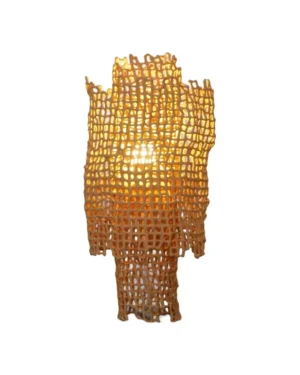
Object 02 Sconce in Nylon and Sand
By Hot Wire Extensions
€1.460 This product has multiple variants. The options may be chosen on the product page -
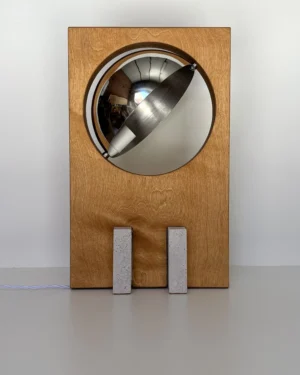
Galileo 2.2 Table Lamp In Marble And Plywood
By Edoardo Lietti Studio
€750 -
 In stock
O.f.i.s Series Table Lamp in Pipe, Rod And Brick
By Lucas Muñoz Muñoz
€280 -
 In stock
“Object 02” Wall Lamp from the “Hotel” Collection
By Hot Wire Extensions
€1.145 This product has multiple variants. The options may be chosen on the product page -
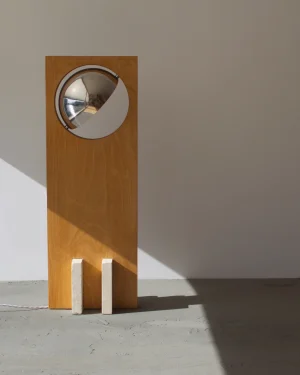
Galileo 2.3 Floor Lamp In Marble And Plywood
By Edoardo Lietti Studio
€1.050 -

Rotonda Table Lamp in Resin
By Adrian Cruz
€2.380 -
 In stock
Cofit-20 Table Lamp In Coal Concrete
By Atelier Haute Cuisine
€380 -
 In stock
Object 09 Sconce in Nylon and Sand
By Hot Wire Extensions
€1.145 - €1.163 This product has multiple variants. The options may be chosen on the product page -
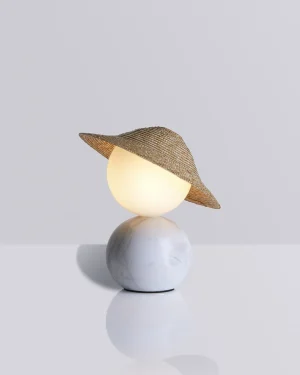 In stock
Théros 0.2 Table Lamp in Blown Glass and Marble
By Studio Aristotelis Barakos
€950 -

Regina Table Lamp In Marble
By Daniel Orozco Estudio
€2.034 This product has multiple variants. The options may be chosen on the product page -
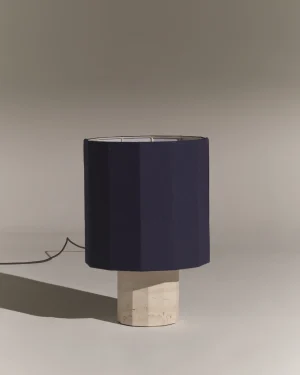
Roma Dodecagon Medium Table Lamp In White Travertine
By NASSI LAMPS
€1.470 This product has multiple variants. The options may be chosen on the product page -
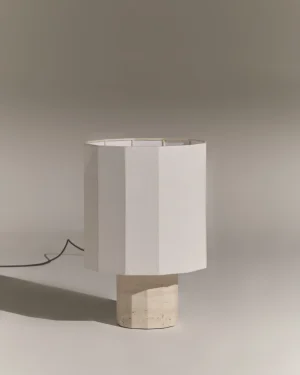
Roma Dodecagon Small Table Lamp in Travertine and Brass
By NASSI LAMPS
€1.050 - €1.200 This product has multiple variants. The options may be chosen on the product page -
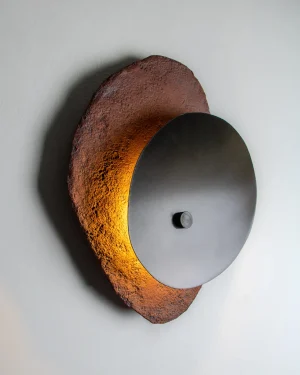
Asea No.1 Cherry Wall Sconce in Stoneware and Metal
By Ceren Gürkan
€1.000 -
 In stock
L’Été Ceramic Wall Light
By Katia Langeard
€350 This product has multiple variants. The options may be chosen on the product page -
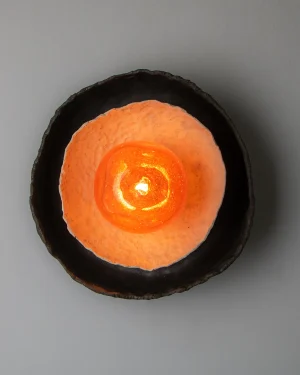
Asea No. 26 Red Wall Sconce in Blown Glass and Stoneware
By Ceren Gürkan
€1.100 -

Basalte Table Lamp In Lava Stone
By Clemence Birot
€2.170 -
 In stock
Lunel Table Lamp in Alabaster
By Mugen
€2.042 -
 In stock
Tl-1 Earth Table Lamp In Cellulose Acetate
By Juba Concepts
€592 -

Black Wool Table Lamp in Biocomposite
By PletoStudio
€700 -
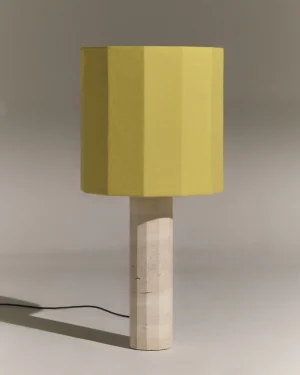
Roma Dodecagon Large Table Lamp in White Travertine
By NASSI LAMPS
€1.920 This product has multiple variants. The options may be chosen on the product page -
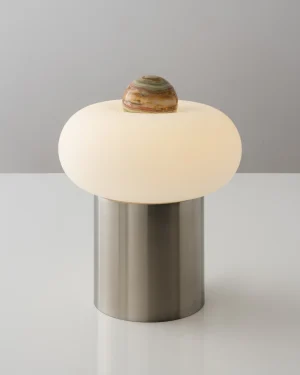 In stock
Capsula 01 Table Lamp in Blown Glass and Onyx
By Noiro Studio
€1.100 -
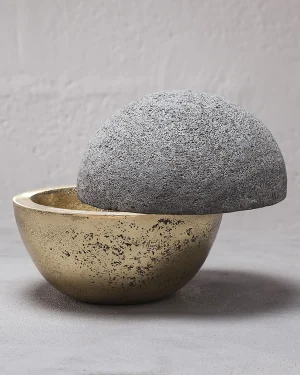
Hemisferio Table Lamp in Bronze and Volcanic Stone
By ANDEAN
€638 -
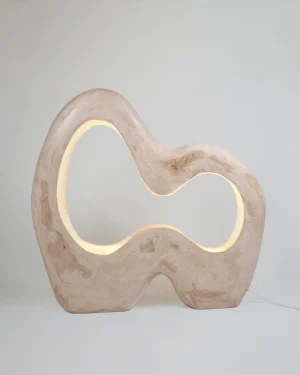
Infinite Floor Lamp in Pigmented Gypsum
By Studio AOAO
€6.000 -
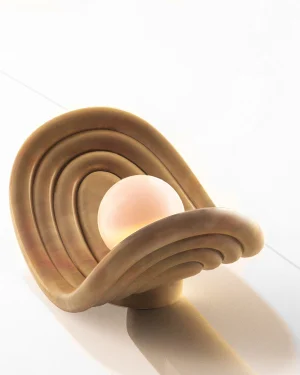
Pearl Table Lamp
By Alter Ego Studio
€4.790 - €8.700 This product has multiple variants. The options may be chosen on the product page -
 In stock
Alba No. 2 Table Lamp in Alabaster
By Mugen
€953 -
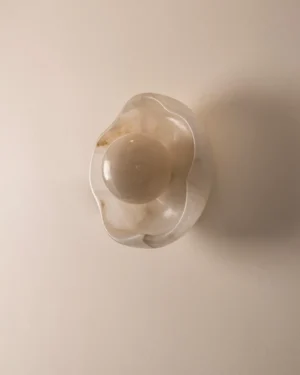
Flower Wall Sconce In Alabaster
By Harshita Jhamtani Designs
€688 -
 In stock
Hero Lamp Floor Lamp In Stainless Steel And Acrylic
By Panorammma Atelier
€4.250 This product has multiple variants. The options may be chosen on the product page -
 In stock
Tl-1 Heaven Table Lamp In Cellulose Acetate
By Juba Concepts
€592 -
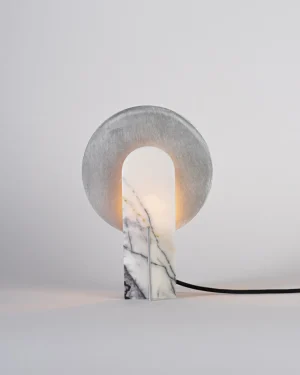 In stock
Aurora Medium Table Lamp in Marble and Aluminum
By Hasik Design Studio
€975 -
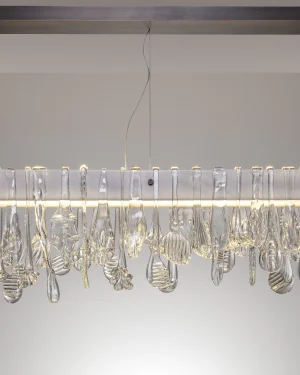 In stock
Pingente Pendant Lamp
By Carol Gay
€8.000 -
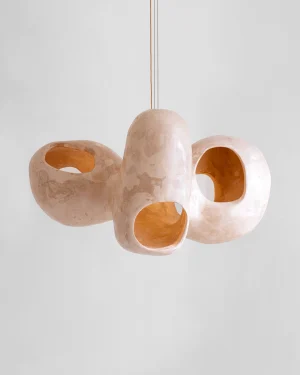
Bosei Chandelier in Gypsum
By Studio AOAO
€15.000 - €29.000 This product has multiple variants. The options may be chosen on the product page -
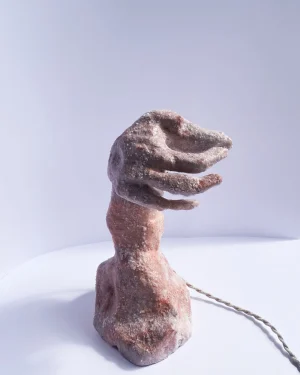
Beggar Table Lamp In Acrylic Resin
By Ieva Gudelaitytė
€400 -
 In stock
Nova Wall Sconce in Blown Glass and Steel
By Ceren Gürkan
€630 -
 In stock
Nova Blue Wall Sconce in Blown Glass and Steel
By Ceren Gürkan
€700 -
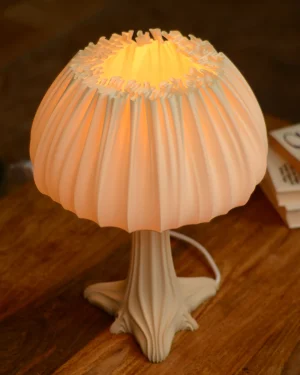 In stock
M 2 Table Lamp in Bio Plastic and Sand
By diploria studio
€335 -
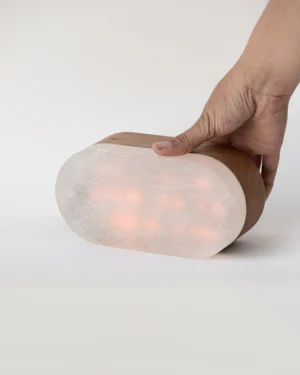 In stock
Cumulo Table Lamp in Alabaster and Oak Wood
By Valentine Maurice
€900 -
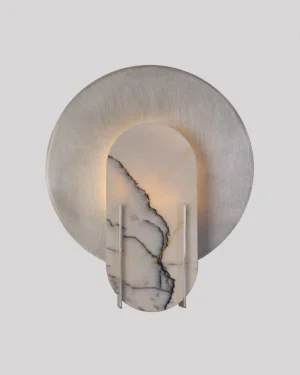
Alice Wall Lamp in Illuminated Marble
By Hasik Design Studio
€1.225 -

Orbita Floor Lamp in Biocomposite and Bouclé Wool
By PletoStudio
€5.000 -

Laco Floor Lamp in Biocomposite and Linen
By PletoStudio
€3.600 -

Shadow Wool Floor Lamp in Biocomposite and Carpathian Wool
By PletoStudio
€2.200 -
 In stock
Object 12 Sconce in Nylon and Sand
By Hot Wire Extensions
€1.145 - €1.355 This product has multiple variants. The options may be chosen on the product page -

Basalte Table Lamp In Glazed Lava Stone
By Clemence Birot
€3.370 -
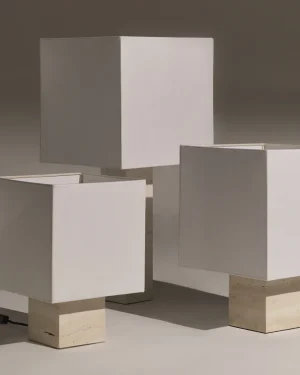
Roma Squared Table Lamp In White Travertine
By NASSI LAMPS
€950 - €1.370 This product has multiple variants. The options may be chosen on the product page -
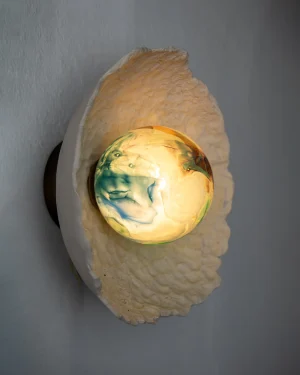 In stock
Asea No. 17 Wall Sconce in Stoneware and Blown Glass
By Ceren Gürkan
€900 -
 In stock
Sun Vxs 02 — Natural Sand Wall Lamp With Soft Ambient Glow
By Rollo Studio
€980 -
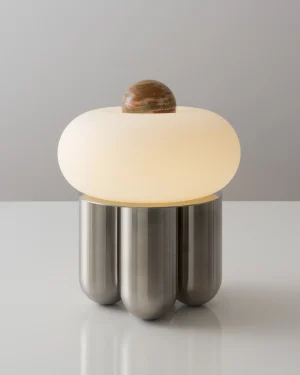
Capsula Table Lamp in Blown Glass, Onyx and Stainless Steel
By Noiro Studio
€1.320 -
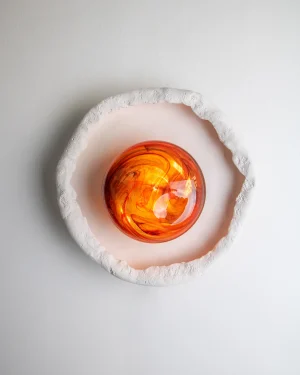 In stock
Asea No. 35 Wall Sconce in Porcelain and Blown Glass
By Ceren Gürkan
€1.200 -

Silva Soft Floor Lamp in Biocomposite and Cotton
By PletoStudio
€1.100 -
 In stock
Object 07 Sconce in Nylon and Sand
By Hot Wire Extensions
€1.145 This product has multiple variants. The options may be chosen on the product page -
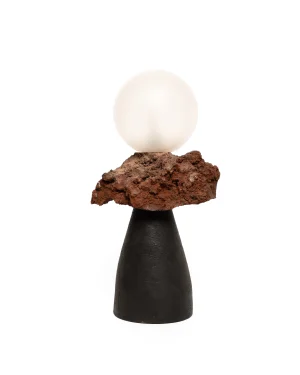
Hof Tezon Lamp
By Daniel Orozco Estudio
€475 -

Eclipse Pendant Light
By Rollo Studio
€2.400 -
 In stock
Barq Table Lamp in Alabaster
By Mugen
€3.518 -
 In stock
Blobo Table Lamp in Alabaster and Teak
By Mugen
€2.323 -

Caldera Table Lamp In Lava Stone
By Clemence Birot
€2.730
Stone lamps bring a mineral stillness to a room that other lighting materials rarely offer, holding the weight and cool surface of marble, travertine or granite even when the bulb inside is warm. Independent studios shape them by carving solid blocks, turning them on a lathe or casting resin and dust composites to mimic the look of quarried stone at a lighter weight. The result is a lamp that reads as sculpture in daylight and only reveals its purpose once switched on.
What makes a stone lamp behave differently
Stone is dense, and that density changes how a lamp sits in a room. A base carved from a single block will not tip, will not slide across a console, and will not need to be hidden behind other objects to feel grounded. Natural stone also carries its own pattern of veining, pitting or crystalline flecks, so no two bases catch the light in quite the same way, even within a single run.
Because stone is opaque, light from these lamps usually travels upward through an open shade or sideways from an exposed bulb rather than through the base itself. Where a studio works in a paler stone or a frosted glass shade paired with a stone foot, some glow can pass through the thinner sections, giving the piece a second, softer character after dark.
The materials, finishes and editions found here
Stone lamps on ADORNO sit alongside related pieces in natural stone, polished aluminum, stoneware and blown glass, often combined within a single design. Finishes run from bronze and beige tones close to the quarried material to white or frosted elements that lighten the overall silhouette. Styles range across the following:
- Contemporary and modern bases with clean, geometric carving
- Minimalist forms reduced to a single volume or cylinder
- Coastal and eclectic pairings of stone with glass, ceramic or metal
- Radical shapes that treat the stone block as a deliberately rough or unfinished mass
Some studios work in open editions, repeating a form in the same stone over time, while others turn out unique pieces where the veining or shape of the raw block cannot be reproduced. Either way, the weight and finish of the material stay the point, rather than any applied decoration.
Choosing a stone lamp for scale and placement
Because stone carries real weight, scale matters more here than with a lamp in glass or metal. A low, wide base suits a sideboard or console where it will be seen from across the room, while a narrower, taller form works better on a nightstand or small side table where reach matters more than mass. Measure the surface it will stand on, not just the lamp, since stone bases often need more footprint than their height suggests.
Placement also depends on how the light is meant to work. A stone lamp with an open or upward shade is suited to a reading corner or a hallway console, where it fills a space with ambient light rather than directing it onto a page. Pieces with a smaller, more focused shade sit well on a desk or beside a bed, where a pool of light rather than a wash of it is what is needed.
Where stone lamps suit a room
Living rooms and entryways tend to carry the weight of a stone base most comfortably, since both rooms already hold other substantial objects such as a stone coffee table or a heavy mirror frame. Bedrooms take a smaller-scale stone lamp well on a nightstand, where its stillness reads as calm rather than as a feature in itself. For a wider view of how stone is used across seating, tables and small objects, see the full range of stone furniture alongside lighting.
Caring for a stone lamp
Most stones used in lighting are dense and low-porosity compared with marble used for tabletops, but they can still mark if left wet or exposed to acidic liquids such as citrus or wine. Wipe the base with a dry or barely damp cloth, and avoid household cleaners that contain acid or ammonia. Keep carved or polished stone away from direct, prolonged heat, since uneven warming can stress a natural fissure in the material over time.
For the wider view across the category, the full range of lamps on ADORNO spans wood, ceramic and metal alongside stone, while every stone piece on ADORNO extends the material into furniture and decor beyond lighting. Those drawn to a quieter silhouette might also look at minimalist lamps, and anyone furnishing a sitting room specifically can start with living room lamps. For stone used across pendants, sconces and floor lights rather than table pieces alone, see stone lighting.
How do I choose a stone lamp?
Consider the stone's weight and finish alongside the light it gives off: carved stone reads as sculpture by day and softens into a warm glow at night. Match its scale and tone to where it will sit.
How do you care for a stone lamp?
Wipe with a dry or slightly damp cloth, and avoid harsh cleaners since many stones are porous and can stain or etch. Keep it away from prolonged direct sunlight and moisture.
What size or height should a stone lamp be?
Table lamps generally sit between 18 and 30 inches tall, enough to clear a reading surface without blocking sightlines. Stone's density means larger lamps often work best on a stable, low surface.
Which rooms suit a stone lamp?
Living rooms and bedrooms both suit stone lamps, where their weight grounds a side table or console. Their solidity also reads well in entryways, where a lamp doubles as a quiet anchor point.
Does ADORNO ship stone lamps worldwide, and can I return one?
Shipping is insured and worldwide. Pieces can be returned within 14 days, except made-to-order lamps, which are excluded from returns.
Can I order a custom stone lamp, and is it authentic?
For custom sizes, finishes or stone types, chat with the maker on the piece's page to confirm what is possible. Every lamp ships with a certificate of authenticity.