













-
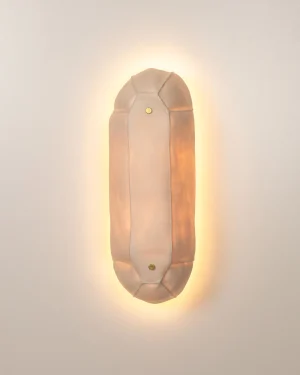
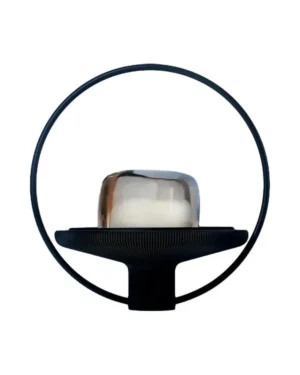
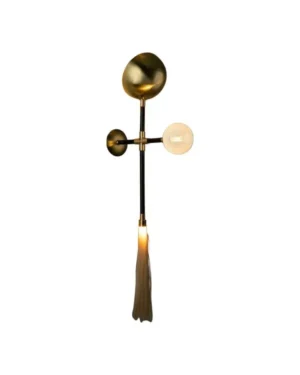
Kawa Series 01 Wall Sconce in Porcelain and Brass
By Luft Tanaka Studio
€1.600 -

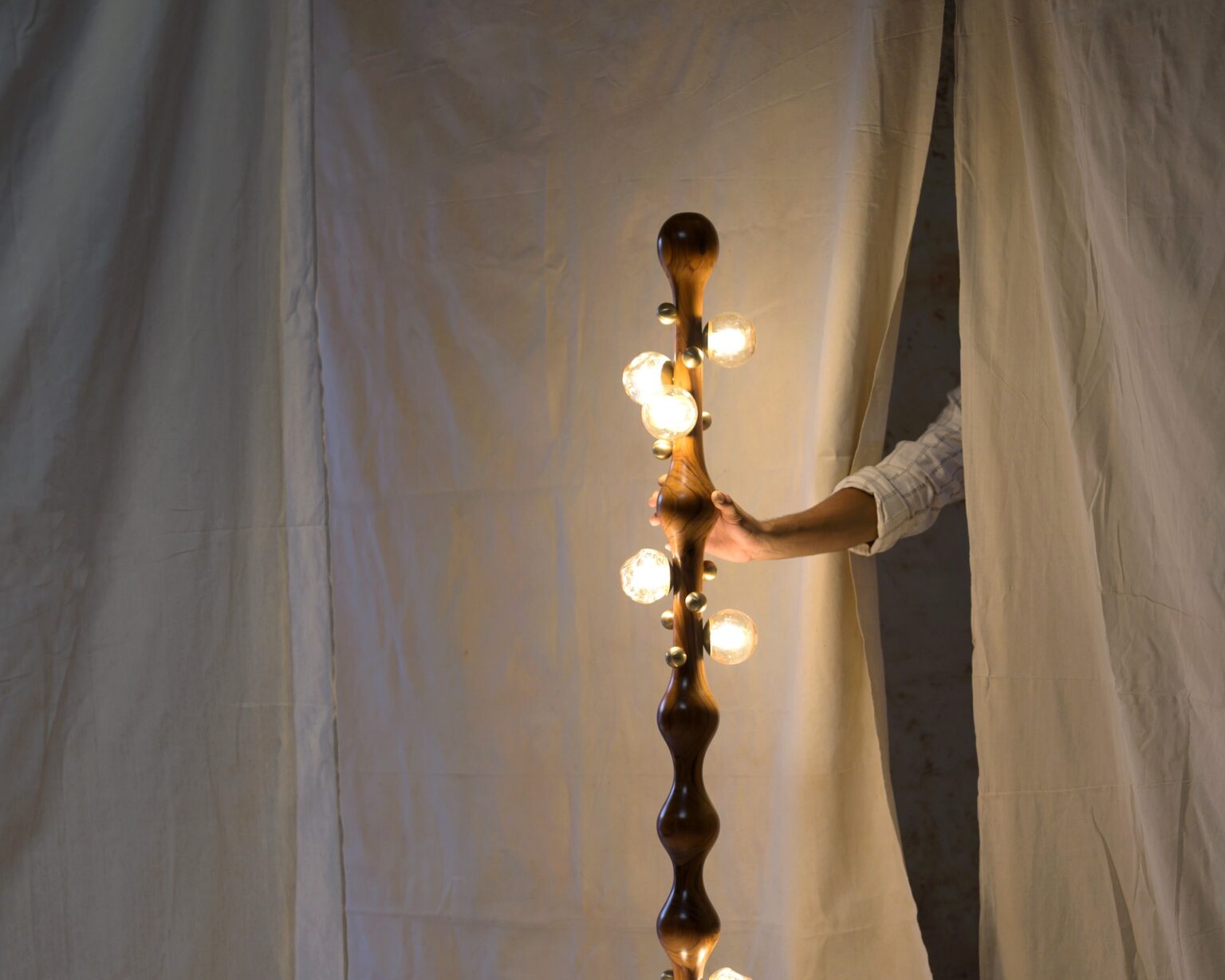
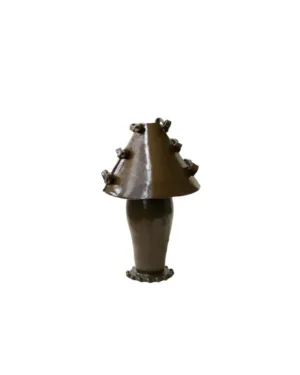
Fat Op No. 001 Floor Lamp In Ceramic
By Pani Jurek STUDIO
€1.539 -
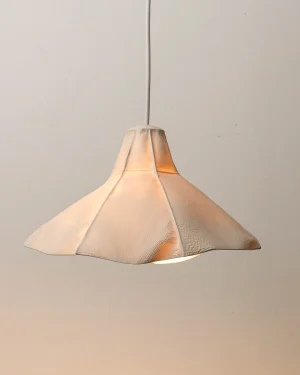
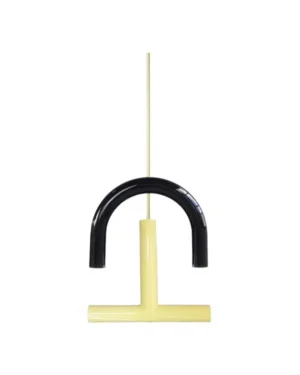
Kawa Series 04 – Ceramic Pendant Lamp
By Luft Tanaka Studio
€1.600 -
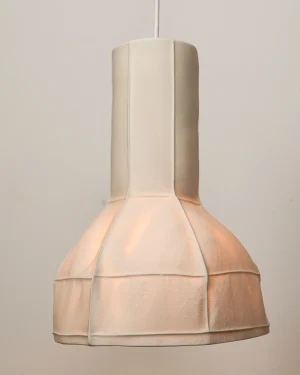
Kawa Series 05 Pendant Lamp in Porcelain and Ceramic
By Luft Tanaka Studio
€1.375 -
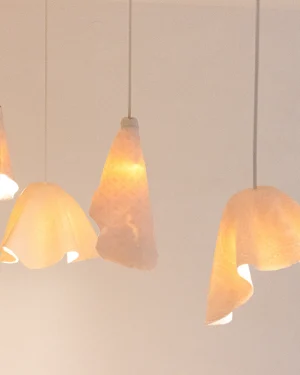
“nsidvblml” No One Is Enlightened Twice Under The Same Light
By Popdots Studio
€315 -

Fat Op No. 002 Four Piece Floor Lamp In Ceramic
By Pani Jurek STUDIO
€2.313 -
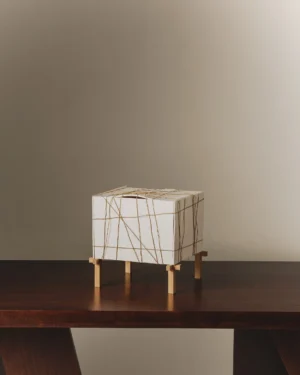 In stock
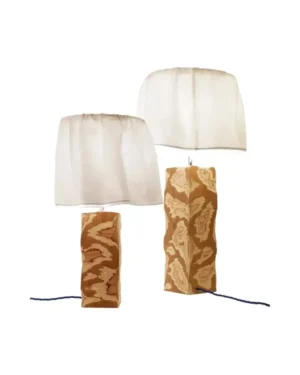
Fardo Table Lamp in Porcelain, Oak Wood and Rope
By Mike Hausmann
€2.800 -
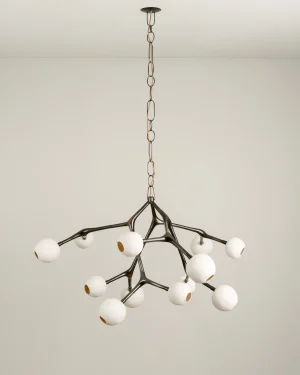
Maratus Chandelier in Bronze and Glass
By Isabel Moncada
€31.005 - €35.655 -

Fat Op No. 001 Three Piece Floor Lamp In Ceramic
By Pani Jurek STUDIO
€1.926 -
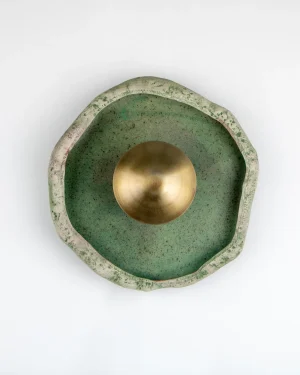 In stock
Asea No. 18 Green Wall Sconce In Porcelain And Brass
By Ceren Gürkan
€600 -
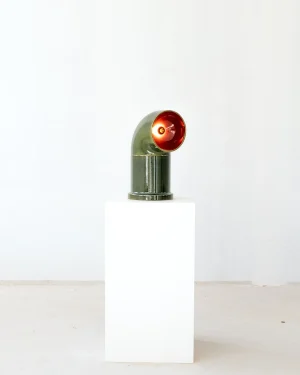
Fat Op No. 003 Two Piece Table Lamp In Ceramic
By Pani Jurek STUDIO
€1.539 -

Fat Op No. 001 Four Piece Floor Lamp In Ceramic
By Pani Jurek STUDIO
€2.313 -

Fat Op No. 004 Three Piece Floor Lamp In Ceramic
By Pani Jurek STUDIO
€1.926 -
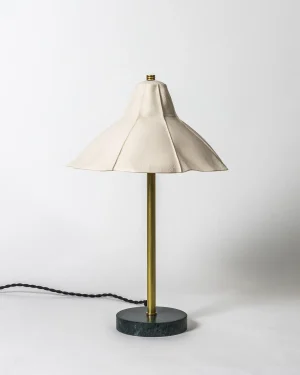
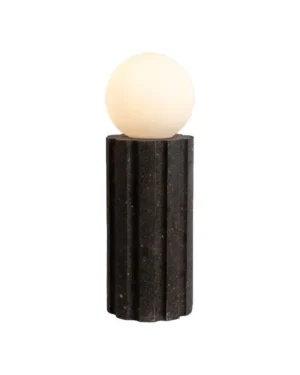
Kawa Table Lamp in Porcelain, Brass and Marble
By Luft Tanaka Studio
€1.874 -

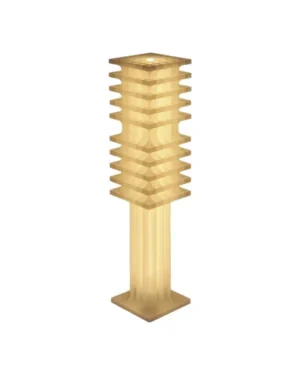
Slim Op Four Piece Floor Lamp In Ceramics
By Pani Jurek STUDIO
€1.045 -
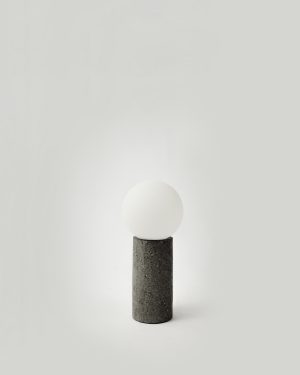
Fos 14 Table Lamp in Stone and Glass
By Daniel Orozco Estudio
€1.060 -
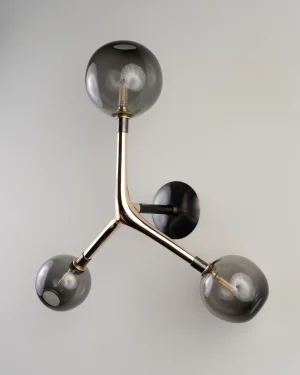
Ocellus Wall Sconce in Bronze and Blown Glass
By Isabel Moncada
€3.510 - €4.036 -
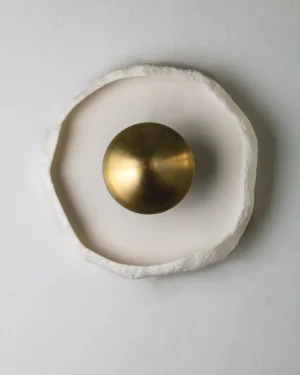 In stock
Asea No. 18 White Wall Sconce In Porcelain And Brass
By Ceren Gürkan
€600 -
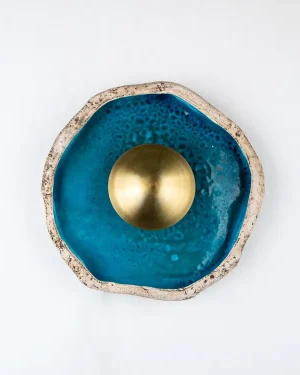 In stock
Asea No. 18 Blue Wall Sconce In Porcelain And Brass
By Ceren Gürkan
€600 -
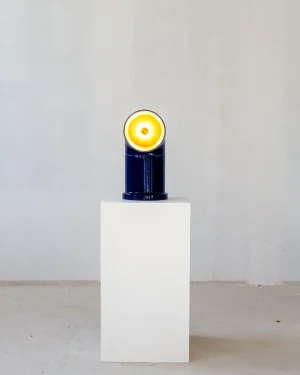
Fat Op No. 002 Two Piece Table Lamp In Ceramic
By Pani Jurek STUDIO
€1.539 -

Mélopée Pendant Lamp In Porcelain
By Pirouette
€636 - €1.980 -

Fat Op No. 004 Two Piece Table Lamp in Ceramic
By Pani Jurek STUDIO
€1.539 -

Fat Op No. 002 Three Piece Floor Lamp In Ceramic
By Pani Jurek STUDIO
€1.926 -

Mantis 9-Piece Chandelier in Bronze and Glass
By Isabel Moncada
Price Upon Request -
Porcelain lighting gathers pieces shaped from the whitest of clays, worked thin enough to let light pass through. Studios build these forms by hand, by slip casting into molds, or by throwing on a wheel, then fire and glaze the surface so it reads as stone by day and glows by night. The result sits between object and fixture, giving off a soft, even wash of light rather than a sharp point.
What defines porcelain as a lighting material
Porcelain is the densest and most refined of the clays, fired at high heat until it turns pale and faintly translucent. That translucency is what sets porcelain lighting apart from other ceramic or glass fixtures: the shade itself becomes the diffuser, softening a bulb's glare into something closer to candlelight. Walls thin enough to glow still hold their shape and weight, so a porcelain shade or base carries a quiet solidity that glass or paper cannot match.
How these pieces are made
Hand-building and wheel throwing give each porcelain lamp slight variation in wall thickness and form, which shows up as uneven pooling of light across the shade. Slip casting, by contrast, lets a studio repeat a form closely, pouring liquid clay into a mold so that thickness and translucency stay consistent from one piece to the next. Both methods depend on a long, careful firing: porcelain shrinks and can warp or crack if dried or heated unevenly, which is part of why a well-made piece in this material commands attention.
Many lamps pair a porcelain body or shade with metalwork in brass, or with oak wood bases made using traditional joinery and cabinetmaking. The combination grounds a delicate ceramic form with weight and warmth, and makes the fixture simpler to wire, stand or hang. Pieces are generally produced as open editions, so a given form may be available again, though glaze and hand-building mean no two pieces are ever perfectly identical.
Choosing a porcelain lamp or pendant
Start with scale: a thin porcelain shade reads differently depending on whether it sits on a side table, hangs low over a dining surface, or stands as a floor lamp. Measure the space it will occupy and check how far light needs to throw, since a dense glaze lets through less light than a pale, thin-walled one. Consider finish next, matching a glossy white or cobalt glaze against existing ceramics, marble or brass in the room, or letting it stand apart as the only glazed surface.
- Table and desk lamps suit close, task-level light in a bedroom or study.
- Pendants and larger forms work well over a dining table or in an entryway, where the glow is seen from across a room.
- Wall-mounted pieces anchor a hallway or bathroom without taking up floor or table space.
For a living room, a porcelain floor or table lamp pairs easily with upholstery, wood and stone, its glow reading as warm rather than clinical. If you want the fixture itself to stay quiet, look toward lighting grouped under minimalist lighting, where pale glazes and plain forms keep the attention on light rather than shape.
Placing and caring for porcelain lighting
Keep porcelain fixtures away from edges where they can be knocked, since the fired body, though dense, is brittle and will chip or crack on impact. Dust with a dry or barely damp cloth; harsh cleaners can dull a glaze over time, and abrasive pads will scratch it. Unplug and let any integrated electrical fittings cool before handling the shade, and avoid sudden temperature swings, which porcelain does not tolerate well.
For the full range of fixtures in this material, see every porcelain piece on ADORNO, including lamps built around the same hand-building and glazing techniques. If you prefer a fixture with more visible structure, metal lighting offers a harder-edged alternative, while porcelain lamps narrows the search to table and floor forms. For every material and finish lighting comes in, the full lighting range is worth a look, and for spaces built around seating and rest, living room lighting shows how porcelain lighting sits alongside other fixtures.
How do I choose porcelain lighting for my home?
Consider the glaze and wall thickness together, since a bright white glaze intensifies glow while a darker tint softens it. Match the form to the room's scale and decide if you want even hand-built variation or the uniform repeat of slip casting.
Is porcelain lighting hard to clean or maintain?
Porcelain is dense and non-porous once glazed, so a dry or slightly damp cloth keeps the surface clear. Avoid abrasive cleaners on unglazed matte patches, which stay more absorbent than the glossy areas.
Does porcelain lighting break or chip easily?
Fired porcelain is harder than earthenware and holds its shape well, but thin shades can chip on sharp impact. Handle fittings by the base rather than the shade when moving or cleaning a piece.
What size or height of porcelain lighting should I choose?
Sizes vary by studio and technique, from compact table lamps to larger pendant shades. Chat with the maker on a piece's page to confirm exact dimensions before buying.
Which rooms suit porcelain lighting best?
The soft, even glow works well in living rooms and bedrooms, where a gentler light replaces a harsh point source. Bathrooms and hallways also benefit from the quiet, stone-like presence porcelain brings even when unlit.
How does shipping, returns and authenticity work when buying from ADORNO?
Shipping is insured and sent worldwide, with a 14-day return policy on all but made-to-order pieces. Every order includes a certificate of authenticity, backed by a lowest-price guarantee.