



















-

Conic 01 Wall Sconce in Porcelain and Stainless Steel
By Hanna Fastrich
€1.390 -

Slim Op Four Piece Floor Lamp in Ceramics and Porcelain
By Pani Jurek STUDIO
€1.045 This product has multiple variants. The options may be chosen on the product page -

Fat Op No. 002 Four Piece Floor Lamp in Ceramic
By Pani Jurek STUDIO
€2.313 -

Fat Op No. 001 Four Piece Floor Lamp in Ceramic
By Pani Jurek STUDIO
€2.313 -

Fat Op No. 001 Floor Lamp in Ceramic
By Pani Jurek STUDIO
€1.539 -

Textured 01 Wall Sconce in Porcelain and Stainless Steel
By Hanna Fastrich
€1.670 -
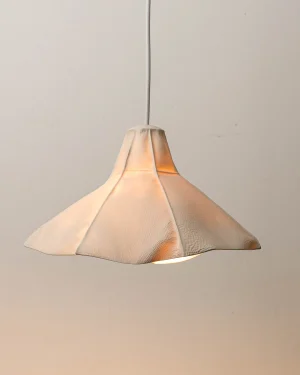
Kawa Series 04 – Ceramic Pendant Lamp
By Luft Tanaka Studio
€1.375 -
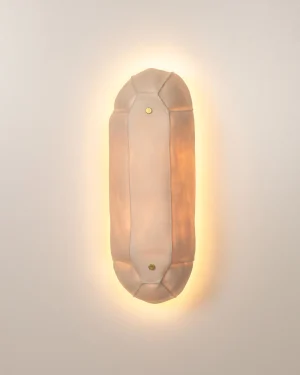
Kawa Series 01 Wall Sconce in Porcelain and Brass
By Luft Tanaka Studio
€1.600 -
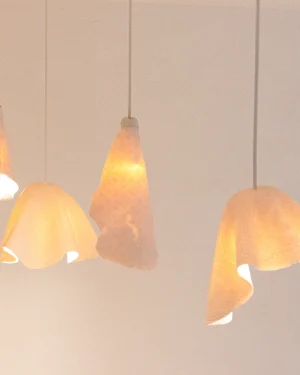
“nsidvblml” No One Is Enlightened Twice Under The Same Light
By Popdots Studio
€315 This product has multiple variants. The options may be chosen on the product page -

Slim Op Table Lamp in Ceramics and Porcelain
By Pani Jurek STUDIO
€765 This product has multiple variants. The options may be chosen on the product page -

Mélopée Pendant Lamp in Porcelain
By Pirouette
€636 - €1.980 This product has multiple variants. The options may be chosen on the product page -
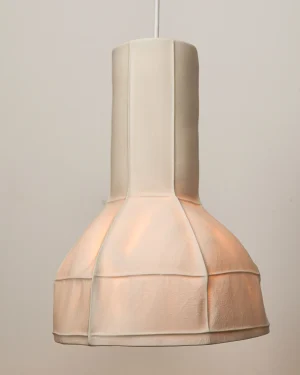
Kawa Series 05 Pendant Lamp in Porcelain and Ceramic
By Luft Tanaka Studio
€1.375 -

Fat Op No. 003 Two Piece Table Lamp in Ceramic
By Pani Jurek STUDIO
€1.539 -
 In stock
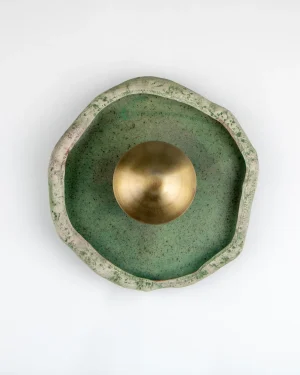
Asea No. 18 Green Wall Sconce in Porcelain and Brass
By Ceren Gürkan
€600 -

Fat Op No. 001 Three Piece Floor Lamp in Ceramic
By Pani Jurek STUDIO
€1.926 -
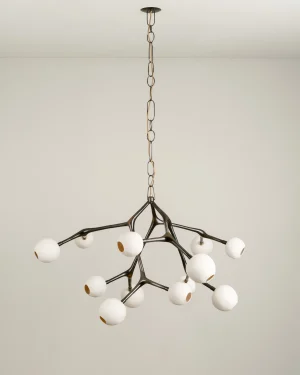
Maratus Chandelier in Bronze and Glass
By Isabel Moncada
€31.005 - €35.655 This product has multiple variants. The options may be chosen on the product page -
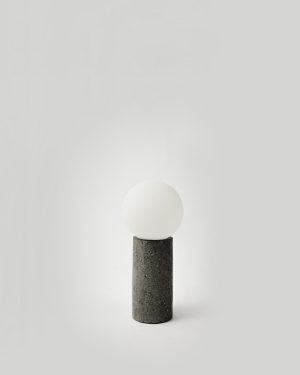
Fos 14 Table Lamp in Stone and Glass
By Daniel Orozco Estudio
€1.060 -
 In stock
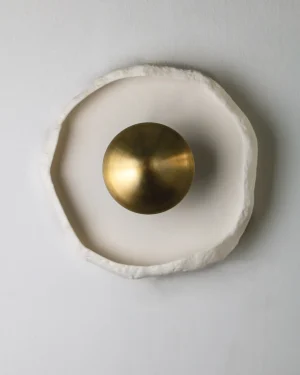
Asea No. 18 White Wall Sconce in Porcelain and Brass
By Ceren Gürkan
€600 -
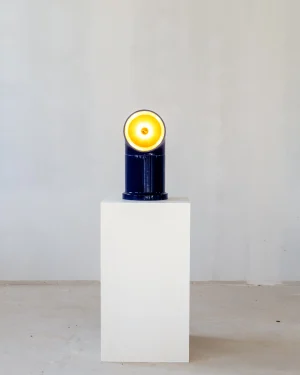
Fat Op No. 002 Two Piece Table Lamp in Ceramic
By Pani Jurek STUDIO
€1.539 -

Fat Op No. 004 Three Piece Floor Lamp in Ceramic
By Pani Jurek STUDIO
€1.926 -
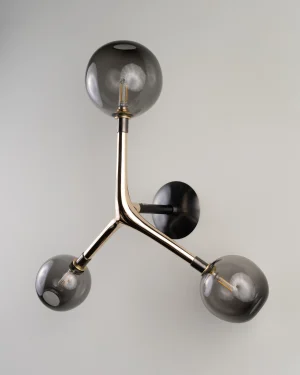
Ocellus Wall Sconce in Bronze and Blown Glass
By Isabel Moncada
€3.510 - €4.036 This product has multiple variants. The options may be chosen on the product page -
 In stock
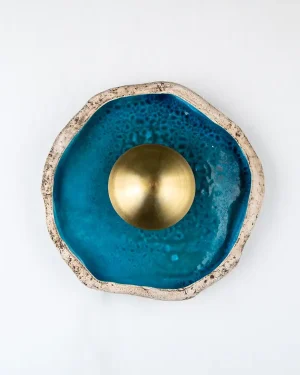
Asea No. 18 Blue Wall Sconce in Porcelain and Brass
By Ceren Gürkan
€600 -

Slim Op Three Piece Table Lamp in Ceramics and Porcelain
By Pani Jurek STUDIO
€910 This product has multiple variants. The options may be chosen on the product page -
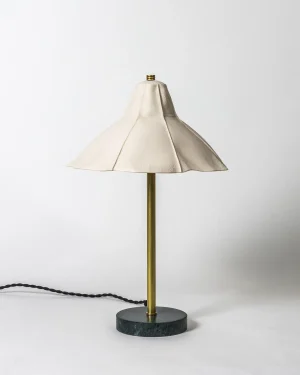
Kawa Table Lamp in Porcelain, Brass and Marble
By Luft Tanaka Studio
€1.874 -

Fat Op No. 002 Three Piece Floor Lamp in Ceramic
By Pani Jurek STUDIO
€1.926 -

Fat Op No. 004 Two Piece Table Lamp in Ceramic
By Pani Jurek STUDIO
€1.539 -

Mantis 9-Piece Chandelier in Bronze and Glass
By Isabel Moncada
Price Upon Request - This product has multiple variants. The options may be chosen on the product page
Porcelain lamps are lamps whose base, body or shade is formed from porcelain, a fine white clay body fired at high temperature until it turns dense, pale and faintly translucent wherever the wall thins. Studios working in the material choose it for the way it holds a glaze and carries light differently lit than unlit, so the same lamp reads as sculpture by day and as a soft, glowing form after dark. Many of the pieces here come from independent makers working in small runs or as one-offs, using wheel throwing, slip casting or hand-building rather than mass tooling.
What defines porcelain as a lamp material
Porcelain starts as a liquid or plastic clay and only becomes rigid, bright white and stone-hard in the kiln. That firing is also what gives it its particular relationship to light: thin-walled porcelain lets a warm glow pass through the body itself, not just through a shade, which is why porcelain bases are often left bare or paired with a simple diffuser rather than hidden under heavy fabric. The same density that makes porcelain ring when tapped also makes it unforgiving of drops, so these are pieces to place rather than pieces to move often.
Glazes, colors and techniques found here
Within porcelain lamps, the range on ADORNO runs from glossy glazes in cobalt blue, caramel or dark orange to raw, unglazed white left matte and chalky to the touch. Some studios pair thrown or slip-cast porcelain bodies with brass, steel or marble fittings, so the lamp reads as mixed material even though the lit form stays porcelain. Editions vary by maker: some pieces are produced in open or limited runs from the same mold, others are hand-built and therefore unrepeatable even within a single studio's output.
- Wheel throwing, for bases turned individually and left with faint, hand-felt ridges
- Slip casting, for forms that repeat a mold closely and take a glaze evenly
- Hand-building, for silhouettes that depart from symmetry
- Glazing in solid colors such as cobalt blue, caramel, brown or lilac, or left in raw white
Stylistically, porcelain lamps on ADORNO span mid-century modern silhouettes, art deco curves, coastal palettes and more pared-back, graphic forms; the same clay body moves easily between a rounded, decorative base and a lamp with clean, reduced lines. Anyone drawn to that quieter end of the range can also look at lamps with a pared-back profile, where porcelain is paired with plain shades and unadorned stems.
Choosing a porcelain lamp for scale and placement
Height and base width matter more with porcelain than with lighter materials, since a tall, narrow form sits less stably than a low, wide one. On a side table or nightstand, a base under the width of the surface it sits on keeps the lamp from looking perched; on a console or sideboard, a taller, heavier-looking silhouette can anchor the piece instead of disappearing into it. Glaze color is worth matching to the room's other ceramics and tableware rather than only to paint, since glossy glazes pick up reflected light and color from nearby surfaces.
Where porcelain lamps sit in a room
Because they double as small sculptural objects, porcelain lamps suit rooms where they are seen as much as used: a reading corner, a bedroom nightstand, a console in an entryway. They work well alongside the broader family of lamps worked in ceramic more broadly, and alongside pieces built from brass and steel where a room already leans toward metal. For a main seating area, lamps suited to the living room in porcelain tend to sit lower and wider than bedroom pieces, since they share table space with books, glassware and other objects.
Caring for a porcelain lamp
Porcelain is fired to be waterproof and stain-resistant, so a glazed surface only needs a soft, dry or barely damp cloth; abrasive cleaners can dull the glaze over time. Unglazed porcelain is more porous and will show oil from hands, so it is worth lifting by the base rather than gripping a thin neck. Because the body is hard but brittle, porcelain lamps are best kept away from table edges and foot traffic, and moved by the base rather than by the shade or cord. For a wider view of the material beyond lighting, porcelain pieces across ADORNO extend into tableware, vases and other objects fired the same way, and the full range of lamps shows how porcelain sits alongside glass, metal and wood within the category.
How do I choose a porcelain lamp?
Look at how the base holds the shade and how thick the walls are, since both affect the glow when lit. A glazed surface reads differently in daylight than after dark, so consider both states.
Is porcelain hard to maintain?
Porcelain resists dust and does not absorb odors or stains, so a dry cloth or slightly damp wipe keeps it clean. Avoid sudden temperature changes, which can stress the glaze or body over time.
What size porcelain lamp should I get?
A table lamp generally sits so the shade falls at or just below eye level when seated nearby, while floor lamps run taller to light a whole corner. Check the maker's listed dimensions before ordering.
Which rooms suit porcelain lamps?
The material's weight and glazed surface anchor a room without competing for attention, which works well in bedrooms, living rooms and reading corners. Its reflectivity also suits spaces with soft, indirect lighting.
Are porcelain lamps fragile and breakable?
Fired porcelain is dense and durable once cooled, though it can chip or crack from a hard knock or drop. Handle the base, not the shade, when moving it.
How does shipping, returns and authenticity work on ADORNO?
Shipping is insured and worldwide, with a 14-day return policy excluding made-to-order pieces. Each lamp arrives with a certificate of authenticity, and ADORNO offers a lowest-price guarantee.