











-
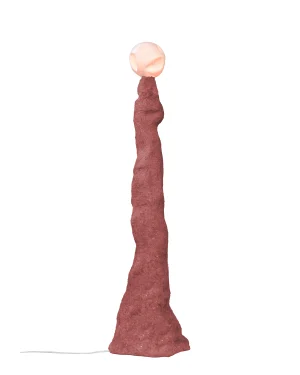
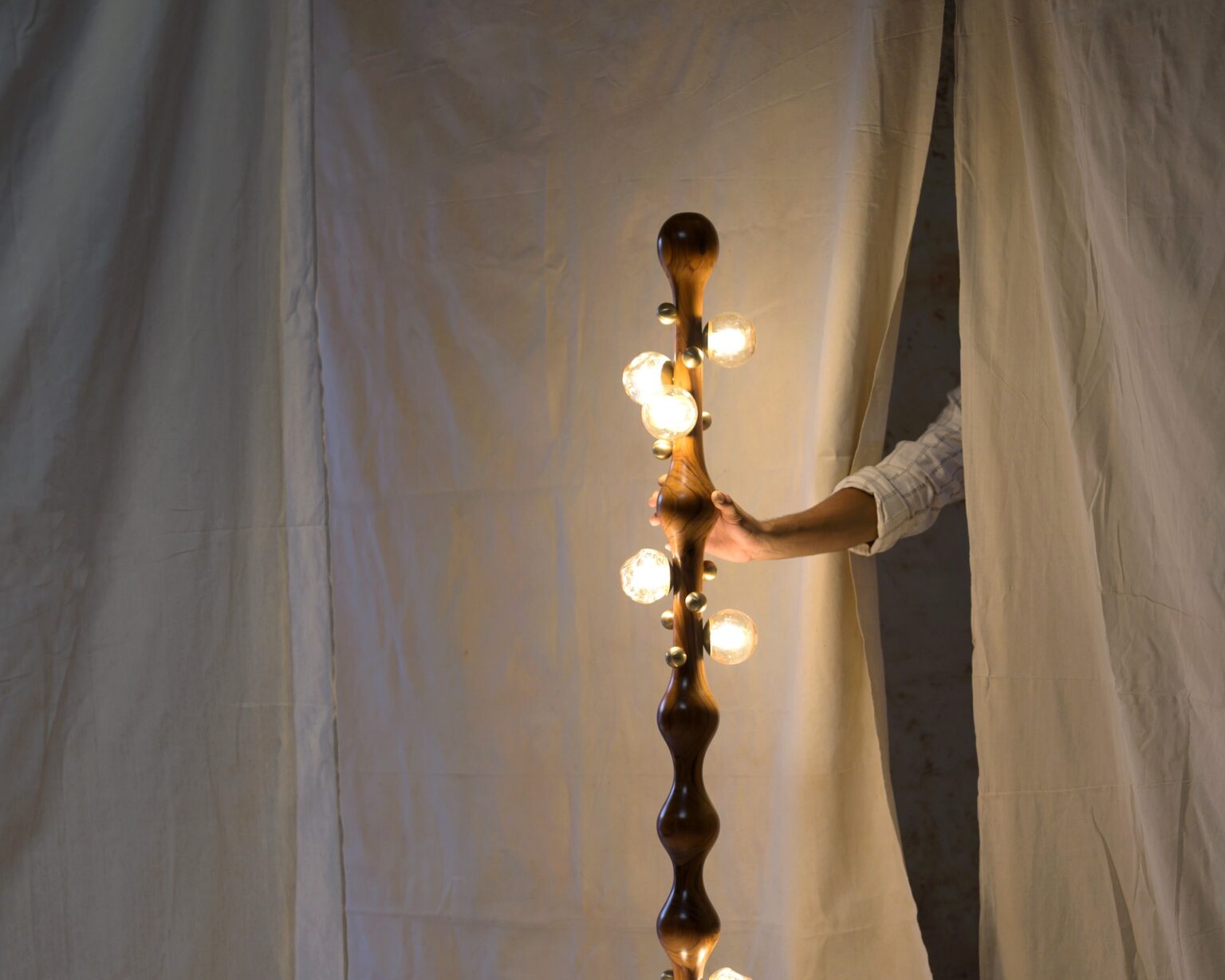
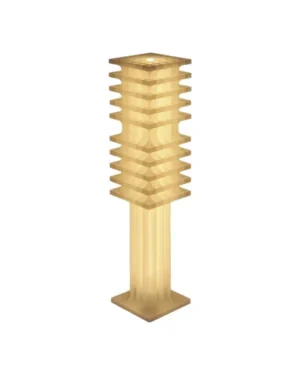
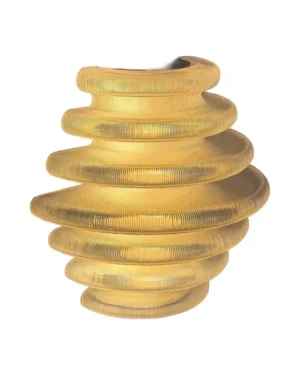
Meteora Floor Lamp in Paper Pulp
By Jonathan Bocca
€3.000 -
 In stock
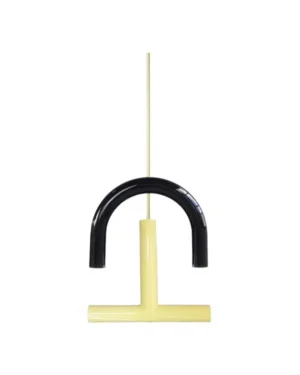
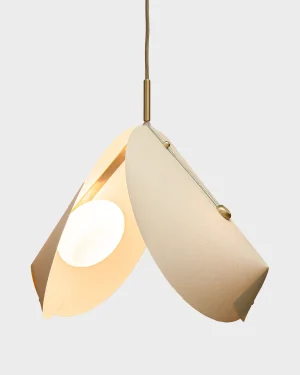
Concha Model 03 Pendant Lamp in Brass and Blown Glass
By MESEME by Riya Panchal
€434 -
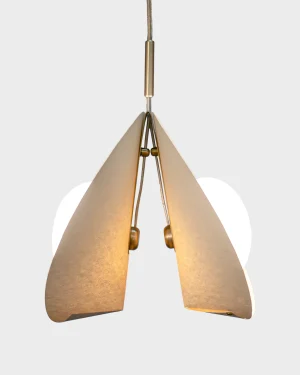 In stock
Concha Model 01 Pendant Lamp in Paper, Metals and Glass
By MESEME by Riya Panchal
€375 -
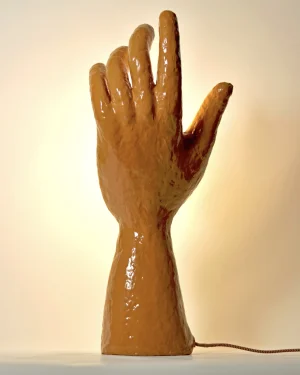
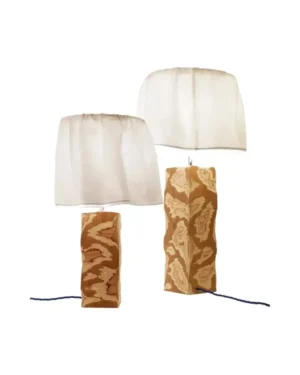
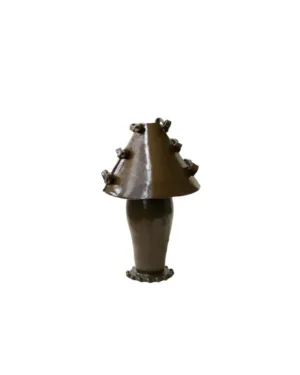
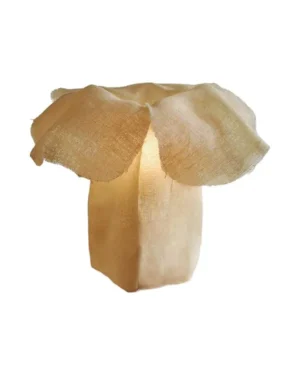
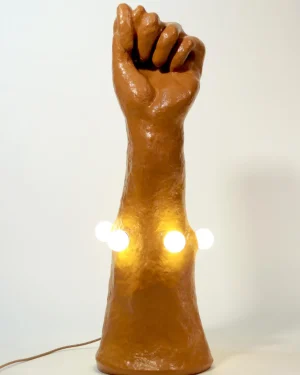
Luminária Luz Sobre Mão Table Lamp in Paper Pulp
By Sandro Vieira studio
€410 -
 In stock
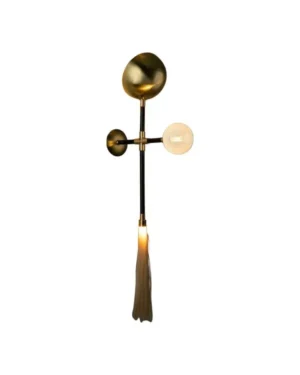
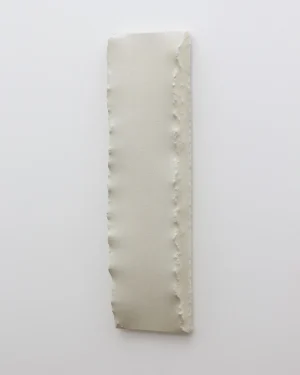
Edges 20-75 T8-60 Wall Sconce In Paper Pulp
By David Čáp
€400 -

Edges 20-105 T8-90 Wall Sconce In Paper Pulp
By David Čáp
€500€450 -
 In stock
Edges Ellipse 36-96 T8-60 Wall Sconce In Paper Pulp
By David Čáp
€550 -
 In stock
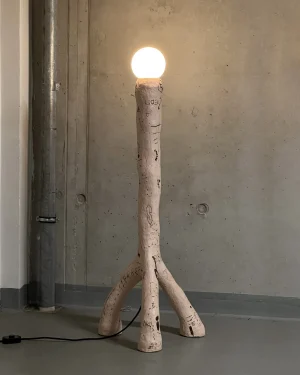
Tattooed Shining Creature Floor Lamp In Paper And Steel
By David Čáp
€1.400 -
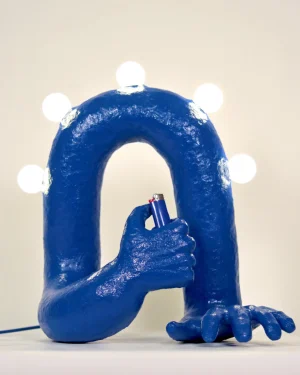 In stock
Acesa Luminária Em Papel Machê
By Sandro Vieira studio
€550 -
 In stock
Peony Floor Lamp In Fiber-cement
By Donatas Žukauskas
€2.450 -
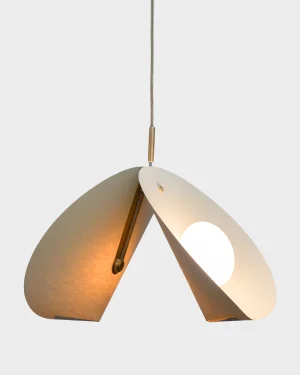
Concha Model 02 (Medium) Pendant Lamp in Paper and Brass
By MESEME by Riya Panchal
€434 -
 In stock
Brown Mud Ellipse Wall Sconce In Textiles And Wood
By David Čáp
€550 -
 In stock
Edges 20-75 T8-60 Wall Sconce In Black Paper Pulp
By David Čáp
€550 -
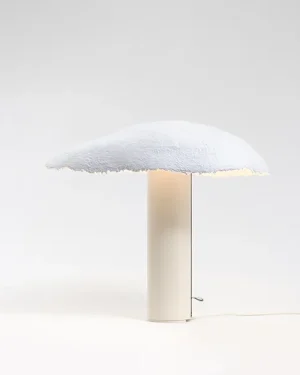
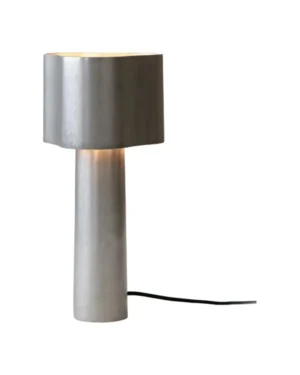
Overcast Table Lamp In Aluminum, Leather And Paper Pulp
By Calen Knauf Studio
€1.570 -
 In stock
Figa Luminária Em Papel Machê
By Sandro Vieira studio
€580 -
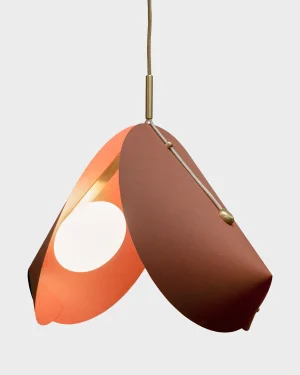
Concha Model 03 (Large) Pendant Lamp in Paper and Brass
By MESEME by Riya Panchal
€521 -
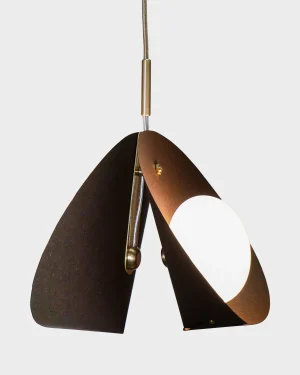
Concha Model 01 (Medium) Pendant Lamp in Paper and Brass
By MESEME by Riya Panchal
€434 -
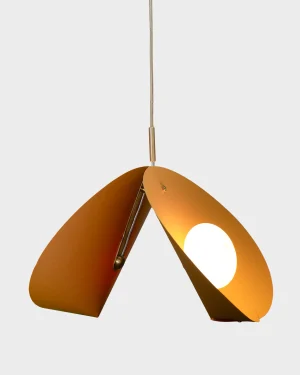
Concha Model 02 (Small) Pendant Lamp in Paper and Brass
By MESEME by Riya Panchal
€375
Paper pulp lighting is formed from macerated fiber, built up layer by layer until it dries into a shell that is rigid enough to hold a bulb yet light enough to lift with one hand. Studios working this way mix papermaking with papier-mâché, pressing or hand-building pulp over molds or armatures until the surface sets. No two shades dry identically, so the grain, the thickness and the faint translucency of each piece shift slightly from the next.
What gives paper pulp its character
Dried pulp behaves differently from glass or metal: it diffuses rather than throws light, so a bulb glows through the walls of a shade instead of glaring past them. The surface often keeps a faint woven or fingerprinted texture from the hand-building process, and colors tend to sit close to the fiber itself, in browns, beiges, ochres and chalky whites, sometimes finished in black or a soft pink or blue through hand painting. Because the material is built rather than cast, edges are rarely perfectly even, which is part of what gives these pieces their sculptural, slightly irregular presence.
The range found in paper pulp lighting
Within this material, finishes and techniques vary more than forms do. Some studios leave the pulp raw and matte; others burnish or hand-paint it for a denser color. Styles run from stripped-back minimalist shades to rounder, boho or neolithic-leaning forms, and occasional surrealist or radical shapes that push the material further from the lamp as a plain fixture. Editions vary too: paper pulp pairs with hand-building and papier-mâché in ways that suit open editions, but it also turns up in limited editions and unique pieces where a maker builds and finishes each shade individually. Related materials such as aluminum, brass and blown or borosilicate glass sometimes appear as fittings, stands or diffusers alongside the pulp body, and plain paper, cotton or wood occasionally reinforce a base. For the full spread of forms in this material, from floor lamps to seating, it helps to look across every paper pulp piece on ADORNO, where the material is shown across lighting and furniture both.
Choosing a piece for scale and placement
- Hold the shade's diameter against the furniture nearby so it doesn't dwarf a side table or disappear above a sofa.
- Check mounting height for pendants, since pulp shades sit lower visually than open metal or glass fixtures of the same size.
- Pick a warmer bulb temperature to bring out the fiber's natural tone rather than flattening it.
Where paper pulp lighting suits a room
These pieces tend toward living rooms and bedrooms, where a softer, more diffuse glow is welcome and the texture can be seen without daily contact. A floor lamp works well beside a reading chair; a pendant suits a dining area or a corner that needs volume rather than brightness. For broader options in the same register, it's worth looking at lighting suited to living rooms or lighting suited to bedrooms, and at paper pulp lamps specifically if a table or floor form is what's needed.
Caring for paper pulp lighting
Pulp is porous, so it should stay away from damp rooms, direct sun and standing moisture, which can soften the fibers or fade a hand-painted finish. Dust with a dry, soft brush or cloth rather than water, and keep the bulb wattage within the maker's guidance so the shade doesn't overheat. Handled this way, a pulp shade keeps its surface and color for years, aging more like a drawing than like glass or metal.
For the wider spread of fixtures and materials this sits within, the full lighting category covers everything from blown glass to brass, and matching paper pulp forms also turn up in paper pulp furniture for rooms built around the same material.
How do I choose a paper pulp lamp?
Decide whether you want raw, matte pulp or a hand-painted finish, then match the shape to the room: rounder forms soften a space, while stripped-back shades suit a more pared-down setting.
How do you clean and care for paper pulp lighting?
Dust with a dry soft brush or cloth and keep shades away from direct moisture, since the pulp can soften or warp if it gets wet. Avoid placing them near steam or standing water.
What size or height should a paper pulp lamp be?
Sizing varies by design, so check the dimensions listed on each piece's page, or chat with the maker directly if you need help matching a lamp to your space.
Which rooms suit paper pulp lighting?
The soft, diffused glow works well in living rooms and bedrooms, anywhere a gentler light is wanted over a direct or glaring one. Keep pieces away from damp spaces like bathrooms.
Is paper pulp lighting fragile or hard to maintain?
Dried pulp is sturdier than it looks and rigid enough to hold a bulb safely, though it should be handled with care since surfaces can dent or crush under pressure.
How does shipping, returns and authenticity work when buying from ADORNO?
Shipping is insured and worldwide, with a 14-day return policy excluding made-to-order pieces. Every order includes a certificate of authenticity and benefits from a lowest-price guarantee.