











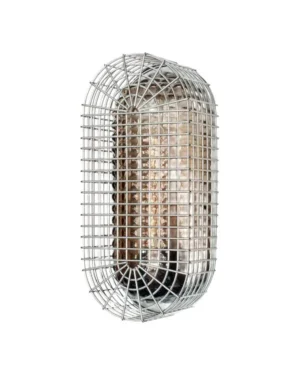

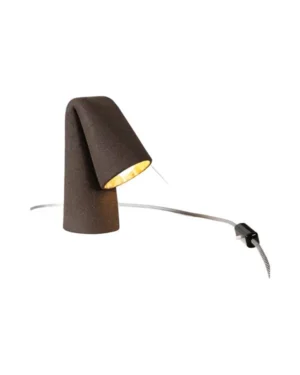
-
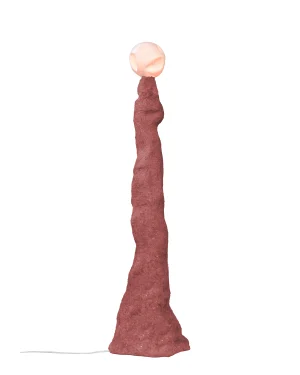
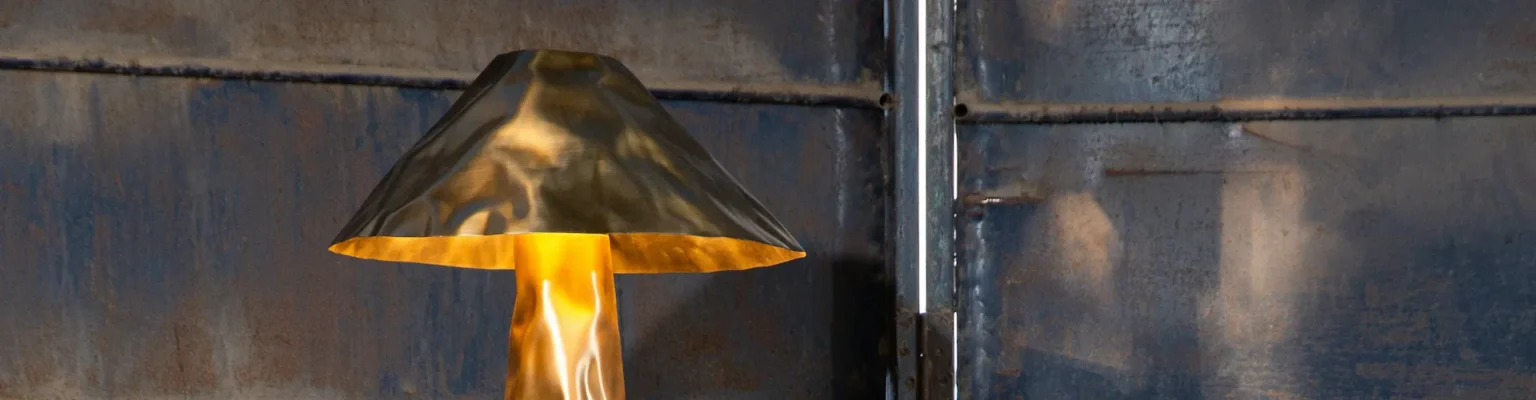
Meteora Floor Lamp in Paper Pulp
By Jonathan Bocca
€3.000 -
 In stock
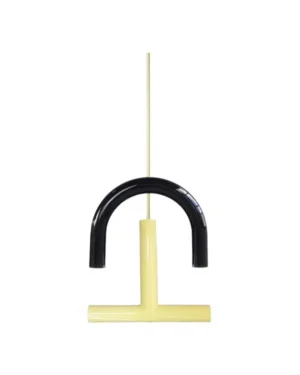
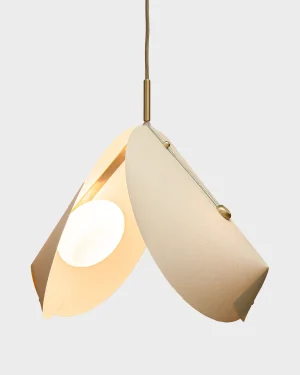
Concha Model 03 Pendant Lamp in Brass and Blown Glass
By MESEME by Riya Panchal
€434 -
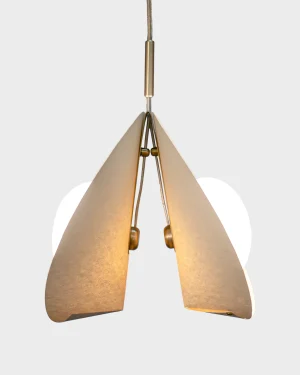 In stock
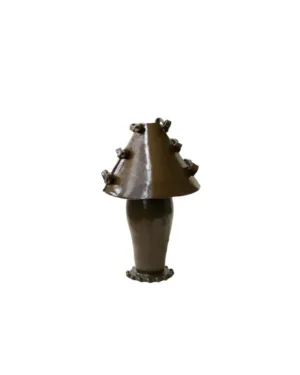
Concha Model 01 Pendant Lamp in Paper, Metals and Glass
By MESEME by Riya Panchal
€375 -
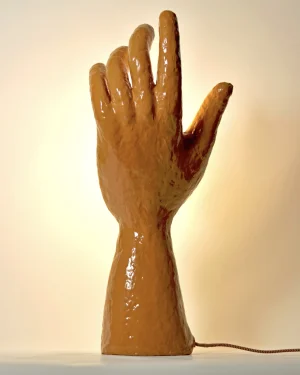
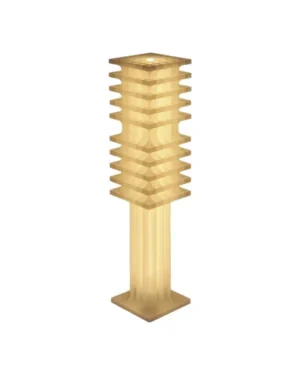
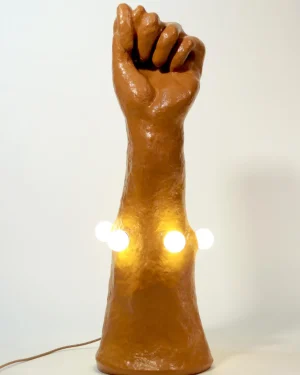
Luminária Luz Sobre Mão Table Lamp in Paper Pulp
By Sandro Vieira studio
€410 -
 In stock
Edges 20-75 T8-60 Wall Sconce In Paper Pulp
By David Čáp
€400 -

Edges 20-105 T8-90 Wall Sconce In Paper Pulp
By David Čáp
€500 -
 In stock
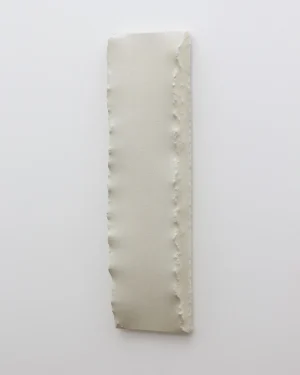
Edges Ellipse 36-96 T8-60 Wall Sconce In Paper Pulp
By David Čáp
€550 -
 In stock
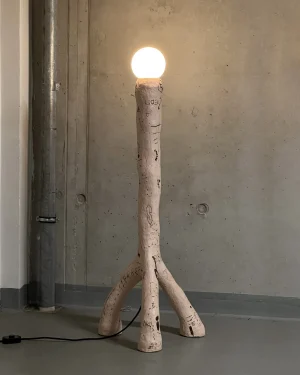
Tattooed Shining Creature Floor Lamp In Paper And Steel
By David Čáp
€1.400 -
 In stock
Edges 20-75 T8-60 Wall Sconce In Black Paper Pulp
By David Čáp
€550 -
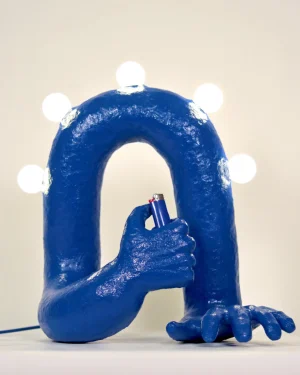 In stock
Acesa Luminária Em Papel Machê
By Sandro Vieira studio
€550 -
 In stock
Brown Mud Ellipse Wall Sconce In Textiles And Wood
By David Čáp
€550 -

Overcast Table Lamp In Aluminum, Leather And Paper Pulp
By Calen Knauf Studio
€1.570 -
 In stock
Peony Floor Lamp In Fiber-cement
By Donatas Žukauskas
€2.450 -
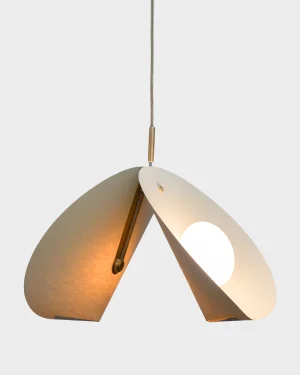
Concha Model 02 (Medium) Pendant Lamp in Paper and Brass
By MESEME by Riya Panchal
€434 -
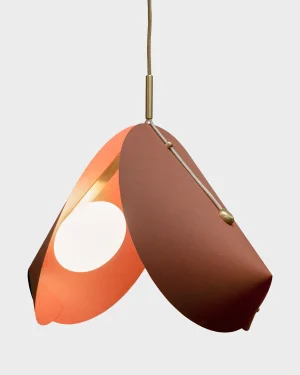
Concha Model 03 (Large) Pendant Lamp in Paper and Brass
By MESEME by Riya Panchal
€521 -
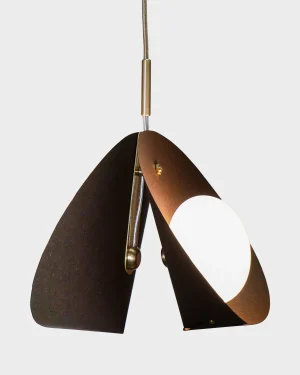
Concha Model 01 (Medium) Pendant Lamp in Paper and Brass
By MESEME by Riya Panchal
€434 -
 In stock
Figa Luminária Em Papel Machê
By Sandro Vieira studio
€580 -
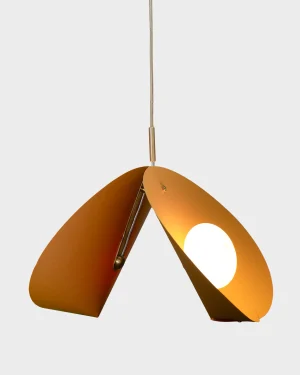
Concha Model 02 (Small) Pendant Lamp in Paper and Brass
By MESEME by Riya Panchal
€375
Paper pulp lamps take their form from layers of wet paper pressed, torn or built up over a mold, then left to dry into a shell light enough to lift with one hand. Studios working in papier-mâché and hand-building shape the pulp into shades, bases and freestanding sculptural forms, often finished with a coat of paint or left raw to show the fiber. The surface stays soft to the eye even once it hardens, which is why these pieces read as light rather than heavy in a room.
What defines paper pulp lamps
Paper pulp is paper broken down to fiber, mixed with water and a binder, then built up by hand in thin layers. It dries into a rigid but lightweight shell, with a surface that keeps traces of the maker's hand: a ridge where pulp was pressed, a seam where two layers met. No two pieces dry into exactly the same texture, which is part of why so many are sold as unique pieces or in limited editions rather than open runs.
How paper pulp behaves once it is lit
Unlit, a paper pulp shade reads as matte, fibrous, often slightly uneven at the edge. Lit, the fiber becomes translucent in patches and opaque in others, so the light that comes through is broken rather than even, closer to the glow of a paper lantern than the clean cast of blown glass or metal. This double behavior is exactly what makes paper pulp suited to lamps: the material looks like a solid object by day and a soft light source by night.
Color sits on the surface rather than inside it, since most pieces are hand painted after the pulp has dried. Brown, white, beige, black, ochre, pink and blue appear across the kind, sometimes as a single wash and sometimes layered so earlier coats show through worn edges.
The techniques, finishes and editions found here
Alongside pure papier-mâché and hand-building, some studios combine pulp with paper and cotton for strength, or pair a pulp shade with a base in aluminum, brass or wood. Styles range from contemporary and minimalist shades with plain surfaces to boho chic and surrealist forms with irregular edges, folds or raw texture left visible. Editions run from open runs made in series to small limited editions and unique pieces, each one shaped and painted by hand rather than molded from a single cast.
- Finishes: raw fiber, matte paint, hand-painted layers in brown, white, beige, ochre, black, pink or blue
- Bases and fittings: paired with aluminum, brass or wood, or built entirely from pulp
- Editions: open editions, limited editions, unique pieces
How to choose a paper pulp lamp for a room
Scale matters more with paper pulp than with glass or metal, since a large shade in fiber reads as sculptural mass rather than as a frame you see through. For a floor lamp, check the shade sits at a height that clears sightlines when seated, usually level with or just above eye height from a sofa or chair. For a table or pendant lamp, leave enough clearance around the shade so the texture is visible rather than pressed against a wall or shelf.
Where paper pulp lamps sit well, and how to keep them
These pieces suit living rooms and bedrooms where a soft, broken light is wanted over a reading corner or beside a bed, rather than a workspace that needs even, direct light. Keep them away from direct moisture and strong sun, since paper fiber can soften, warp or fade with prolonged damp or UV exposure. Dust with a dry, soft brush or cloth; avoid wiping with water, which can lift paint or swell the fiber.
For the full range of lamps in other materials, see all lamps, or narrow by room with living room lamps and bedroom lamps. Those drawn to plainer surfaces can look at minimalist lamps, while paper pulp also appears beyond lighting in paper pulp furniture. For the material across every lighting type, see every paper pulp piece on ADORNO.
How do I choose a paper pulp lamp?
Think about how it reads both lit and unlit, since the fiber turns translucent in patches once lit but stays matte and textured by day. Pick a form and finish, painted or raw, that holds up as a daytime object first.
How do you care for a paper pulp lamp?
Keep it dry and out of direct sun, which can fade painted surfaces and warp the shell over time. Dust with a soft, dry brush rather than a damp cloth, since moisture softens the pulp.
What size and height are paper pulp lamps?
Sizes range from small table lamps to freestanding floor pieces, since the pulp is built up by hand rather than cast to a fixed mold. Check the maker's page via Chat with the maker for exact dimensions.
Which rooms suit paper pulp lamps?
Their soft, broken light suits living rooms and bedrooms where a gentler glow is wanted over task lighting. The matte, fibrous surface also reads well as a sculptural object in an entryway or reading corner.
Can I order a custom paper pulp lamp?
Some studios take custom orders in size, color or finish, but this varies by maker. Use Chat with the maker on the piece's page to ask directly.
What are ADORNO's shipping and return policies for lamps?
Shipping is insured and worldwide. Returns are accepted within 14 days, except for made-to-order pieces, and every lamp comes with a certificate of authenticity.