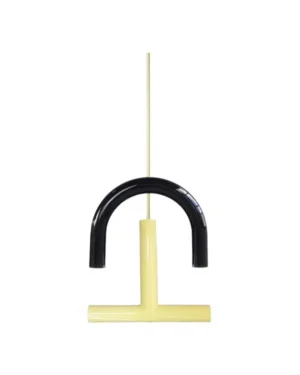
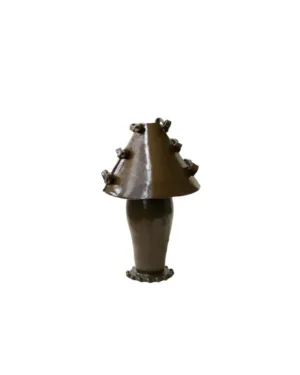
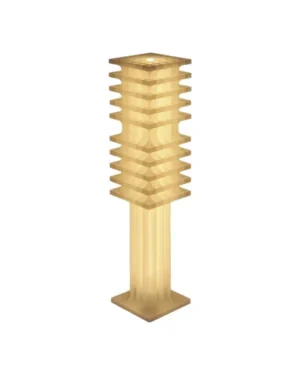
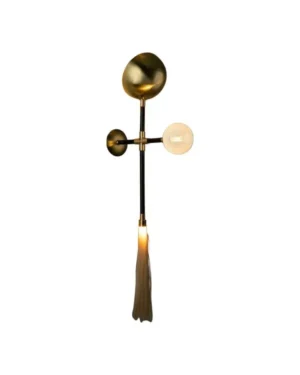



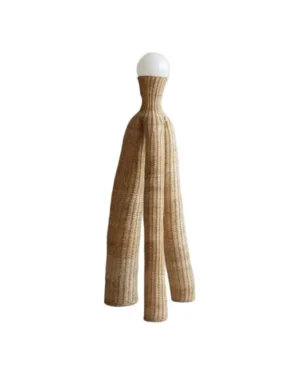
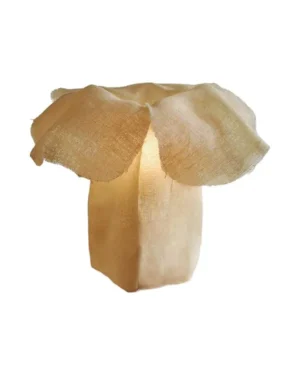

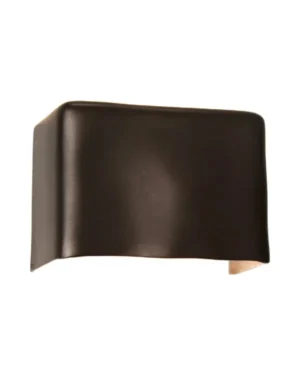
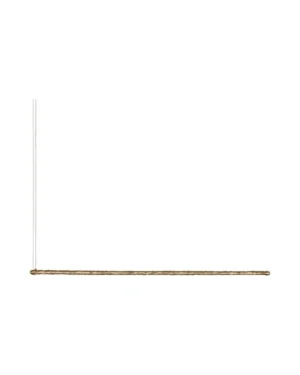
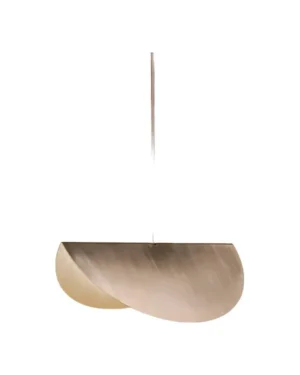
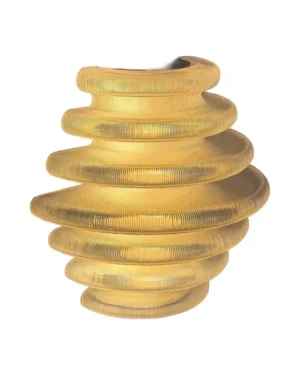
-
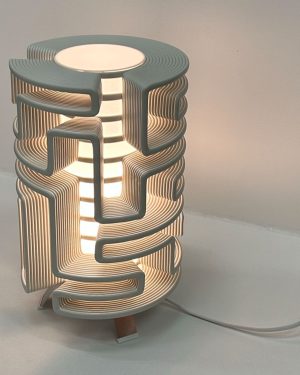
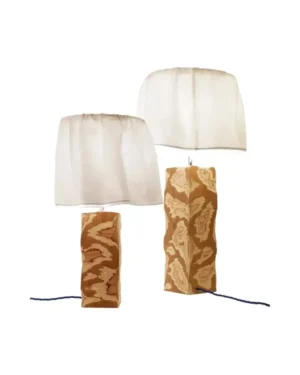
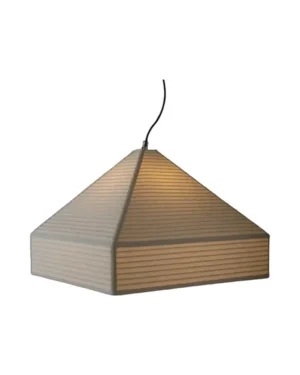
Maze Table Lamp in Recycled Plastic
By Stijn van Aardenne
€227 -
15% off
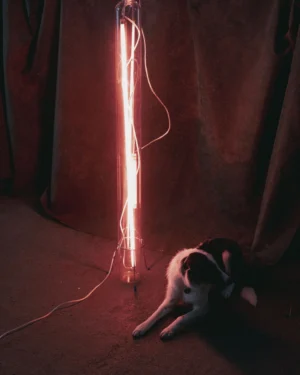
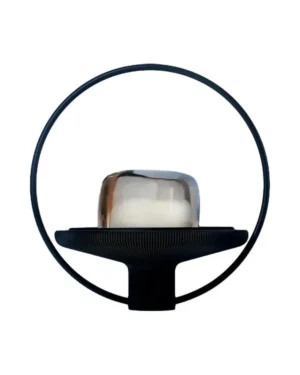
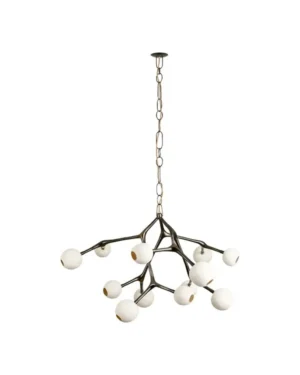
Äther Wall Lamp In Borosilicate Glass
By TUNK I Busra Tunc
€850€723 -
 In stock
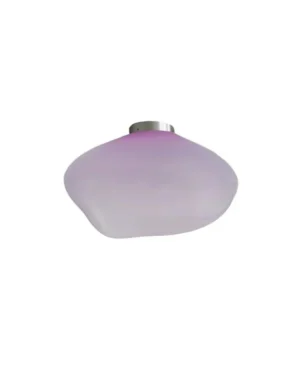
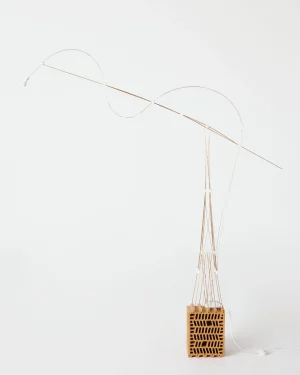
O.f.i.s Series Table Lamp in Pipe, Rod And Brick
By Lucas Muñoz Muñoz
€280 -

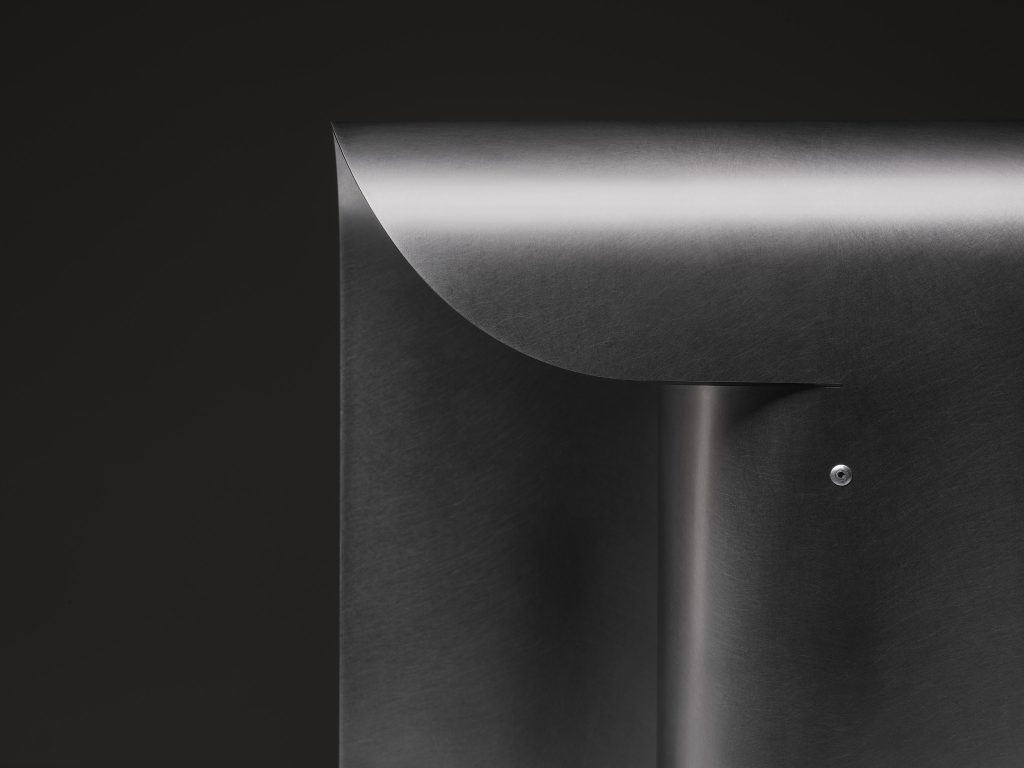
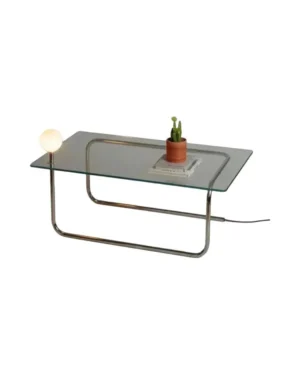
Arc Table Lamp in Stainless Steel
By Paul Coenen
€479 -

Hoja Table Lamp in Steel
By Natural Urbano - Sebastián Beltrán
€335 -
 In stock
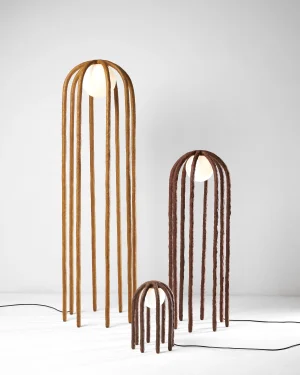
Açafrão and Urucum Floor Lamp in Anatto and Saffron
By Cultivado em Casa
€1.234 - €2.971 This product has multiple variants. The options may be chosen on the product page -
 In stock
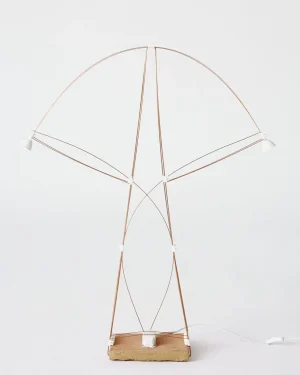
B.a.r.e Series Table Lamp in Brick, Copper and Plastics
By Lucas Muñoz Muñoz
€300 -
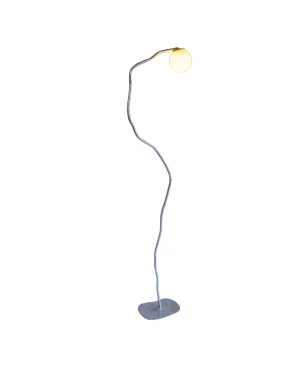
Free Form Floor Lamp in Aluminum
By Six Dots Design
€1.400 -
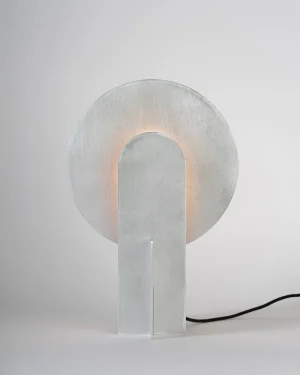
Aurora Table Lamp in Aluminum
By Hasik Design Studio
€700 -
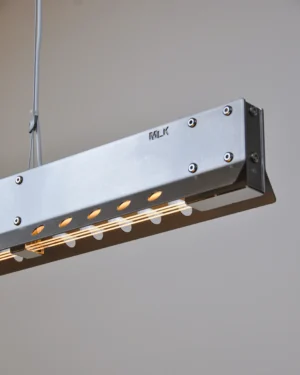
Ne1250/145 Pendant Lamp In Steel And Acrylic
By MLK Furniture
€1.390 -
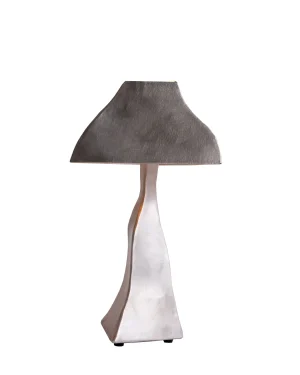
Paper Table Lamp in Aluminum
By Six Dots Design
€920 -
 In stock
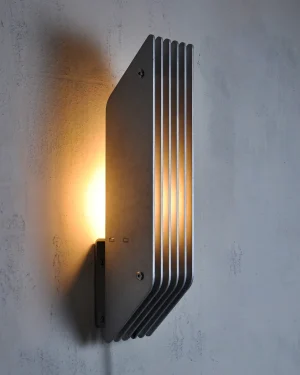
Rln460 Wall Lamp in Matte Aluminium
By MLK Furniture
€390 -
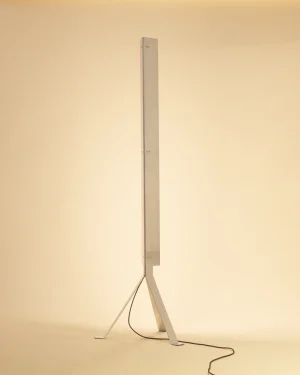
L1 High Floor Lamp in Aluminum
By Luiz Solano
€1.200 -

The Queen Ceiling Lamp in Gold-leaf and Rust Steel
By Mammalampa
€3.133 -
 In stock
Sluren Table Lamp in Blown Glass
By Sara Sjöbäck
€1.450 - €1.850 This product has multiple variants. The options may be chosen on the product page -
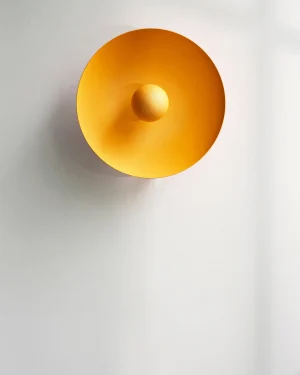 In stock
Sun Wall Lamp in Aluminum
By Anne Nowak
€1.340 -
 In stock
B.A.R.E Series ‘Tall’ Floor Lamp in Brick and Copper
By Lucas Muñoz Muñoz
€780 -
 In stock
Théros 0.2 Table Lamp in Blown Glass and Marble
By Studio Aristotelis Barakos
€950 -
 In stock
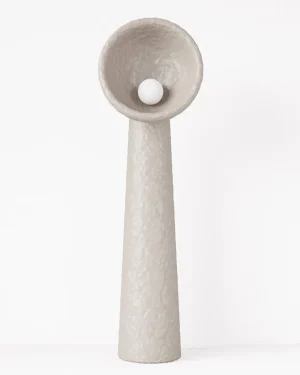
Soniah Floor Lamp in ZTISTA
By FAINA
€7.000 This product has multiple variants. The options may be chosen on the product page -
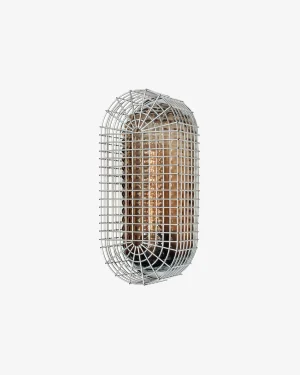
Chastity Wall Sconce in Stainless Steel and Blown Glass
By Studio S II
€1.946 -
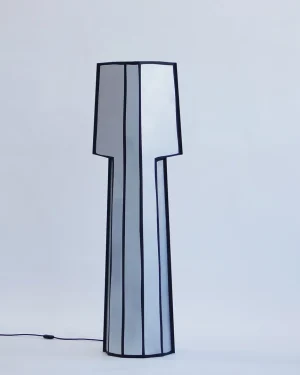
Hex Floor Lamp in Aluminum
By STUDIO GUILTY
€1.256 -
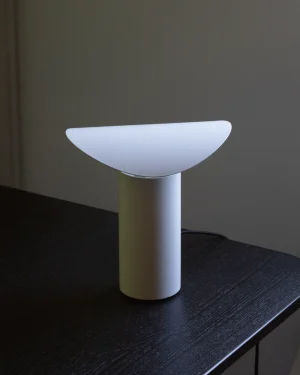
Beam Table Lamp in Steel
By Sergio Enríquez Industrial Design Office
€600 -
 In stock
Handrail Table Lamp in Stainless Steel
By studio re.d
€440 -
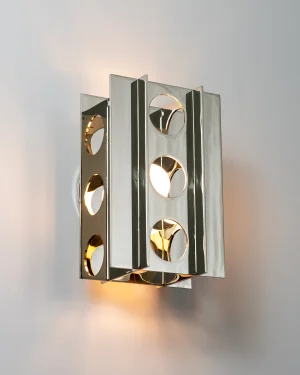
Tenfold 3T Mirror Wall Sconce in Steel and Aluminum
By Luft Tanaka Studio
€1.540 -
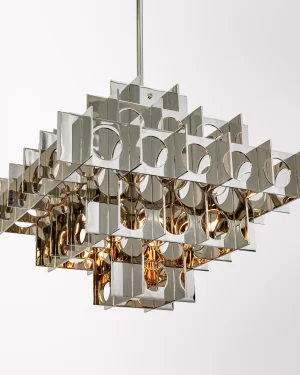
Tenfold 5 T Pendant Lamp in Stainless Steel and Aluminum
By Luft Tanaka Studio
€4.440 - €11.000 This product has multiple variants. The options may be chosen on the product page -

Trilight 70 Floor Lamp in Aluminum
By Obscure Objects
€715 -
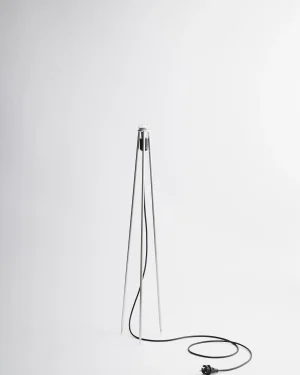
Trilight 100 Floor Lamp in Aluminum
By Obscure Objects
€760 -
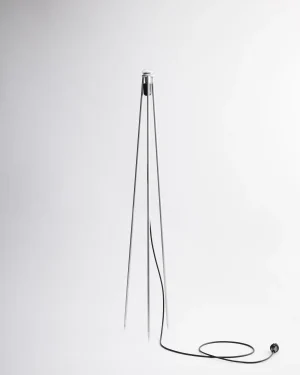
Trilight 130 Floor Lamp in Aluminum
By Obscure Objects
€800 -
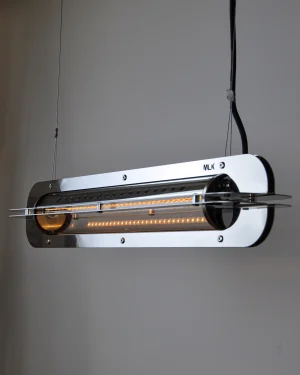
Pill600 Pendant Lamp in Mirror Stainless Steel
By MLK Furniture
€1.090 -

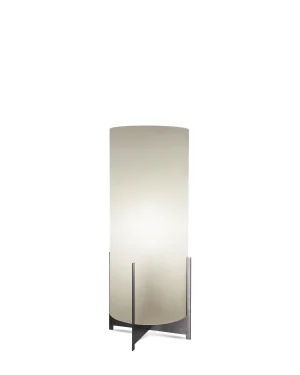
Chimney Table Lamp in Aluminum
By BOTHI
€210 This product has multiple variants. The options may be chosen on the product page -
 In stock
Lumix Floor Lamp in Stainless Steel and Polycarbonate
By Pablo Sinan Design
€510 -

Gbl – 02 Table Lamp in Glass Block and Stainless Steel
By julius.works
€320 -
 In stock
Svitlotin Olive Pendant Lamp in Stainless Steel
By SVITANOK
€890 - €960 This product has multiple variants. The options may be chosen on the product page -
 In stock
Svitlotin Blue Ceiling Lamp in Metal
By SVITANOK
€890 - €1.150 This product has multiple variants. The options may be chosen on the product page -

Pill1200 Floor Lamp in Stainless Steel
By MLK Furniture
€1.690 -
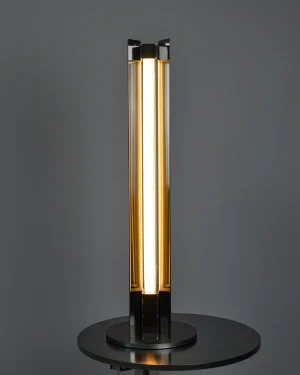 In stock
Ne600/145 – Mat Stainless Steel & Acrylic Lamp
By MLK Furniture
€990 -
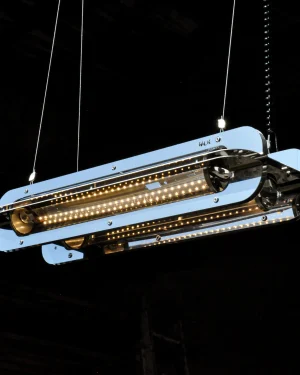
Pill600x2 Pendant Lamp in Mirror Stainless Steel
By MLK Furniture
€1.890 -
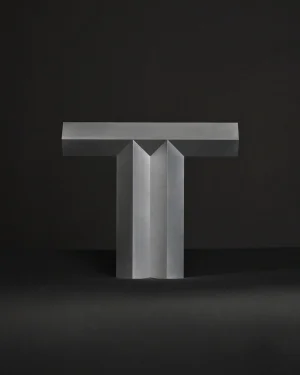
Sculptural Table Lamp in Aluminum
By NOSTUDIO
€620 - €650 This product has multiple variants. The options may be chosen on the product page -
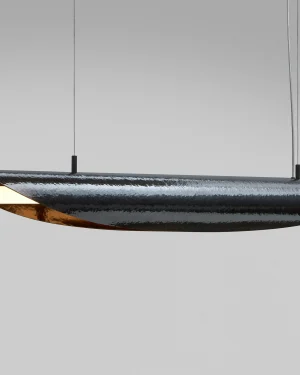
Taco De Luz Black Patinated Brass Pendant Lamp in Brass
By Studio Aristotelis Barakos
€5.900 -
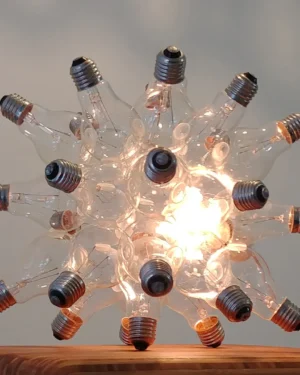 In stock
“Spare” Table Lamp in Ultraclear Glass and Metal
By JAN PAUL
€220 -
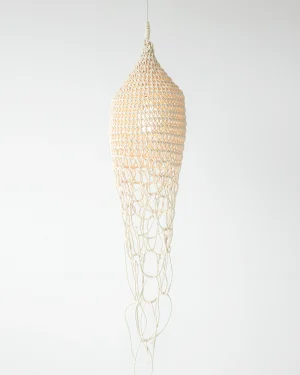
Meduse Pendant Lamp in Cotton
By Annie Legault
€700 This product has multiple variants. The options may be chosen on the product page -
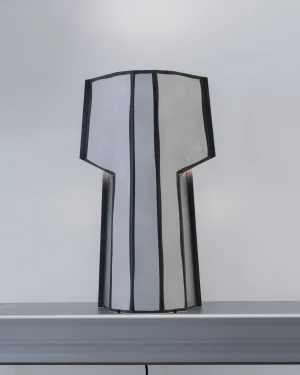 In stock
Hex Table Lamp in Aluminum
By STUDIO GUILTY
€492 -
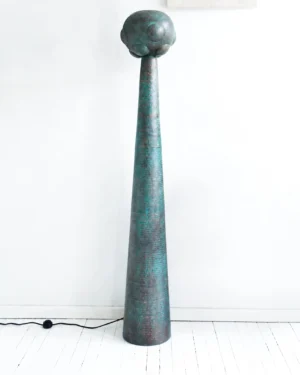 In stock
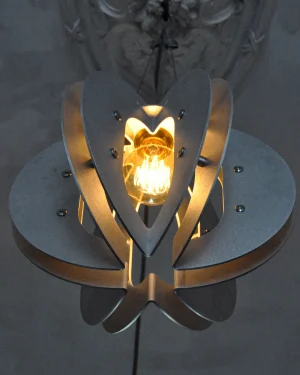
Artefacto Copper Venus Floor Lamp in Hammered Copper
By LØRDAG & SØNDAG
€4.768 -
 In stock
D300 Lampion Pendant Lamp in Matte Aluminum
By MLK Furniture
€390 -
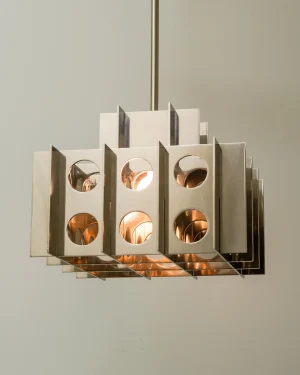
Tenfold 3 T A Pendant Lamp in Stainless Steel and Aluminum
By Luft Tanaka Studio
€2.895 - €8.675 This product has multiple variants. The options may be chosen on the product page -

[float] Sculptural Ceiling Lamp in Concrete
By case studios
€2.700 -

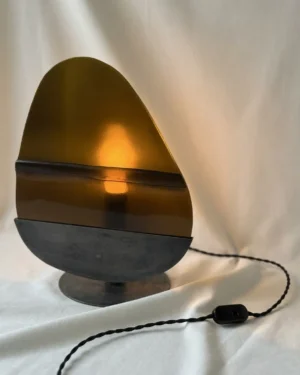
Slotted Table Lamp in Acrylic and Metal
By Nolan Talbot-Kelly
€1.050 This product has multiple variants. The options may be chosen on the product page -
 In stock
Veilleur Lp1 Table Lamp In Steel And Glass
By Louise Hurth
€1.600 -

Aria Red Dot Ceiling Lamp in Metal and Acrylic
By Saadia Design
€1.570 -
 In stock
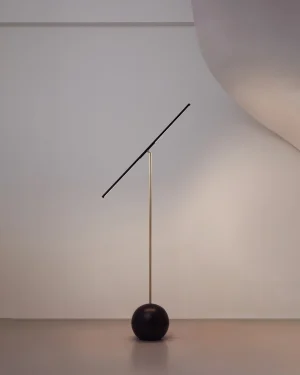
T-Lamp Floor Lamp in Aluminum, Brass and Oak Wood
By HEAKO
€3.850 -
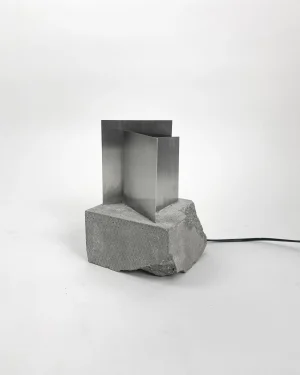
Sculptural Table Lamp in Stainless Steel and Concrete
By case studios
€820 -
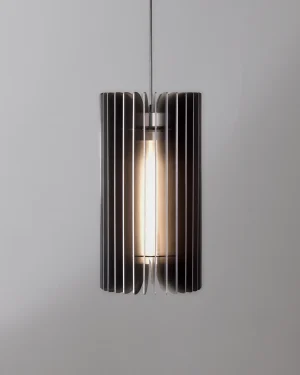
Bare Barrel – Metal Pendant Lamp
By Jochen Lavéno Mangelsdorff Studio & Objects
€760 - €920 This product has multiple variants. The options may be chosen on the product page -
 In stock
Bells and Whistles Wall Sconce in Aluminum
By Toro Manifesto
€1.300 -
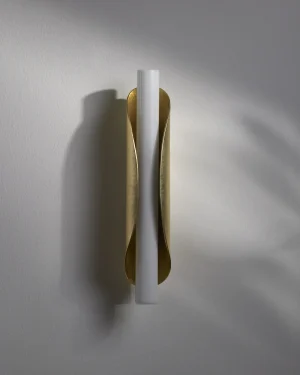
Taco De Luz 30cm Wall Sconce in Satin Brass
By Studio Aristotelis Barakos
€870
Neo-industrial lighting takes its cue from workshops and factory floors, where fixtures were built to survive heat, dust and handling rather than to decorate a room. Studios working in this style favor raw or lightly finished metal, visible joints and hardware, and shapes borrowed from task lamps, pendant fittings and cage guards. The result sits somewhere between furniture and equipment, at home in a loft as readily as in a kitchen that wants less softness and more structure.
What defines neo-industrial lighting
The style reads through its materials before it reads through its shape. Steel, aluminum and raw aluminum turn up most often, sometimes left with the faint texture of the mill, sometimes given a flat gray or off-white coat that keeps the surface matte rather than glossy. Copper and brass appear less frequently but carry weight when they do, darkening slightly where hands meet the fixture over time.
Joints are welded rather than hidden, screws sit on the surface rather than countersunk, and swivel arms or pivoting shades are left visible as working mechanisms. Acrylic and transparent shades show up occasionally, used less for warmth and more to let the bulb and the metalwork behind it stay in view.
Materials, finishes and techniques found in neo-industrial fixtures
Within every neo-industrial piece on ADORNO, the making process is usually as plain as the finished object. Metalwork and welding join arms, shades and bases without disguising the seam; hand assembly brings bulbs, switches and cords together afterward, piece by piece rather than on a line. A smaller number of makers bring in laser cutting or digital fabrication to cut panels and brackets with sharp, repeatable edges, and anodizing where a colored aluminum surface needs to resist scratching and fading.
Color stays restrained and tied to the metal itself: gray, off-white, beige and raw copper dominate, with white, light yellow or pink reserved for a shade or a single accent rather than the whole body. Most pieces are made in open editions, produced to order rather than stockpiled, though some studios also work in unique pieces where a weld line, a patina or a bend in the metal cannot be exactly repeated.
Choosing the right scale and finish
Scale matters more than most buyers expect. A floor lamp built from thick steel tubing reads as heavy even when it is not, so it needs floor space around it rather than a corner it has to share. A pendant with an exposed cage or shade should hang low enough to cast light where people sit or work, not so low that the hardware becomes the first thing anyone notices.
Finish decides how the fixture ages. Raw or waxed metal will mark and darken with handling, which suits a kitchen island or a desk lamp meant to show use. A powder-coated or anodized surface stays closer to its original color and tolerates more traffic, which makes sense near a sofa or a dining table that sees daily wear. If other fixtures in the room already lean toward metal lighting in a warmer tone, matching that undertone keeps the room from feeling assembled from unrelated sources.
Where neo-industrial lighting works best
The style suits rooms that already have some hard surface to answer it: concrete, brick, oak flooring, steel shelving. It can soften a space that risks feeling cold by introducing one warm bulb inside a cage or shade, rather than flooding the room with brightness from above.
- Kitchens and dining areas, where a pendant over an island or table takes the place of a flush ceiling fixture.
- Living rooms, paired with a reading chair or alongside pieces built for living room lighting that already mixes metal and wood.
- Studies and workshops, where a task lamp with a long swing arm earns its keep at a desk.
Table and floor versions from this style also pair naturally with neo-industrial lamps built on the same welded or riveted logic, and with seating or shelving from the wider neo-industrial furniture range, for a room that holds together without matching exactly.
Caring for metal and acrylic fixtures
Dust settles visibly on matte metal, so a dry cloth run over shades and arms keeps the surface from dulling further. Raw steel and copper will tarnish or spot if left damp, so wipe spills promptly and avoid placing fixtures where condensation collects. Acrylic shades scratch more easily than metal ones; clean them with a soft cloth rather than an abrasive sponge, and keep solvents away from any anodized or powder-coated surface, since both finishes can dull or discolor under harsh cleaners. For anyone comparing finishes across the wider lighting offer, these are the trade-offs worth weighing before a piece joins the room.
How do I choose a neo-industrial light fixture?
Look at the metal first: raw or anodized aluminum and steel read harder and cooler, while copper and brass add warmth. Match the finish to the room's existing hardware and let scale, not brightness, guide the choice.
What materials are neo-industrial lights made from, and how do I care for them?
Most pieces use welded or laser-cut metal such as steel, aluminum or copper, sometimes paired with acrylic. Wipe with a dry or slightly damp cloth, keep raw metal away from moisture to avoid spotting, and avoid abrasive cleaners on anodized surfaces.
What size or height should a neo-industrial light be?
Pendants typically hang so the shade sits well below eye level over tables or counters, while floor and task lamps scale to the furniture nearby. The maker can confirm exact dimensions with Chat with the maker on the piece's page.
Which rooms suit neo-industrial lighting?
The hard-edged metalwork and exposed hardware read well in kitchens, studies, living rooms and open-plan spaces with concrete, wood or brick. Paired with softer textiles, the same fixtures soften a bedroom without losing their structure.
Are these pieces handmade or produced in limited numbers?
Many are welded, assembled or finished by hand, and runs range from open editions to one-off pieces. The maker can confirm edition size and technique with Chat with the maker on the piece's page.
How does shipping, returns and authenticity work when buying through ADORNO?
Shipping is insured and worldwide, with a 14-day return policy excluding made-to-order pieces. Every piece comes with a certificate of authenticity, backed by a lowest-price guarantee.