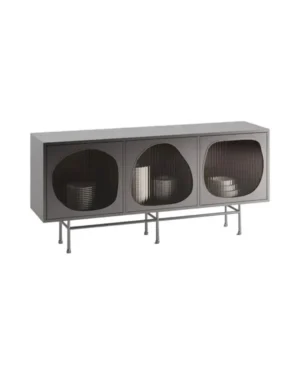
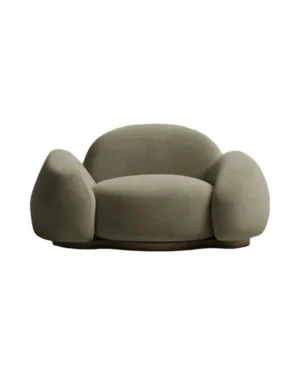
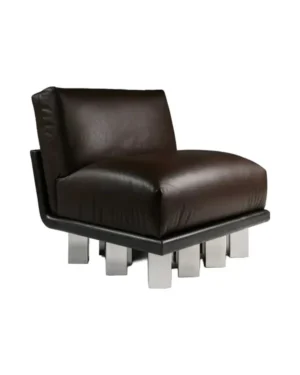
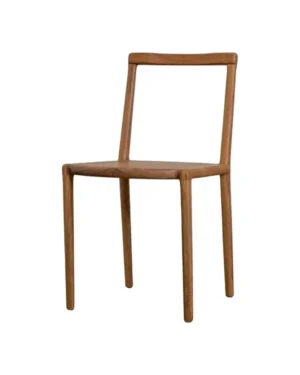
-

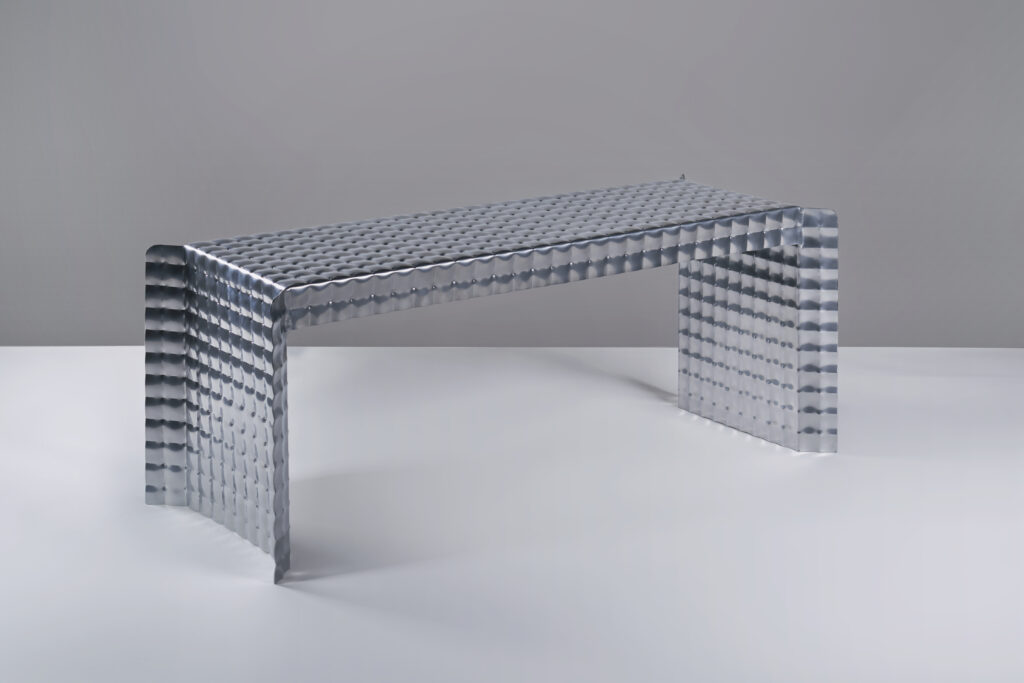
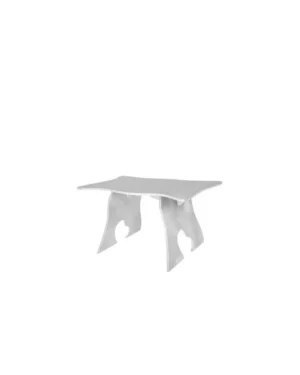
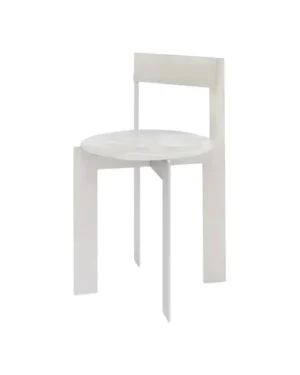
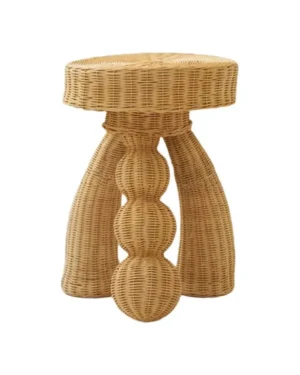
Contemporary Stool 02
By Six Dots Design
€360 -

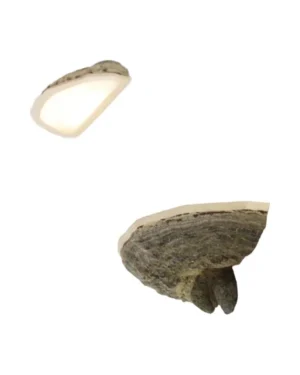
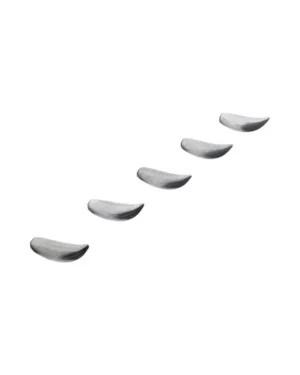
Pressure Bench
By TIM TEVEN
€740 -
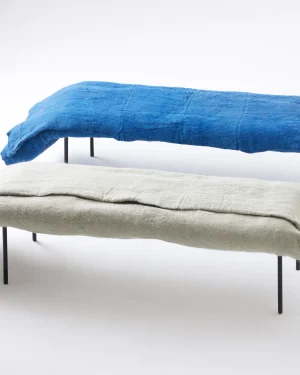
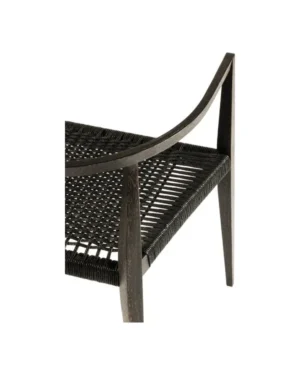
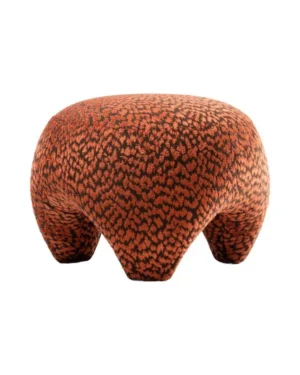
Carpet Bench – Felt / Steel
By Around the Studio
€1.700 This product has multiple variants. The options may be chosen on the product page -
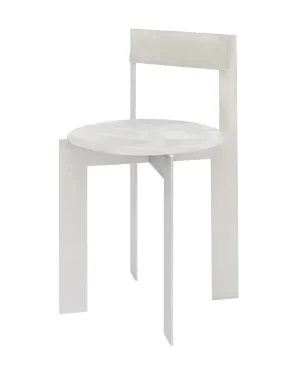
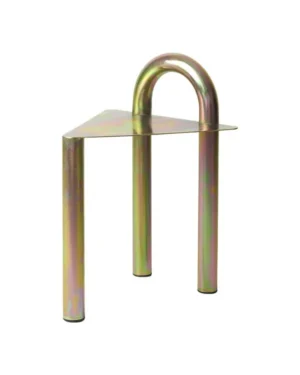
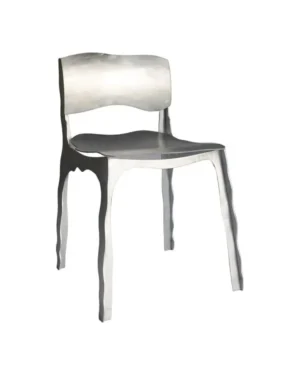
Object111 – Aluminum Chair
By NG DESIGN
€333 -
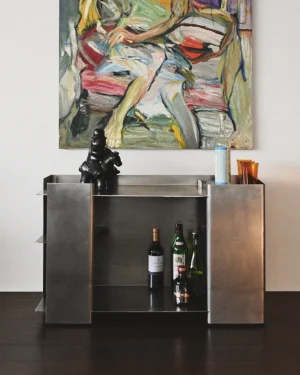
Stainless Steel Bar Cart
By NAVE
€2.900 -

Metal Tray
By BOTHI
€100 -

Tube Bench
By Deon Rubi
€4.000 -
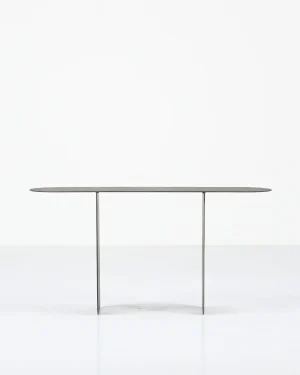
The Altar Side Table in Steel
By COSEINCORSO
€910 -
 In stock
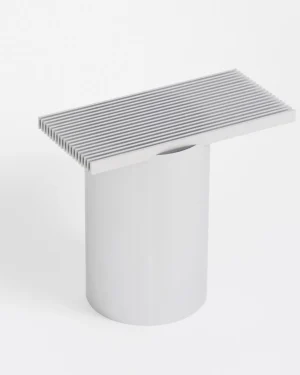
Vent Side Table in Anodized Aluminum
By Calen Knauf Studio
€1.291 -
5% off

Bb Chair
By CORPUS STUDIO
€9.800€9.310 -
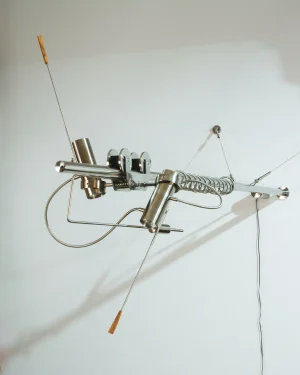
Steel Arm Sconce Lamp
By Szostak Atelier
€8.900 -
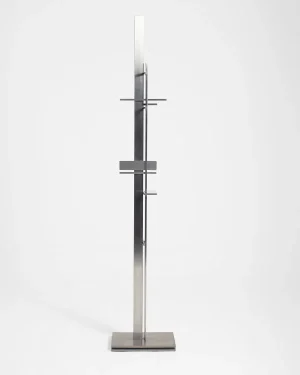
Dash – Handmade Sculptural Coat Rack
By Yet Design Studio
€1.200 - €1.380 This product has multiple variants. The options may be chosen on the product page -

Imaginary Object – Steel Stool
By Joana Teixeira
€1.600 -
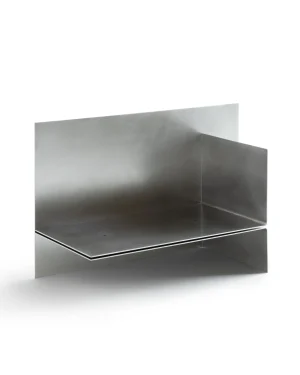
Polysemy Silver Side Table in Stainless Steel
By So Koizumi
€1.200 -
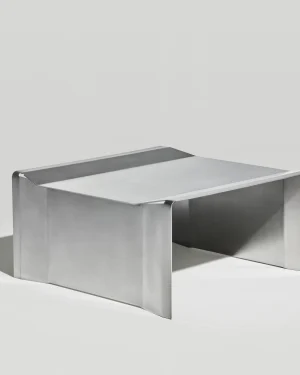
Camber Coffee Table in Stainless Steel
By Paul Coenen
€1.615 -
 In stock
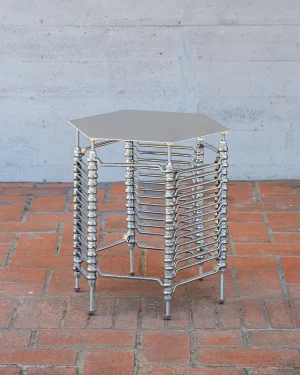
Wrench A Side Table in Aluminum and Iron
By Iyo Hasegawa
€1.600 -
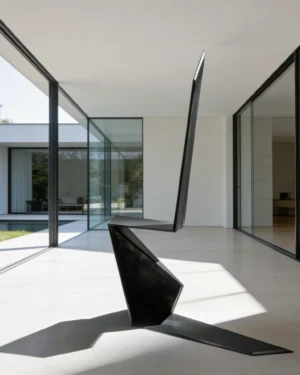
Dark Side – Aluminum Chair
By ORFEO STUDIO
€5.082 -
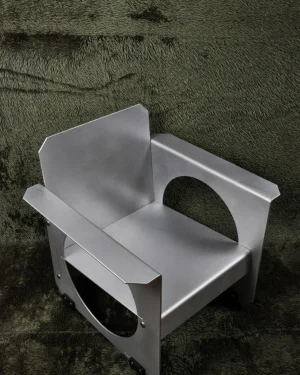
D400 Armchair – Matte Aluminium
By MLK Furniture
€2.290 -
 In stock
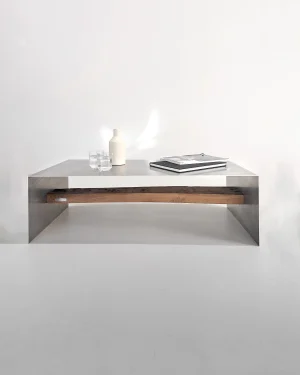
Matted Aluminum Coffee Table in Aluminum and Oak
By case studios
€660 -
 In stock
Matted Aluminum Coffee Table In Aluminum And Blackwood
By case studios
€799 -
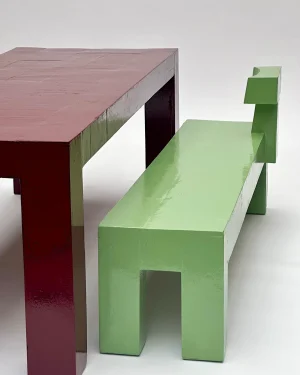
Practice Bench – Upcycled Wood
By Studio Fabius Clovis
€3.300 -
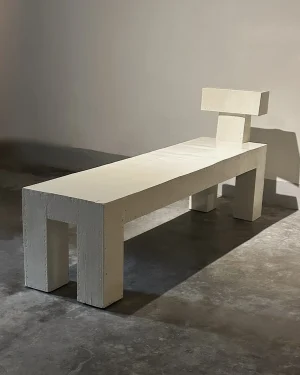
Practice Chaise Lounge
By Studio Fabius Clovis
€2.728 -
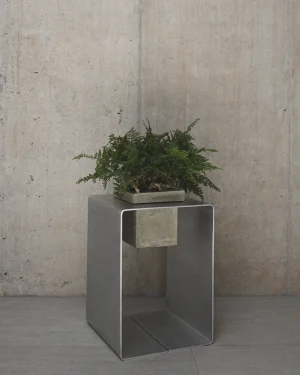
ST001-02 Side Table in Stainless Steel and Concrete
By NAVE
€990 -
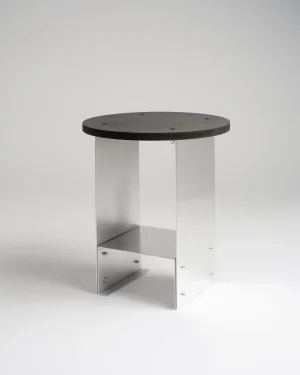
Broken Wing Stool
By Obscure Objects
€290 -
 In stock
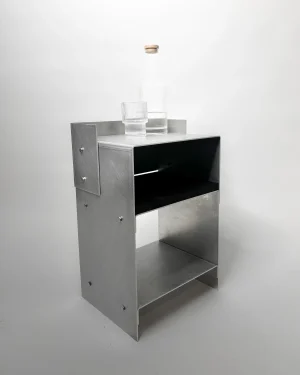
Matted Aluminium Side Table In Aluminum And Blackwood
By case studios
€590 -
 In stock
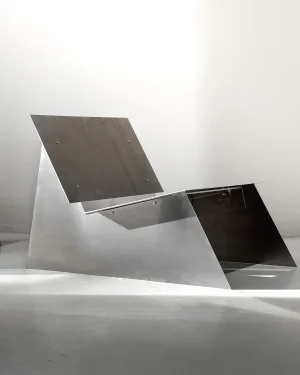
Aluminium Lounge Chair
By case studios
€1.690 -
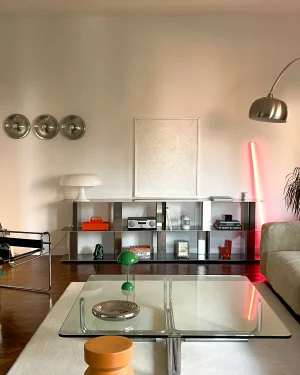
Stack 086
By studio MOTO
€2.930 -
 In stock
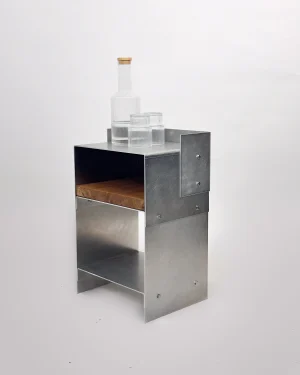
Matted Aluminium Nightstand In Aluminum And Oak
By case studios
€690 -

Medicine Cabinet
By BOTHI
€330 -
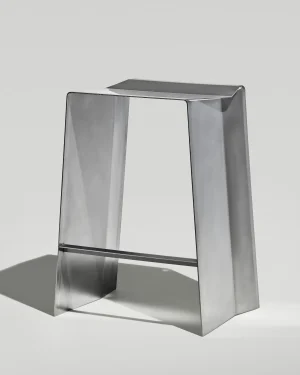
Camber – Bar Stool
By Paul Coenen
€685 -

Dessert – Steel Chair
By SALAK Studio
€790 -
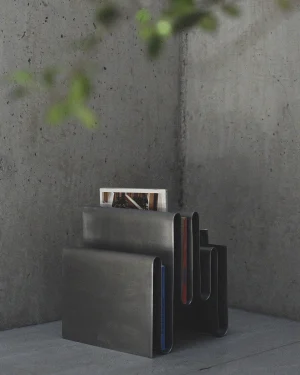
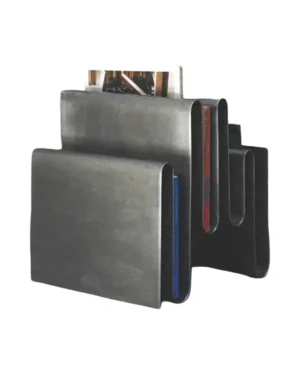
R001-01 – Stainless Steel Magazine Holder
By NAVE
€535 -
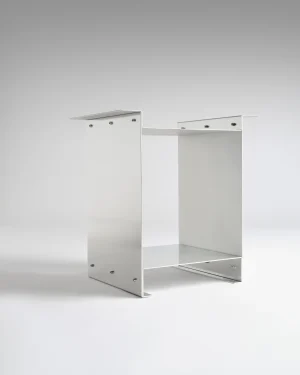
Wing Side Table in Polished Aluminum
By Obscure Objects
€340 -
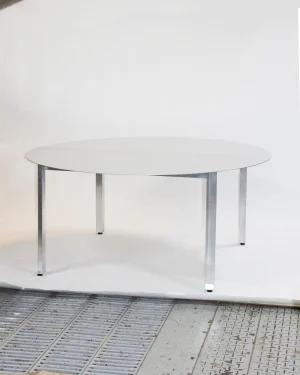
Canto Round Dining Table in Anodized Aluminum
By Luiz Solano
€1.180 - €1.680 This product has multiple variants. The options may be chosen on the product page -

Wing Bench
By Obscure Objects
€1.220 -

Metal Crate
By BOTHI
€145 -

010 – Lounge Chair
By OFAA
€3.000 -
 In stock
Tronco Bench – Stainless Steel Bench
By Nitush and Aroosh
€5.000 -
 In stock
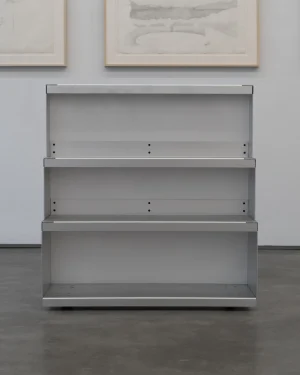
Aluminum Book Cart
By andykim.global
€2.595 -
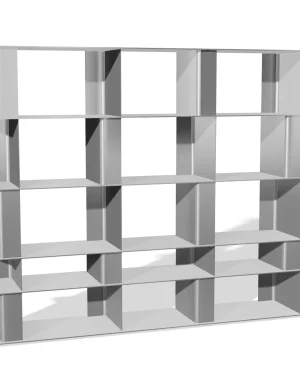
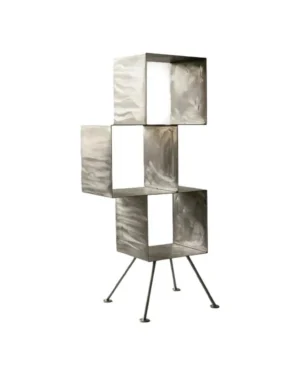
Stack 246 – Raw Modular Aluminium Shelf
By studio MOTO
€4.780 -
 In stock
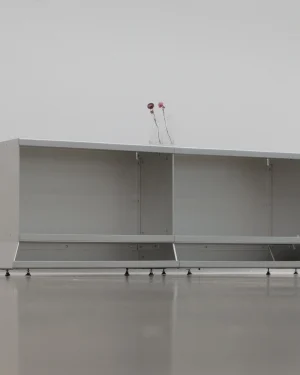
Aluminum Bench With Storage
By andykim.global
€2.217 -
 In stock
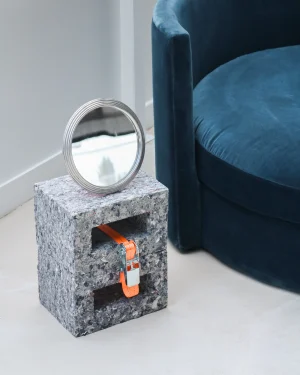
Le Nomade Side Table in Upcycled Textile
By FabBRICK
€330 -
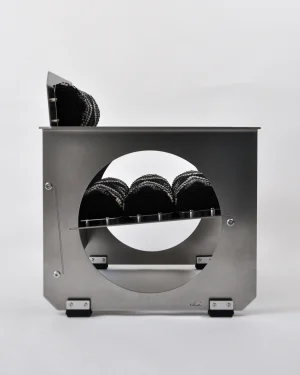
D400 Armchair – Black Mamba – Matte Stainless Steel
By MLK Furniture
€7.590 -
 In stock
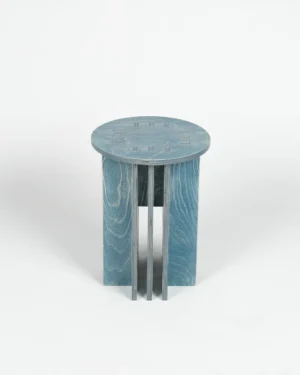
Plus01 Small Side Table in Birch Wood
By 301 Design Studio
€700 This product has multiple variants. The options may be chosen on the product page -
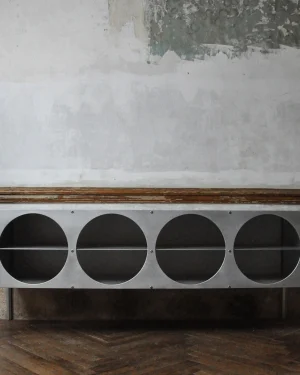
D400 Console Table in Matte Aluminum
By MLK Furniture
€4.700 -
10% off

Untreatable Dining Table in Steel
By ORFEO STUDIO
€19.000€17.100 -

O.f.i.s Series, Tubular Armchair
By Lucas Muñoz Muñoz
€18.000 -

Kut – Accent Chair
By SABAN FURKAN
€3.400 -

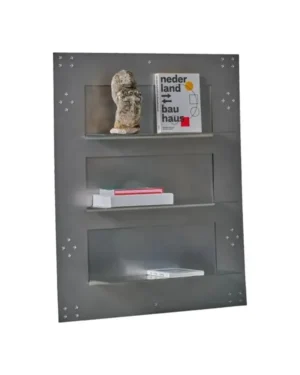
Bent Wall Shelf
By form & eisen
€158 - €300 This product has multiple variants. The options may be chosen on the product page -
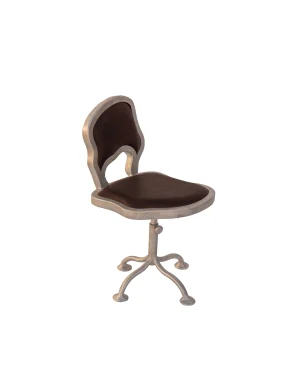
Office Chair
By Six Dots Design
€2.450 -

Finepianta 04 Side Table in Stainless Steel and Walnut
By FINEPIANTA
€2.877 -

Binario Ill – Bookcase
By SABAN FURKAN
€6.500 -
 In stock
Stainless Steel Mobile Drawer Unit
By NAVE
€1.100 -
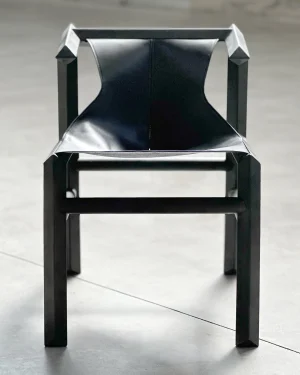
1901 – Black Leather And Wood Dining Chair
By espina corona
€890
Neo-industrial furniture takes its cues from factory floors and machine shops, built by studios working in welded steel, aluminum and raw metal, finished with powder coating or left to show the weld line. Wood appears too, usually plywood or solid timber paired against metal frames rather than standing alone. The result reads as structural, honest about how it was joined, closer to tooling than to upholstery.
What defines the neo-industrial look
The style borrows its vocabulary from warehouses and workshops: visible fasteners, square tubing, sheet metal bent rather than carved. Steel and stainless steel carry most of the weight, often in black, off-white or silver, sometimes in matte finishes that mute the shine of raw metal. Where color appears beyond the metallic range, it tends toward dusty pink or light green, a soft note against hard edges rather than a decorative flourish.
Metalwork and welding are the defining techniques, with laser cutting used for cleaner, repeatable edges and powder coating applied for a finish that resists scratching and corrosion better than raw steel left bare. Wood and cabinetmaking show up where timber tops or seats are joined to metal bases, giving the material some warmth against the cold of steel. Lacquer occasionally finishes a wood surface, though the material speaks for itself more often than not.
The range found in this style
Within neo-industrial furniture, the spread runs from aluminum and raw aluminum to stainless steel and standard steel, each behaving differently under light and over time. Aluminum stays light and resists rust without a coating, useful where a piece needs to be moved. Steel is heavier, stronger under load, and depends on its finish, whether powder coated or left raw, to hold up over years of use.
- Open editions, for pieces made to a standing design without a fixed run
- Limited editions, numbered or capped in production
- Unique pieces, each one a single build with no exact repeat
Editions matter less for how a piece looks than for how it is acquired; a limited run or a unique piece will not be remade once it sells, while an open edition can be ordered again.
How to choose a neo-industrial piece
Scale first: a heavy steel frame reads differently in a small apartment than in a loft with exposed ceiling height, so measure the space before the piece. Check the base and leg height against existing furniture, since industrial frames often sit lower or more squared-off than typical case goods. Finish matters as much as form; matte powder coating hides fingerprints and scuffs better than a glossy lacquer, which shows every mark under direct light.
Consider placement against what surrounds it. A black steel shelving unit or table anchors a room with softer textiles and wood tones around it, while an off-white or silver piece sits more quietly against other metal or concrete surfaces. For seating specifically, frame width and seat depth should be checked against how the piece will actually be used, not just how it photographs.
Where it works and how to care for it
Neo-industrial furniture suits living rooms, home offices and dining areas where a structural piece can act as a visual anchor rather than disappear into the background. It also holds up well in entryways and studios, spaces that see daily wear and benefit from metal's resistance to scuffing. Pair it with upholstered seating or wood storage pieces to soften the room, such as those found among wooden furniture or broader metal furniture.
Care depends on the finish. Powder-coated and lacquered surfaces need only a damp cloth and should avoid abrasive cleaners that can dull the coating. Raw or stainless steel benefits from occasional wiping to prevent fingerprints and moisture spots, and any exposed wood top should be kept away from direct heat or standing water to avoid warping.
For pieces that lean quieter in form but share the same material honesty, minimalist furniture and contemporary furniture sit well alongside neo-industrial pieces in the same room. The full range of furniture on ADORNO spans well beyond this style, while every neo-industrial piece across categories follows the same material logic described here.
How do I choose a neo-industrial furniture piece?
Look at the metal first: welded steel and powder-coated aluminum read as hard-edged, while touches of wood or lacquer soften the look. Match that balance to the room's existing finishes.
What materials are neo-industrial pieces made from, and how do I care for them?
Steel, aluminum and other metals dominate, often paired with wood or plywood. Wipe metal with a dry cloth to avoid water spots, and keep wood away from direct heat or damp to prevent warping.
What size and height are neo-industrial furniture pieces?
Sizes vary by piece, since studios weld and cut to their own specifications rather than a fixed standard. Check the individual piece's page, or chat with the maker for exact dimensions.
Which rooms suit neo-industrial furniture?
The raw metal surfaces and exposed joinery sit well in living rooms, studies and dining areas, anywhere a room can carry some visual weight. They also work in loft-style spaces already built around exposed materials.
Does ADORNO ship neo-industrial furniture worldwide, and what if I want to return it?
Shipping is insured and worldwide. Returns are accepted within 14 days, though made-to-order pieces are excluded.
How do I know a neo-industrial piece is authentic, and can I order it custom?
Every piece comes with a certificate of authenticity. For custom sizing or finishes, chat with the maker directly on the piece's page.