




-
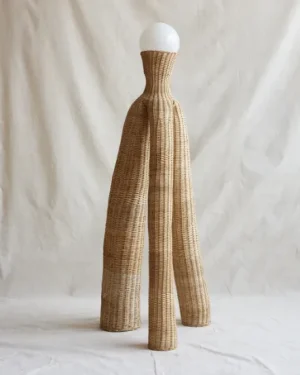
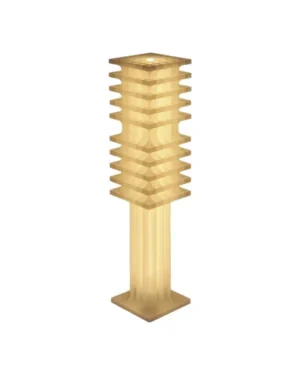
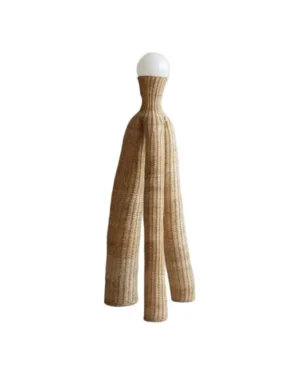
Artefacto Ls 16 Floor Lamp In Woven Wicker Fiber
By LØRDAG & SØNDAG
€1.090 -
 In stock
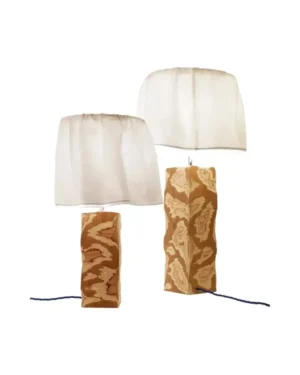
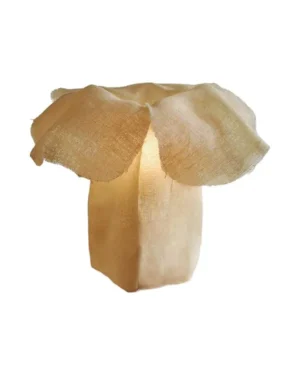
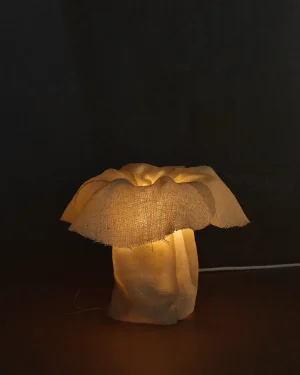
Thalie Vi Table Lamp Sheer Fabric
By Atelier Alz
€200 - €300 -
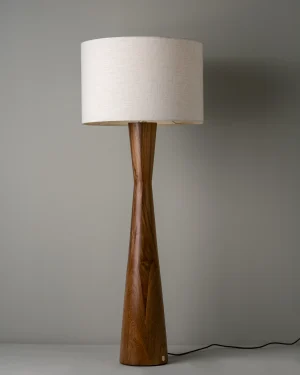
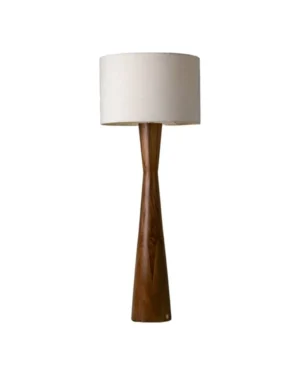
Sabina Floor Lamp in Parota Wood
By Isabel Moncada
€3.802 -
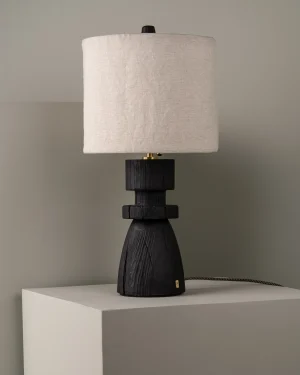
Mezquite Table Lamp in Burned Pinewood and Natural Linen
By Isabel Moncada
€2.925 -
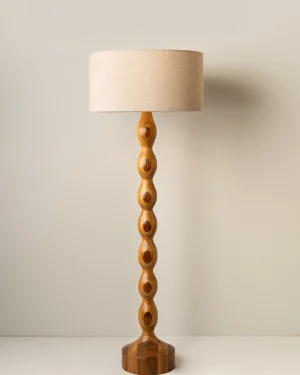
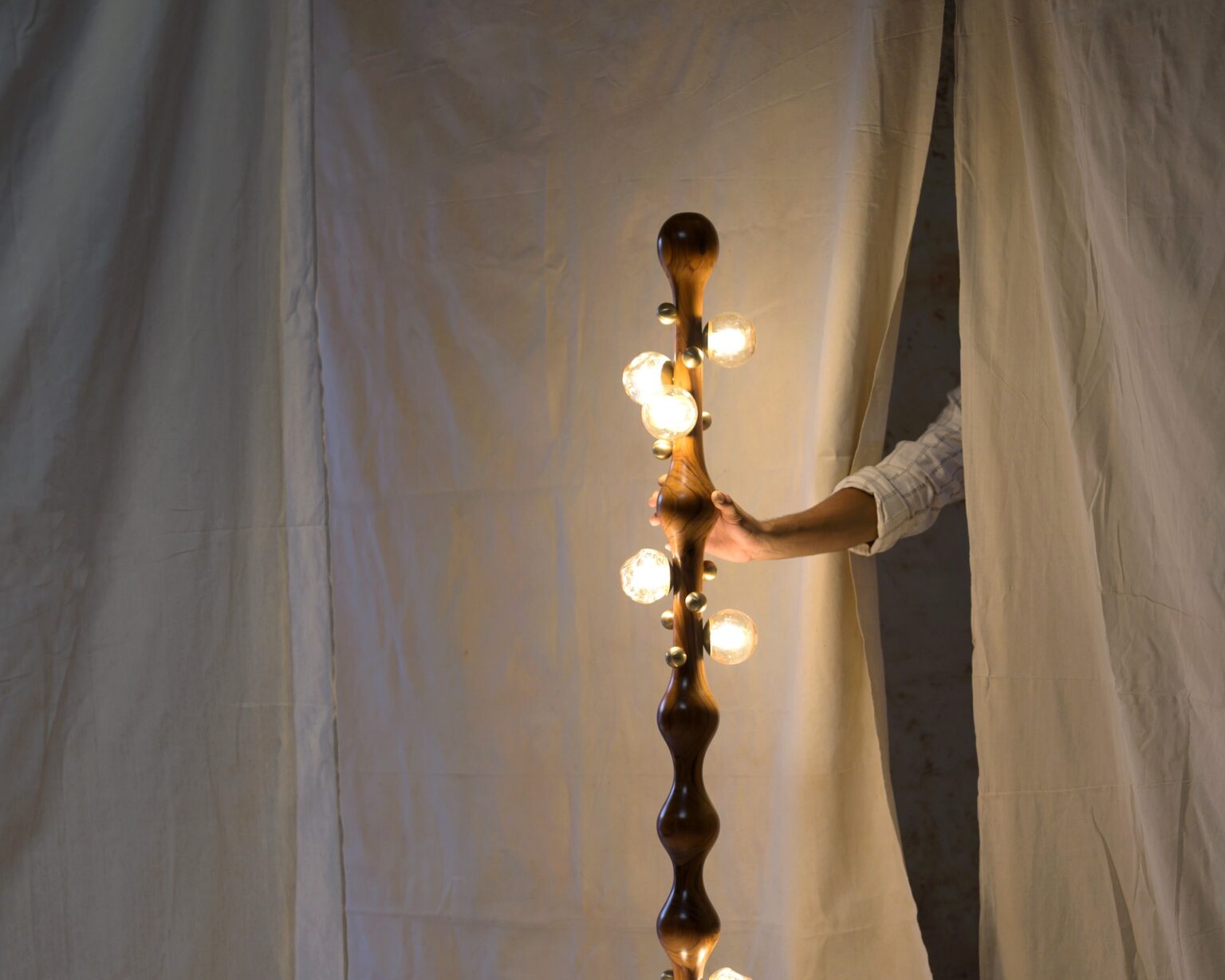
Tamarindo Floor Lamp in Parota Wood and Natural Fibers
By Isabel Moncada
€3.802 -
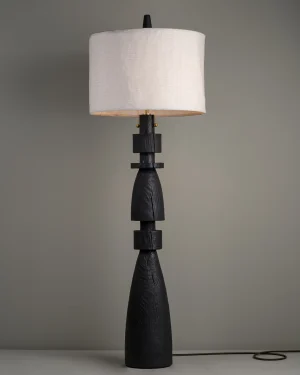
Mezquite Floor Lamp in Pinewood, Linen and Brass
By Isabel Moncada
€4.095 -
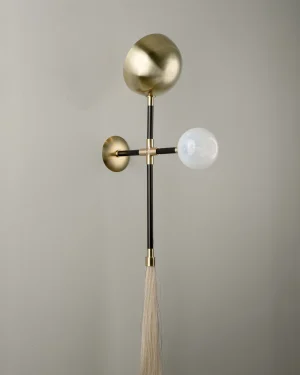
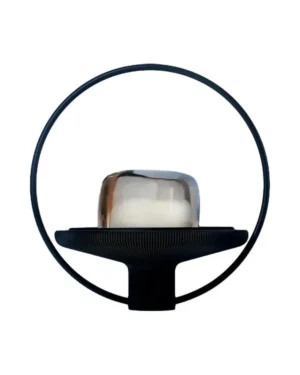
Gogo Wall Sconce in Brass, Blown Glass and Natural Fibers
By Isabel Moncada
€2.880 - €4.036 -
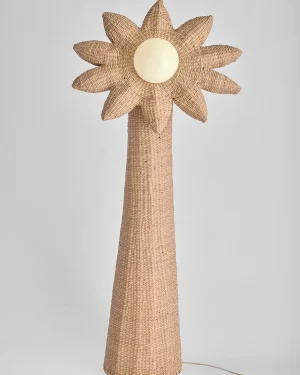
Kuni Floor Lamp in Rattan and Natural Fibers
By Joyful Objects, Yes!
€2.900 -

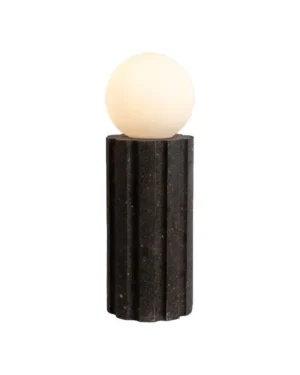
Regina Table Lamp In Marble
By Daniel Orozco Estudio
€2.034 -
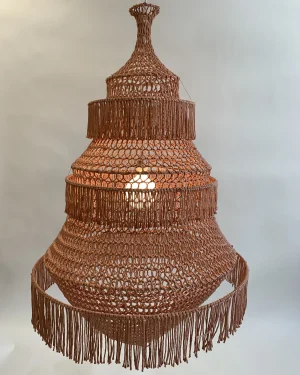
Typha Pendant Lamp in Cotton Rope
By Annie Legault
€1.907 -

In Between Table Lamp in Ornamental Glass
By please touch studio
€1.500 -
 In stock
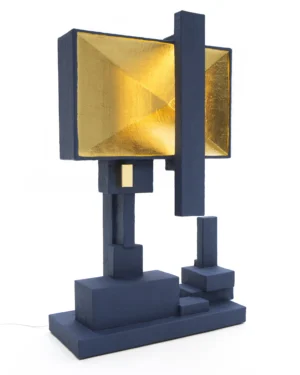
Box-2 Floor Lamp in Blue Cardboard and Gold-leaf
By Studio Josha
€8.995 -
 In stock
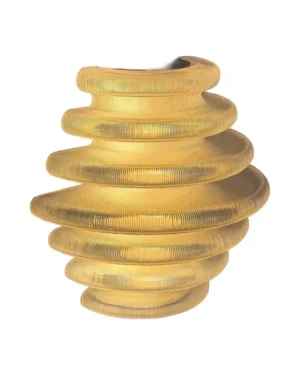
Ic-6 Floor Lamp in Resin, Gold-leaf and Natural Fibers
By Studio Josha
€9.500 -
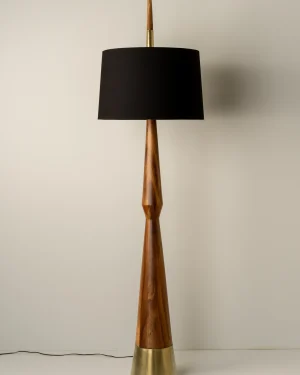
Apolo Floor Lamp in Parota Wood and Fiberglass
By Isabel Moncada
€6.435 -
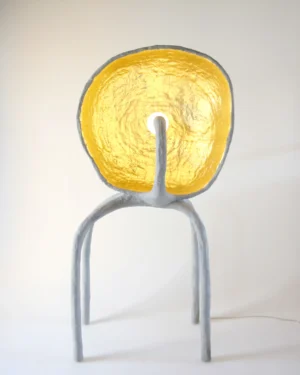 In stock
Ic-17 Floor Lamp in Resin, Gold-leaf and Natural Fibers
By Studio Josha
€10.500 -
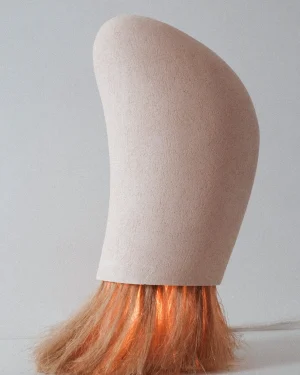
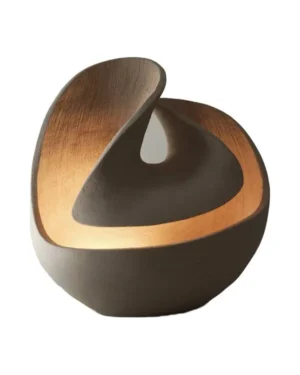
Cetus Table Lamp in Ceramics and Natural Fibers
By Andrei Clontea STUDIO
€1.000 -
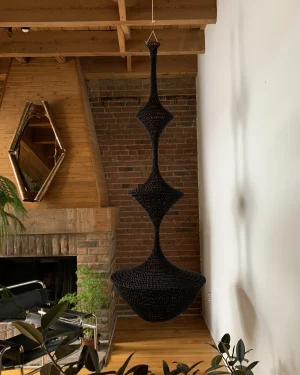
Briza Pendant Lamp in Cotton
By Annie Legault
€2.250 -
 In stock
Ic-3 Table Lamp In Resin, Foam And Natural Fibers
By Studio Josha
€5.450 -
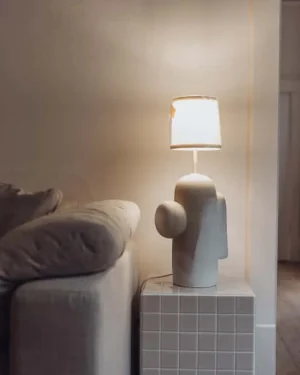 In stock
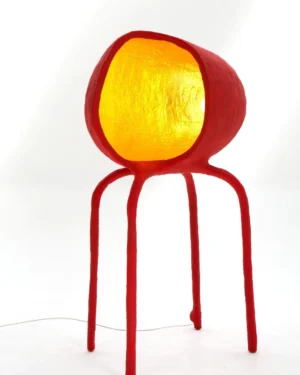
Nodo Table Lamp in Speckled Stoneware
By LYT Studio
€550 -
 In stock
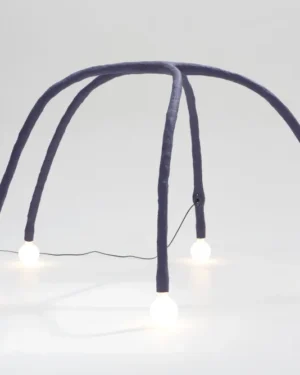
Ic-12 Floor Lamp in Resin, Gold-leaf and Natural Fibers
By Studio Josha
€8.500 -
 In stock
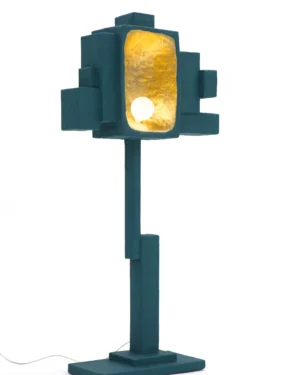
Ic-13 Floor Lamp In Resin, Foam And Natural Fibers
By Studio Josha
€9.900 -
 In stock
Box-1 Floor Lamp in Cardboard and Gold-leaf
By Studio Josha
€4.500 -
 In stock
Ic-4 Pendant Lamp In Resin, Foam And Natural Fibers
By Studio Josha
€8.250 -
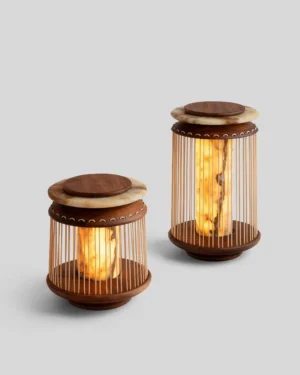
Ebtún Floor Lamp
By Juskani Alonso
€2.890 - €3.340 -
 In stock
Ic 1 Table Lamp In Resin, Foam And Natural Fibers
By Studio Josha
€3.700 -

Melica Pendant Lamp in Cotton
By Annie Legault
Price Upon Request -
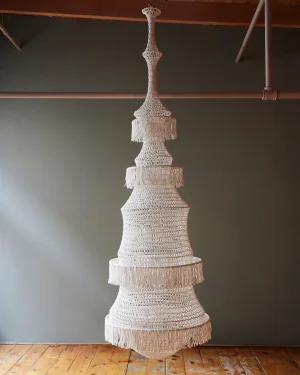
Luzule Pendant Lamp in Cotton Rope
By Annie Legault
Price Upon Request -

Lámpara Regina Table Lamp In Wood
By Daniel Orozco Estudio
Price Upon Request
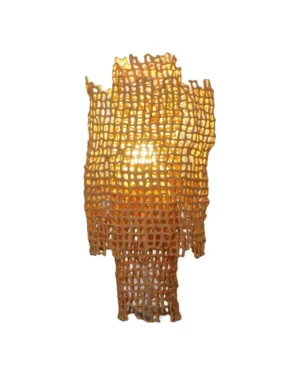
Natural fiber lighting brings together lamps and pendants woven from natural and synthetic fibers, set onto fittings of brass, pine or parota wood. Independent studios shape each shade by hand, pulling cane or fiber across a frame until the piece reads as texture as much as light source. Because the weaving is done by hand, the work tends toward open editions, limited runs and unique pieces rather than mass production.
What defines natural fiber lighting
Natural fiber is woven, wrapped or knotted over a frame, so the weave itself holds much of the lamp's shape. Plant fiber behaves differently from glass or metal shades: it never diffuses light evenly, instead breaking it into the small gaps and knots of the weave, so a lit shade throws a pattern of warm shadow across ceiling and wall. The material is light to lift and easy to live with, though it is more sensitive to damp and direct sun than brass or cast resin.
The materials, finishes and techniques found here
Alongside woven fiber, pieces in this group pair plant fiber with brass fittings, gilded accents, or bases turned in pine or parota wood. Some studios work the fiber itself through paperwork or textilework techniques, binding it to cord or cloth before weaving; others leave the material unfinished, letting its pale straw tone darken with age. Styles run from boho chic and eclectic to mid-century modern and sustainable work that favors fast-growing, renewable fibers over synthetic alternatives. The full range, across lamps, floor lamps and matching furniture, can be seen among every natural fiber piece on ADORNO, and within the dedicated set of natural fiber lamps.
How to choose natural fiber lighting for a room
Scale matters more with woven shades than with glass or metal ones, since an open weave reads larger than its actual diameter once it is lit. A floor lamp should sit close to seat height when placed beside a chair, so the glow falls across a lap or side table rather than over a head. Pair a pale, undyed shade with light wood and linen for a quieter room, or set a darker, aged rattan against black metal and leather for more contrast.
- Match the fitting metal, brass or blackened steel, to other hardware already in the room
- Choose an open weave for softer, scattered light and a tighter weave for a more directional glow
- Leave at least a hand's width of clearance around a floor lamp's shade so the weave is not crushed against furniture
For a floor-standing option built to these proportions, the range of natural fiber floor lamps covers both tall, slender silhouettes and lower, wider ones meant to sit beside a sofa.
Where it suits a room
Woven fiber lighting carries weight in rooms built around natural materials: oak and walnut furniture, linen upholstery, stone or plaster walls. It softens a room that otherwise leans hard into glass and steel, and it reads equally well in a reading corner, an entryway or beside a headboard. Because the glow it casts is diffuse rather than bright, it works best as secondary or ambient light rather than the single source in a room used for close tasks. Many of these pieces are shown among the broader set of living room lighting, where woven shades sit alongside other material choices.
Caring for woven fiber lighting
Keep woven fiber shades out of direct sun, which dries the fiber and makes it brittle over time, and away from prolonged damp, which can warp a frame or loosen a weave. Dust with a soft brush or the brush attachment of a vacuum rather than a wet cloth, and let any moisture dry fully before the piece is used again. With steady care, natural fiber lighting ages into a deeper, honeyed tone rather than wearing out, which is part of why studios keep returning to it. For the wider set of lighting this material sits within, the full lighting range spans metal, glass and ceramic forms built along the same principles of scale and placement.
How do I choose natural fiber lighting for my space?
Think about how the light should fall: open weaves throw dappled shadow across walls and ceilings, while tighter weaves give a softer, more even glow. Match the fitting, brass, pine or parota wood, to other metals and woods already in the room.
How do you care for rattan and wicker lamps?
Keep natural fiber lighting away from direct sun and damp, both of which dry out or warp the cane over time. Dust with a soft brush or cloth, and avoid soaking or heavy scrubbing.
What sizes do natural fiber lamps and pendants come in?
Sizes range from small table lamps to large floor lamps and wide pendant shades, since each is shaped by hand rather than molded to a fixed scale. Check the maker's listing or chat with the maker for exact dimensions.
Which rooms suit natural fiber lighting best?
The warmth and texture of woven fiber suit living rooms, bedrooms and dining spaces where the shadow pattern can play across walls. Keep pieces away from bathrooms or other damp, humid rooms.
Are natural fiber lighting pieces handmade and limited in number?
Most are shaped by hand, cane pulled across a frame rather than machine formed, so studios tend to work in open editions, limited runs or one-off pieces rather than mass production.
What are ADORNO's shipping, returns and authenticity policies?
Shipping is insured and worldwide, with a 14-day return policy that excludes made-to-order pieces. Every order includes a certificate of authenticity, backed by a lowest-price guarantee.