












-
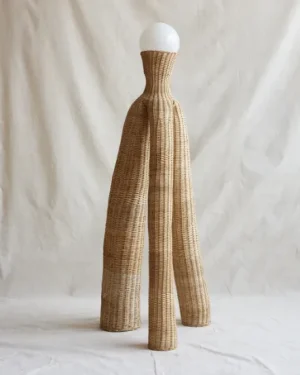
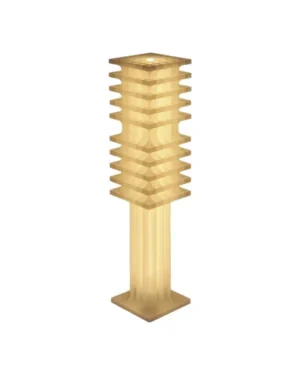
Artefacto Ls 16 Floor Lamp In Woven Wicker Fiber
By LØRDAG & SØNDAG
€1.090 -
 In stock
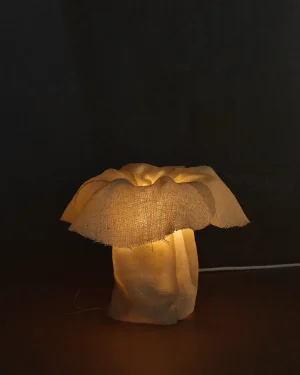
Thalie Vi Table Lamp Sheer Fabric
By Atelier Alz
€200 - €300 -
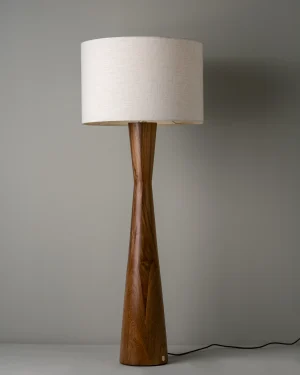
Sabina Floor Lamp in Parota Wood
By Isabel Moncada
€3.802 -
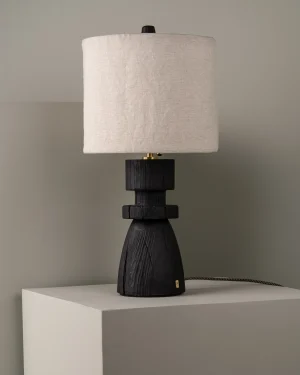
Mezquite Table Lamp in Burned Pinewood and Natural Linen
By Isabel Moncada
€2.925 -
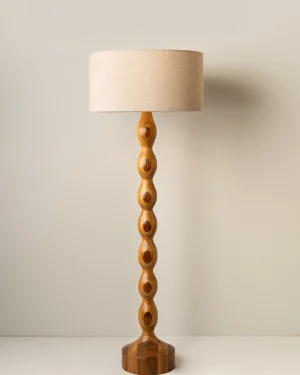
Tamarindo Floor Lamp in Parota Wood and Natural Fibers
By Isabel Moncada
€3.802 -
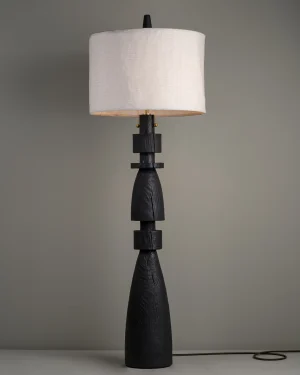
Mezquite Floor Lamp in Pinewood, Linen and Brass
By Isabel Moncada
€4.095 -
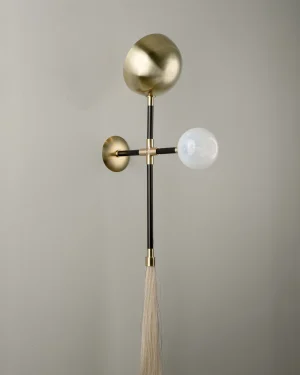
Gogo Wall Sconce in Brass, Blown Glass and Natural Fibers
By Isabel Moncada
€2.880 - €4.036 -
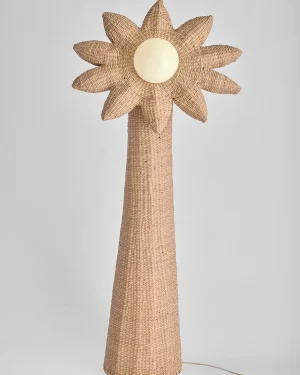
Kuni Floor Lamp in Rattan and Natural Fibers
By Joyful Objects, Yes!
€2.900 -

Regina Table Lamp In Marble
By Daniel Orozco Estudio
€2.034 -
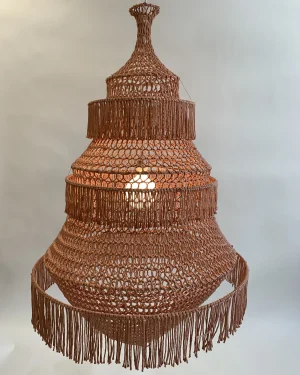
Typha Pendant Lamp in Cotton Rope
By Annie Legault
€1.907 -

In Between Table Lamp in Ornamental Glass
By please touch studio
€1.500 -
 In stock
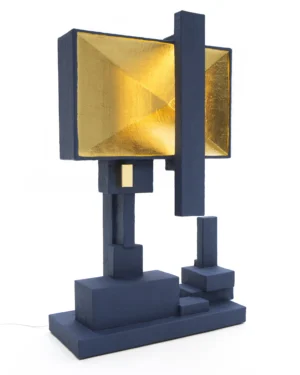
Box-2 Floor Lamp in Blue Cardboard and Gold-leaf
By Studio Josha
€8.995 -
 In stock
Ic-6 Floor Lamp in Resin, Gold-leaf and Natural Fibers
By Studio Josha
€9.500 -
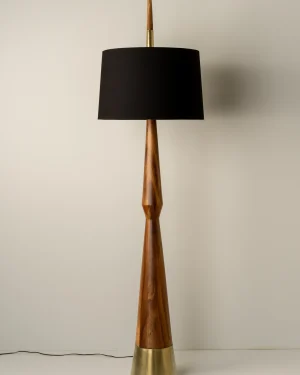
Apolo Floor Lamp in Parota Wood and Fiberglass
By Isabel Moncada
€6.435 -
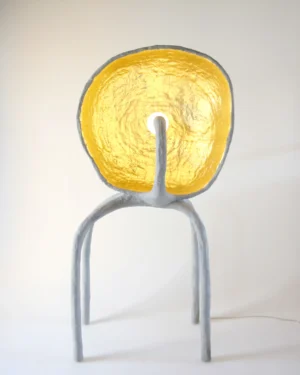 In stock
Ic-17 Floor Lamp in Resin, Gold-leaf and Natural Fibers
By Studio Josha
€10.500 -
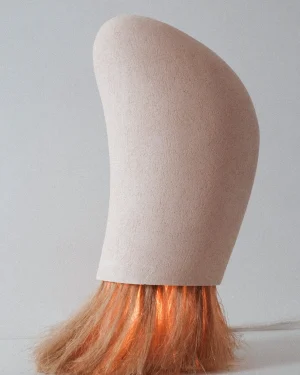
Cetus Table Lamp in Ceramics and Natural Fibers
By Andrei Clontea STUDIO
€1.000 -
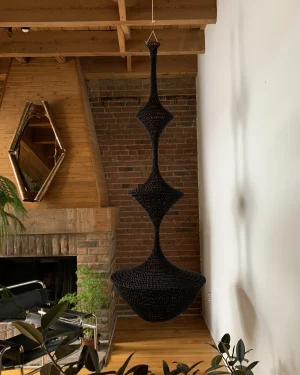
Briza Pendant Lamp in Cotton
By Annie Legault
€2.250 -
 In stock
Ic-3 Table Lamp In Resin, Foam And Natural Fibers
By Studio Josha
€5.450 -
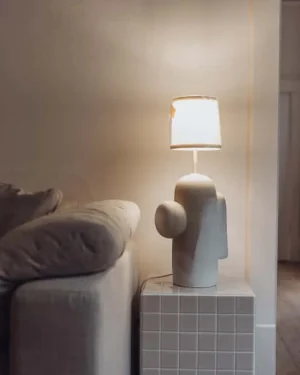 In stock
Nodo Table Lamp in Speckled Stoneware
By LYT Studio
€550 -
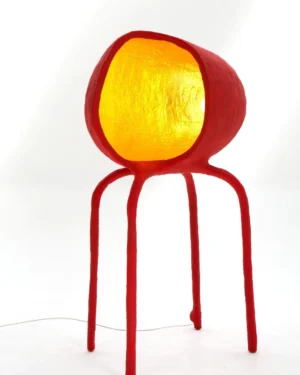 In stock
Ic-12 Floor Lamp in Resin, Gold-leaf and Natural Fibers
By Studio Josha
€8.500 -
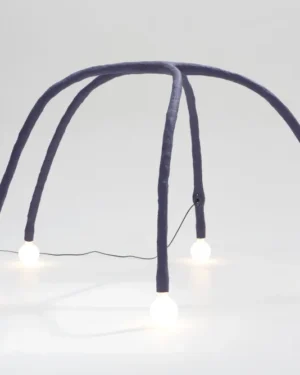 In stock
Ic-13 Floor Lamp In Resin, Foam And Natural Fibers
By Studio Josha
€9.900 -
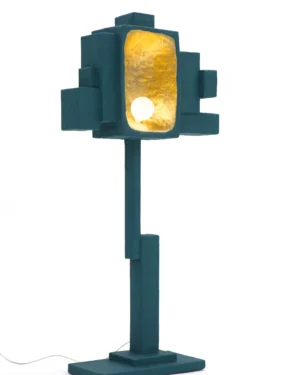 In stock
Box-1 Floor Lamp in Cardboard and Gold-leaf
By Studio Josha
€4.500 -
 In stock
Ic-4 Pendant Lamp In Resin, Foam And Natural Fibers
By Studio Josha
€8.250 -
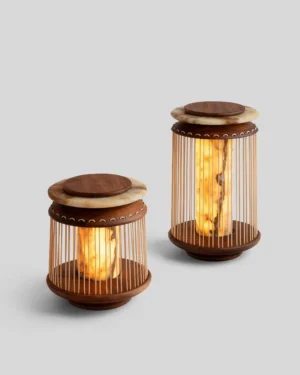
Ebtún Floor Lamp
By Juskani Alonso
€2.890 - €3.340 -
 In stock
Ic 1 Table Lamp In Resin, Foam And Natural Fibers
By Studio Josha
€3.700 -

Melica Pendant Lamp in Cotton
By Annie Legault
Price Upon Request -
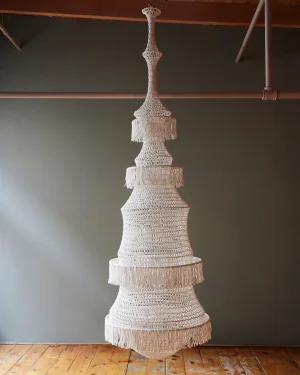
Luzule Pendant Lamp in Cotton Rope
By Annie Legault
Price Upon Request -

Lámpara Regina Table Lamp In Wood
By Daniel Orozco Estudio
Price Upon Request
Natural fiber lamps bring rattan and other plant fibers into the realm of light, where the material's irregular weave becomes part of the glow rather than a cover for it. Studios working in these fibers favor weaving and biofabrication, pairing woven shades with bases in gilded metal, pine or resin. The result is a lamp that reads as warm and tactile by day and casts a dappled, filtered light once switched on.
What defines natural fiber lamps
The fiber itself sets the tone: rattan is pliable enough to bend into drums, cones and irregular globes, while coarser plant fibers give a rougher, more open weave. Gaps between strands let light escape in bands and points rather than a flat wash, so the shade becomes a pattern-maker as much as a diffuser. Bases are often turned or joined in wood, or cast in resin, to give the woven shade something solid to sit on.
Finishes, techniques and editions found here
Within natural fiber lighting on ADORNO, the making methods vary more than the materials might suggest. Hand weaving remains the core technique, often finished with gilding on a base or trim, or paired with resin casting for a weighted foot. Some studios work in biofabrication, growing or treating fiber composites instead of sourcing raw cane, which gives a smoother, more uniform surface than traditional rattan.
Color stays close to the fiber's own range: beige, brown and ivory dominate, with black and gold appearing on bases or metal fittings. Styles lean boho chic, eclectic and sustainable, though plenty of pieces are plain enough to sit comfortably in a minimalist or contemporary room. Editions include open runs alongside limited editions and unique pieces, since hand weaving naturally produces small variations from one lamp to the next.
How to choose one
Scale matters more with woven shades than with solid ones, because an oversized fiber drum reads as sculpture while a small one can look like an afterthought. Floor lamps carry weight in a room and work best where there is space to walk around them; table lamps should sit low enough that the light source clears eye level when seated. Check the base material against your other metal or wood tones, since a gilded foot behaves differently next to brass hardware than next to oak furniture.
Placement affects how the weave performs. Close to a wall, a woven shade throws a soft, textured shadow across the surface; set away from walls, it reads more as a freestanding object. If the lamp will stay lit for long evenings, consider the density of the weave, since tighter weaves give a dimmer, more even light and looser ones scatter it further into the room.
Rooms and placement
Woven lamps suit rooms built around texture and natural materials, where their irregularity reads as warmth rather than clutter. They work well in living room lamps settings, paired with linen upholstery or raw wood furniture, and just as easily in bedroom lamps arrangements, where their filtered light suits low evening use better than a bright, direct source.
- Entryways, where a floor lamp in rattan adds presence without needing a socket near seating
- Reading corners, where a table lamp's dappled light is enough for ambiance but not for close work
- Covered porches or sunrooms, where the fiber's warmth echoes other natural materials nearby
Care for natural fiber lamps
Plant fibers are sensitive to damp and direct sun: prolonged moisture encourages mold, and strong sunlight dries and cracks the weave over time. Dust with a soft brush or dry cloth rather than water, and keep the lamp away from radiators or vents that will dry the fiber unevenly. Treated correctly, rattan loosens slightly and darkens in tone over years, a change that reads as settling rather than damage.
For the wider range of woven and plant-based pieces beyond lighting, see natural fiber furniture, or look across every natural fiber piece on ADORNO. For other lamp materials and finishes, the full range of lamps spans metal, ceramic, glass and solid wood alongside these woven pieces.
How do I choose a natural fiber lamp?
Match the weave to the light you want: tighter rattan gives a softer glow, open plant-fiber weaves cast more pattern. Check the base material, wood, resin or gilded metal, against the rest of the room.
How do you care for a natural fiber lamp?
Keep it away from direct sun and damp, which dry out or soften the fibers over time. Dust with a soft brush or cloth, and avoid wiping with water on the shade itself.
What size or height should a natural fiber lamp be?
Table lamps generally sit eighteen to thirty inches tall, floor lamps fifty-five to sixty-five, enough to clear a seated eye line. The maker can confirm exact dimensions with Chat with the maker on the piece's page.
Which rooms suit natural fiber lamps?
Living rooms and bedrooms take to their filtered, dappled light well, especially near seating or a bedside. The woven texture also reads warm in entryways and reading corners.
Can I order a custom natural fiber lamp?
Some studios take custom requests on finish, size or base material. Chat with the maker on the piece's page to ask directly.
What about shipping, returns and authenticity?
Shipping is insured and worldwide, with a 14-day return policy excluding made-to-order pieces. Every lamp comes with a certificate of authenticity and ADORNO's lowest-price guarantee.