


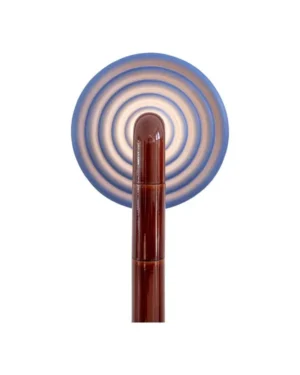
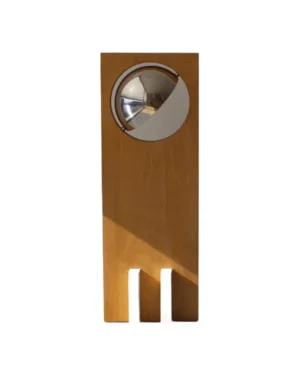
-
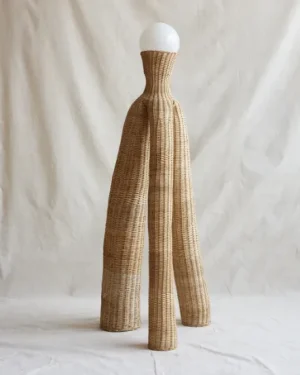
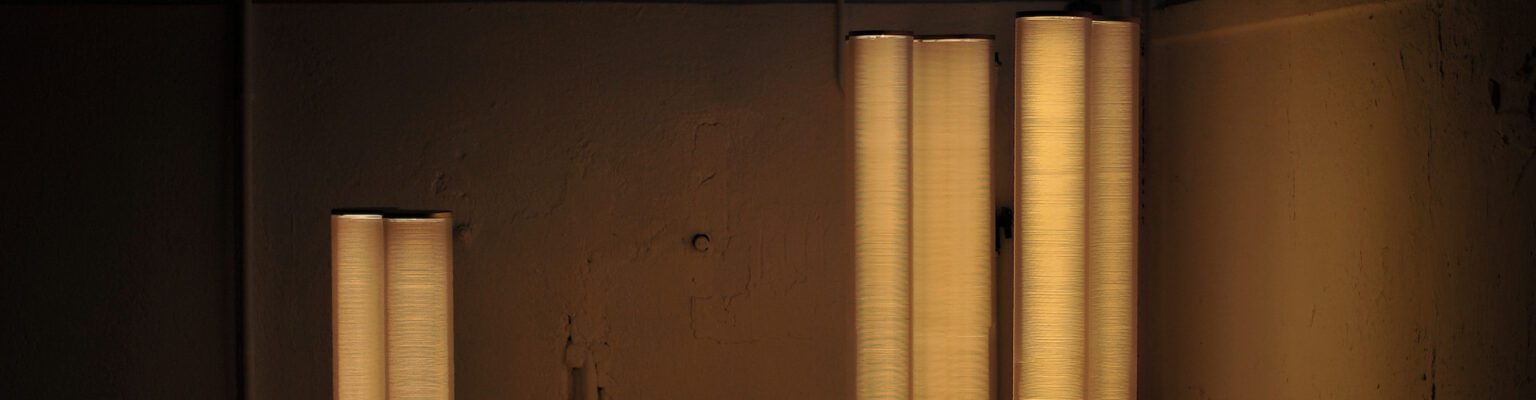
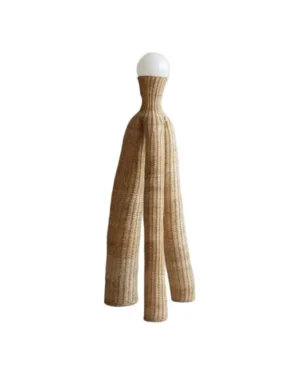
Artefacto Ls 16 Floor Lamp In Woven Wicker Fiber
By LØRDAG & SØNDAG
€1.090 -
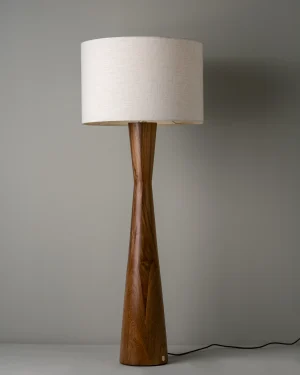
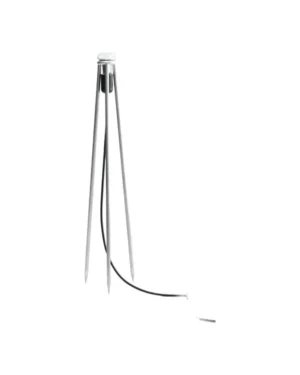
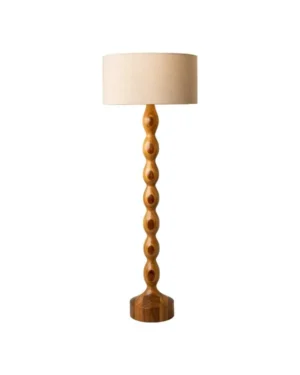
Sabina Floor Lamp in Parota Wood
By Isabel Moncada
€3.802 -
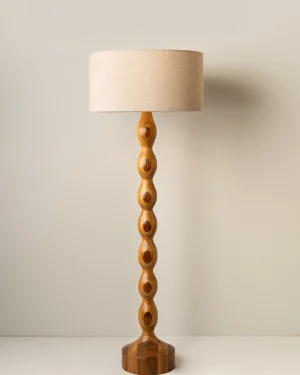
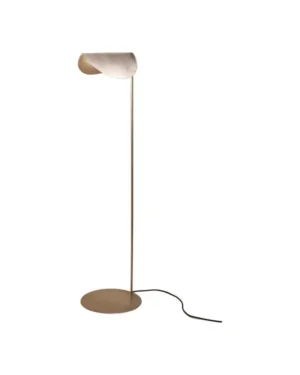
Tamarindo Floor Lamp in Parota Wood and Natural Fibers
By Isabel Moncada
€3.802 -
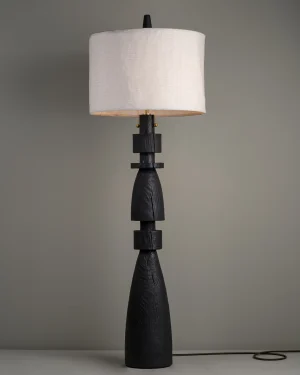
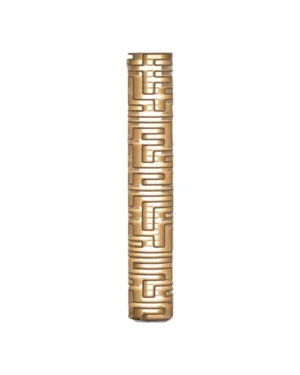
Mezquite Floor Lamp in Pinewood, Linen and Brass
By Isabel Moncada
€4.095 -
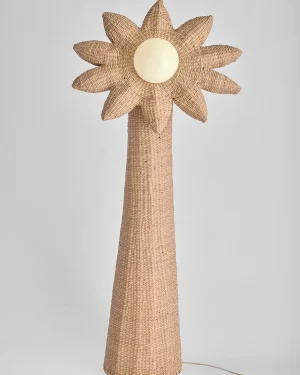
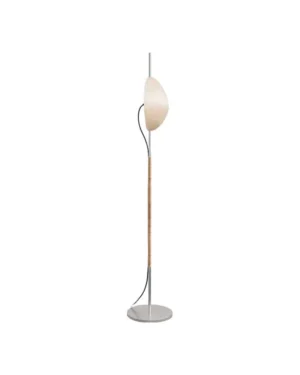
Kuni Floor Lamp in Rattan and Natural Fibers
By Joyful Objects, Yes!
€2.900 -
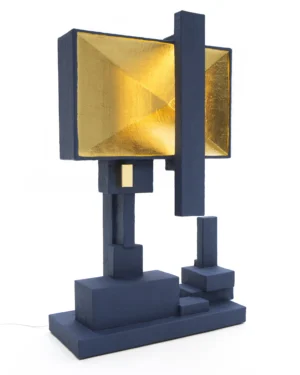 In stock
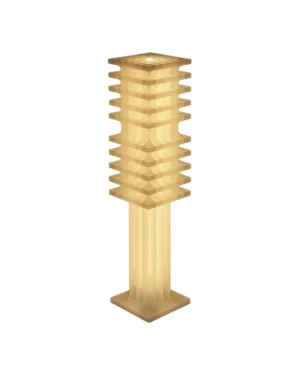
Box-2 Floor Lamp in Blue Cardboard and Gold-leaf
By Studio Josha
€8.995 -
 In stock
Ic-6 Floor Lamp in Resin, Gold-leaf and Natural Fibers
By Studio Josha
€9.500 -
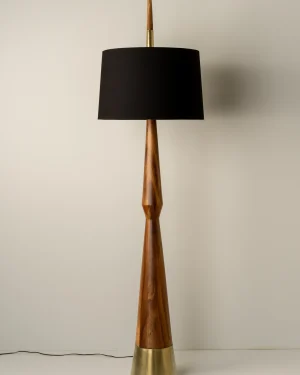
Apolo Floor Lamp in Parota Wood and Fiberglass
By Isabel Moncada
€6.435 -
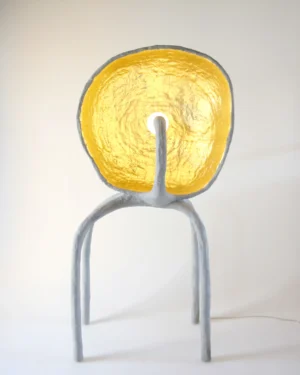 In stock
Ic-17 Floor Lamp in Resin, Gold-leaf and Natural Fibers
By Studio Josha
€10.500 -
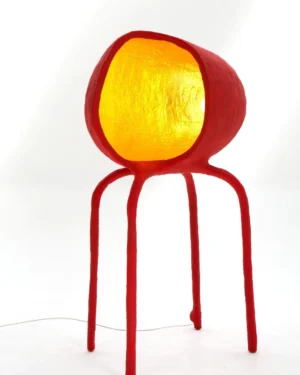 In stock
Ic-12 Floor Lamp in Resin, Gold-leaf and Natural Fibers
By Studio Josha
€8.500 -
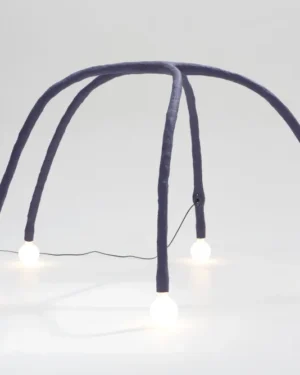 In stock
Ic-13 Floor Lamp In Resin, Foam And Natural Fibers
By Studio Josha
€9.900 -
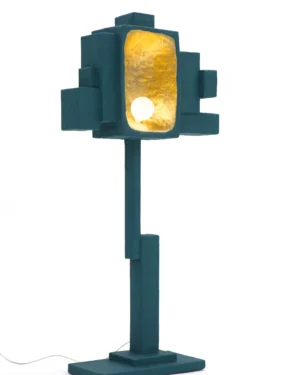 In stock
Box-1 Floor Lamp in Cardboard and Gold-leaf
By Studio Josha
€4.500 -
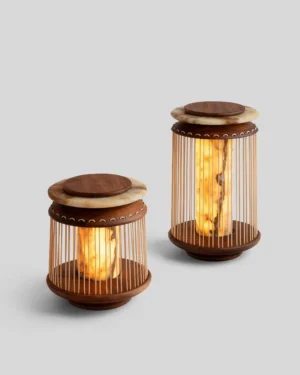
Ebtún Floor Lamp
By Juskani Alonso
€2.890 - €3.340
Natural fiber floor lamps gather rattan, cane, paper and other plant fibers into shades and bases that filter light instead of aiming it. Studios working in this material weave, knot or wind fiber over a frame of metal or wood, so the surface carries the small irregularities of a hand process rather than the flatness of a mold. Light passing through a woven shade comes out soft and uneven, closer to the dapple under a screen than a direct beam.
How natural fiber behaves in a floor lamp
Rattan and cane are pliable when worked and stiffen as they dry, which is why a woven shade holds its shape for years without a rigid shell underneath. The same fibers respond to the air around them: they can loosen slightly in damp conditions and tighten again as a room dries out, a small, ongoing adjustment rather than a flaw. Direct sun will bleach and eventually dry out plant fiber, so placement away from a south-facing window keeps the color even for longer.
The range of natural fiber floor lamps on ADORNO
Weaving is the technique behind most pieces here, though some studios pair a fiber shade with a base in gilded metal, cast resin or turned wood, which shifts the whole lamp toward a more finished, less rustic register. Colors stay close to the material itself: gold, brown, ivory and beige dominate, with black or deeper tones appearing where fiber is dyed or charred before weaving. Styles run from boho chic and rustic to neo-artesanal, eclectic and contemporary, depending on how tightly the fiber is worked and how the frame is finished. Editions vary too, from open editions produced to a standard pattern to limited editions and unique pieces where the weave itself is the signature. For a wider view of what natural fiber does across lighting, natural fiber lighting on ADORNO spans pendants and table lamps built the same way, and every natural fiber piece on ADORNO covers the material beyond lighting as well.
Choosing scale, height and placement
A floor lamp stands in a room the way a chair does, so its footprint and height matter before its shade pattern does. A tall, narrow silhouette suits a corner or a gap beside a sofa arm, where it adds height without taking floor space; a wider, lower base works better as a standalone piece near a reading chair. Because woven shades read as texture first and form second, they tend to sit well against plain walls or alongside other natural materials like linen, cane or oak, rather than competing with a busy print. Within the broader floor lamps on ADORNO, fiber pieces sit alongside options in brass, oak and hand-blown glass, so scale is worth comparing across materials before settling on one.
Where these lamps suit a room
Woven fiber lamps read naturally in living room settings, where their diffuse light suits evening gatherings rather than close task work, and just as easily in a bedroom, where a softer, scattered glow is often preferred over a direct one. Sunrooms and reading corners with other plant-based textures, rattan chairs, jute rugs, linen upholstery, let a fiber lamp carry on a material conversation already in the room.
Caring for woven and plant fiber shades
Dust is the main maintenance a fiber shade needs: a soft brush or the brush attachment of a vacuum, run gently over the weave, keeps buildup from settling into the gaps between strands. Avoid wiping with a wet cloth, since plant fiber absorbs moisture readily and can warp or discolor if it stays damp. Keeping a lamp a reasonable distance from radiators and direct sun slows the natural drying and fading that comes with age, letting the warmth of the fiber hold steady for longer.
How do I choose a natural fiber floor lamp?
Look at how the fiber is woven and what base it sits on, since that changes the lamp from rustic to more finished. Consider the light it gives off: a tightly woven shade glows softly, while an open weave casts more pattern.
How do I care for a natural fiber floor lamp?
Dust with a soft brush or cloth and keep it away from south-facing windows, since direct sun bleaches and dries out plant fiber over time. Fiber loosens slightly in damp air and tightens again as a room dries, which is normal.
What height floor lamp should I choose for a room?
A floor lamp should sit near seated eye level so the shade softens light rather than aiming it at a wall. Taller lamps anchor a corner or reading chair, while shorter ones suit a spot beside a sofa.
Which rooms suit a natural fiber floor lamp?
Living rooms and bedrooms both take well to the soft, uneven light a woven shade gives off, especially near seating or a reading corner. The warmth of the material also works in spaces with wood, linen or other natural surfaces nearby.
Does ADORNO ship natural fiber floor lamps internationally?
Yes, shipping is insured and arranged worldwide, and ADORNO offers a lowest-price guarantee on every piece.
What is ADORNO's return policy on floor lamps?
Pieces can be returned within 14 days, though made-to-order lamps are excluded. Each lamp arrives with a certificate of authenticity, and the maker can confirm specific details through Chat with the maker on the piece's page.