








-
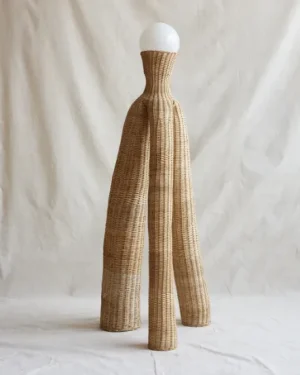
Artefacto Ls 16 Floor Lamp In Woven Wicker Fiber
By LØRDAG & SØNDAG
€1.090 -
 In stock
Thalie Vi Table Lamp Sheer Fabric
By Atelier Alz
€200 - €300 -
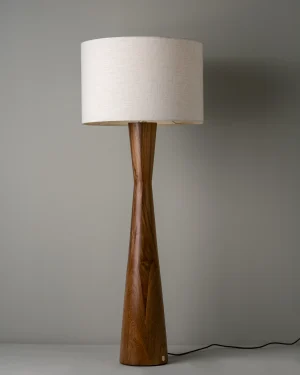
Sabina Floor Lamp in Parota Wood
By Isabel Moncada
€3.802 -

Pleated Sconce In Stainless Steel And Polyester
By BOTHI
€330 -

Deas Floor Lamp In Aluminum And Rattan
By Calen Knauf Studio
€1.360 -
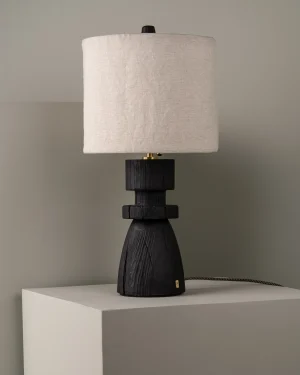
Mezquite Table Lamp in Burned Pinewood and Natural Linen
By Isabel Moncada
€2.925 -
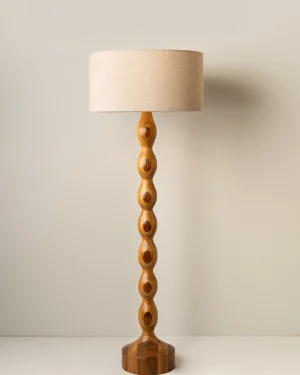
Tamarindo Floor Lamp in Parota Wood and Natural Fibers
By Isabel Moncada
€3.802 -
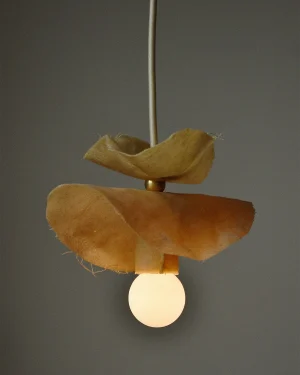
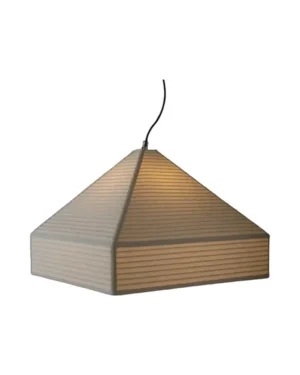
Judie Pendant Lamp in Cotton
By Atelier Alz
€200 -
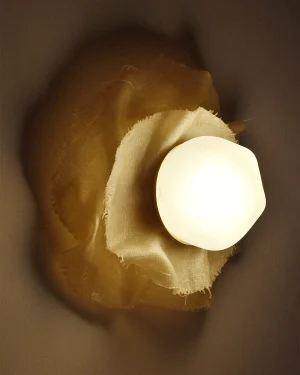
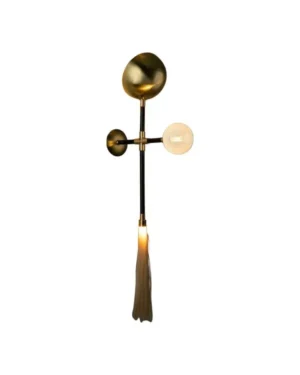
Liora II Wall Sconce in Glass, Brass and Fabric
By Atelier Alz
€350 -

Chloé Table Lamp in Reflective Fabric
By Atelier Alz
€300 -
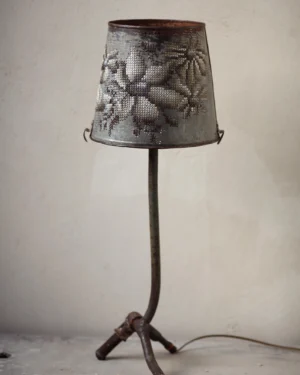
Light Bucket Challenge II Floor Lamp in Metal and Thread
By Severija Inčirauskaitė-Kriaunevičienė
€4.500 -
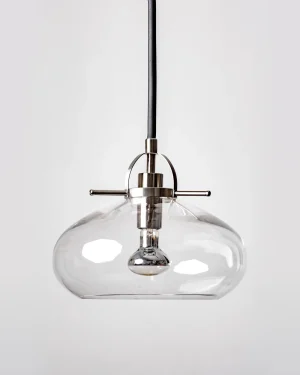 In stock
Art Deco Pendant Lamp in Glass and Stainless Steel
By Szostak Atelier
€1.000 -
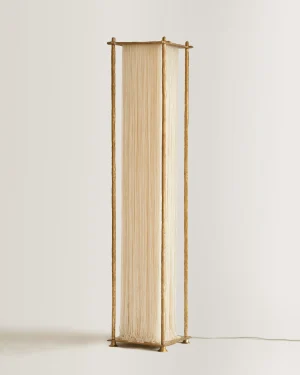
Ito Floor Lamp In Brass And Cotton Thread
By Stem
€6.050 -
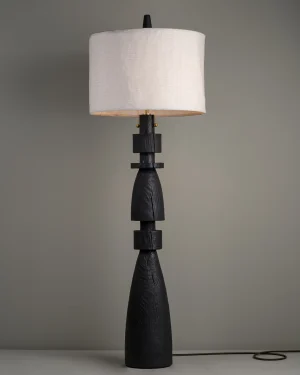
Mezquite Floor Lamp in Pinewood, Linen and Brass
By Isabel Moncada
€4.095 -
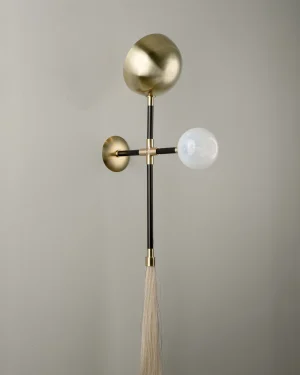
Gogo Wall Sconce in Brass, Blown Glass and Natural Fibers
By Isabel Moncada
€2.880 - €4.036 -
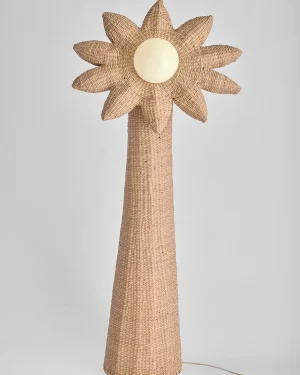
Kuni Floor Lamp in Rattan and Natural Fibers
By Joyful Objects, Yes!
€2.900 -

Curva Floor Lamp in Guarango Wood and Bronze
By Laluz Handcraft
€3.600 -

Regina Table Lamp In Marble
By Daniel Orozco Estudio
€2.034 -
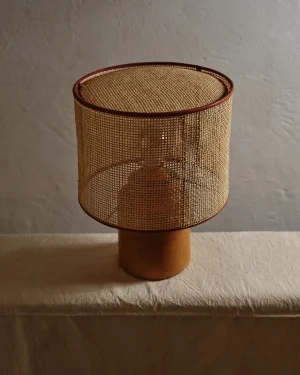
Sonora Rattan Small Table Lamp In Clay And Textiles
By NASSI LAMPS
€689 -
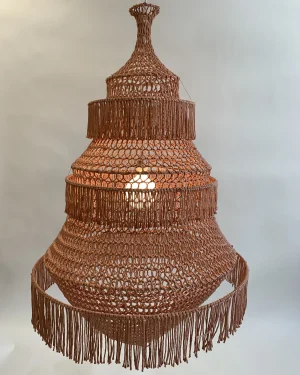
Typha Pendant Lamp in Cotton Rope
By Annie Legault
€1.907 -
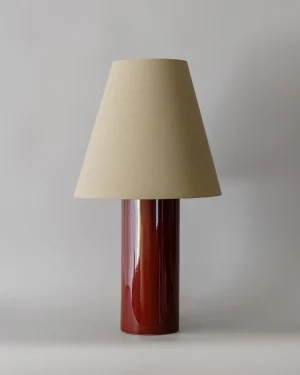
Giro Table Lamp in Ceramics and Cotton
By mattina moderna
€495 -
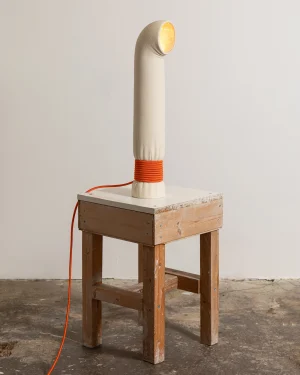
Knotto_01 Table Lamp In Glazed Stoneware And Synthetic Fibers
By Catalin Filip
€800 -
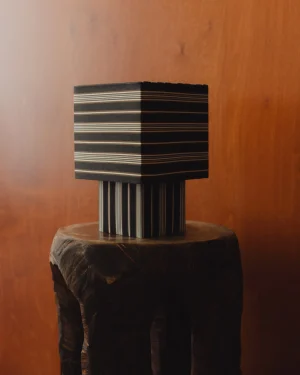
La Petite Boîte Cameron Black Table Lamp in Cotton
By mattina moderna
€285 -
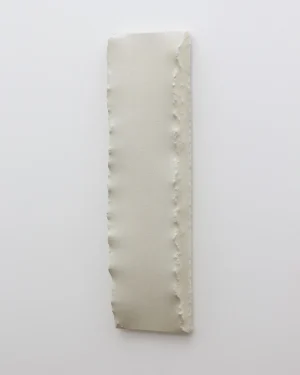 In stock
Edges 20-75 T8-60 Wall Sconce In Paper Pulp
By David Čáp
€400 -
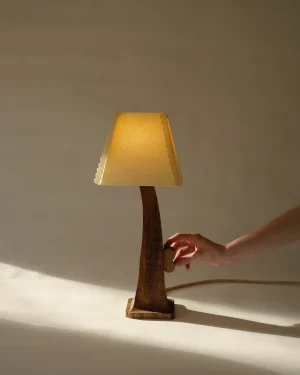
Sprout Table Lamp In Cotton And Natural Oak
By Basia Pruszyńska
€2.000 -

Edges 20-105 T8-90 Wall Sconce In Paper Pulp
By David Čáp
€500 -
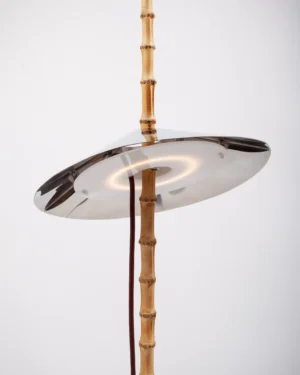
7plates Floor Lamp In Stainless Steel, Bamboo And Aluminum
By Calen Knauf Studio
€1.918 -

Florance I Ceiling Lamp in Brass, Glass and Fabric
By Atelier Alz
€575 -
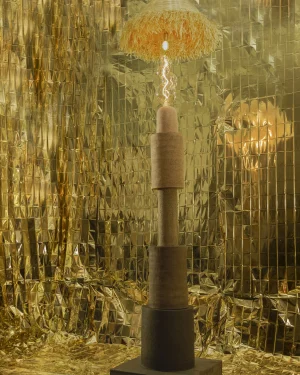 In stock
Thulani Floor Lamp in Terracotta and Rattan
By UAU Studio
€3.400 -
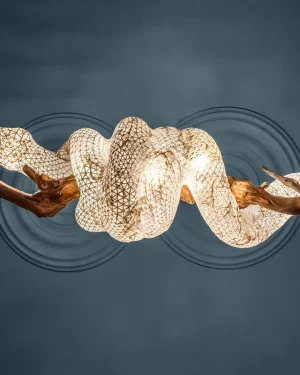
The Staff Of Asclepius Chandelier In Pla And Wool
By Danik Uderbekov
€2.500 -
 In stock
Knock Off Neon Floor Lamp In Aluminum And Silk
By Studio Ebba Lindgren
€800 -

Black Wool Table Lamp in Biocomposite
By PletoStudio
€700 -
 In stock
Edges Ellipse 36-96 T8-60 Wall Sconce In Paper Pulp
By David Čáp
€550 -
 In stock
Steppe Floor Lamp In Felt And Wood
By Danik Uderbekov
€900 -
 In stock
Cumula Table Lamp in Textiles and Steel
By AaltoAalto Studio
€1.600 -
 In stock
Grid Table Lamp In Cotton And Resin
By Basia Pruszyńska
€2.000 -

Willow Floor Lamp in Steel and Cotton
By BOTHI
€455 -
 In stock
Large Pendant Lamp in Blown Glass and Textiles
By SVITANOK
€375 - €500 -

Laco Floor Lamp in Biocomposite and Linen
By PletoStudio
€3.600 -

Original Lamp 1 Floor Lamp in Parota Wood and Textile
By Daniel Orozco Estudio
€1.899 -

Lomo Floor Lamp In Wool And Ash Wood
By Natural Urbano - Sebastián Beltrán
€565 -
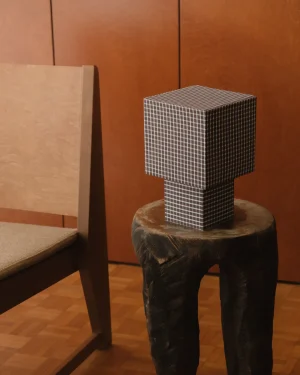
La Petite Boîte Table Lamp in Tartan Cotton
By mattina moderna
€285 -
 In stock
Manon Floor Lamp in Rattan
By Heaps & Woods
€2.125 - €2.375 -
 In stock
Petita Floor Lamp in Rattan
By Heaps & Woods
€375 - €1.975 -

Galaxy Table Lamp in Parota Wood and Brass
By Isabel Moncada
€2.925 -
 In stock
Edges 20-75 T8-60 Wall Sconce In Black Paper Pulp
By David Čáp
€550 -

Shadow Wool Floor Lamp in Biocomposite and Carpathian Wool
By PletoStudio
€2.200 -

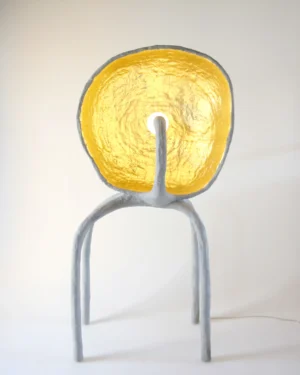
In Between Table Lamp in Ornamental Glass
By please touch studio
€1.500 -
 In stock
Ic-17 Floor Lamp in Resin, Gold-leaf and Natural Fibers
By Studio Josha
€10.500 -
 In stock
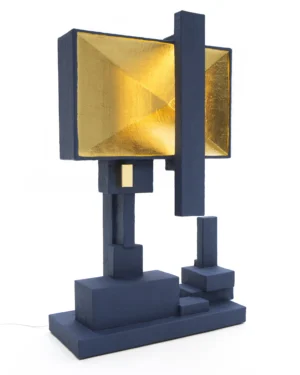
Box-2 Floor Lamp in Blue Cardboard and Gold-leaf
By Studio Josha
€8.995 -
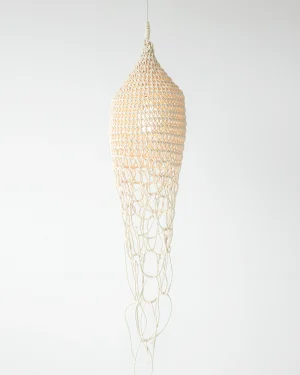
Meduse Pendant Lamp in Cotton
By Annie Legault
€700 -

Echin Pendant Lamp in Cotton and Glass
By PletoStudio
€1.100 -
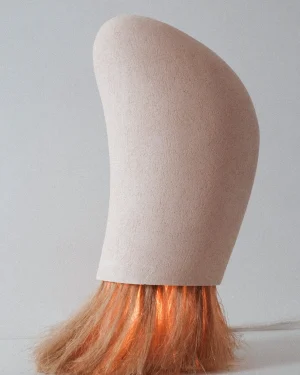
Cetus Table Lamp in Ceramics and Natural Fibers
By Andrei Clontea STUDIO
€1.000 -
 In stock
Brown Mud Ellipse Wall Sconce In Textiles And Wood
By David Čáp
€550
Textile lamps use woven, knotted or tufted fiber in place of a hard shade, so cotton, wool and natural grasses carry the light instead of glass or metal. Studios working in these fibers build each shade by hand on a frame, looping or knotting cord row by row, which is why so many of these pieces turn up as small-batch runs or one-offs rather than identical multiples. The fiber itself does the double work a lamp asks for: dense and matte by day, then glowing unevenly through its weave once lit.
What defines a textile lamp
Cotton and other plant fibers filter light rather than diffuse it evenly, so the glow through a woven shade is warm, slightly grainy, and changes with the tightness of the weave. A loose, open knot lets more light spill through the gaps; a tight basketry weave holds it closer to the surface. Natural fiber also has weight and texture that stays interesting with the lamp off, somewhere between a textile object and a piece of lighting.
The range of materials and making
Across the pieces found in this group, cotton and other natural fibers are usually paired with a base or armature in brass, stainless steel, or a turned hardwood such as parota, which gives the shade something solid to sit on. Some studios bring in synthetic fiber alongside the natural cord, or glass elements within the structure, for a different kind of light output. Color tends toward the earth end of the register: black, beige, brown, terracotta, ivory and off-white, sometimes paired as beige and brown or black and white.
The ways of making vary with the studio:
- Textilework and weaving, for shades built by hand on a frame
- Basketry, where fiber is coiled or plaited rather than knotted
- Metalwork and woodturning, for the stands and bases that support the shade
- Biofabrication, where newer studios grow or process fiber rather than source it conventionally
Editions run from open runs to small-batch limited editions and genuine one-offs, so two lamps that look alike from a distance can differ in how tightly they were woven or how the base was finished.
How to choose a textile lamp
Start with scale: a tall floor lamp with a wide woven shade reads as a piece of furniture in its own right, while a small table lamp works better as one of a pair or as a quiet accent. Check the height of the shade against where you sit or read, since fiber shades throw light downward and sideways more than straight through, unlike an open glass bulb. Match the base metal or wood to what is already in the room, brass or steel against a hardwood stand have distinct temperatures.
Placement matters as much as the lamp itself. A woven shade close to a wall will cast its pattern across the surface after dark, which is worth testing before committing to a spot.
Where textile lamps belong
Natural fiber brings a looser, more tactile note to a room, which is why these lamps turn up often as living room lighting beside upholstery and wood, and just as often as bedside lighting in a bedroom, where the softened glow suits low light before sleep. Boho chic and neo-artesanal interiors lean on them deliberately, but a single textile lamp also softens a brutalist or mid-century room that would otherwise be all hard surface.
Caring for a woven shade
Dust natural fiber with a soft brush or the brush attachment of a vacuum rather than a damp cloth, since cotton and plant fibers hold moisture and can mark or mildew if they stay wet. Keep woven shades out of direct sun for long stretches, as UV will fade and eventually dry out the fiber. For the full range of fiber and textile work beyond lighting, see every textile and natural fiber piece on ADORNO, or look across all lamps and textile lighting more broadly to see how the same fibers are used in other fixtures.
How do I choose a textile lamp?
Look at the weave rather than the shape: a loose, open knot spills more light through its gaps, while a tight basketry weave holds the glow close to the surface and reads calmer at night.
How do you clean and care for a textile lamp?
Dust the fiber regularly with a soft brush or low vacuum setting, keep it away from damp and direct sun, which fade and weaken natural fiber over time, and avoid spot-cleaning with water.
What size textile lamp do I need and how tall should it be?
Table lamps generally sit between 18 and 30 inches, floor lamps between 50 and 65 inches; let the base and armature, often brass, steel or turned wood, carry the visual weight the shade needs.
Which rooms suit a textile lamp?
Living rooms and bedrooms both work well, since the fiber reads as a soft object by day and a warm, grainy light source at night, and pairs easily with wood, ceramic and stone surfaces nearby.
Are textile lamps handmade and are they limited editions?
Many are built by hand on a frame, looped or knotted row by row, which is why they often turn up as small-batch runs or one-off pieces rather than identical multiples.
How does shipping, returns and authenticity work when buying through ADORNO?
Shipping is insured and worldwide, returns are accepted within 14 days except on made-to-order pieces, each lamp comes with a certificate of authenticity, and ADORNO offers a lowest-price guarantee.