











-

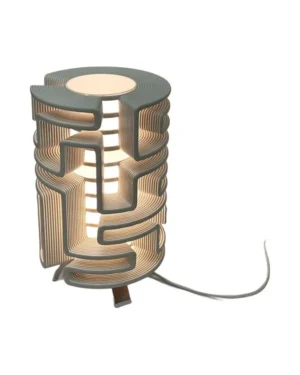
Lampadulure Purple Floor Lamp in Metal and Plaster Composite
By BehaghelFoiny Studio
€3.000 -
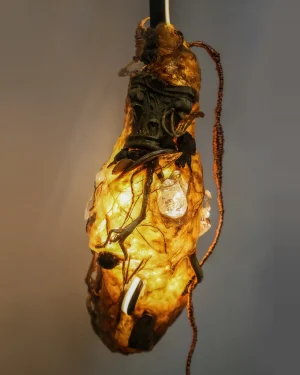
Weaver Nest Pendant Lamp in Bio Plastic
By Sabrina Merayo Nuñez
€3.500 -

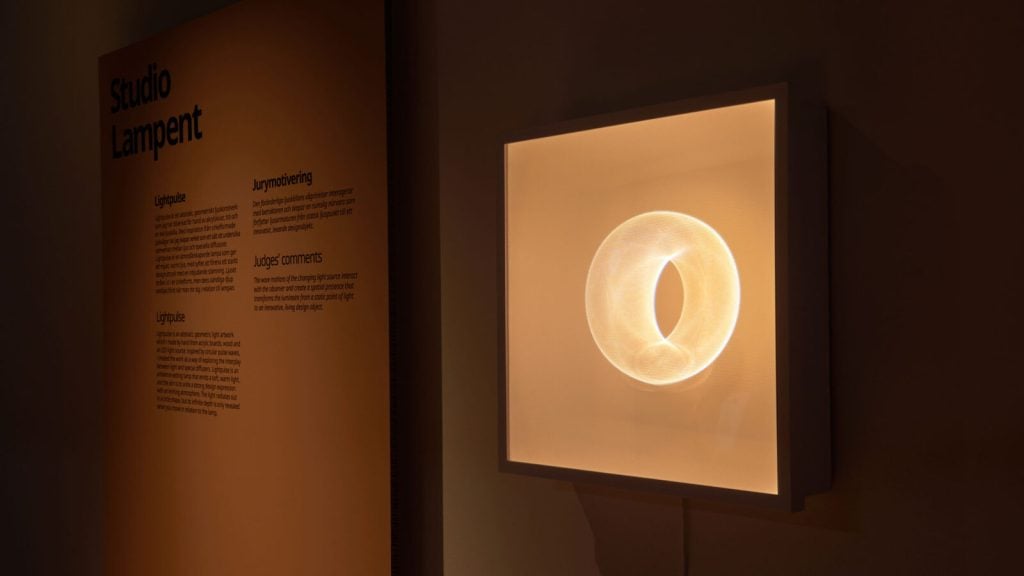
Lightpulse Wall Lamp in Oak Wood and Acrylic
By Studio Lampent
€1.400 -
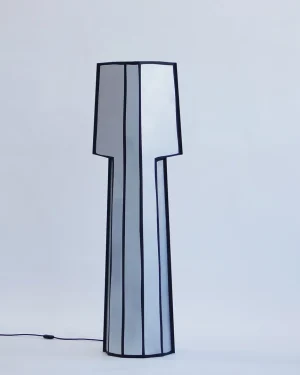
Hex Floor Lamp in Aluminum
By STUDIO GUILTY
€1.256 -
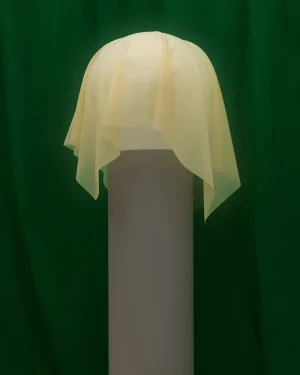 In stock
Fetish Carnmarina Floor Lamp in Plastics
By Pierre Klein
€1.250 -
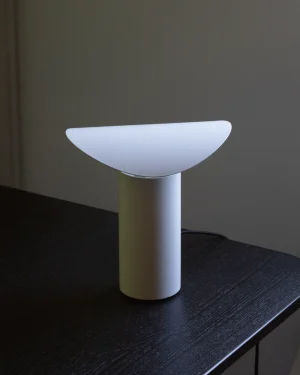
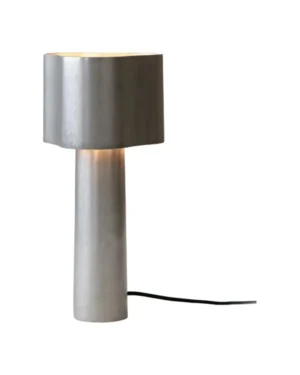
Beam Table Lamp in Steel
By Sergio Enríquez Industrial Design Office
€600 -
15% off
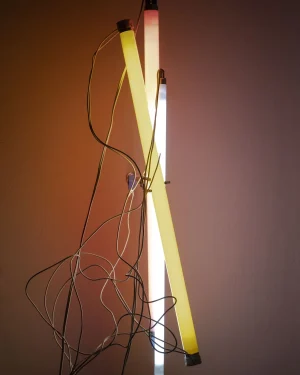
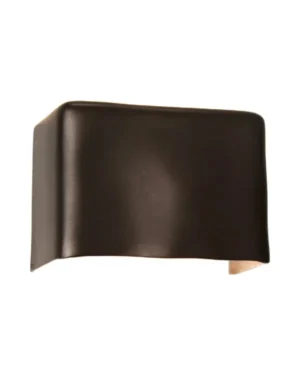
Extreme Il Wall Lamp in Metals
By TUNK I Busra Tunc
€280€238 -
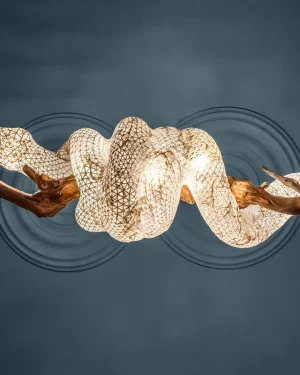
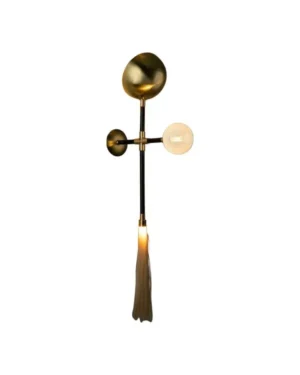
The Staff of Asclepius Chandelier in PLA and Wool
By Danik Uderbekov
€2.500 -

Trn / Model A2 Pendant Lamp in Ceramic
By Pani Jurek STUDIO
€470 This product has multiple variants. The options may be chosen on the product page -
 In stock
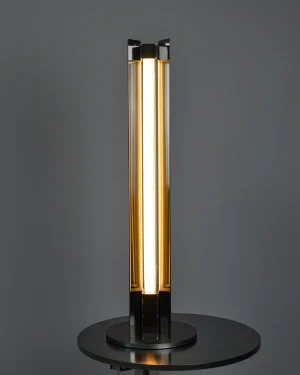
Ne600/145 – Mat Stainless Steel & Acrylic Lamp
By MLK Furniture
€990 -
 In stock
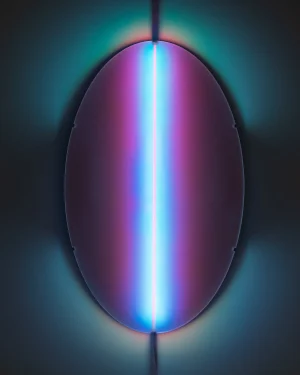
Aurora Frosted Wall Sconce in Acrylic and Aluminum
By Catrinel Sabaciag
€1.352 -
 In stock
Less Pendant Lamp in Steel, Wood and Plaster
By Jordi Canudas Faura
€388 This product has multiple variants. The options may be chosen on the product page -
 In stock
Pregnant Lady Floor Lamp in Fiberglass
By StorqueStudios
€4.869 -
 In stock
Voguing No. 2 Floor Lamp in Cast Aluminum
By BY JAMPS
€2.500 -

Cetus Table Lamp in Ceramics and Natural Fibers
By Andrei Clontea STUDIO
€1.000 -
 In stock
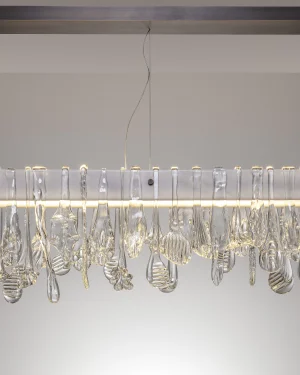
Pingente Pendant Lamp
By Carol Gay
€8.000 -
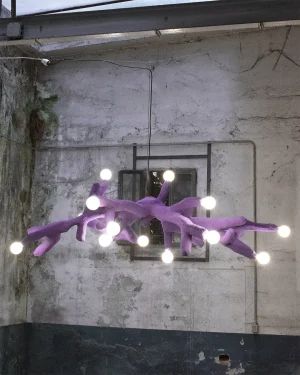
Corallo Chandelier in Alder Wood
By Jonathan Bocca
€15.000 -
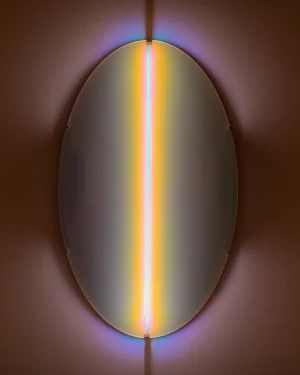
Aurora Gloss Wall Sconce in Acrylic and Aluminum
By Catrinel Sabaciag
€1.341 -
 In stock
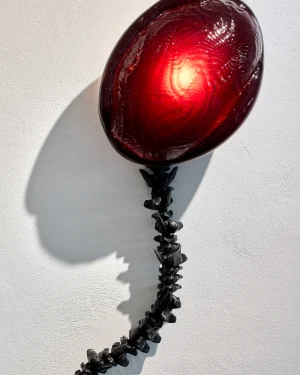
Dysplasio Wall Sconce in Blown Glass
By Anna Jožová
€2.000 - €3.300 This product has multiple variants. The options may be chosen on the product page -
 In stock
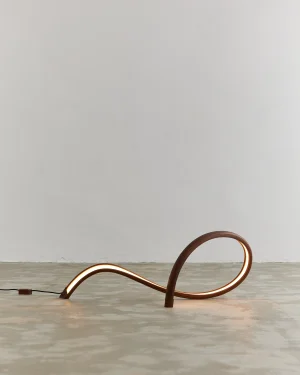
Maré Table Lamp in Walnut Wood
By Poémia
€3.600 -
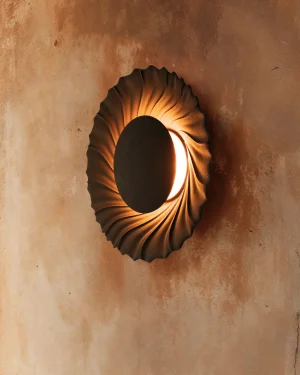 In stock
Sun Vxs 01 — Organic Sand Wall Light By Rollo Studio
By Rollo Studio
€880 -
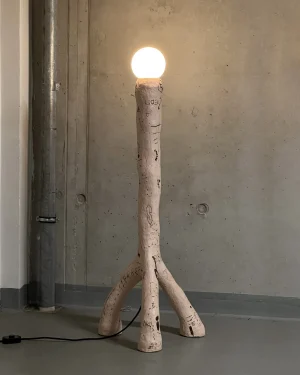 In stock
Tattooed Shining Creature Floor Lamp in Paper and Steel
By David Čáp
€1.400 -
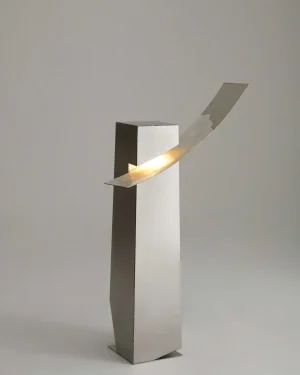
Shining No.2302 Floor Lamp in Stainless Steel
By Park Eunchong Studio
€3.200 -
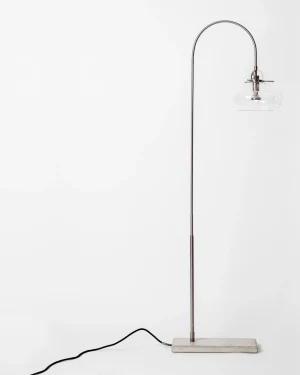
Art Deco Floor Lamp in Glass, Stainless Steel and Concrete
By Szostak Atelier
€2.100 -
 In stock
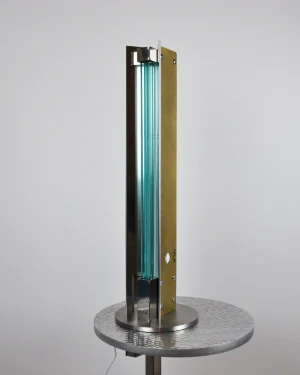
Ne600/145 Table Lamp in Brass and Blue Acrylic
By MLK Furniture
€1.190 -

Totem Wall Sconce in Aluminum and Acrylic Glass
By Catrinel Sabaciag
€1.326 -
 In stock
M–Lamp*S
By Studio Kuhlmann
€1.240 -
15% off
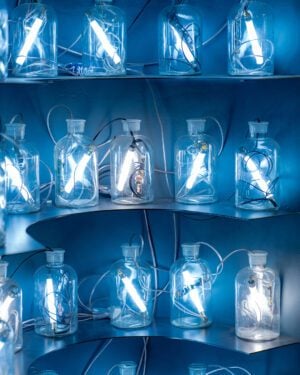
Äther 16
By TUNK I Busra Tunc
€2.200€1.870 -
 In stock
Green Lovers Floor Lamp in Fur
By Masha Volkova
€2.100 -
 In stock
“Chanka-Hanka” Mobile Chandelier in Stoneware and Metal
By UAU Studio
€2.000 This product has multiple variants. The options may be chosen on the product page -
 In stock
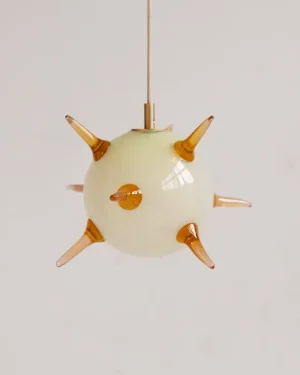
Pokie Pendant Lamp (Small) in Glass
By Sticky Glass
€2.664 -
 In stock
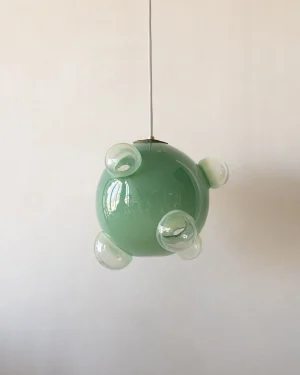
Bubble Pendant Lamp (Small) in Glass
By Sticky Glass
€2.480 This product has multiple variants. The options may be chosen on the product page -
 In stock
La Cauna Tesa Table Lamp in Concrete
By Pierre Klein
€800 -

Luna Nova Table Lamp in Oak Wood
By HEIKE BUCHFELDER
€3.294 -
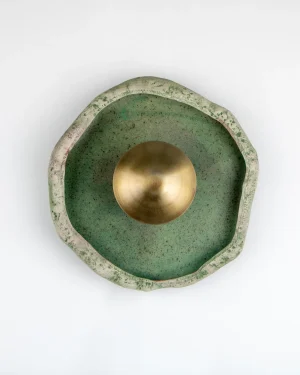 In stock
Asea No. 18 Green Wall Sconce in Porcelain and Brass
By Ceren Gürkan
€600 -
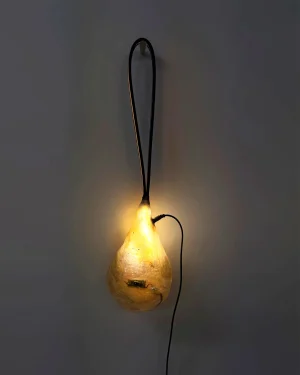 In stock
The Hive Wall Lamp in Bioplastic
By Sabrina Merayo Nuñez
€750 -

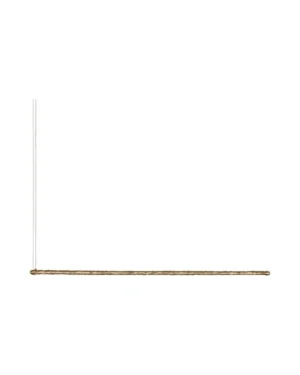
Étendu – Wall Light Sculpture
By Studio Lampent
€2.020 -
 In stock
Abyss No. 1 Pendant Lamp in Stoneware
By Ceren Gürkan
€900 -

“YYY” Floor Lamp
By Duccio Maria Gambi
€1.640 -
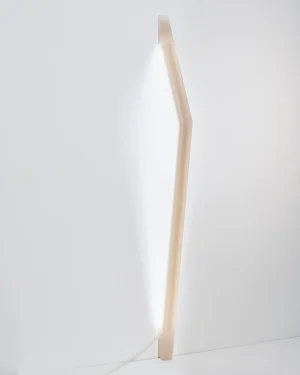 In stock
Vanishing Point Wall Lamp in Epoxy Resin
By Ragna Ragnarsdottir
€4.000 - €4.400 This product has multiple variants. The options may be chosen on the product page -
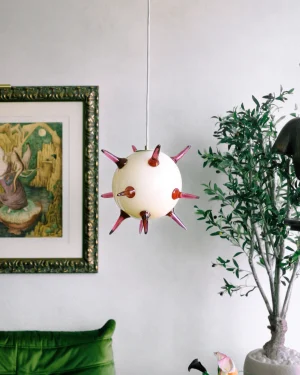
Pokie Pendant Lamp (Large) in Blown Glass
By Sticky Glass
€4.500 -
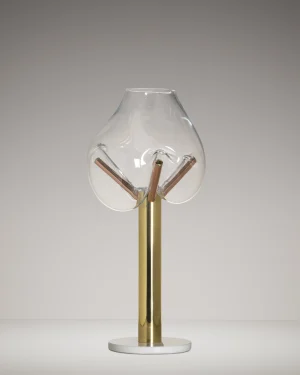
Carambola Table Lamp
By Carol Gay
€1.730 - €1.745 This product has multiple variants. The options may be chosen on the product page -
 In stock
Abyss No. 4 Table Lamp in Stoneware
By Ceren Gürkan
€1.600 -
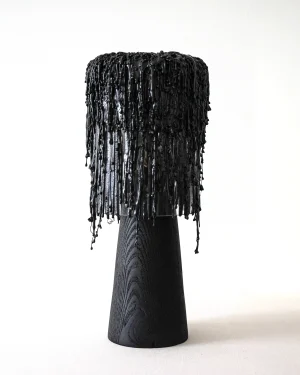
Leaky Lamp III Table Lamp in Ash Wood and Biomaterial
By Pablo Ejarque-González
€1.085 -
 In stock
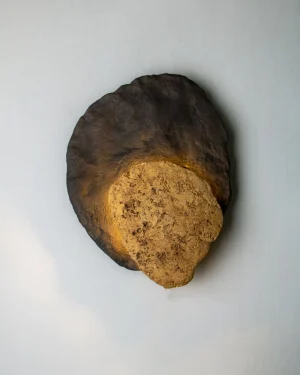
Sigil Crest Wall Sconce in Stainless Steel and Selenite
By Nitush and Aroosh
€1.800 -
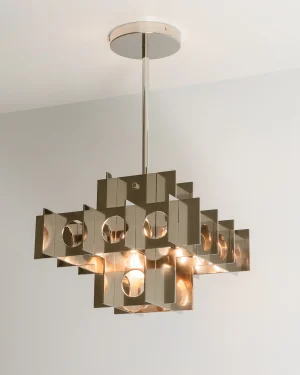
Tenfold 3 T B Pendant Lamp in Stainless Steel and Aluminum
By Luft Tanaka Studio
€2.895 - €8.675 This product has multiple variants. The options may be chosen on the product page -
 In stock
Asea No. 21 Wall Sconce in Stoneware
By Ceren Gürkan
€800 -
 In stock
Y–Lamp Table Lamp in Glass and Stainless Steel
By Studio Kuhlmann
€2.260 -
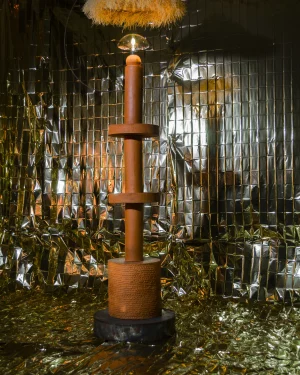 In stock
Badru Floor Lamp in Ceramic and Rattan
By UAU Studio
€3.400 -
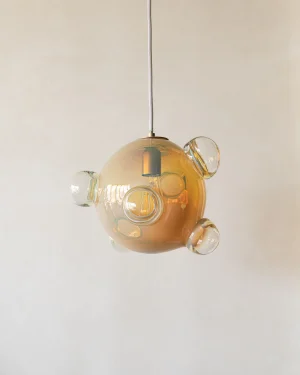 In stock
Bubble Pendant Lamp (Large) in Blown Glass
By Sticky Glass
€4.318 This product has multiple variants. The options may be chosen on the product page -
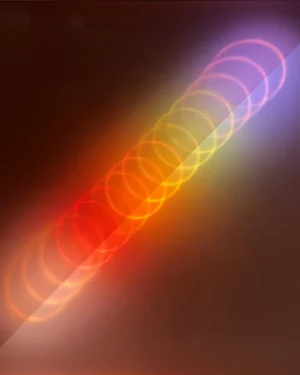
Dhaze – Wall Light Sculpture
By Studio Lampent
€2.700 -
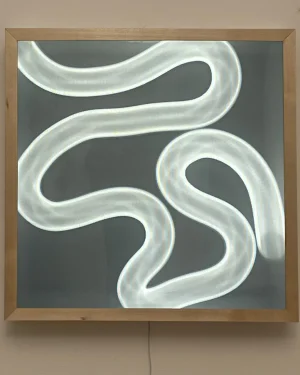
Aramse 01 Wall Light Sculpture
By Studio Lampent
€3.300 -
 In stock
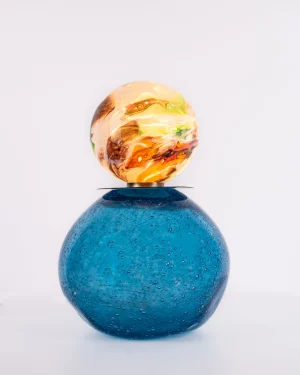
Soul Table Lamp in Handblown Glass
By Ceren Gürkan
€700 -
 In stock
Insect Wall Sconce in Aluminum and Ash Wood
By BY JAMPS
€5.000
Radical lamps take their name from a design movement that treated furniture as argument rather than furnishing, favoring bold geometry, unexpected color and visible structure over polite proportion. The pieces found here are made by independent studios working in metal, brass, porcelain, ash wood and plastic, built by hand, powder coated, carved or welded, each one pushing the fixture closer to sculpture than appliance. A radical lamp is meant to be seen as much as switched on.
What makes a lamp radical
The radical style grew out of a refusal to let form follow function quietly. Instead of a shade that disappears into a room, these lamps set a cone, a slab or a coil of material against the light itself, letting the shadow it throws become part of the design. Color is often used the way a sculptor uses mass: a block of red plastic, an amber glass bulb left bare, a brass arm that bends at an angle no straight lamp would allow.
Because the movement prized experiment over convention, no single material defines it. What unites these pieces is intent: a lamp built to be noticed in daylight and to behave differently after dark, when the light source itself becomes the subject.
Materials and finishes across the range
Among the pieces classed as radical, metal and brass dominate, bent, welded or powder coated into shapes that read as hard-edged by day and soften once lit. Porcelain and other hand-built ceramics bring a different logic, their glazes catching light unevenly across a curved or faceted surface. Ash wood and other solid timbers appear carved or turned into bases heavy enough to anchor a tall shade, while plastic, often molded or cast in saturated color, carries the movement's taste for primary hues and blunt geometry.
- Metalwork and powder coating for angular bodies and shades in black, red or multicolor finishes
- Hand-building for porcelain bases with uneven, light-catching glazes
- Wood carving for solid ash or walnut bases with visible grain and tool marks
- Casting and molding for plastic forms in flat, saturated color
Editions vary by piece: some studios work in small or limited runs, others produce one-off forms that will not be repeated once sold. The metal lamps and ceramic lamps made elsewhere on ADORNO share some of this range in material, though without the same insistence on bold geometry and color.
How to choose a radical lamp
Scale matters more here than with a quiet table lamp, since the form is doing visual work beyond casting light. A tall floor lamp with an angular shade needs enough floor space around it to read as a shape, not a hazard; a smaller table version can sit close to a wall where its silhouette has a flat backdrop. Check the shade's finish against the bulb it is designed to hold, since an open amber or borosilicate glass form throws a different light than an opaque powder-coated one.
Height and reach should follow where the light is actually needed, whether that is beside a reading chair or above a console, rather than where the lamp looks best from across the room. If a piece is heavier at the base, as many ash or walnut versions are, that weight is doing real work keeping a tall or angled shade upright.
Where radical lamps work in a room
These lamps suit rooms built for contrast rather than restraint, where a strong shape earns its place against plainer furniture. A living room with low, simple seating gives an angular floor lamp room to stand out; a study or reading corner can take a radical table lamp as its one deliberately loud object. For broader ideas on pairing a bold light source with seating and case pieces, the radical furniture grouped elsewhere on the site follows a similar logic of color and geometry.
Caring for radical lamps
Metal and brass bodies hold up well with a dry cloth and occasional wax if the finish is unlacquered, since fingerprints and dust show more on a bold, flat-painted surface than on a patterned one. Porcelain and ceramic bases should be dusted rather than scrubbed, as glazes can dull under abrasive cleaning. Plastic forms resist most daily wear but can fade if left in direct sun for years, so a spot out of the window line keeps the color closer to its original tone.
For the full range of lamps built around lower-key, quieter shapes, the full lamp category offers a wider comparison, while living room lamps suggests how scale and placement shift once the room, not the style, becomes the starting point. Every piece built in this spirit, across lighting and furniture alike, sits together under radical design on ADORNO, where the same appetite for bold form and unconventional material runs through chairs, cabinets and objects as much as through radical lamps.
How do I choose a radical lamp?
Look at the form first, since radical design treats the lamp as sculpture as much as light source. Judge it lit and unlit, and let the shape, color or material carry the room rather than match it.
What materials are radical lamps made from and how do I care for them?
Expect metal, brass, porcelain, plastic or borosilicate glass, sometimes combined. Wipe metal and glass with a dry cloth, keep porcelain away from damp, and avoid direct sun on colored plastics.
What size lamp should I choose?
Radical lamps range from small table pieces to floor-standing forms, often in proportions that depart from standard lighting. Check each piece's listed dimensions before deciding where it will stand.
Which rooms suit radical lamps?
They work best as a focal point: a living room corner, a reading chair, an entryway, anywhere the lamp can be seen as an object in its own right rather than background light.
Does ADORNO ship radical lamps worldwide, and can I return one?
Yes, shipping is insured and worldwide. Pieces can be returned within 14 days, except made-to-order lamps, which are excluded from returns.
How do I know a radical lamp is authentic, and can I get a custom order?
Every lamp comes with a certificate of authenticity and ADORNO's lowest-price guarantee. For custom sizing or finishes, use Chat with the maker on the piece's page to ask directly.