





-
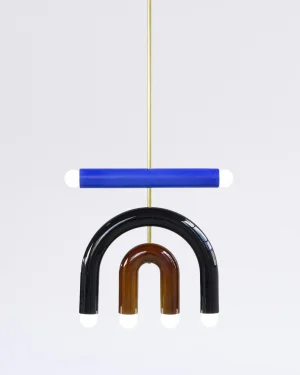
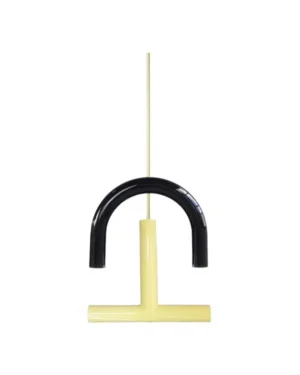
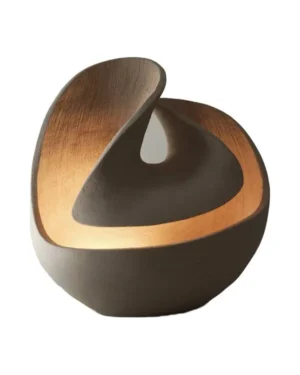
Trn / Model D1 Pendant Lamp In Ceramic
By Pani Jurek STUDIO
€1.080 -
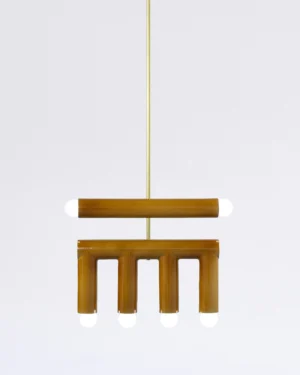
Trn / Model D2 Pendant Lamp In Ceramic
By Pani Jurek STUDIO
€1.080 - €1.130 -

Trn / Model E1 Pendant Lamp In Ceramic
By Pani Jurek STUDIO
€1.430 - €1.490 -
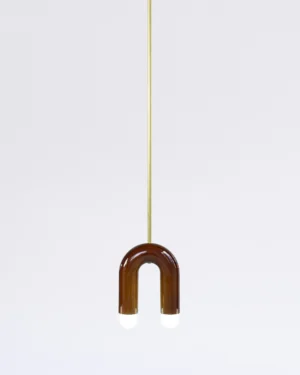
Trn / Model A1 Pendant Lamp In Ceramic
By Pani Jurek STUDIO
€470 -

Trn / Model C2 Pendant Lamp In Ceramic
By Pani Jurek STUDIO
€880 - €940 -

Trn / Model B2 Pendant Lamp In Ceramic
By Pani Jurek STUDIO
€625 -
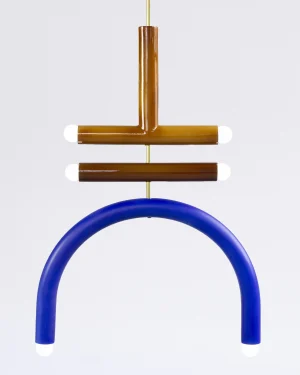
Trn / Model F2 Pendant Lamp In Ceramic
By Pani Jurek STUDIO
€1.600 -
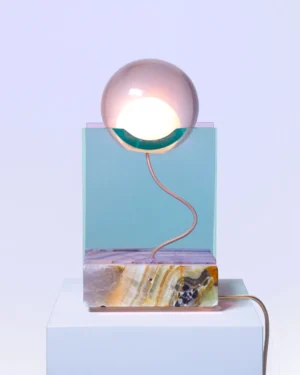
Rotonda Table Lamp in Resin
By Adrian Cruz
€2.380 -
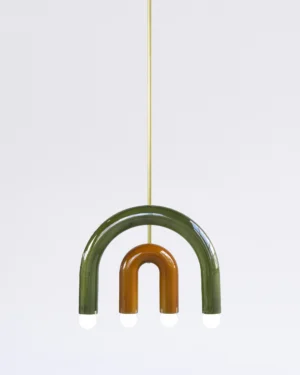
Trn / Model C1 Pendant Lamp In Ceramic
By Pani Jurek STUDIO
€880 -

Trn / Model B3 Pendant Lamp In Ceramic
By Pani Jurek STUDIO
€625 -
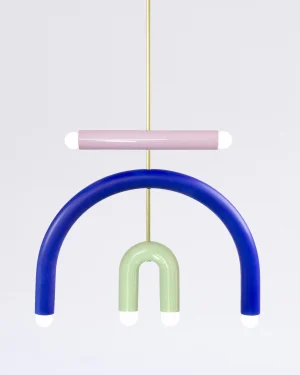
Trn / Model F3 Pendant Lamp In Ceramic
By Pani Jurek STUDIO
€1.600 - €1.650 -

Trn / Model A2 Pendant Lamp In Ceramic
By Pani Jurek STUDIO
€470 -

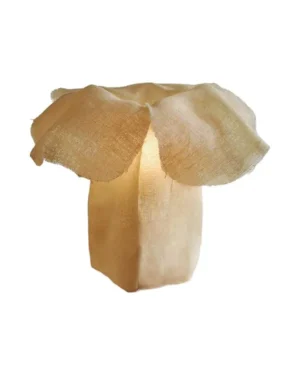
Willow Floor Lamp in Steel and Cotton
By BOTHI
€455 -

The Mesia Table Lamp In Ceramics And Glass
By Luis Gimeno Design
€1.600 -
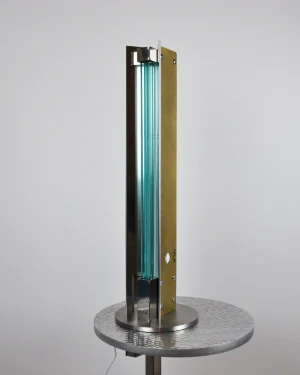
Ne600/145 Table Lamp In Brass And Blue Acrylic
By MLK Furniture
€1.190 -
 In stock
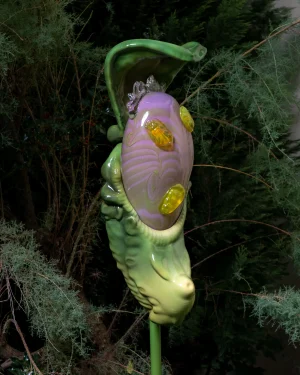
Lapas Paradiso Novo Series Floor Lamp in Blown Glass and PLA
By Anna Jožová
€9.500 -
 In stock
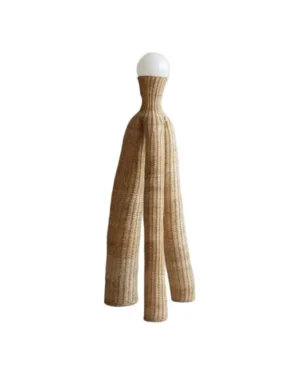
Manon Floor Lamp in Rattan
By Heaps & Woods
€2.125 - €2.375 -
 In stock
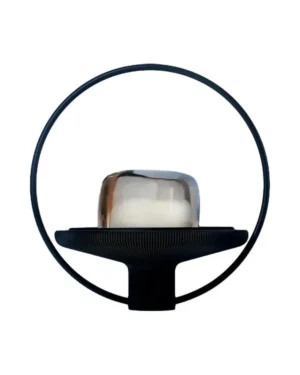
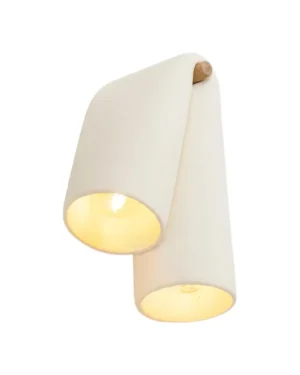
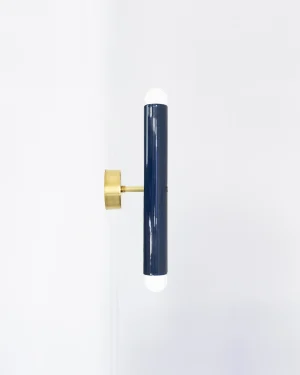
Trn Wall Sconce In Glazed Ceramic
By Pani Jurek STUDIO
€470 -
 In stock
Mujo M Reol Wall Sconce in Walnut Wood and Washi Paper
By Prangé
€1.706 -

Baile Large Floor Lamp in Metallic Tape and Glass
By Cultivado em Casa
€7.870 -
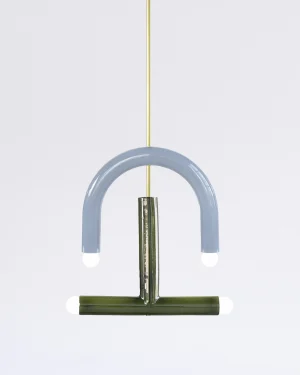
Trn / Model C3 Pendant Lamp In Ceramic
By Pani Jurek STUDIO
€880 - €940 -
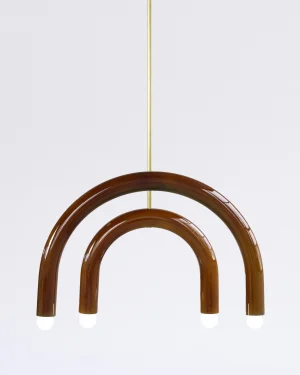
Trn / Model E3 Pendant Lamp In Ceramic
By Pani Jurek STUDIO
€1.430 - €1.490 -
 In stock
Mujo M Aray Wall Sconce in Walnut Wood and Washi Paper
By Prangé
€1.706 -

Trn / Model F1 Pendant Lamp In Ceramic
By Pani Jurek STUDIO
€1.600 -

Trn / Model F1 Silver Finish Pendant Lamp In Ceramic
By Pani Jurek STUDIO
€1.650 -
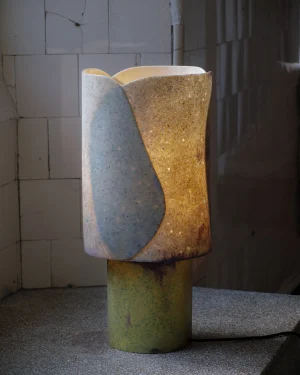
Verve Green Table Lamp in Bio-based Resin
By Justyna Poplawska
€1.900 -

Trn / Model F2 Silver Finish Pendant Lamp In Ceramic
By Pani Jurek STUDIO
€1.650 -
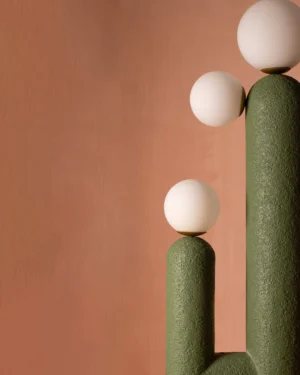
Cactus Floor Lamp In Clay Paste, Mild Steel And Glass
By Harshita Jhamtani Designs
€2.570 -

Trn / Model C4 Pendant Lamp In Ceramic
By Pani Jurek STUDIO
€880 -
 In stock
Trn / Model E2 Pendant Lamp In Ceramic
By Pani Jurek STUDIO
€1.430 - €1.490 -

Trn / Model C4 Silver Finish Pendant Lamp In Ceramic
By Pani Jurek STUDIO
€930 -

Trn / Model D1 Silver Finish Pendant Lamp In Ceramic
By Pani Jurek STUDIO
€1.130 -

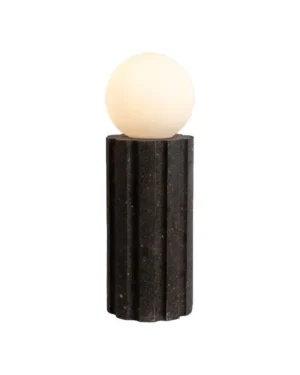
Basalte Table Lamp In Glazed Lava Stone
By Clemence Birot
€3.370 -
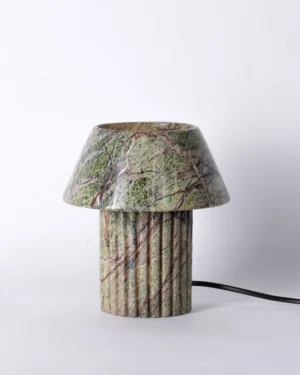
Rio (s) Table Lamp In Green Rainforest Marble
By Harshita Jhamtani Designs
€360 -
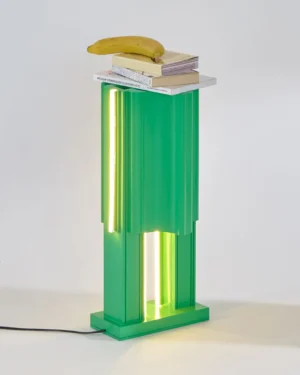
Cornice Supreme No. 2 Table Lamp in Polyurethane
By Teresa Fernández-Pello
€1.986 -
 In stock
Baile Medium Floor Lamp in Metallic Tape and Glass
By Cultivado em Casa
€6.260 -
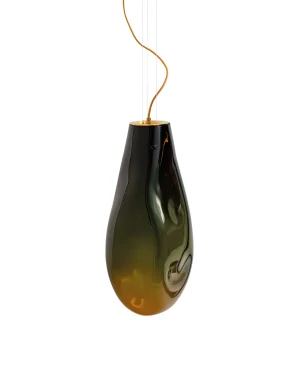
Lyra Pendant Lamp (yellow Green Blue) In Blown Glass
By ELOA - Unique Lights
€2.330 - €4.750 -
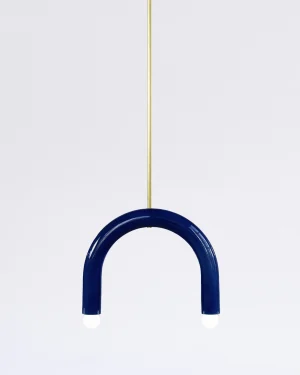
Trn / Model B1 Pendant Lamp In Ceramic
By Pani Jurek STUDIO
€625 -

Trn / Model C1 Silver Finish Pendant Lamp In Ceramic
By Pani Jurek STUDIO
€930 -
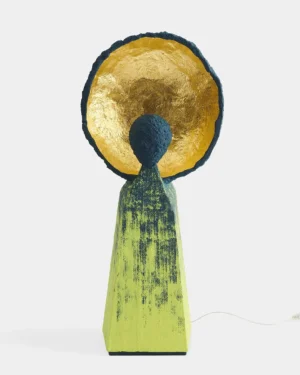 In stock
Ic-15 Floor Lamp in Green Wool and Gold-leaf
By Studio Josha
€6.250 -
Rio (l) Table Lamp In Green Rainforest Marble
By Harshita Jhamtani Designs
€1.160 -

Knock Off Neon Wall Sconce in Textiles and Metal
By Studio Ebba Lindgren
€152 -
 Sold
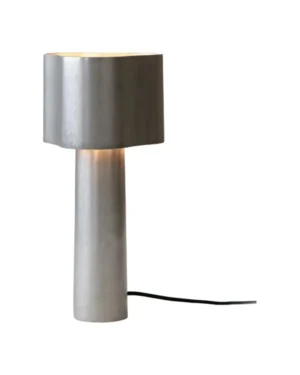
Chimney Table Lamp In Aluminum And Steel
By BOTHI
€210 -
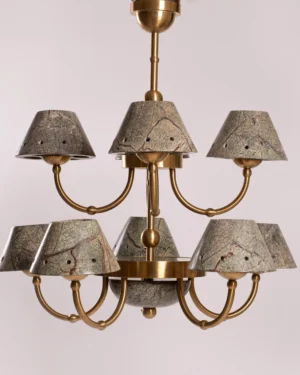
The Marble Chandelier In Rainforest Marble And Brass
By Harshita Jhamtani Designs
€9.030 -
Rio (m) Table Lamp In Green Rainforest Marble
By Harshita Jhamtani Designs
€690 -
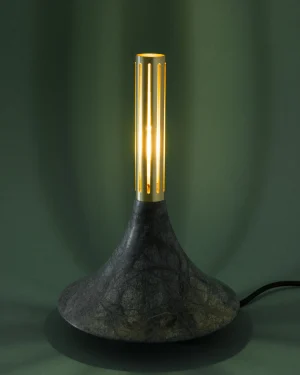 In stock
Dervish Table Lamp in Marble and Brass
By Boo Design Studio
€475 -

Lagrimita Chicharron Lamp
By BuRRo
€337 -

Chimney Table Lamp In Aluminum
By BOTHI
€210 -
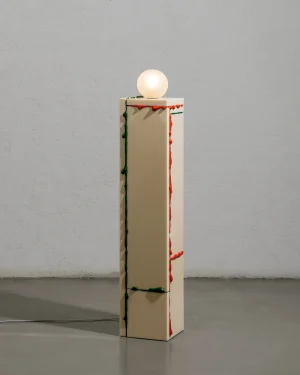 In stock
B.S.P Series Floor Lamp in Recycled Plastic
By Atelier SOHN
Price Upon Request -
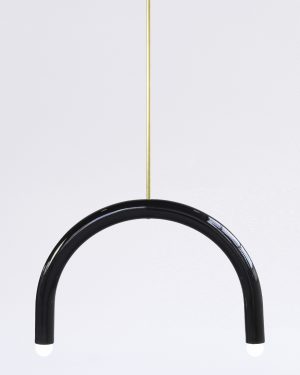
Trn / Model B4 Pendant Lamp In Ceramic
By Pani Jurek STUDIO
€880 -
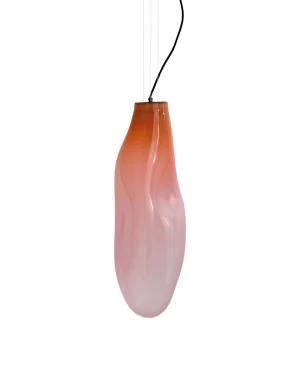
Lyra Single, Flamingo Opaque Pendant Lamp In Blown Glass
By ELOA - Unique Lights
€2.330 - €4.750 -
 Sold
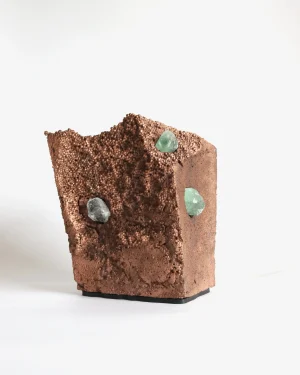
Irony Of Material 01 Table Lamp in Copper
By Studio Speculo
€716 -
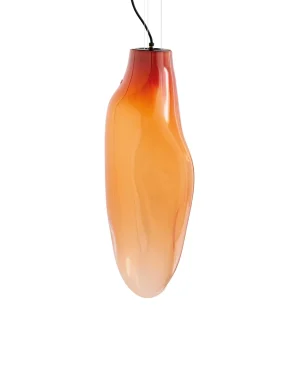
Lyra Pendant Lamp Single, Coral In Blown Glass
By ELOA - Unique Lights
€2.330 - €4.750 -
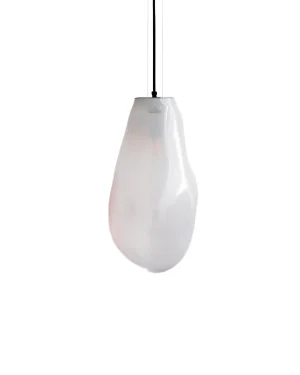
Lyra Pendant Lamp In White Opaque Glass
By ELOA - Unique Lights
€2.330 - €4.750
Green lighting on ADORNO gathers lamps and pendants where color comes from the material itself: copper or chromium oxide fired into a glaze, metal oxides melted through blown glass, or patina developing on brass and bronze over years of handling. Studios working in ceramic, glass and metal shape these pieces by hand-building, glassblowing, glazing and metalwork, so tone varies from one firing or one blown form to the next. The green is never applied as paint; it is part of how the material was made.
What gives green lighting its color
In glazed ceramic, green comes from minerals suspended in the glaze and reacts to kiln temperature, which is why no two lamps leave the same shade, from pale celadon to deep bottle green. In blown glass, color runs through the entire thickness rather than sitting on the surface, so light passing through it carries the tint into the room. Brass and other metals can show green only where a patina has been encouraged or allowed to develop, giving a surface that reads differently in direct sun than under a shaded bulb.
Materials and techniques behind the range
Beyond ceramic, glass and brass, the range extends into steel, stainless steel, clay and marble, each handled by a different process: stone carving for solid bases, electroplating for a thin metallic finish over another material, resin casting where a studio wants a uniform, repeatable green. Some pieces are open editions, made again as demand allows; others are unique, carrying the kind of variation that comes from a single firing or a single blown piece. For a wider look at metalwork finishes alongside glass and ceramic, the metal lighting group shows how far tone and surface can shift within one material.
Choosing a piece for scale and placement
Scale matters before color does. A small glazed lamp can anchor a side table or shelf, while a blown glass pendant needs clearance above a dining surface or a low ceiling to read as intended. Consider how the fixture will be switched on and off daily, whether it sits within reach or needs a wall switch, and whether its green will sit close to other saturated colors or stand alone against white walls, where it carries more weight.
- Table and floor lamps in glazed ceramic suit reading corners and bedside placement
- Pendant lamps in blown glass work best where there is headroom and a clear sightline from a seated position
- Brass or steel fixtures with visible patina read as more textured and less uniform than painted metal
Rooms suited to green light
Green lighting tends to sit comfortably in living rooms and bedrooms, where its tone echoes planting, wood tones or muted textiles without competing with them. A pendant over a dining table or a reading lamp beside a sofa both carry the color at a scale that feels considered rather than loud. For lamps sized specifically for seating areas, the living room lighting group is a useful starting point, and the green lamps group narrows further to table and floor formats.
Caring for glazed, glass and metal pieces
Glazed ceramic should be dusted with a dry or barely damp cloth; standing water on an unglazed base can leave marks. Blown glass benefits from a soft cloth and mild soap, avoiding abrasive cleaners that dull its surface over time. Brass left to patina naturally will keep changing color with handling and humidity, while lacquered or plated metal holds its tone longer if kept away from direct, prolonged sun.
For pendant formats specifically, worth checking against ceiling height and table placement, see the green pendant lamps group. The full range of lighting on ADORNO extends well beyond green, and every piece in this tone across furniture and objects can be seen under green pieces more broadly.
How do I choose the right green lighting piece?
Consider the material first: glazed ceramic gives soft, variable tones, blown glass tints the light itself, and patinated brass shifts with the light around it. Match that behavior to the room before the shade of green.
How do I care for green glazed or glass lighting?
Wipe glaze and glass with a dry or barely damp cloth, avoiding abrasives that dull the surface. For patinated metal, handling oils will slowly change the finish, so clean hands keep the color developing evenly.
Will the green shade match what I see online?
Not exactly. Glaze reacts to kiln temperature and glass to how it was blown, so tone shifts from one piece to the next, even within the same design.
What size or height of lamp works for my space?
Height depends on ceiling clearance and where the fixture sits over a table or seating area. The maker can confirm exact dimensions through Chat with the maker on the piece's page.
Which rooms suit green lighting?
Glazed and glass tones read warm under lamplight, suiting living rooms and bedrooms, while patinated metal pieces hold their own in brighter, more open spaces. Match depth of green to how much natural light the room gets.
How does shipping, returns and authenticity work on ADORNO?
Shipping is insured and worldwide. Returns are accepted within 14 days, excluding made-to-order pieces, and every piece comes with a certificate of authenticity.