





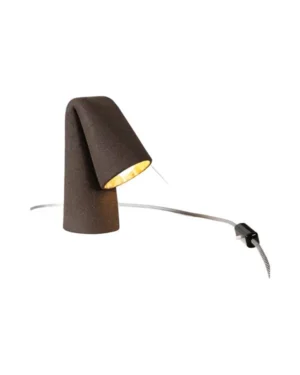
-
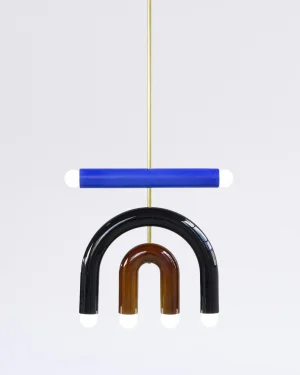
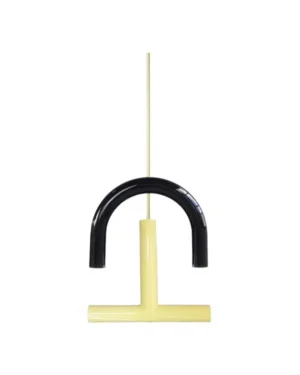
Trn / Model D1 Pendant Lamp in Ceramic
By Pani Jurek STUDIO
€1.080 -
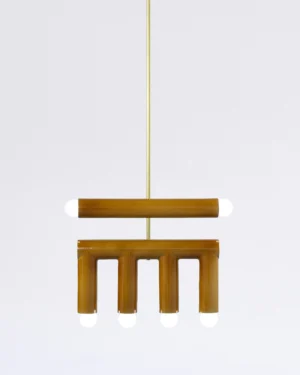
Trn / Model D2 Pendant Lamp in Ceramic
By Pani Jurek STUDIO
€1.080 -

Trn / Model E1 Pendant Lamp in Ceramic
By Pani Jurek STUDIO
€1.430 -
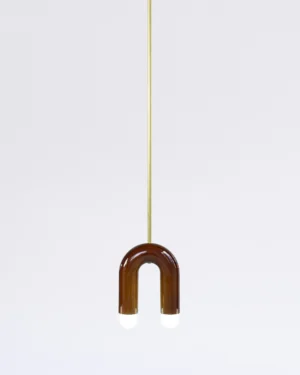
Trn / Model A1 Pendant Lamp in Ceramic
By Pani Jurek STUDIO
€470 -

Trn / Model C2 Pendant Lamp in Ceramic
By Pani Jurek STUDIO
€880 -

Trn / Model B2 Pendant Lamp in Ceramic
By Pani Jurek STUDIO
€625 -
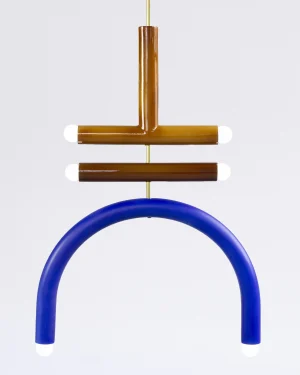
Trn / Model F2 Pendant Lamp in Ceramic
By Pani Jurek STUDIO
€1.600 -
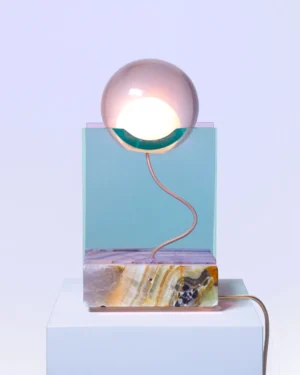
Rotonda Table Lamp in Resin
By Adrian Cruz
€2.380 -
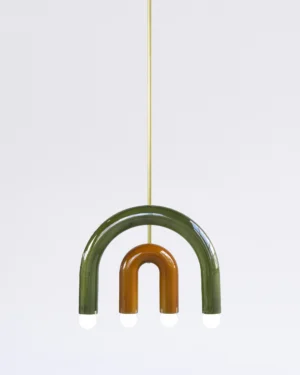
Trn / Model C1 Pendant Lamp in Ceramic
By Pani Jurek STUDIO
€880 -

Trn / Model B3 Pendant Lamp in Ceramic
By Pani Jurek STUDIO
€625 -
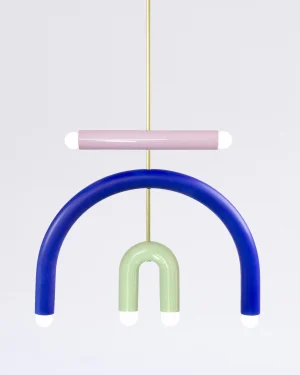
Trn / Model F3 Pendant Lamp in Ceramic
By Pani Jurek STUDIO
€1.600 -

Trn / Model A2 Pendant Lamp in Ceramic
By Pani Jurek STUDIO
€470 -

The Mesia Table Lamp In Ceramics And Glass
By Luis Gimeno Design
€1.600 -

Willow Floor Lamp in Steel and Cotton
By BOTHI
€455 -
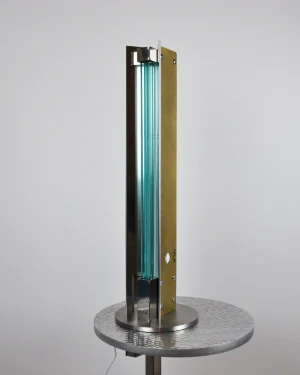
Ne600/145 Table Lamp In Brass And Blue Acrylic
By MLK Furniture
€1.190 -
 In stock
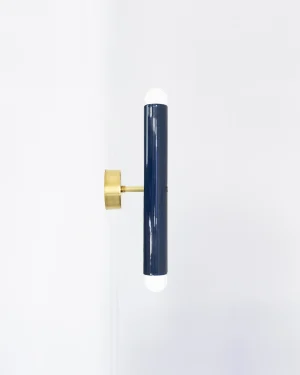
Trn Wall Sconce in Glazed Ceramic
By Pani Jurek STUDIO
€470 -
 In stock
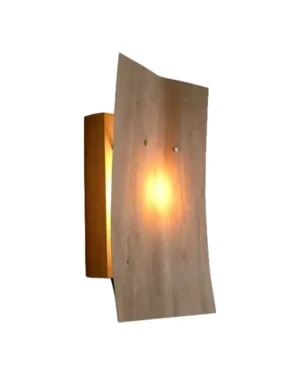
Mujo M Reol Wall Sconce in Walnut Wood and Washi Paper
By Prangé
€1.706 -
 In stock
Manon Floor Lamp in Rattan
By Heaps & Woods
€2.125 - €2.375 -
 In stock
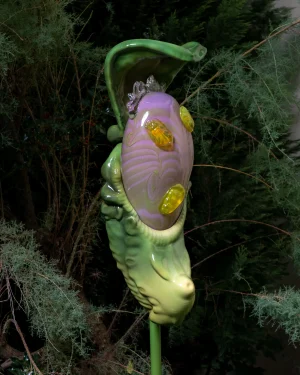
Lapas Paradiso Novo Series Floor Lamp in Blown Glass and PLA
By Anna Jožová
€9.500 -
 In stock
Mujo M Aray Wall Sconce in Walnut Wood and Washi Paper
By Prangé
€1.706 -

Baile Large Floor Lamp in Metallic Tape and Glass
By Cultivado em Casa
€7.870 -

Trn / Model F1 Pendant Lamp in Ceramic
By Pani Jurek STUDIO
€1.600 -
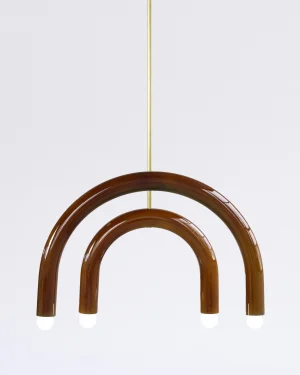
Trn / Model E3 Pendant Lamp in Ceramic
By Pani Jurek STUDIO
€1.430 -
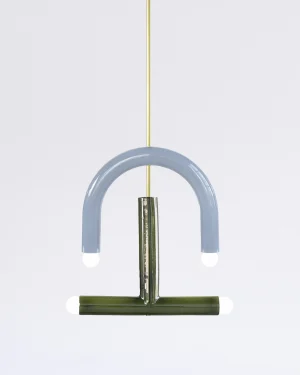
Trn / Model C3 Pendant Lamp in Ceramic
By Pani Jurek STUDIO
€880 -

Trn / Model F1 Silver Finish Pendant Lamp in Ceramic
By Pani Jurek STUDIO
€1.650 -
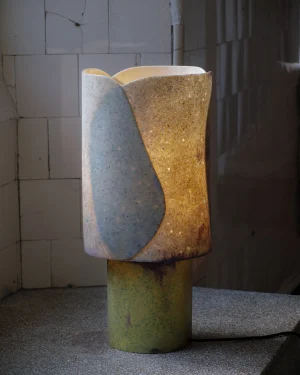
Verve Green Table Lamp in Bio-based Resin
By Justyna Poplawska
€1.900 -

Trn / Model C4 Silver Finish Pendant Lamp in Ceramic
By Pani Jurek STUDIO
€930 -

Trn / Model C4 Pendant Lamp in Ceramic
By Pani Jurek STUDIO
€880 -
 In stock
Trn / Model E2 Pendant Lamp in Ceramic
By Pani Jurek STUDIO
€1.430 -

Trn / Model D1 Silver Finish Pendant Lamp in Ceramic
By Pani Jurek STUDIO
€1.130 -

Trn / Model F2 Silver Finish Pendant Lamp in Ceramic
By Pani Jurek STUDIO
€1.650 -
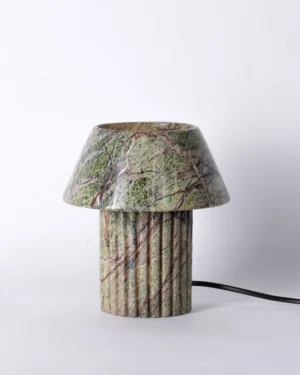
Rio (s) Table Lamp In Green Rainforest Marble
By Harshita Jhamtani Designs
€360 -
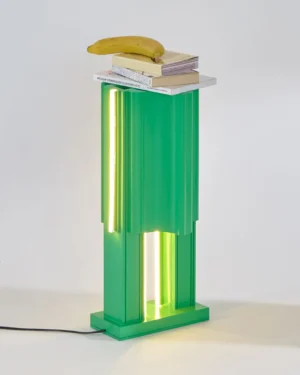
Cornice Supreme No. 2 Table Lamp in Polyurethane
By Teresa Fernández-Pello
€1.986 -
 In stock
Baile Medium Floor Lamp in Metallic Tape and Glass
By Cultivado em Casa
€6.260 -
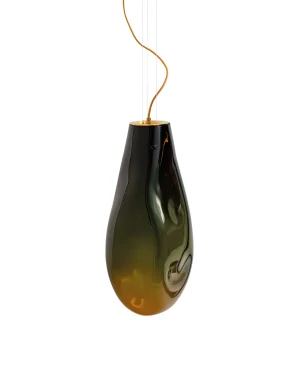
Lyra Pendant Lamp (yellow Green Blue) In Blown Glass
By ELOA - Unique Lights
€2.330 - €4.750 -
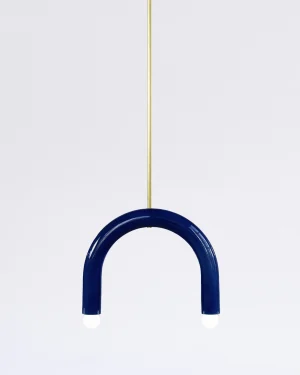
Trn / Model B1 Pendant Lamp in Ceramic
By Pani Jurek STUDIO
€625 -

Trn / Model C1 Silver Finish Pendant Lamp in Ceramic
By Pani Jurek STUDIO
€930 -

Basalte Table Lamp In Glazed Lava Stone
By Clemence Birot
€3.370 -
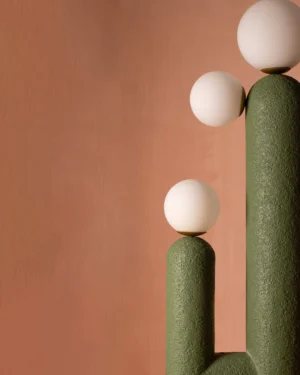
Cactus Floor Lamp In Clay Paste, Mild Steel And Glass
By Harshita Jhamtani Designs
€2.570 -
Rio (l) Table Lamp In Green Rainforest Marble
By Harshita Jhamtani Designs
€1.160 -

Knock Off Neon Wall Sconce in Textiles and Metal
By Studio Ebba Lindgren
€152 -
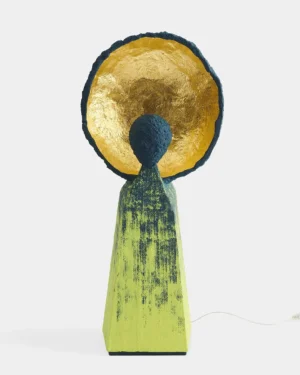 In stock
Ic-15 Floor Lamp in Green Wool and Gold-leaf
By Studio Josha
€6.250 -
 Sold
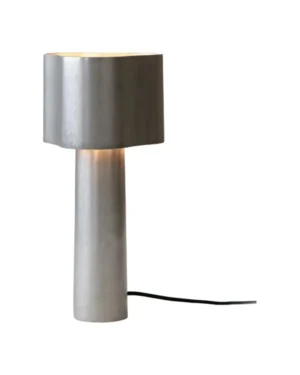
Chimney Table Lamp In Aluminum And Steel
By BOTHI
€210 -
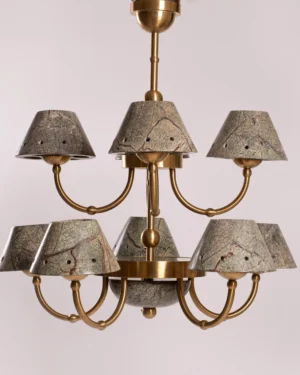
The Marble Chandelier In Rainforest Marble And Brass
By Harshita Jhamtani Designs
€9.030 -
Rio (m) Table Lamp In Green Rainforest Marble
By Harshita Jhamtani Designs
€690 -
 In stock
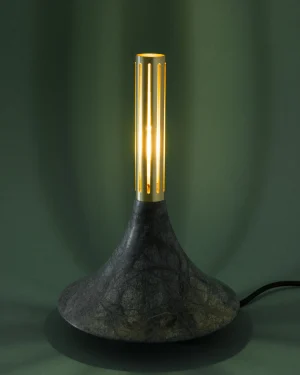
Dervish Table Lamp in Marble and Brass
By Boo Design Studio
€475 -

Lagrimita Chicharron Lamp
By BuRRo
€337 -

Chimney Table Lamp In Aluminum
By BOTHI
€210 -
 In stock
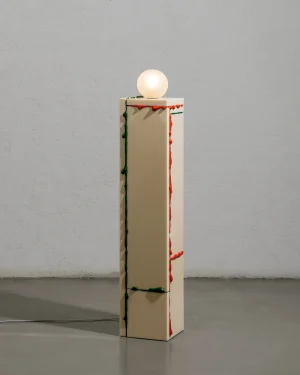
B.S.P Series Floor Lamp in Recycled Plastic
By Atelier SOHN
Price Upon Request -
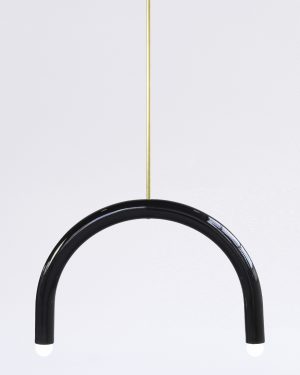
Trn / Model B4 Pendant Lamp in Ceramic
By Pani Jurek STUDIO
€880 -
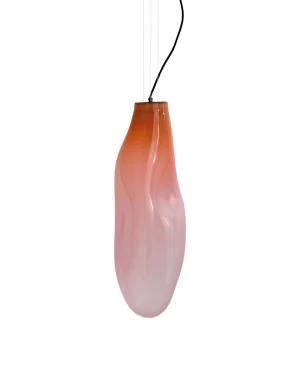
Lyra Single, Flamingo Opaque Pendant Lamp In Blown Glass
By ELOA - Unique Lights
€2.330 - €4.750 -
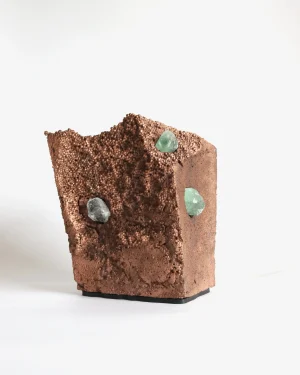 Sold
Irony Of Material 01 Table Lamp in Copper
By Studio Speculo
€716 -
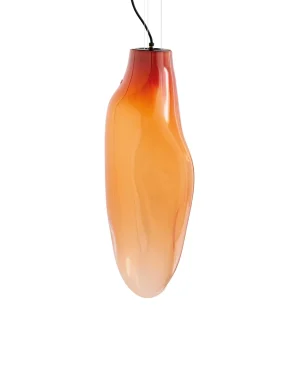
Lyra Pendant Lamp Single, Coral In Blown Glass
By ELOA - Unique Lights
€2.330 - €4.750 -
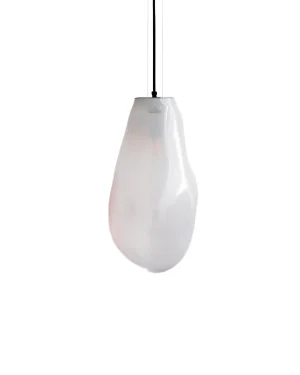
Lyra Pendant Lamp In White Opaque Glass
By ELOA - Unique Lights
€2.330 - €4.750
Green lamps gather glazed stoneware, blown glass and brass around a single color family, one that shifts with the hour and the light source behind it. Independent studios reach this shade through a glaze fired at high temperature, a mineral tint worked into molten glass, or a patina drawn out of raw metal. The result is never flat: green reads cooler under daylight and warmer once the bulb is lit.
What gives a green lamp its character
Color in a lamp is never separate from material. A celadon or bottle-green glaze sits on stoneware or ceramic and depends on clay body, kiln atmosphere and glaze chemistry, so two pieces from the same recipe can still differ slightly in tone. Blown glass carries color through the whole thickness of the piece, so light passing through a green shade tints a room, not just the object itself. Brass, left to oxidize or treated with an electroplated finish, can take on a darker, mossier green that behaves more like a surface than a dye.
The range found here
Across lamps worked in green, the common techniques are hand-building and glazing for ceramic forms, glassblowing for shades and bodies that need to pass light, and metalwork or electroplating for brass and steel fittings. Some pieces are stone carved from marble bases paired with a colored shade, others cast in resin for a smoother, more graphic green. Editions vary: open editions sit alongside unique pieces, so a glaze or a hand-blown bubble will never repeat in exactly the same way twice.
Choosing a green lamp
Scale and height matter more than color once a piece is in a room. A table lamp should clear the eye line when seated nearby, so its shade sits below or just at reading height. A floor lamp needs enough weight at the base to stay stable, which is where metal lamps in cast brass or steel tend to outperform lighter ceramic forms.
- Matte glazes soften a space and hide fingerprints better than gloss.
- A darker, saturated green reads as a design statement; a pale, grayed green sits more quietly in a mixed-color room.
- Brass fittings warm a green glaze or shade; steel cools it.
Placement follows the same logic as any lamp: task lighting close to where it is used, ambient lighting set back and aimed upward or sideways rather than straight at the eye.
Rooms that suit green lighting
Green lamps work well wherever plants, wood tones or other greens already appear, reinforcing rather than competing with the palette. In the living room, a floor or table lamp in this color anchors a seating group without demanding attention during the day. In the bedroom, a smaller glazed or glass piece on a nightstand gives a softer, lower light that still holds its color after dark.
Care
Glazed ceramic should be dusted dry; water can dull a matte surface over time and should never reach the socket or wiring. Blown glass wants a soft cloth and no abrasive cleaners, since scratches show more on a colored surface than a clear one. Brass left unlacquered will darken and green further with handling and air exposure, which most owners treat as part of the material rather than something to polish away. For the full range of this tone across other object types, the green color index on ADORNO covers lighting, furniture and objects together.
How do I choose the right green lamp?
Consider the material first: glazed ceramic gives an opaque, matte green, blown glass tints the light itself, and brass offers a darker, mossier surface tone. Match that behavior to whether the lamp will be seen lit, unlit, or both.
How do I care for a green lamp?
Dust glazed ceramic and glass with a soft, dry cloth, and avoid abrasive cleaners that can dull the glaze or dim glass clarity. Brass with a patina or electroplated finish should stay dry, since moisture speeds further oxidation.
What size or height should a green lamp be?
Table lamps generally sit between 18 and 30 inches tall, suited to eye level when seated, while floor lamps run taller to cast light across a room. The maker can confirm exact dimensions on the piece's page.
Which rooms suit a green lamp?
Green lamps work in living rooms and bedrooms, where their tone softens under lamplight, and in studies or reading corners, where a steady, warm glow matters more than brightness.
Will a green lamp always look the same color?
No. Glaze reads cooler in daylight and warmer once lit, blown glass tints the whole room it lights, and brass darkens further with age and handling over time.
How does shipping, returns and authenticity work when buying through ADORNO?
Shipping is insured and worldwide. Pieces can be returned within 14 days, except made-to-order items, and each comes with a certificate of authenticity alongside a lowest-price guarantee.