













-

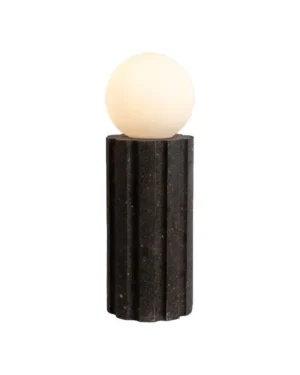
Rakis Lite Table Lamp – Black Stoneware Ceramic
By Catalin Filip
€455 -
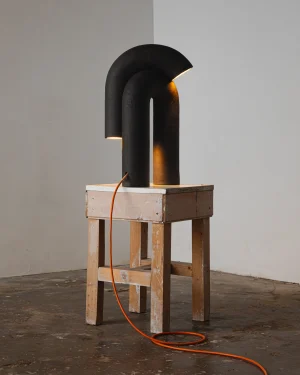
Pendulū Table Lamp In Ceramics And Gold-leaf
By Catalin Filip
€950 -

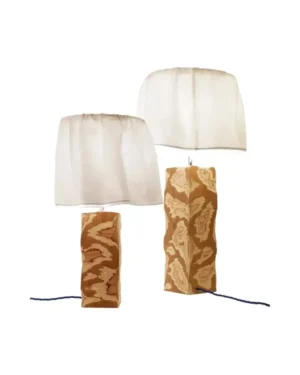
Knotto_01 Table Lamp In Glazed Stoneware And Synthetic Fibers
By Catalin Filip
€800 -

El Joyero De Odette Table Lamp In Stoneware
By Mina Wright
€810€689 -
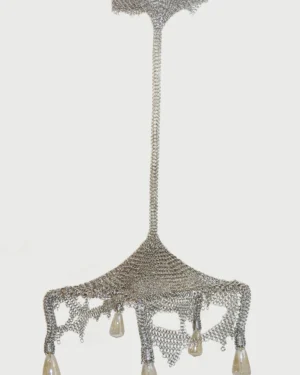
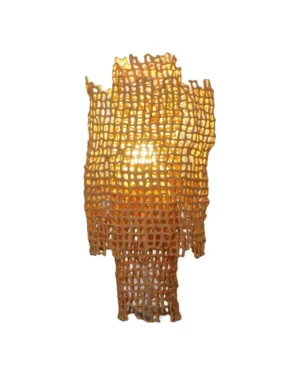
Chainmail Cobweb Chandelier In Glass And Steel
By Panorammma Atelier
€4.250 -
 In stock
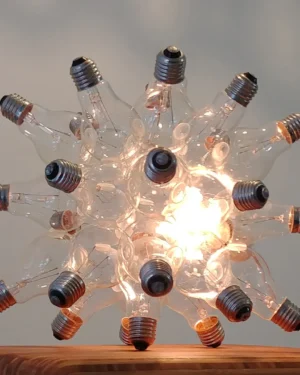
“spare” Table Lamp Constructed From 26 Lightbulbs
By JAN PAUL
€220 -

Rakis Floor Lamp In Ceramic
By Catalin Filip
€1.900 -
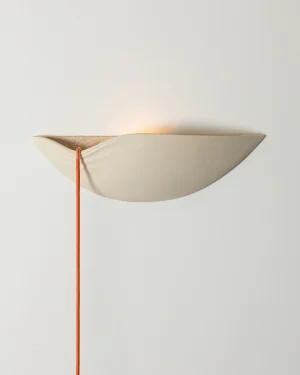
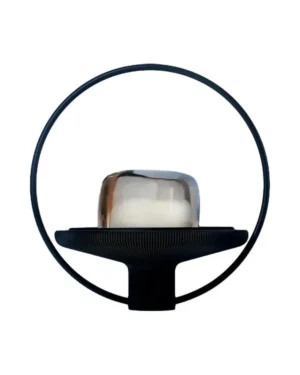
Loma Wall Sconce In Stoneware
By Catalin Filip
€450 -

Lomo Floor Lamp In Wool And Ash Wood
By Natural Urbano - Sebastián Beltrán
€565 -
 In stock
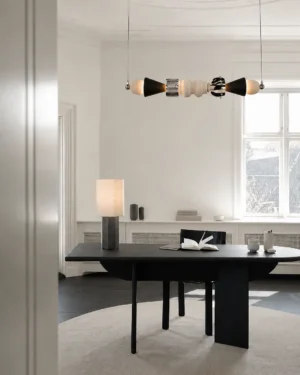
Arinna Pendant Lamp In Oak, Stone And Brass
By MARAU
€15.000 -

Sky-set Floor Light
By Dace Sūna
€5.800 -

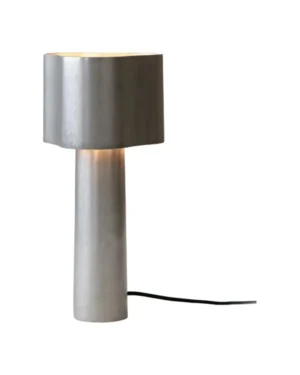
Hoja Table Lamp In White Steel
By Natural Urbano - Sebastián Beltrán
€315 -
 In stock
Cave Table Lamp In Glass
By Dace Sūna
€1.500 -
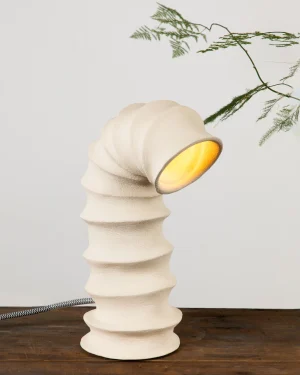
Rakis Lite – Table Lamp In White Stoneware
By Catalin Filip
€455 -
 In stock
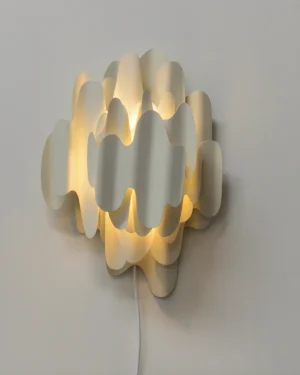
Fantasma Wall Sconce In Painted Steel
By Natural Urbano - Sebastián Beltrán
€950 -

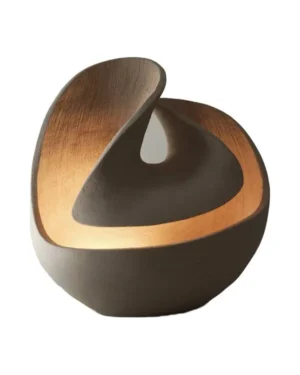
Onda Copper Wall Sconce In Raku Ceramic
By arrived aliens
€2.200 -
 In stock
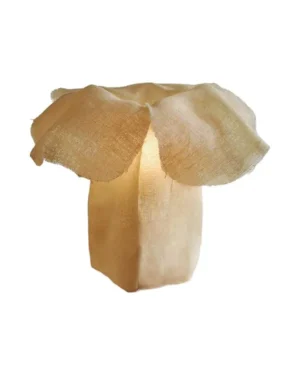
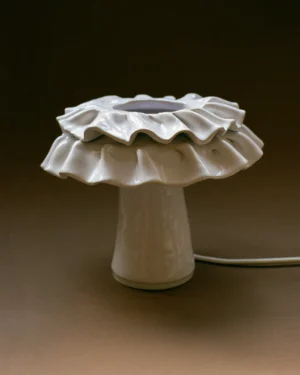
Apapuchi Table Lamp In Earthenware And Cotton
By Aileen De La Ree Valencia
€1.200 -
 In stock
Lulu Table Lamp In Stoneware
By Mina Wright
€670 -
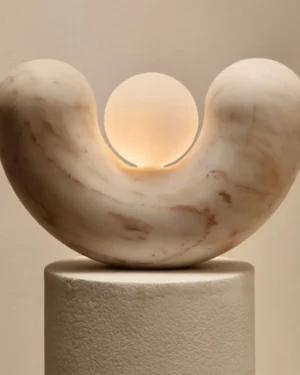
Estremoz Floor Lamp In Marble And Glass
By Joana Vilaça Studio
€3.800 -

Melo C Table Lamp In Black Ceramic
By Catalin Filip
€270 -

Overcast Table Lamp In Aluminum, Leather And Paper Pulp
By Calen Knauf Studio
€1.570 -
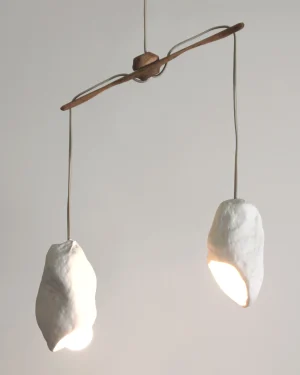
Maat Ceiling Lamp
By Dace Sūna
€1.200 -
 In stock
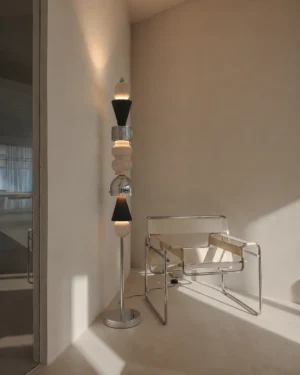
Arinna Floor Lamp
By MARAU
€15.000 -

Melo M Table Lamp In Ceramic
By Catalin Filip
€455 -
 In stock
Helium Sconce
By Dace Sūna
€1.500 -
 In stock
Wrench Floor Lamp In Aluminum And Iron
By Iyo Hasegawa
€1.800 -
 In stock
Wrench Standing Floor Lamp In Aluminum And Iron
By Iyo Hasegawa
€2.300 -
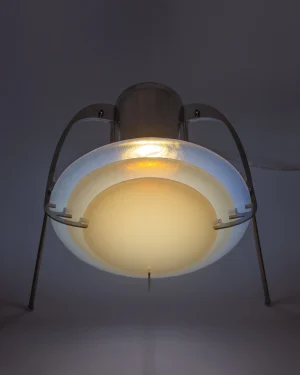
Sky-set Mini Table Light
By Dace Sūna
€2.800 -
 In stock
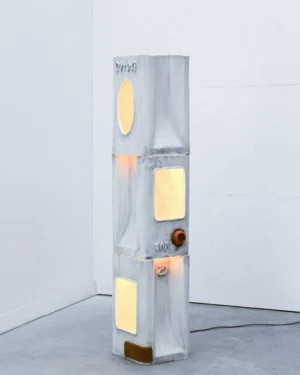
Vestigi 01 – Stoneware Floor Lamp
By Pierre Klein
€7.200 -
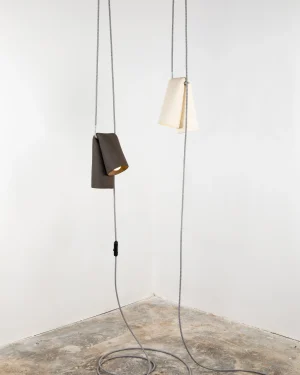
Melo Pendant Lamp In Ceramic
By Catalin Filip
€300 -
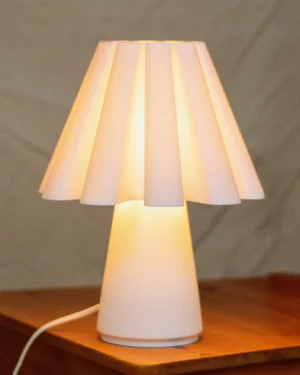
Ruff Table Lamp In Recycled Pla
By Mina Wright
€238 -
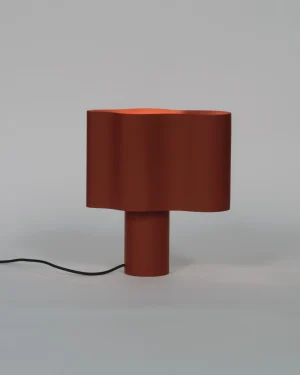
Lake Table Lamp In Steel
By Natural Urbano - Sebastián Beltrán
€330 -
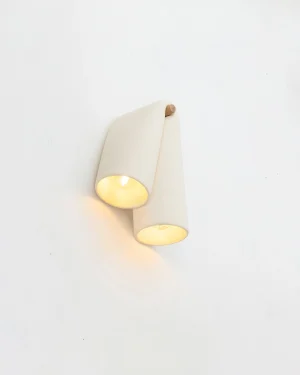
Melo Wall Sconce In Stoneware And Beech Wood
By Catalin Filip
€350 -
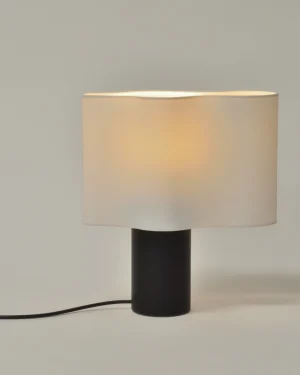
Lake Table Lamp In Steel And Textile
By Natural Urbano - Sebastián Beltrán
€330 -
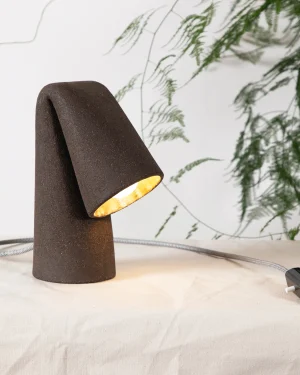
Melo Fold Table Lamp In Ceramic
By Catalin Filip
€290 -

Follow The Deer Table Lamp In Neon Glass
By Dace Sūna
Price Upon Request -

Vertical Fractal – Neon Glass Sculpture
By Dace Sūna
Price Upon Request
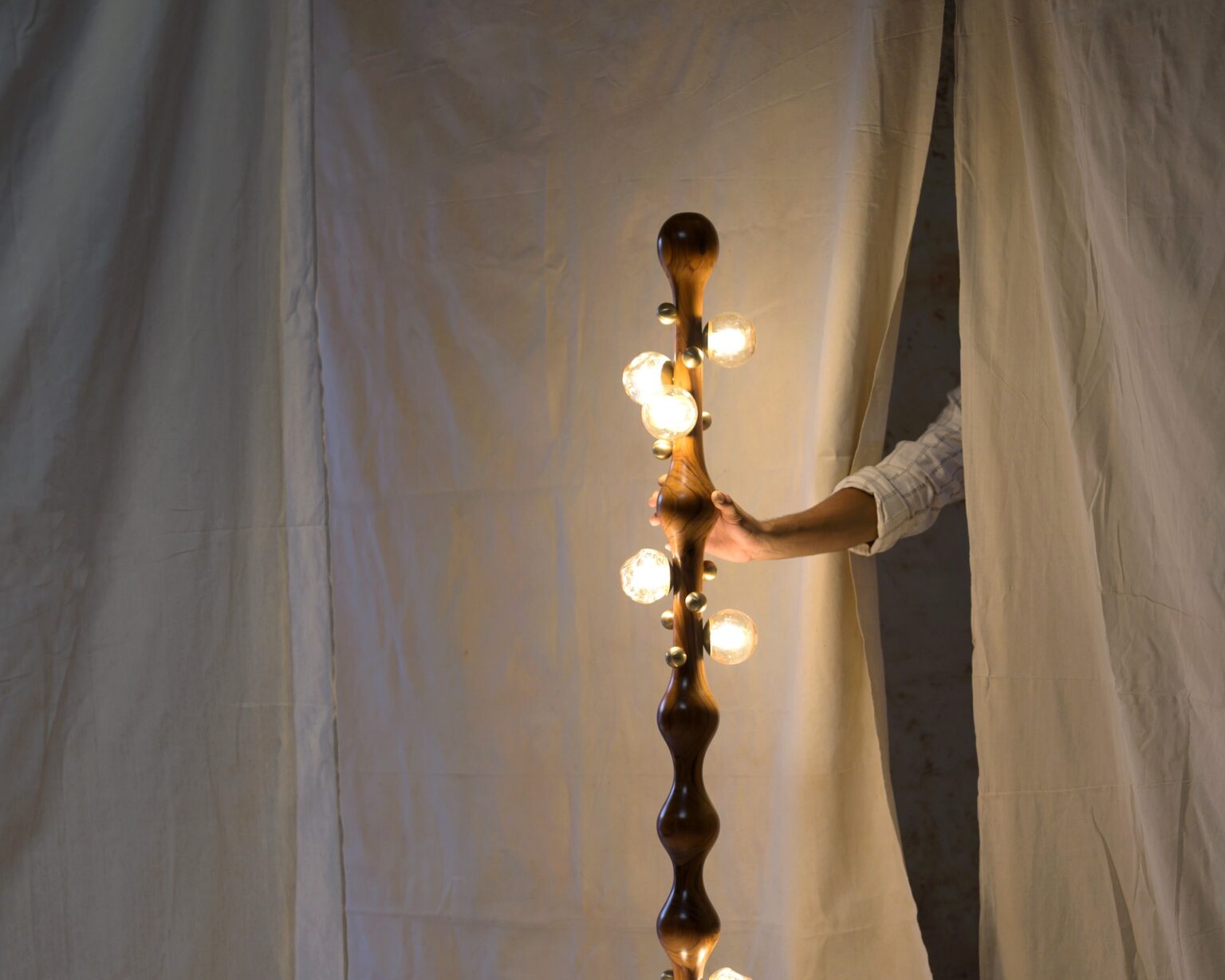
Conceptual lighting asks what a lamp could be before it asks what a lamp should look like. Studios working this way start from an idea, a question about form or shadow, rather than a fixture type, then build toward it in ceramic, glass, steel or silver. The result sits closer to sculpture than to standard lighting, made through hand-building, glazing, metalwork and cold-worked or fused glass.
What defines conceptual lighting
A conceptual piece usually reads as an object first and a light source second. The bulb or diffuser is set inside a form that could stand on its own, in clay, stoneware or blown and cast glass, so switching it off does not leave an absence. Colors tend toward white, black, terracotta, sand and gold, chosen for how they hold or scatter light rather than to match a palette.
Because the idea leads, scale and proportion often depart from convention: a shade might flare wider than its base calls for, or a stem might run longer than function needs. This is deliberate. The piece is meant to be looked at in daylight as much as switched on at night.
Materials, finishes and techniques found here
Ceramic and stoneware dominate, built by hand and finished with glaze that can run matte, chalky or glass-smooth depending on firing. Glass appears both cold-worked, ground and polished after casting, and fused, where sheets or frit are heat-bonded into a single form. Metal shows up as steel, silver or mixed-metal fittings, worked through metalwork or hand finishing to anchor the lighter materials above them.
How to choose a piece
Start with height and reach before style. A table lamp needs to clear what sits beside it without overpowering the surface; a floor piece should hold its own against the ceiling height of the room without disappearing into a corner. Glazed ceramic and ground glass both carry weight visually, so one strong piece is often enough in a room rather than a pair.
Finish matters as much as form. A matte glaze reads quiet and absorbs light, while a glossy or metallic one throws it back and draws the eye from across a room. Place pieces where that behavior works for you: a reflective finish near a window will catch daylight all day, a matte one is better suited to a reading corner.
- Ceramic and stoneware forms suit side tables, consoles and shelving where the object can be seen in full.
- Cold-worked or fused glass pieces benefit from a plain backdrop, so the light passing through has nothing to compete with.
- Metal-based fixtures hold up well in higher-traffic rooms, where a sturdier base matters.
Where conceptual lighting works in a home
Living rooms suit the larger, sculptural end of this range, where a floor or table piece can anchor a seating area the way a side table or an armchair would. Bedrooms call for something quieter, often a smaller ceramic or glass table lamp placed for reading rather than display. Entryways and studies work well for a single, deliberate object, somewhere it will be seen rather than used constantly.
Care for ceramic, glass and metal lighting
Glazed ceramic and stoneware should be dusted with a dry or barely damp cloth; standing water can work into unglazed footings or hairline crazing over time. Glass, whether fused or cold-worked, is best cleaned with a soft cloth and mild solution, avoiding abrasives that can dull a polished edge. Metal fittings, especially raw or oxidized steel, benefit from being kept dry and away from direct humidity to slow tarnish.
For a broader sense of what sits alongside these pieces, the full range of lighting spans far more materials and styles, while every conceptual design piece across furniture, decor and lighting follows the same idea-first approach. Those furnishing a particular room might look at living room lighting or bedroom lighting for pieces sized to those spaces, and anyone drawn to smaller forms can look through conceptual lamps for table and accent sizes within the same style.
How do I choose a conceptual lighting piece?
Start with the object itself, not the output. Look for a form in ceramic, glass or metal that holds its own as a sculpture, since it will read as an object as much as a light source.
What materials are used and how do I care for them?
Ceramic and stoneware need a dry cloth and no harsh cleaners, since glaze can scratch. Glass should be dusted gently, and metal fittings wiped clean to keep their finish from dulling.
What size or height should I pick for conceptual lighting?
Scale here often breaks convention, with shades, stems or bases set wider or longer than function requires. Check each listing's dimensions, since proportion is part of the idea.
Which rooms work best for conceptual lighting?
These pieces suit spaces where they can be seen as objects in daylight, not just switched on at night, such as living rooms, entryways or bedside settings with room to stand alone.
Does ADORNO ship conceptual lighting worldwide and insure it?
Yes, shipping is insured and worldwide. Each piece travels covered against damage or loss until it reaches you.
Can I return a conceptual lighting piece or order one custom?
A 14-day return policy applies, though made-to-order pieces are excluded. For custom sizing, finish or glaze questions, use Chat with the maker on the piece's page.