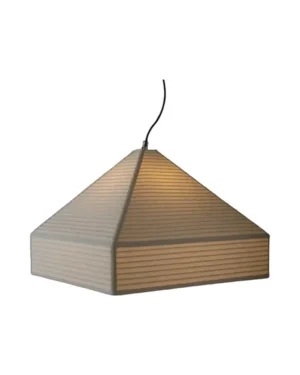
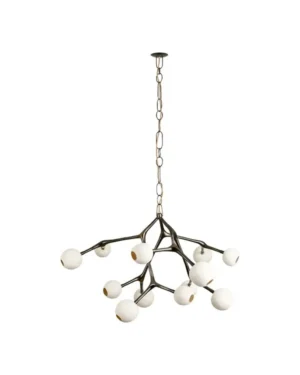
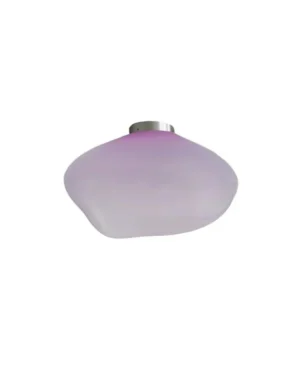





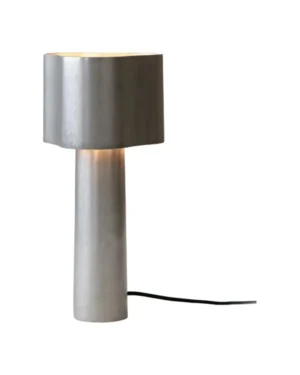






-
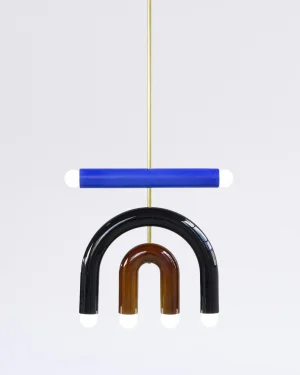
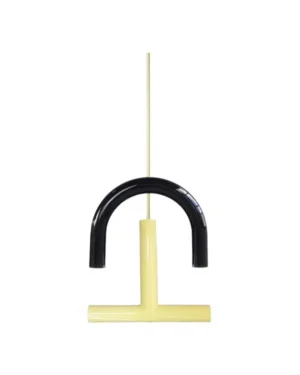
Trn / Model D1 Pendant Lamp in Ceramic
By Pani Jurek STUDIO
€1.080 -
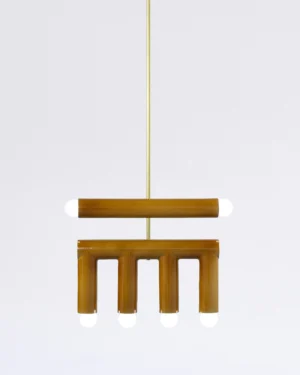
Trn / Model D2 Pendant Lamp in Ceramic
By Pani Jurek STUDIO
€1.080 -

Trn / Model E1 Pendant Lamp in Ceramic
By Pani Jurek STUDIO
€1.430 -

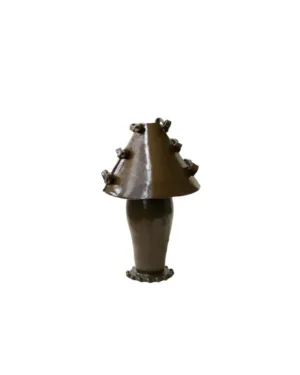
Strikha Table Lamp in Clay
By FAINA
€1.820 -
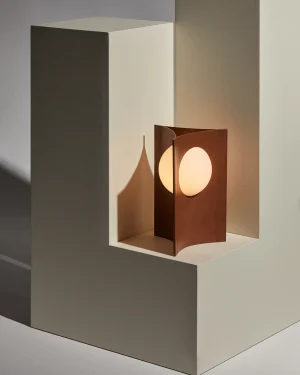
Hecate Table Lamp in Leather and Glass
By Studio Aristotelis Barakos
€480 -
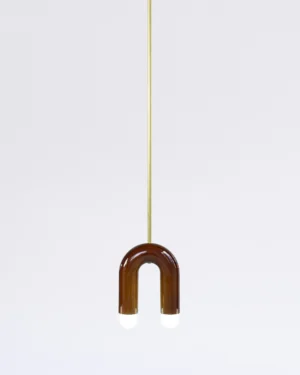
Trn / Model A1 Pendant Lamp in Ceramic
By Pani Jurek STUDIO
€470 -

Trn / Model C2 Pendant Lamp in Ceramic
By Pani Jurek STUDIO
€880 -
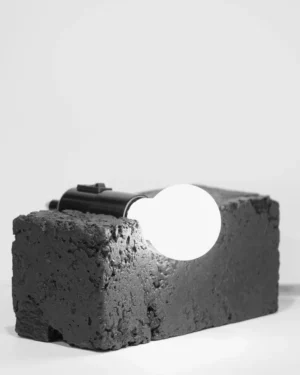 In stock
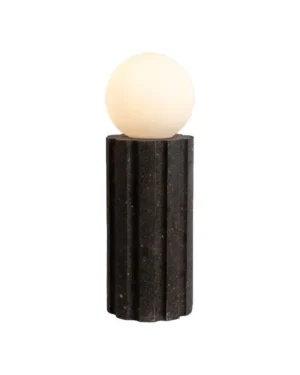
Cofit-20 Table Lamp In Coal Concrete
By Atelier Haute Cuisine
€380 -

Trn / Model B2 Pendant Lamp in Ceramic
By Pani Jurek STUDIO
€625 -
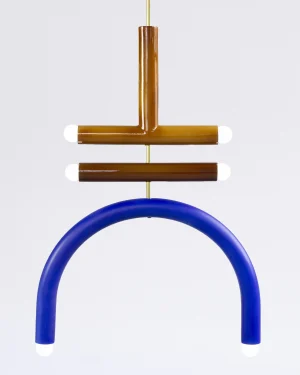
Trn / Model F2 Pendant Lamp in Ceramic
By Pani Jurek STUDIO
€1.600 -
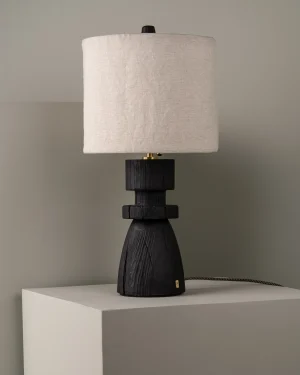
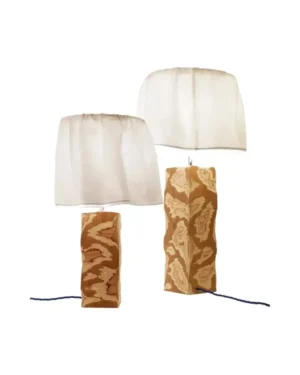
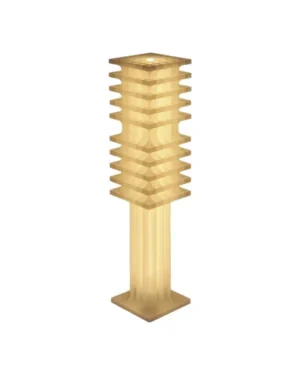
Mezquite Table Lamp in Burned Pinewood and Natural Linen
By Isabel Moncada
€2.925 -
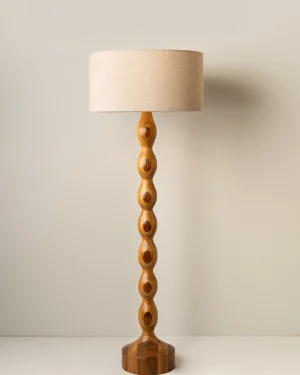
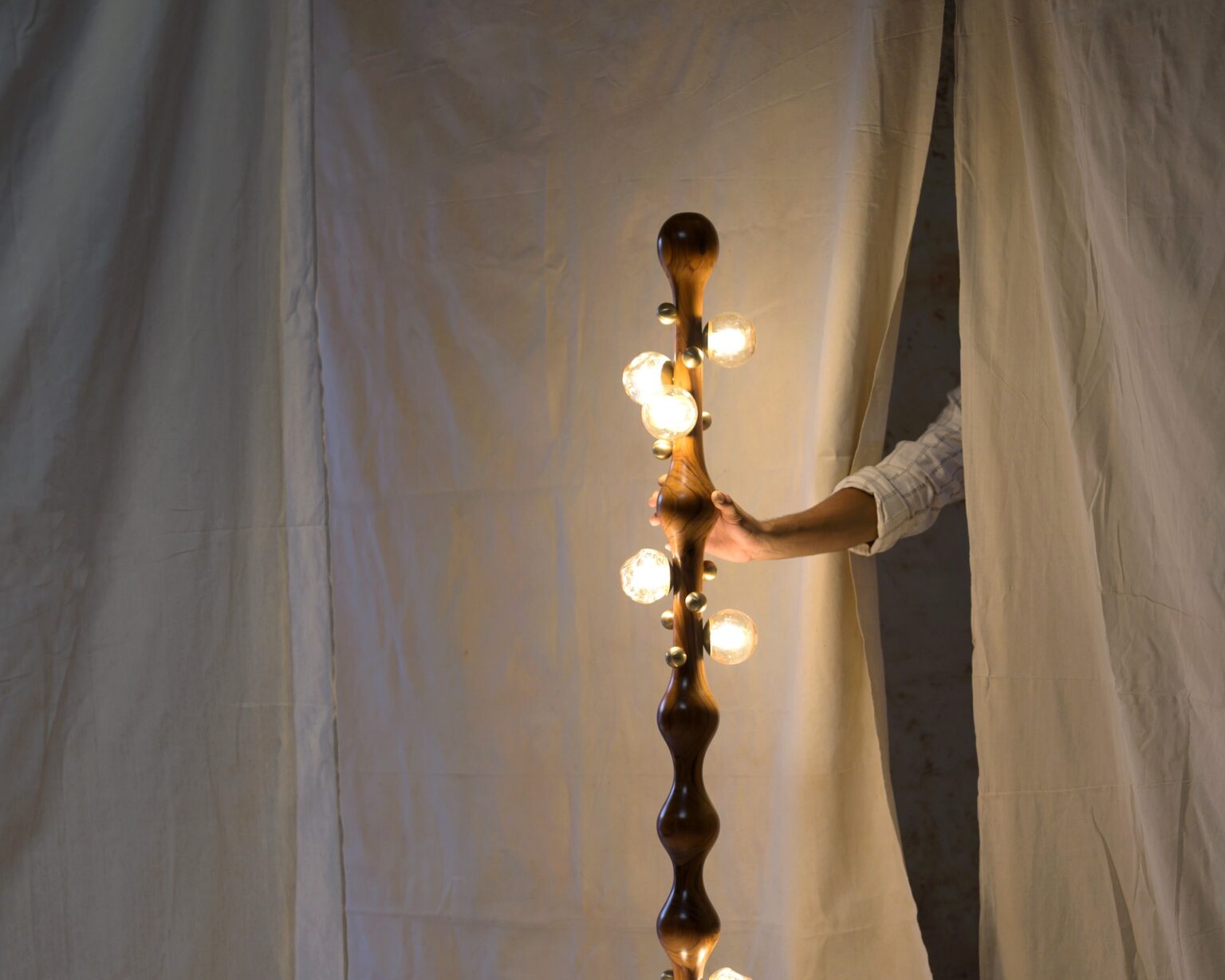
Tamarindo Floor Lamp in Parota Wood and Natural Fibers
By Isabel Moncada
€3.802 -
 In stock
Y30 Ceiling Lamp in Blown Glass and Brass
By Clara Viladecans
€786 -
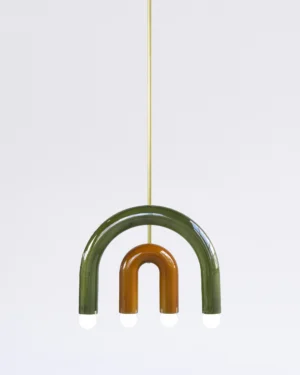
Trn / Model C1 Pendant Lamp in Ceramic
By Pani Jurek STUDIO
€880 -
 In stock
Object 09 Sconce in Nylon and Sand
By Hot Wire Extensions
€935 - €1.145 -
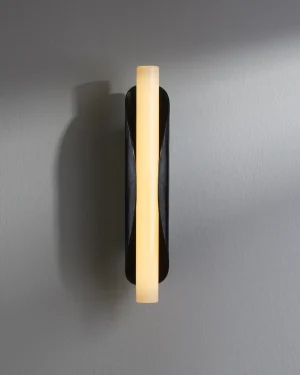
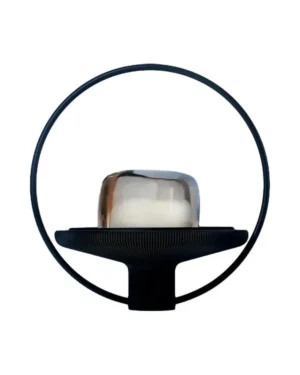
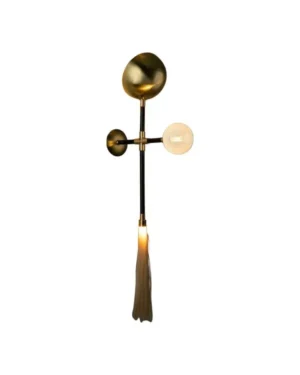
Taco De Luz Wall Sconce in Black Patinated Brass
By Studio Aristotelis Barakos
€980 -

Trn / Model B3 Pendant Lamp in Ceramic
By Pani Jurek STUDIO
€625 -
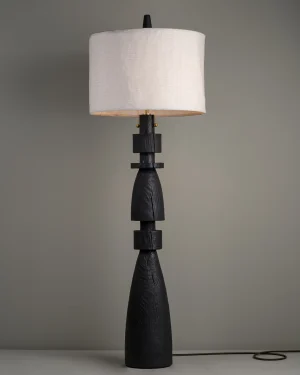
Mezquite Floor Lamp in Pinewood, Linen and Brass
By Isabel Moncada
€4.095 -
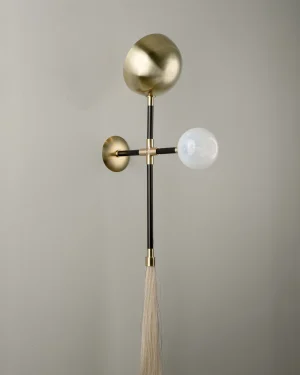
Gogo Wall Sconce in Brass, Blown Glass and Natural Fibers
By Isabel Moncada
€2.880 - €4.036 -

Trn / Model F3 Pendant Lamp in Ceramic
By Pani Jurek STUDIO
€1.600 -

Rakis Lite Table Lamp – Black Stoneware Ceramic
By Catalin Filip
€455 -

Curva Floor Lamp in Guarango Wood and Bronze
By Laluz Handcraft
€3.600 -
 In stock
Ines Ceiling Lamp in Blown Glass And Brass
By Clara Viladecans
€550 -

Marsha 02 Pendant Lamp in Blown Glass and Steel
By MESEME by Riya Panchal
€810 -

Regina Table Lamp In Marble
By Daniel Orozco Estudio
€2.034 -
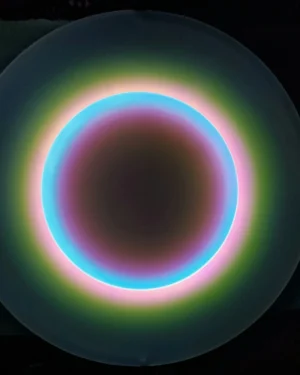
Event Horizon L Wall Sconce in Acrylic Glass
By Catrinel Sabaciag
€1.963 -
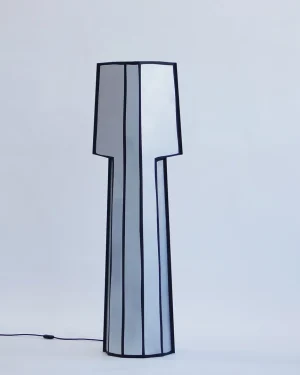
Hex Floor Lamp in Aluminum
By STUDIO GUILTY
€1.256 -
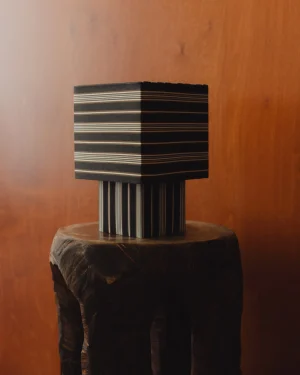
La Petite Boîte Cameron Black Table Lamp in Cotton
By mattina moderna
€285 -

Patagonia Pendant Lamp In Wood
By espina corona
€650 -
 In stock
La Bergère Table Lamp In Glazed Ceramic
By Mina Wright
€686 -

El Joyero De Odette Table Lamp In Stoneware
By Mina Wright
€810€689 -

Marsha 01 Pendant Lamp in Glass and Steel
By MESEME by Riya Panchal
€839 -

Trn / Model A2 Pendant Lamp in Ceramic
By Pani Jurek STUDIO
€470 -
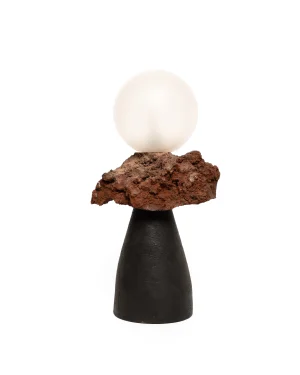
Hof Tezon Lamp
By Daniel Orozco Estudio
€475 -
 In stock
Mujo P Iver Wall Sconce in Walnut Wood and Washi Paper
By Prangé
€948 -
 In stock
Empilé Grande Table Lamp In Black
By Vlad Oganov Objects
€499 -
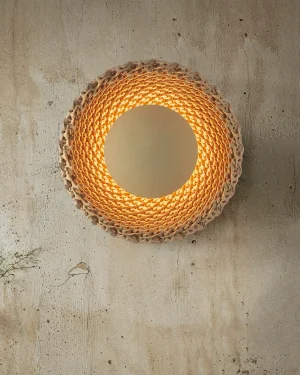 In stock
Sun V2-b – 3d Printed Wall Lamp
By Rollo Studio
€6.049 -
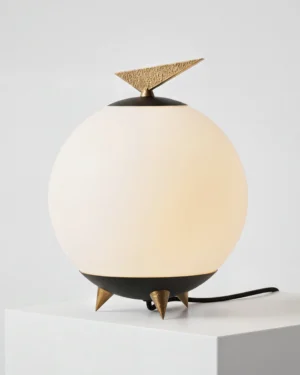 In stock
Eoni Table Lamp In Steel, Brass And White Glass
By Balance Lamp
€410 -
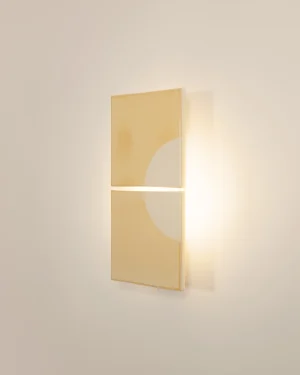 In stock
Tiles Moon European Wall Sconce in Ceramic and Metal
By Violaine d'Harcourt Lighting Design
€260 -

Coralight Table Lamp in High Density Bio Polymer
By Cornu Design
€129 -

Original Lamp 1 Floor Lamp in Parota Wood and Textile
By Daniel Orozco Estudio
€1.899 -

Nucleation Floor Lamp in Steel
By Drusch Design
€2.760 -
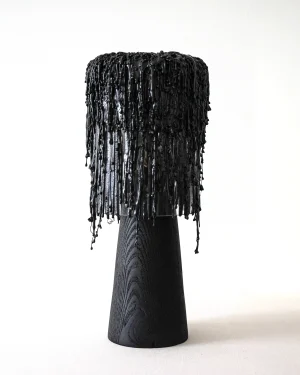
Leaky Lamp III Table Lamp in Ash Wood and Biomaterial
By Pablo Ejarque-González
€1.085 -
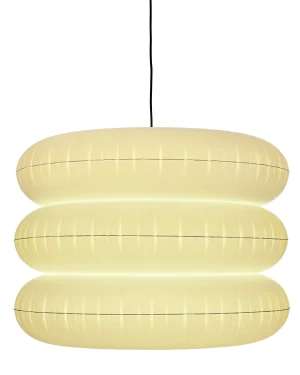 In stock
Big Puff Pendant Lamp in Polyurethane
By PUFF-BUFF
€550 -
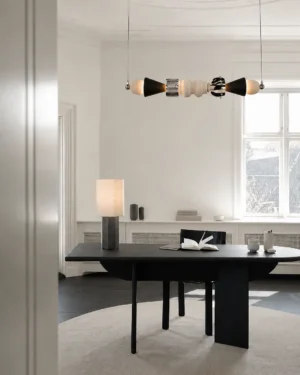 In stock
Arinna Pendant Lamp In Oak, Stone And Brass
By MARAU
€15.000 -
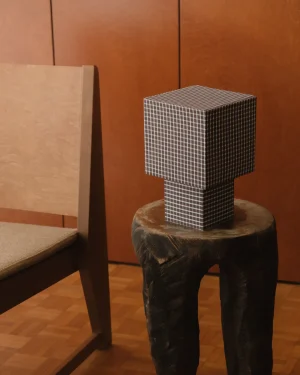
La Petite Boîte Table Lamp in Tartan Cotton
By mattina moderna
€285 -

Hoja Table Lamp In White Steel
By Natural Urbano - Sebastián Beltrán
€315 -
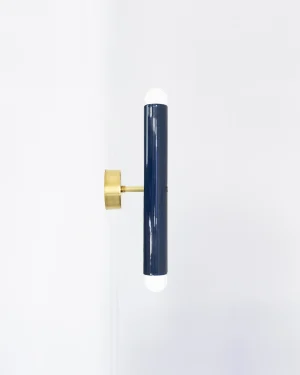 In stock
Trn Wall Sconce in Glazed Ceramic
By Pani Jurek STUDIO
€470 -
 In stock
Yunseul Table Lamp In Ash Wood
By Woohyun Han
€550 -
 In stock
Tiles Line European Wall Sconce in Ceramic and Metal
By Violaine d'Harcourt Lighting Design
€260 -
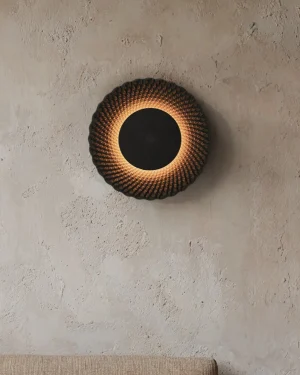 In stock
Sun Vxs 05 — Sculptural Wall Lamp In 3d-printed Sand
By Rollo Studio
€1.080 -
 In stock
Shadow 24 Table Lamp in Orange Acrylic and Aluminum
By Andreas Berlin
€1.218 -

Galaxy Table Lamp in Parota Wood and Brass
By Isabel Moncada
€2.925 -
 In stock
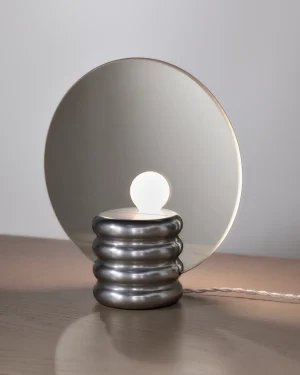
Spegla Mirror Lamp – Mirror / Lamp In Aluminium And Mirror Glass
By Jochen Lavéno Mangelsdorff Studio & Objects
€556
Black lighting gathers studios working in brass, steel, ceramic and blown glass, each piece finished so the color reads as weight rather than shine. Matte powder coats, dense glazes and oxidized metal surfaces absorb light instead of throwing it back, so a shade or base holds its shape as a dark silhouette by day and recedes once it is switched off. The effect sits closer to sculpture than to a standard fixture, built from the same techniques found across contemporary lighting but tuned toward shadow instead of gloss.
What defines black lighting
Black is not one surface but several. A powder-coated steel arm reads flat and dry, a glazed ceramic base carries a slight sheen where the kiln pooled color at the edges, and a lacquered brass fitting keeps a thin skin of gloss over the metal underneath. Each method changes how the piece meets a room: matte coatings pull attention to outline and proportion, while glazed or lacquered surfaces pick up a little ambient light and soften the silhouette.
Because black lighting draws the eye to form rather than finish, these pieces tend to favor plain geometry, exposed joints and visible welds over ornament. The color does the work that pattern or texture might do elsewhere.
Materials, finishes and techniques found here
- Brass and steel, welded or turned, then powder-coated, lacquered or left to oxidize into a deep patina, a technique covered more broadly under metal lighting
- Ceramic and clay, hand-built, then glazed black in a kiln so the surface varies slightly piece to piece
- Blown glass, shaded or smoked to black, paired with metal fittings for table and floor lamps
- Cotton and woven shades mounted on black metal frames, softening the light output without lightening the frame itself
Editions run from open production to limited runs and one-off studio pieces, so the same black finish can show up on a repeatable design or on something made once and not repeated.
Choosing a piece for scale and placement
Finish should follow function. Matte coatings hide fingerprints and dust better on surfaces that get touched, such as a table lamp base, while a glazed or lacquered finish suits a pendant or wall fixture viewed mostly from a distance. For a first black piece in a room built around lighter furniture, a style listed under minimalist lighting tends to sit easiest, since the plain geometry carries the color without adding further visual weight.
Where black lighting fits in a room
Dark fixtures tend to ground a room rather than fill it, which is why they work well as a single statement rather than several scattered through the same space. A pendant or floor lamp finished in black can anchor a seating arrangement the way living room lighting is often asked to do, pulling the eye down to furniture height instead of up to the ceiling. In a bedroom, a black table lamp beside a pale headboard does the same work on a smaller scale, giving the surface a fixed point without competing with bedding or walls.
Black also reads well alongside other dark or neutral pieces. Pairing a fixture with items from black lamps or with darker furniture and objects keeps the palette calm rather than scattering a single dark note across an otherwise light room.
Caring for matte and glazed black finishes
Matte powder coats show fingerprints and dust more readily than gloss surfaces, so a dry microfiber cloth used regularly keeps the finish even. Avoid abrasive cleaners or solvents on powder-coated steel, since they can dull or strip the coating unevenly. Glazed ceramic and lacquered brass can be wiped with a slightly damp cloth, but standing water should not be left on unglazed clay bases, as it can mark the surface over time. Blown glass shades need only an occasional dusting, since smoke and heat residue build up slowly and wipe off easily when the fixture is unplugged and cool. Beyond these basics, the full range of tones and materials sits under every black piece on ADORNO, where black lighting sits alongside black furniture and objects finished the same way.
How do I choose a black lighting piece?
Start with the finish: matte coatings suit rooms where you want a quiet silhouette, while glazed or lacquered surfaces add a little reflection and softness. Let the base or shade proportion guide placement, since black reads as weight rather than color.
How do you clean and care for black lighting?
Dust metal and ceramic surfaces with a dry or slightly damp cloth, avoiding abrasive cleaners that can dull powder coats or lacquer. Glazed ceramic and glass wipe clean easily, but oxidized metal should stay dry to keep its patina stable.
What size or height should a black lamp or fixture be?
Table and floor lamps generally follow standard reading heights, while pendants hang lowest over dining tables and higher in open living spaces. The maker can confirm exact dimensions and recommended drop through Chat with the maker on the piece's page.
Which rooms suit black lighting best?
Black fixtures anchor living rooms and bedrooms where a strong outline reads well against lighter walls, and work equally in kitchens or studies as a quiet counterpoint to brighter surfaces.
Does ADORNO offer worldwide shipping and returns on black lighting?
Yes, shipping is insured and sent worldwide, with a 14-day return policy excluding made-to-order pieces. Every piece arrives with a certificate of authenticity, and ADORNO offers a lowest-price guarantee.
Can I order a custom black lighting piece?
Some studios take custom requests for finish or size, but this varies by maker. Use Chat with the maker on the piece's page to ask about custom orders directly.