

















-

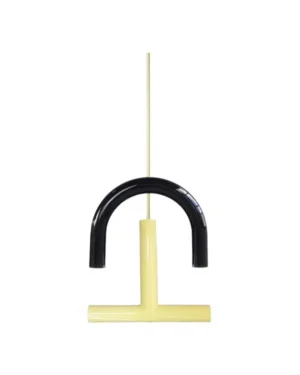
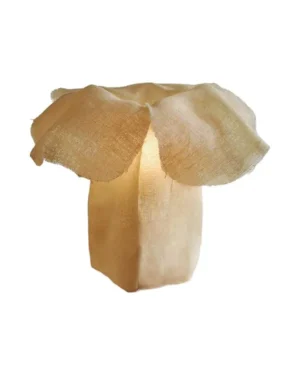
Judie Pendant Lamp in Cotton
By Atelier Alz
€200 -

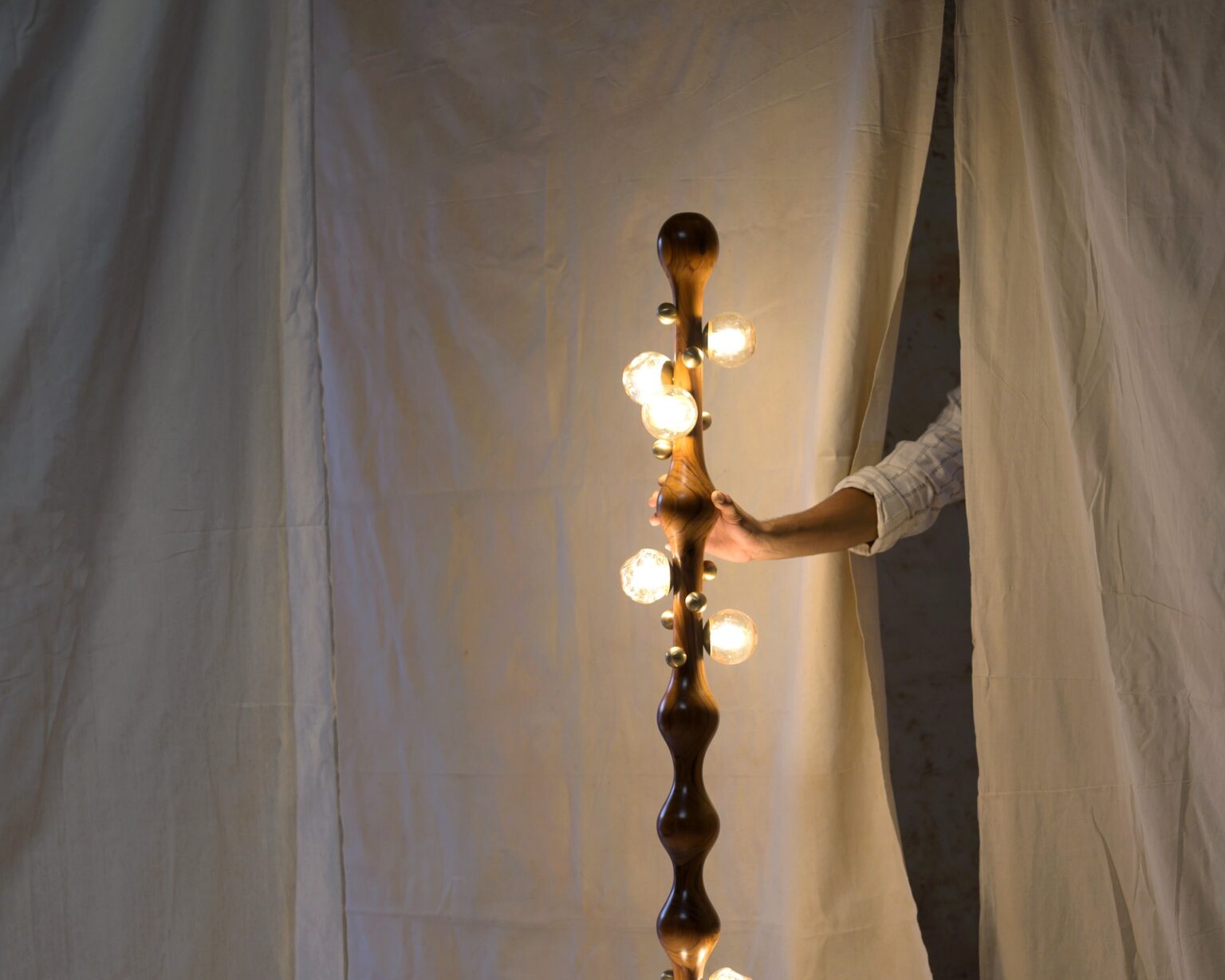
Curva Floor Lamp in Guarango Wood and Bronze
By Laluz Handcraft
€3.600 -
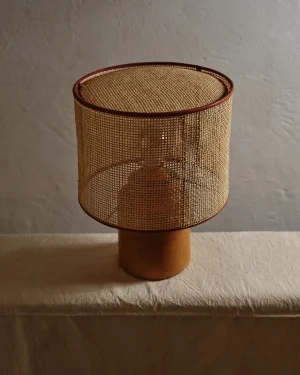
Sonora Rattan Small Table Lamp In Clay And Textiles
By NASSI LAMPS
€689 -

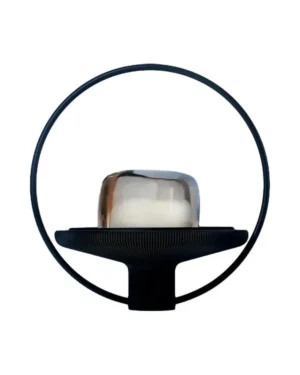
Soft Ply Wall Sconce in Birch Wood and Brass
By Sheyang Li
€264 -

Lomo Floor Lamp In Wool And Ash Wood
By Natural Urbano - Sebastián Beltrán
€565 -
 In stock
Sensitive Wood Marguerite Floor Lamp In Oak Wood
By Vital Lainé
€2.500 -
 In stock
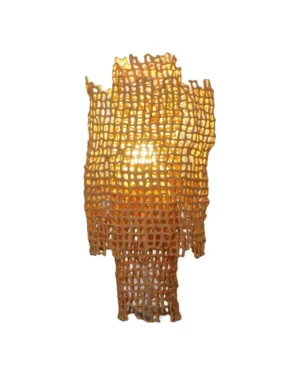
Brown Mud Ellipse Wall Sconce In Textiles And Wood
By David Čáp
€550 -

Lomo Pendant Lamp In Ash Wood And Wool
By Natural Urbano - Sebastián Beltrán
€400 -

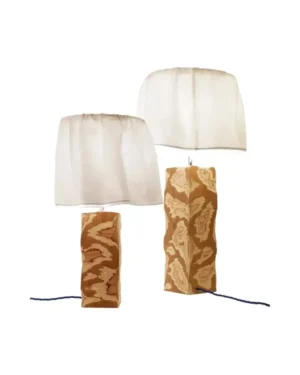
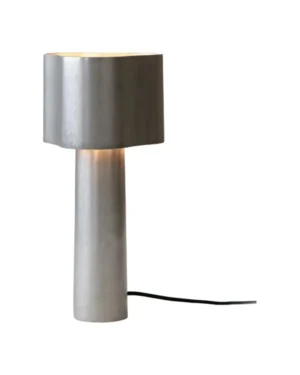
Cypress Table Lamp in Wood
By Studio Kloak
€2.000 -
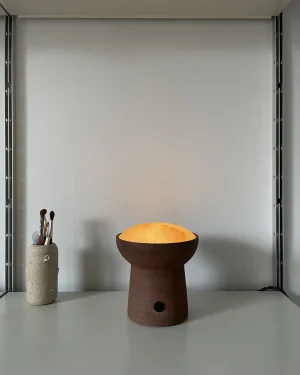 In stock
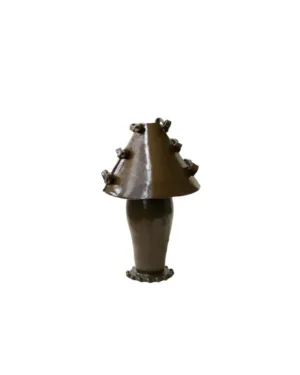
Stoneware Salt Lamp
By Isabella Artale
€600 -

Sonora Small Table Lamp In Terracotta And Rattan
By NASSI LAMPS
€576 -
 In stock
Envol Floor Lamp In Oak Wood
By Vital Lainé
€1.330 -

Wall Light Franca A
By MANUHITA
Price Upon Request -
 Sold
Sensitive Wood Mazarine Floor Lamp In Oak Wood
By Vital Lainé
€2.500
Beige and brown lighting gathers lamps and fixtures where the warmth comes from the material itself, not from paint or dye. Oak, ash, rattan and terracotta carry their own range of tones, from pale sand to deep walnut, and studios working across wood carving, basketry and wheel throwing let that natural variation show rather than cover it. The result sits close to furniture in feeling: a lamp base reads like a table leg, a woven shade like a basket catching light.
What defines this color and material pairing
Beige and brown in lighting almost always trace back to raw material rather than applied finish. Oak and ash darken and develop grain patterns with age and light exposure, so no two lamps from the same batch weather identically. Terracotta, fired from iron-rich clay, holds a warm, slightly uneven brown that can shift tone depending on the kiln and glaze. Rattan and cotton add a lighter, more textile beige, often left undyed so the fiber's own color stays visible.
Materials, finishes and techniques found in this range
Across beige and brown lighting, the most common bases are wood (oak and ash in particular), clay fired into terracotta, and woven textile or rattan. Wood and cabinetmaking techniques shape solid bases and arms; veneering lets a studio use a thin layer of grain over a more stable core; basketry builds shades from rattan or cane strip by strip; wheel throwing turns clay into rounded, hand-finished forms. Styles run from contemporary and minimalist pieces with plain, unbroken surfaces to boho chic and brutalist work that leaves tool marks, coil lines or an uneven glaze visible. Some pieces are open editions, made in repeatable runs; others are limited editions or unique pieces, where small variations in grain or glaze are part of what you are buying.
How to choose a lamp in these tones
Start with scale: a tall floor lamp in solid oak can anchor a reading corner, while a small terracotta table lamp works better grouped with other objects than standing alone. Check the finish next, since raw or oiled wood will darken over time, while a glazed terracotta base stays closer to its original color. Think about where the light falls, too: woven rattan shades diffuse it into a soft, dappled glow, where a solid clay or wood base usually directs light up or down through an open shade.
A few practical points worth checking before buying:
- Base weight and footprint, so a floor lamp stays stable on rugs or hard flooring
- Shade material, since textile and rattan diffuse light differently than open or glass shades
- Cord length and switch placement, which vary more on handmade and small-run pieces
Where beige and brown lighting works
These tones suit rooms built around natural materials: linen upholstery, wool rugs, oak or ash furniture. A wood or terracotta lamp placed in living room lighting schemes reads as warm and grounded rather than decorative. In the bedroom, a smaller rattan or clay lamp softens a nightstand without competing with other finishes; see what else sits well there among bedroom lighting in similar tones. Pair a lamp with a woven basket, a ceramic bowl or other pieces from beige and brown decor to keep a room's palette consistent.
Caring for wood, clay and woven fiber
Wood bases benefit from an occasional wipe with a dry or barely damp cloth and an oil finish reapplied now and then to keep the grain from drying out. Keep terracotta away from damp spills, since unglazed clay can absorb moisture and stain. Rattan and woven shades should stay out of direct, prolonged sun, which can turn an even beige brittle and uneven over years. For the wider range of tones and forms in this material group, the full set of lighting on ADORNO, or every piece listed under beige and brown, gives a broader sense of how these materials get used across different rooms.
How do I choose a beige and brown lamp?
Start with the material rather than the shape. Oak and ash suit rooms with other wood furniture, while terracotta and rattan bring a softer, more textured warmth to a space.
How do I care for wood or terracotta lighting?
Wipe wood bases with a dry or slightly damp cloth and keep them from direct heat, which can dry and crack the grain. Dust terracotta gently, since its glaze can be porous and may stain if left wet.
Will the color of my lamp match the photo exactly?
Not precisely. Wood grain, clay firing and natural fiber all carry their own variation, so tone can shift slightly from piece to piece even within the same material.
What size or height of lighting works for my room?
Table lamps generally sit between 40 and 65 centimeters tall, floor lamps closer to 150 centimeters. Chat with the maker on a piece's page to confirm exact dimensions.
Which rooms suit beige and brown lighting?
Living rooms and bedrooms take well to the warmth of wood and terracotta, especially near other natural materials. Rattan shades also suit sunrooms or spaces with a looser, more relaxed feel.
What are ADORNO's shipping and return policies?
Shipping is insured and worldwide. Returns are accepted within 14 days, except for made-to-order pieces, and every piece arrives with a certificate of authenticity.