







-
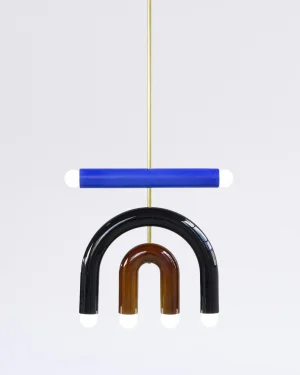
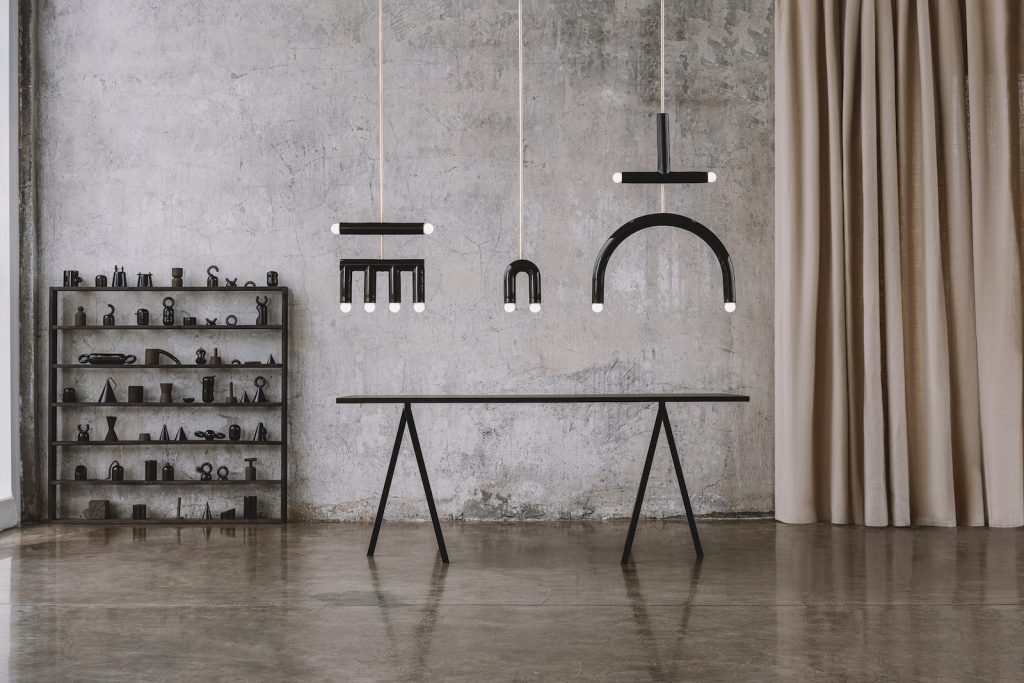
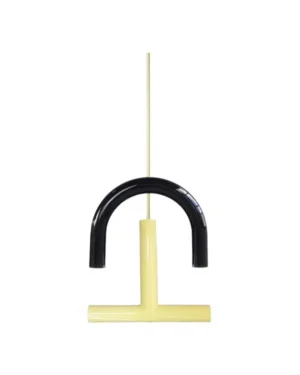
Trn / Model D1 Pendant Lamp in Ceramic
By Pani Jurek STUDIO
€1.080 This product has multiple variants. The options may be chosen on the product page -

Trn / Model D2 Pendant Lamp in Ceramic
By Pani Jurek STUDIO
€1.080 This product has multiple variants. The options may be chosen on the product page -

Trn / Model E1 Pendant Lamp in Ceramic
By Pani Jurek STUDIO
€1.430 This product has multiple variants. The options may be chosen on the product page -
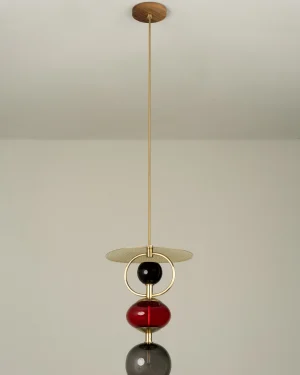
Vitrea Pendant Lamp in Glass and Brass
By Isabel Moncada
€3.802 This product has multiple variants. The options may be chosen on the product page -

Trn / Model A1 Pendant Lamp in Ceramic
By Pani Jurek STUDIO
€470 This product has multiple variants. The options may be chosen on the product page -

Trn / Model C2 Pendant Lamp in Ceramic
By Pani Jurek STUDIO
€880 This product has multiple variants. The options may be chosen on the product page -
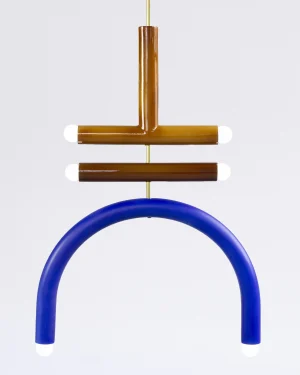
Trn / Model F2 Pendant Lamp in Ceramic
By Pani Jurek STUDIO
€1.600 This product has multiple variants. The options may be chosen on the product page -
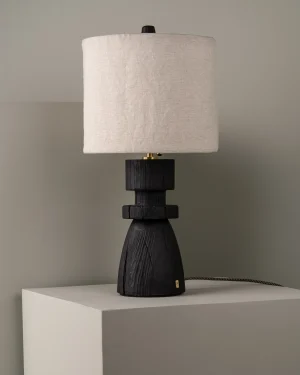
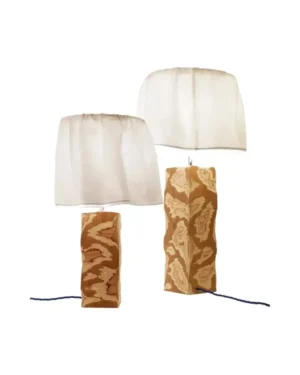
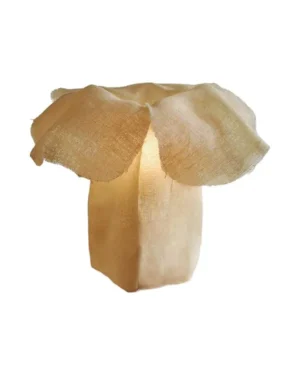
Mezquite Table Lamp in Burned Pinewood and Natural Linen
By Isabel Moncada
€2.925 -
 In stock
Y30 Ceiling Lamp in Blown Glass and Brass
By Clara Viladecans
€786 This product has multiple variants. The options may be chosen on the product page -
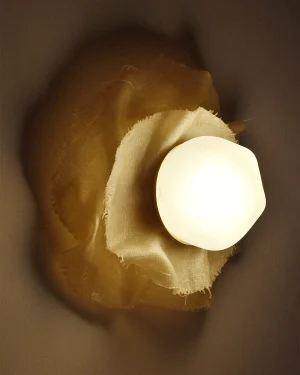
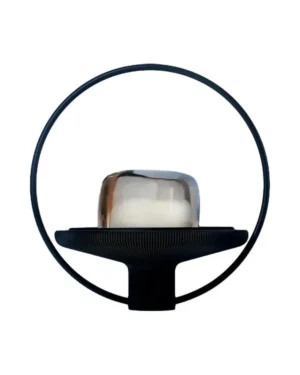
Liora II Wall Sconce in Glass, Brass and Fabric
By Atelier Alz
€350 -

Trn / Model C1 Pendant Lamp in Ceramic
By Pani Jurek STUDIO
€880 This product has multiple variants. The options may be chosen on the product page -
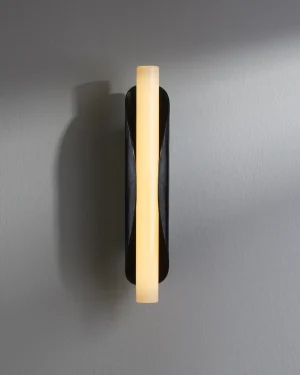
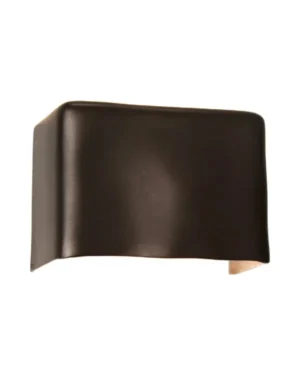
Taco De Luz Wall Sconce in Black Patinated Brass
By Studio Aristotelis Barakos
€980 -

Trn / Model B3 Pendant Lamp in Ceramic
By Pani Jurek STUDIO
€625 This product has multiple variants. The options may be chosen on the product page -
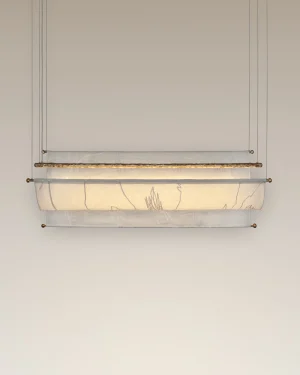
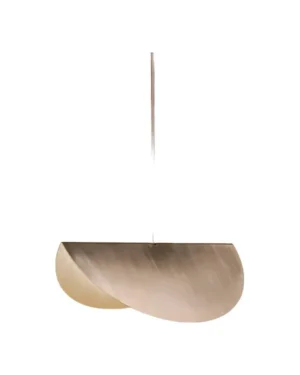
Aria Pendant Lamp In Brass
By Stem
€4.150 -
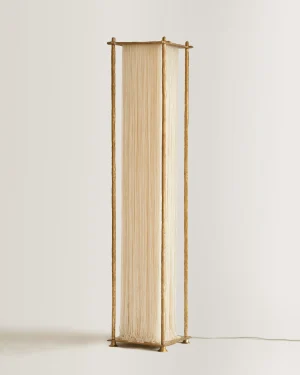
Ito Floor Lamp In Brass And Cotton Thread
By Stem
€6.050 -
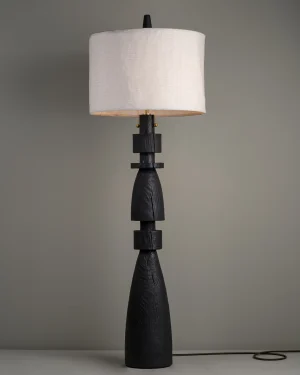
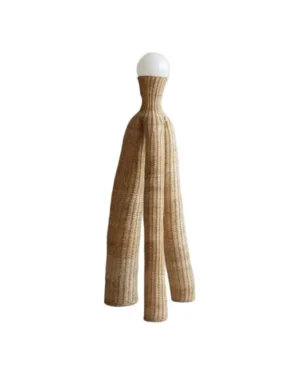
Mezquite Floor Lamp in Pinewood, Linen and Brass
By Isabel Moncada
€4.095 -
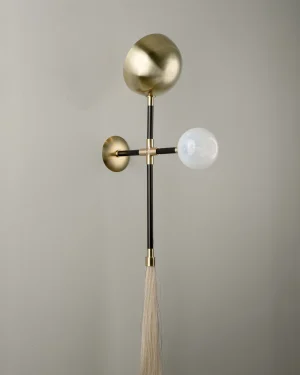
Gogo Wall Sconce in Brass, Blown Glass and Natural Fibers
By Isabel Moncada
€2.880 - €4.036 This product has multiple variants. The options may be chosen on the product page -
 In stock
Ines Ceiling Lamp in Blown Glass And Brass
By Clara Viladecans
€550 This product has multiple variants. The options may be chosen on the product page -

Falcon Floor Lamp in Brass and Oak Wood
By Nathan Chintala
€2.105 -
 In stock
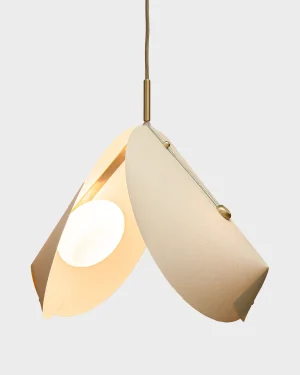
Concha Model 03 Pendant Lamp in Brass and Blown Glass
By MESEME by Riya Panchal
€434 This product has multiple variants. The options may be chosen on the product page -
 In stock
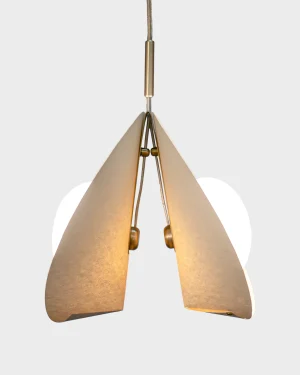
Concha Model 01 Pendant Lamp in Paper, Metals and Glass
By MESEME by Riya Panchal
€375 This product has multiple variants. The options may be chosen on the product page -
 In stock
Asea No. 7 Wall Sconce in Stoneware and Brass
By Ceren Gürkan
€900 -
 In stock
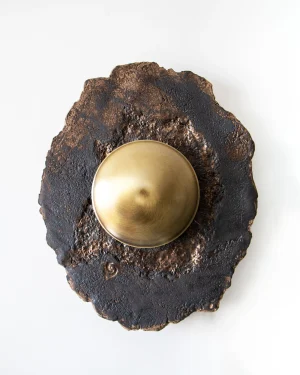
Asea No. 10 Wall Sconce in Stoneware and Brass
By Ceren Gürkan
€900 -
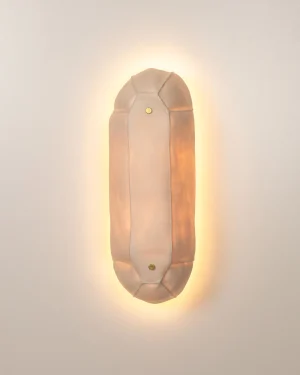
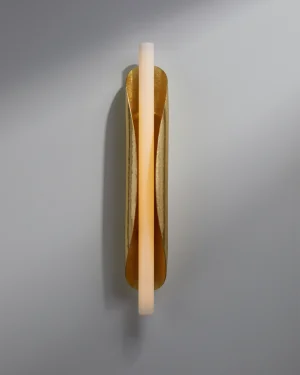
Kawa Series 01 Wall Sconce in Porcelain and Brass
By Luft Tanaka Studio
€1.600 -
 In stock
Taco De Luz 50cm Wall Sconce in Satin Brass
By Studio Aristotelis Barakos
€1.250 -

Soft Ply Wall Sconce in Birch Wood and Brass
By Sheyang Li
€264 -
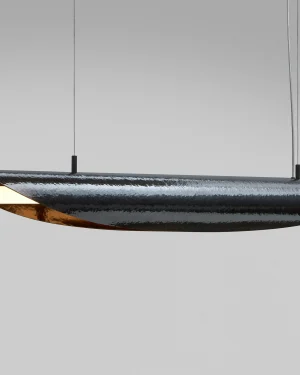
Taco De Luz Black Patinated Brass Pendant Lamp in Brass
By Studio Aristotelis Barakos
€5.900 -
 In stock
Pivot Table Lamp In Aluminum And Brass
By Stem
€1.155 - €1.700 This product has multiple variants. The options may be chosen on the product page -
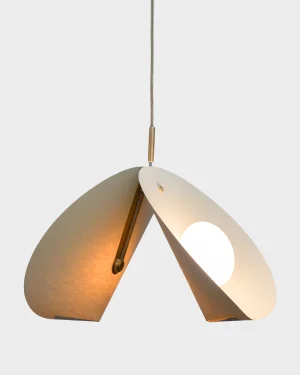
Concha Model 02 (Medium) Pendant Lamp in Paper and Brass
By MESEME by Riya Panchal
€434 This product has multiple variants. The options may be chosen on the product page -
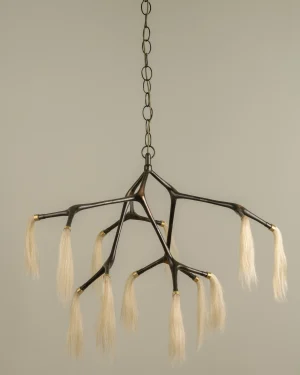
Maratus Horsehair Chandelier in Bronze
By Isabel Moncada
€33.345 -

Florance I Ceiling Lamp in Brass, Glass and Fabric
By Atelier Alz
€575 -
 In stock
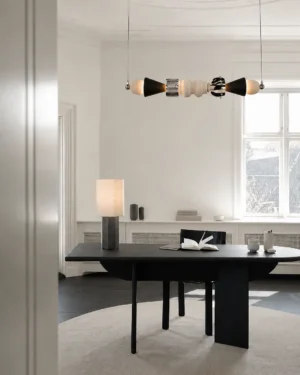
Hero Lamp Floor Lamp In Stainless Steel And Acrylic
By Panorammma Atelier
€4.250 This product has multiple variants. The options may be chosen on the product page -
 In stock
Arinna Pendant Lamp In Oak, Stone And Brass
By MARAU
€15.000 -

Object 018 Pendant Lamp in Brass and Acrylic
By Naama Hofman
€2.100 -

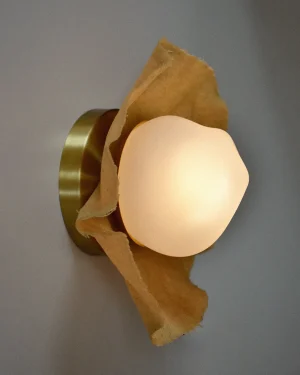
Biiit 010 Wall Sconce in Paper and Brass
By Bo Ah Kim
€1.400 -
 In stock
Liora I Wall Sconce in Glass and Brass
By Atelier Alz
€350 -

Large Wall Sconce in Blown Glass and Brass
By Naama Hofman
€850 This product has multiple variants. The options may be chosen on the product page -
 In stock
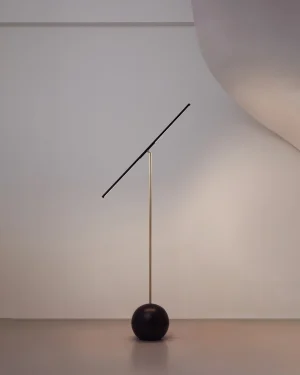
T-Lamp Floor Lamp in Aluminum, Brass and Oak Wood
By HEAKO
€3.850 -

Small Wall Sconce in Blown Glass and Brass
By Naama Hofman
€700 This product has multiple variants. The options may be chosen on the product page -
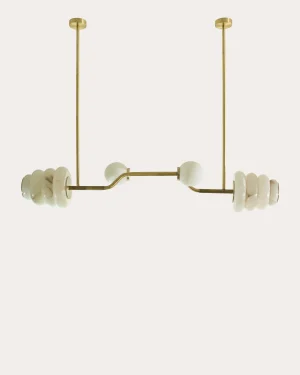
Barbell Chandelier in Brass
By Nama Home
€5.710 -
 In stock
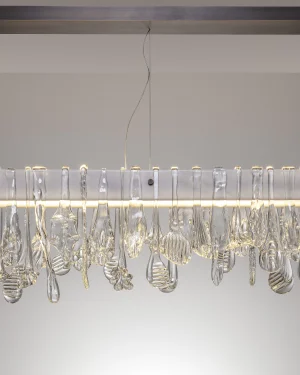
Pingente Pendant Lamp
By Carol Gay
€8.000 -
 In stock
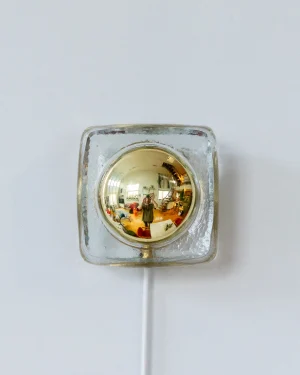
Starburst Wall Sconce in Brass and Blown Glass
By Voidfill Studio
€1.635 -
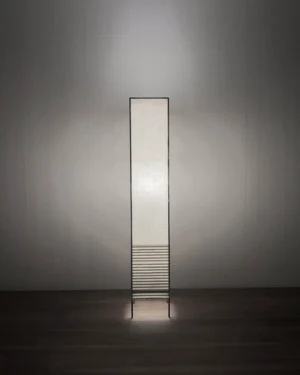
Biiit 003 Floor Lamp in Paper and Brass
By Bo Ah Kim
€1.900 -

GP032 Chandelier in Brass and Blown Glass
By Naama Hofman
€6.500 -

Dyptich Wall Sconce in Brass and Recycled Plastic
By SIGNATURE OBJECTS
€1.800 -
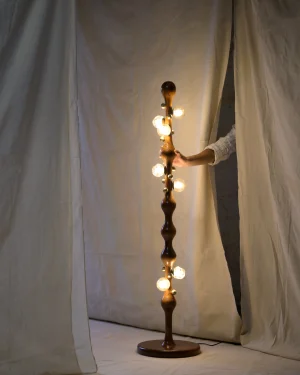
Stem – Teak Wood / Brass Floor Lamp
By Studio Indigene
€2.100 -
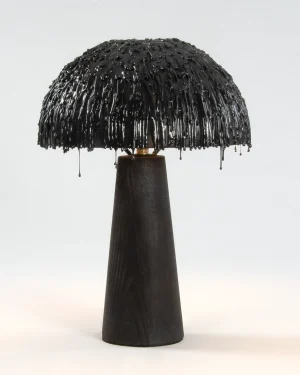
Leaky Lamp I Table Lamp in Ash Wood and Bioplastic
By Pablo Ejarque-González
€1.050 -
 In stock
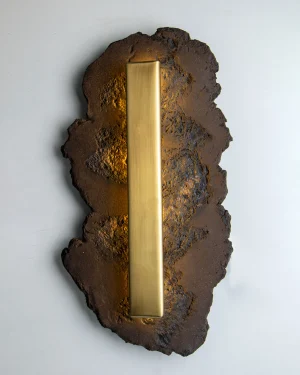
Asea No. 3 Wall Sconce in Stoneware and Brass
By Ceren Gürkan
€900 -
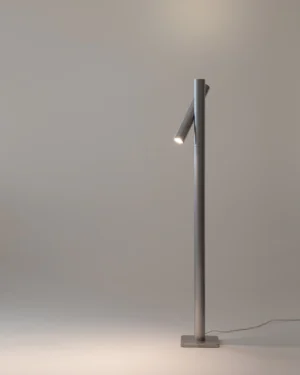
Pivot Floor Lamp In Brass And Aluminum
By Stem
€2.750 - €4.150 This product has multiple variants. The options may be chosen on the product page -

Galaxy Table Lamp in Parota Wood and Brass
By Isabel Moncada
€2.925 -
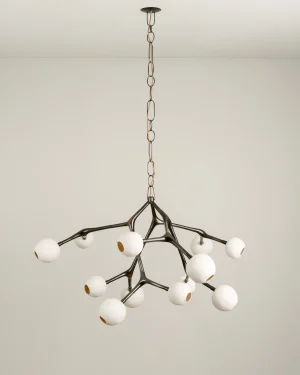
Maratus Chandelier in Bronze and Glass
By Isabel Moncada
€31.005 - €35.655 This product has multiple variants. The options may be chosen on the product page -

Object 019 Pendant Lamp in Brass and Acrylic
By Naama Hofman
€1.850 -
 In stock
Biiit 002 Table Lamp In Paper And Brass
By Bo Ah Kim
€1.500 -
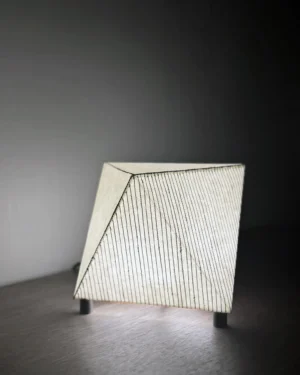
Biiit 007 Table Lamp In Paper And Brass
By Bo Ah Kim
€1.000
Brass lighting on ADORNO comes from studios working in cast and folded metal, each piece built around a copper-and-zinc alloy that takes a warm, gold-toned finish unlike any other metal used in lamp making. Some makers cast the metal into solid forms, others fold or spin sheet brass into shades and bodies, and a few combine brass with glass, ceramic or steel for contrast. What they share is a material that reflects light rather than absorbing it, so even a small fixture reads as a presence in a room.
What brass brings to a lamp or fixture
Brass is denser than aluminum and sits more solidly on a table or the end of an arm, which is part of why designers reach for it in sconces and task lamps as well as pendants. Unfinished, it starts bright and gradually darkens and spots as it meets air and skin oils, a process called patination that many studios encourage rather than resist. Lacquered or sealed brass keeps its original shine indefinitely, so the choice between the two finishes is really a choice about whether you want the metal's history to show.
The range of finishes, techniques and editions
Across the brass pieces on ADORNO, the metal itself varies before any shade or diffuser is added. You'll find:
- Polished brass, kept bright with lacquer, next to raw or aged brass left to darken on its own
- Cast forms, heavier and more sculptural, alongside folded or spun sheet brass, lighter and more linear
- Brass worked alone, and brass paired with blown glass, ceramic shades or steel armatures
- Open editions produced in ongoing runs, limited editions in fixed numbers, and unique pieces made as one-offs
Styles move from Art Deco fixtures with fluted or faceted brass to Bauhaus-influenced pieces built on plain geometry, with Mid-Century Modern, Minimalist and Contemporary readings in between. Anyone drawn to the category's other working materials can compare approaches on metal lighting more broadly or set metal against fired clay on ceramic lighting.
How to choose a brass lamp or fixture
Scale matters more with brass than with most materials, because a dense metal body reads as heavier than its actual size. A slim brass sconce can sit close to a doorway without crowding it, while a wide pendant in solid cast brass wants a room with enough ceiling height and floor space to hold its weight visually. Work out mounting height and reach before choosing a shade, since brass fixtures are often adjustable at the arm or cord but fixed in every other dimension.
Finish should follow use as much as taste. Lacquered brass near a kitchen or bathroom sink will stay bright with a wipe down, while raw brass left in a well-used spot will show handling marks and darken unevenly, which some owners want and others don't. If you're set on a particular format, the category narrows further into brass lamps, brass wall lamps and brass pendant lamps, each suited to a different kind of room and reach.
Where brass lighting earns its place
Brass carries warmth into rooms that get hard, cool light from windows or overhead bulbs, which is why it turns up often in living room lighting as well as in studies, hallways and dining areas lit at a lower, more even level. A single brass pendant over a table anchors the room around it in a way that a plain bulb cannot. Paired with dark wood, stone or deep paint colors, the metal's gold tone stands out; against pale walls it sits more quietly and lets the form of the fixture do the work.
Caring for brass over time
Dust brass regularly with a dry or barely damp cloth to avoid gritty buildup that can scratch the surface. Lacquered pieces need little beyond that, since the sealant keeps air and moisture off the metal underneath. Unsealed brass can be polished back to brightness with a dedicated brass cleaner if you prefer the original shine, or left alone if you'd rather let it darken on its own schedule. To compare brass against other metals before deciding, the full range of brass pieces on ADORNO sits alongside the wider lighting offering.
How do I choose the right brass light fixture?
Start with how the brass is finished: polished surfaces throw sharper reflections, while brushed or patinated ones soften the light. Match that finish, and the fixture's shape, to the mood the room already has.
Does brass lighting tarnish or need special care?
Unlacquered brass darkens and spots over time as it reacts with air and touch, which most owners consider part of its character. A light wipe with a soft cloth keeps dust off; lacquered pieces need no more than that.
What size or height should a brass pendant or lamp be?
Height depends on the fixture and the room it hangs or stands in, so proportions vary piece to piece. For specifics on a particular light, the maker can confirm it with Chat with the maker on the piece's page.
Which rooms suit brass lighting best?
Brass reflects warm, low light well, so it reads naturally in living rooms, dining areas and entryways where a fixture is seen as much as used. In bathrooms or kitchens, check the finish is suited to moisture and heat.
Can I get a brass light made to custom dimensions or finish?
Some studios take custom requests, others work only in fixed runs. Ask through Chat with the maker on the piece's page to find out what that particular studio can do.
How does shipping, returns and authenticity work on ADORNO?
Shipping is insured and sent worldwide. Returns are accepted within 14 days, excluding made-to-order pieces, and every piece arrives with a certificate of authenticity, backed by a lowest-price guarantee.