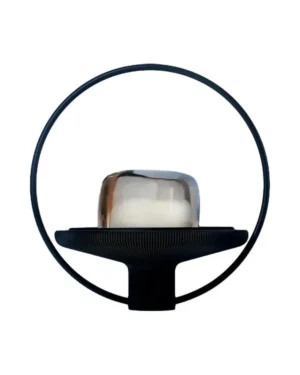
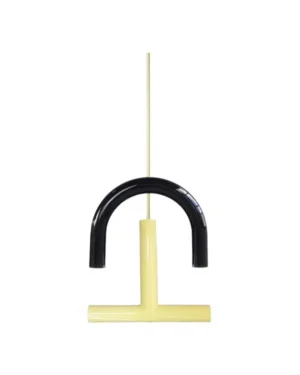
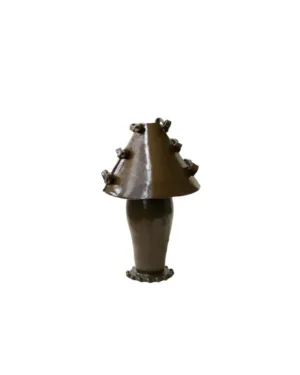
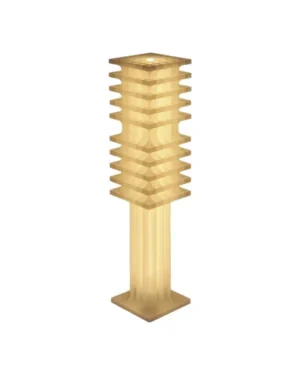


-
 In stock
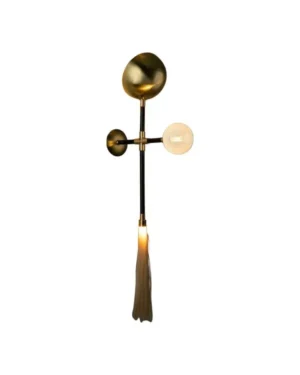
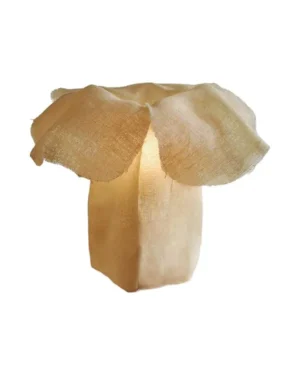
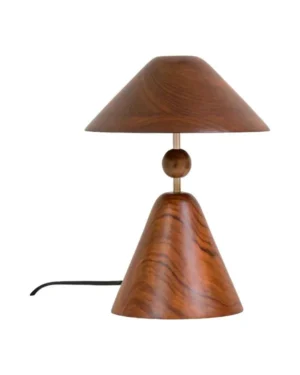
Object 05 Table Lamp in Nylon and Sand
By Hot Wire Extensions
€935 -
 In stock
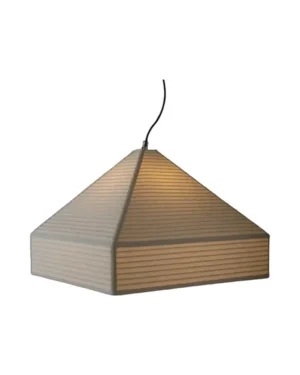
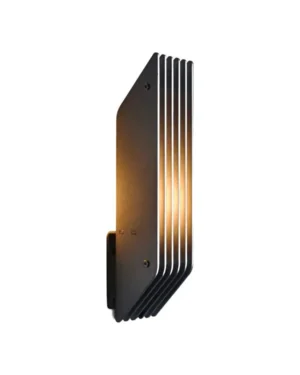
Object 09 Sconce in Nylon and Sand
By Hot Wire Extensions
€935 - €1.145 -
 In stock
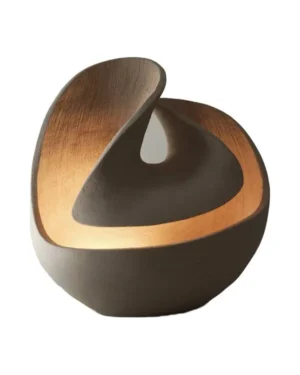
Object 12 Sconce in Nylon and Sand
By Hot Wire Extensions
€1.145 - €1.355 -
 In stock
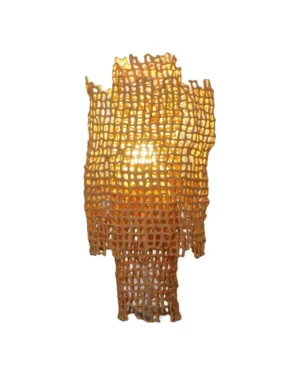
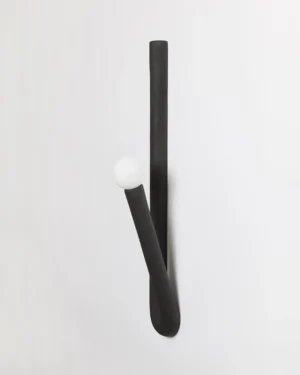
Object 02 Sconce in Nylon and Sand
By Hot Wire Extensions
€1.460 -
 In stock
Object 04 Sconce in Nylon and Sand
By Hot Wire Extensions
€1.208 -
 In stock
Pa Lamp
By BuRRo
€62 -
 In stock
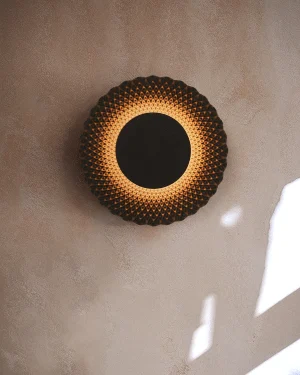
Sun Vxs 06 — Sculptural Wall Lamp In 3d-printed Sand
By Rollo Studio
€1.080 -
 In stock
Pe Lamp
By BuRRo
€62 -
 In stock
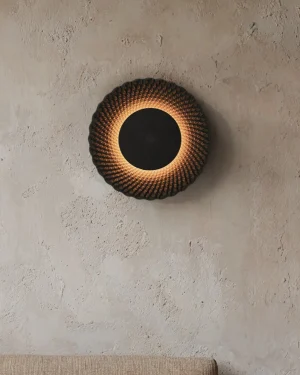
Sun Vxs 05 — Sculptural Wall Lamp In 3d-printed Sand
By Rollo Studio
€1.080 -

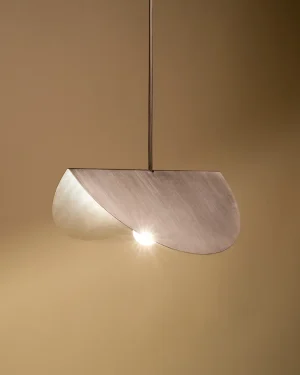
Eclipse Pendant Light
By Rollo Studio
€2.400 -
 In stock
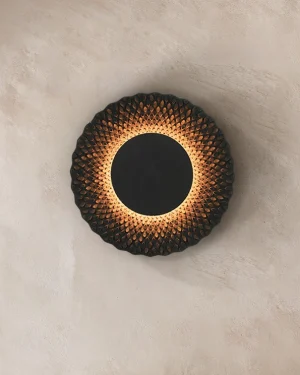
Sun Vxs 08 — Sculptural Wall Lamp In 3d-printed Sand
By Rollo Studio
€1.080 -
 In stock
Sun Vxs.04 – Contemporary Wall Lamp In Textured Quartz Sand
By Rollo Studio
€1.280 -
 In stock
Sun Vxs 02 — Natural Sand Wall Lamp With Soft Ambient Glow
By Rollo Studio
€980 -
 In stock
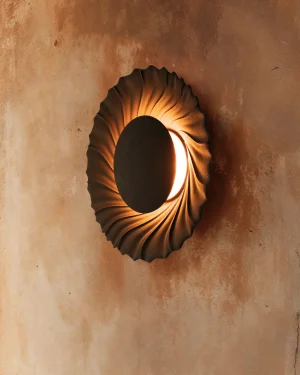
Sun Vxs 01 — Organic Sand Wall Light By Rollo Studio
By Rollo Studio
€880 -
 In stock
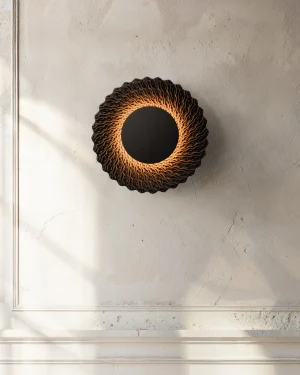
Sun Vxs 03 — Sculptural Wall Lamp In 3d-printed Sand
By Rollo Studio
€1.080 -
 In stock
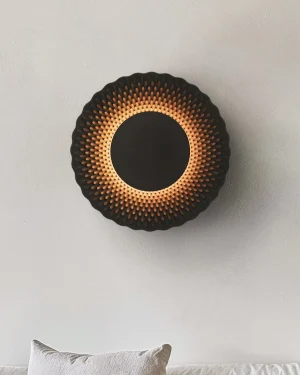
Sun Vxs 07 — Sculptural Wall Lamp In 3d-printed Sand
By Rollo Studio
€1.080 -
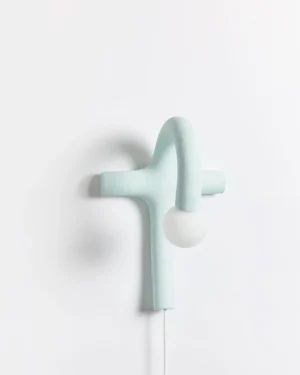 In stock
“Object 06” Wall Lamp from the “Hotel” Collection
By Hot Wire Extensions
€1.208 -
 In stock
“Object 10” Wall Lamp from the “Native” Collection
By Hot Wire Extensions
€1.145 -

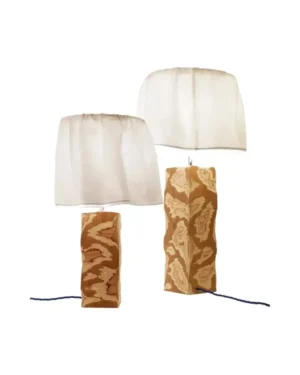
Nascar Table Lamp in Quartz Sand
By Jacob Mathias Egeberg
€2.200 -
 In stock
“Random Light”
By Hot Wire Extensions
€1.250 -
 In stock
“Object 03” Lamp from the “Basic Knot Variations” Collection
By Hot Wire Extensions
€935 -
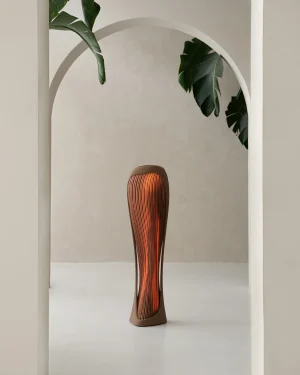 Sold
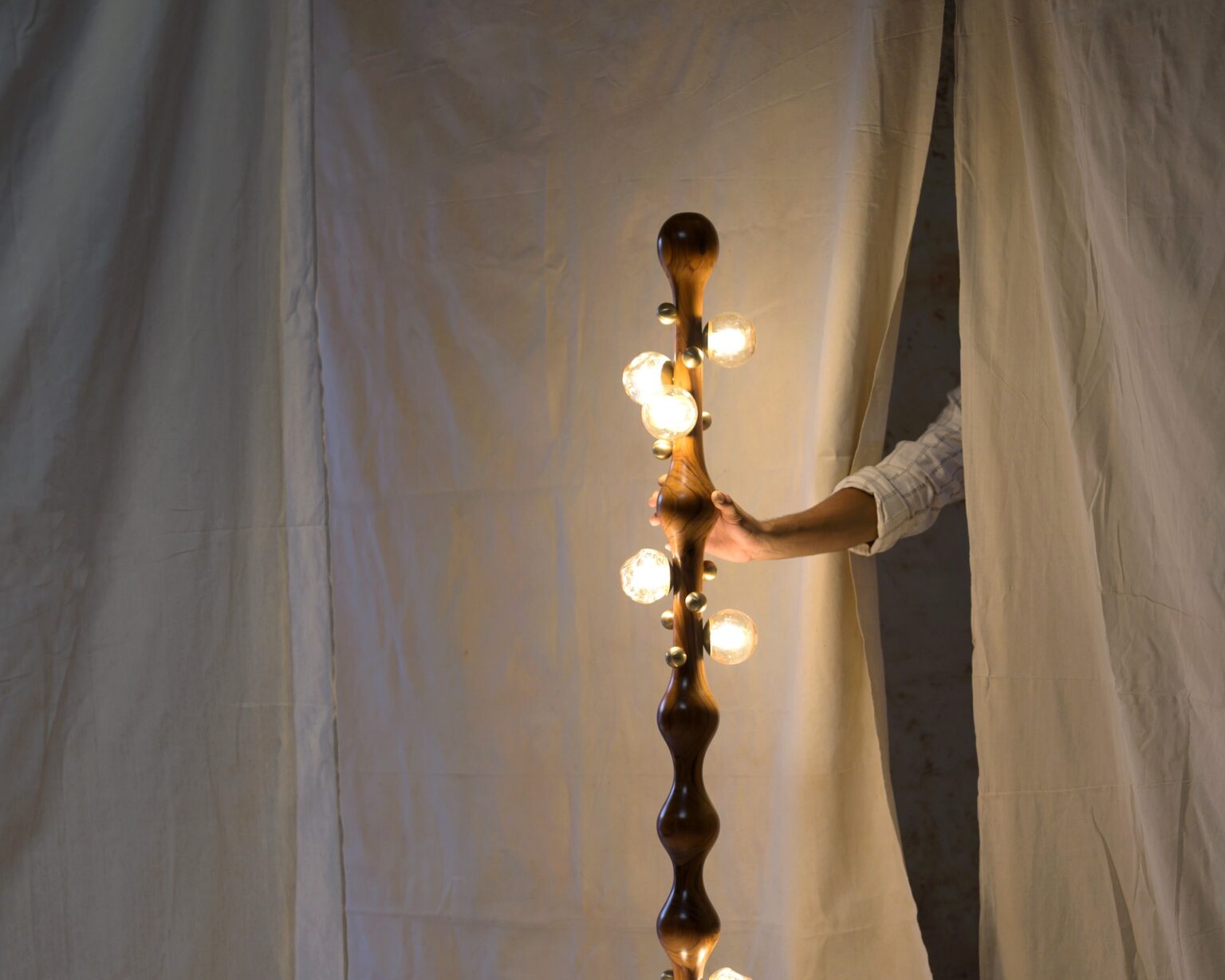
Barchan Dune Floor Lamp
By Rollo Studio
€4.300 -
 In stock
“Object 08” Wall Lamp from the “Native” Collection
By Hot Wire Extensions
€1.995 -
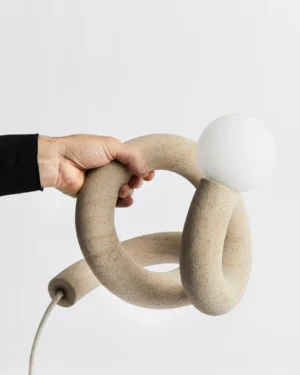 In stock
“Object 04” Lamp from the “Basic Knot Variations” Collection
By Hot Wire Extensions
€1.040 -
 In stock
“Object 01” Lamp from the “Basic Knot Variations” Collection
By Hot Wire Extensions
€935 -
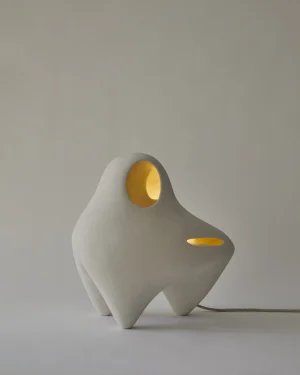 In stock
Nomad II:03 Table Lamp in White Stoneware
By SK - Sofia Karnukaeva
€2.480 -
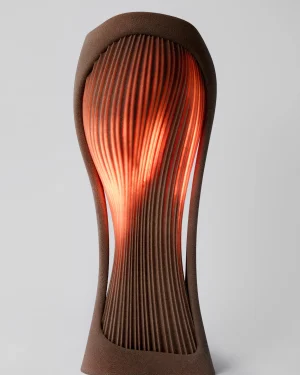 Sold
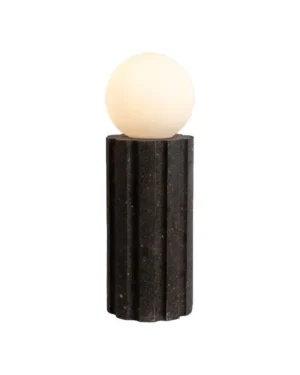
Dome Dune Table Lamp in Sand
By Rollo Studio
€500
Sand lighting gathers sconces and table lamps made from one of the oldest building materials on earth, pressed, packed or cast into forms that keep a grainy, matte surface close to the material's raw state. Independent studios work it through sand casting, pouring molten metal into sand molds, and through hand-building, where sand is mixed into clay or resin bodies and shaped by hand before firing or curing. The result sits closer to stone or unglazed ceramic than to polished metal, with a warmth that reads as geological rather than manufactured.
What gives sand its texture
Sand brings tooth to a surface: fine particles catch light unevenly, so a lamp body looks soft under direct sun and deeper in shade. Pieces made this way rarely show a hard edge; the casting process leaves slight pitting and variation from one surface to the next, which studios treat as part of the finish rather than a flaw to sand away. Related materials such as sandstone and stoneware carry a similar language, dense, slightly porous, cool to the touch until a lamp has been lit for a while.
Materials, finishes and the way pieces are made
- Sand and sandstone, cast or carved into bases and shades with a dry, mineral surface
- Clay and stoneware, hand-built and glazed where a studio wants a harder, more reflective skin
- Resin and recycled material, sometimes combined with sand for weight and texture without the cost of stone
- Nylon and polypropylene, used in 3D printing and digital fabrication for lighter, more geometric shades
Color stays close to the ground: sand, ivory and charcoal dominate, with black, dusty pink or aqua appearing as glazes over a stoneware or resin body. Styles range from contemporary and minimalist forms with few seams, to boho chic and brutalist pieces that leave the casting marks visible, through to futuristic shapes built on a 3D printer. Editions vary too: some studios work in open editions, repeating a mold or digital file; others produce unique pieces or limited runs where no two lamps carry quite the same surface. For the full spread of forms in this material, every sand piece on ADORNO is gathered by material rather than by type of lamp.
Choosing a sand lamp or sconce
Scale matters more with sand pieces than with lighter materials, since cast or hand-built forms carry real weight and read as objects even when unlit. A table lamp in sand or stoneware anchors a console or nightstand and should sit comfortably within the surface, neither perched at the edge nor dwarfing what is around it. Wall sconces in the same material ask for a wall that can take their weight and a socket positioned where the shade's shadow falls where you want it, not into a sightline. Finish is worth testing in the room's own light: a matte sand surface changes mood between morning and evening in a way a glazed or polished one will not.
Where it sits in the home
Sand lighting suits rooms where texture is allowed to do the work instead of color: a living room lit by a single sculptural table lamp, a hallway given depth by a sconce's shadow, a bedroom where a low, heavy base reads as furniture as much as fixture. It pairs easily with stone, linen and timber, and holds its own against the glazed ceramics and recycled materials found elsewhere in lighting on ADORNO. Those drawn to pared-back rooms often find it alongside minimalist lighting or contemporary lighting, since the material needs little else around it to carry a room.
Living with sand-cast and hand-built surfaces
Unglazed sand and stoneware are porous, so keep these pieces away from damp or direct splashes and wipe them with a dry or barely damp cloth rather than soaking them. Dust settles into the texture more than it would on a smooth lamp, so a soft brush works better than a cloth for sconces mounted above reach. Glazed surfaces are more forgiving and can be cleaned as any ceramic would be, but avoid abrasive cleaners that would dull the glaze's depth over time.
How do I choose a sand lighting piece?
Let the room guide it: a table lamp for close, warm light on a surface, a sconce for ambient wall light that leaves floors and tables free. Match the surface, matte and mineral, to the other textures nearby.
How do you care for sand lighting?
Dust with a dry or barely damp cloth and keep cast or hand-built surfaces away from harsh cleaners, which can wear the grainy finish. Keep resin or recycled-material pieces out of direct sun to prevent fading.
What sizes do sand lamps and sconces come in?
Table lamps generally sit low enough to light a surface without blocking sightlines, while sconces are sized to sit flush or near-flush on a wall. The maker can confirm exact dimensions through Chat with the maker on the piece's page.
Which rooms suit sand lighting best?
The matte, earthen surface reads well in living rooms and bedrooms, where its texture softens under low light, and in entryways where a sconce adds warmth without competing with other materials.
Is sand lighting handmade or produced in limited runs?
Many pieces are hand-built or sand cast, which leaves slight surface variation from one to the next, while some are made as unique pieces or in limited editions. The maker can confirm details through Chat with the maker on the piece's page.
What are ADORNO's shipping, returns and authenticity policies?
Shipping is insured and worldwide, with a 14-day return policy excluding made-to-order pieces. Every piece comes with a certificate of authenticity, and ADORNO offers a lowest-price guarantee.