



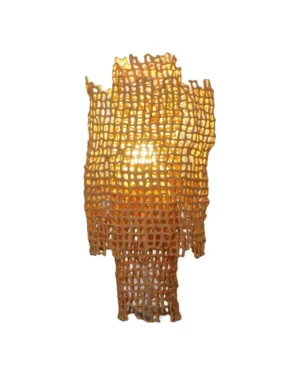

-

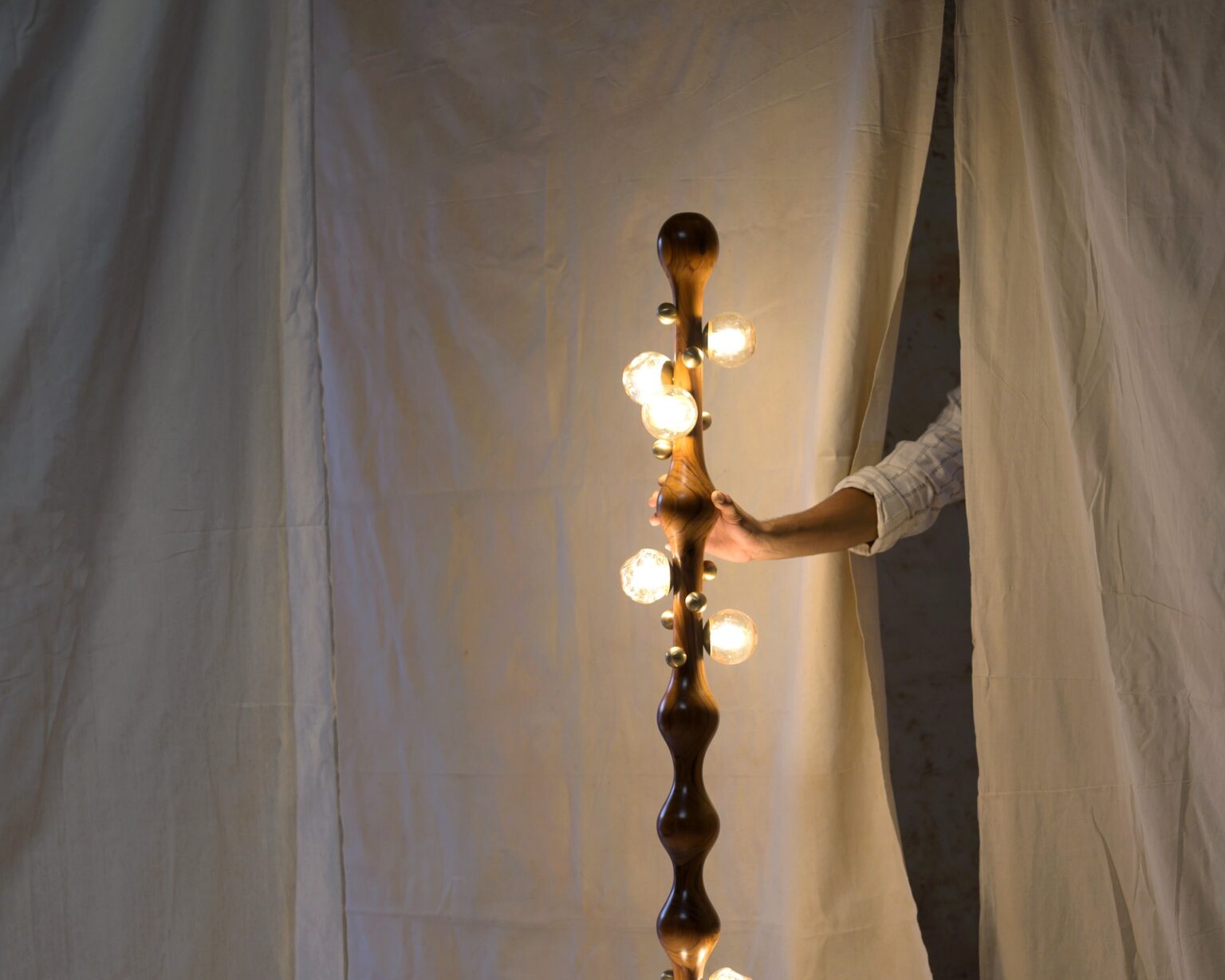
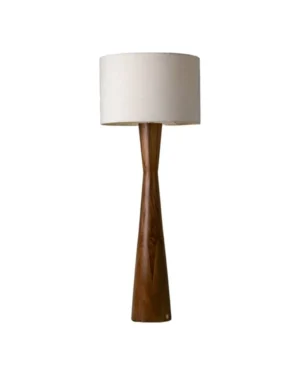
Falcon Floor Lamp in Brass and Oak Wood
By Nathan Chintala
€2.105 -

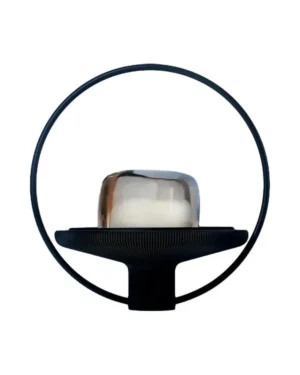
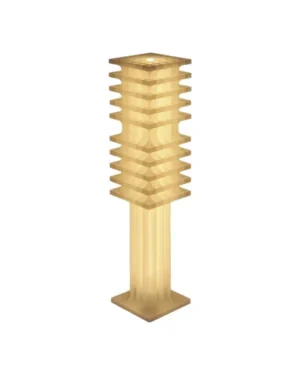
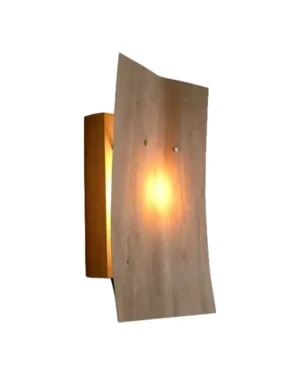
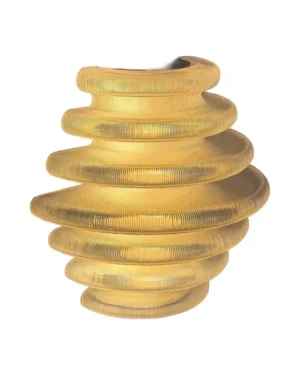
Lightpulse Wall Lamp in Oak Wood and Acrylic
By Studio Lampent
€1.400 -

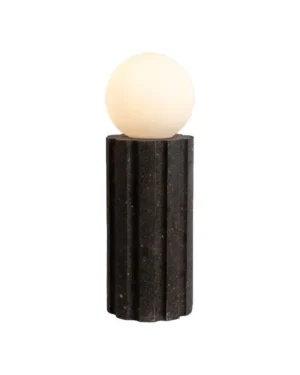
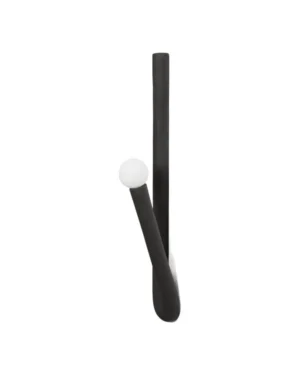
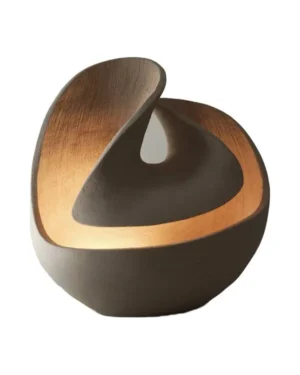
Event Horizon L Wall Sconce in Acrylic Glass
By Catrinel Sabaciag
€1.963 -
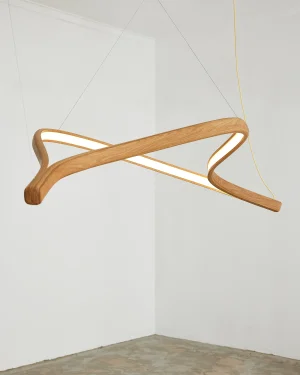
Perola Pendant Lamp in Oak Wood
By Poémia
€8.000 -
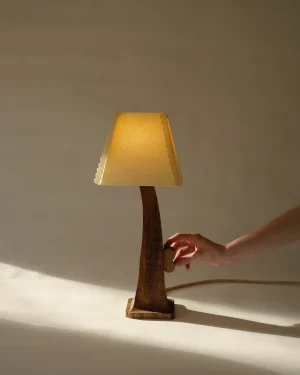
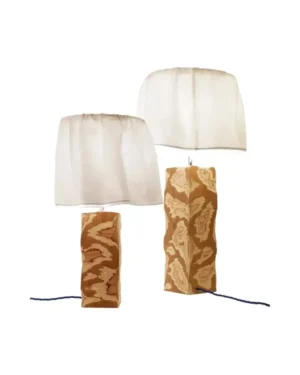
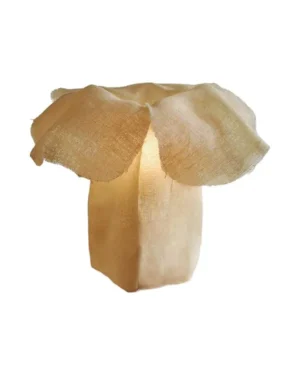
Sprout Table Lamp In Cotton And Natural Oak
By Basia Pruszyńska
€2.000 -

The Flare Wall Sconce in Oak Wood
By COSEINCORSO
€680 -
 In stock
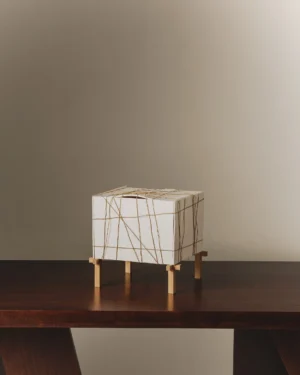
Fardo Table Lamp in Porcelain, Oak Wood and Rope
By Mike Hausmann
€2.800 -
 In stock
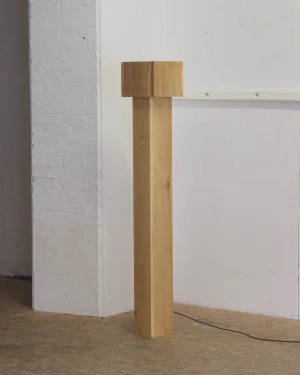
Sensitive Wood Marguerite Floor Lamp In Oak Wood
By Vital Lainé
€2.500 -
 In stock
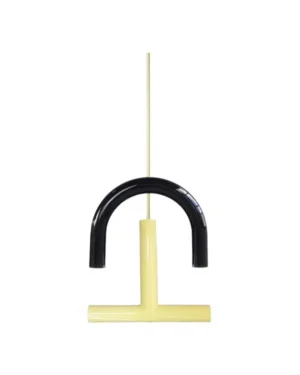
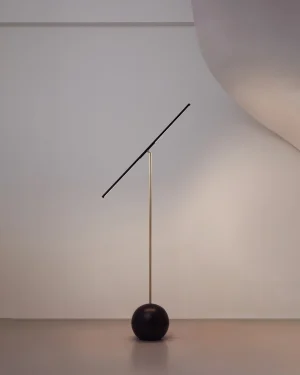
T-Lamp Floor Lamp in Aluminum, Brass and Oak Wood
By HEAKO
€3.850 -

Luna Nova Table Lamp in Oak Wood
By HEIKE BUCHFELDER
€3.294 -
 In stock
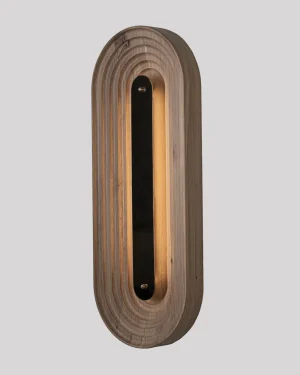
Lampe De Table Gavrinis En Chêne Massif
By Vital Lainé
€1.200 -
 In stock
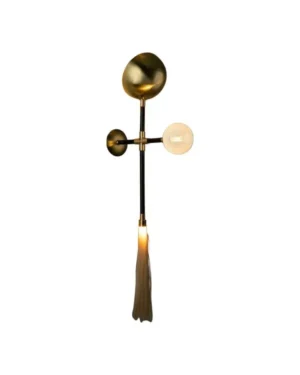
Dromos Medium Wall Lamp in Brass and Oak Wood
By Hasik Design Studio
€2.875 -

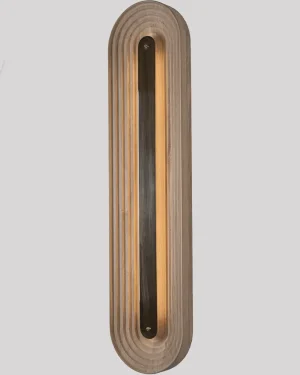
Étendu – Wall Light Sculpture
By Studio Lampent
€2.020 -
 In stock
Dromos Large Wall Lamp in Brass and Oak Wood
By Hasik Design Studio
€3.650 -
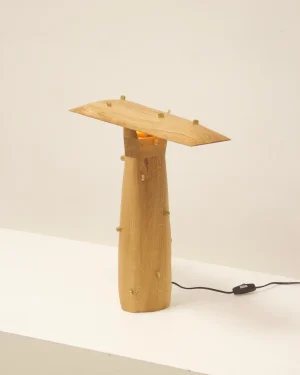 In stock
Présence Table Lamp In Oak And Brass
By Vital Lainé
€1.500 -

Leaky Lamp II Table Lamp in Oak and Glass
By Pablo Ejarque-González
€895 -

Dhaze – Wall Light Sculpture
By Studio Lampent
€2.700 -
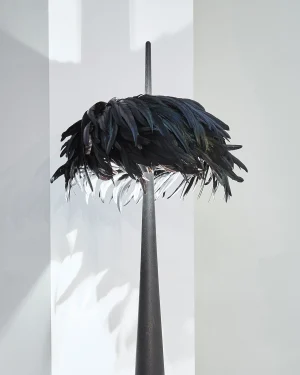
Luna Crescente Floor Lamp in Feathers and Oak Wood
By HEIKE BUCHFELDER
€4.580 -

Horizons
By Studio Lampent
€1.500 -
 In stock
Cumulo Table Lamp in Alabaster and Oak Wood
By Valentine Maurice
€900 -
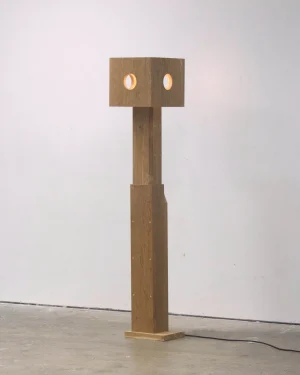 In stock
Sensitive Wood Gavroche Floor Lamp In Brown Oak
By Vital Lainé
€2.500 -
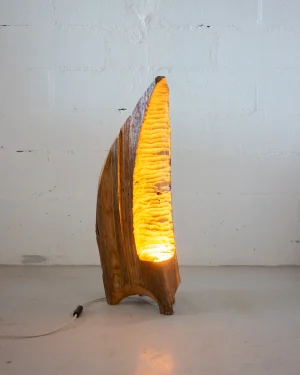 In stock
A Plant From My Garden Floor Lamp in Antique Oak
By Atelier Musset
€2.200 -

Chromolapse – Wall Light Sculpture
By Studio Lampent
€900 -

Cirrus – Wall Light Sculpture
By Studio Lampent
€2.020 -

Marici Table Lamp in Solid Oak
By Brett Paulin
€2.267 -
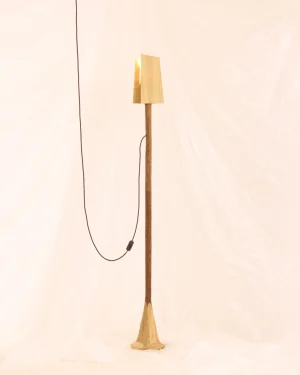 In stock
Envol Floor Lamp In Oak Wood
By Vital Lainé
€1.330 -

Owca Small Table Lamp In Cotton And Oak Wood
By Basia Pruszyńska
Price Upon Request -
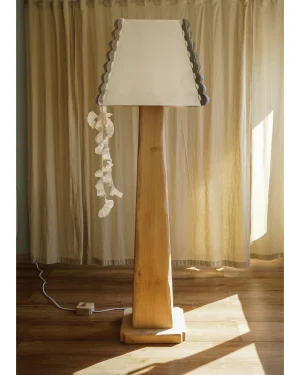
Falbanka Floor Lamp in Aluminum and Oak Wood
By Basia Pruszyńska
Price Upon Request -
 Sold
Puzzle Table Lamp
By Gábor Góbi
€1.390 -
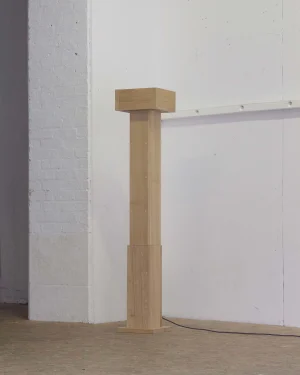 Sold
Sensitive Wood Mazarine Floor Lamp In Oak Wood
By Vital Lainé
€2.500 -

Fence Light – Oak Table Lamp
By Calen Knauf Studio
€275
Oak wood lighting brings together turned posts, joined bases and solid shades shaped from a dense, ring-porous hardwood prized for its strength and visible grain. Studios working in oak pair woodturning and cabinetmaking with brass fittings, cotton shades or glass diffusers, building lamps and fixtures that hold their line and color for decades. The wood's density lets makers cut slender stems and thin bases without the material flexing, cracking or losing its shape under daily use.
What gives oak its look and feel
Oak reads as warm rather than cold, with a grain that runs from tight, straight lines on quartersawn cuts to looser, wavier figuring on flat-sawn boards. Its natural color sits between pale honey and deeper amber, and it darkens slightly where light reaches it over years, so a lamp base or shade ring will shift tone gradually rather than fading. The wood also resists dents and surface knocks better than softer species, which matters on a base that gets bumped or turned by hand.
The range of oak wood lighting on ADORNO
Oak rarely stands alone in a fixture. Studios set it against brass stems, acrylic glass diffusers, cotton or porcelain shades, and sometimes build the whole body from MDF faced with oak veneer where a lighter, more stable core is needed under a turned or carved surface.
- Techniques: wood carving, woodturning, joinery and wood and cabinetmaking, often combined with metalwork for brackets, arms or sockets.
- Styles: contemporary, minimalist, boho chic, eclectic and other, more ornamented directions, depending on how the wood is cut and finished.
- Editions: open editions for everyday pieces, alongside limited editions and unique pieces where a studio works a single trunk or board by hand.
Anyone wanting to see the wood used across other kinds of furniture, not only lighting, can look through oak wood furniture, where the same grain and finishes show up on tables, seating and storage.
How to choose an oak lamp or fixture
Start with scale: a floor lamp needs a base wide enough to counter the height of its stem, while a table lamp should sit in proportion to what it stands on, neither dwarfing a side table nor disappearing against a larger desk. Check the finish next. Oiled or waxed oak keeps an open, matte grain and will need occasional refreshing, while a lacquered or sealed surface resists marking and moisture but mutes the texture slightly.
Placement follows from how the light is used. A reading lamp wants its shade at eye level when seated, a pendant wants enough drop to clear sightlines without crowding a table below it, and a floor lamp works best set back from a walking path rather than in the middle of a room.
Where oak wood lighting fits
The warmth of oak suits rooms built around other wood tones, textiles or stone, rather than rooms kept cool and reflective. It reads well in a living room beside upholstered seating, and just as naturally in a bedroom, where a turned base or carved stem softens a space otherwise dominated by fabric and flat surfaces. For a more pared-back setting, a lamp from the broader run of contemporary lighting shows how oak can carry a plain, unornamented form without looking bare.
Caring for oak wood lighting
Dust oak lighting with a dry or barely damp cloth, and keep it away from direct, sustained moisture, which can raise the grain or cause joints to swell. Oiled finishes benefit from a light reapplication every year or two to keep the surface from drying out; lacquered or sealed pieces need little more than regular dusting. Keep oak lighting out of direct sun for long stretches if an even tone matters, since exposed and shaded areas will darken at different rates over time.
For the full range of pieces in this wood, across lighting and beyond, every oak wood piece on ADORNO sits alongside the wider lighting offering, from floor and table lamps to pendants and wall fixtures in other materials and finishes.
How do I choose an oak wood lamp?
Look at how the oak is cut and paired. Quartersawn wood gives tight, straight grain for a quieter look, while flat-sawn boards and brass or glass fittings add more contrast and texture.
How do you care for oak wood lighting?
Dust with a dry or slightly damp cloth and keep the piece away from direct heat or standing water. Oak darkens gradually with light exposure, so expect gentle shifts in tone rather than fading.
Does oak wood lighting change color over time?
Yes, oak shifts from pale honey toward deeper amber as it is exposed to light, a slow change rather than fading, so a base or shade will look richer after years of daily use.
What size oak lamp suits a side table or floor space?
Sizes vary by base and shade design, so check the dimensions listed on each piece's page or use Chat with the maker to confirm scale before buying.
Which rooms suit oak wood lighting?
Oak's warm tone and density suit living rooms, bedrooms and studies alike, where a turned base or joined shade can sit on a table, floor or shelf without feeling out of place.
Does ADORNO offer shipping, returns and authenticity guarantees?
Shipping is insured and worldwide, with a 14-day return policy excluding made-to-order pieces. Every piece comes with a certificate of authenticity, backed by a lowest-price guarantee.