

-
 In stock
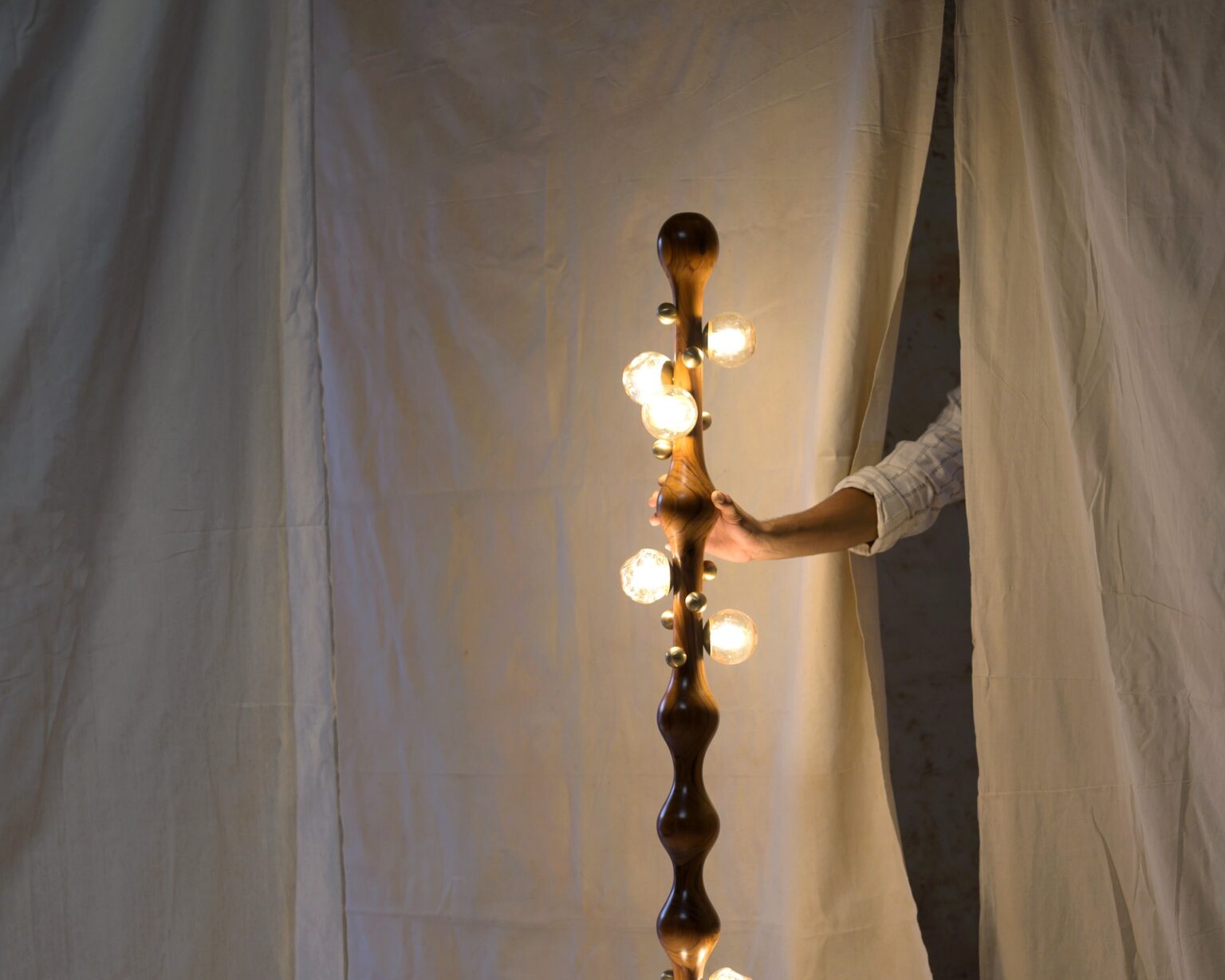
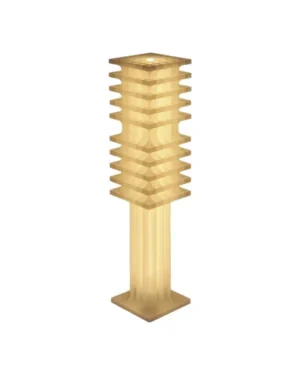
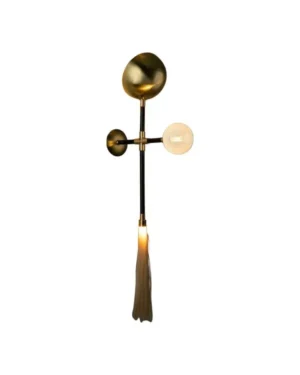
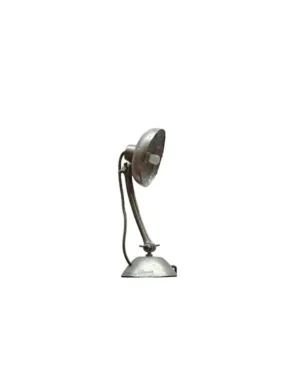
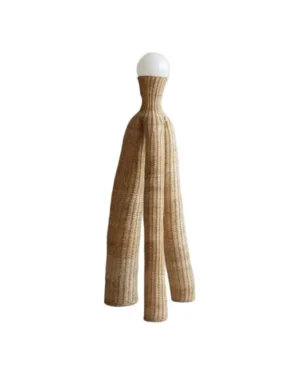
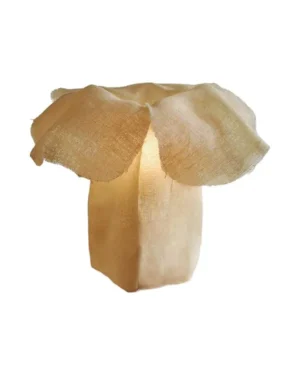
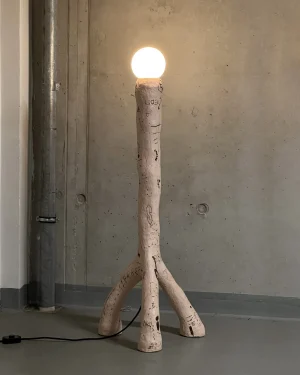
Tattooed Shining Creature Floor Lamp In Paper And Steel
By David Čáp
€1.400 -
 In stock
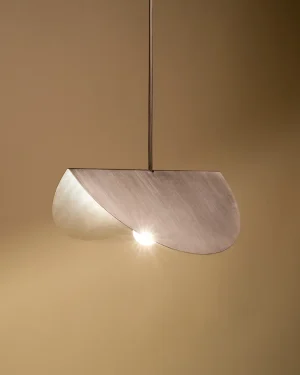
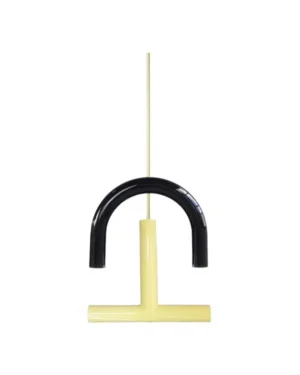
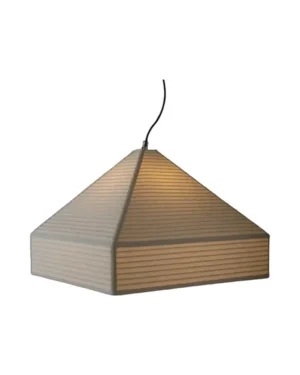
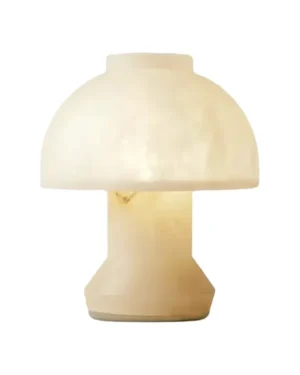
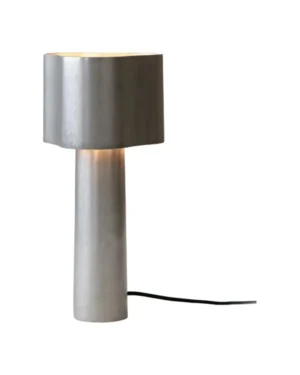
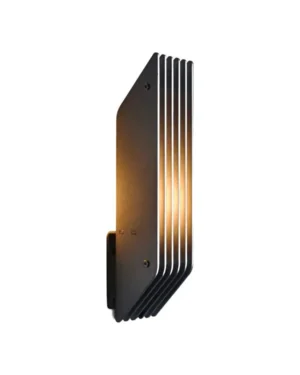
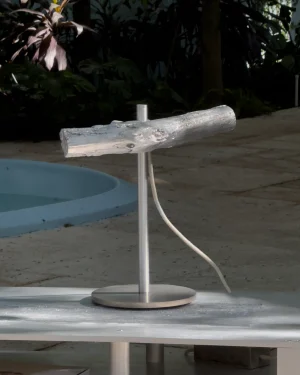
Aluminum Veneer Table Lamp in Cast Aluminum
By Bureau.parso
€1.400 -
 In stock
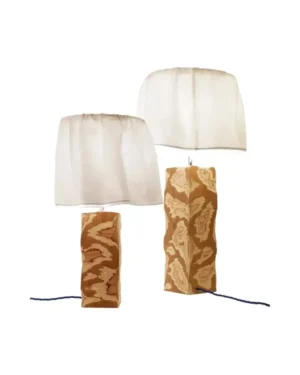
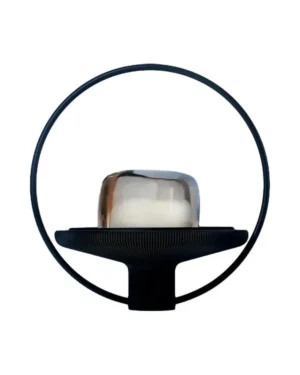
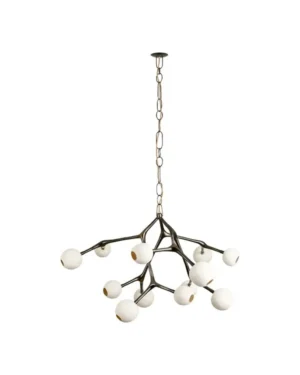
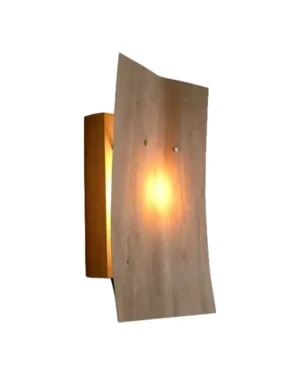
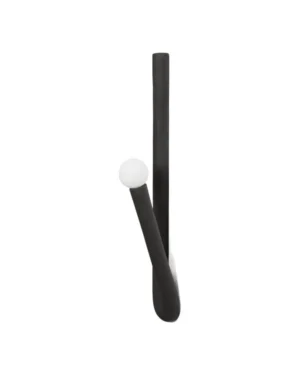
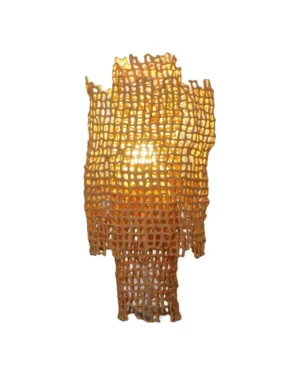
Tenderness Sconce | Large
By Studio Ēeme
€1.300 -
 In stock
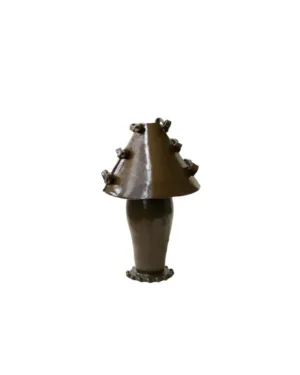
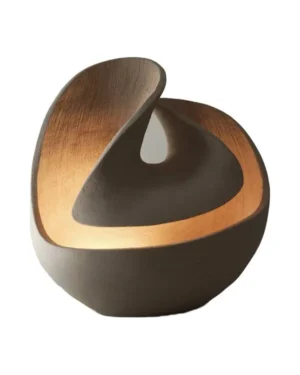
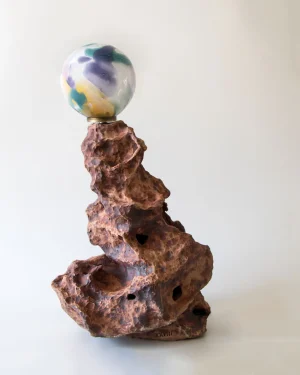
Abyss No. 28 Sculptural Table Lamp In Stoneware
By Ceren Gürkan
€1.400 -
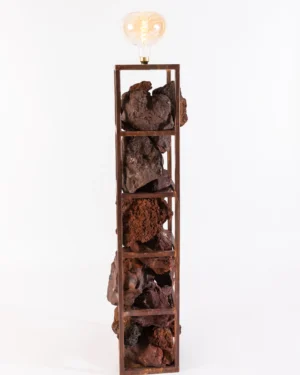
Zm Tezontle Floor Lamp in Metal and Volcanic Stone
By Daniel Orozco Estudio
€2.820 -
 In stock
Peony Floor Lamp In Fiber-cement
By Donatas Žukauskas
€2.450 -
 In stock
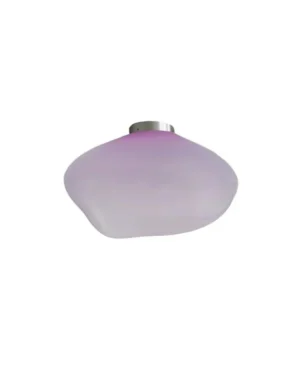
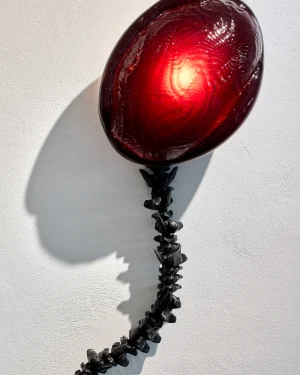
Dysplasio Wall Sconce in Blown Glass
By Anna Jožová
€2.000 - €3.300 -
 In stock
Abyss No. 31 Sculptural Table Lamp In Stoneware
By Ceren Gürkan
€1.400 -
 In stock
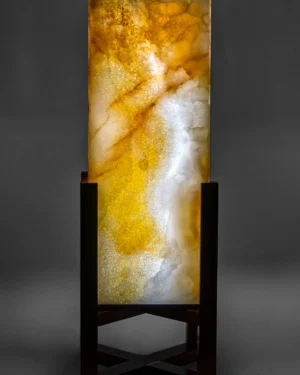
Aurean Light Table Lamp in Onyx and Iroko Wood
By Markos Vasilakis
€3.800 -

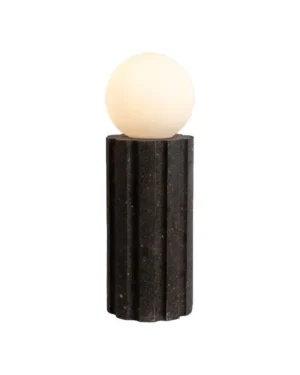
Hemisferio Table Lamp in Bronze and Volcanic Stone
By ANDEAN
€638 -
 In stock
La Cauna Tesa Table Lamp In Concrete
By Pierre Klein
€800
Neolithic lighting brings early human making into the contemporary home: stoneware fired and pierced for a lamp base, volcanic stone carved into a heavy foot, glass blown around a bulb until it cools into an irregular shell. The studios working in this style favor hand-building, stone carving and glassblowing over mold-made uniformity, so each surface keeps the trace of the hand or the breath that shaped it.
What defines neolithic lighting
The forms read as primal rather than polished: thick walls, pitted textures, asymmetries that a factory process would smooth away. Stoneware stays porous and slightly rough even once glazed, volcanic stone carries its natural pockmarks and weight, and blown glass holds air bubbles and uneven thickness that bend light unevenly across a room.
Color follows the earth rather than the paint chart. Gray, bronze, cream, silver, light pink, pink, crimson and off-white recur because they sit close to raw clay, ash, mineral stone and oxidized metal, not because they were chosen to match a palette.
Materials, finishes and techniques behind the range
What is available under every neolithic piece on ADORNO shifts as studios finish pieces and new work replaces what sells, but the making stays within a known set of materials and methods:
- Stoneware and clay, hand-built, then fired and sometimes left unglazed
- Volcanic stone and other dense stone, worked by stone carving into bases and shades
- Blown glass, shaped while hot and still carrying the glassblower's marks
- Bronze and other metals, worked through metal casting, sand casting or metalwork
- Paper pulp, built up with papier-mâché for lightweight, matte forms
Editions vary by piece: some lamps are one-off pieces that cannot be repeated exactly, others are produced as open editions or limited editions in small runs. Where a studio works entirely by hand, no two pieces carry identical surface marks, even within the same edition.
How to choose a piece for scale and placement
Stone and stoneware bases carry real weight, so measure the surface or floor space before choosing one: a heavy base needs a table or plinth that can bear it without looking strained. Height matters as much as footprint. A table lamp should sit low enough that its shade does not interrupt eye line when seated, while a floor piece needs enough clearance above to avoid shadowing a ceiling.
Finish affects how the light reads once switched on. A dense stoneware or stone shade throws a close, contained glow, while blown glass lets light pass through unevenly, so bulb strength and placement near a wall or corner change the effect more than they would with a plain shade.
Where neolithic lighting sits in a room
These pieces suit rooms where texture is already welcome: a living room with linen, wood or stone surfaces, a reading corner, an entryway, or a bedroom where a dimmer glow is wanted rather than even overhead light. Paired with the same earthy register in other furnishings, a stoneware or volcanic stone lamp can anchor a room without competing with it. For the rest of the room, neolithic furniture and neolithic decor carry the same hand-built, carved character.
Caring for stoneware, stone and glass
Unglazed stoneware and volcanic stone are porous, so they stain if liquid sits on the surface and should be dusted rather than scrubbed with harsh cleaners. Blown glass needs only a soft cloth, since abrasive pads will scratch the thin, uneven walls. Bronze and other metal fittings darken with age; a light wax or occasional polish slows this but does not need to stop it, since the patina is part of how the piece ages. For other finishes and forms within the wider range, metal lighting offers a harder-wearing alternative, and the full spread of styles sits under lighting at large.
How do I choose a neolithic lamp?
Start with the material you want to live with: stoneware for a matte, grounded look, volcanic stone for weight and texture, or blown glass for light that scatters unevenly. Let the room's existing surfaces, wood, plaster, stone, guide the choice.
How do I care for stoneware, stone or glass lighting?
Dust stoneware and stone with a dry or barely damp cloth, since raw or unglazed surfaces absorb water and stain. Wipe blown glass with a soft cloth and avoid sudden temperature changes, which can crack it.
What sizes and heights do neolithic lamps come in?
Sizes range from small table lamps to tall floor pieces, since each is shaped by hand rather than molded to a standard. Check the specific piece's page for exact dimensions before ordering.
Which rooms suit neolithic lighting?
The heavy, textured forms sit well in living rooms and bedrooms, where they can anchor a corner or a console. Their rough surfaces also pair naturally with stone, wood or plaster in entryways and dining spaces.
Can I order a custom size, finish or color?
Some studios take custom requests and others do not, since each works to its own process. Use Chat with the maker on the piece's page to ask directly.
Does ADORNO ship internationally and offer returns?
Yes, shipping is insured and worldwide. Pieces can be returned within 14 days, except made-to-order work, and every order includes a certificate of authenticity.