

-

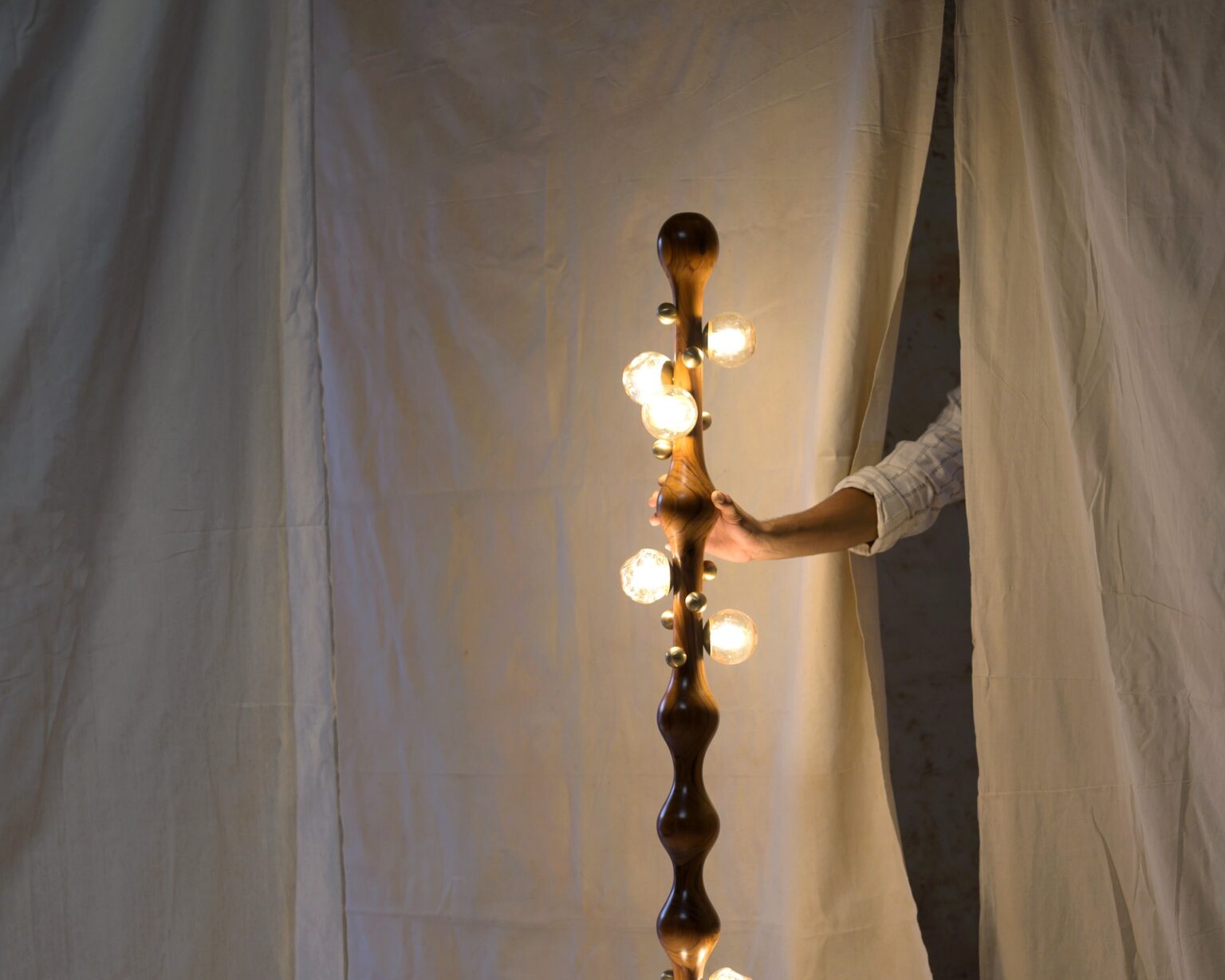
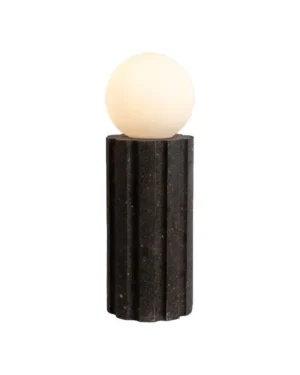
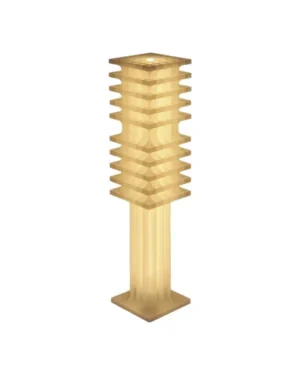
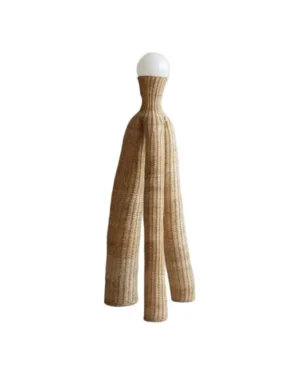
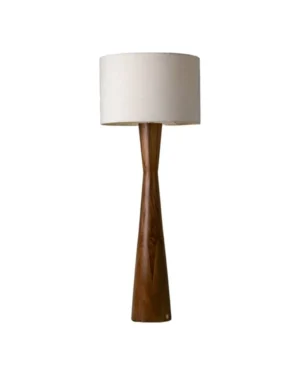
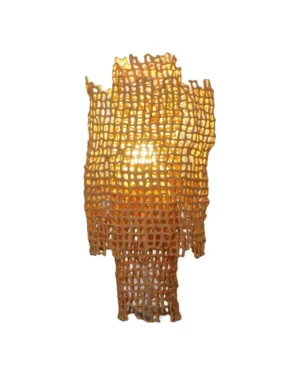
Artefacto Ls 16 Floor Lamp In Woven Wicker Fiber
By LØRDAG & SØNDAG
€1.090 -

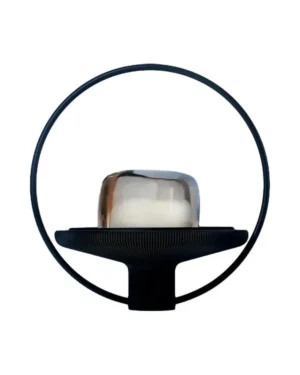
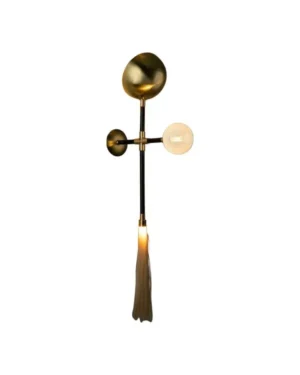
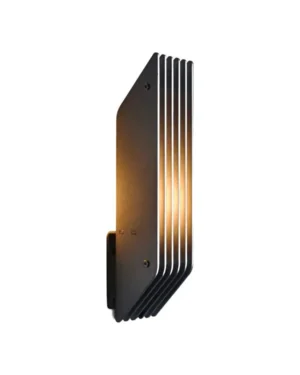
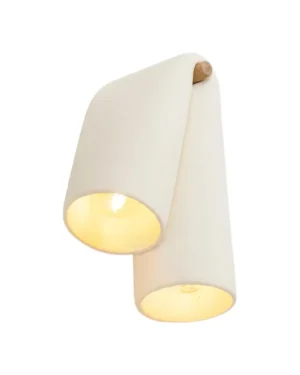
Onda Sconce In Raku White Ceramic
By arrived aliens
€2.200 -

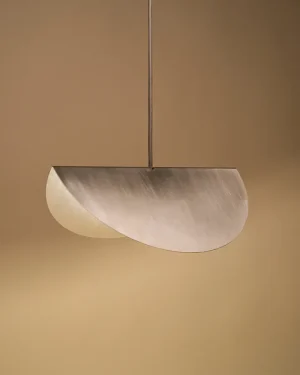
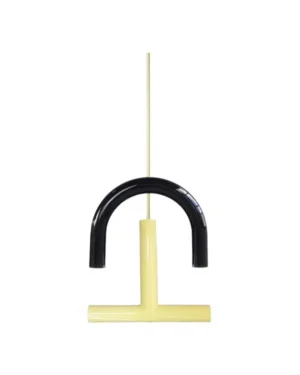
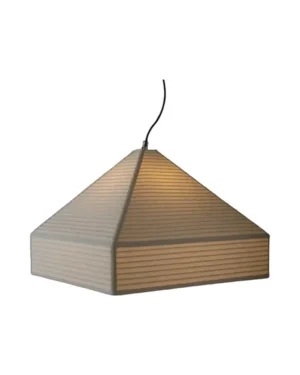
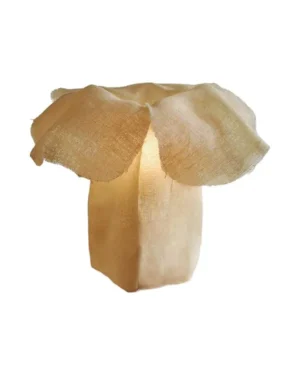
Pendulum Triptych Ceiling Lamp In Bio Plastic
By Julie Mallet Studio
€792 -

Fractical Neon Table Lamp In Glass
By Dace Sūna
€1.000€850 -
 In stock
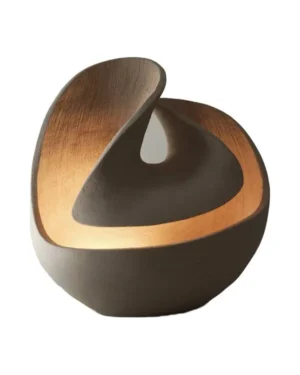
Onda Cosmic Wall Sconce In Glazed Ceramic
By arrived aliens
€2.200 -

Vira Triptych Ceiling Lamp In Bio Plastic
By Julie Mallet Studio
€567 -
 In stock
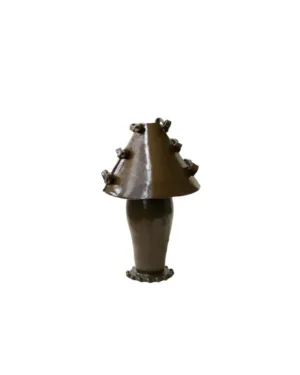
Artefacto Copper Venus Floor Lamp in Hammered Copper
By LØRDAG & SØNDAG
€4.768 -
 In stock
Cave Table Lamp In Glass
By Dace Sūna
€1.500 -

Onda Copper Wall Sconce In Raku Ceramic
By arrived aliens
€2.200 -
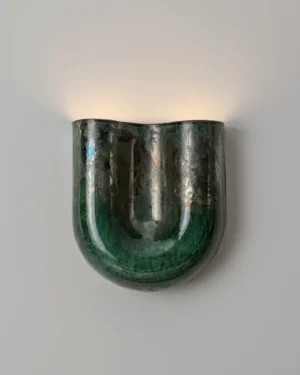
Onda Green Wall Sconce In Raku Ceramic
By arrived aliens
€2.200 -
 In stock
Helium Sconce
By Dace Sūna
€1.500 -

Onda Black Wall Sconce In Raku Ceramic
By arrived aliens
€2.200 -
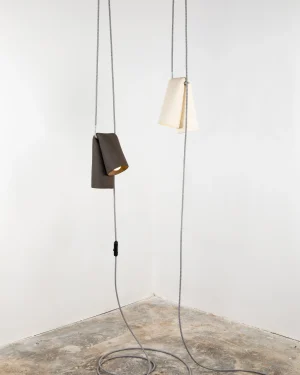
Melo Pendant Lamp In Ceramic
By Catalin Filip
€300 -
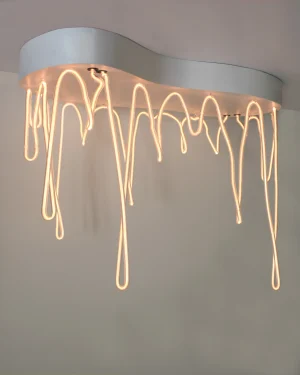
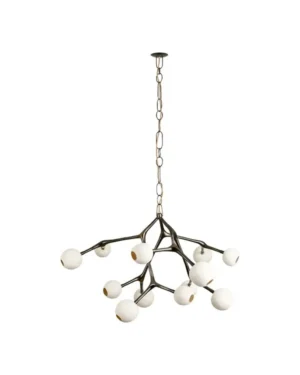
Vertical Fractal Helium Chandelier In Glass And Metal
By Dace Sūna
Price Upon Request -

Follow The Deer Table Lamp In Neon Glass
By Dace Sūna
Price Upon Request
Neo-artesanal lighting gathers raku-fired ceramics, hand-glazed stoneware, lampworked glass and woven natural fiber, each shade or base carrying the trace of the hand that formed it. Studios working in this style resist the perfect mold, letting glaze pool unevenly, clay crack at the raku surface, or glass bubble and twist as it cools. The result sits closer to pottery or basketry than to industrial design, built for rooms that want warmth over polish.
What defines neo-artesanal lighting
The style starts with process rather than silhouette. A raku kiln produces a crackled, often coppery or smoked surface because the piece is pulled out hot and cooled fast in open air, so no two glazes finish the same way. Glassblowing and lampworking leave faint ripples and asymmetries in a shade or globe, since the glass is shaped by breath and gravity rather than a fixed cavity. Stoneware and clay bodies read heavier and more matte than porcelain, holding a color field in beige, off-white or soft green onyx rather than high gloss.
Materials, finishes and techniques to expect
Across every neo-artesanal piece on ADORNO, lighting tends to draw on a narrow set of materials and ways of making, chosen because they show the hand clearly:
- Clay, stoneware and ceramic bodies, glazed or left raw, often fired using raku for a smoked or crackled surface
- Blown and lampworked glass, shaped while hot rather than cast, giving each shade slightly different thickness
- Natural fiber and woven elements, paired with ceramic or glass bases for texture against smooth light
- Occasional hammered copper or neon accents, bringing warmth or contrast into an otherwise matte palette
- Bioplastic and 3D-printed forms from studios applying digital fabrication to artesanal surface treatments
Colorways lean toward white, beige, brown, light pink, light yellow and off-white, with copper and green onyx appearing as accent tones on glazed or metal surfaces. Because many of these pieces come from small-batch kilns or hand-blown studios, you will find both open editions, repeated in limited numbers, and unique pieces where no second example exists.
Choosing a piece for scale, height and finish
A raku table lamp or ceramic sconce reads best when its glaze or texture can be seen up close, so place it where hands and eyes land often: a console, a nightstand, a low shelf. Pendant and floor versions in blown glass need more room to show their irregular shape, since a tight corner flattens the silhouette the glass was blown to hold. Weigh the base against the shade; a heavy stoneware foot anchors a tall paper or fiber shade, while a slender glass neck suits a smaller, denser glow. Match the finish to what else sits nearby: a smoked raku surface pairs with aged wood and linen, while pale stoneware and glass sit easily against plaster or stone.
Where neo-artesanal lighting sits in a home
These pieces suit rooms built around slow use rather than task lighting. A raku or stoneware lamp works well in a living room beside a reading chair, where its texture catches side light. A smaller glazed or glass piece softens a bedroom nightstand, giving low, uneven light rather than a flat wash. Dining spaces and entry consoles also benefit from a single sculptural form, since neo-artesanal pieces tend to read as objects first and light sources second; for more of these shapes in lamp form specifically, see the range of neo-artesanal lamps.
Caring for ceramic, glass and fiber lighting
Dust ceramic and stoneware with a dry or barely damp cloth; standing water can seep into an unglazed raku surface and stain it. Glass shades wipe clean with a soft cloth and a mild solution, avoiding abrasive pads that scratch a blown or fused surface. Woven fiber elements should stay away from direct damp and strong sun, which dry out natural fibers and fade color over time. For the wider range of finishes and materials beyond this style, all lighting on ADORNO spans metal, acrylic and more conventional glazes alongside these hand-formed pieces.
How do I choose a neo-artesanal light?
Start with the surface you want to live with, a crackled raku glaze, a rippled glass shade or a woven fiber body, then match its scale and tone to the room's existing materials.
How do you care for raku ceramic or hand-glazed lighting?
Dust with a dry, soft cloth and keep away from sudden temperature swings or direct moisture, since the crackled glaze and clay body are more porous than factory ceramics.
How do you clean blown or lampworked glass shades?
Wipe with a soft, lint-free cloth and mild glass cleaner, avoiding abrasive pads that can scratch the uneven, hand-formed surface built up while the glass was still hot.
What size or height of lighting works for my room?
Table and floor lamps generally follow standard living room and bedroom proportions, so the maker can confirm exact height and shade diameter through Chat with the maker on the piece's page.
Which rooms suit neo-artesanal lighting best?
The textured, matte surfaces anchor living rooms and bedrooms that favor warmth over polish, while smaller ceramic or glass pieces work well as bedside or entryway lighting.
How does shipping, returns and authenticity work on ADORNO?
Shipping is insured and worldwide, returns are accepted within 14 days except on made-to-order pieces, and each piece arrives with a certificate of authenticity plus a lowest-price guarantee.