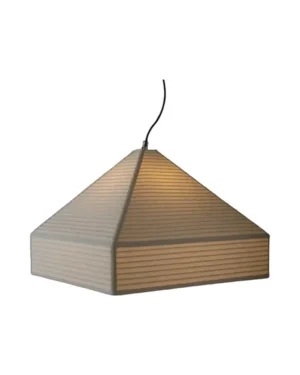
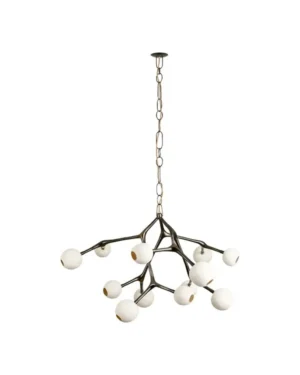

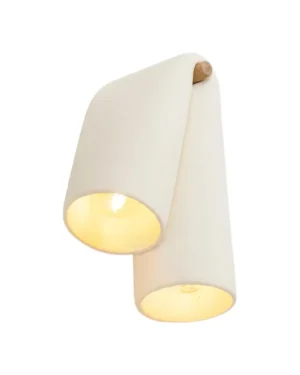
-

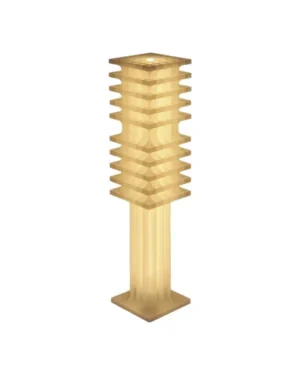
Artefacto Ls 16 Floor Lamp In Woven Wicker Fiber
By LØRDAG & SØNDAG
€1.090 -

Onda Sconce In Raku White Ceramic
By arrived aliens
€2.200 -

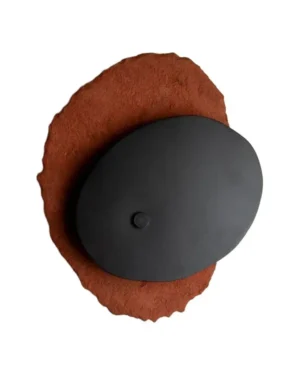
Onda Black Wall Sconce In Raku Ceramic
By arrived aliens
€2.200 -

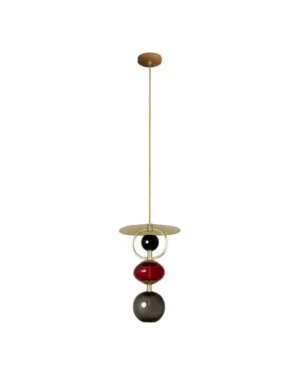
Pendulum Triptych Ceiling Lamp In Bio Plastic
By Julie Mallet Studio
€792 -
Black Friday −15%

Fractical Neon Table Lamp In Glass
By Dace Sūna
€1.000 -
 In stock
Onda Cosmic Wall Sconce In Glazed Ceramic
By arrived aliens
€2.200 -

Vira Triptych Ceiling Lamp In Bio Plastic
By Julie Mallet Studio
€567 -
 In stock
Artefacto Copper Venus Floor Lamp in Hammered Copper
By LØRDAG & SØNDAG
€4.768 -
 In stock
Cave Table Lamp In Glass
By Dace Sūna
€1.500 -

Onda Copper Wall Sconce In Raku Ceramic
By arrived aliens
€2.200 -
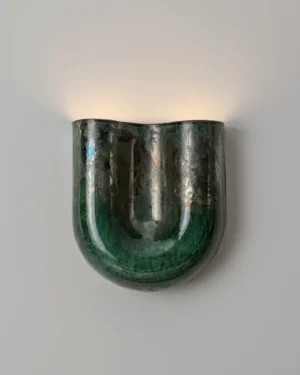
Onda Green Wall Sconce In Raku Ceramic
By arrived aliens
€2.200 -
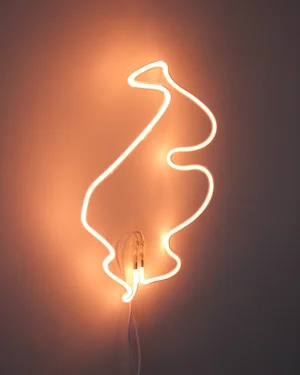 In stock
Helium Sconce
By Dace Sūna
€1.500 -
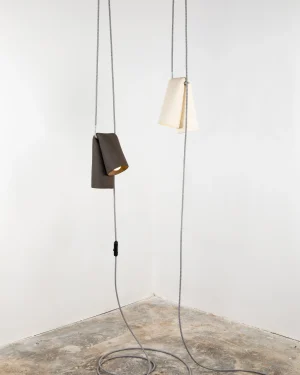
Melo Pendant Lamp In Ceramic
By Catalin Filip
€300 -
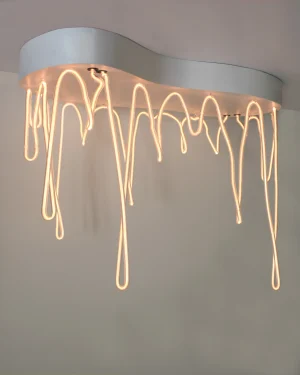
Vertical Fractal Helium Chandelier In Glass And Metal
By Dace Sūna
Price Upon Request -

Follow The Deer Table Lamp In Neon Glass
By Dace Sūna
Price Upon Request
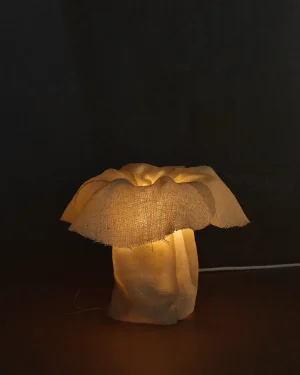
Neo-artesanal lamps bring the hand back into light fixtures, built by studios that work in raku-fired ceramic, woven natural fiber, hammered copper and blown or lampworked glass. Each piece carries the trace of the gesture that made it: a crackled glaze, a knotted fiber pattern, a hammer mark left visible rather than polished away. The result sits apart from factory-finished lighting, closer to an object made once or in small open runs than to a mass-produced fixture.
What makes a lamp neo-artesanal
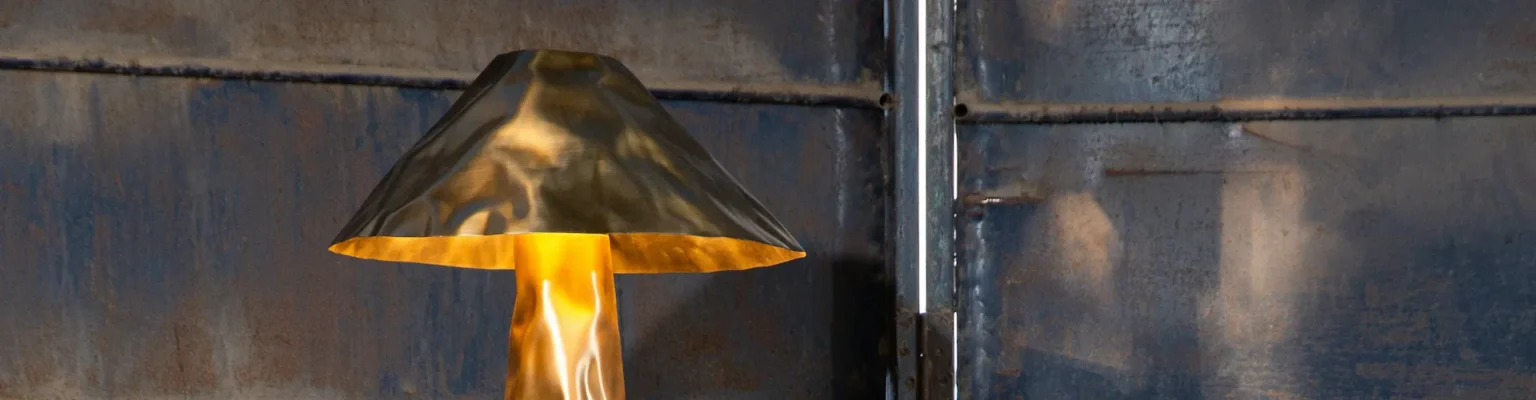
The style takes old techniques — raku firing, coiling clay, weaving natural fiber, hammering sheet copper — and applies them to a contemporary form, often a simple sphere, a cylinder or an open shade. Raku firing leaves a surface with a map of fine cracks and smoked, uneven color, so no two firings come out the same even from a single kiln run. Woven fiber shades filter light through gaps in the weave, throwing a soft, broken pattern across a wall or ceiling rather than a flat wash. Hammered copper develops a warm, reflective surface that will darken and pick up a patina as it is handled and exposed to air over years.
The range of materials and techniques
On ADORNO, neo-artesanal lamps turn up across a handful of recurring materials and colors: raku and glazed stoneware and clay in white, off-white, beige and brown; natural fiber in its own undyed tones; hammered copper; and glass worked by blowing, lampworking or fusing, sometimes tinted light pink, light yellow or green onyx. Some studios work in bioplastic or use digital fabrication and 3D printing to shape a form before finishing it by hand, bridging the artesanal surface with a newer process. Editions run small: pieces are either open editions, remade to the same design as needed, or one-off, with no two exactly alike.
- Clay and stoneware finished with raku or standard glazing
- Natural fiber woven over a frame or structure
- Hammered copper and other worked metal
- Glass shaped by blowing, lampworking or fusing
Choosing a lamp for scale and placement
Start with the light itself: a woven or ceramic shade reads as sculpture by day and as a soft, diffused glow by night, so place it where both views matter — a console, a sideboard, a low shelf at eye level when seated. Scale against the surface it sits on; a wide raku base needs a table or shelf with enough depth that it does not overhang the edge. Height matters for table lamps, which generally sit low enough that the shade falls below or level with the eye of someone seated nearby, softening glare rather than casting it outward.
Finish decides how much a piece draws attention against its surroundings. A matte, smoked raku surface or a nubby woven shade recedes into a room with other textured materials, while hammered copper or tinted glass catches light and works better as a single accent than in multiples.
Where these lamps work in a room
Caring for raku, fiber, copper and glass
Raku and other glazed ceramics are fired at lower temperatures than standard stoneware, so the surface stays somewhat porous; keep these lamps dry and dust them rather than wiping with a wet cloth. Natural fiber shades should stay out of direct damp and away from strong sun, which dries and brittles the material over time. Hammered copper can be left to darken naturally or polished occasionally to slow the patina; either way, bare hands leave oils that speed the change, so some owners handle these pieces with a cloth. Glass needs nothing beyond regular dusting and a wash with mild soap if the surface dulls.
For the full range of hand-finished lighting in this style, see neo-artesanal lighting and every neo-artesanal piece on ADORNO. Within lamps more broadly, all lamps covers every material and style, while living room lamps and bedroom lamps group pieces by where they are used.
How do I choose a neo-artesanal lamp?
Start with the material and the light it gives: raku and stoneware cast a warm, uneven glow, woven fiber scatters a broken pattern, copper reflects and glass diffuses. Match that quality to the room and the mood you want after dark.
How do I care for a raku, ceramic or copper lamp?
Dust ceramic and stoneware with a dry cloth and keep them from sudden temperature change, which can widen glaze cracks. Wipe copper to slow tarnish or leave it to darken naturally, and keep woven fiber shades dry and out of direct sun.
What size lamp suits a living room or bedroom?
A floor lamp anchors a seating area and works best beside a chair or sofa, while a table lamp suits a nightstand or console. Exact dimensions sit on each piece's page, since sizes vary by maker and run.
Which rooms suit a neo-artesanal lamp?
Raku and stoneware lamps suit living rooms and entryways where their texture catches daylight, while woven fiber and copper pieces bring warmth to bedrooms and reading corners. Glass forms work well wherever a softer, even light is wanted.
Are these lamps handmade and one of a kind?
Many are, since raku firing, weaving and hammering leave marks that differ piece to piece even within the same studio. Some are made in small open runs rather than as strict one-offs, so check each piece's listing for its edition.
How does shipping, returns and authenticity work at ADORNO?
Shipping is insured and sent worldwide, with a 14-day return policy, though made-to-order pieces are excluded. Every lamp comes with a certificate of authenticity, backed by a lowest-price guarantee.