








-
 In stock
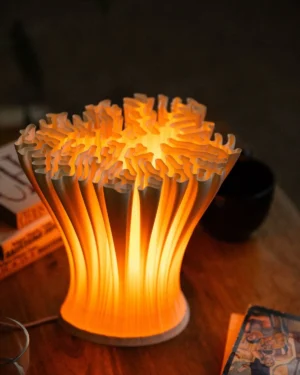
S 5 Table Lamp In Ivory White Bio Polymer
By diploria studio
€295 -
 In stock
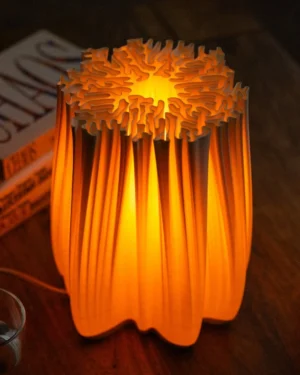
S X 1 Table Lamp In Ivory White Bio Polymer
By diploria studio
€275 -
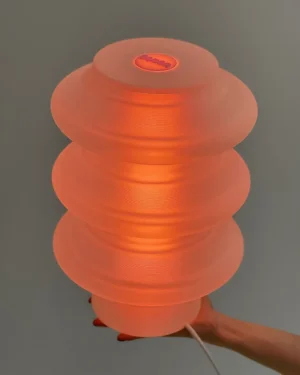 In stock
Blampa30 Table Lamp in Bio Plastic
By BLUBA Studio
€203 -
 In stock
S 1 Table Lamp In Bio Polymer
By diploria studio
€245 -
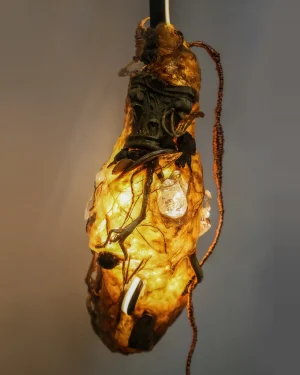
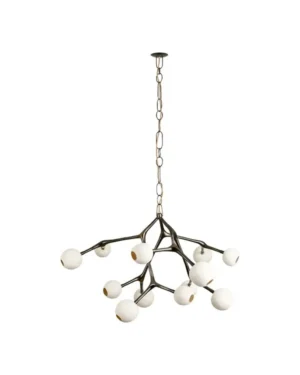
Weaver Nest Pendant Lamp in Bio Plastic
By Sabrina Merayo Nuñez
€3.500 -
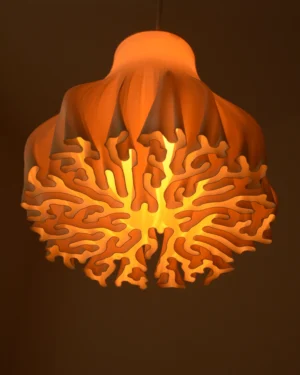 In stock
H 1 Pendant Lamp In Bio Polymer
By diploria studio
€295 - €495 -
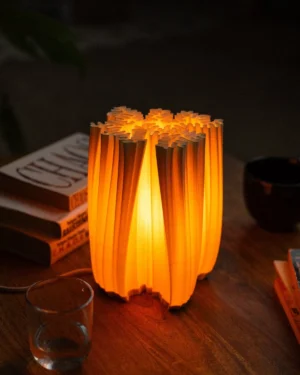 In stock
S 2 Table Lamp In Bio Polymer
By diploria studio
€245 -
 In stock
Axile Table Lamp in Bio Plastic
By Errance.
€335 -
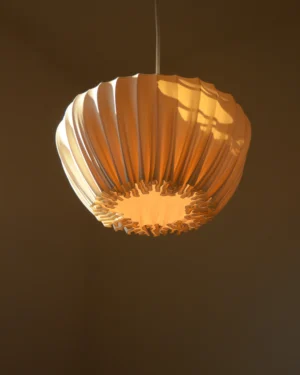
M 2 H Pendant Lamp In Bio Polymer
By diploria studio
€295 -
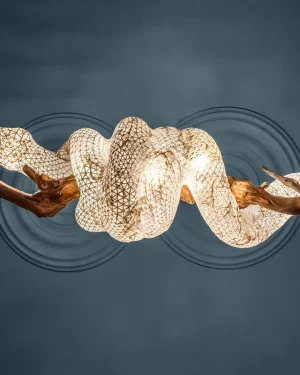
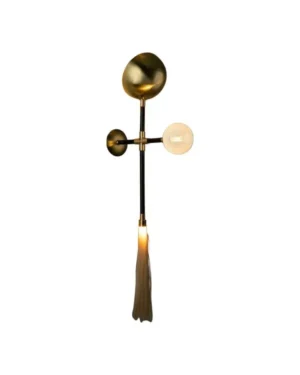
The Staff Of Asclepius Chandelier In Pla And Wool
By Danik Uderbekov
€2.500 -
 In stock
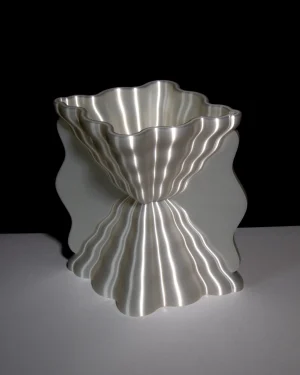
Galéa Table Lamp in Bio Plastic
By Errance.
€250 -

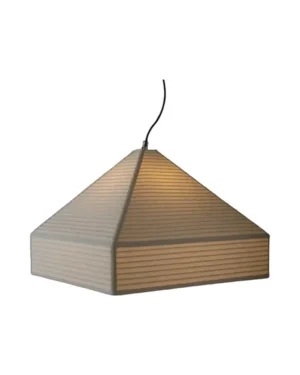
Pendulum Triptych Ceiling Lamp In Bio Plastic
By Julie Mallet Studio
€792 -
 In stock
Lumière Feuillue Alba Table Lamp In Bio-plastic
By Vlad Oganov Objects
€499 -
 In stock
Empilé Grande Table Lamp In Black
By Vlad Oganov Objects
€499 -
 In stock
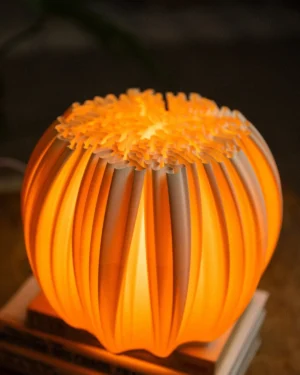
S X 3 Table Lamp In Biopolymer
By diploria studio
€295 -

Exélixi Floor Lamp In Bio Plastic
By Julie Mallet Studio
€1.958 -
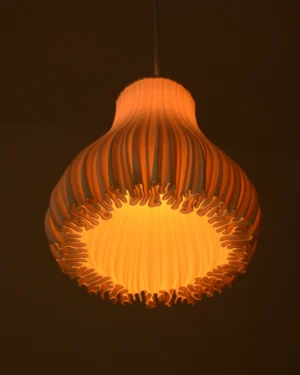 In stock
H 2 Pendant Lamp In Bio Polymer
By diploria studio
€295 - €495 -

Coralight Table Lamp in Bio Plastic
By Cornu Design
€129 -

Coralight Table Lamp in High Density Bio Polymer
By Cornu Design
€129 -
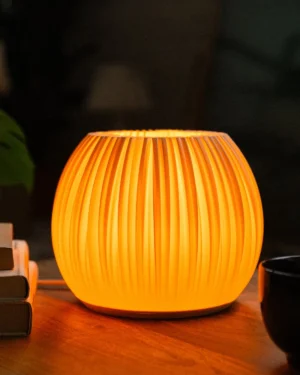 In stock
B 1 Table Lamp In Biopolymer
By diploria studio
€295 -
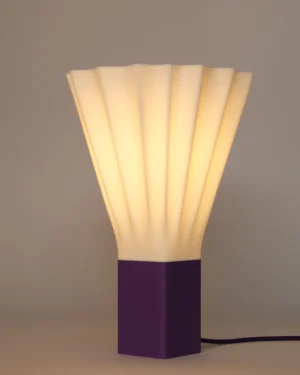 In stock
Plissé Mini – Table Lamp In Iris Purple
By Vlad Oganov Objects
€299 -
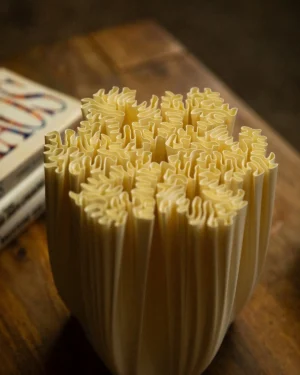 In stock
S X 2 Table Lamp In Biopolymer
By diploria studio
€295 -
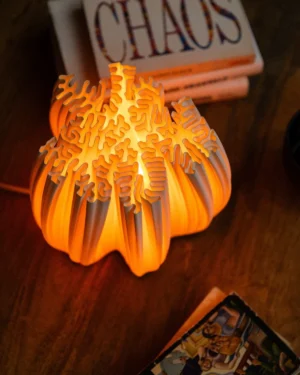 In stock
S 3 Table Lamp In Biopolymer
By diploria studio
€275 -

Mori Table Lamp In Bio Plastic
By Julie Mallet Studio
€146 -
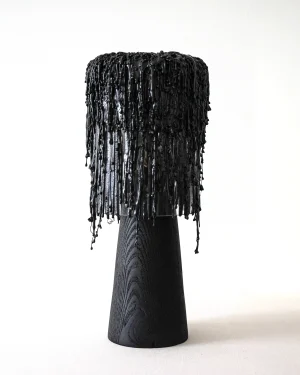
Leaky Lamp III Table Lamp in Ash Wood and Biomaterial
By Pablo Ejarque-González
€1.085 -

Vira Triptych Ceiling Lamp In Bio Plastic
By Julie Mallet Studio
€567 -
 In stock
Lumière Feuillue Silva Table Lamp In Petg
By Vlad Oganov Objects
€499 -
 In stock
Plissé – Table Lamp In Burgundy Red
By Vlad Oganov Objects
€399 -
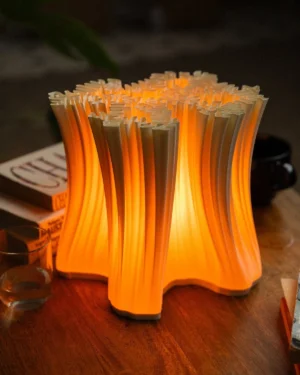 In stock
S 6 Table Lamp In Bio Polymer
By diploria studio
€295 -
 In stock
Octopus Table Lamp in Bio Plastic
By Cornu Design
€100 -
 In stock
H 3 Pendant Lamp In Bio Polymer
By diploria studio
€395 -
 In stock
Blampa90 M Floor Lamp
By BLUBA Studio
€570 -
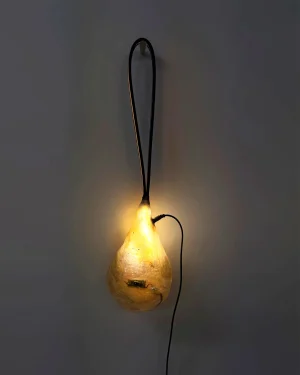 In stock
The Hive Wall Lamp in Bioplastic
By Sabrina Merayo Nuñez
€750 -

Leaky Lamp II Table Lamp in Oak and Glass
By Pablo Ejarque-González
€895 -
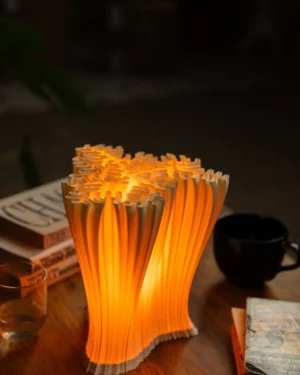 In stock
S 4 Table Lamp In Bio Polymer
By diploria studio
€275 -
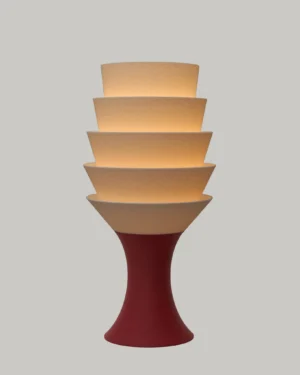 In stock
Empilé Petit – Table Lamp In Burgundy Red
By Vlad Oganov Objects
€299 -
 In stock
Empilé Grande Table Lamp In Burgundy Red
By Vlad Oganov Objects
€499 -
 In stock
Lumière Feuillue Noctis Table Lamp In Petg
By Vlad Oganov Objects
€499 -
 In stock
Plissé Mini – Table Lamp In Royal Blue
By Vlad Oganov Objects
€299 -
 In stock
Empilé Petit – Table Lamp In Black
By Vlad Oganov Objects
€299 -
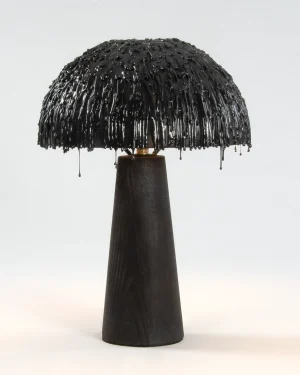
Leaky Lamp I Table Lamp in Ash Wood and Bioplastic
By Pablo Ejarque-González
€1.050 -
 In stock
Plissé Mini Table Lamp In Bio Plastic
By Vlad Oganov Objects
€299 -
 In stock
Empilé Petit – Table Lamp In Iris Purple
By Vlad Oganov Objects
€299 -
 In stock
Plissé – Table Lamp In Royal Blue
By Vlad Oganov Objects
€399 -
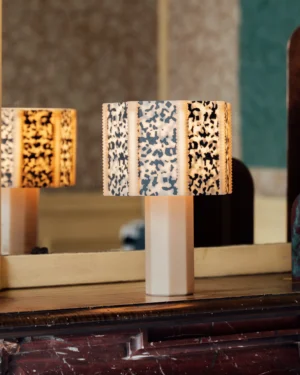
Brigitte Table Lamp In Bio Plastic
By Julie Mallet Studio
€329 - €375 -
 In stock
Empilé Petit – Table Lamp In Royal Blue
By Vlad Oganov Objects
€299 -

Diplo Wall Sconce In Bio Plastic
By Julie Mallet Studio
€375 -
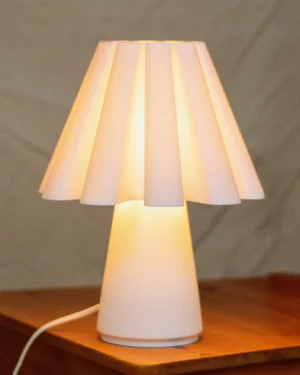
Ruff Table Lamp In Recycled Pla
By Mina Wright
€238 -
 Sold
Microbiome I Floor Lamp in Bio Plastic
By Sabrina Merayo Nuñez
€3.800 -
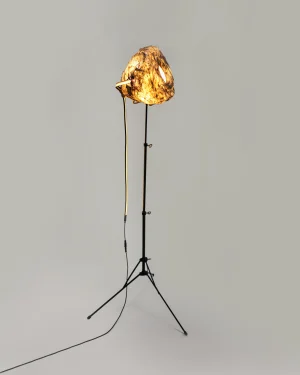 Sold
Microbiome II Floor Lamp in Bio Plastic
By Sabrina Merayo Nuñez
€3.000 -
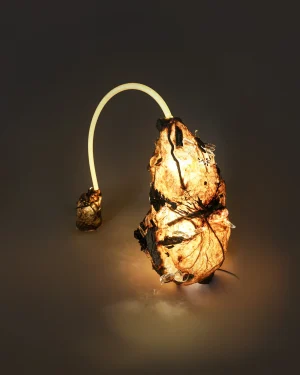 Sold
Siamese Twins I Floor Lamp in Bioplastic
By Sabrina Merayo Nuñez
€6.000 -
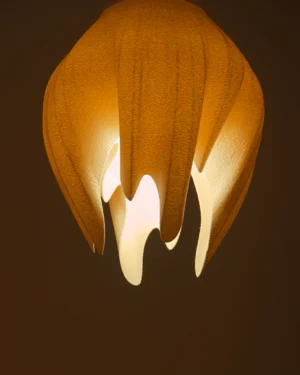 In stock
Medusa Pendant Lamp In Bio Polymer
By diploria studio
€245 - €495 -
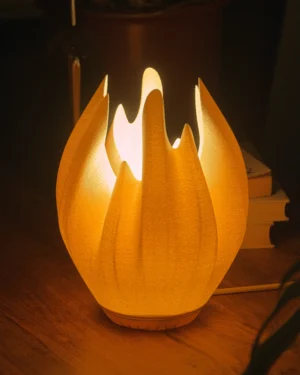 In stock
Medusa Table Lamp In Bio Polymer
By diploria studio
€295 - €545 -
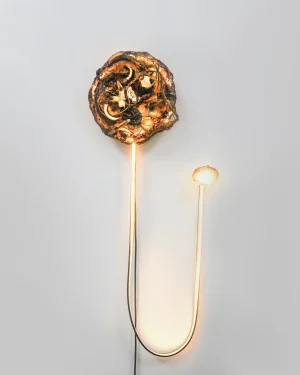 In stock
Siamese Twins II Wall Lamp in Bioplastic
By Sabrina Merayo Nuñez
Price Upon Request
Bioplastic lamps are built layer by layer, 3D printed from plant-derived materials such as PLA rather than molded or blown. Independent designers and small studios feed these renewable filaments through printers that trace a form hundreds of times over, so the lamp grows upward in a single continuous pass. The result sits closer to digital fabrication and biofabrication than to traditional lighting crafts, and it carries a visible rhythm of ridges that no two casting methods can reproduce.
What Defines a Bioplastic Lamp
The material starts as corn starch, sugarcane or other plant sugars, processed into a filament that melts at a workable temperature and resolidifies as it cools. Because it is printed rather than carved or poured, a bioplastic lamp can hold shapes that would be difficult in wood, ceramic or glass: lattices, gradients, and surfaces that shift from dense to open across a single shade. Light passing through these walls reads differently depending on wall thickness, so a lamp often shows a lace-like pattern when lit and a solid, sculptural body when off.
Generative design plays a role here too: some studios let an algorithm set the geometry within rules they define, producing forms that would be slow or impossible to draft by hand. Others print in a single color straight through the piece, leaving no seam or applied finish to wear away.
Materials, Finishes and Editions Found Here
Alongside PLA, recycled polypropylene appears among these pieces, giving a second renewable or reclaimed route to the same additive process. Finishes stay close to the raw material: ivory, off-white, and transparent are common, with amber, beige, burgundy and black appearing where a studio adds pigment to the filament before printing. Because the color runs through the material rather than sitting on its surface, scratches do not expose a different shade underneath.
Editions vary by studio. Some lamps are produced as open editions, printed again whenever stock runs low; others are limited editions bound to a fixed print run, or unique pieces where a file is altered or a print interrupted so no second lamp matches it exactly. The full range of bioplastic design on ADORNO spans lighting, tableware and objects built this same way.
Choosing a Bioplastic Lamp for Scale and Placement
Scale matters more than it first appears, since printed walls are thinner and lighter than blown glass or solid wood of the same height, so a lamp can look larger in a room than its weight suggests. Measure the surface it will sit on and leave enough clearance for the widest point of the shade, particularly with lattice or generative forms that flare outward.
- For a reading lamp beside a chair, choose a form with a tight, directional printed shade rather than an open lattice, so light falls where it is needed.
- For ambient light in a living space, an open or perforated structure casts pattern across walls and ceiling, which suits a room where the lamp is left on through the evening.
- Match the undertone of ivory, off-white or transparent bioplastic to warm or cool surfaces nearby, since the material reflects the color of its surroundings more than denser finishes do.
Rooms and Settings
These lamps suit rooms where their printed texture can be seen up close: a side table, a desk, a bedside surface. Among living room lamps, a bioplastic form reads as a quiet sculptural object by day and a patterned light source by night. In a bedroom, a smaller table lamp in a soft ivory or off-white tone gives low, diffuse light without the weight or cold surface of metal or stone. Contemporary and biophilic interiors, where organic silhouettes and sustainable materials already set the tone, tend to carry these pieces well without introducing new textures to the room.
Caring for a Printed Lamp
For comparison, the wider range of designer lamps on ADORNO includes hand-blown glass, wood and worked metal, each behaving differently under the same daylight-to-dark test that defines every lamp. Bioplastic lamps are a recent addition to that range, and among the most direct evidence of how digital fabrication now sits alongside older ways of making light.
How do I choose a bioplastic lamp?
Decide whether you want the lamp as sculpture by day or as light by night, since wall thickness changes how much glow passes through. Open lattice forms cast patterned light, while denser prints read as solid, sculptural shapes when off.
How do you care for a bioplastic lamp?
Wipe with a dry or slightly damp cloth and keep away from direct heat or strong sun, since PLA and similar plant-based filaments can soften above normal room temperature. No wax, oil or solvent is needed.
What size bioplastic lamp should I choose?
Sizes vary by piece, from compact table lamps to larger floor and pendant forms, so check the dimensions listed on each piece or ask the maker directly for exact height and footprint.
Which rooms suit a bioplastic lamp?
Their lace-like lit pattern and sculptural off-state work well in living rooms, studies and bedrooms, anywhere the lamp is seen both switched on and off. Table and pendant formats suit desks, consoles and bedside spots alike.
Can I order a custom bioplastic lamp?
Some designers offer variations on color, scale or generative pattern. Chat with the maker on the piece's page to confirm what customization, if any, is possible.
What are ADORNO's shipping and return terms for bioplastic lamps?
Shipping is insured and worldwide, with a 14-day return policy, though made-to-order pieces are excluded. Every lamp arrives with a certificate of authenticity and ADORNO's lowest-price guarantee.