
-
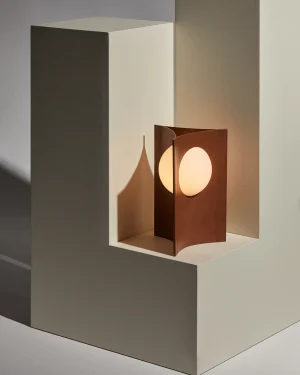
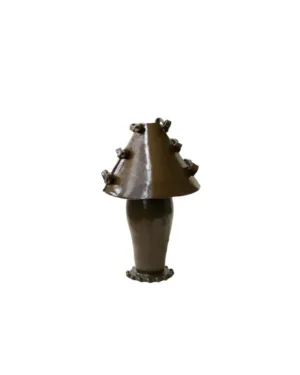
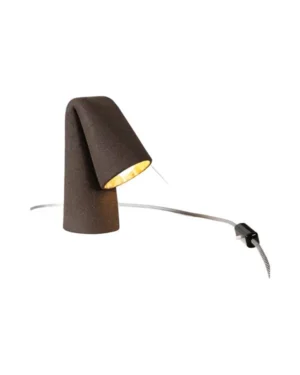
Hecate Table Lamp in Leather and Glass
By Studio Aristotelis Barakos
€480 -
 In stock
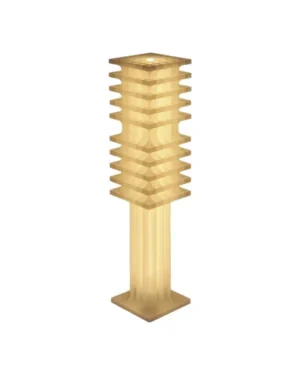
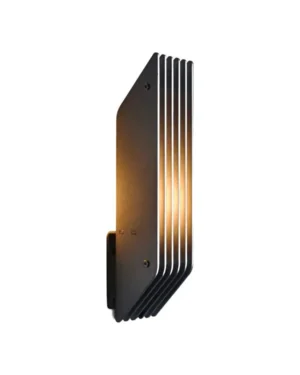
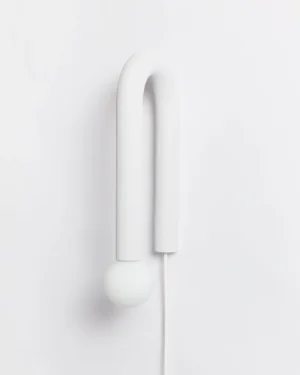
Object 09 Sconce in Nylon and Sand
By Hot Wire Extensions
€1.145 - €1.163 -
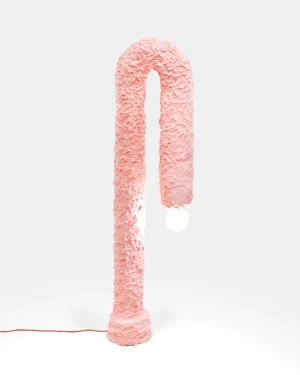
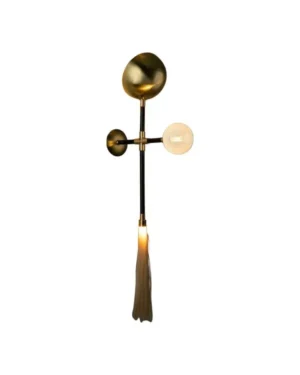
Lampadulure Pink Floor Lamp In Metal
By BehaghelFoiny Studio
€1.700 -
 In stock
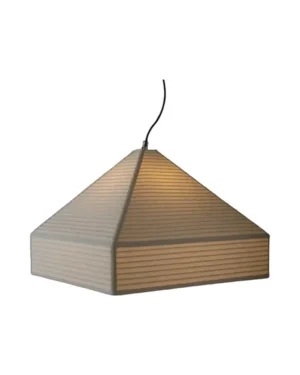
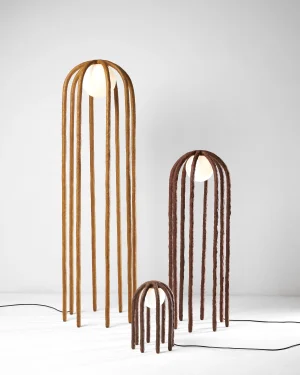
Açafrão and Urucum Floor Lamp in Anatto and Saffron
By Cultivado em Casa
€1.234 - €2.971 -
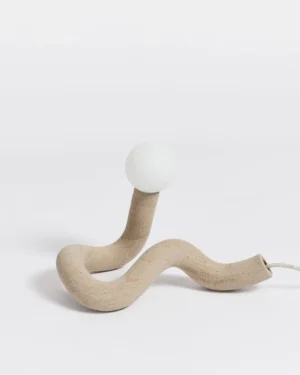 In stock
Object 05 Table Lamp in Nylon and Sand
By Hot Wire Extensions
€935 -
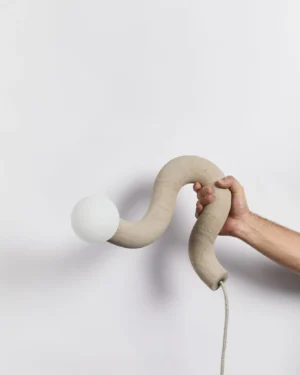 In stock
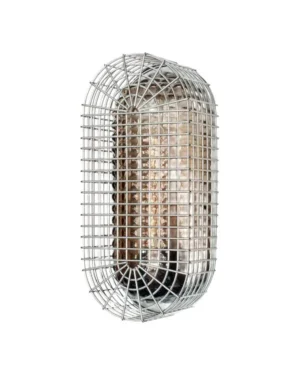
Object 09 Sconce in Nylon and Sand
By Hot Wire Extensions
€935 - €1.145 -
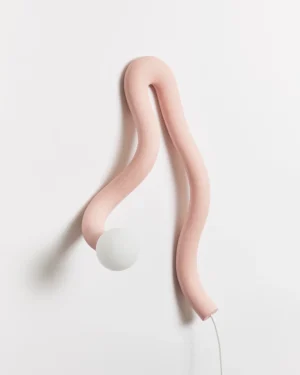 In stock
Object 12 Sconce in Nylon and Sand
By Hot Wire Extensions
€1.145 - €1.355 -
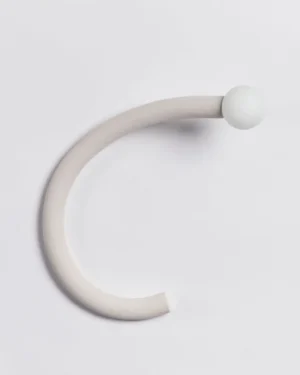 In stock
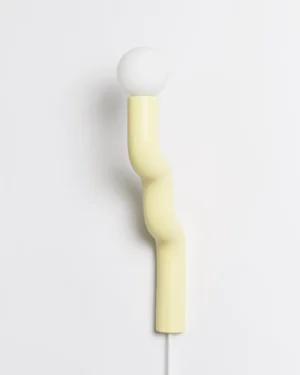
Object 04 Sconce in Nylon and Sand
By Hot Wire Extensions
€1.208 -
 In stock
Object 07 Sconce in Nylon and Sand
By Hot Wire Extensions
€1.145 -
 In stock
Object 08 Sconce in Nylon and Sand
By Hot Wire Extensions
€1.670 -
 In stock
Lampadulure Purple Floor Lamp In Metal And Plaster Composite
By BehaghelFoiny Studio
€3.000 -
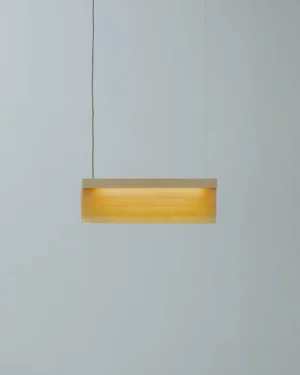
Cenit S Pendant Lamp In Ash Wood And Celium
By Natural Urbano - Sebastián Beltrán
€740 -

Black Wool Table Lamp in Biocomposite
By PletoStudio
€700 -
Black Friday −10%

Cenit Table Lamp In Ash Wood And Celium
By Natural Urbano - Sebastián Beltrán
€510 -

Laco Floor Lamp in Biocomposite and Linen
By PletoStudio
€3.600 -
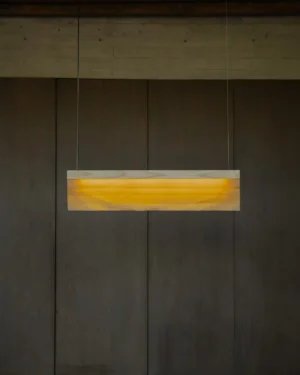
Cenit L Pendant Lamp In Ash Wood And Celium
By Natural Urbano - Sebastián Beltrán
€895 -

Kalia Table Lamp in Glass and Resin
By Justyna Poplawska
€536 -

Shadow Wool Floor Lamp in Biocomposite and Carpathian Wool
By PletoStudio
€2.200 -
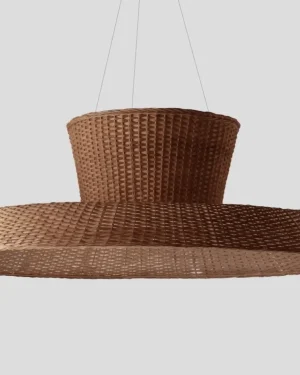
Strikha Pendant Lamp in Willow Vine
By FAINA
€2.070 -
 In stock
Herbarium Mini Lunaria Annua Wall Sconce In Glass And Plywood
By Mateusz Wappa
€1.200 -
 In stock
Herbarium Mini Daucus Carota Wall Sconce In Glass And Plywood
By Mateusz Wappa
€1.200 -
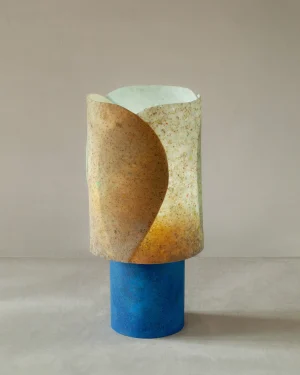
Verve Mint Table Lamp In Bio-based Resin
By Justyna Poplawska
€1.900 -

Sea Star Floor Lamp in Biocomposite and Cotton
By PletoStudio
€3.600 -
 In stock
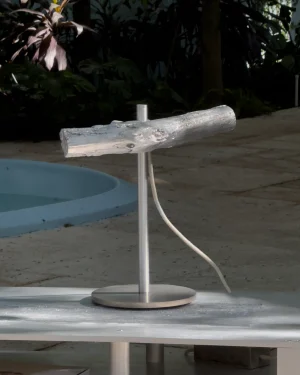
Aluminum Veneer Table Lamp in Cast Aluminum
By Bureau.parso
€1.400 -

Orbita Floor Lamp in Biocomposite and Bouclé Wool
By PletoStudio
€5.000 -
 In stock
Herbarium Eryngium Planum Wall Sconce In Glass And Plywood
By Mateusz Wappa
€2.000 -
 In stock
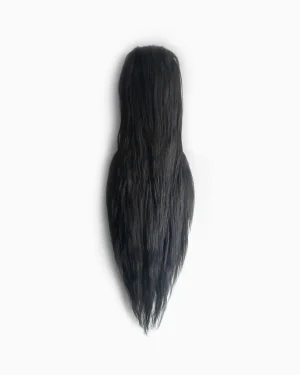
Scalp Wall Sconce in Fur and Lamb Leather
By Studio S II
€1.335 -
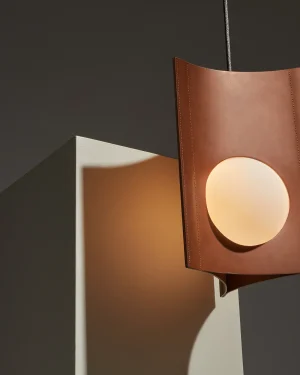
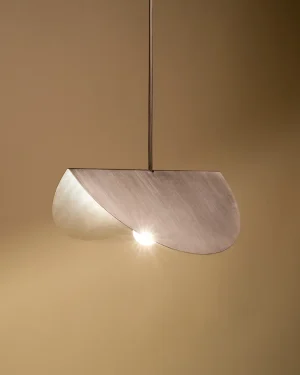
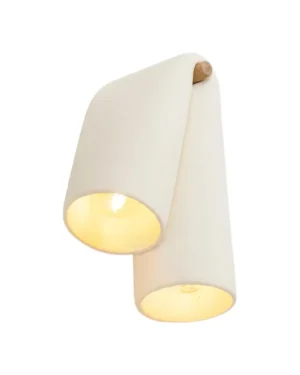
Hecate Leather Pendant Lamp in Leather
By Studio Aristotelis Barakos
€480 -
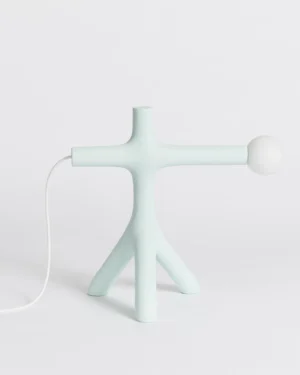 In stock
“Object 03” Lamp from the “Play” Collection
By Hot Wire Extensions
€1.670 -
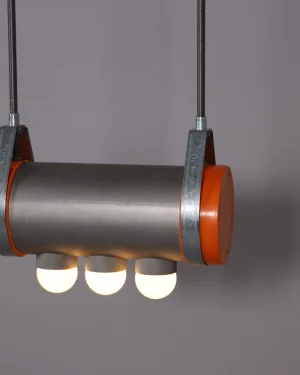 In stock
Three Bulb Upcycled Pendant Lamp In Raw Steel
By Nolan Talbot-Kelly
€2.100 -

Silva Sculptural Floor Lamp in Biocomposite and Raffia
By PletoStudio
€1.600 -
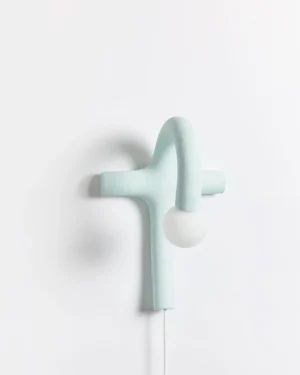 In stock
“Object 06” Wall Lamp from the “Hotel” Collection
By Hot Wire Extensions
€1.208 -
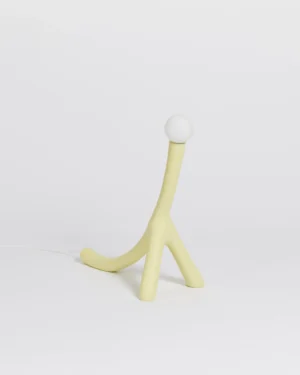 In stock
“Object 01” Lamp from the “Play” Collection
By Hot Wire Extensions
€1.890 -
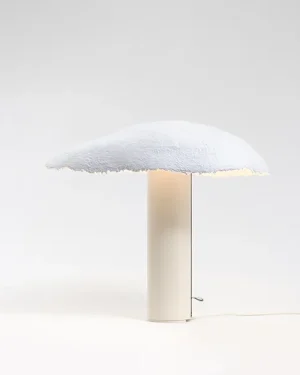
Overcast Table Lamp In Aluminum, Leather And Paper Pulp
By Calen Knauf Studio
€1.570 -
 In stock
SONIAH Table Lamp in ZTISTA Biocomposite
By FAINA
€3.000 -

Vereteno Floor Lamp in Biocomposite and Linen
By PletoStudio
€5.800 -

Ember Floor Lamp in Biocomposite and Raffia
By PletoStudio
€3.200 -

Wool Smola Table Lamp in Biocomposite
By PletoStudio
€800 -

Silva Soft Floor Lamp in Biocomposite and Cotton
By PletoStudio
€1.100 -
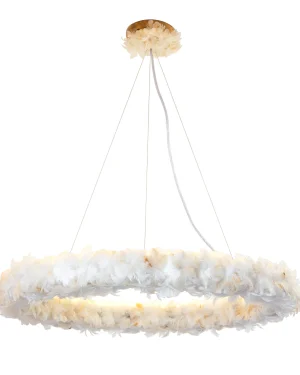
Halo Pendant Lamp in Peroba Wood and Feathers
By YANKATU
€3.700 -
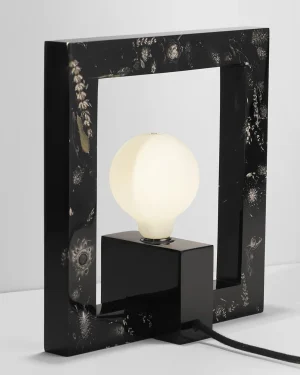
Square Table Lamp in Resin with Dried Flowers
By Ragna Ragnarsdottir
€2.200 -
 In stock
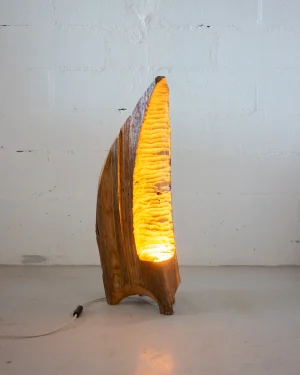
A Plant From My Garden Floor Lamp in Antique Oak
By Atelier Musset
€2.200 -
 In stock
Herbarium Rumex Acetosa Wall Sconce In Glass And Plywood
By Mateusz Wappa
€2.000 -

Dyptich Wall Sconce in Brass and Recycled Plastic
By SIGNATURE OBJECTS
€1.800 -
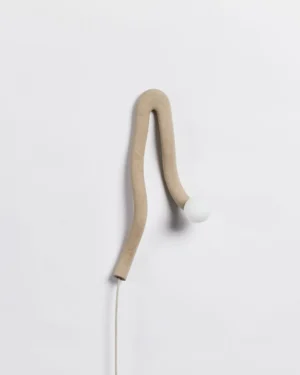 In stock
“Object 10” Wall Lamp from the “Native” Collection
By Hot Wire Extensions
€1.145 -
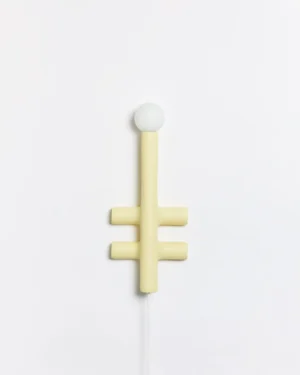 In stock
“Object 05” Wall Lamp from the “Hotel” Collection
By Hot Wire Extensions
€1.208 -
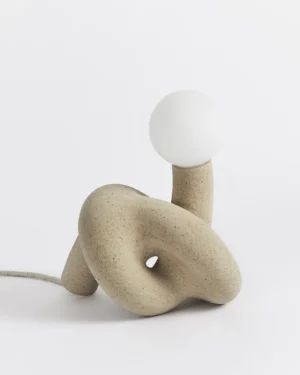 In stock
“Object 03” Lamp from the “Basic Knot Variations” Collection
By Hot Wire Extensions
€935 -
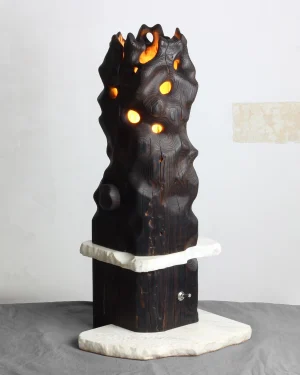 In stock
Volcano Table Lamp
By Gábor Góbi
€3.690 -
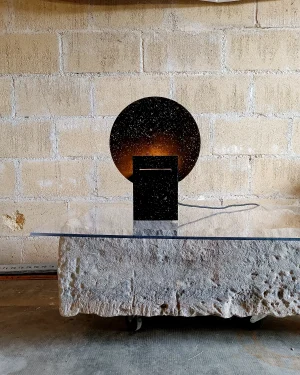
Monadre – Vegetal Glass & Recycled Mother Of Pearl – Organic Table Lamp
By Clemence Josephine Touzet
€698 -
 In stock
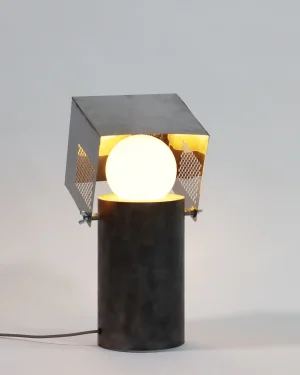
Hood Light Table Lamp In Stainless Steel
By Nolan Talbot-Kelly
€900 -
 In stock
Herbarium Tanacetum Vulgare Wall Sconce In Glass And Plywood
By Mateusz Wappa
€2.000 -
 In stock
“Random Light”
By Hot Wire Extensions
€1.250 -

Cypress #1 Floor Lamp in Cypress Wood
By Studio Kloak
€4.600 -
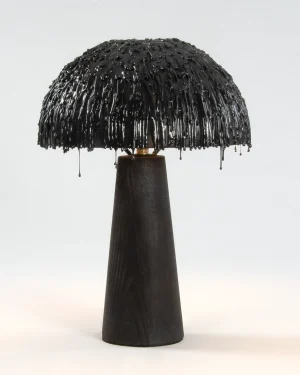
Leaky Lamp I Table Lamp in Ash Wood and Bioplastic
By Pablo Ejarque-González
€1.050
Biomaterial lamps are shaped from substances that grow, regenerate or come back from waste rather than from ore or forest: mycelium left to knit itself into a mold, leather off-cuts stitched by hand, natural wax poured into a shade, sand or cellulose bound into a solid form. Independent studios working in biofabrication, leatherwork and digital fabrication treat each of these as a living material with its own grain, smell and way of catching light. The result sits closer to a grown object than a manufactured one, and it reads that way under a bulb.
What makes a biomaterial lamp behave differently
Mycelium and other grown composites are light and slightly porous, so they soften a bulb's glow instead of throwing a hard beam. Leather darkens and burnishes with handling and years in the sun, much like a worn saddle. Natural wax shades glow warm and slightly translucent when lit, and go matte and sculptural once switched off. These are not neutral backdrops; they change character between day and night more than metal or painted ceramic ever does.
The range found among biomaterial lamps
Studios working in this space pull from recycled material, sandstone, sand, glass, leather and cellulose as often as from mycelium itself, and finish them in tones that stay close to the raw material: beige, sand, cream, charcoal, brown and black, with the occasional aqua or dusty pink glaze. Making methods vary as widely as the materials:
- Biofabrication, where mycelium or similar organisms are grown into a mold over days or weeks
- 3D printing and digital fabrication, used to shape biocomposites into precise forms
- Leatherwork and saddle stitching, for shades and bases built from cut and sewn hide
- Papier-mâché and cabinetmaking, where paper pulp or wood meet a biomaterial shade or base
Because growing and hand-finishing resist exact repetition, most of what turns up here sits in open editions, limited editions or as unique pieces, with the material itself setting the edition size rather than a production line.
How to choose one
Scale first: a mycelium or wax shade reads heavier than its actual weight because the material is matte and opaque, so oversize forms can crowd a small side table. Check the finished height against where the eye naturally lands when seated or standing nearby, since that is what decides whether a lamp works as a reading light or as a sculptural object in the corner of a room. Leather and sandstone versions tend to suit a living room lamp placed at arm's reach on a sofa table, while smaller wax or cellulose forms sit well on a nightstand as a bedroom lamp. If the surrounding furniture already leans toward natural materials, a biomaterial lamp will blend in; next to steel or glass, it reads as a deliberate contrast and works well within a minimalist lamp arrangement.
Placement, light and care
Keep grown composites and wax away from direct, sustained heat or damp, since both can soften or warp a shade over time. Leather bases benefit from an occasional wipe and, like any hide, will pick up a deeper patina wherever hands touch it most. Dust mycelium and sand-based pieces with a dry, soft cloth rather than water, which can re-soften the surface. Beyond upkeep, these lamps suit rooms built around biophilic or sustainable-design thinking, and pair easily with other biomaterial furniture or a wider look at biomaterial lighting across sconces and pendants. For a broader view of what else shares the shelf, the full range of lamps spans ceramic, glass and metal forms, while every biomaterials piece on ADORNO extends past lighting into seating, stools and small objects made the same way.
How do I choose a biomaterial lamp?
Start with the material's effect once lit: mycelium and other composites soften light into a diffuse glow, wax shades turn warm and translucent, leather holds its shape and darkens over time. Pick for the mood you want after dark, not just the daytime form.
How do I care for a biomaterial lamp?
Keep mycelium and cellulose forms dry and out of direct sun, which can dull their surface. Wipe leather with a dry cloth and let it darken naturally, and dust wax shades gently rather than using water or solvents.
What size lamp works for a table or floor?
Table lamps generally sit between 15 and 30 inches to clear a reading line without blocking sight across a room, while floor lamps run 50 to 65 inches to cast light over a chair or sofa.
Which rooms suit biomaterial lamps best?
Living rooms and bedrooms suit them well, since their diffuse, warm light works better for ambient or bedside use than for close task work. Their raw, tactile surfaces also read naturally in studies or reading corners.
Are biomaterial lamps fragile or hard to maintain?
Mycelium and sand-based composites are lighter and more porous than ceramic or metal, so they are best kept away from damp or heavy handling. Leather and wax pieces are more forgiving and simply age with use.
How does shipping, returns and authenticity work on ADORNO?
Shipping is insured and worldwide, with a 14-day return policy excluding made-to-order pieces. Every lamp comes with a certificate of authenticity, backed by a lowest-price guarantee.