-
 In stock
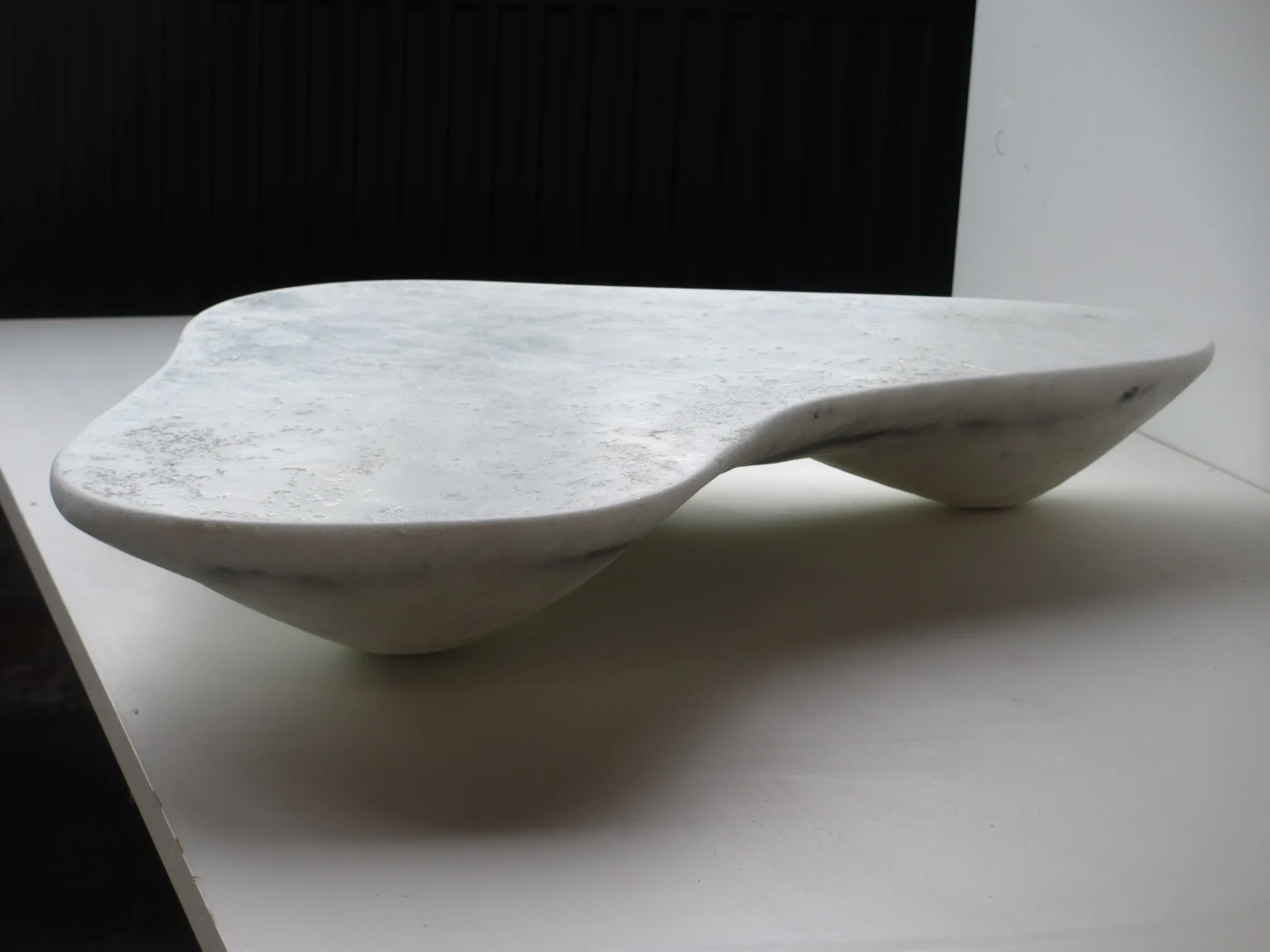
Amazonas High Coffee Table in Marble and Travertine
By Studio Ayres
€2.738 -
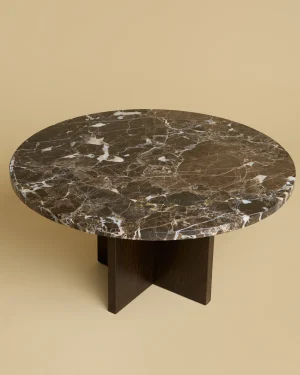
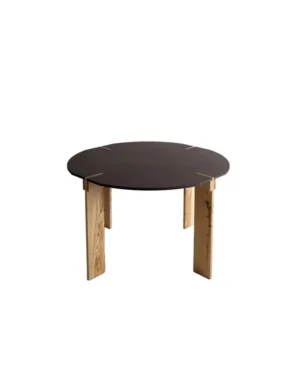
Tinian Coffee Table in Dark Emperador Marble and Oak
By Lebanto
€2.010 -

Ludovica – Stone Stool / Side Table
By Studio Ayres
€1.960 This product has multiple variants. The options may be chosen on the product page -
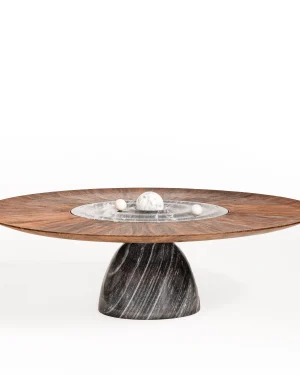
Ripple 2.0 Coffee Table in Teak Wood and Marble
By Tectona Grandis Furniture
€2.550 -
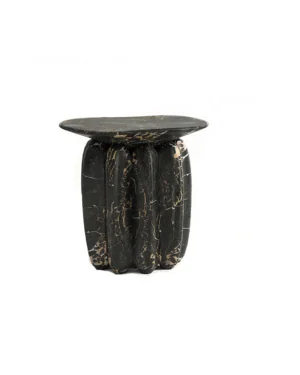
Bolero Side Table in Marble
By Alter Ego Studio
€7.260 - €8.240 This product has multiple variants. The options may be chosen on the product page -

Match! Studio Edition 001 Side Table in Marble
By please touch studio
€1.900 -

Element Side Table in Calacatta Viola Marble
By Vincent Mazenauer
€5.500 -
 In stock
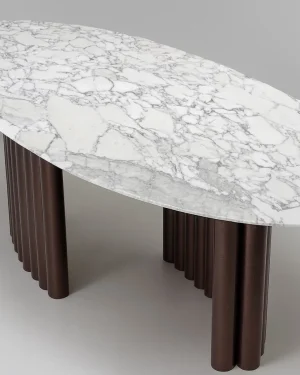
Cantus Dining Table in Arabescato Marble and Bronze
By DFdesignLab
€14.000 -
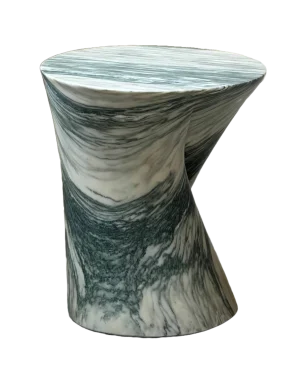 In stock
Departed Side Table in Cipollino Marble
By Studio TOOJ
€12.200 -

Phylum Dining Table in Marble, Travertine and Oak
By CMX | Furniture
€23.707 -

Olo Nightstand in Calcite, Marble and Onyx
By Panorammma Atelier
€2.990 -
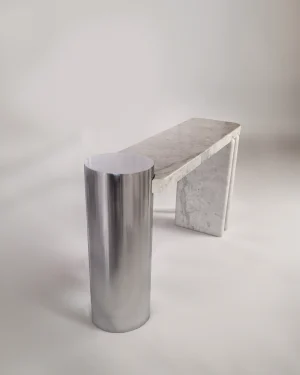
Orion Console Table in Carrara Marble and Stainless Steel
By Drusch Design
€6.900 -
 In stock
Element Console Table in Green Picasso Marble
By Vincent Mazenauer
€18.500 -
 In stock
Strata Low Square Side Table In Marble
By Iyo Hasegawa
€4.500 -
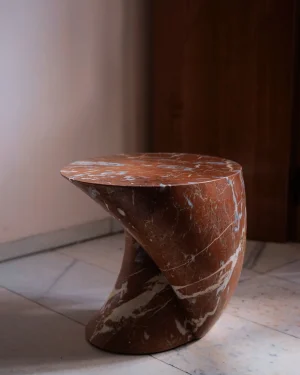 In stock
Departed Side Table in Rosso Francia Marble
By Studio TOOJ
€9.600 -

White Moth Nightstand in White Onyx
By Panorammma Atelier
€4.200 -

Cadena Side Table in Toros Black Marble and Steel
By Studio Mohs
€1.850 -
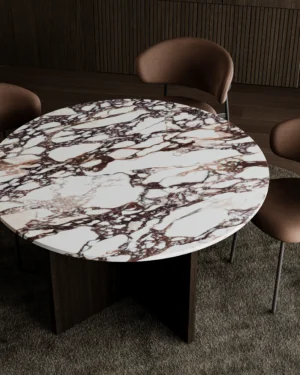
Hakata Dining Table in Calacatta Viola Marble and Oak
By Lebanto
€9.800 -
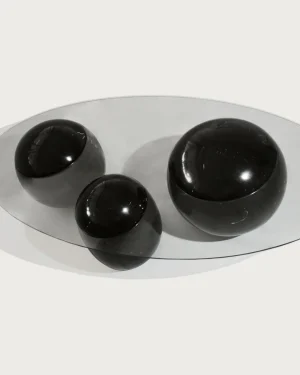
Ovni Uovo Coffee Table in Black Marble and Glass
By Panorammma Atelier
€6.600 This product has multiple variants. The options may be chosen on the product page -
 In stock
Lychorinda Console Table in Cast Bronze and Marble
By Costantini Design
€4.802 -
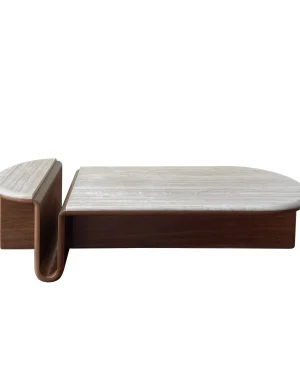
Kanyon Oval Coffee Table in Marble and Oak
By Studio Kali
€5.790 This product has multiple variants. The options may be chosen on the product page -
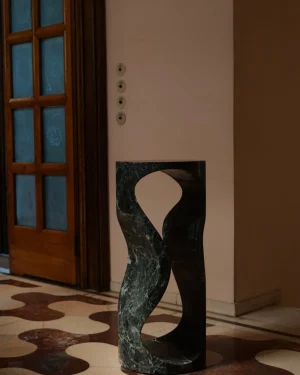 In stock
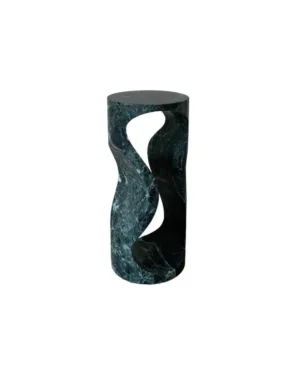
Hourglass Pedestal in Alpi Verde Marble
By Studio TOOJ
€15.700 -

Element Console Table in Calacatta Viola Marble
By Vincent Mazenauer
€12.000 -
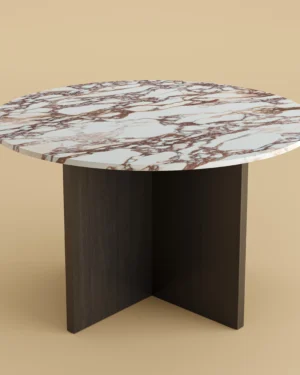
Hakata Dining Table in Arabescato Vagli Marble and Oak
By Lebanto
€9.800 -

Podium Console Table in Marble and Aluminum
By Cetti Studio ApS
€4.280 -
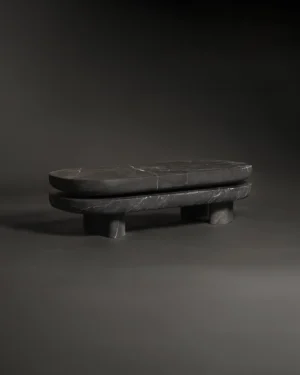
Bond Coffee Table in Black Querétaro Marble
By Drusch Design
€5.140 -
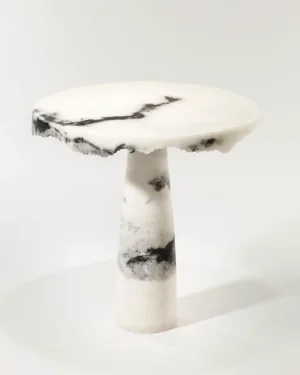
Marbled Salts Side Table in Salt and Resin
By MARBLEDSALTS studio
€4.000 This product has multiple variants. The options may be chosen on the product page -
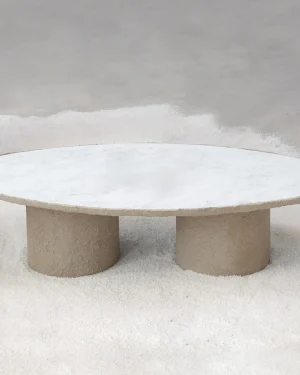 In stock
Tradizione Coffee Table in Carrara Marble, Wood and Paper
By Jonathan Bocca
€2.400 -
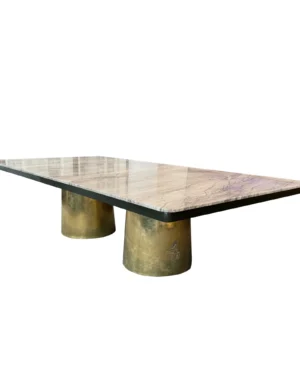
Benone Marmol Dining Table in Cast Bronze and Marble
By Costantini Design
€52.000 -
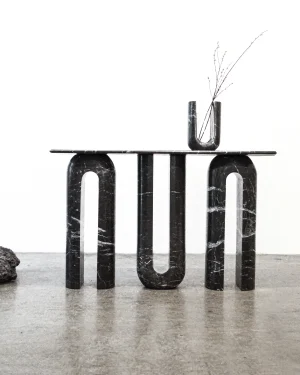 In stock
Lago Console Table in Marble
By Studio Ayres
€5.240 -
 In stock
060 Coffee Table in Silver Travertine
By NO AGE STUDIO
€4.200 -
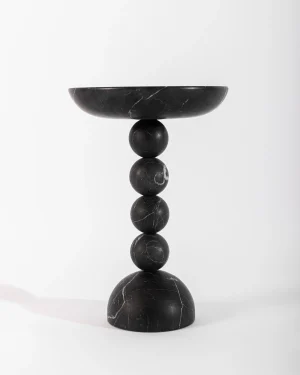
ZM Baby Black Totem Side Table in Black Marble
By Daniel Orozco Estudio
€1.040 -

White Moth Pair Nightstand in White Onyx
By Panorammma Atelier
€8.900 -
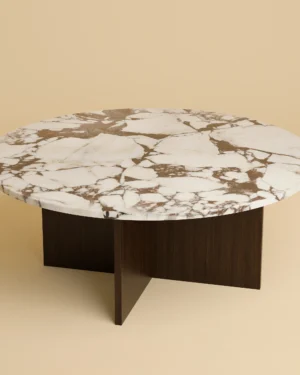
Hirado Coffee Table in Calacatta Viola Marble and Oak
By Lebanto
€4.400 -
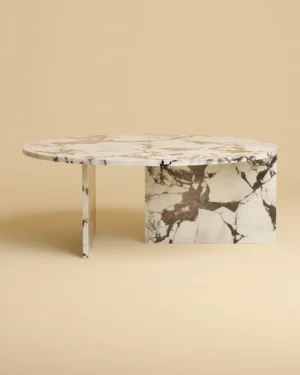
Ishiki Coffee Table in Calacatta Viola Marble
By Lebanto
€5.400 -
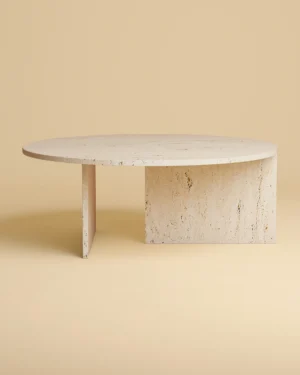
Ishiki Coffee Table in Roman Travertine
By Lebanto
€5.100 -
 In stock
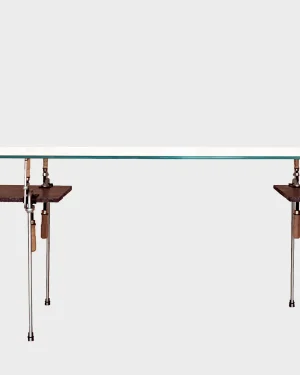
Temporal Exercise 2 Desk in Steel and Marble
By Lucas Muñoz Muñoz
€28.000 -
 In stock
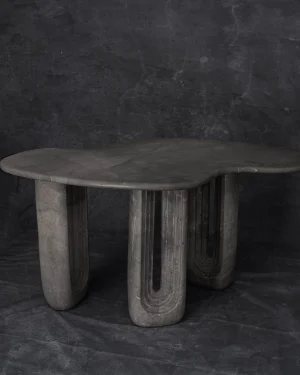
Amazonas Low Side Table in Marble and Travertine
By Studio Ayres
€1.896 -
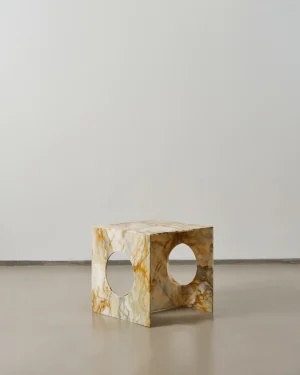
Hera Side Table in Sky Blue Marble
By Studio Mohs
€2.703 -
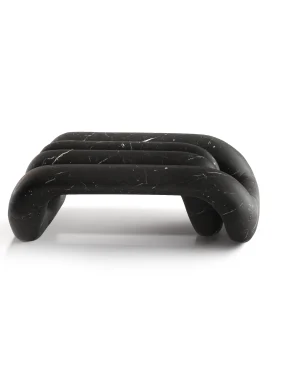
Enigma Coffee Table in Black Marble
By Alter Ego Studio
€23.200 -

Element V Coffee Table in Calacatta Viola Marble
By Vincent Mazenauer
€11.500 -

Element Coffee Table in Calacatta Viola Marble
By Vincent Mazenauer
€10.500 -
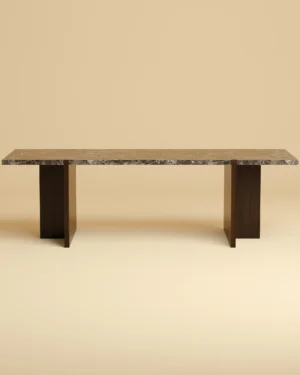
Palm Coffee Table in Emperador Dark Marble and Oak
By Lebanto
€3.500 -
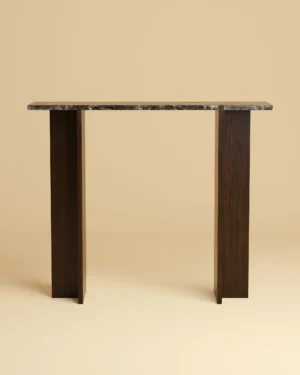
Maha Entryway Table in Emperador Dark Marble and Oak
By Lebanto
€3.500 -
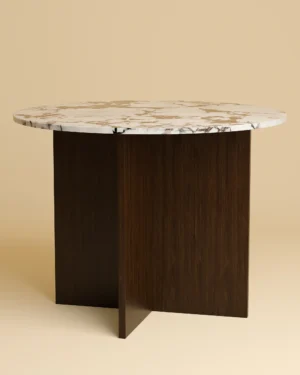
Dalma Dining Table in Calacatta Viola Marble and Oak
By Lebanto
€6.100 -

Kyushu Side Table in Travertine
By Lebanto
€2.195 - €3.175 This product has multiple variants. The options may be chosen on the product page -

Sherman Coffee Table in Calacatta Viola Marble and Oak
By Lebanto
€2.000 -
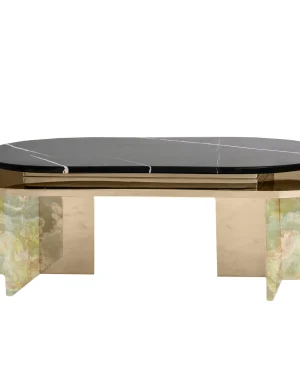
Shift Coffee Table in Natural Stone and Stainless Steel
By Alter Ego Studio
€7.120 -

Kado Side Table in Masahua Marble
By Drusch Design
€2.656 -
 In stock
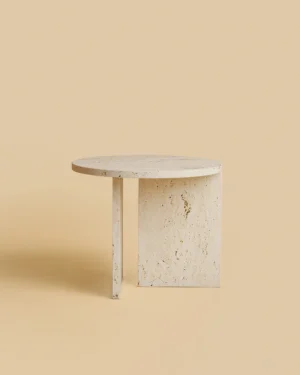
Kyushu Side Table in Travertine
By Lebanto
€2.400 This product has multiple variants. The options may be chosen on the product page -
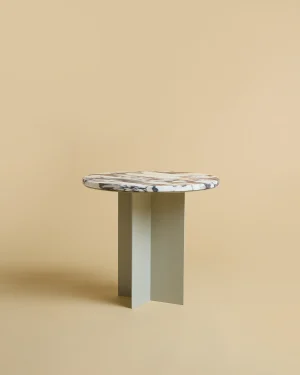
Baker Side Table in Calacatta Violet Marble and Metal
By Lebanto
€1.705 -

Nucleation Side Table in White Veneciano Marble
By Drusch Design
€3.430 -
 In stock
Podium Piece #1 Side Table in Marble and Aluminum
By Cetti Studio ApS
€1.600 -
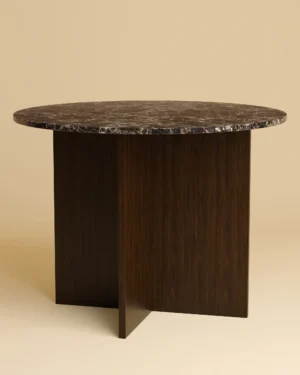
Dalma Dining Table in Emperador Dark Marble and Oak
By Lebanto
€6.100
Marble tables bring a quarried stone into daily use, cut from blocks of Carrara, Calacatta or lesser-known veined stone and shaped by studios that work in stone carving, sculpting and sometimes resin casting to bond thinner slabs over a lighter core. Each slab carries its own pattern of veining, so no two tops read exactly alike even when the design repeats. The weight and cool surface of the stone set these pieces apart from wood or metal tables, and that same weight is part of what they offer a room: permanence.
What defines marble as a table material
Marble is a metamorphic stone, formed under pressure from limestone, and it keeps some of that limestone's chemistry. It is porous, which means it will stain if red wine, oil or citrus sit on it, and it will scratch if cut on directly. Studios polish most tops to a gloss finish that deepens the veining, though some leave a honed, matte surface that hides wear better and suits a quieter room.
Color runs from cream and white through gray, beige, brown and dark brown, with occasional veins of burgundy or violet running through the stone. Travertine, a related sedimentary stone with a more open, pitted texture, often appears alongside marble and natural stone more broadly in the same tables, usually paired with oak or solid oak for the base.
The range of marble tables on ADORNO
Within this material, the styles span a wide range: minimalist forms that let the stone's pattern carry the design, Bauhaus and Art Deco references with sharper geometry, brutalist pieces that keep the stone heavy and visibly cut, and rustic interpretations that pair rough-edged stone with turned or jointed wood. Editions vary too. Some tops are produced in open editions, others as limited editions tied to a single block of stone, and some stand as unique pieces where the veining cannot be repeated.
Bases are usually wood, worked through joinery or cabinetmaking, or a second piece of stone shaped to match. The combination of techniques across a single table, stone carving for the top, joinery for the base, is part of what separates these pieces from mass-produced versions.
How to choose a marble table
Scale matters more with stone than with most materials, since a marble top adds weight that lighter furniture around it needs to balance. A dining table calls for a standard height near 28 to 30 inches and a top substantial enough to anchor chairs on either side without looking stranded. A low coffee or side table can carry a thicker slab, since it sits closer to the floor and reads as sculpture as much as surface.
Finish should follow use. A glossy, polished top shows veining at its clearest but also shows every water ring, so it suits a table used for display more than daily meals. A honed finish wears more evenly and forgives contact better, which makes it the practical choice for a kitchen or dining surface in regular use.
- For a living room, a marble coffee or side table pairs well with upholstered seating and reads as a centerpiece rather than a background piece.
- For a dining or kitchen area, a honed or sealed top withstands daily use better than a high-gloss one.
- For an entryway, a smaller marble table holds weight visually at the threshold of a room without requiring much floor space.
Placement and care
Marble prefers a stable spot, out of direct sun that can fade color over years, and away from damp corners where moisture might seep into the stone's pores. A sealant applied periodically slows staining but will not stop it entirely, so coasters and trivets remain the simplest protection. Spills should be wiped promptly rather than left to sit, and acidic cleaners avoided in favor of a damp cloth and mild soap.
Marble tables sit within the wider range of tables on ADORNO, alongside options built from oak, metal and other species for those weighing stone against wood. The full range of stone pieces, including marble furniture beyond tables, sits under every marble piece on ADORNO. For a living room specifically, the living room tables group narrows the range further, and anyone drawn to grain over veining can compare against the wooden tables made through joinery and cabinetmaking.
How do I choose the right marble table?
Consider the room and how the table will be used, since marble carries weight both visually and physically. Cream, white or gray tones read quieter, while veined Calacatta or darker stone makes more of a statement.
Does marble stain or scratch easily?
Marble is porous and can stain from wine, oil or acidic spills, and it scratches more easily than granite. Sealing it periodically and wiping spills promptly keeps the surface looking even over years.
What size and height should a marble table be?
Dining tables typically stand around 28 to 30 inches high, while coffee tables sit lower, near 16 to 18 inches. Marble's weight means console and side tables often stay compact and close to the floor.
Which rooms suit a marble table best?
Marble tables anchor living rooms, dining spaces and entryways, where their weight and surface read as a fixed point in the room rather than a piece to move around often.
How is a marble table made?
Studios shape marble tables through stone carving and sculpting, cutting and polishing solid blocks or slabs. Some bases combine carved stone with wood or metal for structural support.
How does shipping, returns and authenticity work on ADORNO?
Shipping is insured and worldwide. Returns are accepted within 14 days, though made-to-order pieces are excluded, and every piece comes with a certificate of authenticity.