

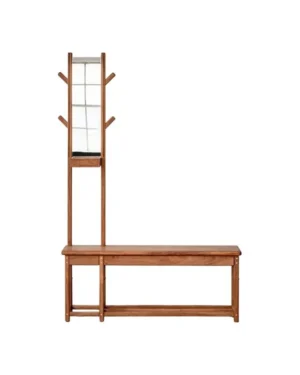
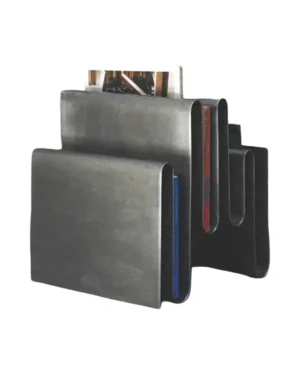
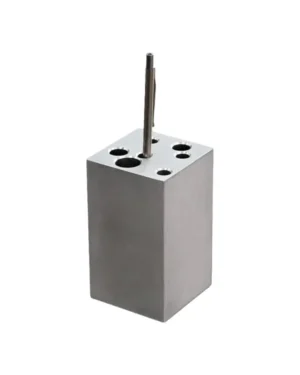
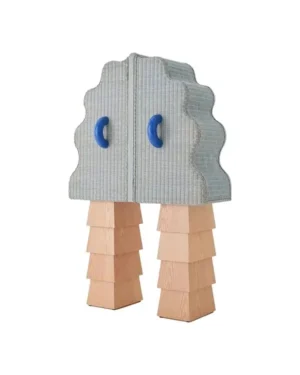
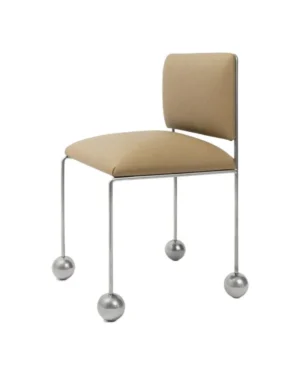
-

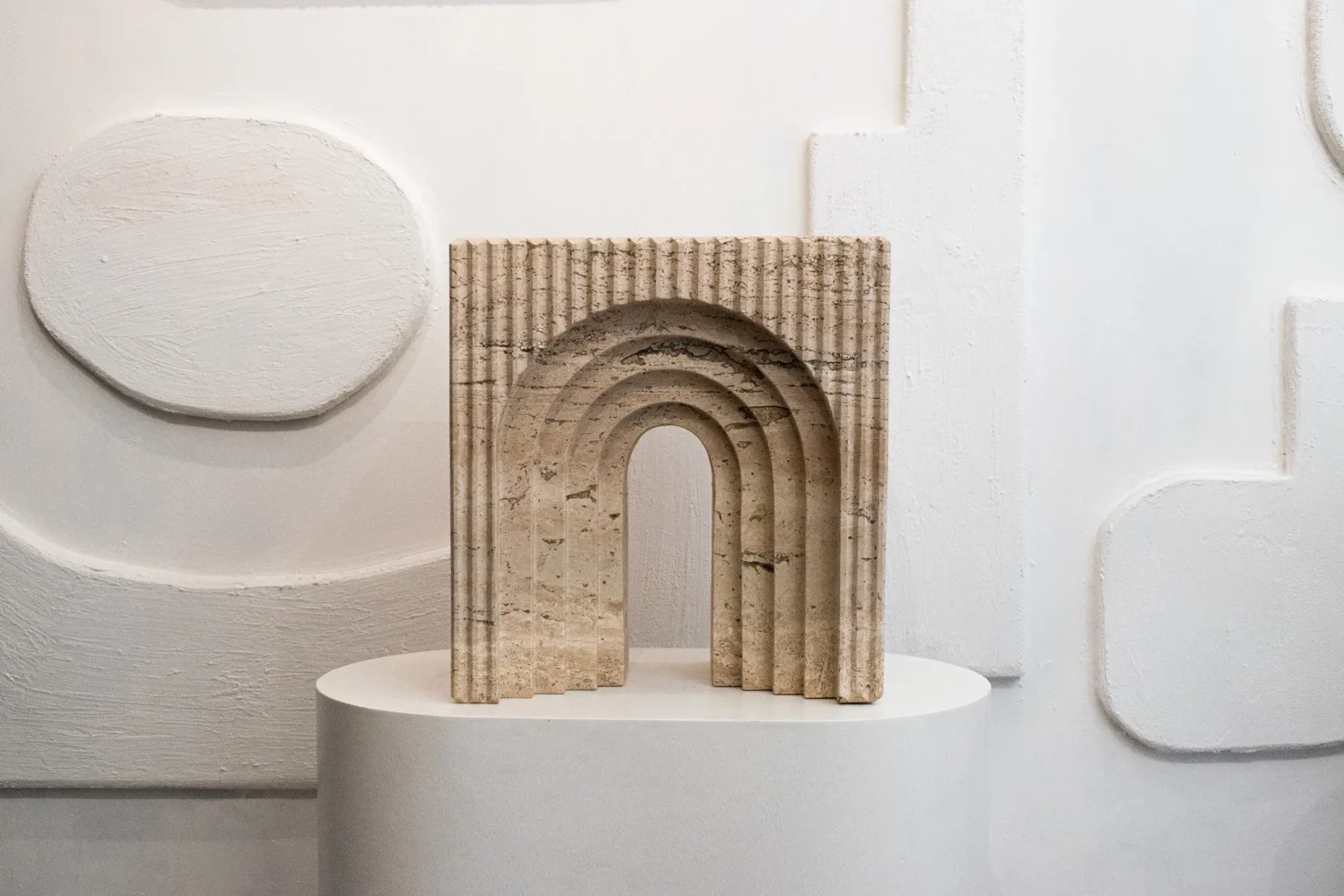
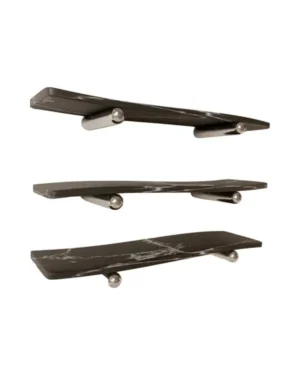
Slant Book Stand – Marble, Brass and Oak Wood
By VAUST Studio
€6.600 -
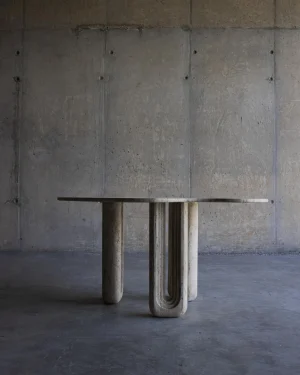 In stock
Amazonas High Coffee Table in Marble and Travertine
By Studio Ayres
€2.738 -
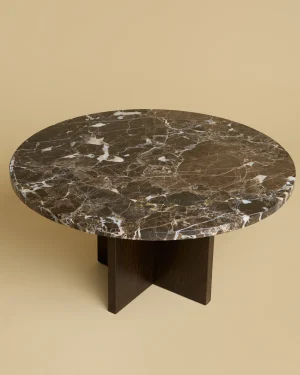
Tinian Coffee Table in Dark Emperador Marble and Oak
By Lebanto
€2.010 -

Ludovica – Stone Stool / Side Table
By Studio Ayres
€1.960 This product has multiple variants. The options may be chosen on the product page -
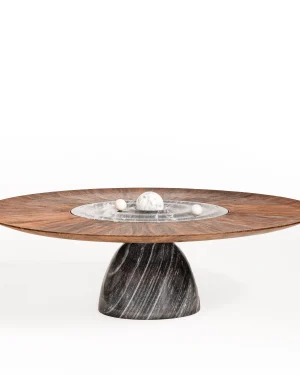
Ripple 2.0 Coffee Table in Teak Wood and Marble
By Tectona Grandis Furniture
€2.550 -
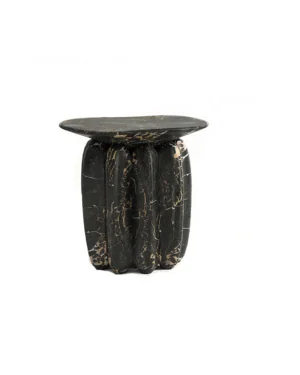
Bolero Side Table in Marble
By Alter Ego Studio
€7.260 - €8.240 This product has multiple variants. The options may be chosen on the product page -

Match! Studio Edition 001 Side Table in Marble
By please touch studio
€1.900 -

Element Side Table in Calacatta Viola Marble
By Vincent Mazenauer
€5.500 -
 In stock
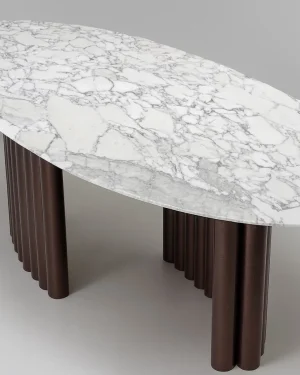
Cantus Dining Table in Arabescato Marble and Bronze
By DFdesignLab
€14.000 -
 In stock
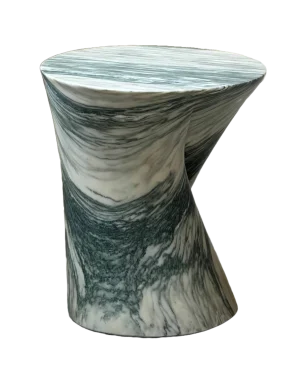
Departed Side Table in Cipollino Marble
By Studio TOOJ
€12.200 -

Phylum Dining Table in Marble, Travertine and Oak
By CMX | Furniture
€23.707 -

Olo Nightstand in Calcite, Marble and Onyx
By Panorammma Atelier
€2.990 -
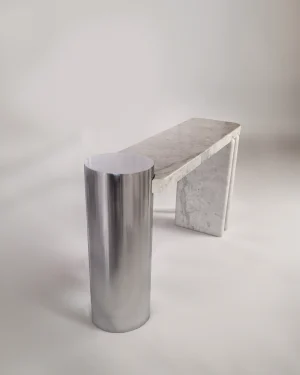
Orion Console Table in Carrara Marble and Stainless Steel
By Drusch Design
€6.900 -
 In stock
Element Console Table in Green Picasso Marble
By Vincent Mazenauer
€18.500 -
 In stock
Strata Low Square Side Table In Marble
By Iyo Hasegawa
€4.500 -
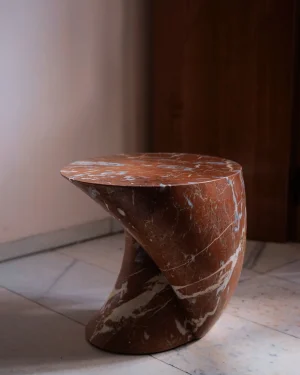 In stock
Departed Side Table in Rosso Francia Marble
By Studio TOOJ
€9.600 -
 In stock
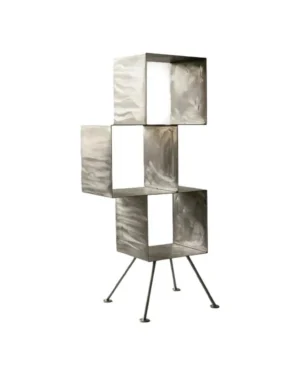
Temporal Collection, Exercise 1 Shelf
By Lucas Muñoz Muñoz
€45.000 -
 In stock
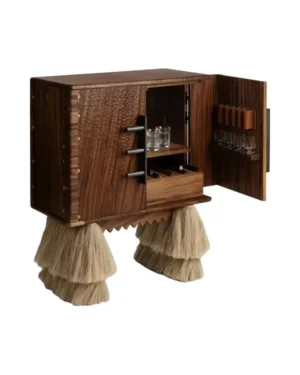
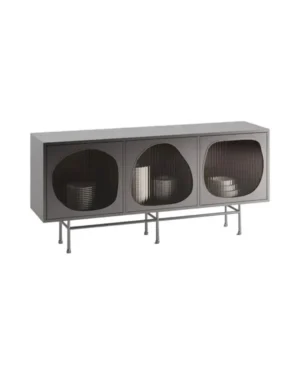
Capri – Drink Cabinet
By Lebanto
€10.500 -

White Moth Nightstand in White Onyx
By Panorammma Atelier
€4.200 -

Cadena Side Table in Toros Black Marble and Steel
By Studio Mohs
€1.850 -
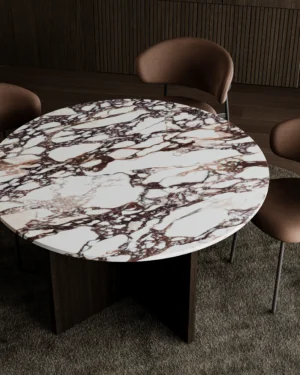
Hakata Dining Table in Calacatta Viola Marble and Oak
By Lebanto
€9.800 -
 In stock
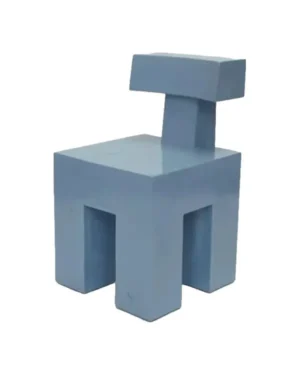
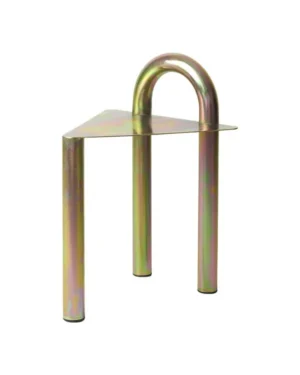
Stool With Three Fingers
By Ieva Gudelaitytė
€1.300 -
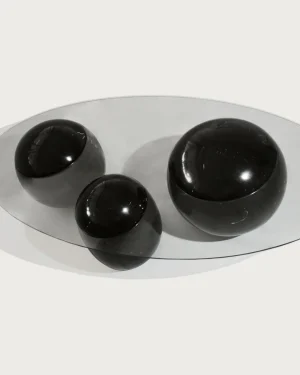
Ovni Uovo Coffee Table in Black Marble and Glass
By Panorammma Atelier
€6.600 This product has multiple variants. The options may be chosen on the product page -
 In stock
Lychorinda Console Table in Cast Bronze and Marble
By Costantini Design
€4.802 -
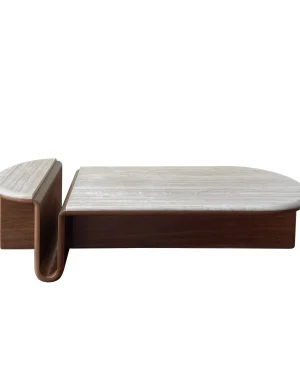
Kanyon Oval Coffee Table in Marble and Oak
By Studio Kali
€5.790 This product has multiple variants. The options may be chosen on the product page -
 In stock
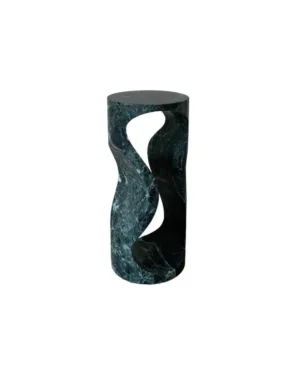
Hourglass Pedestal in Alpi Verde Marble
By Studio TOOJ
€15.700 -

Element Console Table in Calacatta Viola Marble
By Vincent Mazenauer
€12.000 -
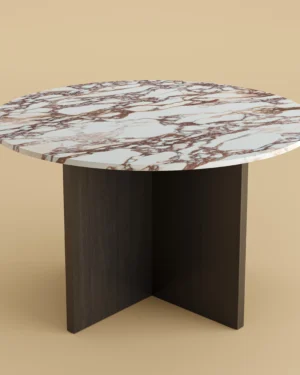
Hakata Dining Table in Arabescato Vagli Marble and Oak
By Lebanto
€9.800 -

Podium Console Table in Marble and Aluminum
By Cetti Studio ApS
€4.280 -
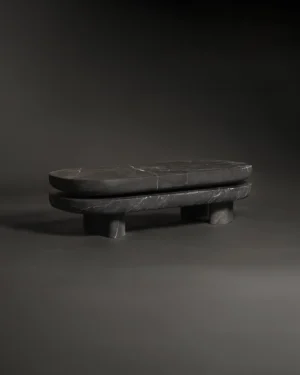
Bond Coffee Table in Black Querétaro Marble
By Drusch Design
€5.140 -
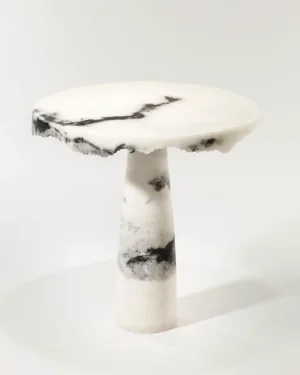
Marbled Salts Side Table in Salt and Resin
By MARBLEDSALTS studio
€4.000 This product has multiple variants. The options may be chosen on the product page -
 In stock
Tradizione Coffee Table in Carrara Marble, Wood and Paper
By Jonathan Bocca
€2.400 -
 In stock
Marbelicious – Curved Green Marble Bench
By Millim Studio
€6.250 -
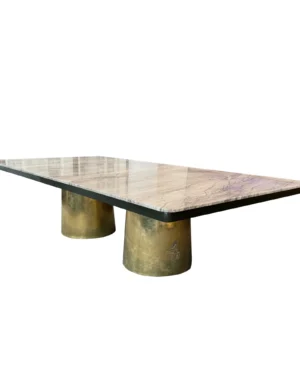
Benone Marmol Dining Table in Cast Bronze and Marble
By Costantini Design
€52.000 -
 In stock
Lago Console Table in Marble
By Studio Ayres
€5.240 -
 In stock
060 Coffee Table in Silver Travertine
By NO AGE STUDIO
€4.200 -
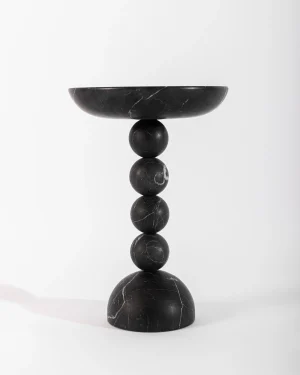
ZM Baby Black Totem Side Table in Black Marble
By Daniel Orozco Estudio
€1.040 -

Manikin – Stone Stool
By Alter Ego Studio
€9.220 - €16.620 This product has multiple variants. The options may be chosen on the product page -

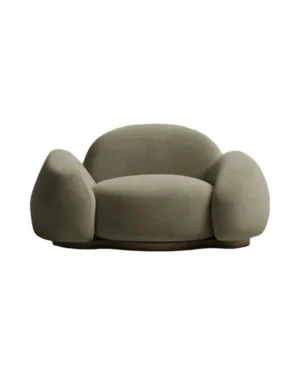
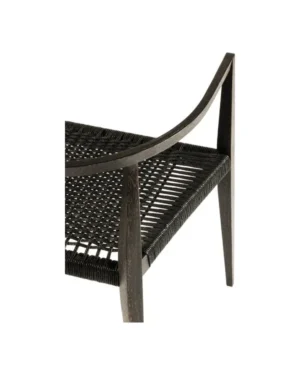
Armchair With Stone Accent
By Alter Ego Studio
€7.300 - €7.520 This product has multiple variants. The options may be chosen on the product page -

White Moth Pair Nightstand in White Onyx
By Panorammma Atelier
€8.900 -
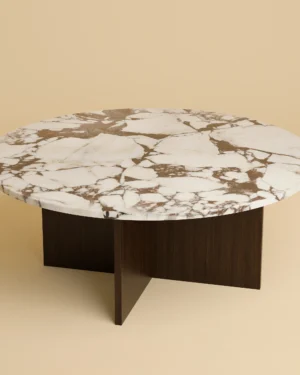
Hirado Coffee Table in Calacatta Viola Marble and Oak
By Lebanto
€4.400 -
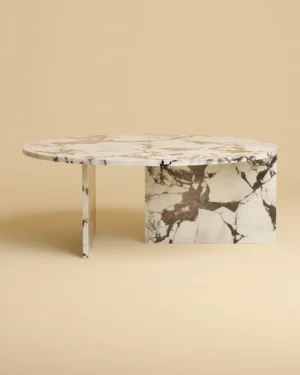
Ishiki Coffee Table in Calacatta Viola Marble
By Lebanto
€5.400 -
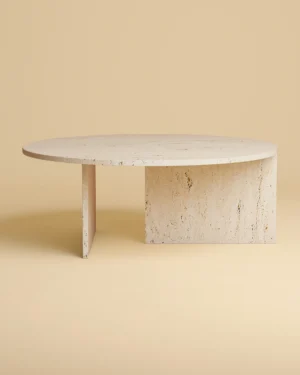
Ishiki Coffee Table in Roman Travertine
By Lebanto
€5.100 -

“Chaiselongue” Bench
By VAUST Studio
€9.900 -
 In stock
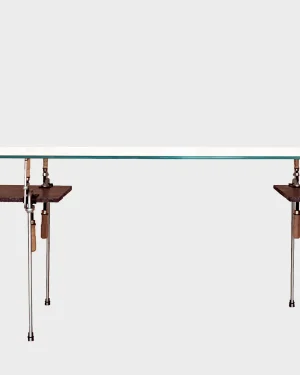
Temporal Exercise 2 Desk in Steel and Marble
By Lucas Muñoz Muñoz
€28.000 -
 In stock
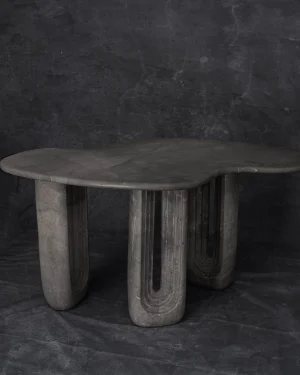
Amazonas Low Side Table in Marble and Travertine
By Studio Ayres
€1.896 -
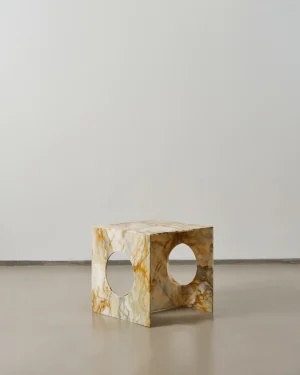
Hera Side Table in Sky Blue Marble
By Studio Mohs
€2.703 -
 In stock
Marbelicious – Tall Marble Bookcase
By Millim Studio
€7.500 -
 In stock
Marbelicious – Green Marble Storage Console
By Millim Studio
€9.250 -
 In stock
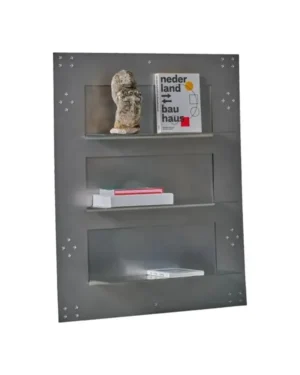
I Still Hold The Past – Bookshelf
By Ieva Gudelaitytė
€2.700 -
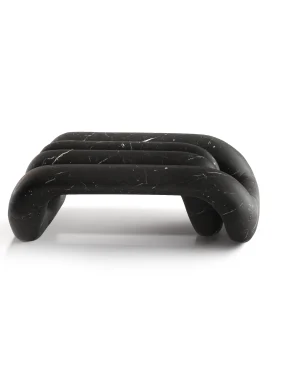
Enigma Coffee Table in Black Marble
By Alter Ego Studio
€23.200 -

Element V Coffee Table in Calacatta Viola Marble
By Vincent Mazenauer
€11.500 -

Element Coffee Table in Calacatta Viola Marble
By Vincent Mazenauer
€10.500 -

Cult Stool – Sculptural Side Table In Rose Marble
By Panorammma Atelier
€2.500
Marble furniture gathers tables, seating, consoles and low stools carved or sculpted from a single block or slab, built by studios who work stone the way others work wood. The material defines the piece before any finish does: its veining, its weight, the way light sits on a polished surface versus a honed one. Expect pieces that read as sculpture first and furniture second, each one carrying the particular markings of the block it came from.
What defines marble as a material
Marble forms under heat and pressure, and the veining that runs through it records that process in gray, beige, violet or burgundy threads against a white, cream or black ground. No two slabs read the same, so a tabletop or stool cut from stone will always carry some variation from the one beside it. The stone is dense and cool to the touch, which is part of its appeal in a side table or a plinth-style stand.
That density brings weight. A marble base or tabletop anchors a room by sheer mass, often needing little else around it to read as a focal point. The same density makes marble prone to chipping at sharp edges and porous enough to stain if liquids sit on an unsealed surface, which is worth knowing before you place a piece near a sink or a wine glass.
The range of marble furniture on ADORNO
Within furniture cut or finished in marble, you will find variation in stone, color and method rather than one fixed look. Related stones such as travertine and other natural stone appear alongside true marble, including Calacatta blocks prized for their bold veining, and some studios pair stone with solid oak or wood bases for contrast in weight and tone.
- Colors ranging from white, cream and beige through gray, black, pink and violet, depending on the quarry
- Finishes from a high polish to a matte, honed surface that shows fewer fingerprints and scratches
- Techniques including stone carving, sculpting and the joinery or metalwork used where marble meets another material
- Editions that span open runs, limited editions and unique pieces, since no two blocks of stone cut exactly alike
Stylistically, the stone lends itself to contemporary and minimalist lines as easily as it does to Art Deco curves, Bauhaus geometry or a heavier, Brutalist mass. For a fuller survey of what is cut from this stone across categories, the marble pieces on ADORNO span lighting and accessories as well as furniture.
How to choose a marble piece
Scale matters more with stone than with most materials, since a marble top reads heavier than the same dimensions in wood or metal. Measure the space with that extra visual weight in mind, and leave enough clearance around a stone console or table that the room does not feel crowded by it.
Height follows the piece's role: a side table usually sits near chair-arm height, a dining table at standard table height, a low marble stool or plinth lower still if it is meant to double as a stand. A polished finish will show water marks and light scratching sooner than a honed one, so consider finish alongside color when a piece will see daily use rather than occasional display.
Where marble furniture belongs in the home
A marble console or sculptural stool suits an entryway or a living room where it can be seen from a distance, since the veining and mass both read best with space around them. Marble side and coffee tables carry their own weight next to upholstered seating, offering a cool, hard surface against soft fabric. In dining spaces, a stone-topped marble table pairs well with simpler chairs in wood, keeping the attention on the stone itself.
Caring for marble furniture
Wipe spills promptly, since marble is porous and can absorb oil, wine or acidic liquids before you notice a mark. Use a stone-safe sealant on a regular schedule if the piece sits in a kitchen or near a bar cart, and avoid vinegar, citrus or other acidic cleaners that etch the surface over time. For everyday dusting, a soft cloth and plain water are enough, and coasters or trivets under glasses and hot dishes will keep a polished top free of rings and heat marks. Studios working across stone, wood and other materials appear throughout the wooden furniture listings as well, for anyone balancing a marble piece against warmer tones elsewhere in a room.
How do I choose the right marble furniture piece?
Consider the room's light and traffic, since pale stones like Calacatta show veining best while darker stone hides daily wear better. Weigh the piece before placing it, as solid marble carries real structural load.
How do I clean and care for marble furniture?
Wipe with a soft cloth and pH-neutral cleaner, and blot spills quickly since wine, oil and citrus can etch or stain the surface. Avoid vinegar, bleach or abrasive pads, and seal the stone periodically to limit absorption.
Does marble furniture stain or scratch easily?
Marble is porous and reacts to acids, so staining is possible without sealing or prompt cleanup. It resists everyday scuffs well but can chip at edges or corners under heavy impact.
What size and height should a marble table be?
Standard dining heights run around 28 to 30 inches, coffee tables lower, around 16 to 18 inches, which marble pieces generally follow. Exact dimensions and weight vary by piece, so chat with the maker on the piece's page to confirm.
Which rooms suit marble furniture best?
Marble tables and consoles anchor living and dining rooms, while smaller stone pieces work well in entryways and bedrooms. Its weight and cool surface make it better suited to stable, dry spaces than humid bathrooms over time.
What are ADORNO's shipping, returns and authenticity policies?
Shipping is insured and worldwide, with a 14-day return policy, though made-to-order pieces are excluded. Each piece ships with a certificate of authenticity, backed by a lowest-price guarantee.