









-

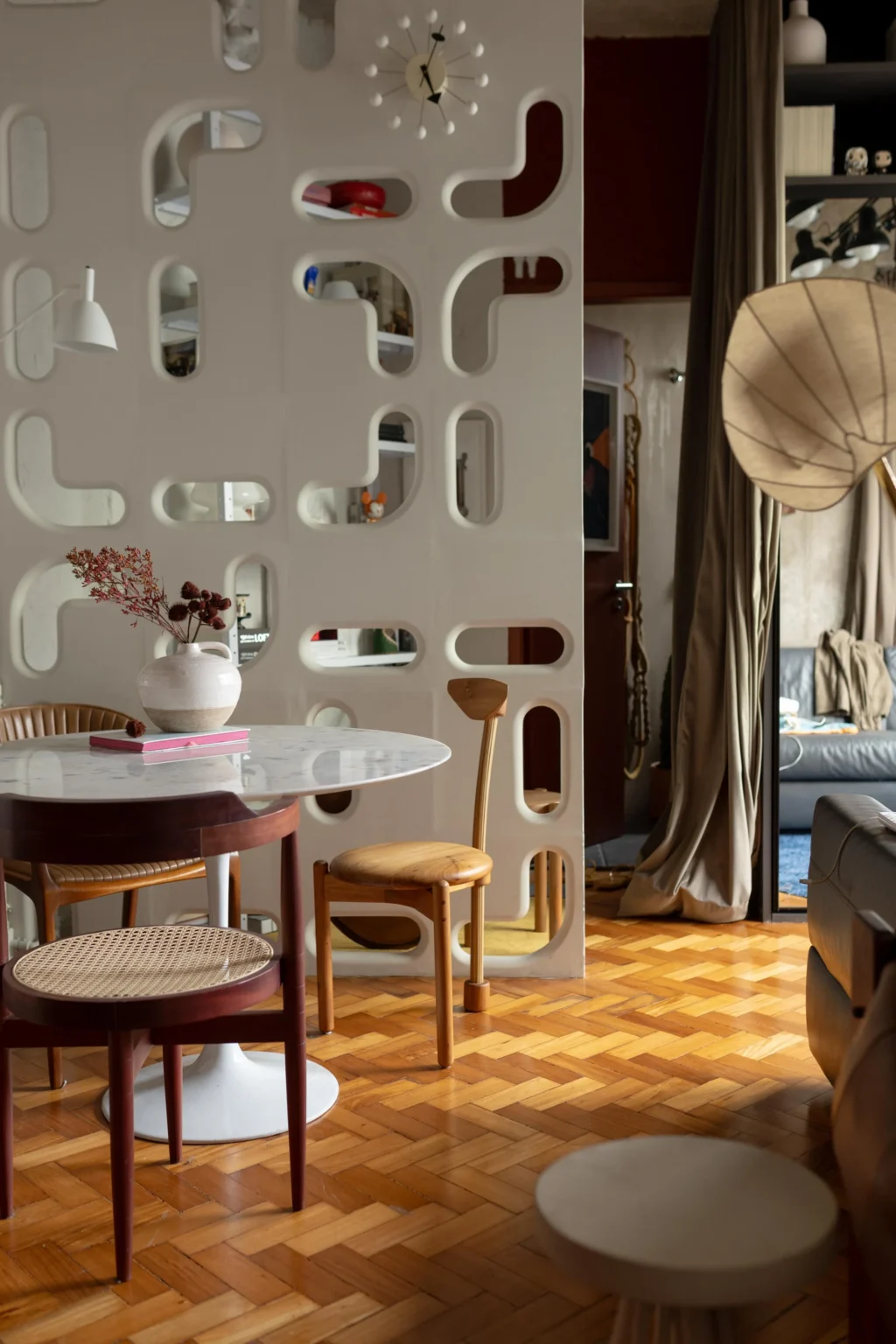
Heimatlos Chair
By em ef studio
€1.600 -
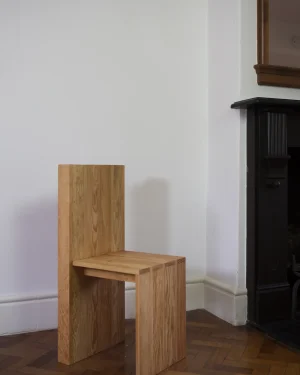
La Curva – Minimalist Wood Chair
By Jaclyn Pappalardo
€940 -
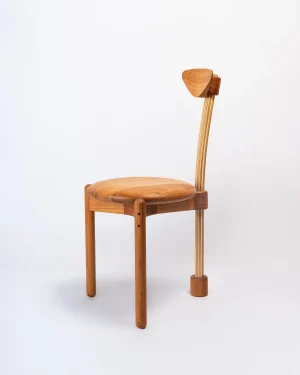
Pipa – Peroba Do Campo Wood Chair
By Estúdio Simbiose
€1.450 -
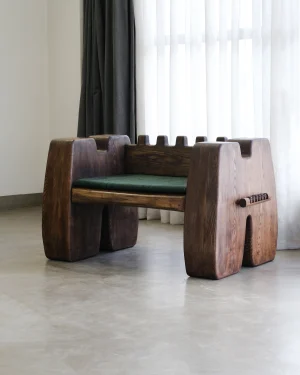
Takhat Armchair
By Shivangi Vasudeva
€5.000 -

T Wood Chair
By NO AGE STUDIO
€950 -

The Andes Huntsman Chair
By CHANDLER MCLELLAN
€3.695 -

“your Skin” Chair
By Tributo
€2.180 -
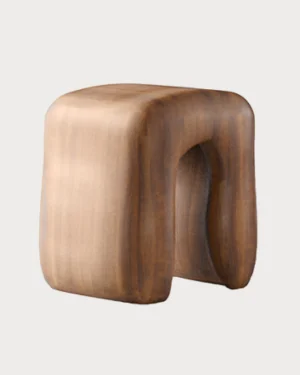
Manikin – Wooden Stool
By Alter Ego Studio
€2.920 This product has multiple variants. The options may be chosen on the product page -
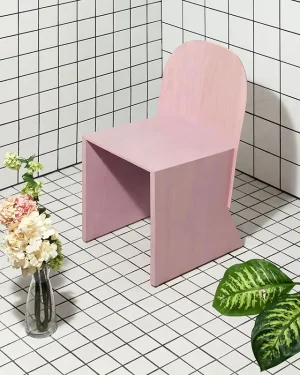
Florist Chair
By Calen Knauf Studio
€1.196 This product has multiple variants. The options may be chosen on the product page -
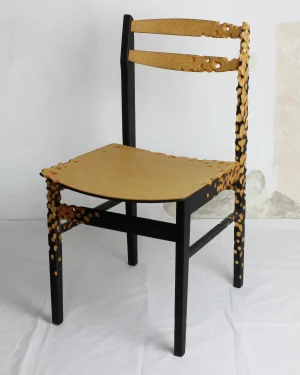
N1 Chair
By Gábor Góbi
€1.990 -
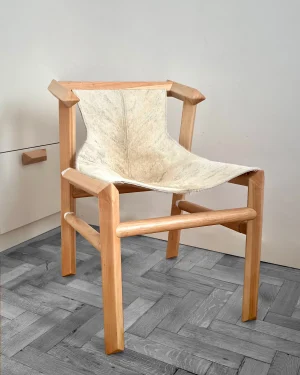
Hairy Leather Dining Chair
By espina corona
€990 -
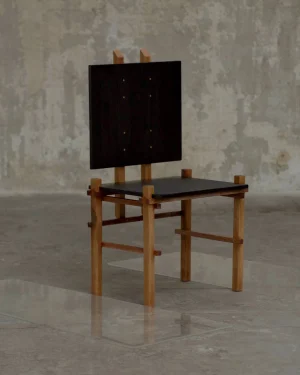
Lava – Symmetrical Wooden Chair
By Jaclyn Pappalardo
€1.285 -
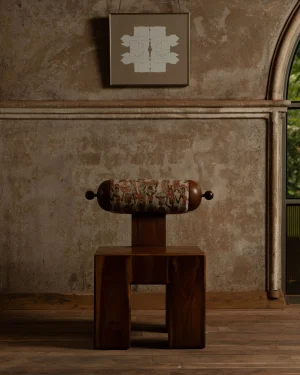
Akeru Chair / Numbered Edition Of 10
By WANNAS
Price Upon Request -

UNTITLED CHAIR X – Sculpted Sand Chair
By Kajsa Melchior
Price Upon Request -

“Envisioned Comfort” Armchair
By Marija Puipaitė & Vytautas Gečas
€4.900
Rustic accent chairs are built from solid wood and tanned leather, joined with pegs, dowels or exposed mortise-and-tenon work rather than hidden fasteners. The studios behind them favor species that show grain and age rather than hide it, and seats that take on a patina with use. Weight and texture come first here, comfort follows from the way the materials settle into a room.
What defines the rustic style in a chair
A rustic accent chair reads as hand-built even when it is produced in series: thick stiles, chamfered edges, saddle or drop-in seats in leather or waxed canvas. Joinery stays visible on purpose, a sign that the piece was assembled rather than molded. Walnut, beech and birch show up often, chosen for density and for the way they darken slowly under light.
Color stays close to the material itself. Expect brown, amber, beige and off-white leather, sometimes paired with black or forest green upholstery for contrast. Little here is painted; finish tends to be oil or wax that lets the wood breathe and the grain stay legible.
The range of wood, leather and other materials
Alongside solid wood and walnut, some studios turn to brass fittings for hardware that will oxidize with handling, or to beech and birch for frames that take a darker stain well. A smaller number work with recycled material or PLA through 3D printing and digital fabrication, pushing the rustic idea into sustainable or experimental territory without losing the handmade look.
Technique varies with the material: wood and cabinetmaking and wood carving for frames, leatherwork and upholstery for seats and backs, metalwork where brass or iron reinforces a joint. Editions run from open runs made to a repeatable design, to limited editions and unique pieces where each chair carries small variations from the one before it. For a broader look at the wood-first end of the category, see the wooden accent chairs kept in oak, walnut and ash.
Choosing a rustic accent chair
Scale matters more than style once a chair is in a room. A heavy frame with thick arms needs space around it to read as grounded rather than crowded; a slimmer rustic frame with a leather sling seat works in a tighter corner. Seat height should match how the chair will be used, lower for a reading spot, closer to table height if it will sit at a desk or dining table.
- Check seat depth against how you sit, upright for a desk chair, deeper for lounging
- Match finish to existing wood tones in the room rather than to the wall color
- Leave clearance for the arms if the chair will sit beside a sofa or table
Placement follows from weight. A substantial wood-and-leather chair anchors a room on its own and rarely needs a matching pair.
Rooms that suit rustic wood and leather
These chairs sit well in living rooms as a second seat beside a sofa, in bedrooms as a place to drop clothes or read, and at the dining table where a single rustic chair can break up a run of matching ones. For dining-specific scale and seat height, the dining room accent chairs follow the same material logic. In a living room, pair a chair with a rustic side or coffee table in the same wood family, such as those found among rustic tables, to keep the grain and finish consistent across the room.
Living with and caring for the materials
Solid wood wants a stable room, away from direct heat and sharp humidity swings that can open joints over time. A light coat of oil or wax once or twice a year keeps the surface fed and the color even. Leather seats benefit from an occasional conditioner to stop the surface from drying and cracking, and from being kept out of direct sun, which fades and stiffens hide faster than almost anything else.
For the full range of accent chairs beyond this style, the accent chairs category covers every material and finish on ADORNO, while every other rustic piece, chairs included, sits under rustic design as a style on its own.
How do I choose a rustic accent chair?
Look for solid wood, visible joinery and leather or woven seats that show the hand of the maker. Pick a frame weight that matches the room, heavier oak or walnut for presence, lighter beech for a smaller corner.
What materials are rustic accent chairs usually made from?
Most pair solid wood, often oak, walnut or beech, with leather or natural upholstery, joined with visible pegs, dowels or exposed screws rather than hidden fixings.
How do I care for a wood and leather accent chair?
Dust wood with a dry cloth and oil or wax it occasionally to stop it drying out. Wipe leather with a damp cloth, keep both out of direct sun and away from radiators.
What size is a typical accent chair and will it fit my space?
Accent chairs generally sit lower and more compact than armchairs, suited to corners, bedsides or reading nooks. Check the piece's own dimensions page, as frame width and seat height vary by maker.
Which rooms suit rustic accent chairs?
Their weight and texture ground living rooms, bedrooms and entryways, and they work well pulled up to a dining or side table for extra seating without matching a full set.
Does ADORNO ship internationally, accept returns and guarantee authenticity?
Shipping is insured and worldwide. Returns are accepted within 14 days, except made-to-order pieces, and every piece comes with a certificate of authenticity plus a lowest-price guarantee.