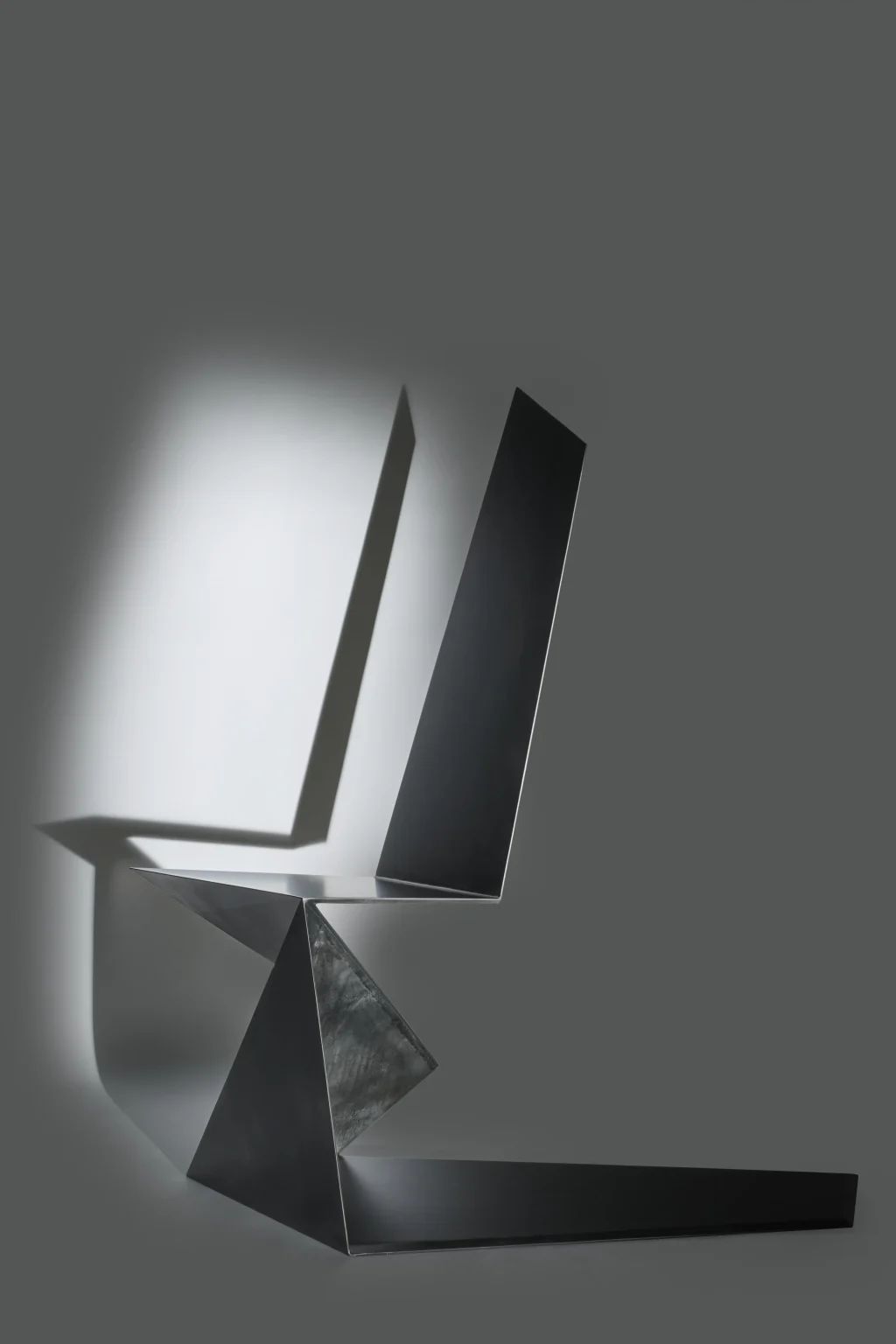










-

Camber – Stainless Steel Chair
By Paul Coenen
€1.121 -
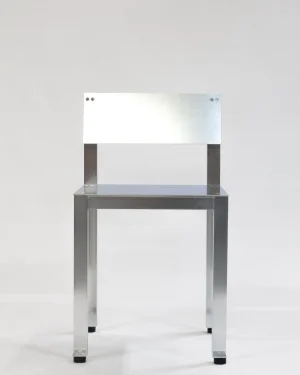
Canto – Aluminum Dining Chair
By Luiz Solano
€840 -
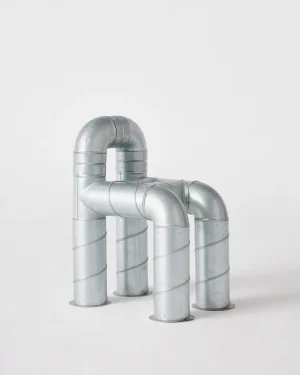
O.F.I.S Series, Steel Chair
By Lucas Muñoz Muñoz
€1.200 -
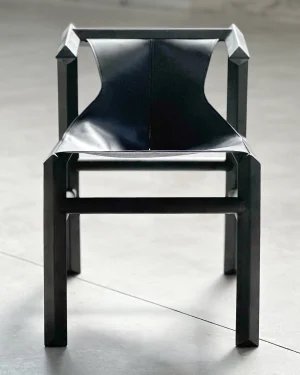
1901 – Black Leather And Wood Dining Chair
By espina corona
€890 -

1908 – Solid Wood & Leather Lounge Chair
By espina corona
€1.450 -

Harakiri – Aluminum And Damascus Steel Chair
By ORFEO STUDIO
€4.918 -
 In stock
Pneumatic Chair 2
By Szostak Atelier
€5.990 This product has multiple variants. The options may be chosen on the product page -
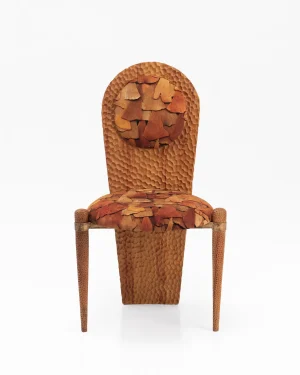
Naughty By Nature – Sculptural Chair
By Odditi
€1.180 -

Sitting Bull – Stainless Steel Accent Chair
By ORFEO STUDIO
€5.800 - €6.200 This product has multiple variants. The options may be chosen on the product page -
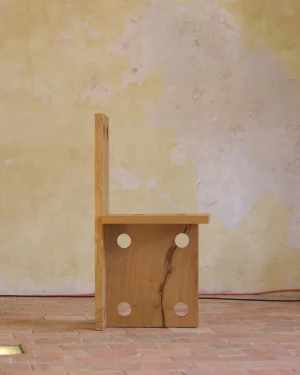
Sensitive Wood – Domino Chair
By Vital Lainé
€1.000 -
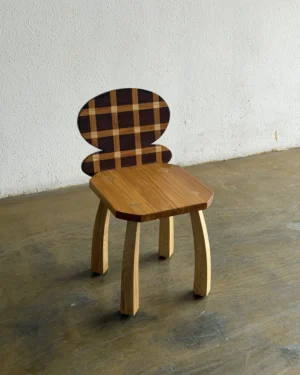
Bend Chair
By STUDIO KALLANG
€2.900 -
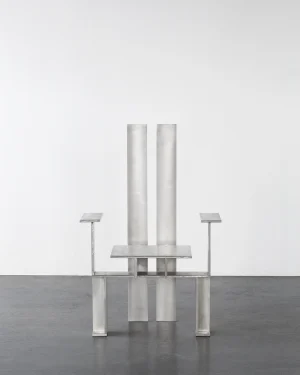
Relatively Comfy Armchair
By Thomas Gayet
€2.900 -
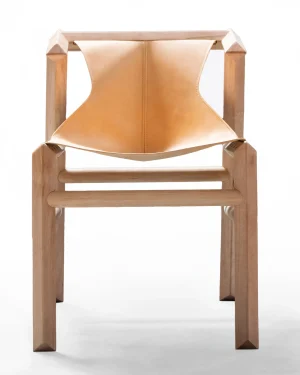
1901 – Cognac Leather And Wood Dining Chair
By espina corona
€890 -
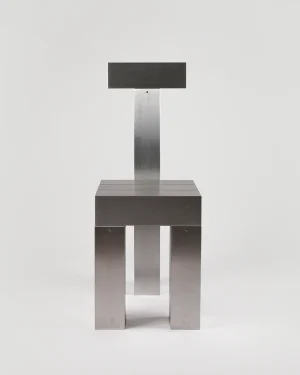
Garriga Chair
By Lucas Cambier
€3.500 -

Rounded Edges Aluminum Chair
By LESORR
€1.273 This product has multiple variants. The options may be chosen on the product page -
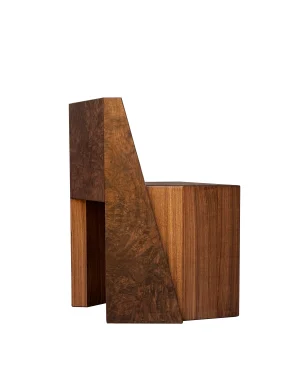
Koza – Accent Chair
By Pablo Sinan Design
€2.000 -
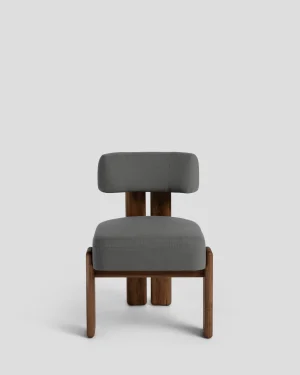
De La Paz Dining Chair
By Comité de Proyectos
€2.380 -
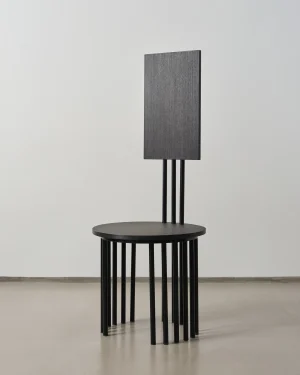
Reina Chair
By Studio Mohs
€1.614 -
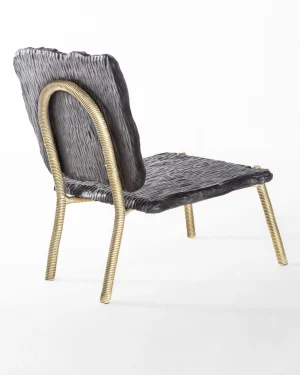
Lascas Chair
By Carol Gay
€8.500 -

1907 Wood And Felted Wool Lounge Chair
By espina corona
€1.050 -
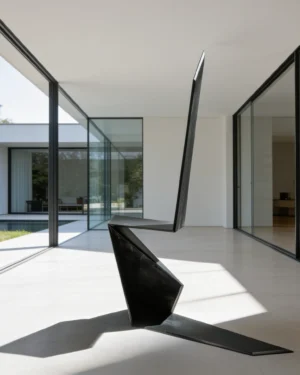
Dark Side – Aluminum Chair
By ORFEO STUDIO
€5.082 -

Black Lounge Chair – 1907
By espina corona
€1.120 -

Trigon Chair
By Mokko
€3.280 - €4.410 This product has multiple variants. The options may be chosen on the product page -
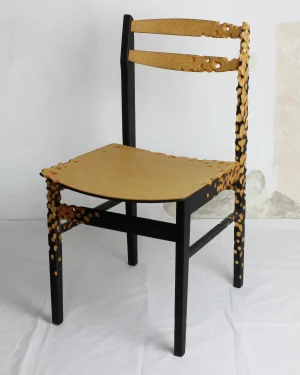
N1 Chair
By Gábor Góbi
€1.990 -
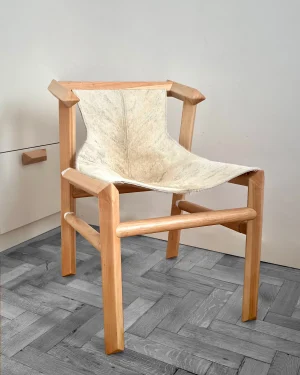
Hairy Leather Dining Chair
By espina corona
€990 -
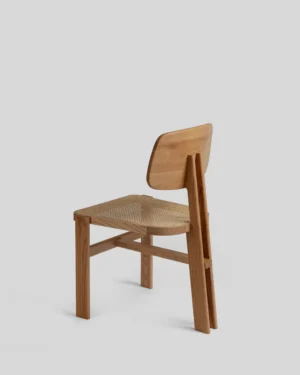
Joy Chair
By Juskani Alonso
€1.950 -
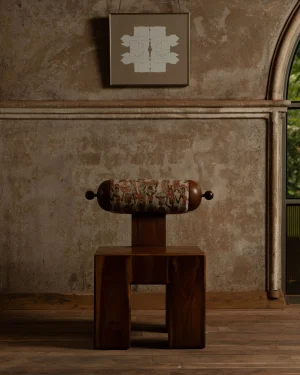
Akeru Chair / Numbered Edition Of 10
By WANNAS
Price Upon Request -

Rian High Back Chair
By Semigood Design
€3.229 This product has multiple variants. The options may be chosen on the product page -

“standard” Chair
By Tributo
€1.263 -
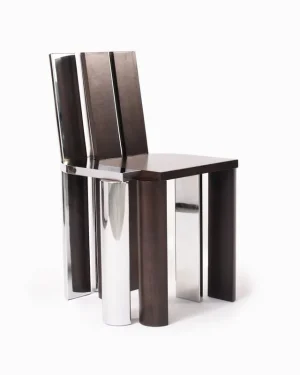
DV Chair – Chrome Edition
By Studio S II
Price Upon Request -

Cocar Chair: Handmade In Brazill With Braided Tucumã Straw And Cabreúva Wood
By YANKATU
€4.100 -

Fos Chair Flor
By Daniel Orozco Estudio
€2.238 -
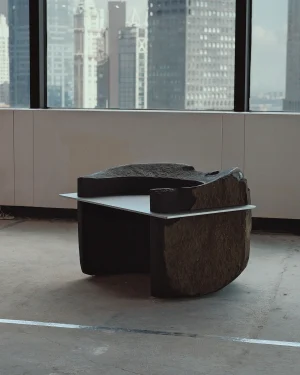
Basalt Seat 01
By Estudio Material
Price Upon Request -
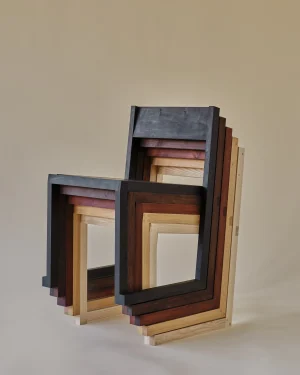
Stacking Chair
By Mock Studio
€1.200 -
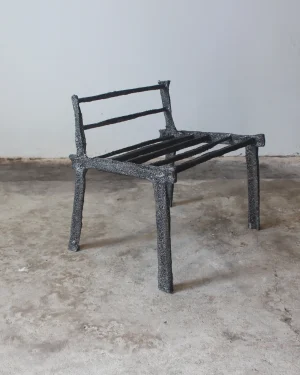
Melancholy Chair – Aluminium
By Saturday Yard Work
Price Upon Request -

“Kau” Chair
By Angela Damman
€10.600
Brutalist accent chairs carry the weight of their material in plain sight, wood, aluminum, metal and stainless steel left to show the marks of their making rather than hide them. Studios working in this style favor welding, metalwork, patination and hand-building over polish, so a chair reads as a built object before it reads as furniture. The result sits closer to sculpture than to upholstery, though it still has to hold a body for an evening.
What defines a brutalist chair
The style takes its name from raw concrete architecture, and the furniture keeps that logic: mass over ornament, structure left exposed, surfaces that show the process behind them rather than smoothing it away. A welded steel frame keeps its seams. A cast or patinated aluminum shell keeps the texture of its mold. Walnut or teak, when it appears, is cut in blocks and slabs rather than bent or turned, so the grain reads as volume instead of decoration.
Color follows the same restraint. Black, dark brown, beige and cognac dominate, sometimes beige and brown together, occasionally a single unexpected accent in multicolor work, but rarely anything bright. White appears mostly on painted metal or PLA pieces, where it flattens the form rather than softening it. The palette keeps attention on shape and shadow instead of hue.
The range of materials and techniques on ADORNO
Within every brutalist piece on ADORNO, accent chairs turn up in several distinct families of making. Wood and cabinetmaking produce heavy, joinery-forward frames in walnut or teak. Metalwork and welding give angular, load-bearing steel and aluminum shells, sometimes finished with patination to deepen or shift their color over time. A smaller number use 3D printing or digital fabrication, where PLA and brass details let a studio repeat a complex geometric form with precision a hand tool cannot match. Editions vary by studio and technique: some chairs come from open runs, others are limited editions or unique pieces, the handwork involved making exact repetition difficult or beside the point.
How to choose one for a room
Scale matters more with brutalist pieces than with most accent seating, because the forms are dense and read as heavier than their actual footprint. A chair that looks right in a photograph can crowd a small room once its mass sits next to a sofa or window. Measure the corner or reading nook before committing, and leave more clearance around the piece than you would for a slender mid-century frame.
Finish and height decide how the chair behaves day to day. A welded steel frame with a low, wide seat suits a lounging posture and a slower room. A taller wood or aluminum form with a straighter back works better near a desk or dining table, where dining room accent chairs need to pull in and out without friction. Check seat depth against your own proportions rather than assuming one size serves every body.
Placement also depends on light. Raw or patinated metal shows texture best under a direct side light, which throws shadow across the welds and seams. Wood grain reads better in even, ambient light, where the contrast between heartwood and sapwood stays visible rather than blown out.
Where these chairs belong and how to keep them
Brutalist accent chairs suit rooms that can take a strong, quiet object without needing to soften it: a hallway with hard flooring, a study, a living room anchored by stone or concrete finishes. They read less naturally in rooms built entirely around pattern or upholstery, where their mass competes rather than grounds. For softer settings, living room accent chairs in lighter woods or woven finishes often sit more comfortably.
Care follows the material. Wood wants periodic oiling to keep walnut and teak from drying and splitting, and should stay clear of direct heat sources. Metal and aluminum need only a dry cloth for dust, since patinated surfaces are meant to shift slightly with handling and age rather than stay fixed; avoid harsh cleaners that strip the patina back to bare metal.
- Measure the room, not just the chair, before buying
- Match seat height to its use: lounging low, dining upright
- Light raw metal from the side, wood grain from above
- Oil wood occasionally; dust metal, don't polish away patina
For the wider style across other rooms, brutalist furniture and brutalist seating extend the same material logic into tables and sofas, while the full accent chairs range shows how this style sits against lighter, more decorative approaches to the same kind of piece.
How do I choose a brutalist accent chair?
Look for mass over ornament: block forms in wood, metal, or cast material, with joins and surfaces left visible rather than hidden, then weigh how that weight sits against your existing furniture.
What materials are brutalist accent chairs made from?
Most are worked in wood, aluminum, steel, or brass, sometimes patinated, with surfaces that keep tool marks or weld lines rather than smoothing them away.
How do I care for the material?
Wood wants occasional oiling and steady humidity; metal and aluminum need only a dry cloth, though raw steel can mark if left wet, so wipe spills promptly.
What size is a typical accent chair, and will it fit my room?
Accent chairs generally sit lower and wider than dining chairs, built for lounging rather than a table, so check seat height and depth against the piece's own listing before ordering.
Which rooms suit a brutalist accent chair?
The weight and geometry read well in living rooms and entries with some open floor around them, standing as a single statement rather than blending into a grouping.
How does shipping, returns, and authenticity work when I buy through ADORNO?
Shipping is insured and worldwide, a 14-day return policy applies except on made-to-order pieces, and every chair arrives with a certificate of authenticity.