-
 In stock
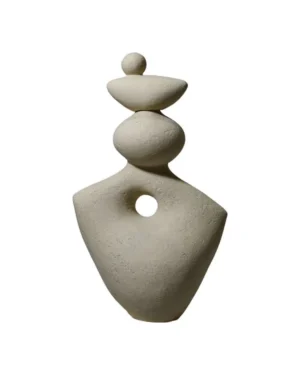
Sui Cappelli/ About Hats – Ceramic Sculpture
By Federica Paglia
€550 This product has multiple variants. The options may be chosen on the product page -
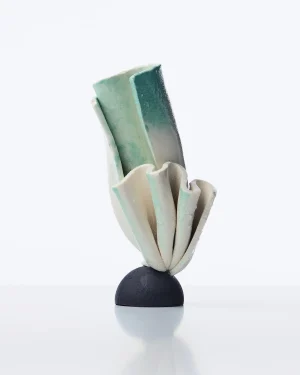
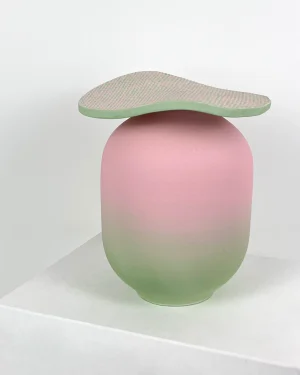
From Fragility To Stability – Sculpture_06
By C E R A M I C 4 7
€350 -

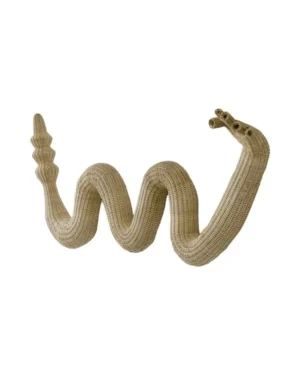
The Drago Bowl
By COSEINCORSO
€520 -
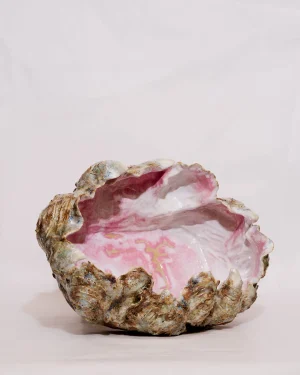
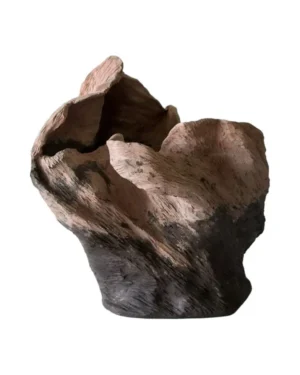
Shipwreck Vase
By Sugoi Studio
€800 -
 In stock
Black On Black Sculpture
By Ceramic Sculptor Stella Arion
€3.100 -
 In stock
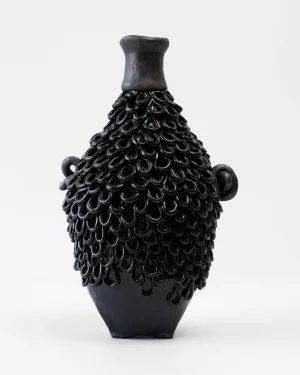
Wraps No.04 – Sculptural Stoneware Vessel
By Not Yet Ceramics
€540 -
 In stock
Breathe No.02 – Ceramic Sculpture
By Not Yet Ceramics
€600 -
 In stock
Held Breath, Heavy Ground Sculpture
By Ceramic Sculptor Stella Arion
€3.700 -
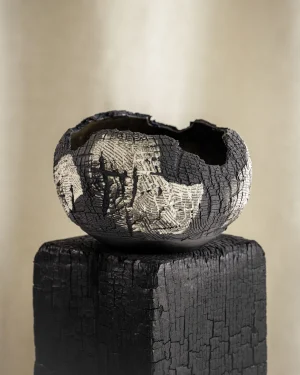
Distressed Onyx Form No.1
By Alex Roby Design
€520 -
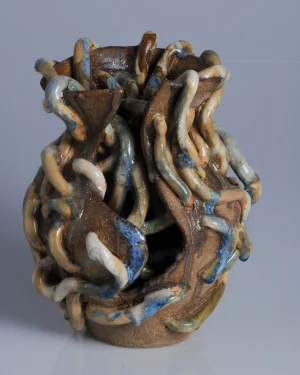 In stock
Tipishka – Stoneware Collectible Scultpure
By Vale Ro
€4.000 -
 In stock
Echoes No.07 – Sculptural Ceramic Vase
By Not Yet Ceramics
€560 -
 In stock
Silent Archive Sculpture
By Ceramic Sculptor Stella Arion
€3.100 -
 In stock
The Subcurrent Sculpture
By Ceramic Sculptor Stella Arion
€3.300 -
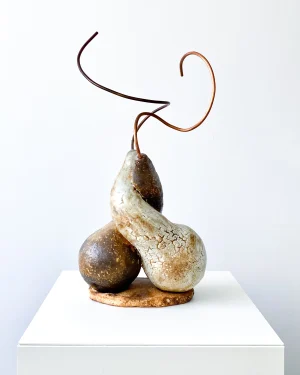 In stock
Embrace – Stoneware Sculpture
By Elena Yakimushkina
€900 -
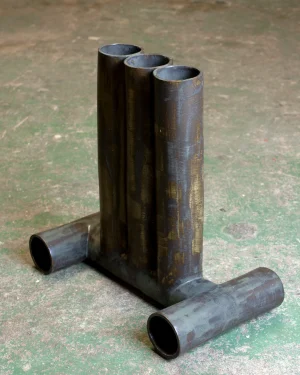 In stock
Ceramic 3 Notch Vessel Ltd.
By Nolan Talbot-Kelly
€650 -
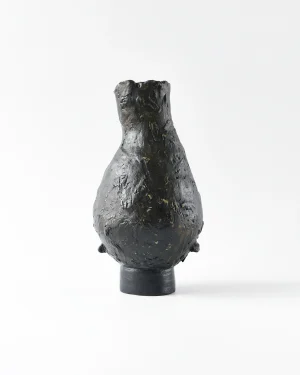 In stock
Echoes No.04 – Ceramic Vase
By Not Yet Ceramics
€520 -
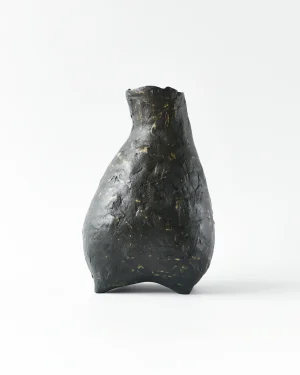 In stock
Echoes No.05 – Sculptural Vase
By Not Yet Ceramics
€520 -
 In stock
The Eye Of Industrial Love Sculpture
By Ceramic Sculptor Stella Arion
€1.600 -
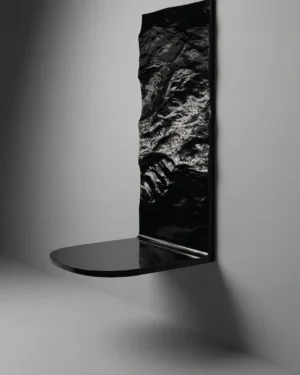 In stock
Pontos Wall Sculpture
By Arbore x Cezar Moldovan
€9.830 -
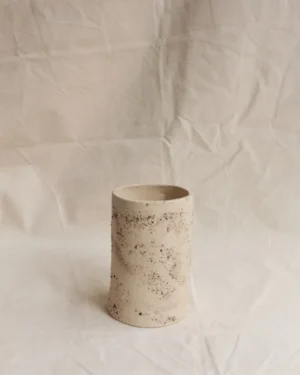 In stock
Cylinder Vessel 02
By Valentine Benoist Ceramics
€1.180 -
 In stock
Post Vessel 7 – Glazed Ceramic Sculpture
By Nolan Talbot-Kelly
€500 -
 In stock
Breathe No.01 – Ceramic Sculpture
By Not Yet Ceramics
€620 -
 In stock
Pointing To The Sky
By Meagan Cignoli Studio
€650 -
 In stock
Embodied Sense Ceramic Sculpture
By Ceramic Sculptor Stella Arion
€3.100 -
 In stock
The Magic Fireplace
By M’ama edizioni
€800 -
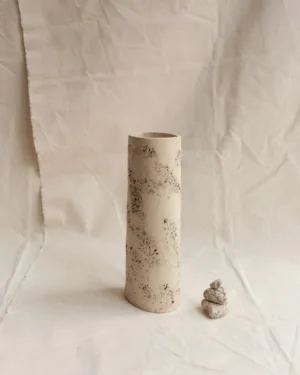 In stock
Cylinder Vessel 01
By Valentine Benoist Ceramics
€1.300 -
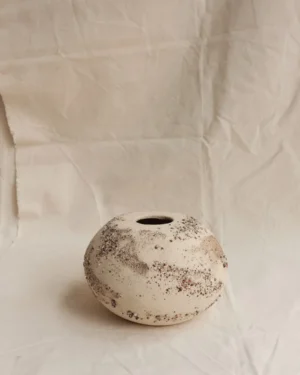 In stock
Globe Vessel 01
By Valentine Benoist Ceramics
€1.250 -
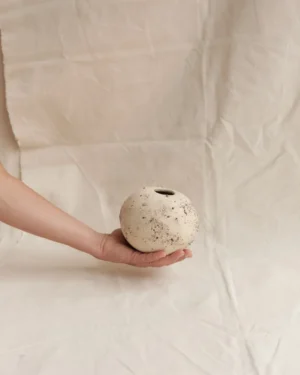 In stock
Globe Vessel 02
By Valentine Benoist Ceramics
€980 -
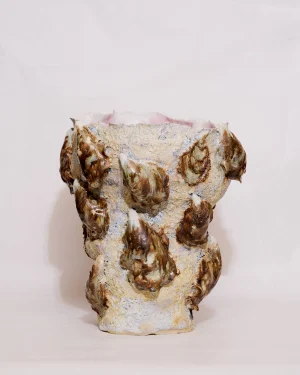
Shipwreck Vase
By Sugoi Studio
€800 -
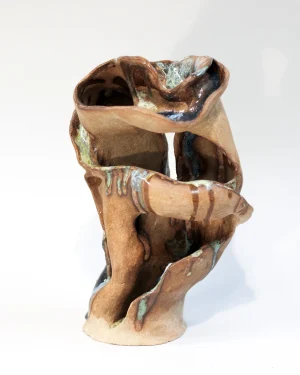 Sold
Vestige – One Of A Kind Ceramic Sculpture
By Vale Ro
€660 -
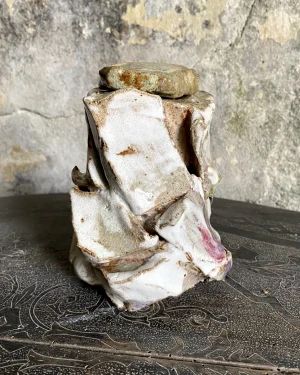 In stock
Sculptural Lidded Vessel ‘on The Rocks’ #3
By Elena Yakimushkina
€675 -
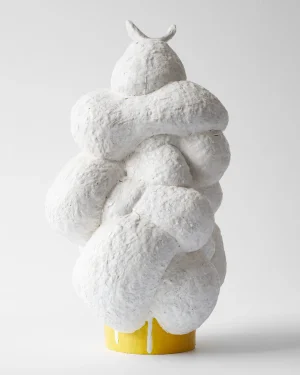 Sold
No Loose Ends – Ceramic Sculpture
By Not Yet Ceramics
€800 -
 Sold
Ucayali – Stoneware Collectible Sculpture
By Vale Ro
€2.500 -
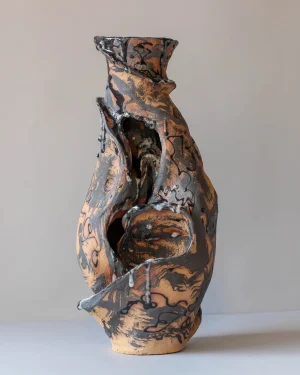 Sold
Unshell Your Heart – Stoneware Sculpture
By Vale Ro
€2.700 -
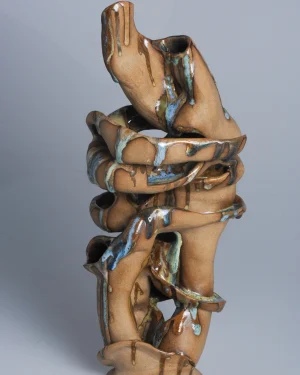 Sold
Atravesar – Stoneware Collectible Sculpture
By Vale Ro
€5.500 -
 Sold
Bowels – Stoneware Collectible Sculpture
By Vale Ro
€3.600
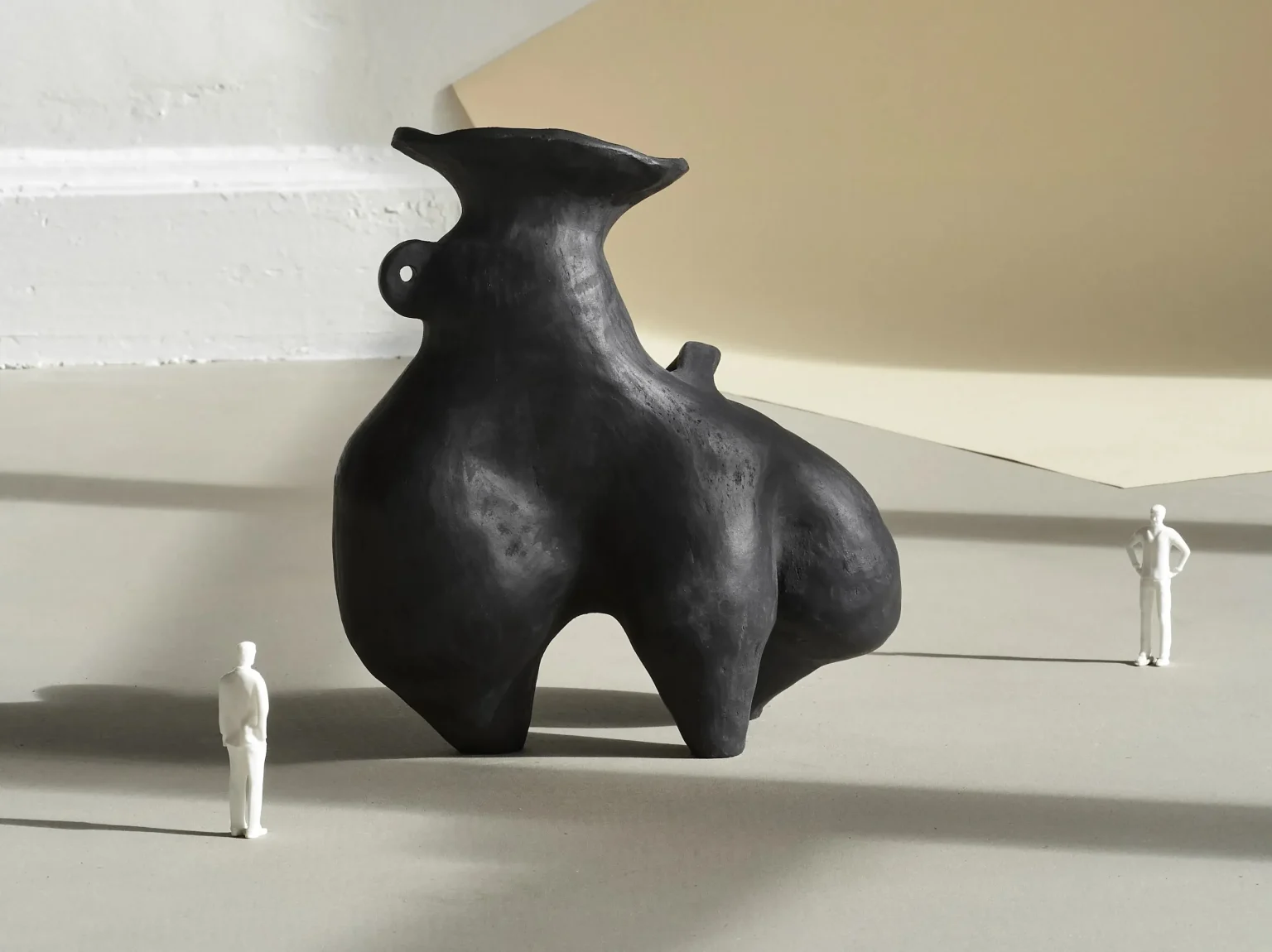
Glaze sculptures take their character from a liquid skin of minerals and glass that fuses to clay under heat, turning raw stoneware or ceramic into a surface that can be matte, glossy, clear or opaque. Independent studios build the forms by hand-building, coiling or wheel throwing, then apply glaze in layers before a final firing sets the color and texture permanently. The result sits somewhere between pottery and object: a solid, fired form whose surface changes how light moves across it.
What defines glaze sculptures
Glaze is not paint. It melts into the clay body during firing, so the color and the surface are part of the material rather than applied over it. This is why glazed pieces read as dense and permanent, with a depth to the surface that shifts as light crosses it through the day.
Studios choose glaze partly for how unpredictable it can be: temperature, thickness and the clay underneath all affect the final color, so no two firings behave in exactly the same way. That variation is part of what gives each finished piece its own surface, even within an open edition.
The range of finishes and techniques
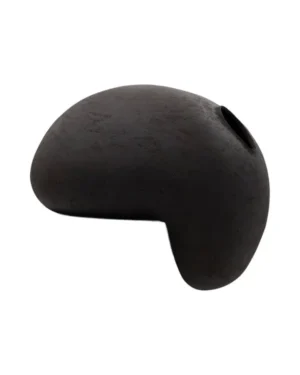
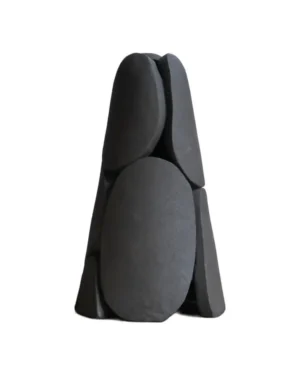
Most glaze sculptures on ADORNO start as stoneware, black stoneware or white stoneware, clay bodies dense enough to hold their shape and take a glaze well. Finishes run from matte and transparent to glossy black, beige or yellow, with some left clear enough to show the clay underneath.
- Building methods: hand-building, coiling, wheel throwing, and digital fabrication for more exact geometric forms
- Surface: matte, glossy, transparent or clear glaze, in black, white, beige or yellow
- Editions: unique pieces, where each firing produces a one-off surface, and open editions, where a studio repeats a form within a consistent glaze recipe
Alongside glaze, the wider sculpture category includes cast glass, carved wood and mixed-media forms, so glaze sits as one material language among several rather than the only one.
How to choose a glaze sculpture
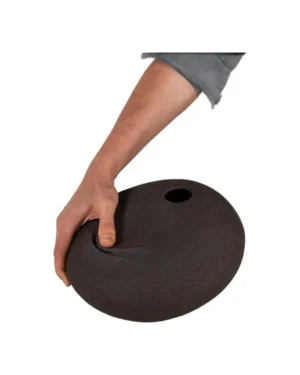
Scale matters more than it first appears. A small glazed form reads as an object to pick up and move between shelves, while a taller piece anchors a console or floor corner and should be judged standing, not just photographed.
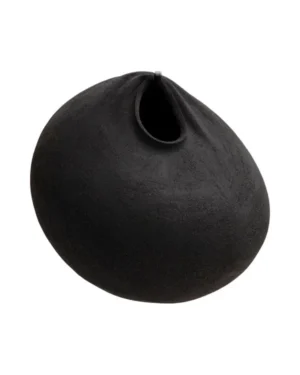
Finish changes how a piece behaves in a room. Matte surfaces absorb light and sit quietly against other textures, glossy and clear glazes catch light and draw the eye, and black or white finishes read as more graphic against a patterned wall or a busy shelf.
Where glaze sculptures sit in a room
Because they are fired solid and do not rely on function, glaze sculptures move easily between rooms. A single glossy form on a dining table works as a quiet centerpiece, while a cluster of smaller unique pieces on a shelf or mantel reads as a considered still life rather than clutter.
They pair naturally with other fired or carved surfaces, oak and stone included, and hold their own in a minimalist, wabi-sabi or contemporary room where fewer objects carry more weight. For a softer, more eclectic mix, see what sits among eclectic sculptures, where glaze is combined with other materials.
Caring for glazed surfaces
A fired glaze is chemically stable and will not fade, but it can chip if struck on a hard edge, so pieces are best kept away from high-traffic surfaces. Dust with a dry or barely damp cloth; avoid abrasive cleaners, which can dull a matte finish over time.
For the full range of fired, glazed surfaces across sculpture and other categories, see every glaze piece on ADORNO, or compare against related clay bodies among stoneware sculptures and ceramic sculptures.
How do I choose a glaze sculpture?
Look at surface first: glossy glazes catch light and suit rooms with movement, matte finishes hold shadow and sit quietly. Let scale and color respond to what already surrounds the piece.
How do you care for a glaze sculpture?
Wipe with a dry or slightly damp cloth, avoid abrasive cleaners that can dull the glaze, and keep pieces away from direct heat sources that may cause uneven expansion in the clay body.
What sizes do glaze sculptures come in?
Sizes range from small tabletop forms to larger floor-standing pieces. Exact dimensions vary by maker, so check the specific piece's page or chat with the maker to confirm.
Which rooms suit a glaze sculpture?
Glazed forms read well in entryways, living rooms and dining spaces, anywhere light crosses the surface through the day. Matte, darker glazes suit quieter rooms like studies or bedrooms.
Is each glaze sculpture one of a kind?
Some are unique pieces, others are made in open editions. The maker can confirm the exact nature of a specific sculpture through Chat with the maker on its page.
How does shipping, returns and authenticity work at ADORNO?
Shipping is insured and worldwide. Returns are accepted within 14 days, excluding made-to-order pieces, and every purchase includes a certificate of authenticity along with a lowest-price guarantee.