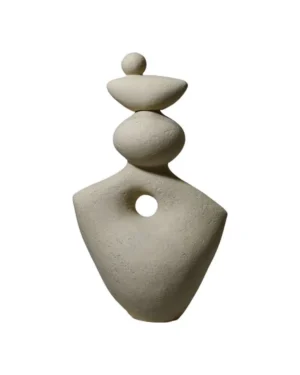
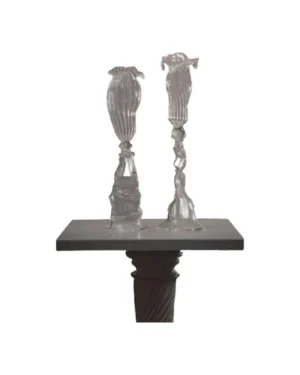
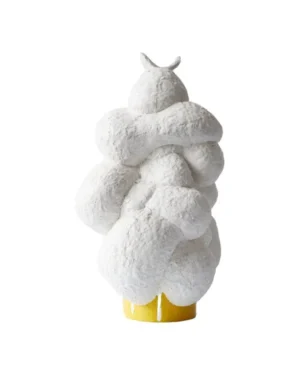
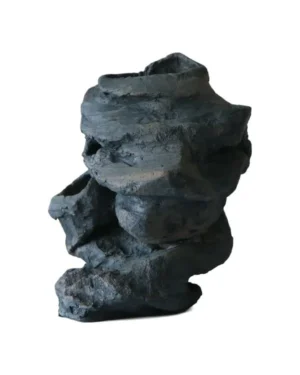
-
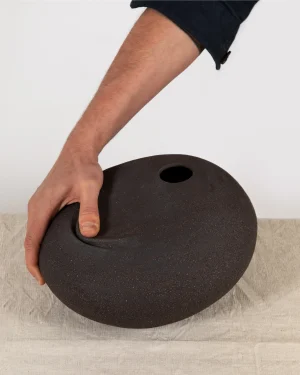
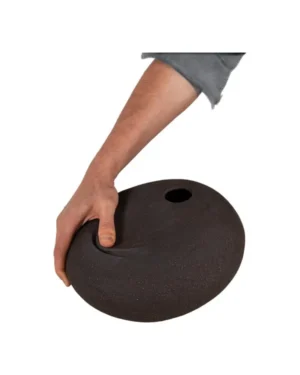
Movement Phase 3 – Black Sculptural Ceramic Vessel
By Catalin Filip
€600 -
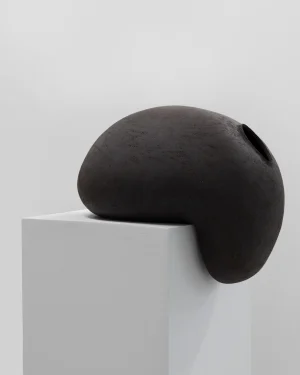
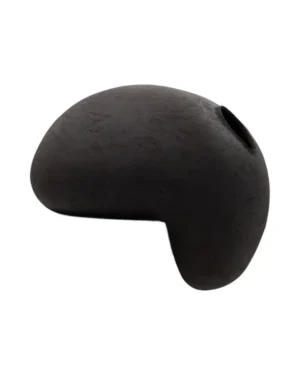
Movement Phase 1 – Black Sculptural Ceramic Vessel
By Catalin Filip
€1.350 -
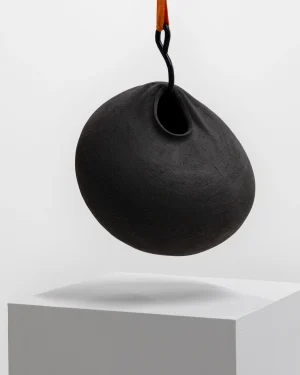
Movement Phase 2 – Black Sculptural Ceramic Vessel
By Catalin Filip
€1.030 -

Inwards – Black Sculptural Ceramic Vessel
By Catalin Filip
€900 -

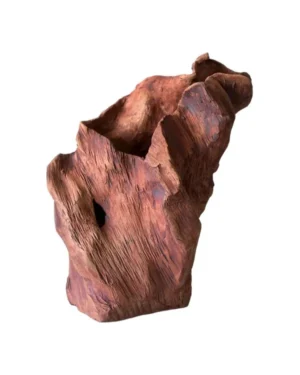
Indent(ation) – Terracotta Sculptural Ceramic Vessel
By Catalin Filip
€900 -
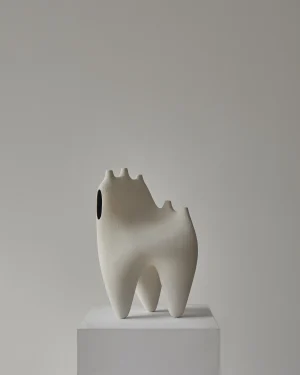
Nomad Ⅰ:03 – Ceramic Vase
By SK - Sofia Karnukaeva
€2.100 -
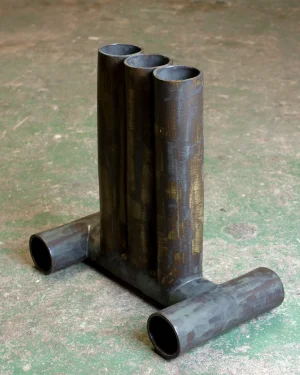 In stock
Ceramic 3 Notch Vessel Ltd.
By Nolan Talbot-Kelly
€650 -
 In stock
The Magic Fireplace
By M’ama edizioni
€800 -
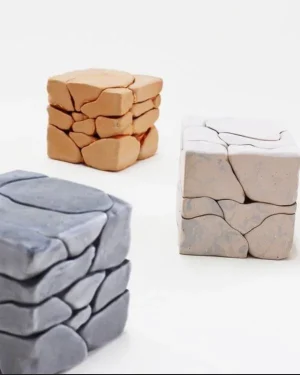
“dilema” Infinite Series Of Puzzles
By Popdots Studio
€100 This product has multiple variants. The options may be chosen on the product page -
 In stock
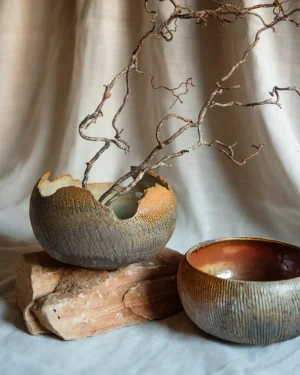
Distressed Wood Fired Form No.1
By Alex Roby Design
€488 -
 In stock
Abyss No. 21 – Sculptural Vessel In Stoneware
By Ceren Gürkan
€1.170 -
 In stock
Embodied Sense Ceramic Sculpture
By Ceramic Sculptor Stella Arion
€3.100 -
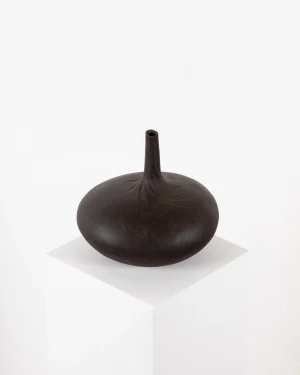
Untitled Vessel – Sculptural Ceramic Vessel
By Catalin Filip
€600 -
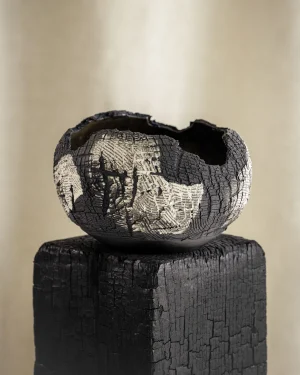
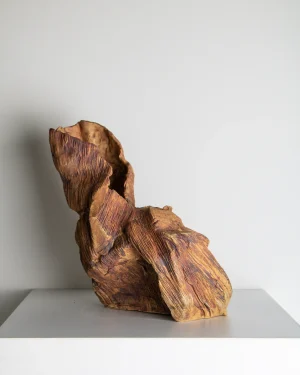
Distressed Onyx Form No.1
By Alex Roby Design
€520 -
 In stock
Abyss No. 22 – Sculptural Vessel In Stoneware
By Ceren Gürkan
€900 -
 In stock
Silent Archive Sculpture
By Ceramic Sculptor Stella Arion
€3.100 -
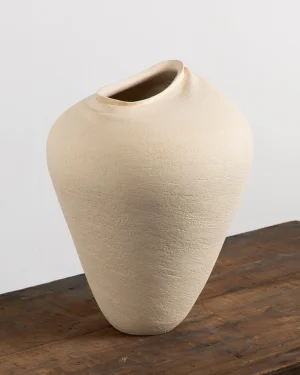
Untitled Vessel 3 – White Sculptural Ceramic Vessel
By Catalin Filip
€670 -
 In stock
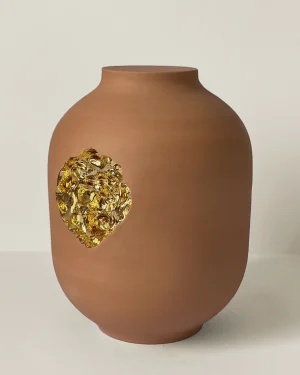
Intro – Large Ceramic Vase
By Federica Paglia
€590 -

Dovhovukh – Clay Sculpture
By FAINA
€620 -
 In stock
Nomad Ⅰ:04 – Ceramic Vase
By SK - Sofia Karnukaeva
€1.900 -
 In stock
Abyss No. 24 – Sculptural Vessel In Stoneware
By Ceren Gürkan
€1.080 -

Neboshy Sculpture
By FAINA
€620 -

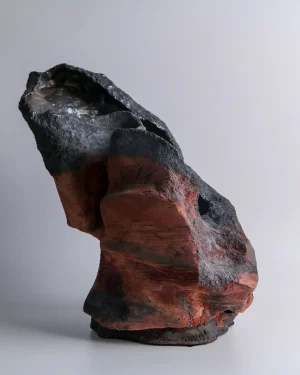
Sontsehryv – Clay Sculpture
By FAINA
€620 -
 In stock
Abyss No. 13 – Sculptural Vessel By Ceren Gurkan
By Ceren Gürkan
€1.300 -
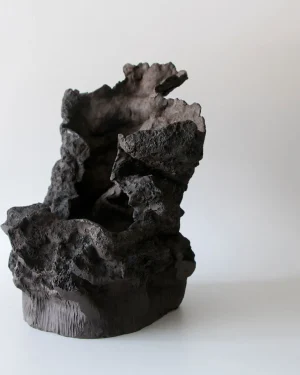 In stock
Abyss No. 19 – Sculptural Vessel
By Ceren Gürkan
€1.400 -
 Sold
SoldPose N°9 Red Sculpture
By Marie-Marie Defour
€260 -
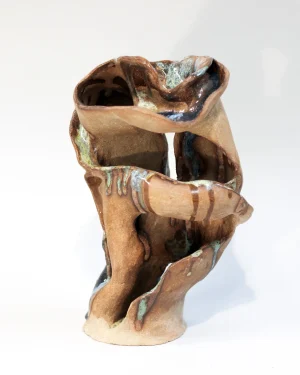 Sold
SoldVestige – One Of A Kind Ceramic Sculpture
By Vale Ro
€660 -
 Sold
SoldWall Sculpture N°1
By Dzovag Kotchian
€2.200 -
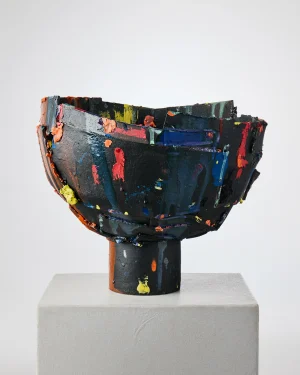 Sold
SoldHoop Vase – Black Clay Stoneware
By C E R A M I C 4 7
€1.200 -
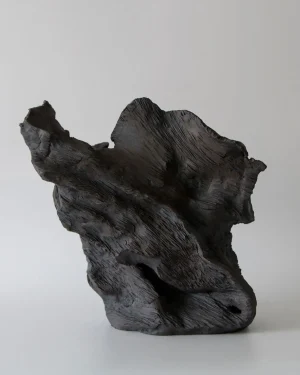 Sold
SoldAbyss No. 17 – Sculptural Vessel
By Ceren Gürkan
€1.200 -
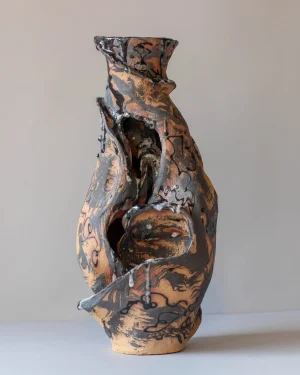 Sold
SoldUnshell Your Heart – Stoneware Sculpture
By Vale Ro
€2.700 -
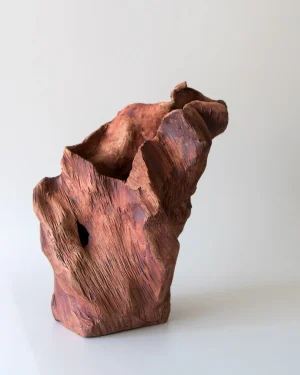 Sold
SoldAbyss No. 16 – Sculptural Vessel
By Ceren Gürkan
€1.200 -
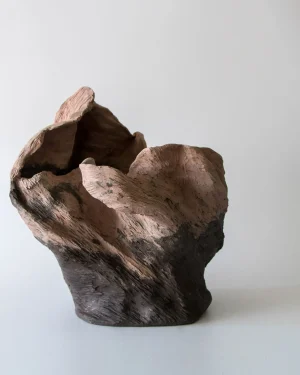 Sold
SoldAbyss No. 18 – Sculptural Vessel
By Ceren Gürkan
€1.200
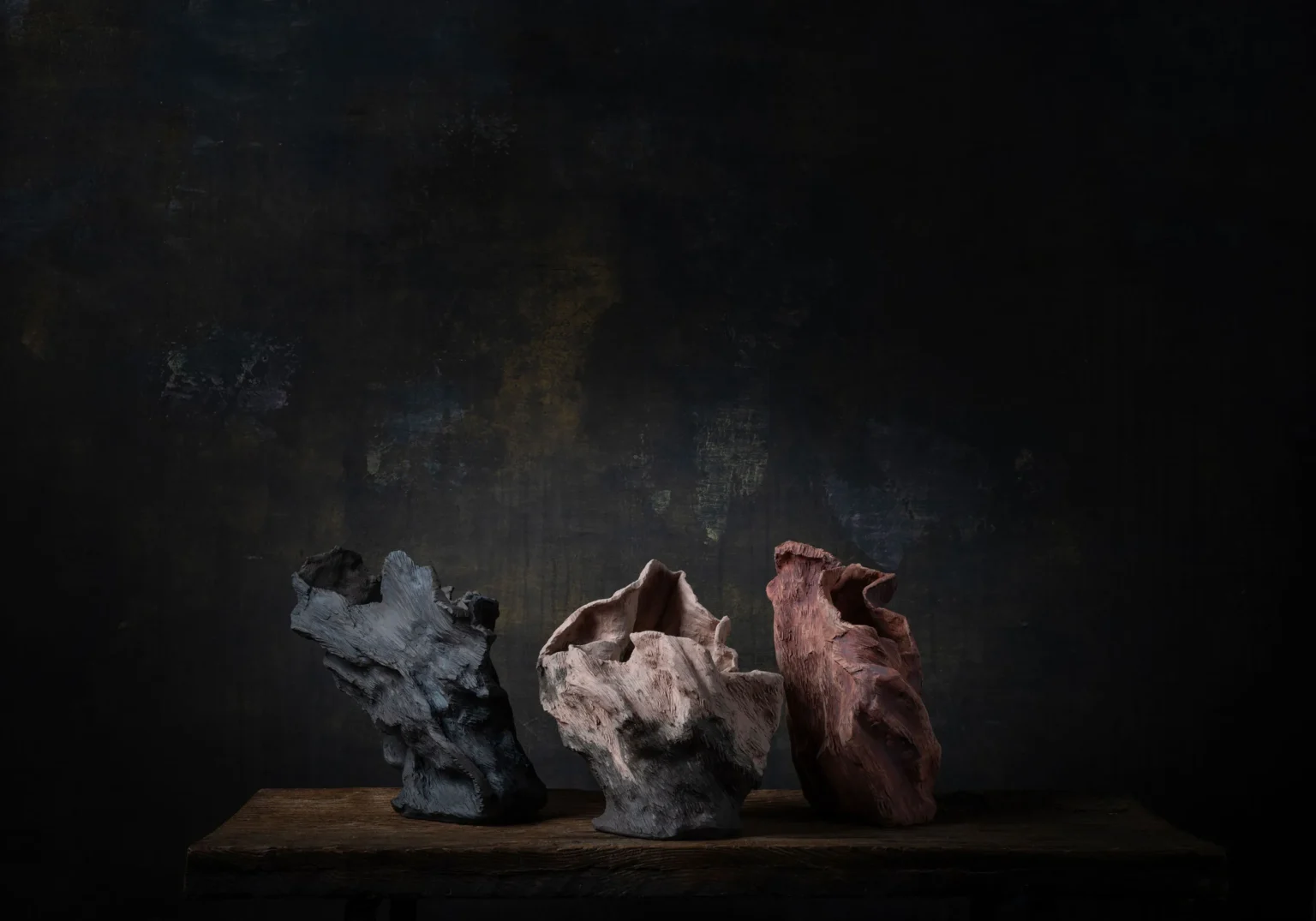
Clay sculptures bring one of the oldest formed materials into contemporary rooms, shaped by independent studios through hand-building, coiling, sculpting and glazing rather than cast from a mold. Each piece carries the trace of the hand that made it, a thumb mark left before firing, a coil seam smoothed but not erased. What unites the group is process as much as material: earth, water and fire, slowed down into an object that stands on its own, without function to justify it.
How clay behaves once it is fired
Raw clay is soft and workable, then it is fired into stoneware, earthenware or porcelain depending on the body and the kiln temperature, and each fires to a different density, weight and tone. Stoneware comes out dense and chip-resistant, earthenware stays more porous and slightly lighter in hand, porcelain fires pale and thinner-walled. A glaze added before the second firing seals the surface, carries color and can shift matte clay into something closer to stone or glass.
Unglazed surfaces read as earthenware, terracotta or black stoneware, with the clay's own mineral tone left exposed; rust, beige and off-white often come from the clay body itself rather than an applied color. Glazed pieces move into black, white, ivory or multicolor finishes, sometimes pooling or breaking at the edges where the glaze runs thin.
The range of clay, finish and technique on ADORNO
What is found here changes as pieces sell, but the kinds stay consistent: bodies in stoneware, earthenware and porcelain, glazed or left raw, worked through hand-building, coiling and sculpting by studios across different regions. Styles span contemporary and minimalist forms through to pieces that lean wabi-sabi, boho chic, Neolithic or openly radical in their asymmetry. Editions vary too, from unique pieces and small limited runs to open editions, so a shape may exist in one state only or in a longer, repeatable run.
- Material and finish: clay, stoneware, black stoneware, earthenware, porcelain, glaze
- Color: black, white, off-white, ivory, beige, terracotta, rust, multicolor
- Technique: hand-building, coiling, sculpting, glazing
- Edition: unique pieces, limited editions, open editions
Readers drawn to a denser, more weather-resistant body might look at stoneware sculptures specifically, while those after a single, unrepeated form can narrow to unique, one-off sculptural pieces.
Choosing a piece for scale and placement
Scale decides how a clay sculpture reads before color or finish does. A low, wide form settles into a console or sideboard without competing with what sits near it, while a taller, narrower piece can anchor an empty corner or the end of a shelf. Weight matters too: stoneware and dense earthenware forms sit stable on their own, so they rarely need fixing down.
Finish should answer the light in the room as much as the furniture around it. A matte, unglazed surface absorbs light and reads calmer in a room with warm wood and linen, while a glazed, glossed body catches light and works harder against plain walls. Placement away from direct foot traffic and table edges keeps thinner-walled pieces from chipping.
Where clay sculptures sit in a room
These pieces work wherever an object is meant to be looked at rather than used: a console in an entryway, a low shelf in a living room, a desk or a windowsill with steady, indirect light. Bathrooms and kitchens suit the more water-resistant glazed and stoneware forms, since humidity and condensation do less damage to a sealed surface than to raw, porous clay.
Caring for clay surfaces
Unglazed clay stains and marks more readily than glazed clay, so it is best kept away from damp surfaces, direct sun and oil from hands. Dust with a dry, soft cloth; if a glazed piece needs more than that, a barely damp cloth is usually enough, dried immediately after. Avoid submerging any piece in water, since trapped moisture can work into hairline cracks over time.
For the full span of bodies, glazes and forms beyond sculpture, the full range of clay pieces on ADORNO extends into lighting and tableware as well. Within sculpture, clay sits alongside the wider sculpture collection, where cast glass, carved wood and mixed-media forms sit next to fired earth, and where a glazed black body might be found among black-glazed sculptures for a darker, more graphic presence.
How do I choose a clay sculpture?
Consider the surface first, matte or glazed, rough or smooth, and how it will read against your walls and light. Let scale and silhouette guide the choice, since a clay piece works as a quiet object or a focal point depending on its form.
How do you care for a clay sculpture?
Keep clay sculptures dry and out of direct sun, which can fade glazes over time. Dust with a soft, dry cloth, and avoid water or cleaning products on unglazed or porous surfaces.
What size clay sculpture should I buy?
Size depends on placement: smaller pieces suit shelves, consoles, and tabletops, while larger forms hold their own on the floor or anchor a room on their own. Check each listing's dimensions before deciding.
Which rooms suit clay sculptures?
Clay sculptures sit well in living rooms, entryways, and studies, anywhere a quiet, textured object can hold attention. Their earthen tones and matte or glazed finishes work with both warm and neutral interiors.
Are clay sculptures on ADORNO handmade or one-off pieces?
This varies by maker and technique, from hand-built, unique works to small or open editions. Chat with the maker on the piece's page to confirm how a specific sculpture was made.
What are ADORNO's shipping and return policies?
Shipping is insured and worldwide. Returns are accepted within 14 days, except for made-to-order pieces, and every piece arrives with a certificate of authenticity.