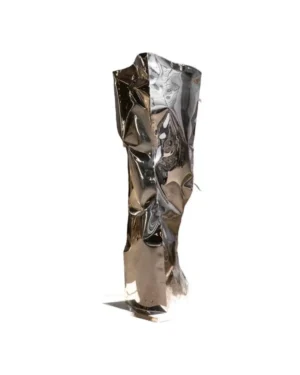
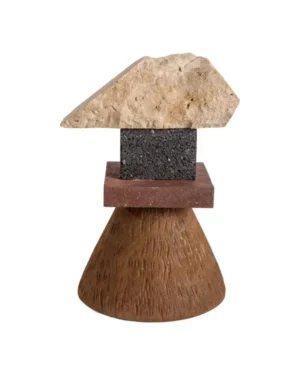
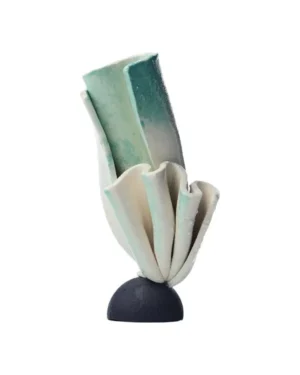
-
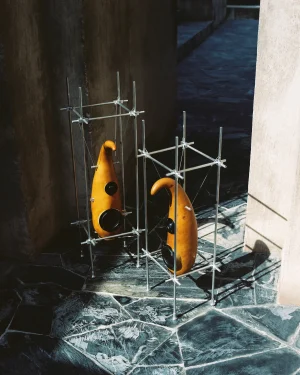 In stock
Wua-g I Speakers
By POL AGUSTI
€7.400 -
 In stock
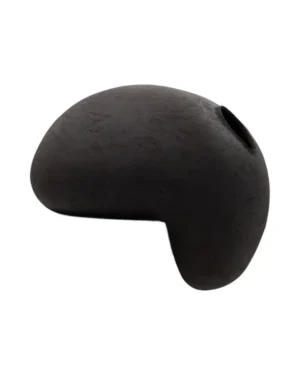
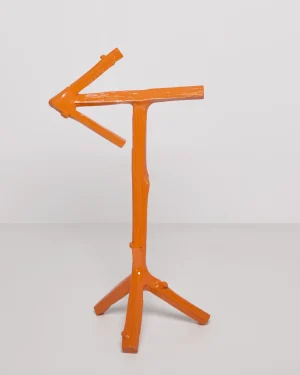
Splitted Arrow
By Teun Zwets
€940 -
 In stock
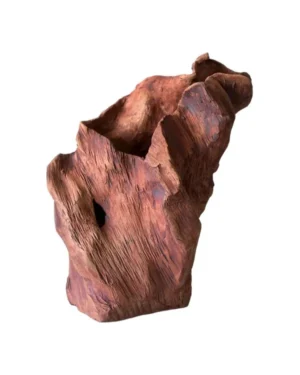
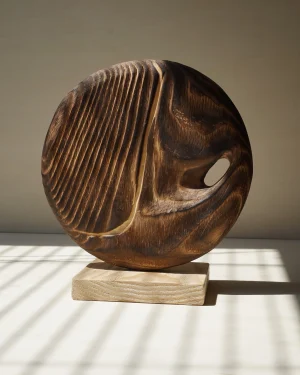
Concentric Flows / Wood Sculpture No.2
By SOLATERRE
€564 -
 In stock
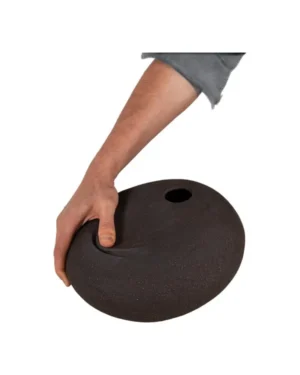
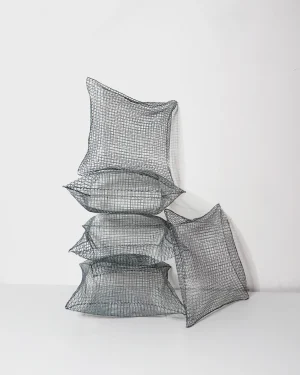
Softcore Pillow
By Deon Rubi
€500 -
 In stock
Organic Form No.4 Sculpture
By Alex Roby Design
€988 -
 In stock
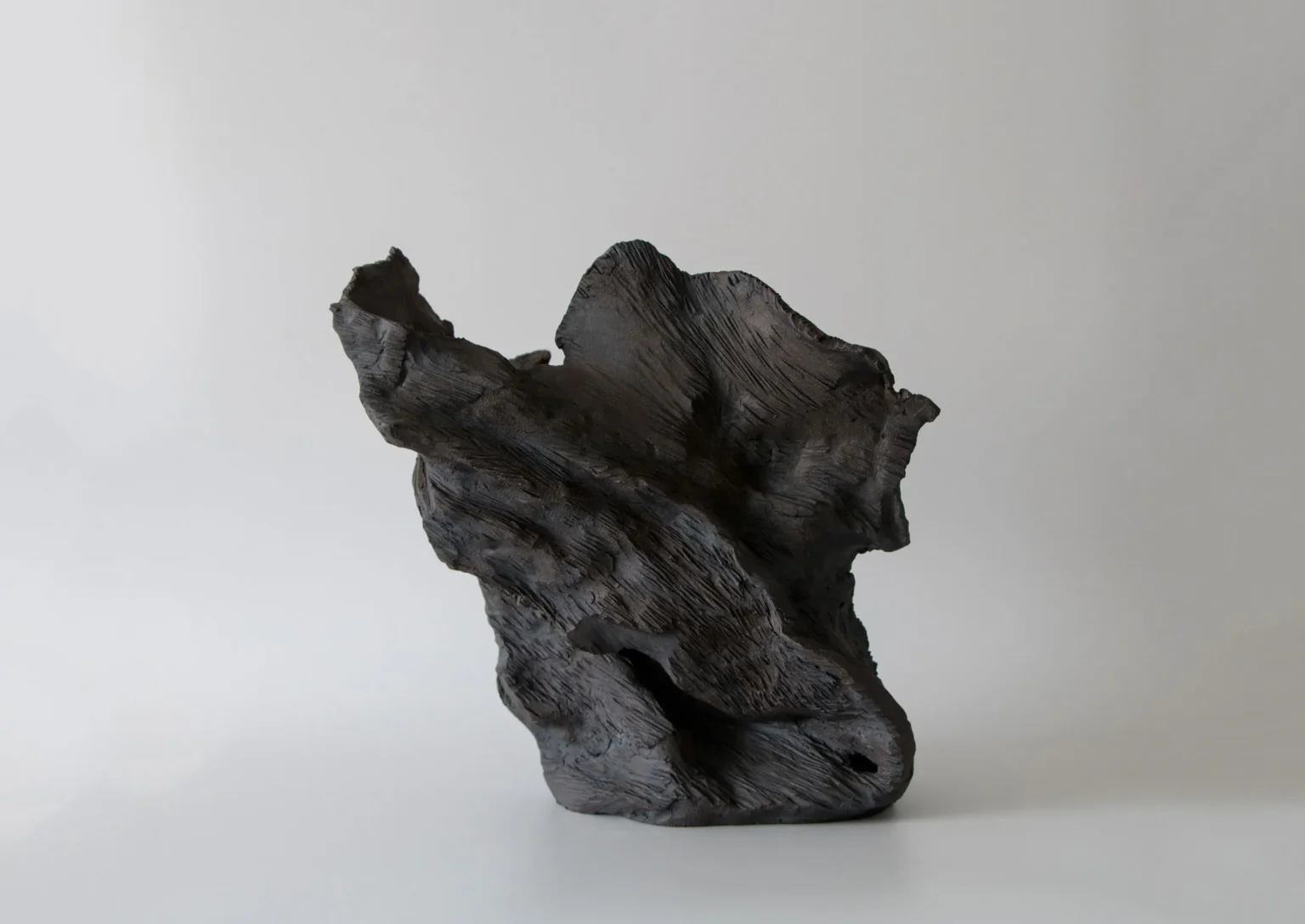
Black On Black Sculpture
By Ceramic Sculptor Stella Arion
€3.100 -
 In stock
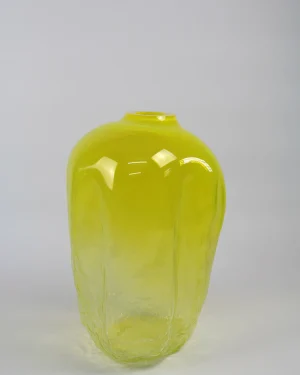
Sand Series – Narcissus Handmade Glass Object
By Vogel Studio
€1.150 -
 In stock
The Magic Fireplace
By M’ama edizioni
€800 -
 In stock
Organic Form No.5 – Sculpture
By Alex Roby Design
€1.368 -
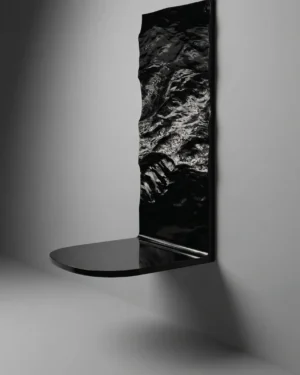 In stock
Pontos Wall Sculpture
By Arbore x Cezar Moldovan
€9.830 -
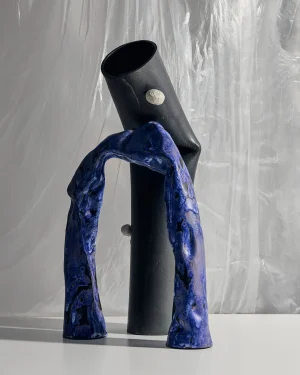 In stock
Stoneware Sculpture Installation
By C E R A M I C 4 7
€950 -
 In stock
Abyss No. 21 – Sculptural Vessel In Stoneware
By Ceren Gürkan
€1.170 -
 In stock
Embodied Sense Ceramic Sculpture
By Ceramic Sculptor Stella Arion
€3.100 -

Pecan – Wood / Steel Sculptural Shelf
By SALAK Studio
€3.000 -
 In stock
Breathe No.02 – Ceramic Sculpture
By Not Yet Ceramics
€480 -
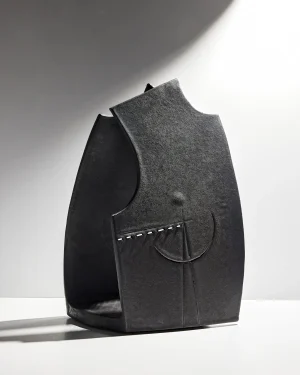 In stock
_migrated Forms 06 Sculpture
By C E R A M I C 4 7
€820 -
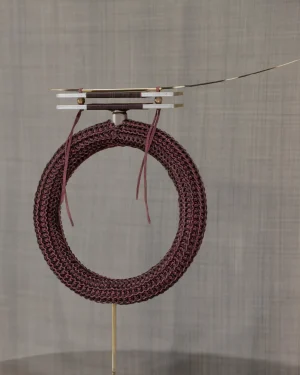 In stock
Amphora Sculpture
By Atelier Nuanda
€1.270 -
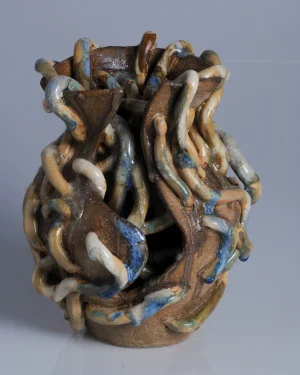 In stock
Tipishka – Stoneware Collectible Scultpure
By Vale Ro
€4.000 -
 In stock
Figurative Sculpture
By Meagan Cignoli Studio
€400 -
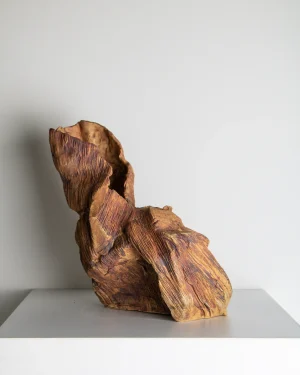 In stock
Abyss No. 22 – Sculptural Vessel In Stoneware
By Ceren Gürkan
€900 -
 In stock
Organic Form No.6 – Sculptures
By Alex Roby Design
€1.368 -
 In stock
Mosaic Umbrella Sculpture
By Undress House
€6.800 -
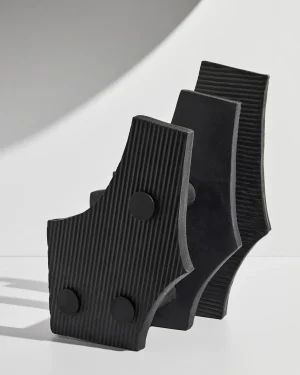 In stock
_migrated Forms 12 Sculpture
By C E R A M I C 4 7
€970 -
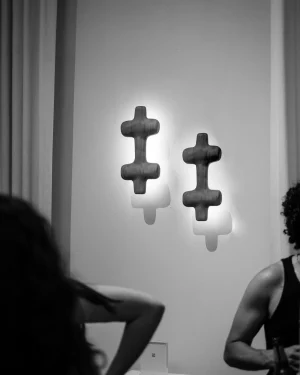
O L I O | Wall Sculpture
By N I S H
€1.200 -
 In stock
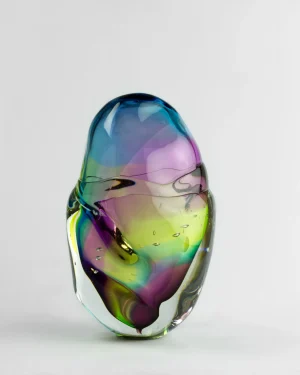
Persona Scupture
By MILA ZILA
€2.500 -
 In stock
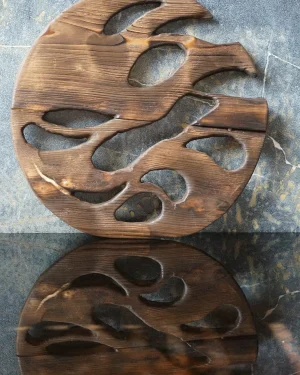
Portal / Wood No.7 Sculpture
By SOLATERRE
€604 -
 In stock
Nomad Ⅰ:04 – Ceramic Vase
By SK - Sofia Karnukaeva
€1.900 -
 In stock
Abyss No. 24 – Sculptural Vessel In Stoneware
By Ceren Gürkan
€1.080 -

You & Me – Set Of 3 – Plaster Of Paris Sculpture
By Sacha Parent & Valentine Tiraboschi
€1.440 -
 In stock
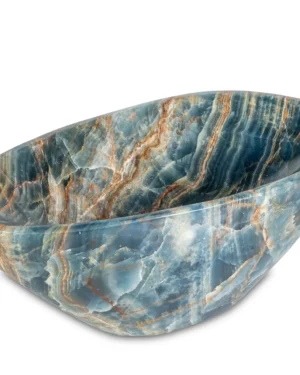
Dune Strata Vessel
By Markos Vasilakis
€14.400 -
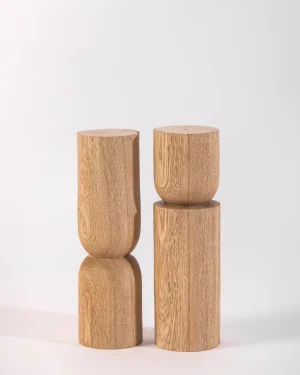
ZM Jungle Mini Sculpture
By Daniel Orozco Estudio
€244 -
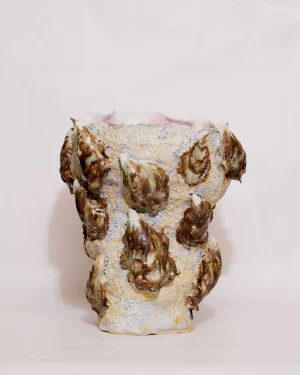
Shipwreck Vase
By Sugoi Studio
€800 -
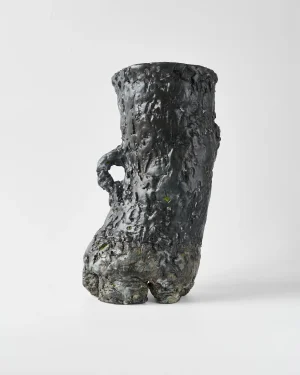 In stock
Something Shifted In The Leaves – Sculptural Ceramic Vessel
By Not Yet Ceramics
€615 -

Line Of Memories Sculpture
By WANNAS
€16.200 -
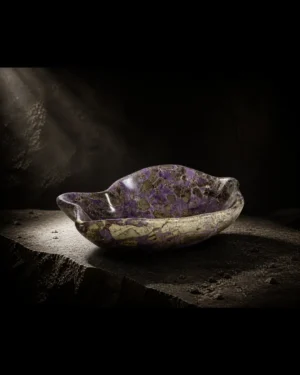 In stock
Desert Orchid Vessel
By Markos Vasilakis
€12.600 -
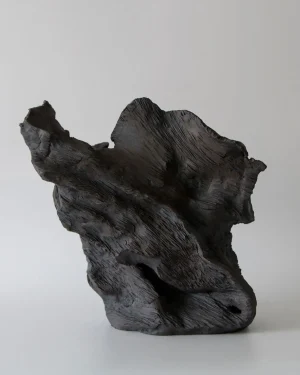 Sold
SoldAbyss No. 17 – Sculptural Vessel
By Ceren Gürkan
€1.200 -
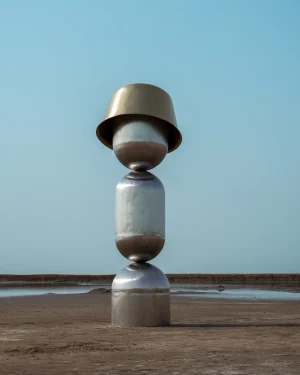 In stock
Meiso – Floor Sculpture
By WANNAS
Price Upon Request -
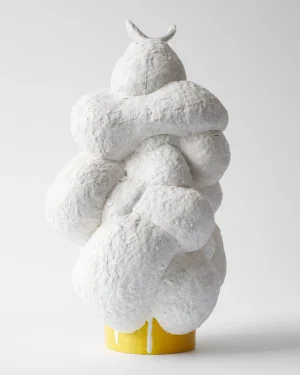 Sold
SoldNo Loose Ends – Ceramic Sculpture
By Not Yet Ceramics
€800 -
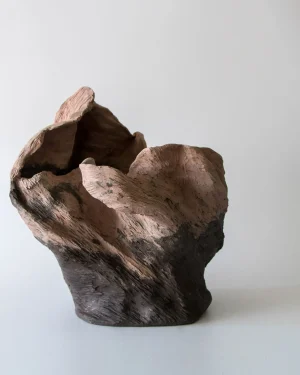 Sold
SoldAbyss No. 18 – Sculptural Vessel
By Ceren Gürkan
€1.200 -
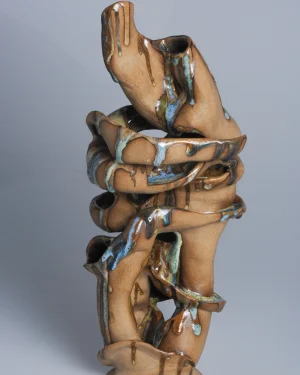 Sold
SoldAtravesar – Stoneware Collectible Sculpture
By Vale Ro
€5.500 -
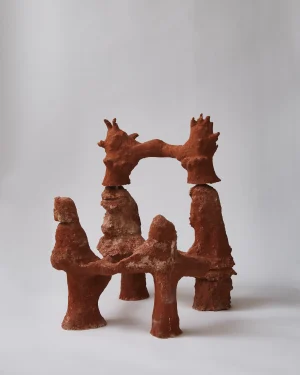 In stock
RESEMBLINGS OF A CHAIR – Sand Casted Acrystal Sculpture
By Kajsa Melchior
Price Upon Request
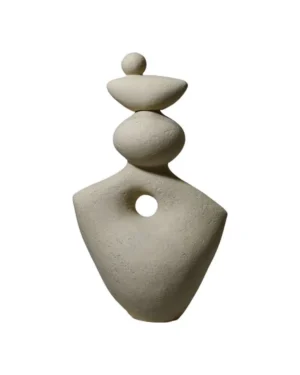
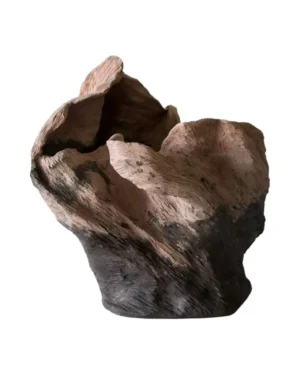
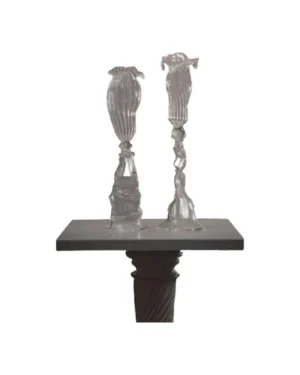
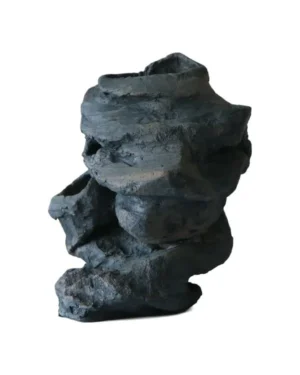
Modern sculptures on ADORNO favor reduced form over ornament: a single volume, a clean edge, a surface left to speak for itself. Independent studios working in stoneware, cast glass, natural stone, and metal pursue this through hand-building, coiling, stone carving, and digital fabrication, letting the process of making stay visible in the finished object. What unites them is restraint, not sameness.
What defines a modern sculpture
Modern, in this context, means pared form rather than a strict era. Pieces tend toward geometric or abstract volumes, a limited color range, and a single dominant material rather than mixed media. A stoneware vessel with a matte glaze and a stainless steel form with a brushed finish can both read as modern because neither relies on decoration to hold attention.
Color stays controlled across the group: black, white, off-white, ivory, and light brown recur more than saturated hues. These tones let a piece hold its own against a wall or a shelf without competing with what is around it. Yellow appears occasionally, usually in glaze, as the one departure from this quieter palette.
Materials, finishes, and ways of making
Clay dominates, worked into stoneware or black stoneware through hand-building or coiling, then glazed in matte or satin finishes that mute surface reflection. Natural stone appears carved rather than cast, so each form carries the grain and small irregularities of the block it came from. Stainless steel and other metals arrive through metalwork or digital fabrication, giving sharper edges and a cooler surface than clay allows.
Editions vary by studio. Some pieces are unique, shaped by hand with no exact repeat; others sit within open or limited editions, where a mold, a jig, or a fabrication file allows a small, consistent run. Neither approach is more modern than the other; the distinction is about process, not look.
How to choose one
Start with scale relative to where the piece will stand. A tabletop sculpture under thirty centimeters reads as an accent among books or vessels, while anything approaching floor height starts to anchor a room on its own and needs clearance on at least two sides to be seen in the round.
- Match finish to light: matte stoneware absorbs light and suits softer, indirect rooms; polished stone or steel catches light and rewards a spot near a window.
- Match color to the surface behind it: pale stone or ivory ceramic holds presence against a dark wall; black stoneware needs a lighter backdrop to read clearly.
- Match weight to placement: stone carries real weight and wants a floor or a sturdy console, not a shelf.
Placement matters as much as the object itself. A single sculpture on an otherwise bare surface carries more weight than one crowded among other objects, because the material and the form are left to do the work alone.
Where these pieces sit in a room
Living rooms and entries are the most common settings, where a sculpture can stand at eye level or just below it and hold a sightline from across the room. Studies and reading corners suit smaller stoneware or glass forms, scaled to a desk or a low shelf rather than the floor. Dining rooms take sculptural forms well too, provided the piece stays low enough not to block conversation across the table.
For rooms built around other modern pieces, pairing a sculpture with modern furniture or modern seating keeps the material language consistent, while a piece from modern lighting can be angled to bring out the texture of carved stone or hand-built clay after dark.
Care by material
Glazed stoneware and ceramic need only dusting and an occasional wipe with a damp cloth; harsh cleaners can dull a matte glaze over time. Natural stone is porous to varying degrees and can stain, so keep it away from direct sun for long stretches and wipe spills promptly rather than letting them sit. Stainless steel and other metal surfaces take a soft cloth well; avoid abrasive pads, which will mark a brushed or polished finish permanently.
For a broader view of the material, stoneware sculptures and ceramic sculptures show how far clay-based forms extend beyond the modern style, while the full sculpture category and the wider modern style across ADORNO give a sense of how these objects relate to other kinds of pieces working in the same restrained language.
How do I choose a modern sculpture?
Look for a form that holds its own in the room, in a material that reads clean against your existing finishes. Scale and proportion matter more than subject, since a modern sculpture usually works through shape rather than detail.
What materials are modern sculptures made from and how do I care for them?
Stoneware, ceramic, stone and metal are common. Dust ceramic and stone with a dry cloth, keep stone away from acidic liquids, and wipe metal with a dry or slightly damp cloth to avoid water spots.
What size should a modern sculpture be?
Tabletop pieces generally sit under 40 cm, while floor sculptures run taller to anchor a corner or entryway. Measure the surface or floor space first, and check a piece's page for exact dimensions.
Which rooms suit modern sculptures?
Living rooms, entryways and studies all work, since a modern sculpture needs open space around it to read as form rather than clutter. A console, sideboard or low plinth gives it room to stand apart.
Can I order a custom size or finish?
Some makers take custom requests on finish, scale or material. Chat with the maker on the piece's page to confirm what is possible.
How does shipping, returns and authenticity work at ADORNO?
Shipping is insured and worldwide. Returns are accepted within 14 days, excluding made-to-order pieces, and every piece ships with a certificate of authenticity alongside a lowest-price guarantee.