-
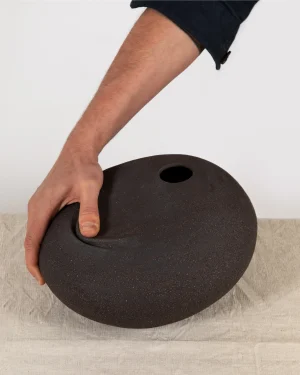
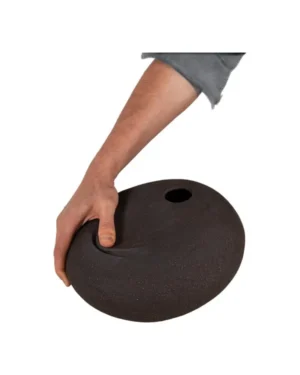
Movement Phase 3 – Black Sculptural Ceramic Vessel
By Catalin Filip
€600 -
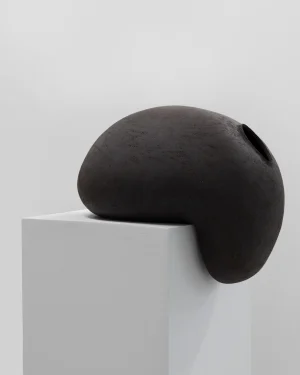
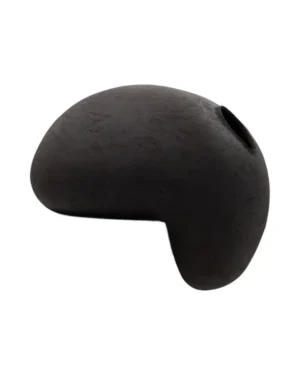
Movement Phase 1 – Black Sculptural Ceramic Vessel
By Catalin Filip
€1.350 -
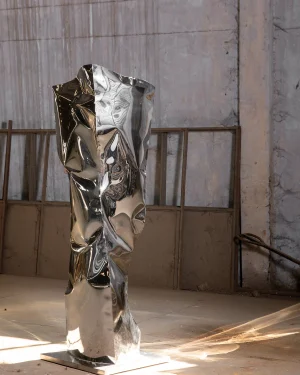
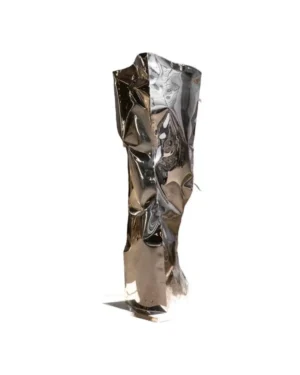
Monolith – Stainless Steel Floor Sculpture
By Nitush and Aroosh
€7.150 -

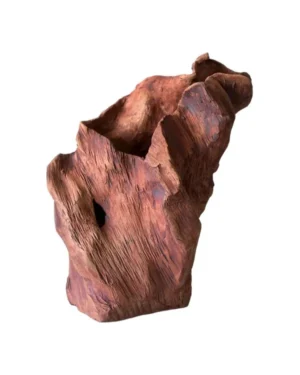
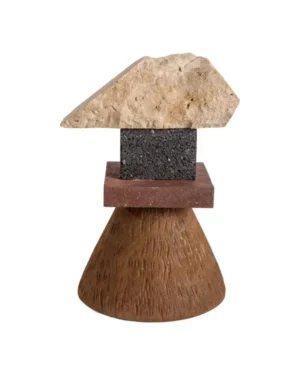
Aisha Totem – Stoneware Sculpture
By Lucia Mondadori
€1.395 -

Inwards – Black Sculptural Ceramic Vessel
By Catalin Filip
€900 -
 In stock
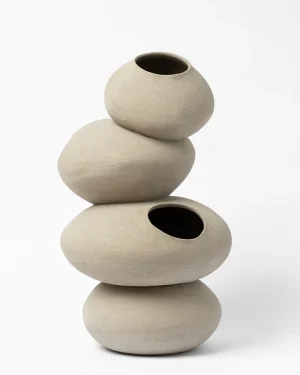
Kho Sculpture No. 4
By Od Studio
€1.280 -

Pose N°7 Black – Sculpture
By Marie-Marie Defour
€320 -
 In stock
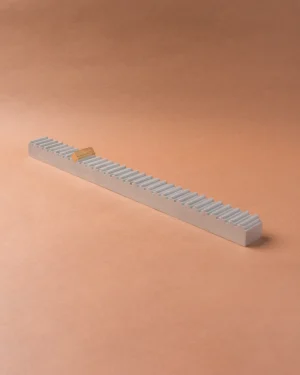
Arch Aluminum Calendar
By Boo Design Studio
€172 -
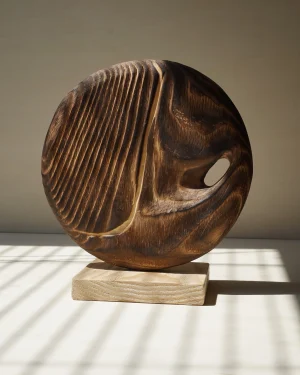 In stock
Concentric Flows / Wood Sculpture No.2
By SOLATERRE
€564 -
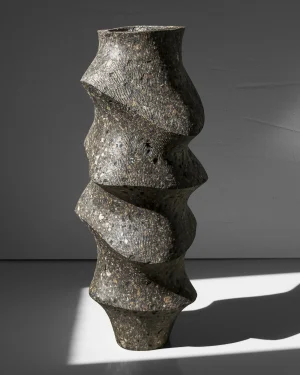
Large Floor Vase, Brutalist Concrete-look Sculpture
By Donatas Žukauskas
€1.450 -
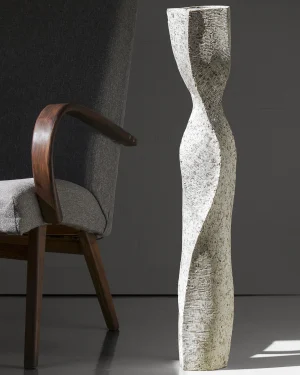
Column Tall Twisted Sculptural Vase, Brutalist Textured Floor Vase
By Donatas Žukauskas
€860 -
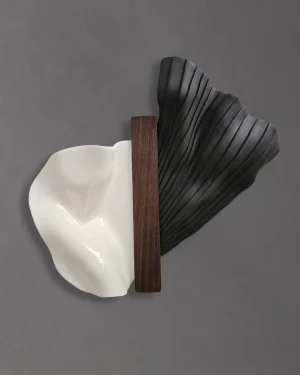
Abundance – Ceramic Wall Sculpture
By Studio Ēeme
€1.135 -
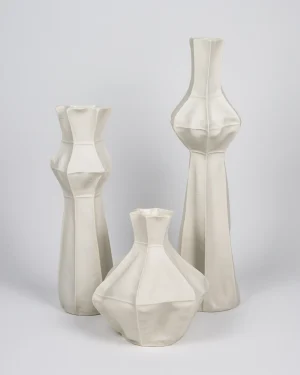
Set No. 1 Of 3 Kawa Vases – Organic Leather-cast Ceramics
By Luft Tanaka Studio
€2.550 -
 In stock
Black On Black Sculpture
By Ceramic Sculptor Stella Arion
€3.100 -
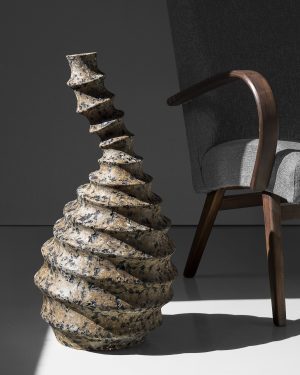
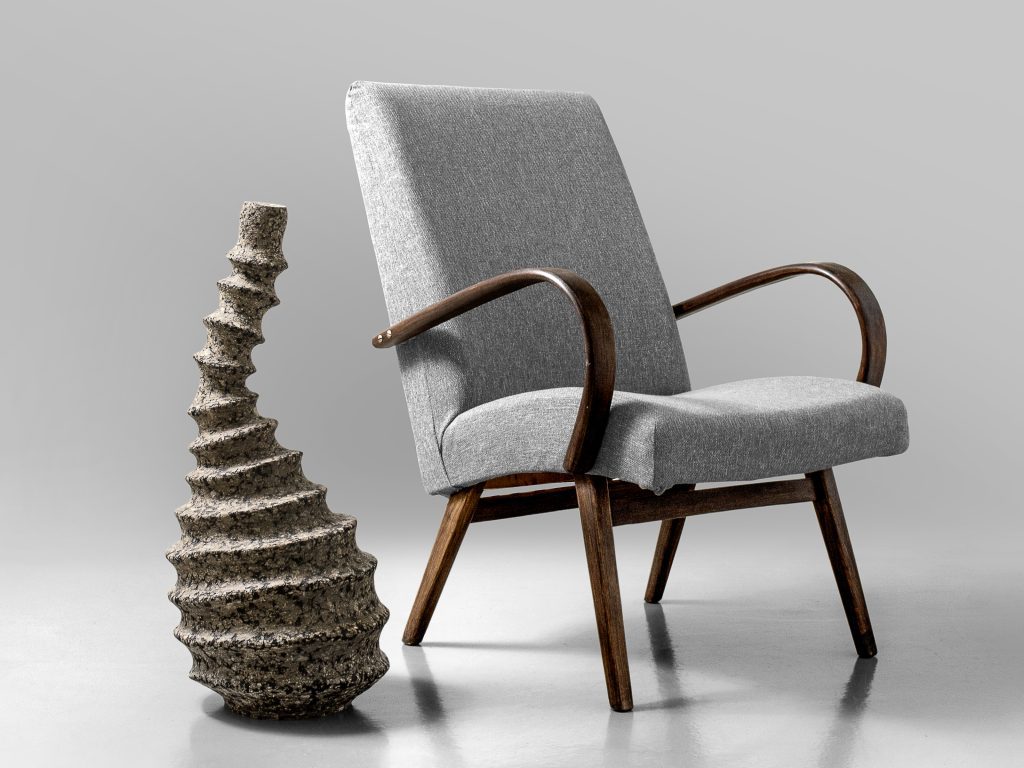
Solid Beige Stone Floor Vase – Erosion Series In Cast Stone By Donatas Zukauskas
By Donatas Žukauskas
€1.450 -
 In stock
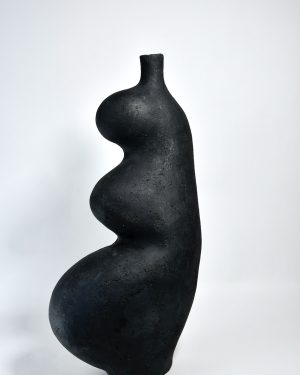
Lilith Grande
By Lucia Mondadori
€1.450 -
10% off

Abundance Wall Sculpture | Toffee · Unique Piece ·
By Studio Ēeme
€3.565€3.209 -
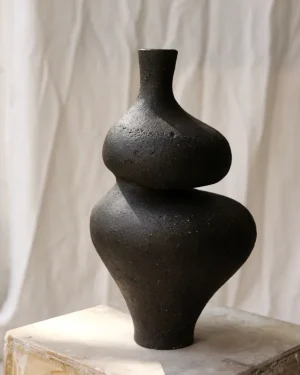
Black Lilith – Brut Stoneware Vessel
By Lucia Mondadori
€842 -
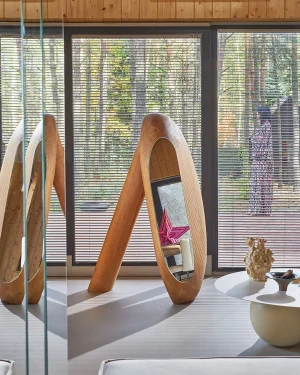
Object N.16 Mirror
By Anna Bera
€11.294 -
 In stock
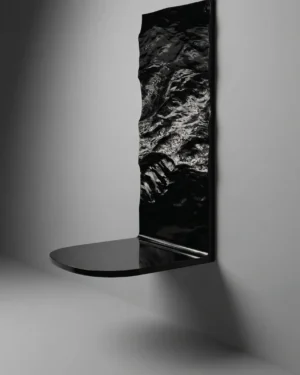
Pontos Wall Sculpture
By Arbore x Cezar Moldovan
€9.830 -
 In stock
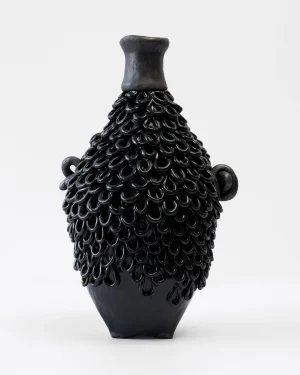
Wraps No.04 – Sculptural Stoneware Vessel
By Not Yet Ceramics
€540 -
 In stock
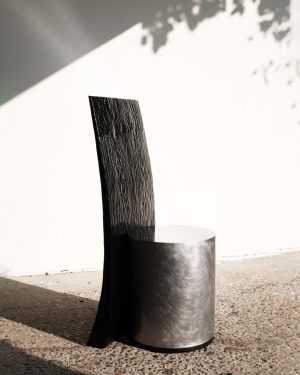
Yunseul Series – Stroke Sculpture No. 02
By Woohyun Han
€2.800 -
 In stock
Embodied Sense Ceramic Sculpture
By Ceramic Sculptor Stella Arion
€3.100 -
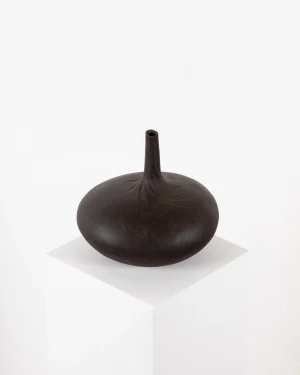
Untitled Vessel – Sculptural Ceramic Vessel
By Catalin Filip
€600 -

Lilith In Black Oxide
By Lucia Mondadori
€788 -
 In stock
Into The Void – Porcelain Sculpture
By Liquid Void Studio
€700 -

Pecan – Wood / Steel Sculptural Shelf
By SALAK Studio
€3.000 -
 In stock
Breathe No.02 – Ceramic Sculpture
By Not Yet Ceramics
€480 -
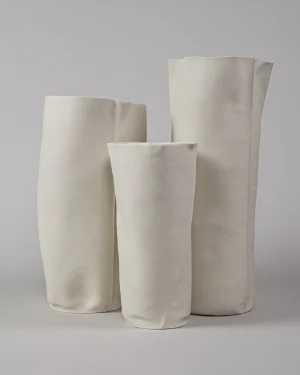
Set No. 2 Of 3 Kawa Vessels – Organic Leather-Cast Ceramics
By Luft Tanaka Studio
€1.940 -
 In stock
Kho Sculpture No. 6
By Od Studio
€408 -
 In stock
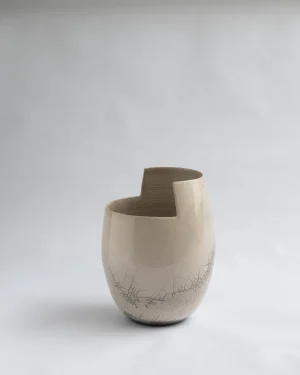
Cut Medium – Raku Clear
By Studionudo
€810 -
 In stock
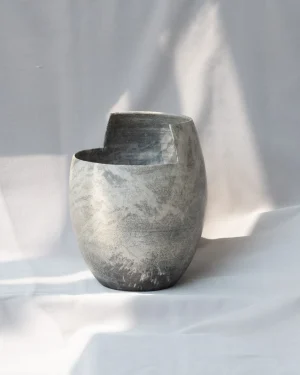
Cut Medium – Naked Stone
By Studionudo
€810 -
 In stock
Figurative Sculpture
By Meagan Cignoli Studio
€400 -
 In stock
Wool Felt+marble Sculpture
By Danik Uderbekov
€3.000 -
 In stock
Mosaic Umbrella Sculpture
By Undress House
€6.800 -
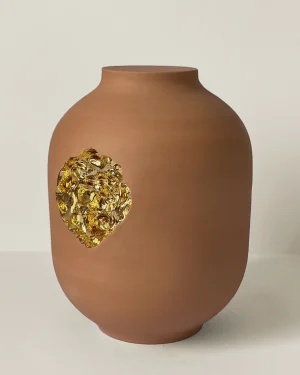 In stock
Intro – Large Ceramic Vase
By Federica Paglia
€590 -
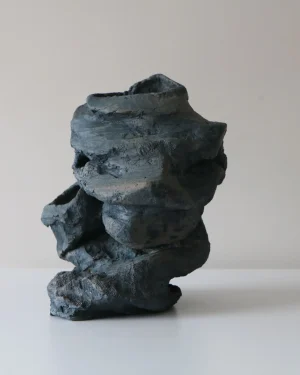 In stock
Abyss No. 9 – Sculptural Vessel
By Ceren Gürkan
€850 -
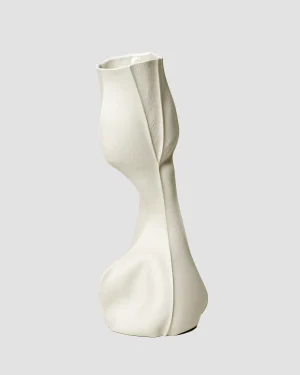
Organic White Ceramic Kawa Vase #20
By Luft Tanaka Studio
€1.050 -
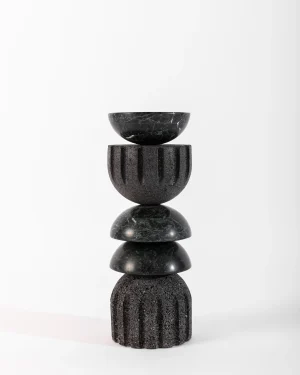
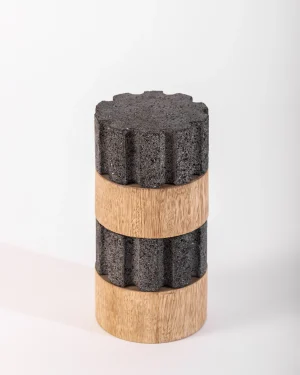
ZM Tikal Sculpture
By Daniel Orozco Estudio
€1.925 -
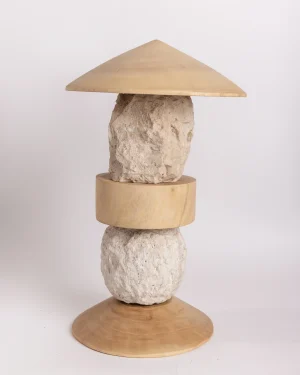
ZM Mix Sculpture
By Daniel Orozco Estudio
€550 -
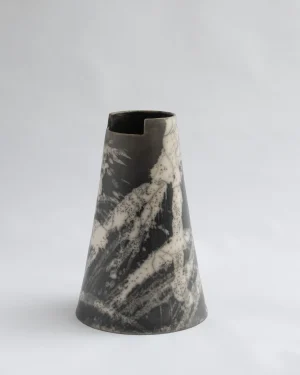
Bbta Sculpture
By Daniel Orozco Estudio
€1.745 -
 In stock
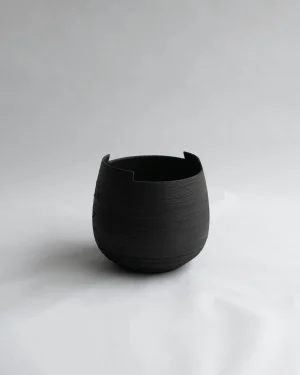
Cut High – Naked Dark
By Studionudo
€810 -
Cut Small – Smoked Black
By Studionudo
€540 -
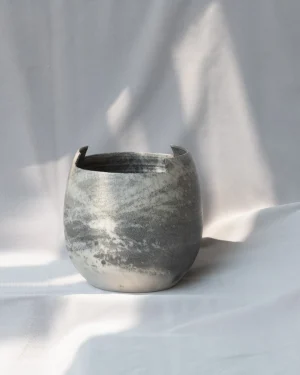 In stock
Cut Small – Naked Stone
By Studionudo
€780 -
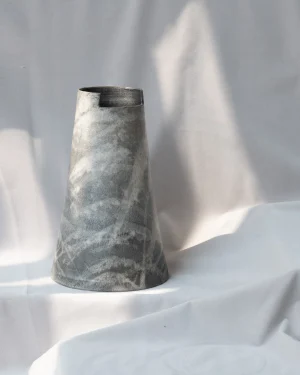 In stock
Cut High – Naked Stone
By Studionudo
€810 -

You & Me – Set Of 3 – Plaster Of Paris Sculpture
By Sacha Parent & Valentine Tiraboschi
€1.440 -
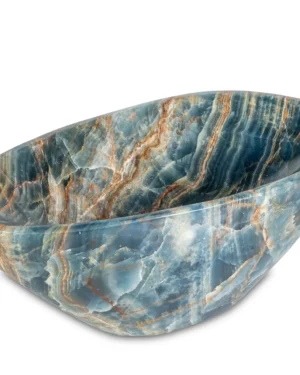 In stock
Dune Strata Vessel
By Markos Vasilakis
€14.400 -
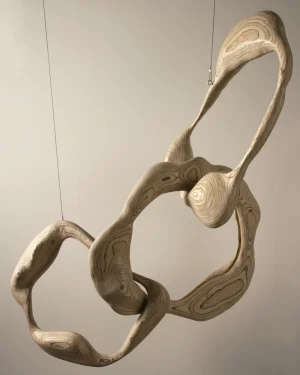 In stock
Flying Wheels
By Dace Sūna
€1.500 -
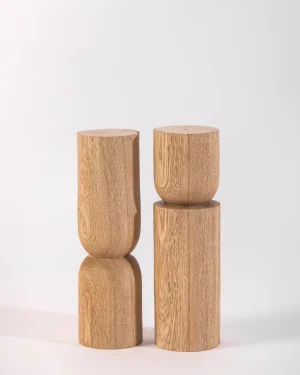
ZM Jungle Mini Sculpture
By Daniel Orozco Estudio
€244 -
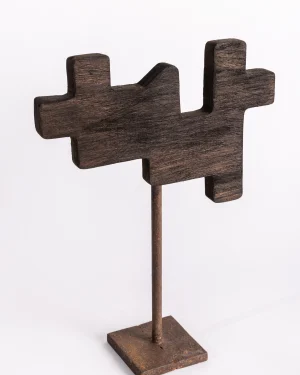
Puzzle Sculpture
By Daniel Orozco Estudio
€385 -
 In stock
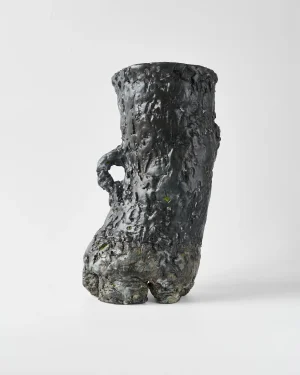
Something Shifted In The Leaves – Sculptural Ceramic Vessel
By Not Yet Ceramics
€615 -

Line Of Memories Sculpture
By WANNAS
€16.200 -
 In stock
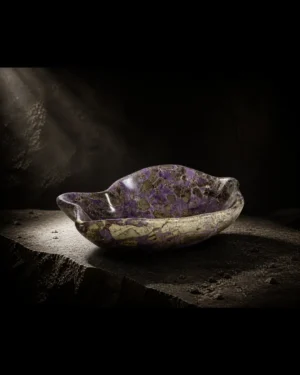
Desert Orchid Vessel
By Markos Vasilakis
€12.600 -
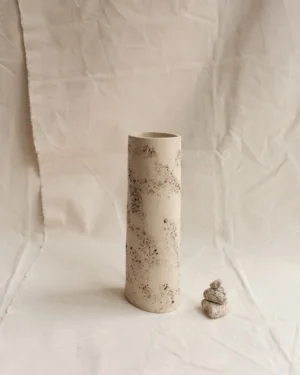 In stock
Cylinder Vessel 01
By Valentine Benoist Ceramics
€1.300
Minimalist sculptures on ADORNO reduce form to what is necessary: a single volume, a plane, a line held in stoneware, cast glass or stone. The studios behind them work in hand-building, coiling, stone carving and digital fabrication, letting material and proportion carry the piece rather than surface decoration. What results is an object that reads as quiet from across a room and holds up to close attention.
What defines a minimalist sculpture
Minimalist work in this category strips a form back to one gesture: a cylinder, a slab, a curve that closes on itself. Color stays restrained, often black, off-white, beige or clear, so the eye follows shape instead of pattern. Glaze, where it appears, tends toward matte or a single glossy pass, never a decorative scheme layered over the surface.
Because the form is simple, the material has to perform honestly. Stoneware and ceramic take glaze evenly and show the maker's hand in a seam or a slight asymmetry. Natural stone and granite carry weight in a way clay cannot, anchoring a console or a floor corner on mass alone. Stainless steel introduces a cooler, reflective surface that changes with the light in a room through the day.
The materials and techniques found here
Across the range, a handful of ways of making recur. Hand-building and coiling shape stoneware and clay into vessels and totems where the wall thickness stays visible. Glazing finishes these in black, white stoneware or transparent coats that let the clay body show through. Stone carving produces denser, planar forms in granite or other natural stone, while metalwork and digital fabrication bring sharper edges to stainless steel pieces.
Editions vary between open runs, remade as demand allows, and unique pieces where no two objects match exactly, a distinction worth checking before buying if that matters to the room. Readers after that guarantee can look specifically through unique sculptures, where each object is a one-off by its nature rather than its marketing.
How to choose one
Scale decides more than style here. A small stoneware form reads as a desk or shelf object, while a stone or steel sculpture over knee height needs floor space and a sightline of its own, away from other objects competing for attention.
- Match finish to light: matte stoneware softens a bright room, glossy or stainless steel surfaces throw reflections worth planning around.
- Check base and footprint before placing on a narrow shelf or table edge, especially with stone or granite pieces that carry real weight.
- Leave air around the piece rather than grouping it with other objects, since minimalist work depends on negative space to read clearly.
Those building out a wider scheme can look at ceramic sculptures for lighter, more varied forms, or stoneware sculptures for denser, more architectural ones.
Where these pieces sit in a room
A single minimalist sculpture suits an entryway console, a dining table end, a reading corner or a bookshelf gap, anywhere a room needs one still point. Pair it with plain walls or matte paint so the object's edges stay legible rather than competing with pattern. In a living space, it often sits better alone on a low plinth or shelf than grouped with books or plants.
For a fuller minimalist scheme, the style extends into minimalist accessories and minimalist tables, both drawing on the same restraint in form and finish.
Care by material
Stoneware and ceramic wipe clean with a dry or barely damp cloth; avoid soaking a piece with an unglazed base, which can absorb water and stain. Natural stone and granite resist daily wear but mark from acidic liquids and oils, so keep them away from kitchen splashes unless sealed. Stainless steel shows fingerprints readily and responds best to a soft cloth rather than abrasive cleaners, which dull its surface over time.
Anyone starting from the full range can begin at all sculptures before narrowing to style, or see the complete spread of minimalist sculptures and related pieces at every minimalist piece on ADORNO.
How do I choose a minimalist sculpture?
Look for a single form that holds attention without ornament, in stoneware, stone or steel. Let proportion and surface do the work, then match its scale to the table, shelf or floor space it will occupy.
What materials are minimalist sculptures made from?
Most come in stoneware, ceramic, natural stone, granite or stainless steel, often finished with a matte or glossy glaze. Each material ages differently, so plan for its particular upkeep.
How do I care for a stone or ceramic sculpture?
Dust stoneware and ceramic with a dry or barely damp cloth, and keep natural stone away from acidic liquids, which can stain or etch its surface. Avoid direct, prolonged sun on glazed finishes.
What size sculpture works best for a room?
Tabletop pieces suit shelves, consoles and desks, while larger carved or cast forms anchor a floor area or entryway. Measure sightlines and surrounding furniture height before deciding.
Which rooms suit minimalist sculptures?
Their plain geometry fits living rooms, entryways and studies, anywhere a quiet focal point is wanted. Pair them with uncluttered surfaces so the form stays legible.
How does shipping, returns and authenticity work on ADORNO?
Shipping is insured and worldwide, with a 14-day return policy excluding made-to-order pieces. Every sculpture arrives with a certificate of authenticity, backed by a lowest-price guarantee.