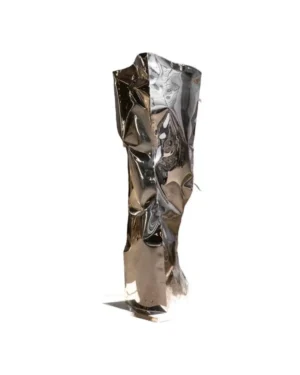
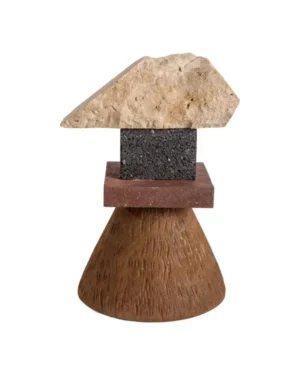
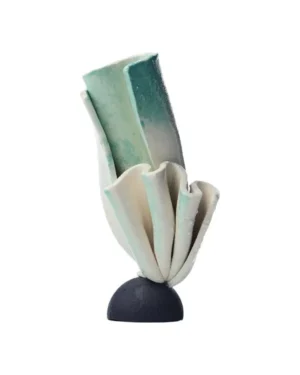
-

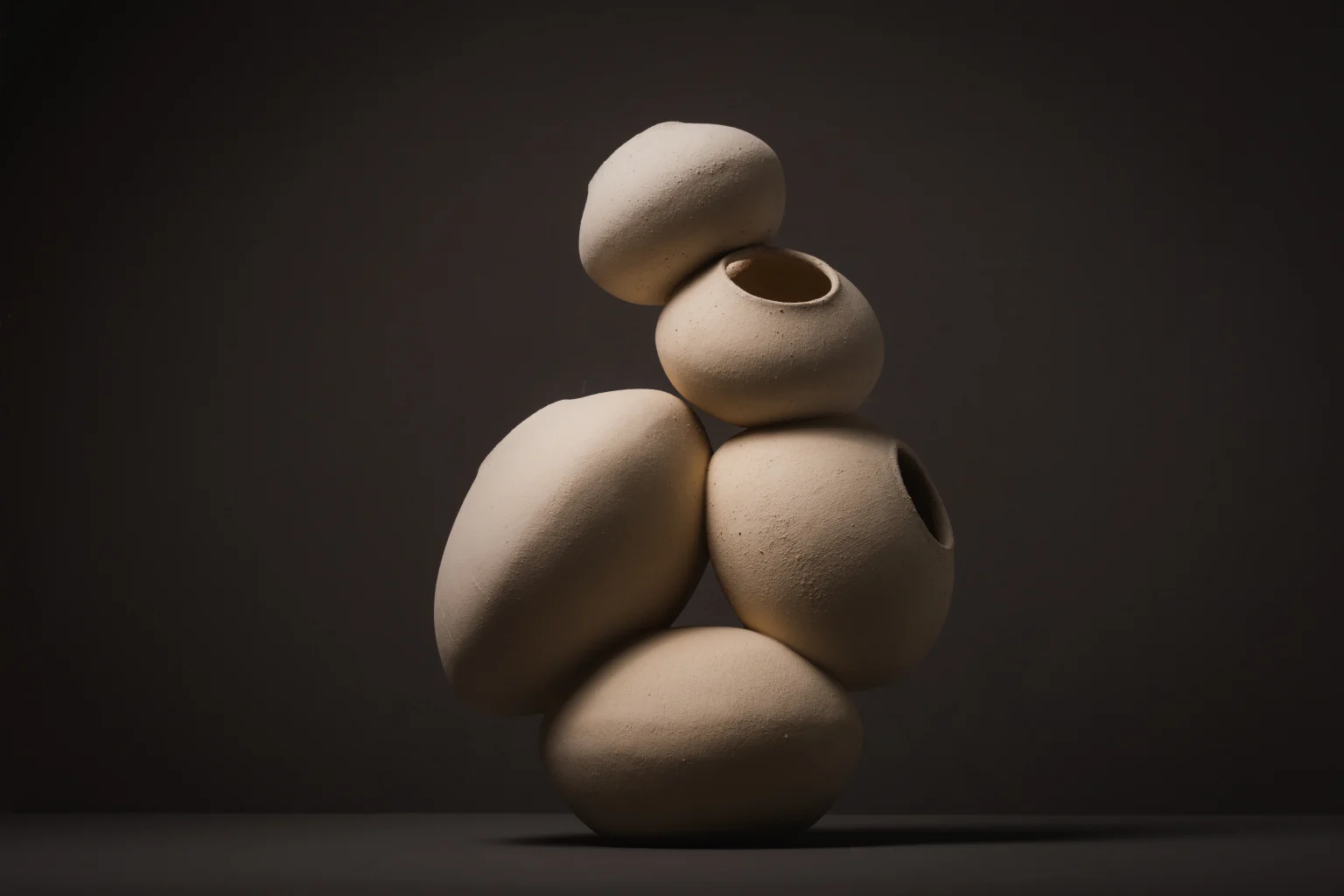
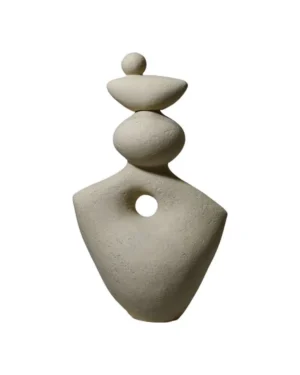
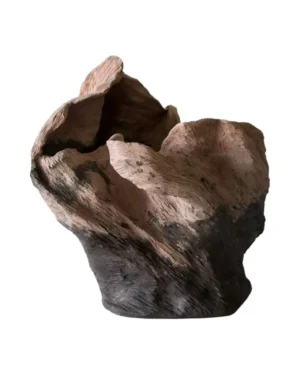
Aisha Totem – Stoneware Sculpture
By Lucia Mondadori
€1.395 -

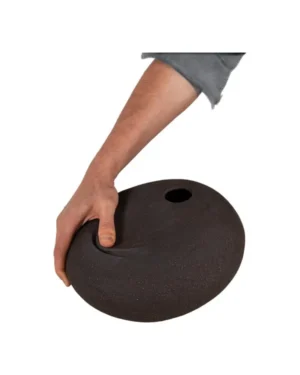
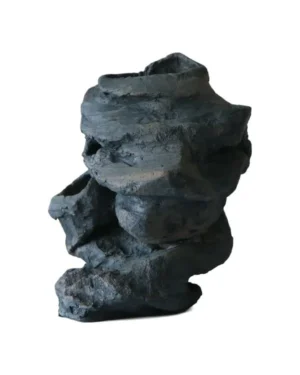
Inwards – Black Sculptural Ceramic Vessel
By Catalin Filip
€900 -
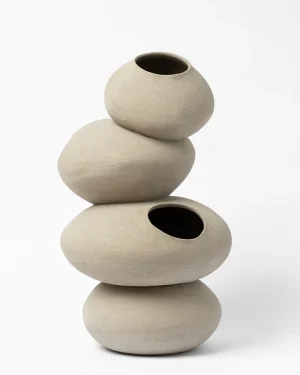 In stock
Kho Sculpture No. 4
By Od Studio
€1.280 -

Kho Sculpture No. 9
By Od Studio
€1.310 -

Kho Sculpture No. 12
By Od Studio
€2.230 -

Pose N°7 Black – Sculpture
By Marie-Marie Defour
€320 -

Pose N°6 Black – Sculpture
By Marie-Marie Defour
€260 -
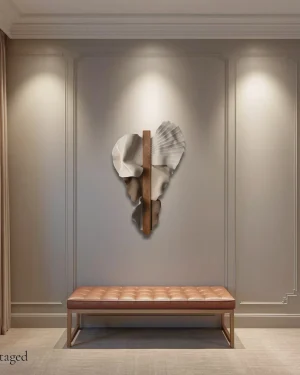
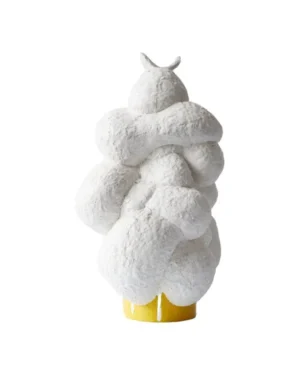
Abundance Wall Sculpture | Toffee · Studio Series ·
By Studio Ēeme
€3.565 -
 In stock
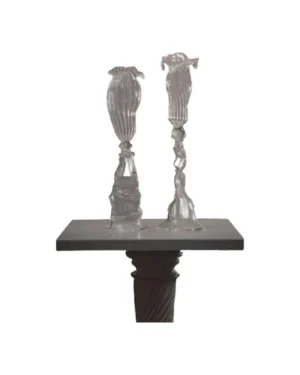
Gaseous Vases
By Layered Ceramics Studio
€150 - €400 This product has multiple variants. The options may be chosen on the product page -

Kho Sculpture No. 7
By Od Studio
€408 -

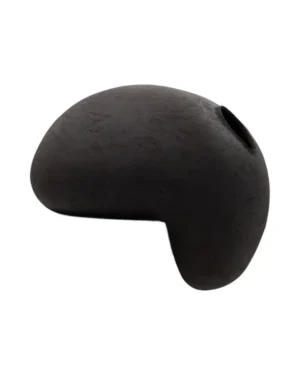
Indent(ation) – Terracotta Sculptural Ceramic Vessel
By Catalin Filip
€900 -
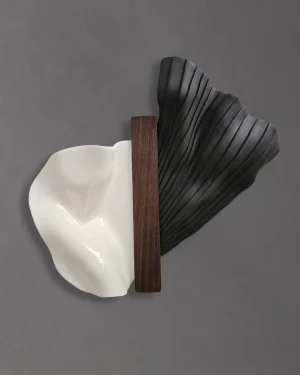
Abundance – Ceramic Wall Sculpture
By Studio Ēeme
€1.135 -
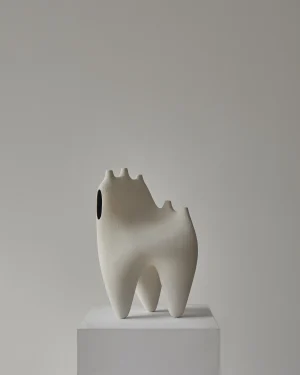
Nomad Ⅰ:03 – Ceramic Vase
By SK - Sofia Karnukaeva
€2.100 -

The Drago Bowl
By COSEINCORSO
€520 -
 In stock
Black On Black Sculpture
By Ceramic Sculptor Stella Arion
€3.100 -
 In stock
Pose N°5 Beige Sculpture
By Marie-Marie Defour
€320 -
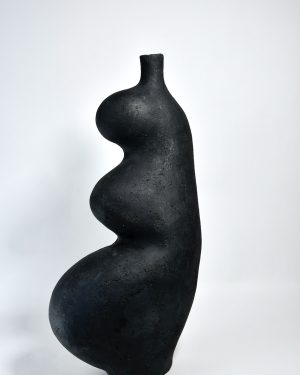 In stock
Lilith Grande
By Lucia Mondadori
€1.450 -
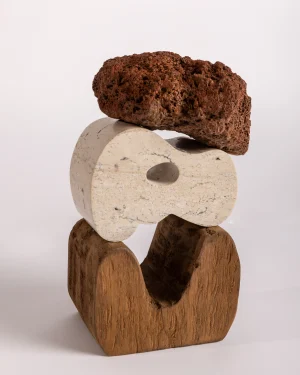
Vera Sculpture
By Daniel Orozco Estudio
€962 -
 In stock
Pose N°10 Black Sculpture
By Marie-Marie Defour
€350 -
10% off

Abundance Wall Sculpture | Toffee · Unique Piece ·
By Studio Ēeme
€3.565€3.209 -
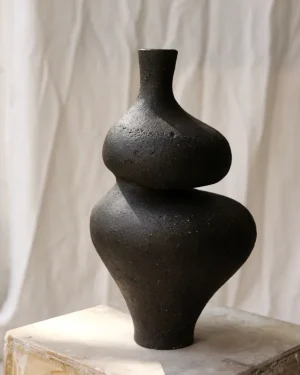
Black Lilith – Brut Stoneware Vessel
By Lucia Mondadori
€842 -
 In stock
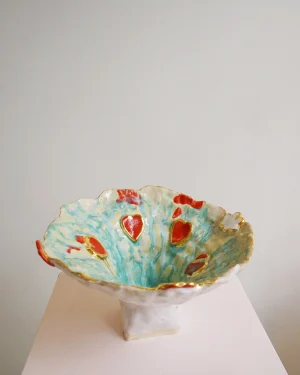
Olé Series- Plates Edition
By Hania Jneid Design Studio
€650 -
 In stock
Elements Of Anatolia No. 14
By Od Studio
€3.600 -
 In stock
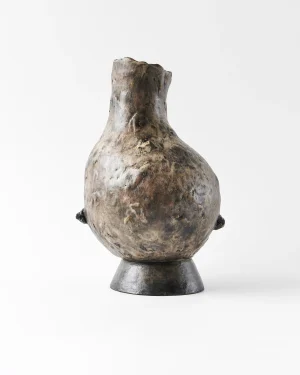
Echoes No.07 – Sculptural Ceramic Vase
By Not Yet Ceramics
€560 -
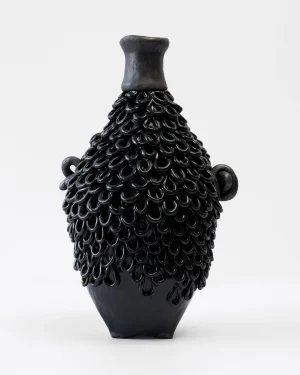 In stock
Wraps No.04 – Sculptural Stoneware Vessel
By Not Yet Ceramics
€540 -
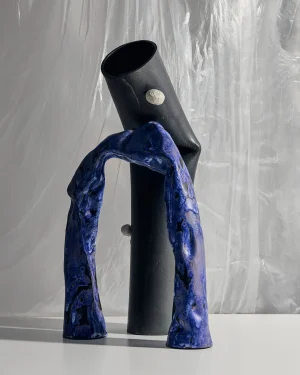 In stock
Stoneware Sculpture Installation
By C E R A M I C 4 7
€950 -
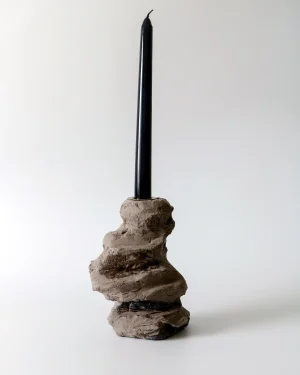 In stock
Abyss Candle Holder
By Ceren Gürkan
€120 -
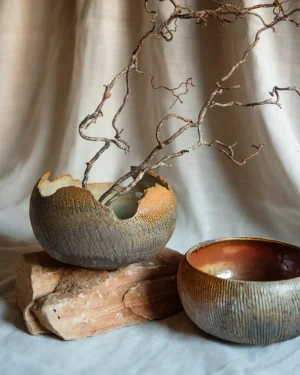 In stock
Distressed Wood Fired Form No.1
By Alex Roby Design
€488 -
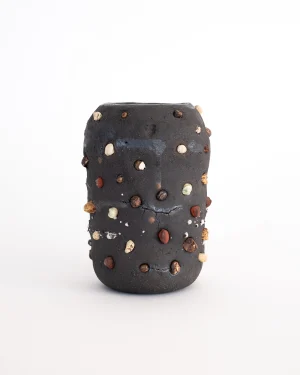 In stock
Little Rock Vase – Special Edition (deconstructed O.1)
By Ugly Things et al.
€590 -
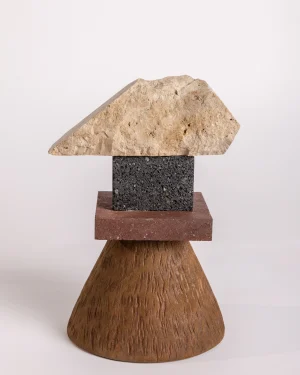
Clara Sculpture
By Daniel Orozco Estudio
€962 -
 In stock
Abyss No. 21 – Sculptural Vessel In Stoneware
By Ceren Gürkan
€1.170 -
 In stock
Pose N°8 Pink Sculpture
By Marie-Marie Defour
€260 -
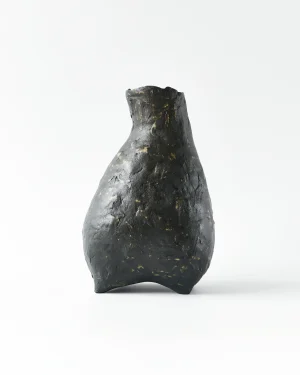 In stock
Echoes No.05 – Sculptural Vase
By Not Yet Ceramics
€520 -
 In stock
Embodied Sense Ceramic Sculpture
By Ceramic Sculptor Stella Arion
€3.100 -

Lilith In Black Oxide
By Lucia Mondadori
€788 -

Fos Deco 07
By Daniel Orozco Estudio
€2.238 -
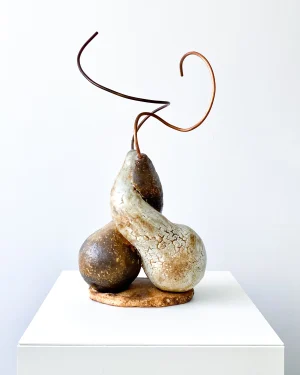 In stock
Embrace – Stoneware Sculpture
By Elena Yakimushkina
€900 -
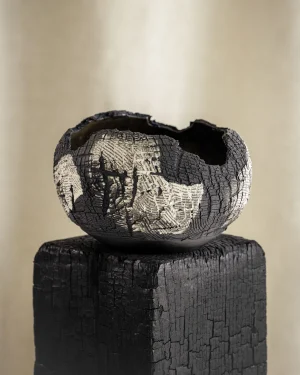
Distressed Onyx Form No.1
By Alex Roby Design
€520 -
 In stock
Breathe No.02 – Ceramic Sculpture
By Not Yet Ceramics
€480 -
 In stock
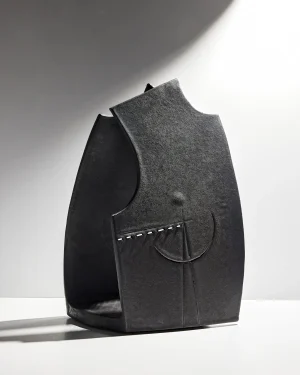
_migrated Forms 06 Sculpture
By C E R A M I C 4 7
€820 -
 In stock
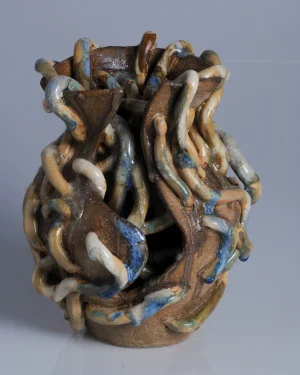
Tipishka – Stoneware Collectible Scultpure
By Vale Ro
€4.000 -
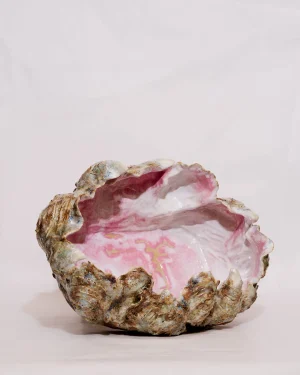
Shipwreck Vase
By Sugoi Studio
€800 -
 In stock
Kho Sculpture No. 6
By Od Studio
€408 -
 In stock
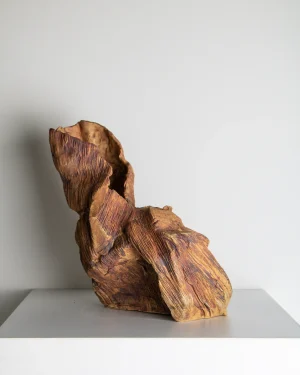
Black Earth – Vase O.6
By Ugly Things et al.
€560 -
 In stock
Abyss No. 22 – Sculptural Vessel In Stoneware
By Ceren Gürkan
€900 -
 In stock
Silent Archive Sculpture
By Ceramic Sculptor Stella Arion
€3.100 -
 In stock
The Eye Of Industrial Love Sculpture
By Ceramic Sculptor Stella Arion
€1.600 -
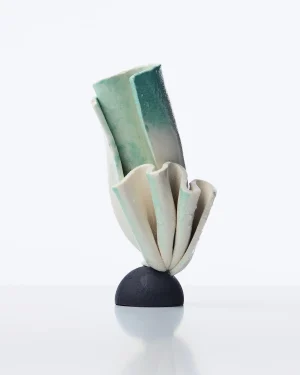
From Fragility To Stability – Sculpture_06
By C E R A M I C 4 7
€350 -
 In stock
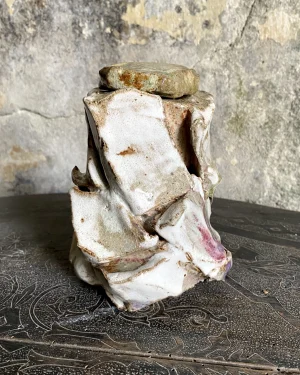
Sculptural Lidded Vessel ‘on The Rocks’ #3
By Elena Yakimushkina
€675 -
 In stock
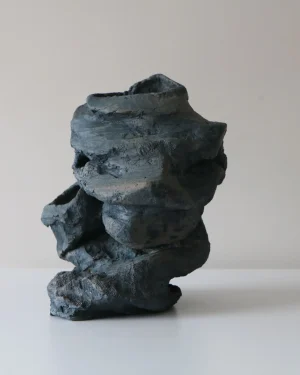
Abyss No. 9 – Sculptural Vessel
By Ceren Gürkan
€850 -
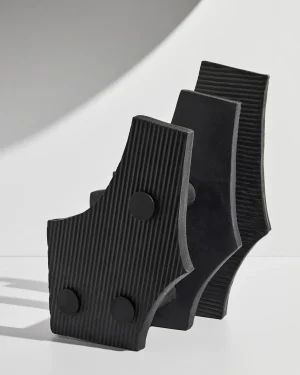 In stock
_migrated Forms 12 Sculpture
By C E R A M I C 4 7
€970 -
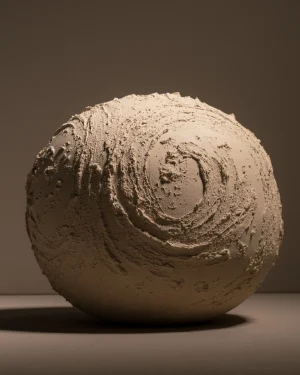 In stock
Sól No.1 Sculpture
By Od Studio
€567 -
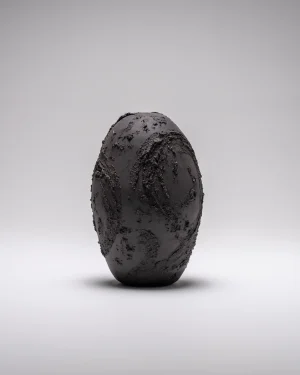 In stock
Sól No.3 Sculpture
By Od Studio
€319 -
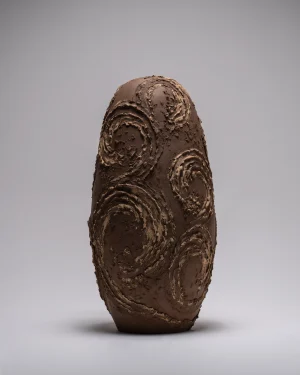 In stock
Sól No.5 Sculpture
By Od Studio
€1.080
Stoneware sculptures take their character from a dense, fine-grained clay body fired hot enough to vitrify, closing its pores and leaving a surface that rings slightly when tapped. Studios working in this material build by hand, coiling walls upward or pressing and sculpting solid forms, then glaze or leave sections raw to show the clay's natural grain. The result sits between geology and craft: heavy in the hand, cool to the touch, and settled rather than showy in a room.
What stoneware brings to a sculptural object
Stoneware fires at higher temperatures than earthenware, which is why it survives as a dense, chip-resistant body rather than a soft, porous one. That density gives sculptural pieces real weight and a flat, grounded presence; they do not shift or rattle when a room is walked through. Unglazed surfaces keep a matte, stone-like skin, while glazed sections pick up light in a glossy or satin finish depending on how the studio fires them.
Color, finish and the range worth knowing
Most stoneware sculptures arrive in a narrow, earthbound palette: black, beige, white, and the warm grays that come from clay itself rather than added pigment. Glazing can push a surface toward glossy or matte, clear or opaque, and some studios leave parts unglazed so raw clay and fired finish sit side by side on the same object. Beyond stoneware, related clay and mineral materials appear across the wider ceramic sculpture range, alongside granite and other natural stone forms that share the same grounded, geological quality. Styles run from pared-back minimalist volumes to rougher, wabi-sabi surfaces that keep the marks of the hand, and eclectic or Neolithic-leaning forms that read closer to artifact than object. Editions matter here too: some pieces are unique, one-offs shaped individually, while others belong to open editions a studio can remake over time.
How to choose a stoneware sculpture
Scale is the first decision. A small form reads as a tabletop object and asks to be seen up close, while a taller or wider piece can anchor a console, a hearth, or the floor beside seating.
- Weight and base: a low, wide form carries visual weight without needing a plinth, while a taller piece benefits from a stable, unobstructed footing.
- Finish and light: matte and unglazed surfaces absorb light and suit softer, indirect rooms; glossy or clear glazes catch light and work well near a window or lamp.
- Color against the room: black or deep matte tones stand out against pale walls, while beige and white forms recede into a neutral palette and let their shape do the work.
Placement follows from scale and finish. A sculpture meant to be circled, such as a coiled or carved totem form, needs clearance on more than one side; a flatter, relief-like piece can sit against a wall or in a niche.
Where stoneware sculpture sits in a room
These pieces suit living and dining rooms most readily, where they can sit on a sideboard, low table, or floor without competing with daily use. Entryways and reading corners also work, since a stoneware form holds its own without needing company. For a broader look at how these objects behave in a lived-in room, the living room sculpture range shows the same material logic applied across scales. Stoneware's companion pieces, such as stoneware vases and other stoneware decor, draw on the same clay bodies and firing methods, so they sit together without clashing.
Caring for a stoneware piece
Fired stoneware is tough and largely waterproof once glazed, but unglazed sections stay slightly porous and can mark if left wet or oily. Dust with a dry or barely damp cloth, and avoid abrasive cleaners on matte or unglazed surfaces, which scratch more visibly than gloss. Keep sculptures away from direct, sustained heat sources, since rapid temperature shifts can stress the clay body over years of use. For the full range of forms and finishes in this material, the stoneware material page and the broader sculpture category both show how far the material travels beyond any single shape.
How do I choose a stoneware sculpture?
Look at the surface first: matte or glossy, glazed or left raw, since that governs how it reads in light. Let scale and weight guide placement, then let form decide whether it sits alone or among other objects.
How do you care for a stoneware sculpture?
Wipe with a dry or slightly damp cloth, away from direct sun to keep glazes from fading. Stoneware is dense and chip-resistant, but unglazed surfaces can mark, so handle with clean, dry hands.
What size stoneware sculpture should I buy?
Sizes vary by piece, from small table forms to floor-standing works, so check the dimensions listed with each one. For anything specific, chat with the maker on the piece's page.
Which rooms suit stoneware sculptures?
Their weight and texture anchor living rooms, entryways, and reading corners, while smaller forms hold their own on shelves or desks. Earthy tones and matte glazes sit easily in most interiors.
Is stoneware sculpture fragile or durable?
Stoneware is fired at high temperatures, making it dense, nonporous, and more durable than earthenware. It resists chipping well but can still crack if dropped on a hard surface.
How does shipping, returns, and authenticity work on ADORNO?
Shipping is insured and worldwide. Returns are accepted within 14 days, except for made-to-order pieces. Each sculpture arrives with a certificate of authenticity, backed by a lowest-price guarantee.