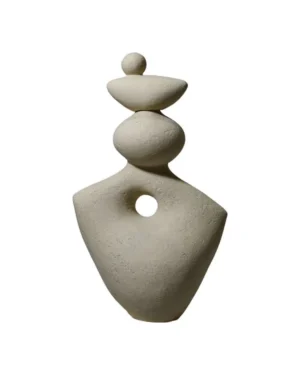
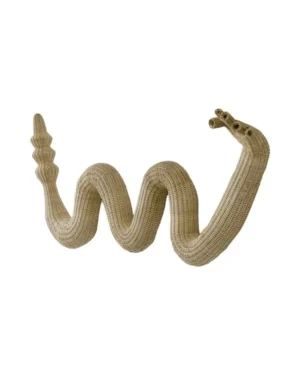
-
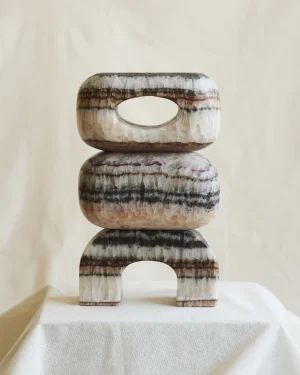
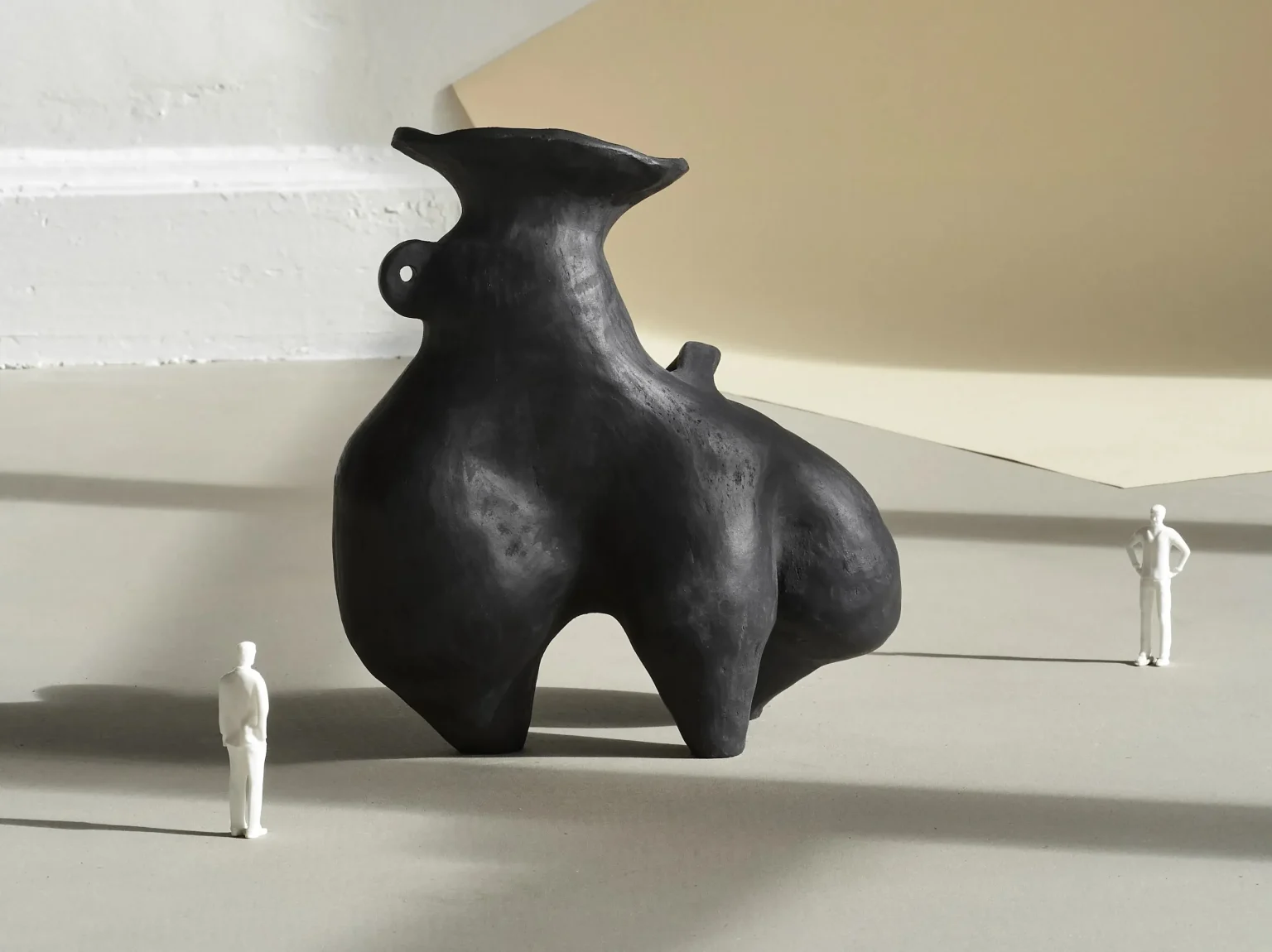
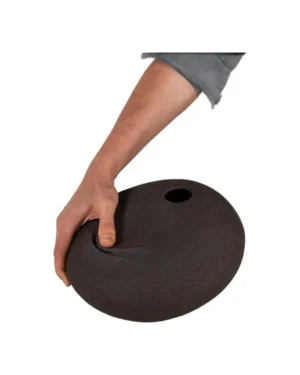
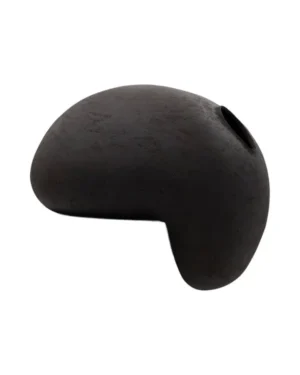
Artefacto Mármol Ls 01
By LØRDAG & SØNDAG
€900 This product has multiple variants. The options may be chosen on the product page -
 In stock
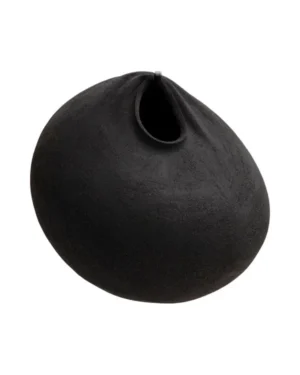
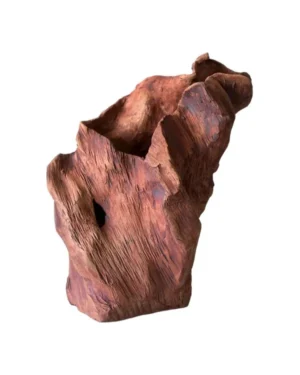
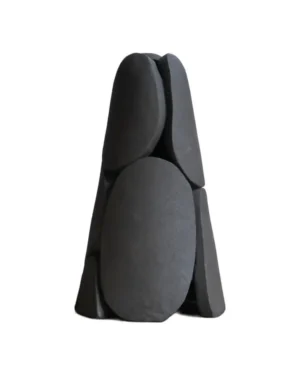
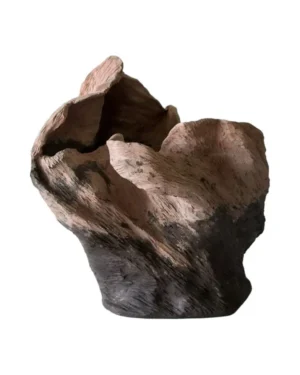
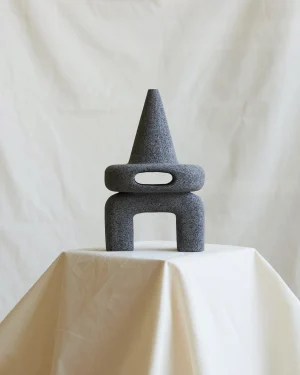
Artefacto Volcán Ls 06
By LØRDAG & SØNDAG
€490 -
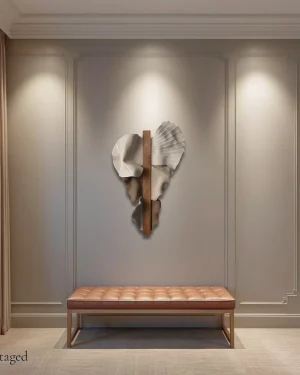
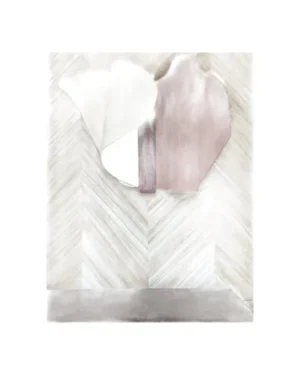
Abundance Wall Sculpture | Toffee · Studio Series ·
By Studio Ēeme
€3.565 -
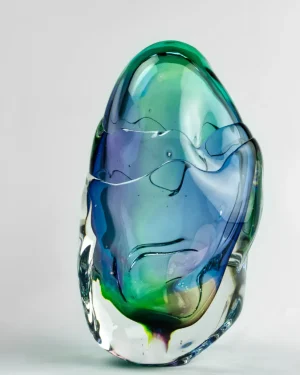
Persona – Glass Sculpture
By MILA ZILA
€2.400 -
 In stock
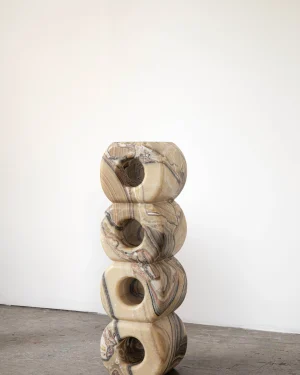
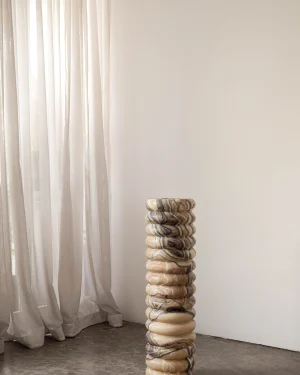
Roma Stone Totem
By Studio Ayres
€2.348 -
 In stock
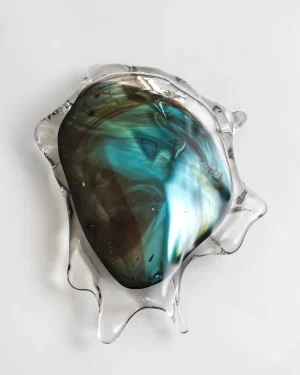
Antigua Stone Totem
By Studio Ayres
€2.348 -
 In stock
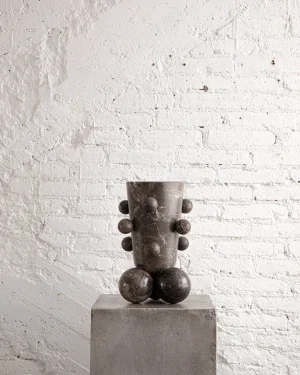
Persona Mirror Sculpture – Multicolour
By MILA ZILA
€2.100 -
Pollux – Stone Vase
By Studio Ayres
€840 -

Line Of Memories Sculpture
By WANNAS
€16.200 -
 In stock
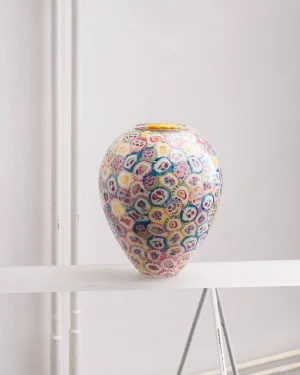
Organic Form No.5 – Sculpture
By Alex Roby Design
€2.850 -
Lollipop Vase – Murano Glass
By Anna Jožová
€1.653 -
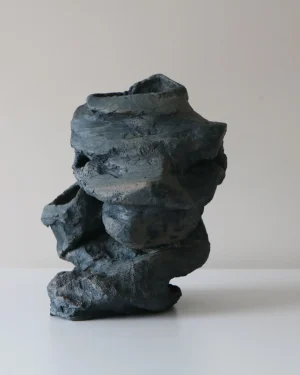 In stock
Abyss No. 9 – Sculptural Vessel
By Ceren Gürkan
€850 -
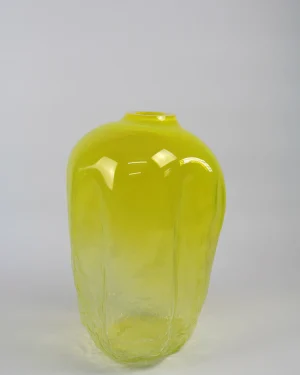 In stock
Sand Series – Narcissus Handmade Glass Object
By Vogel Studio
€1.150 -
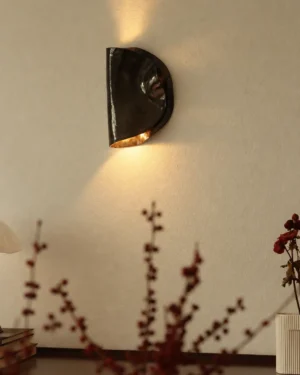
Lamp Shade – Fado
By Joana Vilaça Studio
€790 -
 In stock
Artefacto Mármol Ls 02
By LØRDAG & SØNDAG
€800 This product has multiple variants. The options may be chosen on the product page -
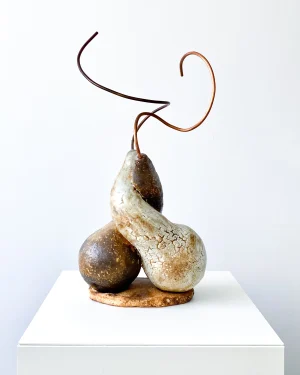 In stock
Embrace – Stoneware Sculpture
By Elena Yakimushkina
€900 -
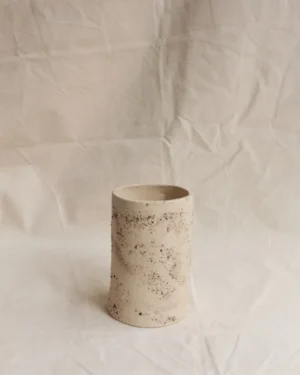 In stock
Cylinder Vessel 02
By Valentine Benoist Ceramics
€1.180 -
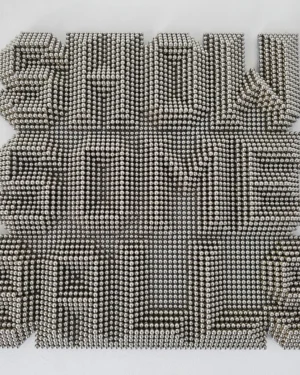 In stock
“showsomeballs” Wall Mounted Heavy Metal Sculpture.
By JAN PAUL
€3.578 -
 In stock
Organic Form No.6 – Sculptures
By Alex Roby Design
€2.850 -
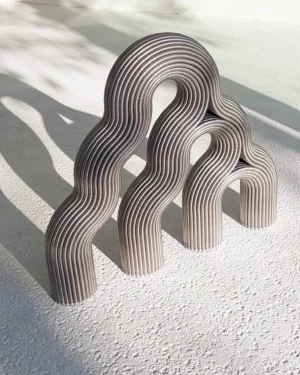 In stock
“flux” Sculpture
By JAN PAUL
€4.975 -
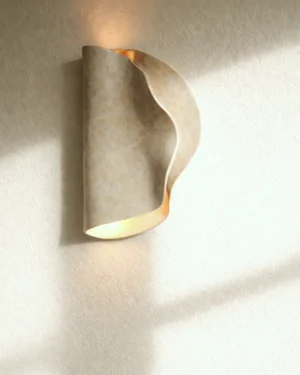
Lamp Shade – Fado
By Joana Vilaça Studio
€790 -
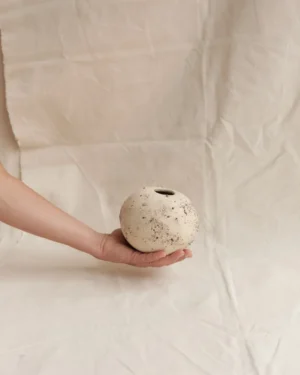 In stock
Globe Vessel 02
By Valentine Benoist Ceramics
€980 -
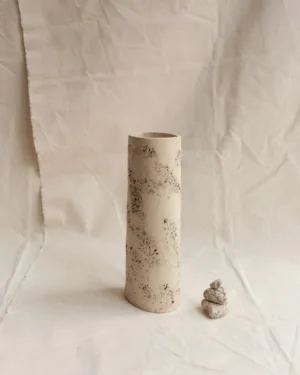 In stock
Cylinder Vessel 01
By Valentine Benoist Ceramics
€1.300 -
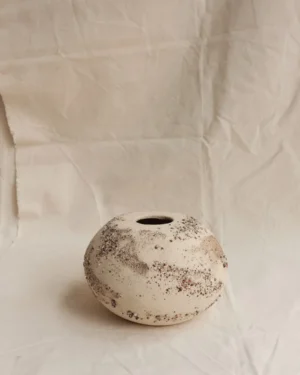 In stock
Globe Vessel 01
By Valentine Benoist Ceramics
€1.250 -
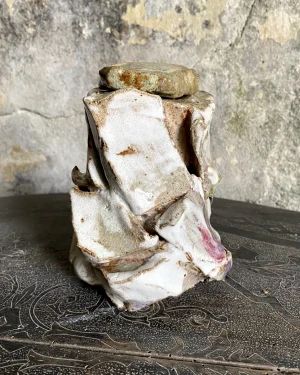 In stock
Sculptural Lidded Vessel ‘on The Rocks’ #3
By Elena Yakimushkina
€675 -
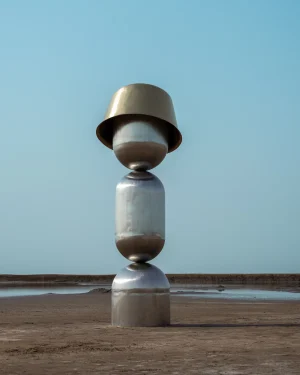 In stock
Meiso – Floor Sculpture
By WANNAS
Price Upon Request -
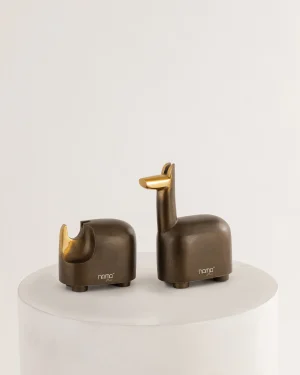
Zoo – Cast Aluminum Animal Sculpture Set
By Nama Home
€730 -
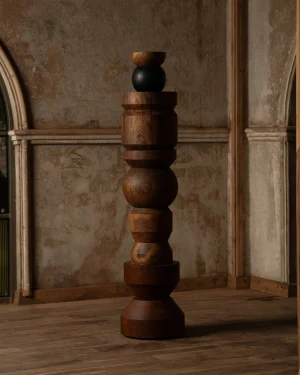 In stock
Recreational Verb – Wooden Floor Sculpture
By WANNAS
Price Upon Request -
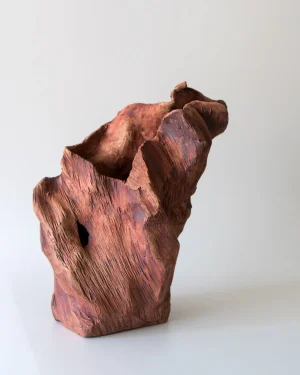 Sold
Abyss No. 16 – Sculptural Vessel
By Ceren Gürkan
€1.200
Entryway sculptures mark the first gesture of a room, a single object positioned where a hallway opens or a console meets a wall. The pieces gathered under this attribute come from independent studios working in ceramic, stoneware, marble, granite and stainless steel, each one shaped by hand-building, stone carving, glazing, wood carving, glassblowing or metalwork. What unites them is scale restraint and material honesty: a form considered enough to hold its ground without needing a wall of context around it.
What defines an entryway sculpture
An entryway sculpture carries presence rather than function. It does not hold books or catch keys; it anchors a corner, a console top, or a floor niche, and sets the tone for everything a visitor sees next. Because the piece is seen briefly and from several angles, studios tend to favor clear silhouettes, surfaces that read at a glance, and proportions that hold up against a doorway's scale rather than a shelf's.
Materials behave differently in this role. Ceramic and stoneware carry warmth and a handmade surface, often finished with glaze that shifts from matte to glossy depending on firing. Marble and granite bring weight and cold permanence, their veining and grain never repeating twice. Stainless steel and cast glass read as contemporary counterpoints, catching light rather than absorbing it, suited to brighter, harder-edged entries.
The range found here
Finishes span beige stoneware and white stoneware through glossy black, matte brown, clear and transparent glass, and multicolor glaze work. Styles move from minimalist and contemporary through coastal, brutalist, wabi-sabi, eclectic and neolithic references, so a single material can carry several different moods depending on how it is worked. Editions include open runs, limited editions and unique pieces, the latter two meaning no two examples leaving a given studio will be identical.
Looking across the full range of sculptures helps place an entryway piece within the wider vocabulary of carved, cast and hand-built objects, since the same techniques appear across every room of the house. For a narrower starting point, ceramic sculptures tend to sit well on a console beside a lamp, while unique sculptures suit a buyer looking for something that will not appear in another hallway.
How to choose scale, finish and placement
Start with the surface the piece will stand on. A narrow console or shelf calls for a compact, vertical form that will not tip or crowd the edge; an open floor space or a wide table can carry a broader, heavier base. Height matters more than width here, since an entryway sculpture is usually viewed at eye level or slightly below, on the way in rather than from across a room.
Finish should answer the light the entry actually gets. Matte stoneware and raw stone read calmly in dim hallways, while glossy glaze, clear glass or polished steel pick up whatever daylight or sconce light reaches the space. Color can echo a wall, a door, or a nearby entryway lamp, or work as the single saturated note in an otherwise neutral hall.
- For small apartments or narrow halls, choose a single compact form rather than a grouping.
- For wide entries or foyers, a taller stone or ceramic piece can stand alone without a table beneath it.
- Pair a textured, hand-built surface with smooth flooring, or a polished stone with a woven runner, so the two surfaces read as contrast rather than competition.
Living with stone, ceramic and glazed surfaces
Unsealed marble and granite stain if left near wet umbrellas or damp coats, so a tray or coaster beneath the base protects both surfaces over time. Glazed ceramic and stoneware resist moisture once fired, needing only a dry cloth to keep the surface clear of dust and handprints near a frequently used door. Glass and stainless steel show fingerprints more readily and benefit from the same light, regular wiping rather than any heavier cleaning. All of these materials, cared for this way, settle into daily use rather than fading from it, which is part of what allows an entryway sculpture to outlast the room's other changes.
For pieces chosen to coordinate with furniture already in place, it can help to look across entryway furniture as a whole, matching a sculpture's material or tone to a console, a bench, or a mirror frame already standing in the hall. Seen this way, an entryway sculpture is less an accessory than the object that finishes the room before any other decision is made.
How do I choose a sculpture for an entryway?
Pick a form that reads clearly from the door, since entryways are seen in passing rather than studied. Weight and silhouette matter more than fine detail at this distance.
What materials work best for entryway sculptures?
Stoneware, marble, granite and cast glass are common choices, each bringing a different weight and presence. Dense materials like stone and ceramic anchor a console or floor spot without shifting underfoot.
How do I care for a stone or ceramic sculpture?
Dust with a dry or slightly damp cloth, and keep marble and other porous stone away from standing water or direct sun, which can stain or fade the surface over time.
What size sculpture suits an entryway?
Entryways tend to be narrow, so a piece that is tall and slender or compact and sculptural usually works better than something wide. Scale it to the console, shelf or floor space it will occupy.
Can entryway sculptures work in other rooms too?
Yes, the same forms suit a living room console, a bedroom shelf or a hallway niche. Placement depends more on available surface and light than on the room itself.
How does shipping, returns and authenticity work at ADORNO?
Shipping is insured and worldwide. Returns are accepted within 14 days, except for made-to-order pieces, and every piece arrives with a certificate of authenticity, backed by a lowest-price guarantee.