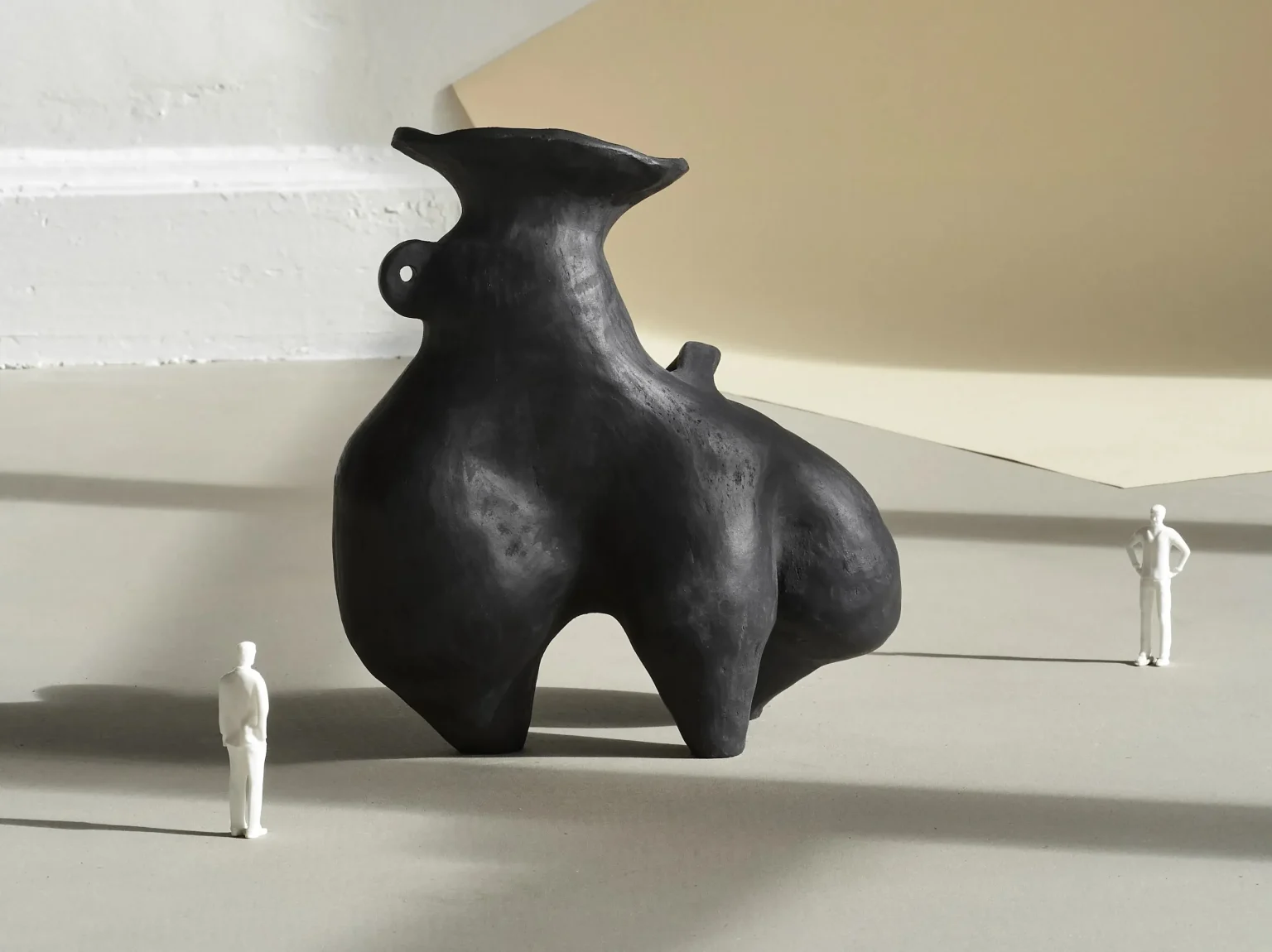
-
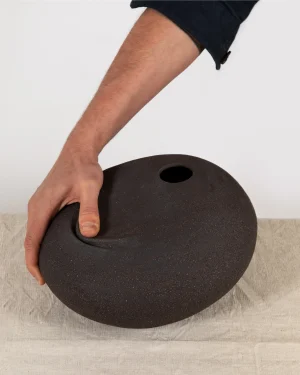
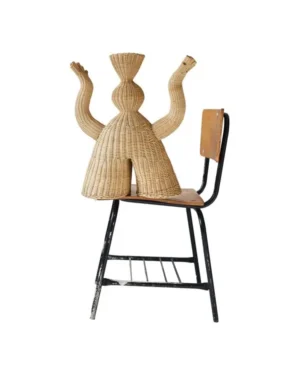
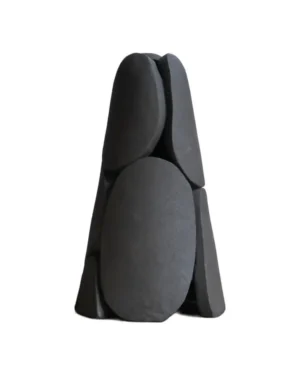
Movement Phase 3 – Black Sculptural Ceramic Vessel
By Catalin Filip
€600 -
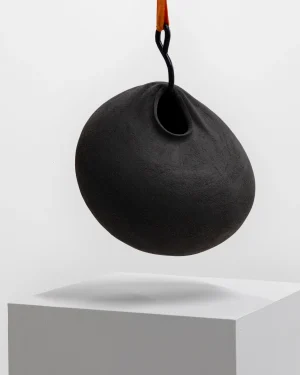
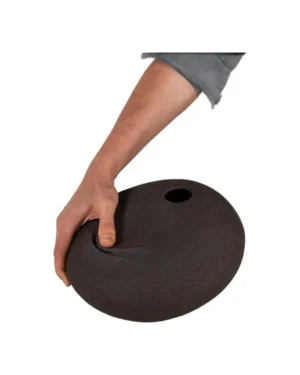
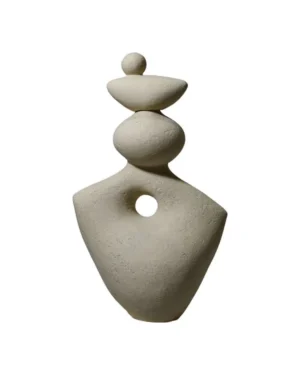
Movement Phase 2 – Black Sculptural Ceramic Vessel
By Catalin Filip
€1.030 -
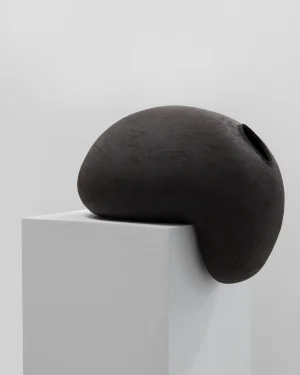
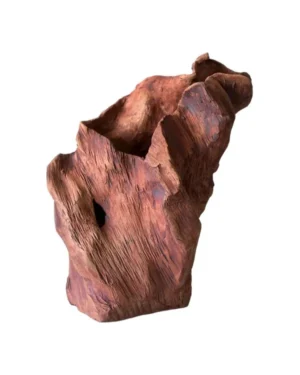
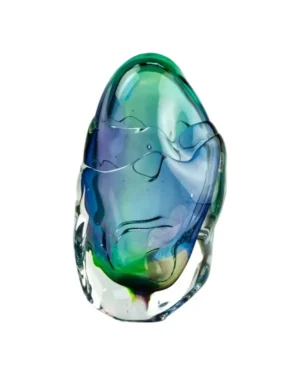
Movement Phase 1 – Black Sculptural Ceramic Vessel
By Catalin Filip
€1.350 -
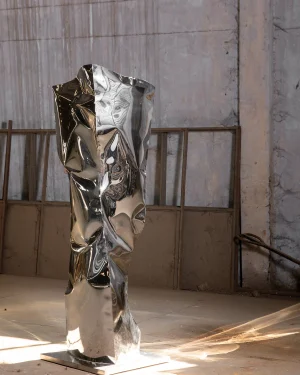
Monolith – Stainless Steel Floor Sculpture
By Nitush and Aroosh
€7.150 -

Aisha Totem – Stoneware Sculpture
By Lucia Mondadori
€1.395 -
 In stock
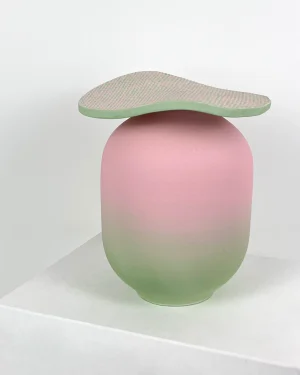
Sui Cappelli/ About Hats – Ceramic Sculpture
By Federica Paglia
€550 -
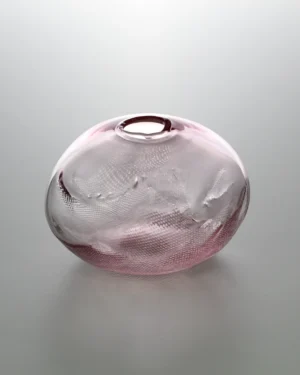 In stock
1/2 Ltr Forms – Light Pink Handmade Glass Object
By Vogel Studio
€100 -
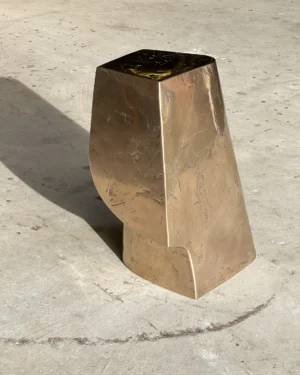
Palm Table Il – Handmade Bronze Side Table
By Vogel Studio
€7.800 - €8.800 -
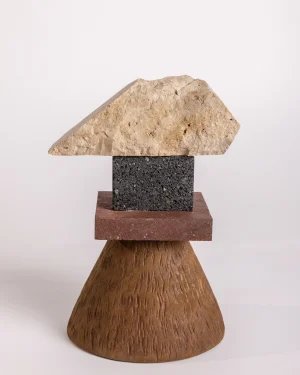
Clara Sculpture
By Daniel Orozco Estudio
€962 -

Pose N°7 Black – Sculpture
By Marie-Marie Defour
€320 -
 In stock
Knot Bag Sculpture No.1: Soft White And Blue
By Elena Yakimushkina
€550 -

Indent(ation) – Terracotta Sculptural Ceramic Vessel
By Catalin Filip
€900 -

Inwards – Black Sculptural Ceramic Vessel
By Catalin Filip
€900 -
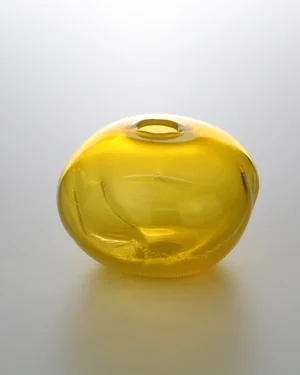 In stock
1/2 Ltr Forms – Honey Yellow Handmade Glass Object
By Vogel Studio
€100 -
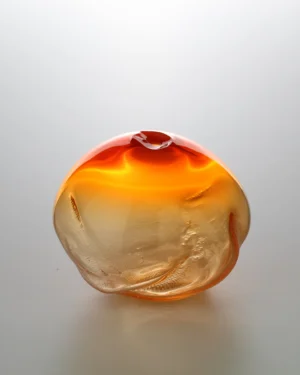 In stock
1/2 Ltr Forms – Saffron Handmade Glass Object
By Vogel Studio
€100 -
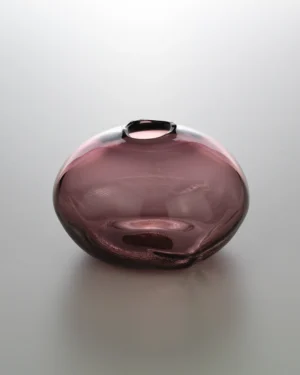 In stock
1/2 Ltr Forms – Wine Red Handmade Glass Object
By Vogel Studio
€100 -
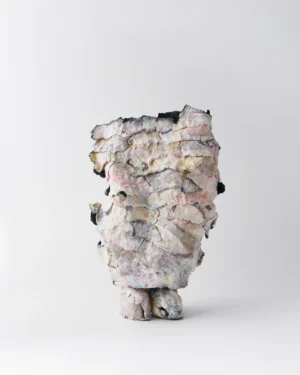 In stock
Nobody’s Watching No.01 – Ceramic Sculpture
By Not Yet Ceramics
€800 -
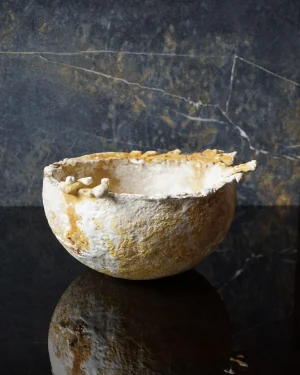 In stock
Mycelium Bowl No.1
By SOLATERRE
€353 -
 In stock
Persona Neon Structures
By MILA ZILA
€3.200 -
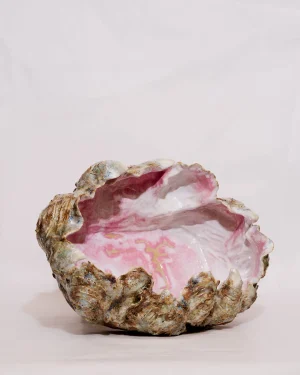
Shipwreck Vase
By Sugoi Studio
€800 -
 In stock
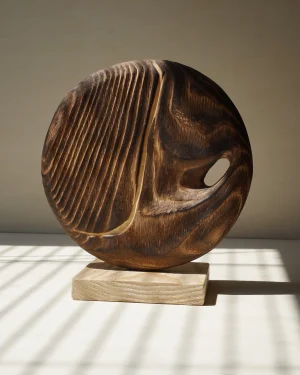
Concentric Flows / Wood Sculpture No.2
By SOLATERRE
€564 -
 In stock
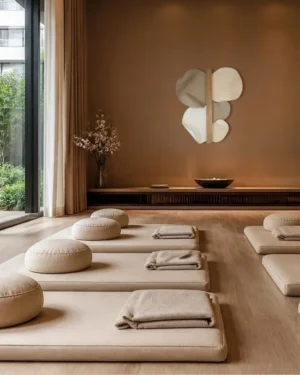
Abundance Wall Sculpture | Toffee · Unique Piece ·
By Studio Ēeme
€3.565 -
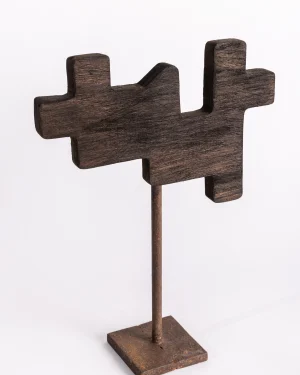
Puzzle Sculpture
By Daniel Orozco Estudio
€385 -
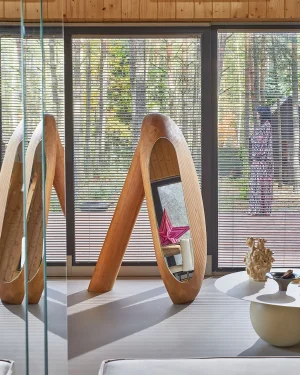
Object N.16 Mirror
By Anna Bera
€11.294 -
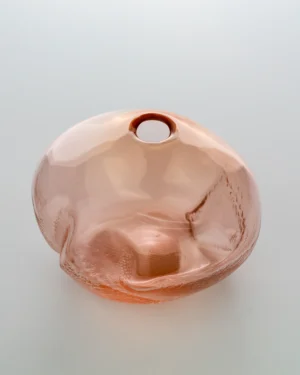 In stock
1/2 Ltr Forms – Aurora Yellowish Handmade Glass Object
By Vogel Studio
€100 -
 In stock
Organic Form No.4 Sculpture
By Alex Roby Design
€2.265 -
 In stock
Mosaic Umbrella Sculpture
By Undress House
€6.050 -
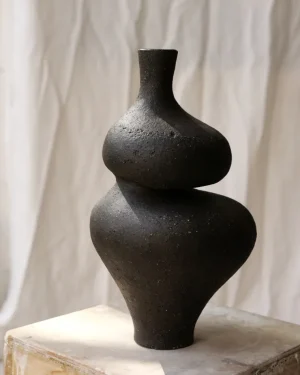
Black Lilith – Brut Stoneware Vessel
By Lucia Mondadori
€842 -

Lilith In Black Oxide
By Lucia Mondadori
€788 -
 In stock
Interweavings – Four Ceramic Wall Pieces
By Elena Yakimushkina
€800 -
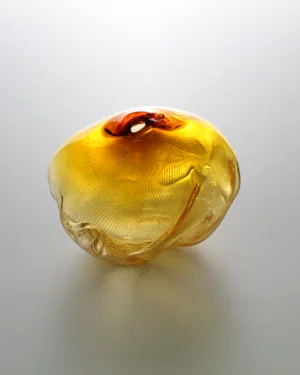 In stock
1/2 Ltr Forms – Brilliant Gold Handmade Glass Object
By Vogel Studio
€100 -
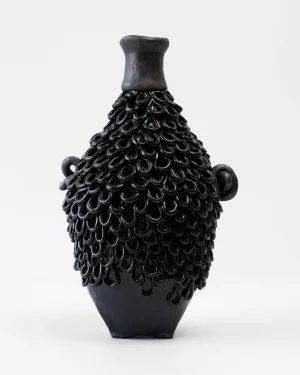 In stock
Wraps No.04 – Sculptural Stoneware Vessel
By Not Yet Ceramics
€540 -
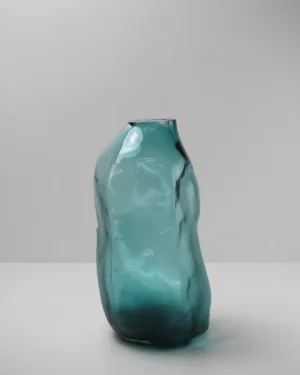 In stock
105 Ltr Forms – Lagoon Handmade Glass Object
By Vogel Studio
€1.480 -
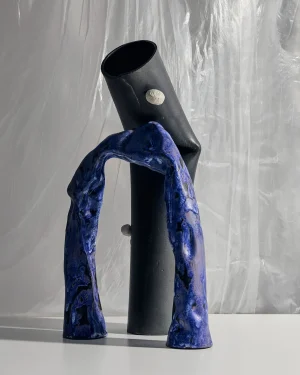 In stock
Stoneware Sculpture Installation
By C E R A M I C 4 7
€950 -
 In stock
Breathe No.02 – Ceramic Sculpture
By Not Yet Ceramics
€600 -
 In stock
Elements Of Anatolia No. 21
By Od Studio
€3.000 -
 In stock
Black Earth – Vase O.6
By Ugly Things et al.
€560 -
 In stock
Abyss No. 21 – Sculptural Vessel In Stoneware
By Ceren Gürkan
€1.300 -
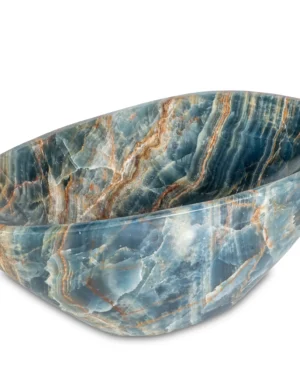 In stock
Dune Strata Vessel
By Markos Vasilakis
€7.000 -
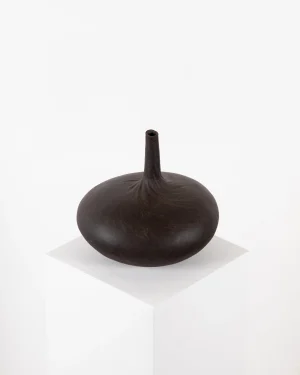
Untitled Vessel – Sculptural Ceramic Vessel
By Catalin Filip
€600 -
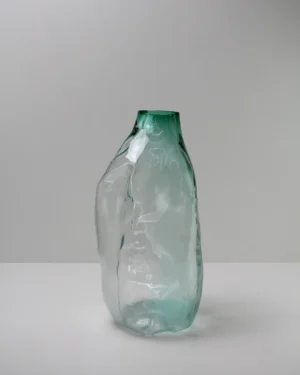 In stock
105 Ltr Forms – Emerald Green Glass Object
By Vogel Studio
€1.470 -
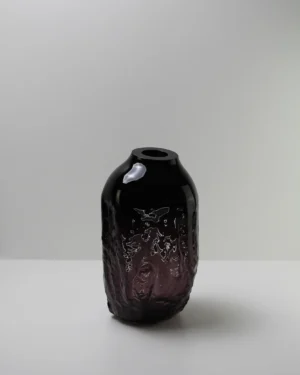 In stock
Sand Series – Black Handmade Glass Object
By Vogel Studio
€1.150 -
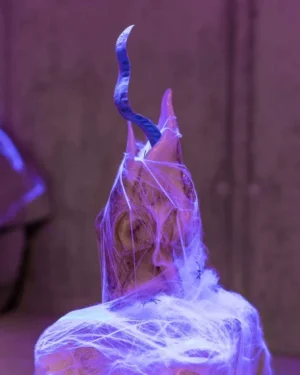 In stock
Skull – Collectible Object
By Frantisek Jungvirt
€10.200 -
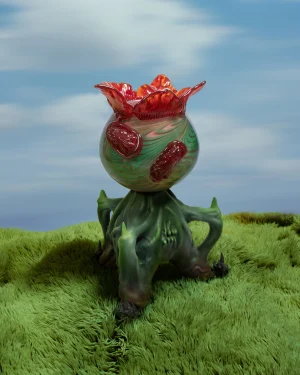 In stock
Sarkora
By Anna Jožová
€2.100 -
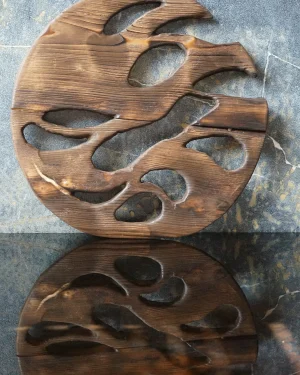 In stock
Portal / Wood No.7 Sculpture
By SOLATERRE
€604 -
 In stock
Pose N°10 Black Sculpture
By Marie-Marie Defour
€350 -
 In stock
Echoes No.06 – Ceramic Vessel
By Not Yet Ceramics
€560 -
 In stock
Black On Black Sculpture
By Ceramic Sculptor Stella Arion
€3.100 -
 In stock
Held Breath, Heavy Ground Sculpture
By Ceramic Sculptor Stella Arion
€3.700 -
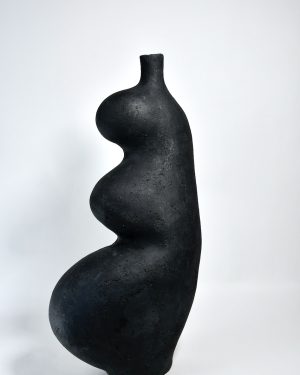 In stock
Lilith Grande
By Lucia Mondadori
€1.450 -
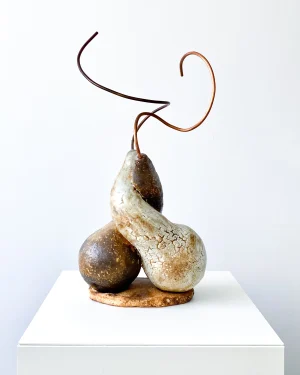 In stock
Embrace – Sculpture
By Elena Yakimushkina
€1.000 -
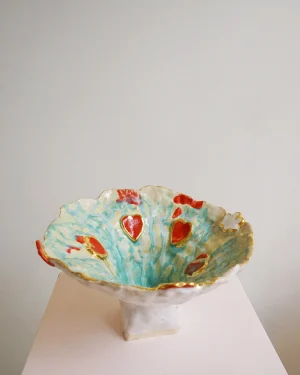 In stock
Olé Series- Plates Edition
By Hania Jneid Design Studio
€650 -
 In stock
Post Vessel 7 – Glazed Ceramic Sculpture
By Nolan Talbot-Kelly
€500 -
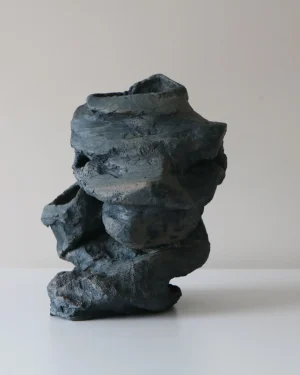 In stock
Abyss No. 9 – Sculptural Vessel
By Ceren Gürkan
€850
Unique sculptures in this group are one-off works, each piece carrying its own moment of making rather than repeating a fixed form. They come from independent studios working in stoneware, clay, porcelain and wood, using hand-building, coiling, glazing, sculpting and carving to arrive at an object that exists in a single version. No two share the same gesture, even where a maker returns to a familiar silhouette.
What makes a piece one of a kind
A unique sculpture differs from an edition in that the maker never intends to repeat it. Clay shifts in the hand, a coil pulls slightly off center, a glaze pools differently near the base, and the result stands as the only version of itself. Wood brings its own variation: grain, knots and density change from one plank to the next, so a carved form in oak or walnut will never read exactly like another, even cut from the same tree.
Materials, colors and ways of making
The unique sculptures found here span stoneware and earthenware left in raw clay tones, or pushed toward black stoneware for a denser, more graphic presence. Porcelain appears where a maker wants thinner walls and a paler surface. Glaze does the rest of the color work, from flat white and off-white to saturated yellow, aquamarine, gray and multicolor finishes that shift under different light. Wood pieces tend toward sculpting and cabinetmaking techniques, carved or joined into totems, vessels and abstract standing forms.
Styles range across the group: contemporary and minimalist forms that reduce a vessel to its essential line, eclectic and maximalist pieces that layer color and texture, and others that look back toward neolithic or boho references. Some studios work in a radical idiom, treating the sculpture as argument rather than ornament. Stoneware sculptures and ceramic sculptures cover much of this range, while glass and metal pieces appear in smaller numbers, built through glassblowing or welded and cast metalwork.
How to choose one
Scale matters more with a one-off than with a repeated edition, since there is no second chance to size up or down. Measure the surface or floor space first, then weigh the piece's footprint and height against what sits around it; a low vessel reads differently on an open console than tucked onto a shelf.
Finish and color should work with, not against, the surfaces nearby. A matte black stoneware form anchors a room with warm wood tones; a pale porcelain or off-white glaze sits quietly against stone or concrete. Consider also how the piece will be seen, from one side only or in the round, since hand-built and carved forms often have a front the maker favored.
- Entryways and consoles suit a single standing form at eye level or just below it
- Dining and living spaces carry larger or more textured pieces without competing with other objects
- Shelves and niches suit smaller vessels and glazed forms that reward closer viewing
Where these sculptures sit in a room
Most one-off sculptures work as a counterpoint rather than a centerpiece, holding their own against furniture without needing a plinth. Living rooms, studies and entry halls tend to give them the quiet background they need. For more pairings by room, living room sculptures set out how scale and placement change from one space to another.
Caring for clay, stoneware and wood
Unglazed stoneware and earthenware are porous and can stain if left wet or near oil; a dry cloth and a stable spot out of direct sun keep color and surface consistent. Glazed and porcelain pieces wipe clean easily but chip at thin edges, so handle them by the body rather than a rim or protrusion. Wood sculptures respond to humidity, cracking in very dry rooms or swelling in damp ones, and benefit from an occasional wipe with a dry or barely damp cloth rather than standing water.
For the wider range of one-off and small-run pieces across other rooms, see unique decor, or step back to view all sculptures and contemporary sculptures made in small editions alongside these unique sculptures.
How do I choose a unique sculpture for my space?
Start with the material and form that hold your attention, then weigh scale against the room. A single carved or hand-built object reads best with space around it rather than competing with other pieces.
How do I care for a ceramic or stoneware sculpture?
Dust with a soft, dry cloth and keep glazed surfaces away from direct sun and damp. Unglazed clay and earthenware stay porous, so avoid water contact and handle by the base, not raised details.
What size sculpture works best on a shelf or console?
Smaller hand-built or coiled forms suit shelves and side tables, while taller carved wood or stone pieces need floor space to stand on their own. Check the maker's listed dimensions before ordering.
Which rooms suit a one-off sculptural piece?
Living rooms and entryways give a sculpture room to be seen from more than one angle. Bedrooms and studies suit smaller, quieter forms that reward a closer look.
Is each sculpture really one of a kind?
Yes, these are unique pieces, each the only one of its kind rather than part of a production run. No two will be identical, even when made with the same technique.
How does shipping, returns and authenticity work on ADORNO?
Shipping is insured and worldwide, with a 14-day return policy excluding made-to-order pieces. Every piece arrives with a certificate of authenticity, backed by a lowest-price guarantee.