-
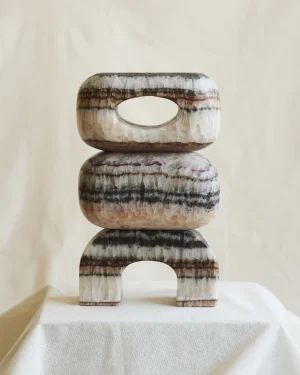
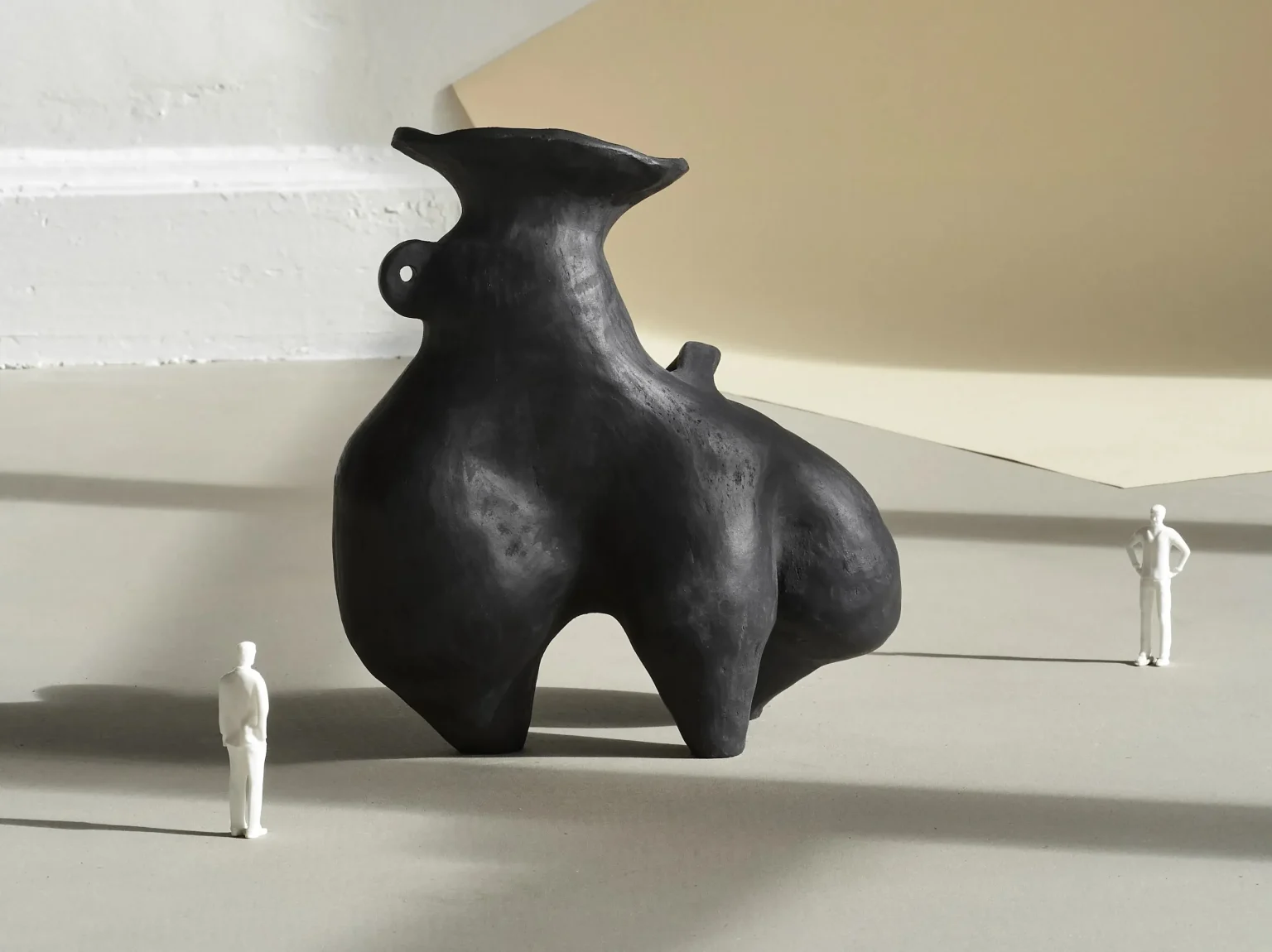
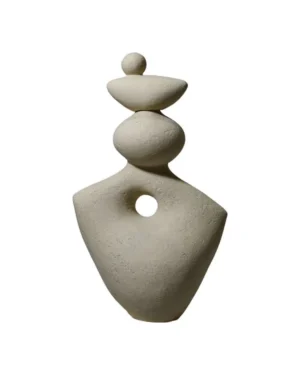
Artefacto Mármol Ls 01
By LØRDAG & SØNDAG
€900 -
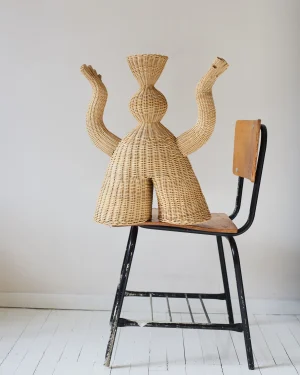 In stock
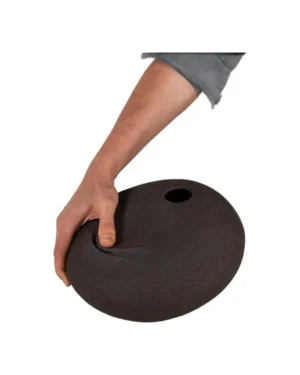
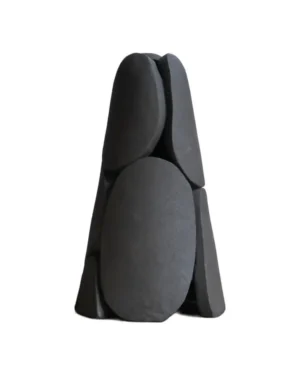
Artefacto Chan Maák Sculpture – Pol & Cab
By LØRDAG & SØNDAG
€655 -
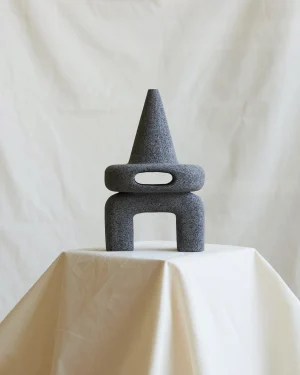 In stock
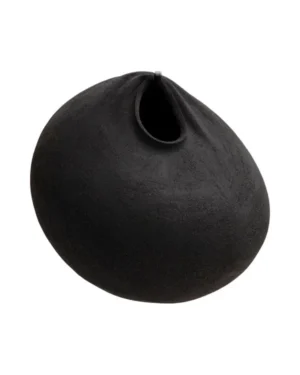
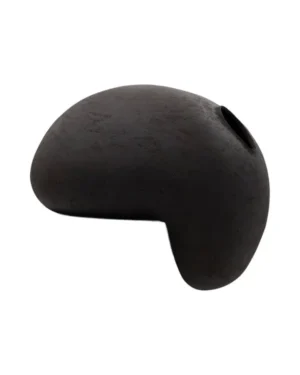
Artefacto Volcán Ls 06
By LØRDAG & SØNDAG
€490 -
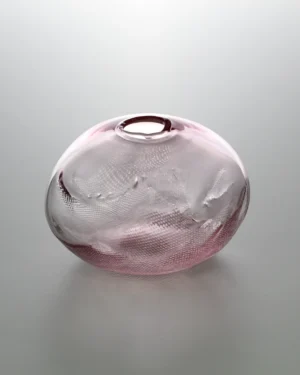 In stock
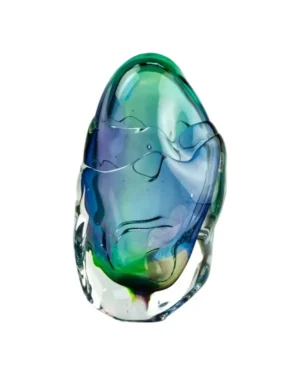
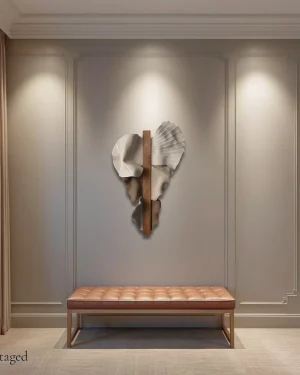
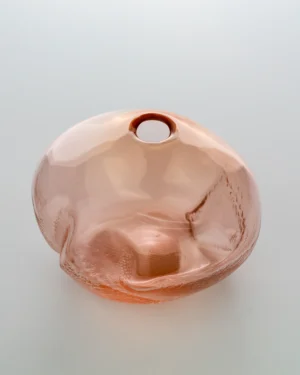
1/2 Ltr Forms – Light Pink Handmade Glass Object
By Vogel Studio
€100 -
Abundance Wall Sculpture | Toffee · Studio Series ·
By Studio Ēeme
€3.565 -
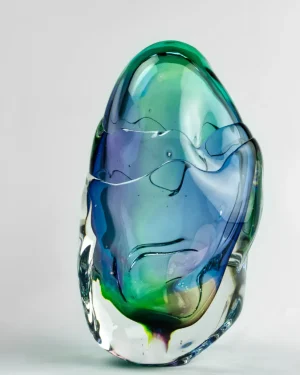
Persona – Glass Sculpture
By MILA ZILA
€2.400 -

Sontsehryv – Clay Sculpture
By FAINA
€620 -
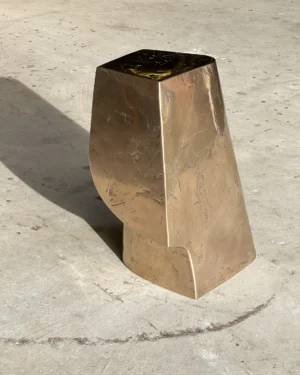
Palm Table Il – Handmade Bronze Side Table
By Vogel Studio
€7.800 - €8.800 -
 In stock
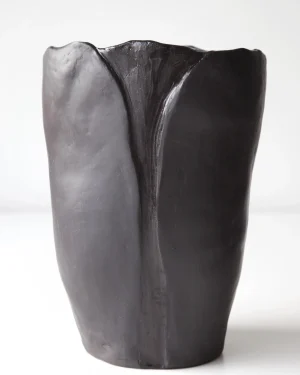
Floral Study I I : Night Tulip – Sculptural Vessel
By Elena Yakimushkina
€500 -
 In stock
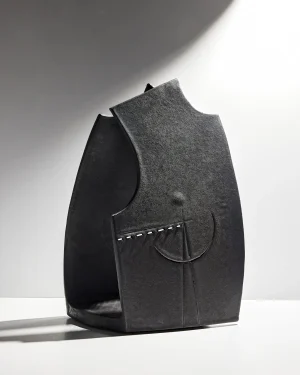
_migrated Forms 06 Sculpture
By C E R A M I C 4 7
€820 -
 In stock
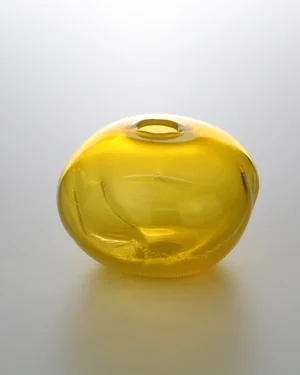
1/2 Ltr Forms – Honey Yellow Handmade Glass Object
By Vogel Studio
€100 -
 In stock
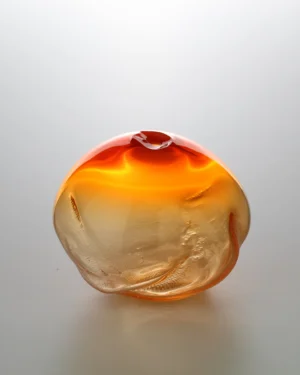
1/2 Ltr Forms – Saffron Handmade Glass Object
By Vogel Studio
€100 -
 In stock
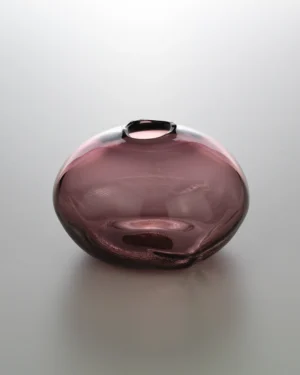
1/2 Ltr Forms – Wine Red Handmade Glass Object
By Vogel Studio
€100 -
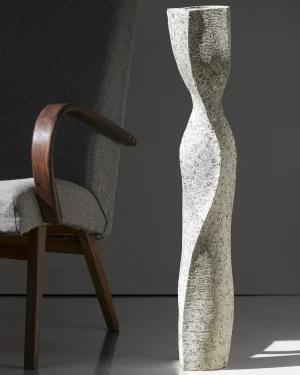
Column Tall Twisted Sculptural Vase, Brutalist Textured Floor Vase
By Donatas Žukauskas
€860 -
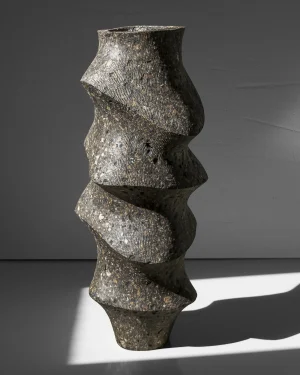
Large Floor Vase, Brutalist Concrete-look Sculpture
By Donatas Žukauskas
€1.450 -
 In stock
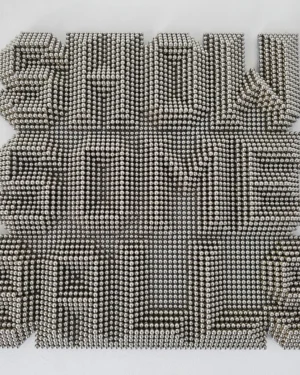
“showsomeballs” Wall Mounted Heavy Metal Sculpture.
By JAN PAUL
€3.578 -
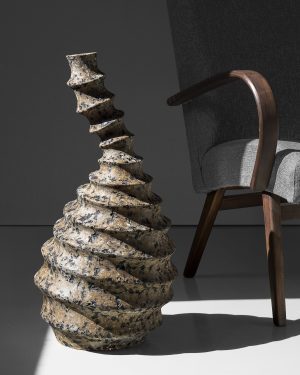
Solid Beige Stone Floor Vase – Erosion Series In Cast Stone By Donatas Zukauskas
By Donatas Žukauskas
€1.450 -

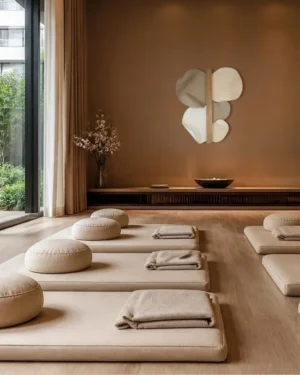
Line Of Memories Sculpture
By WANNAS
€16.200 -
 In stock
Abundance Wall Sculpture | Toffee · Unique Piece ·
By Studio Ēeme
€3.565 -
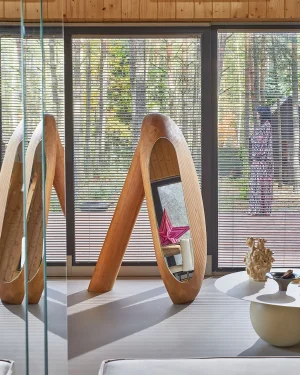
Object N.16 Mirror
By Anna Bera
€11.294 -
 In stock
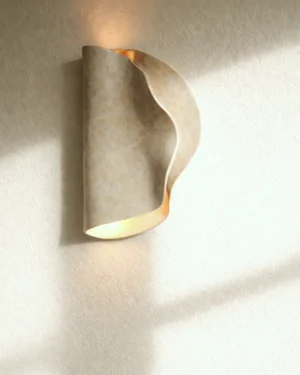
Lamp Shade – Fado
By Joana Vilaça Studio
€790 -
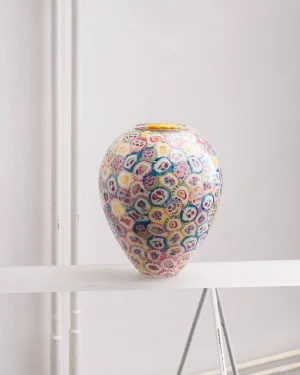
Lollipop Vase – Murano Glass
By Anna Jožová
€1.653 -
 In stock
1/2 Ltr Forms – Aurora Yellowish Handmade Glass Object
By Vogel Studio
€100 -
 In stock
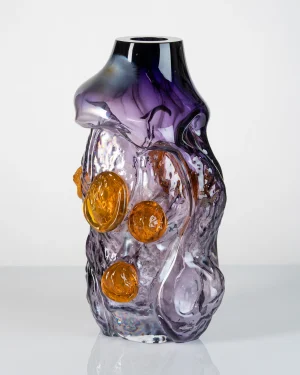
Dysplasio Vase Purple
By Anna Jožová
€1.900 -
 In stock
Mosaic Umbrella Sculpture
By Undress House
€6.050 -
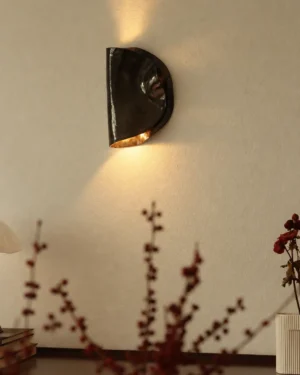
Lamp Shade – Fado
By Joana Vilaça Studio
€790 -
 In stock
Interweavings – Four Ceramic Wall Pieces
By Elena Yakimushkina
€800 -
 In stock
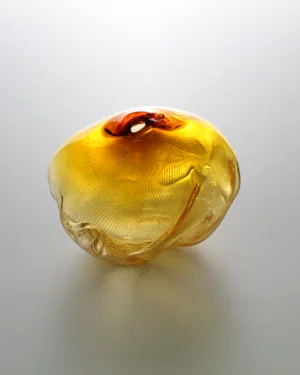
1/2 Ltr Forms – Brilliant Gold Handmade Glass Object
By Vogel Studio
€100 -
 In stock
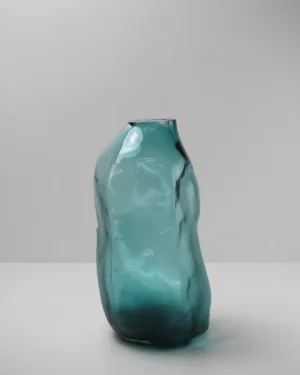
105 Ltr Forms – Lagoon Handmade Glass Object
By Vogel Studio
€1.480 -

Pecan – Wood / Steel Sculptural Shelf
By SALAK Studio
€3.000 -
 In stock
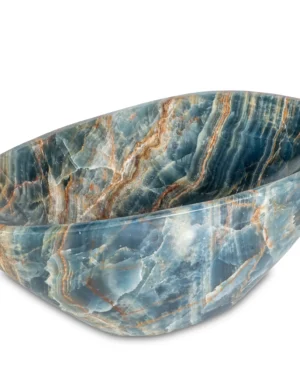
Breathe No.02 – Ceramic Sculpture
By Not Yet Ceramics
€600 -
 In stock
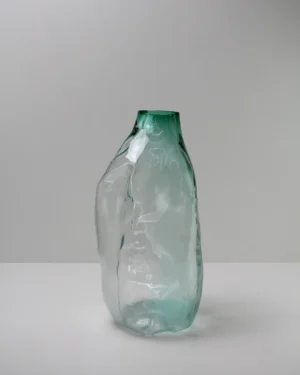
Dune Strata Vessel
By Markos Vasilakis
€7.000 -
 In stock
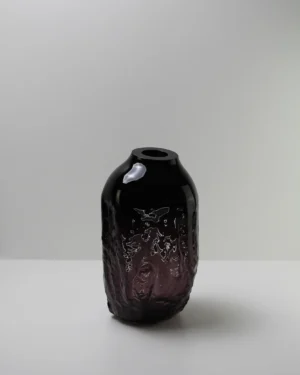
105 Ltr Forms – Emerald Green Glass Object
By Vogel Studio
€1.470 -
 In stock
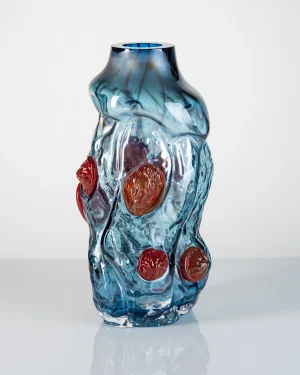
Sand Series – Black Handmade Glass Object
By Vogel Studio
€1.150 -
 In stock
Dysplasio Glass Vase Blue
By Anna Jožová
€1.900 -
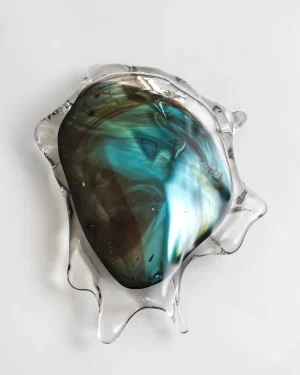 In stock
Persona Mirror Sculpture – Multicolour
By MILA ZILA
€2.100 -
 In stock
Black On Black Sculpture
By Ceramic Sculptor Stella Arion
€3.100 -
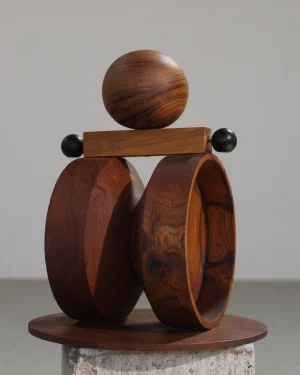
Shibui Wooden Sculpture
By WANNAS
€650 - €740 -
 In stock
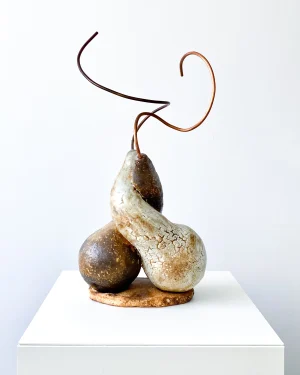
Embrace – Sculpture
By Elena Yakimushkina
€1.000 -
 In stock
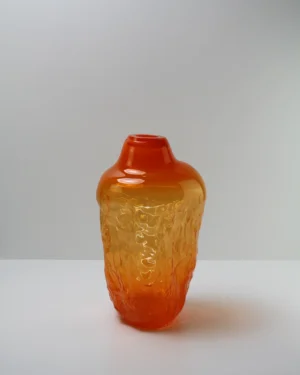
Sand Series – Narcissus Handmade Glass Object
By Vogel Studio
€1.150 -
 In stock
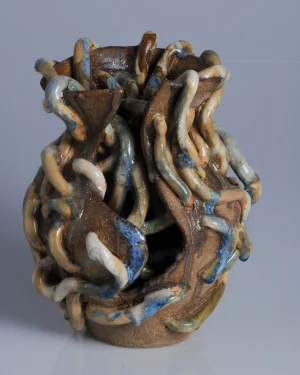
Tipishka – Stoneware Collectible Scultpure
By Vale Ro
€4.000 -
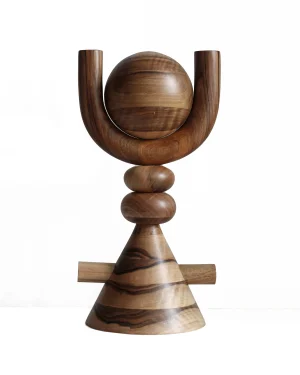
Fire Totem In Walnut
By ZEMNA
€530 -

You & Me – Set Of 3 – Plaster Of Paris Sculpture
By Sacha Parent & Valentine Tiraboschi
€1.440 -
 In stock
Embodied Sense Ceramic Sculpture
By Ceramic Sculptor Stella Arion
€3.100 -

Haiku – Coatrack
By Atelier Nienē
€1.800 -
 In stock
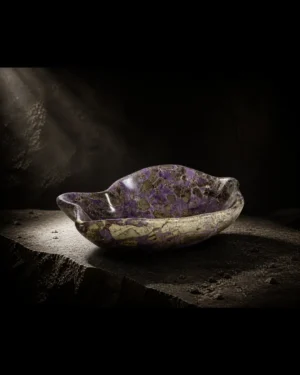
Moonshade Vessel
By Markos Vasilakis
€5.000 -
 In stock
Artefacto Mármol Ls 02
By LØRDAG & SØNDAG
€800 -
 In stock
Wood-fired Sculptural Vessel
By Elena Yakimushkina
€450 -
 In stock
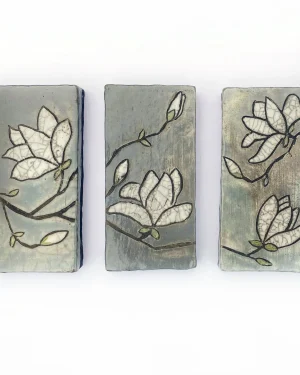
White Magnolia – Ceramic Wall Triptych
By Elena Yakimushkina
€650 -
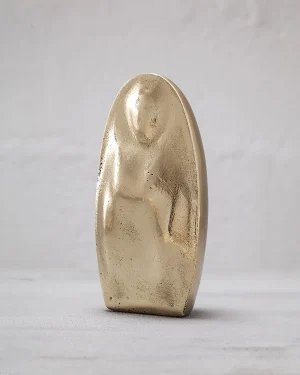 In stock
Valdivia Virgin Sculpture In Casted Bronze
By ANDEAN
€514 -
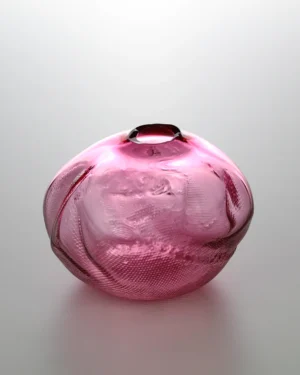 In stock
1/2 Ltr Forms – Fuchsia Green Handmade Glass Object
By Vogel Studio
€100 -
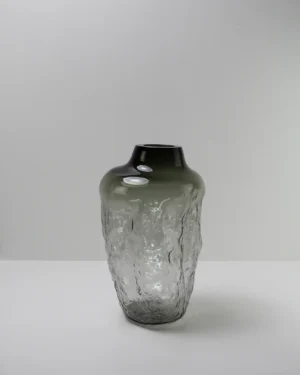 In stock
Sand Series – Tourmaline Handmade Glass Object
By Vogel Studio
€1.150 -
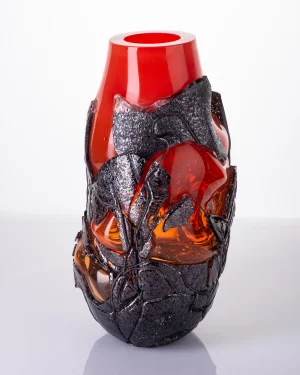 In stock
Lava Glass Vase Red
By Anna Jožová
€1.350 -
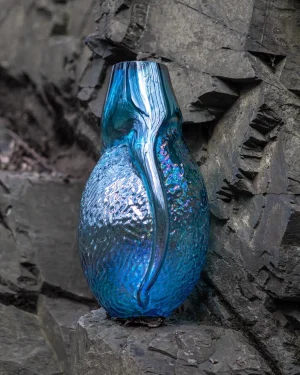 In stock
Nava Glass Vase Blue
By Anna Jožová
€1.300
Living room sculptures are objects made to hold their own weight in a room without serving any further purpose, pieces chosen for presence rather than use. They come from independent studios working in stoneware, cast glass, stainless steel, and natural stone, built by hand-building, coiling, metalwork, and carving. What unites them is that the material itself, left visible, does most of the talking.
What defines a sculptural object for the living room
A sculpture earns its spot on a console or floor by weight and silhouette, not by function. Clay and stoneware bodies, built up by hand or coiled and glazed, keep the mark of the maker's hand in a way cast or machined materials rarely do. Stainless steel and other metals, worked by hand or welded, hold sharper lines and reflect light rather than absorb it.
Glass forms, cast rather than blown in most cases here, carry translucency and weight at once, while stone pieces, carved or roughed at the edges, read as geologic rather than designed. Across all of these, glaze and finish decide how a piece meets the eye: matte stoneware softens a room, a glazed black surface sharpens it, polished steel multiplies the light around it.
The range of materials, colors and editions
Stoneware, ceramic, and clay bodies dominate, usually in glaze colors running from off-white, beige, and cream through caramel and brown, with black and silver appearing where metal or a darker glaze takes over. Natural stone and glass sit alongside them in smaller numbers, often left closer to their raw color. Stylistically the work spans minimalist and brutalist forms, mid-century references, rustic and boho-chic textures, and eclectic pieces that borrow from more than one of these at once.
- Hand-built or coiled stoneware and ceramic, glazed in matte or gloss finishes
- Cast glass and worked natural stone, left textured or polished at the edge
- Welded or hand-assembled metal and stainless steel, brushed or mirror-finished
- Open editions for everyday collecting, alongside limited editions and unique pieces for anyone building a smaller, more considered group of objects
Anyone drawn to the handmade read of clay can start with ceramic sculptures or go further into dense, matte-bodied stoneware sculptures; for a piece with no exact double, the unique sculptures group narrows the field to one-offs.
Choosing scale, finish and placement
Scale decides more than most other choices. A sculpture under knee height tends to read as a tabletop object and wants a console, sideboard, or low shelf; anything approaching hip height starts to act as a floor piece and needs its own clear ground, not a corner already carrying a lamp or plant.
Finish should answer the light in the room. Matte stoneware and stone absorb light and suit rooms that already have strong natural light bouncing off glass or polished floors; stainless steel and glossy glazes do the opposite, pulling light into a room that runs darker. Color works the same way a paint choice would: black and brown pieces ground a pale room, while cream, off-white, and caramel forms soften a room built from darker wood or stone.
Where these pieces sit in a room
Living room sculptures are built for the rooms where people spend unstructured time, rather than for display cases: the console behind a sofa, a low shelf, the end of a bookcase, the floor beside a reading chair. Set alongside living room furniture and living room lighting, a sculptural object gives a room one still point that does not shift with the seasons the way textiles or plants do. For the full range across every room, the sculpture category and the broader list of living room pieces on ADORNO both run wider than material or room alone.
Living with the material
Unglazed stoneware and natural stone are porous enough to stain, so keep them away from standing water, wine, or oil and wipe spills promptly. Glazed ceramic and glass need only a dry or lightly damp cloth, while metal and steel benefit from an occasional wipe to keep fingerprints and dust from dulling the surface. None of these pieces need more upkeep than regular dusting, which is part of what lets them hold a room for years rather than a season.
How do I choose a sculpture for my living room?
Start with scale and sightline: a piece on a console or shelf should hold its own against the furniture around it, while a floor piece needs clear space to read from across the room.
What materials are living room sculptures usually made from?
Stoneware, ceramic and glazed clay are common, alongside cast glass, metal and natural stone, each built through hand-building, carving, sculpting or coiling depending on the studio.
How do I care for a ceramic or stone sculpture?
Dust with a dry or barely damp cloth, keep unglazed stoneware and natural stone away from oil and standing liquid, and avoid direct, prolonged sun on glazes so colors do not shift.
What size sculpture works for a living room?
Tabletop and shelf pieces generally sit under two feet tall, while floor sculptures run taller to anchor a corner or flank seating; the maker can confirm exact dimensions via Chat with the maker on the piece's page.
Where in the living room should a sculpture go?
Console tables, bookshelves, mantels and floor corners all work, placed where the piece catches light from a window or lamp rather than competing with other objects nearby.
What is ADORNO's shipping and return policy for sculptures?
Shipping is insured and worldwide, with a 14-day return policy on all but made-to-order pieces, each arriving with a certificate of authenticity and backed by a lowest-price guarantee.