-
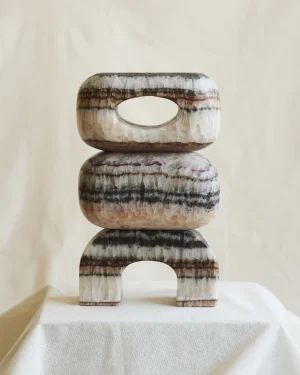
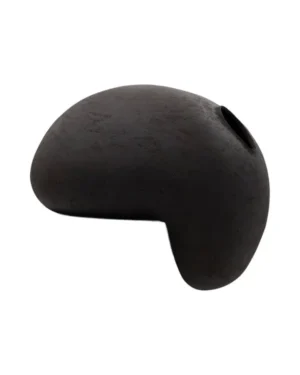
Artefacto Mármol Ls 01
By LØRDAG & SØNDAG
€900 -
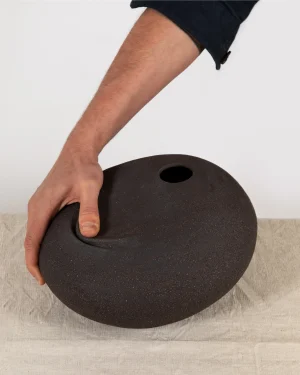
Movement Phase 3 – Black Sculptural Ceramic Vessel
By Catalin Filip
€600 -
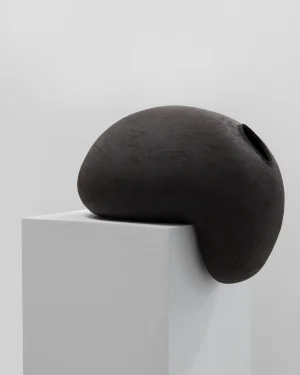
Movement Phase 1 – Black Sculptural Ceramic Vessel
By Catalin Filip
€1.350 -
 In stock
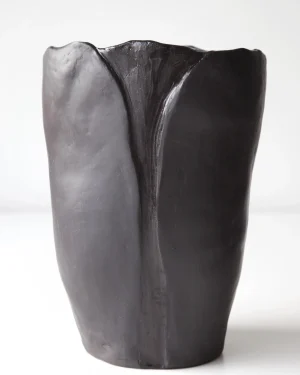
Floral Study I I : Night Tulip – Sculptural Vessel
By Elena Yakimushkina
€500 -

Pose N°7 Black – Sculpture
By Marie-Marie Defour
€320 -

You and Me – Heads – Plaster Of Paris Sculpture
By Sacha Parent & Valentine Tiraboschi
€480 -

You and Me – Feet – Plaster Of Paris Sculpture
By Sacha Parent & Valentine Tiraboschi
€480 -

You and Me – Hands – Plaster Of Paris Sculpture
By Sacha Parent & Valentine Tiraboschi
€480 -
 In stock
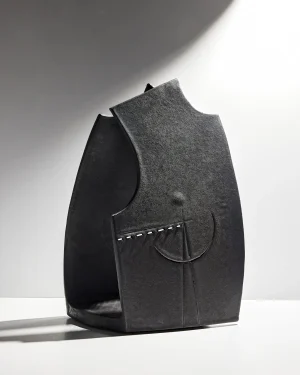
_migrated Forms 06 Sculpture
By C E R A M I C 4 7
€820 -

Inwards – Black Sculptural Ceramic Vessel
By Catalin Filip
€900 -
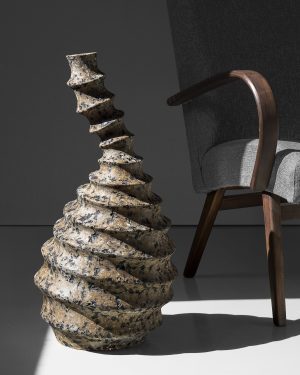
Solid Beige Stone Floor Vase – Erosion Series In Cast Stone By Donatas Zukauskas
By Donatas Žukauskas
€1.450 -
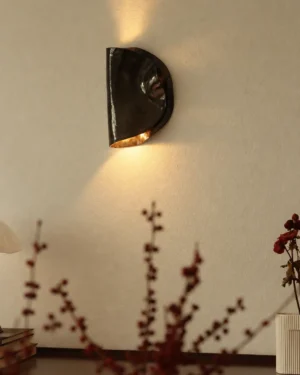
Lamp Shade – Fado
By Joana Vilaça Studio
€790 -
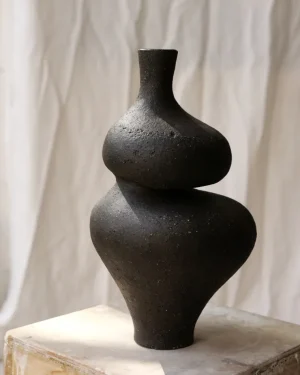
Black Lilith – Brut Stoneware Vessel
By Lucia Mondadori
€842 -

Lilith In Black Oxide
By Lucia Mondadori
€788 -
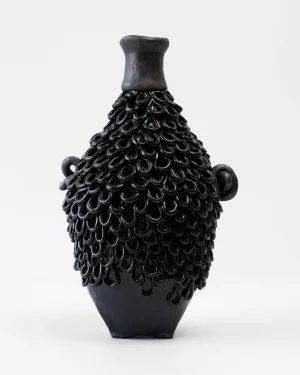 In stock
Wraps No.04 – Sculptural Stoneware Vessel
By Not Yet Ceramics
€540 -

Pecan – Wood / Steel Sculptural Shelf
By SALAK Studio
€3.000 -
 In stock
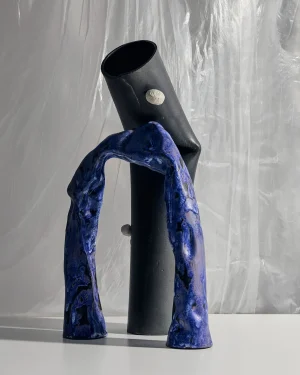
Stoneware Sculpture Installation
By C E R A M I C 4 7
€950 -
 In stock
Black Earth – Vase O.6
By Ugly Things et al.
€560 -
 In stock
Floral Study I I I : Night Rosehip – Sculptural Vessel
By Elena Yakimushkina
€500 -
 In stock
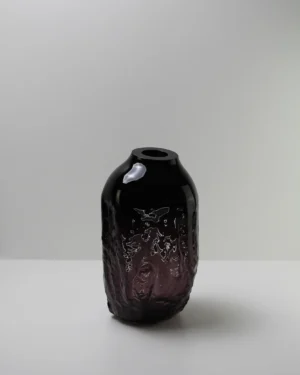
Sand Series – Black Handmade Glass Object
By Vogel Studio
€1.150 -
 In stock
Pose N°10 Black Sculpture
By Marie-Marie Defour
€350 -
 In stock
Black On Black Sculpture
By Ceramic Sculptor Stella Arion
€3.100 -
 In stock
Held Breath, Heavy Ground Sculpture
By Ceramic Sculptor Stella Arion
€3.700 -
 In stock
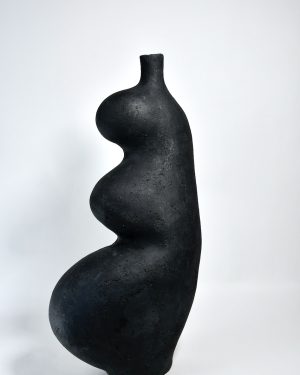
Lilith Grande
By Lucia Mondadori
€1.450 -
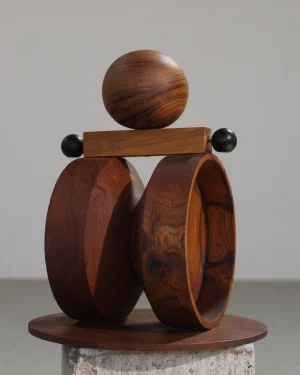
Shibui Wooden Sculpture
By WANNAS
€650 - €740 -
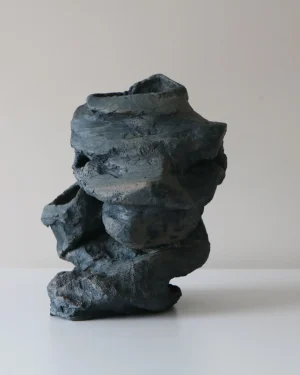 In stock
Abyss No. 9 – Sculptural Vessel
By Ceren Gürkan
€850 -
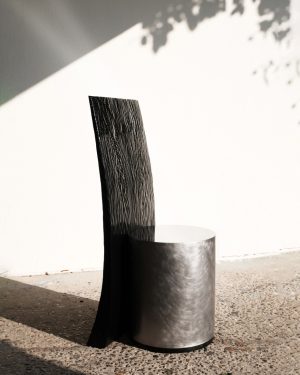 In stock
Yunseul Series – Stroke Sculpture No. 02
By Woohyun Han
€2.800 -
 In stock
Floral Study I : Night Bloom – Sculptural Vessel
By Elena Yakimushkina
€450 -
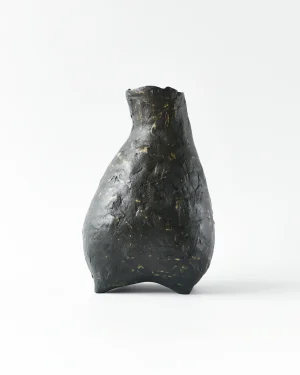 In stock
Echoes No.05 – Sculptural Vase
By Not Yet Ceramics
€520 -

You & Me – Set Of 3 – Plaster Of Paris Sculpture
By Sacha Parent & Valentine Tiraboschi
€1.440 -
 In stock
Silent Archive Sculpture
By Ceramic Sculptor Stella Arion
€3.100 -
 In stock
Embodied Sense Ceramic Sculpture
By Ceramic Sculptor Stella Arion
€3.100 -

Haiku – Coatrack
By Atelier Nienē
€1.800 -
 In stock
Artefacto Mármol Ls 02
By LØRDAG & SØNDAG
€800 -
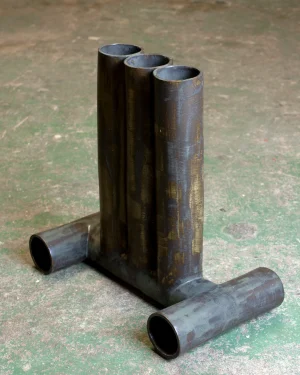 In stock
Ceramic 3 Notch Vessel Ltd.
By Nolan Talbot-Kelly
€650 -
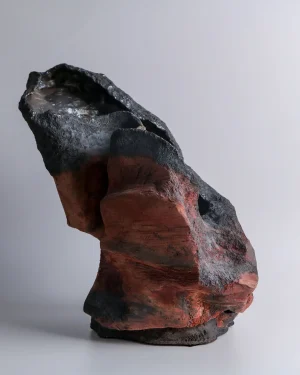 In stock
Abyss No. 13 – Sculptural Vessel By Ceren Gurkan
By Ceren Gürkan
€1.300 -
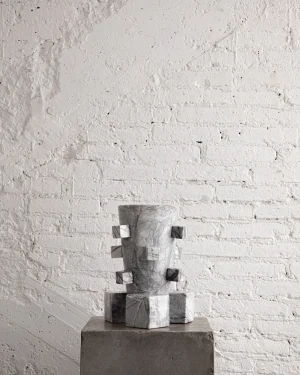
Capella Stone Vase
By Studio Ayres
€800 -
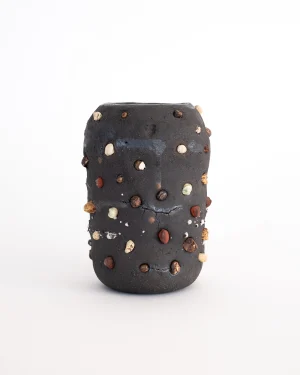 In stock
Little Rock Vase – Special Edition (deconstructed O.1)
By Ugly Things et al.
€590 -

Pose N°6 Black – Sculpture
By Marie-Marie Defour
€260 -
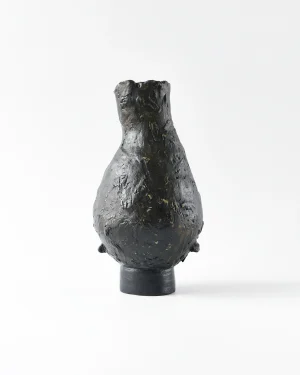 In stock
Echoes No.04 – Ceramic Vase
By Not Yet Ceramics
€520 -
 In stock
The Eye Of Industrial Love Sculpture
By Ceramic Sculptor Stella Arion
€1.600 -
 In stock
The Subcurrent Sculpture
By Ceramic Sculptor Stella Arion
€3.300 -
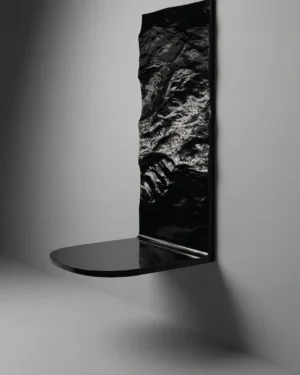 In stock
Pontos Wall Sculpture
By Arbore x Cezar Moldovan
€9.830 -

Fos Deco 08
By Daniel Orozco Estudio
€479 -
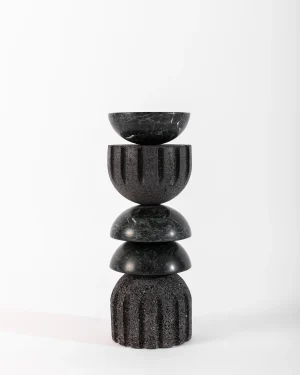
ZM Tikal Sculpture
By Daniel Orozco Estudio
€1.925 -

Rodo Sculpture
By Daniel Orozco Estudio
€2.063 -
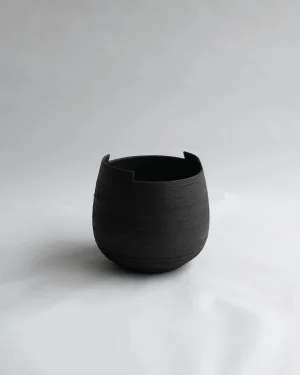
Cut Small – Smoked Black
By Studionudo
€540 -
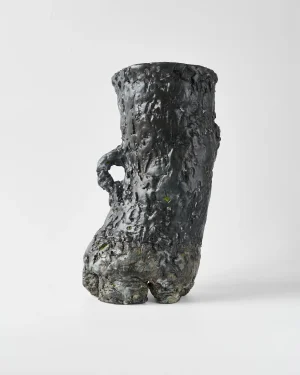 In stock
Something Shifted In The Leaves – Sculptural Ceramic Vessel
By Not Yet Ceramics
€615 -
 In stock
Gaseous Vases
By Layered Ceramics Studio
€150 - €400 -
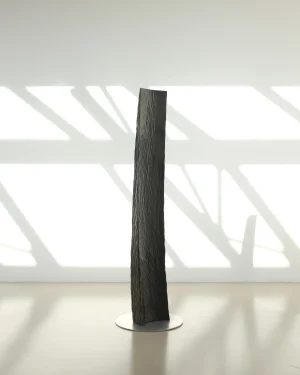 In stock
Yunseul Series – Stroke Sculpture
By Woohyun Han
Price Upon Request -
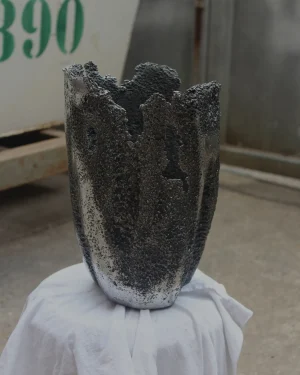 In stock
Melancholy Vessel 10
By Saturday Yard Work
Price Upon Request -
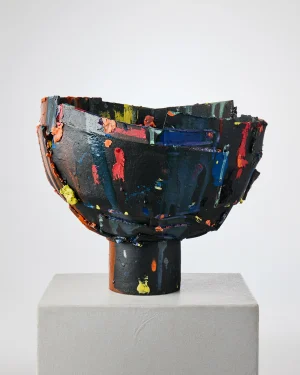 Sold
Hoop Vase – Black Clay Stoneware
By C E R A M I C 4 7
€1.200 -
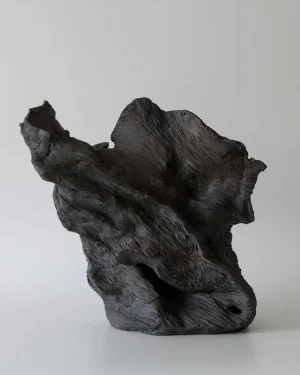 Sold
Abyss No. 17 – Sculptural Vessel
By Ceren Gürkan
€1.200 -
 In stock
Peace After The Burn
By Undress House
Price Upon Request
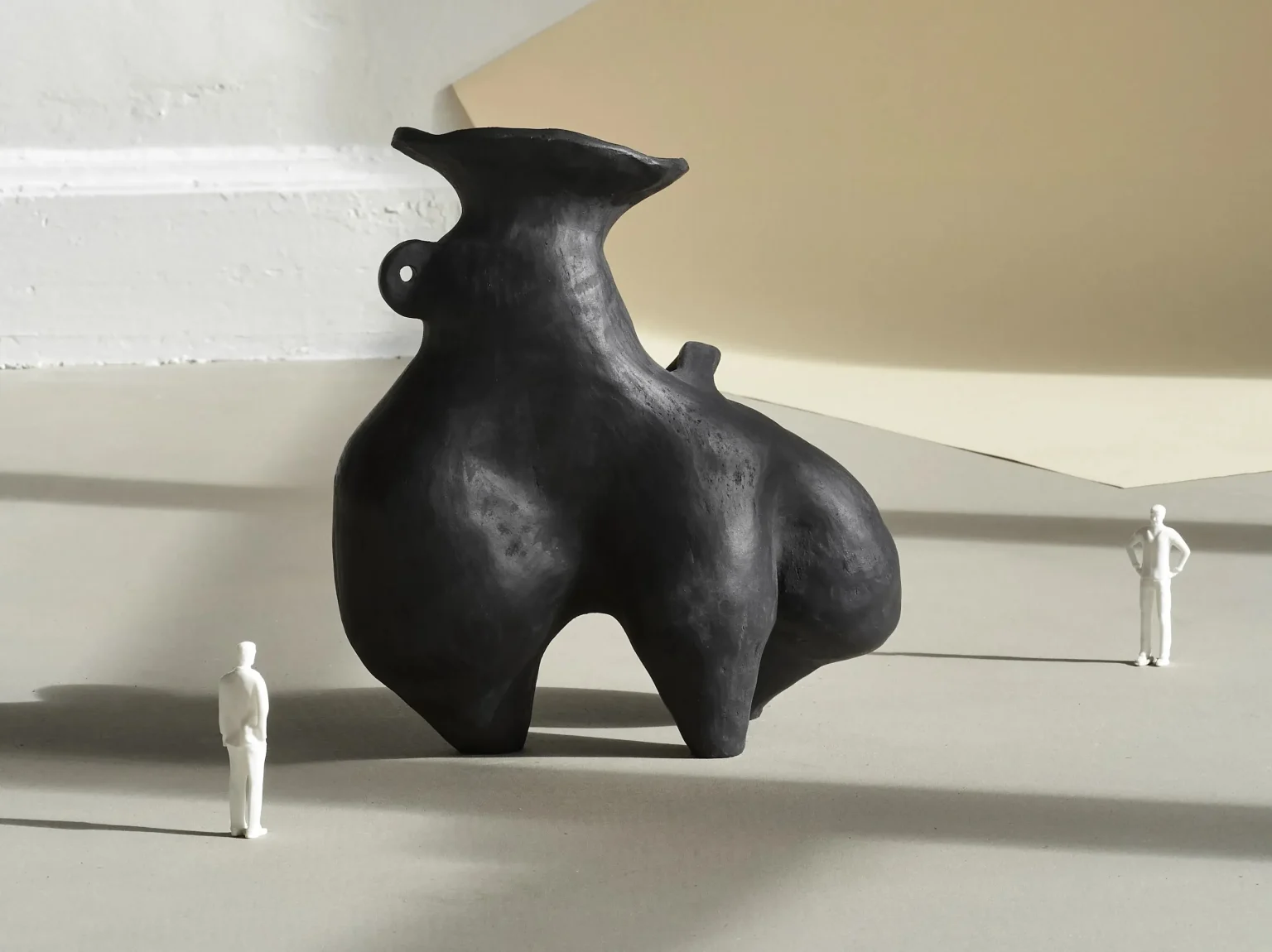
Black sculptures gather stoneware, ceramic, plaster and metal forms finished in matte or glazed black, made by independent studios working across hand-building, coiling, stone carving and digital fabrication. What holds them together is not a single material but a color that strips a form back to its silhouette, letting mass and shadow carry the piece rather than surface decoration. Some are one-offs pulled from a single firing, others are open editions repeated in small runs from the same mould or cast.
What black does to a sculptural form
Black absorbs light instead of reflecting it, so a sculpture in black reads first as outline and volume, then as detail. A coiled stoneware vessel or a carved totem loses the distraction of grain or glaze variation and gains weight, even at a modest scale. This is why black sculptures tend to anchor a room rather than decorate a corner of it.
The finish changes how that weight reads. A matte glaze or unglazed black stoneware body absorbs light evenly and suits rooms with soft, indirect lighting. A lacquered or polished black surface catches light at its edges, giving a sharper, more graphic silhouette that holds up under direct sun or spotlighting.
The range of materials and techniques
Stoneware and clay bodies, often fired with a black glaze or stained through the clay itself, make up much of what is found under this color. Plaster pieces, cast or hand-finished in black pigment, sit alongside metal forms worked by sculpting or mould making, and porcelain treated with a black glaze for a tighter, denser surface. Techniques range from hand-building and coiling, where the maker's hand stays visible in the wall thickness and surface, to digital fabrication and stone carving, which produce harder edges and more exact geometry.
Styles span the same distance: some black sculptures sit close to Minimalist or Contemporary design, reduced to a single gesture, while others lean Art Deco, Gothic or Maximalist, built from layered forms or figurative references. A number are unique pieces, no two alike even from the same studio; others are produced as open editions, so a given form stays available after the first piece sells.
How to choose a black sculpture
Scale matters more with black forms than with pale or textured ones, because a dark silhouette reads as heavier than its actual volume. On a console or shelf, a piece should sit roughly a third to half the width of the surface it occupies, with room on either side for shadow. On the floor, a totem or standing form should relate to eye line when seated, not standing, since most viewing happens from a sofa or chair.
- Finish: matte for rooms with warm, low light; glazed or lacquered for rooms with strong daylight or spotlighting.
- Base: a wide, stable foot suits open floor placement; a narrow or irregular base reads better raised on a plinth or table.
- Context: pair a black form with pale stone, wood or plaster surfaces so it keeps its outline rather than disappearing into other dark furniture.
Where black sculptures sit in a room
Living rooms take the largest standing and tabletop forms, where a sculpture can hold a sightline from the entrance or close a gap between windows. Studies and reading corners suit smaller stoneware or plaster pieces set on a shelf at hand height. Entryways work for a single strong silhouette, seen briefly but repeatedly, rather than a grouping that needs time to read.
Care for black ceramic, plaster and metal
Matte black glazes and unglazed stoneware show fingerprints and dust more readily than lighter finishes; a soft, dry cloth kept nearby is usually enough. Plaster stays porous and can mark if handled with wet or oily hands, so lift it by the base rather than the body. Metal forms left unsealed may need an occasional wipe with a dry cloth to keep surface oxidation even rather than patchy.
For the full range of tones and materials this color sits within, see every black piece on ADORNO, or step back to all sculptures across materials and colors. Those drawn to the density of fired clay can look at stoneware sculptures, while anyone after a single, unrepeated form should look at unique sculptures. For placement ideas specific to seating areas, living room sculptures covers scale and grouping in more depth.
How do I choose a black sculpture for my space?
Look at how the black finish catches light in the room it will sit in, matte surfaces absorb light while glossy glazes reflect it. Let the form, not the color, decide whether it suits a quiet corner or a focal point.
What materials are black sculptures usually made from?
Black sculptures are shaped mostly from stoneware, ceramic or clay, often finished with a black glaze, with some cast in plaster or metal. Each material carries its own weight, texture and way of aging.
How do I care for a black stoneware or ceramic sculpture?
Stoneware and ceramic pieces need only a dry or slightly damp cloth, kept away from direct sun to keep the black glaze even. Avoid harsh cleaners, which can dull or scratch the surface over time.
What size sculpture works best on a shelf or console?
Sizes range from small tabletop forms to larger floor pieces, so measure the surface or floor space before choosing. The maker can confirm exact dimensions through Chat with the maker on the piece's page.
Which rooms suit a black sculpture?
A black sculpture holds its own in a living room, entryway or study, anywhere it can be seen from a distance. Its dark tone grounds lighter palettes and draws the eye without needing extra light.
What is ADORNO's shipping and return policy for sculptures?
Shipping is insured and worldwide, and every piece arrives with a certificate of authenticity. Returns are accepted within 14 days, except for made-to-order pieces, and ADORNO offers a lowest-price guarantee.