-
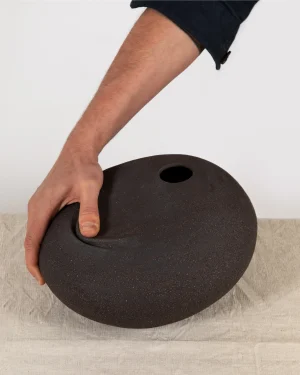
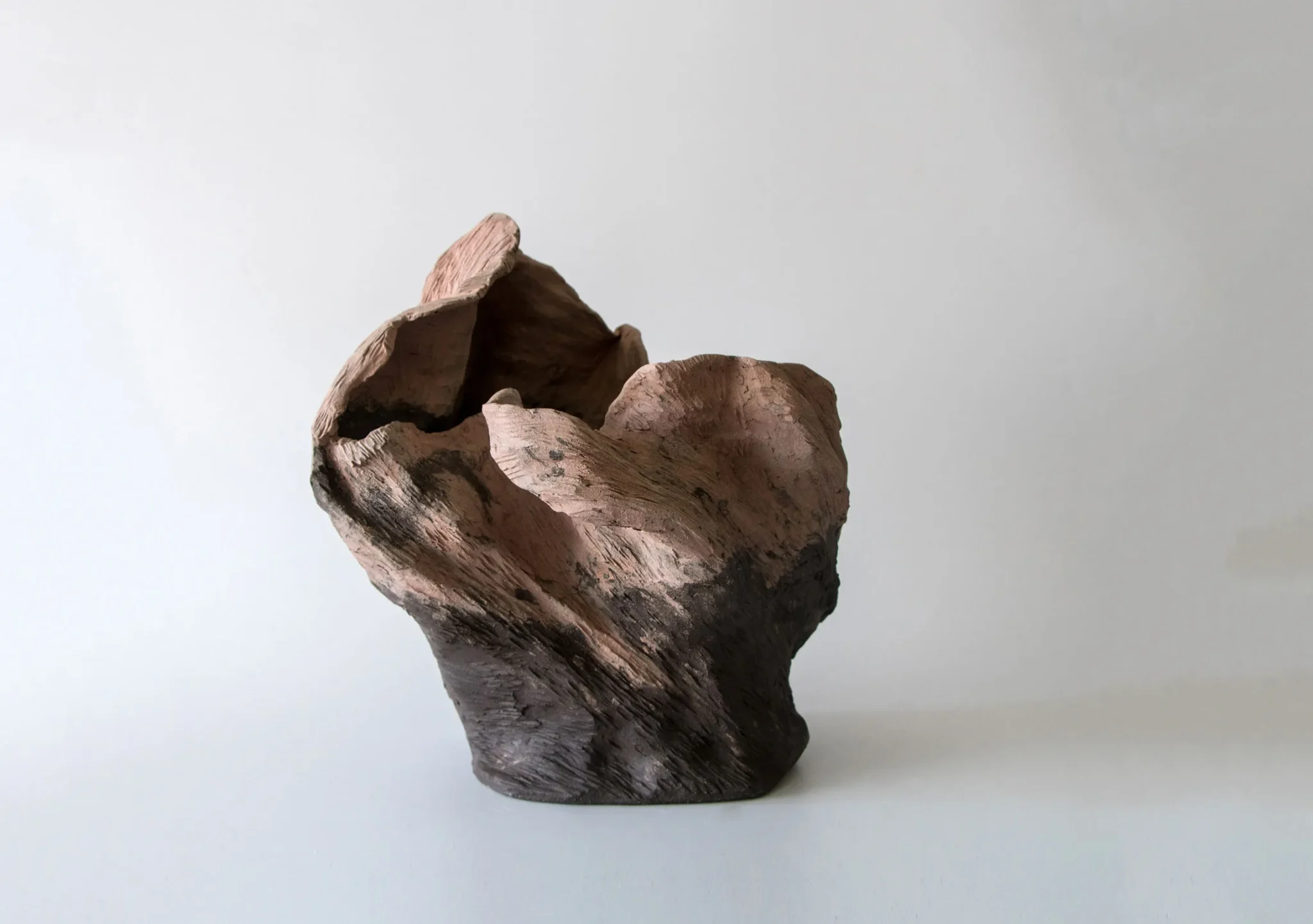
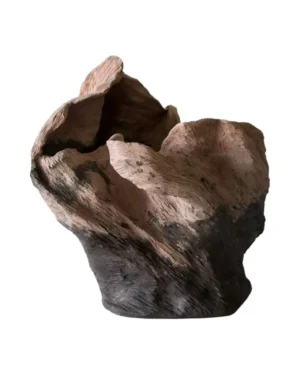
Movement Phase 3 – Black Sculptural Ceramic Vessel
By Catalin Filip
€600 -
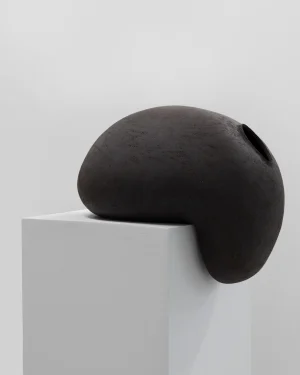
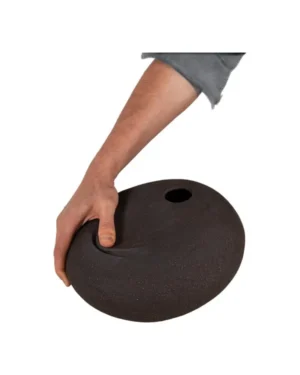
Movement Phase 1 – Black Sculptural Ceramic Vessel
By Catalin Filip
€1.350 -
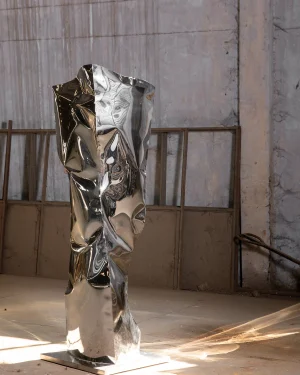
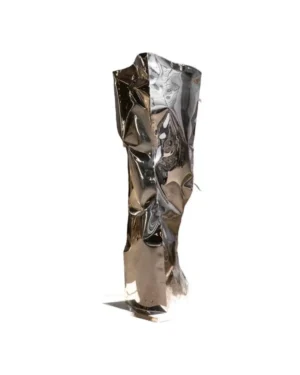
Monolith – Stainless Steel Floor Sculpture
By Nitush and Aroosh
€7.150 -

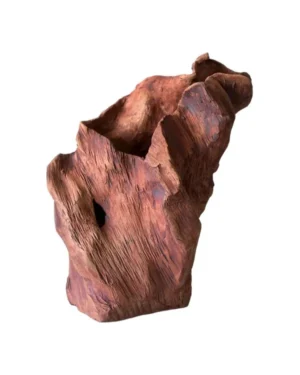
Inwards – Black Sculptural Ceramic Vessel
By Catalin Filip
€900 -
 In stock
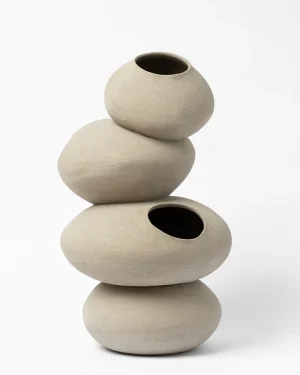
Kho Sculpture No. 4
By Od Studio
€1.280 -
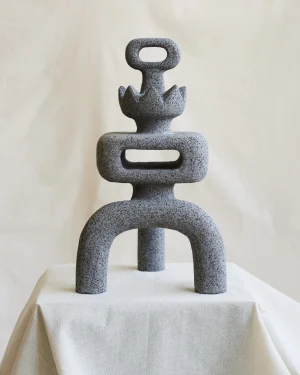
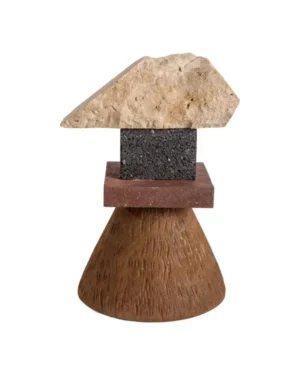
Artefacto Volcán Ls 16
By LØRDAG & SØNDAG
€825 -
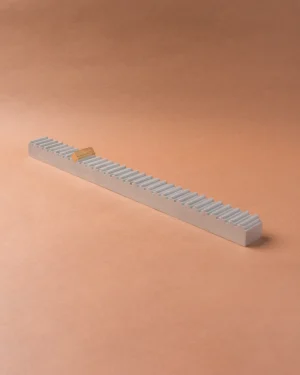 In stock
Arch Aluminum Calendar
By Boo Design Studio
€172 -
 In stock
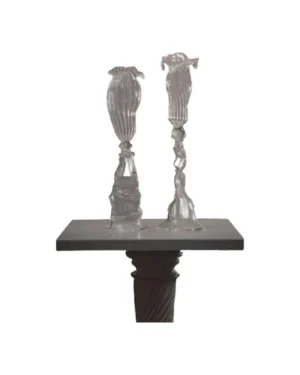
Glass Flower Organic Bouquet
By PIA GLASSWORKS
€1.000 -
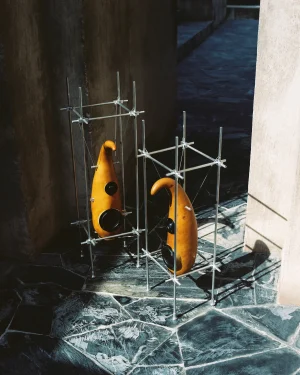 In stock
Wua-g I Speakers
By POL AGUSTI
€7.400 -
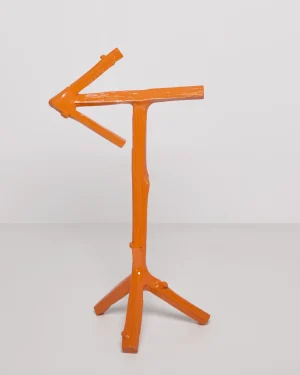 In stock
Splitted Arrow
By Teun Zwets
€940 -
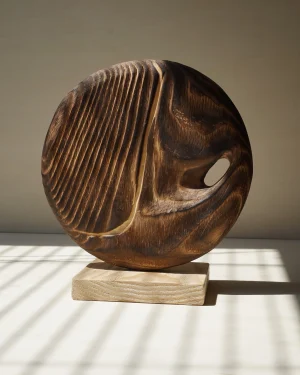 In stock
Concentric Flows / Wood Sculpture No.2
By SOLATERRE
€564 -
 In stock
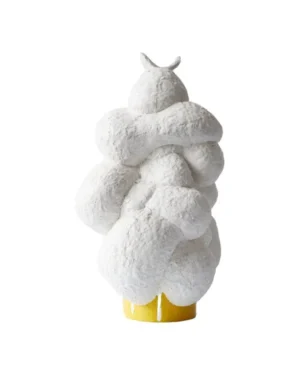
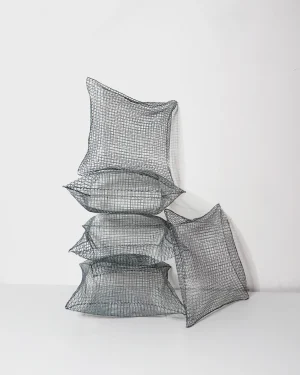
Softcore Pillow
By Deon Rubi
€500 -
 In stock
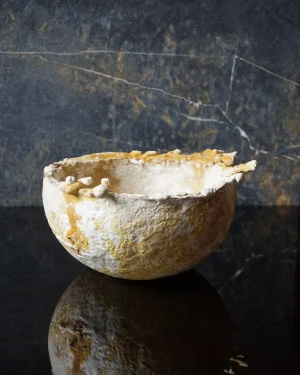
Mycelium Bowl No.1
By SOLATERRE
€353 -
 In stock
Glass Flower Organic Sculpture
By PIA GLASSWORKS
€500 -
 In stock
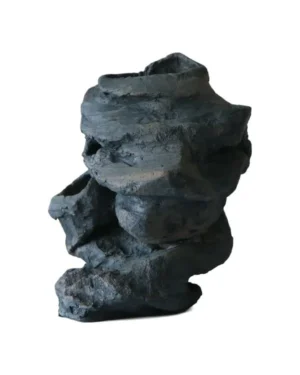
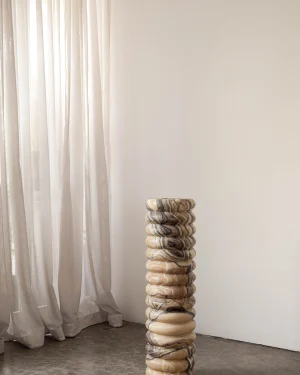
Antigua Stone Totem
By Studio Ayres
€2.348 -
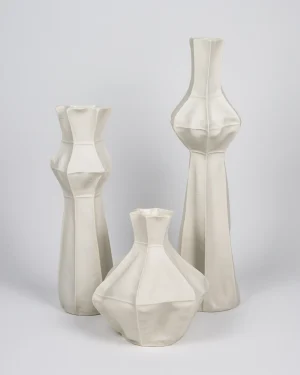
Set No. 1 Of 3 Kawa Vases – Organic Leather-cast Ceramics
By Luft Tanaka Studio
€2.550 -
 In stock
Glass Flowers Organic Sculpture
By PIA GLASSWORKS
€900 -
 In stock
Organic Form No.4 Sculpture
By Alex Roby Design
€988 -
 In stock
Black On Black Sculpture
By Ceramic Sculptor Stella Arion
€3.100 -
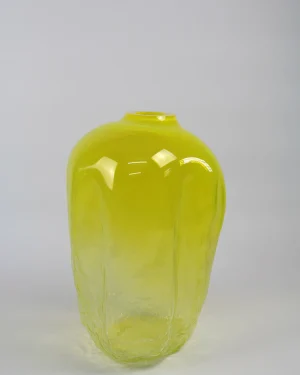 In stock
Sand Series – Narcissus Handmade Glass Object
By Vogel Studio
€1.150 -
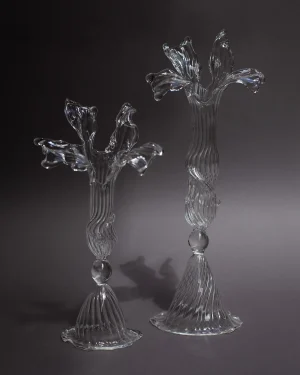 In stock
Wildflower Glass Sculpture
By PIA GLASSWORKS
€280 - €350 This product has multiple variants. The options may be chosen on the product page -
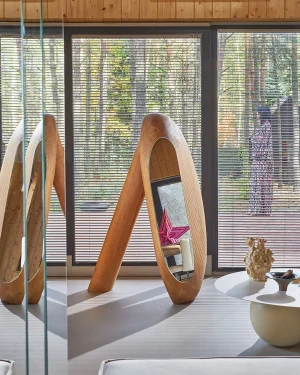
Object N.16 Mirror
By Anna Bera
€11.294 -
 In stock
The Magic Fireplace
By M’ama edizioni
€800 -
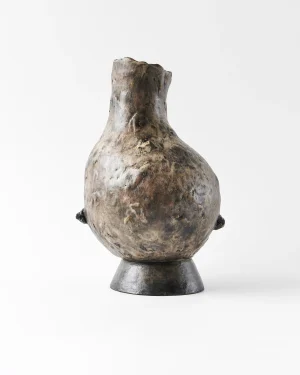 In stock
Echoes No.07 – Sculptural Ceramic Vase
By Not Yet Ceramics
€560 -
 In stock
Organic Form No.5 – Sculpture
By Alex Roby Design
€1.368 -
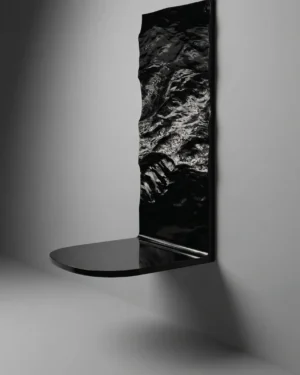 In stock
Pontos Wall Sculpture
By Arbore x Cezar Moldovan
€9.830 -
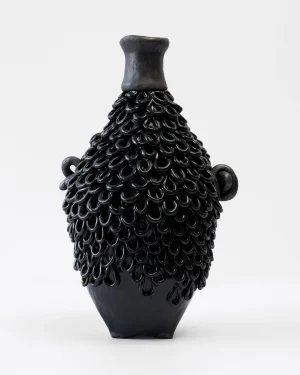 In stock
Wraps No.04 – Sculptural Stoneware Vessel
By Not Yet Ceramics
€540 -
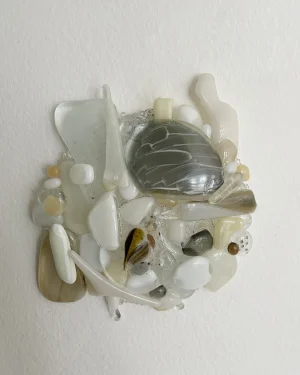 In stock
Encompassed – Fused Glass Wall Decor
By Meagan Cignoli Studio
€682 -
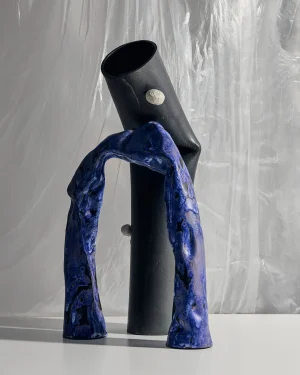 In stock
Stoneware Sculpture Installation
By C E R A M I C 4 7
€950 -
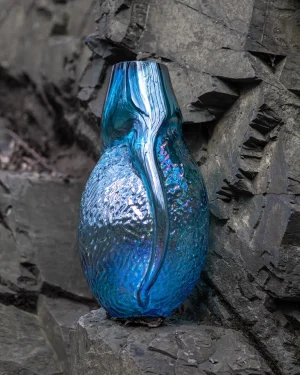 In stock
Nava Glass Vase Blue
By Anna Jožová
€1.300 -
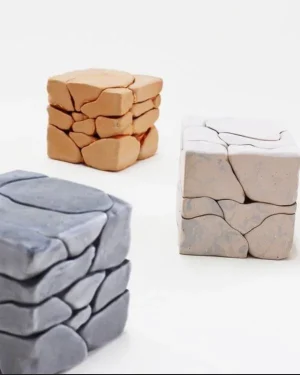
“dilema” Infinite Series Of Puzzles
By Popdots Studio
€100 This product has multiple variants. The options may be chosen on the product page -
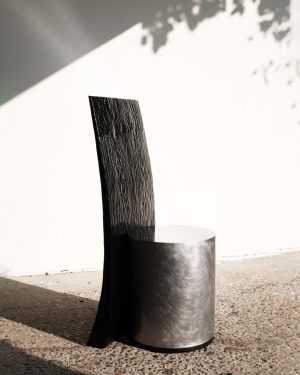 In stock
Yunseul Series – Stroke Sculpture No. 02
By Woohyun Han
€2.800 -
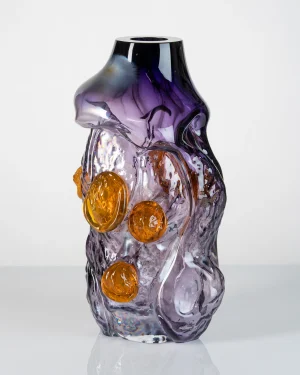 In stock
Dysplasio Vase Purple
By Anna Jožová
€1.900 -
 In stock
Abyss No. 21 – Sculptural Vessel In Stoneware
By Ceren Gürkan
€1.170 -
 In stock
Embodied Sense Ceramic Sculpture
By Ceramic Sculptor Stella Arion
€3.100 -
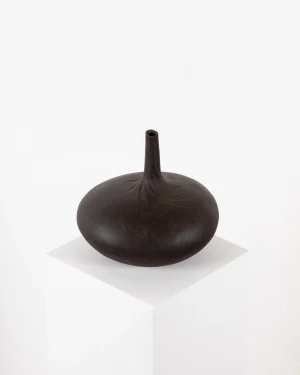
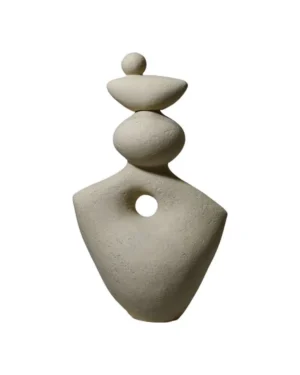
Untitled Vessel – Sculptural Ceramic Vessel
By Catalin Filip
€600 -
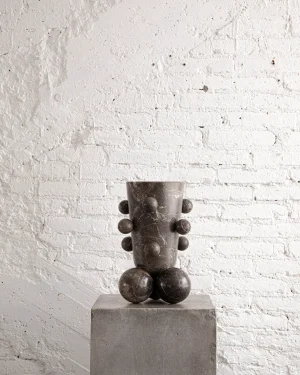
Pollux – Stone Vase
By Studio Ayres
€840 -
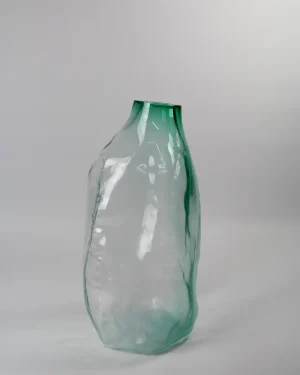 In stock
105 Ltr Forms – Emerald Green Glass Object
By Vogel Studio
€1.470 -

Pecan – Wood / Steel Sculptural Shelf
By SALAK Studio
€3.000 -
 In stock
Breathe No.02 – Ceramic Sculpture
By Not Yet Ceramics
€480 -
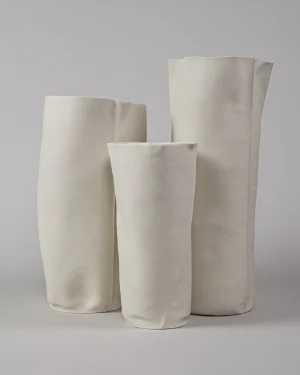
Set No. 2 Of 3 Kawa Vessels – Organic Leather-Cast Ceramics
By Luft Tanaka Studio
€1.940 -
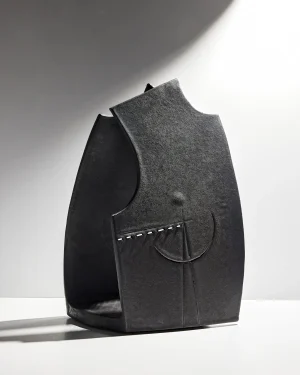 In stock
_migrated Forms 06 Sculpture
By C E R A M I C 4 7
€820 -
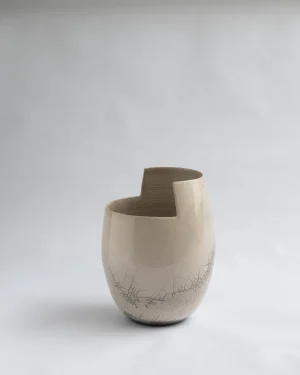 In stock
Cut Medium – Raku Clear
By Studionudo
€810 -
 In stock
King Cobra Snake – Plaster Of Paris – Kinnal Sculpture
By Sacha Parent & Valentine Tiraboschi
€800 -
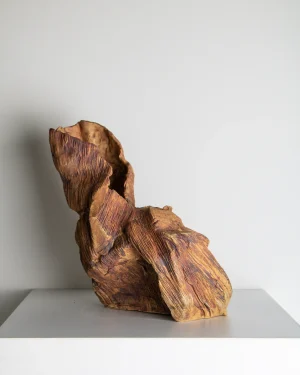 In stock
Abyss No. 22 – Sculptural Vessel In Stoneware
By Ceren Gürkan
€900 -
 In stock
Organic Form No.6 – Sculptures
By Alex Roby Design
€1.368 -
 In stock
Silent Archive Sculpture
By Ceramic Sculptor Stella Arion
€3.100 -
 In stock
The Eye Of Industrial Love Sculpture
By Ceramic Sculptor Stella Arion
€1.600 -
 In stock
Mosaic Umbrella Sculpture
By Undress House
€6.800 -
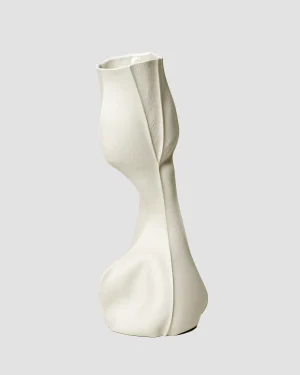
Organic White Ceramic Kawa Vase #20
By Luft Tanaka Studio
€1.050 -
 In stock
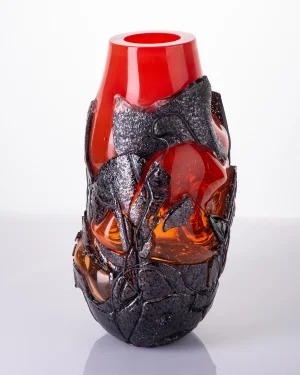
Lava Glass Vase Red
By Anna Jožová
€1.350 -
 In stock
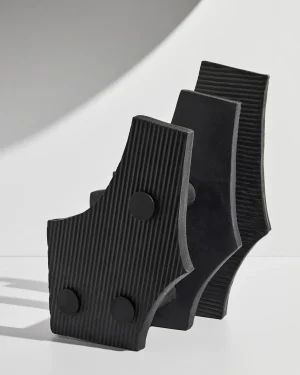
_migrated Forms 12 Sculpture
By C E R A M I C 4 7
€970 -
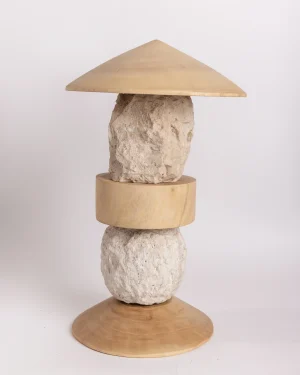
Bbta Sculpture
By Daniel Orozco Estudio
€1.745 -
 In stock
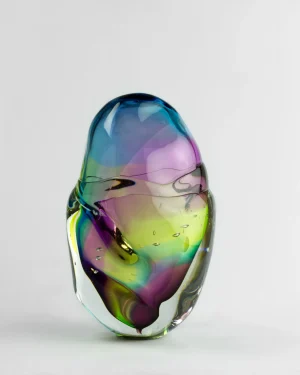
Persona Scupture
By MILA ZILA
€2.500
Contemporary sculptures gather the objects that justify themselves by form alone, not function. They come from independent studios working in stoneware, porcelain, cast and welded metal, carved wood and mixed media, each piece built, thrown, coiled or fabricated by hand or by digital means. What unites them is a point of view rather than a single material or palette.
What defines a contemporary sculpture
A contemporary sculpture reads as the maker's thinking made solid. There is no drawer to open, no seat to take, no shade to cast light through. The object stands on its own presence, and its surface, weight and silhouette carry the entire argument.
Studios working this way draw on a wide range of techniques: hand-building and coiling in clay, glazing that shifts a stoneware body from matte to glassy, metalwork that bends or welds steel and aluminum into standing or wall-mounted forms, stone carving that reduces a block to its essential lines, and digital fabrication that lets a designer test a shape before it is cast or milled. Mosaic work appears too, piecing color and surface from fragments rather than a single pour.
Materials, finishes and editions in the range
Stoneware and porcelain dominate, often glazed in black, beige, white or multicolor combinations that catch light differently depending on firing and finish. Black stoneware in particular holds a matte, almost absorbent surface that reads as solid rather than decorative. Metal and stainless steel sculptures sit at the harder end of the spectrum, with surfaces that stay cool, reflective or brushed depending on how they were worked.
- Clay-based pieces: stoneware, porcelain, glazed or unglazed ceramic bodies
- Metal pieces: welded or cast steel, stainless steel, mixed metal assemblies
- Editions: unique pieces that exist as singles, and open editions remade to the same design
Anyone looking specifically for fired clay forms will find more detail among ceramic sculptures, while stoneware bodies with their particular density and glaze response sit within stoneware sculptures.
How to choose a sculpture for a room
Scale decides more than style. A small tabletop form reads as an accent next to books or glassware, while a floor-standing piece needs enough clearance to be seen from more than one angle. Height matters as much as footprint: a sculpture placed too close to eye level can crowd a shelf, while one set low draws the eye down and anchors a room instead of competing with what hangs on the walls.
Finish should answer the light in the room. Matte stoneware and black surfaces absorb light and work well against pale walls, while polished metal or glazed porcelain throws reflections that can animate a darker corner. Placement near a window, a reading chair or a hallway turn changes how often the piece is actually seen, which is worth weighing before weighing material alone.
Where contemporary sculptures sit well
Living rooms carry most of this work: a console, a low shelf or the floor beside a sofa gives a standing piece room to read as sculpture rather than clutter. Entryways suit smaller forms that greet rather than block a path, and studies or reading corners take well to quieter, single-material pieces that do not compete with books or lamps. For a fuller set of options sized and placed for seating areas, living room sculptures covers the range in more depth.
Caring for ceramic, metal and stone surfaces
Glazed ceramics need only a dry cloth and occasional damp wiping; unglazed stoneware is more porous and should stay away from standing water or oil. Metal pieces benefit from a dry cloth to prevent fingerprint marks on polished surfaces, while raw steel left unsealed may develop a patina over time, which some studios build into the design rather than against it. Stone and mixed-media works should avoid direct, prolonged sun, which can fade pigment or dry adhesives used in assembly.
The full range of contemporary sculptures sits within all sculptures on ADORNO, and every contemporary piece across categories, not only sculpture, is gathered under contemporary design.
How do I choose a contemporary sculpture?
Start with the room it will anchor and the material that fits its light. A dense stoneware or metal form holds its own on a console, while a lighter ceramic piece suits a shelf or table where it can be seen up close.
What materials are contemporary sculptures made from?
Most are stoneware, clay, or porcelain, often glazed for color and surface, alongside metal and stainless steel forms worked by hand or machine. Each material carries its own weight, texture, and way of aging.
How do I care for a ceramic or metal sculpture?
Dust ceramic and stoneware pieces with a dry or slightly damp cloth, and keep them from direct, prolonged sun to protect any glaze. Metal pieces need occasional wiping and should stay dry to avoid water spots or corrosion.
What size sculpture works for a table or shelf?
Small to mid-sized pieces, generally under 40 centimeters, sit comfortably on tables, shelves, and consoles without overwhelming the space. Larger or floor-standing forms suit open corners or empty floor space where they can be seen in the round.
Which rooms suit a contemporary sculpture?
Living rooms, entryways, and studies all give a sculpture room to breathe, especially near natural light that shifts its shadow through the day. Bedrooms and dining spaces work too, provided the piece has enough clearance from daily use.
How does buying a sculpture through ADORNO work?
Shipping is insured and worldwide, with a 14-day return policy, excluding made-to-order pieces. Every piece comes with a certificate of authenticity, and ADORNO offers a lowest-price guarantee; for specifics on an individual piece, chat with the maker on its page.