



















-
 In stock
Äther Wall Lamp In Borosilicate Glass
By TUNK I Busra Tunc
€850 -
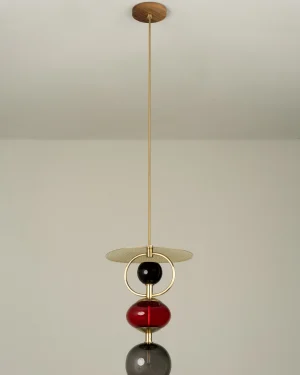
Vitrea Pendant Lamp in Glass and Brass
By Isabel Moncada
€3.802 This product has multiple variants. The options may be chosen on the product page -
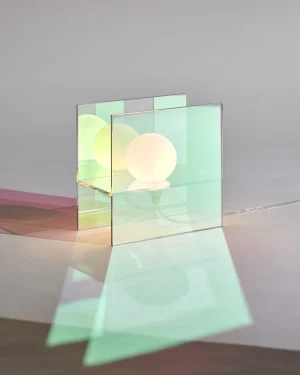 In stock
Euphoria Table Lamp in Coloured Glass
By Studio Monsoleil
€800 -
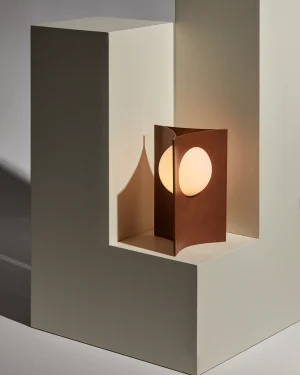
Hecate Table Lamp in Leather and Glass
By Studio Aristotelis Barakos
€480 This product has multiple variants. The options may be chosen on the product page -
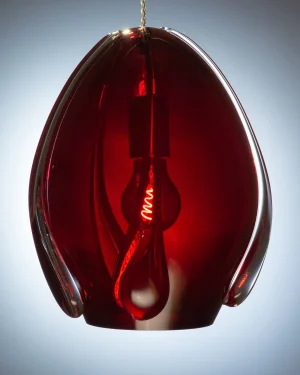
Glass Drop Pendant Lamp in Blown Glass
By Georgiev Kiril
€1.050 -
 In stock
Y30 Ceiling Lamp in Blown Glass and Brass
By Clara Viladecans
€786 This product has multiple variants. The options may be chosen on the product page -
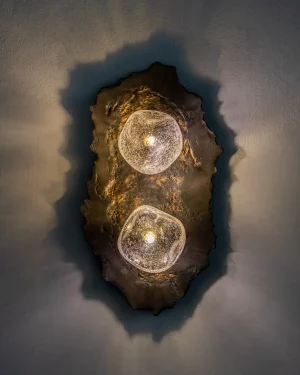
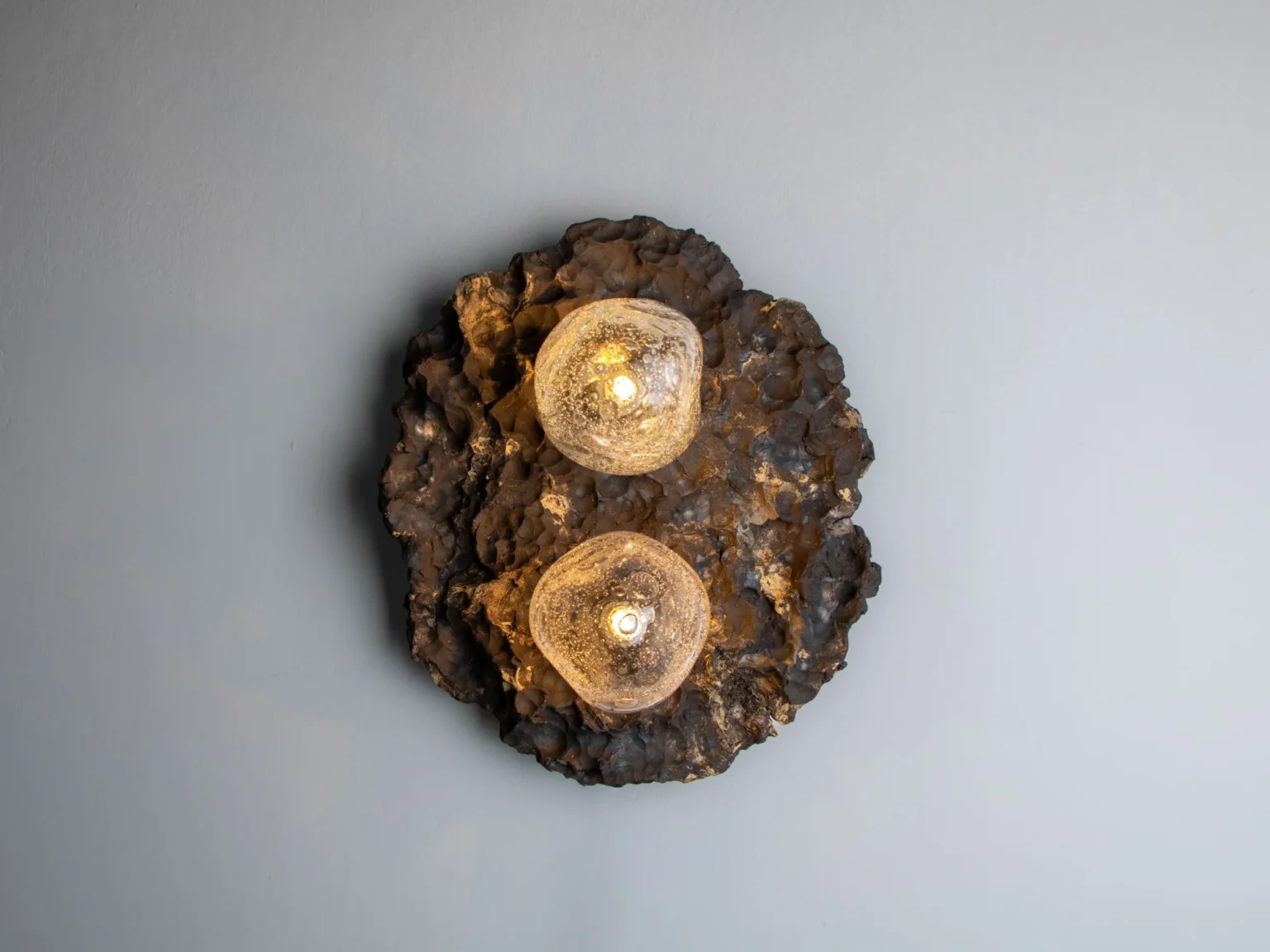
Asea No. 25 Wall Sconce in Blown Glass and Stoneware
By Ceren Gürkan
€1.100 -
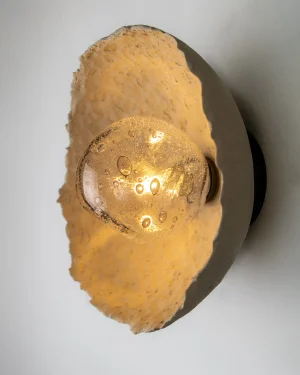 In stock
Asea No. 23 Wall Sconce in Stoneware and Blown Glass
By Ceren Gürkan
€800 -
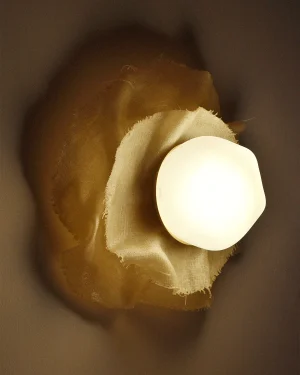
Liora II Wall Sconce in Glass, Brass and Fabric
By Atelier Alz
€350 -
 In stock
Sluren Table Lamp in Blown Glass
By Sara Sjöbäck
€1.450 - €1.850 This product has multiple variants. The options may be chosen on the product page -
 In stock
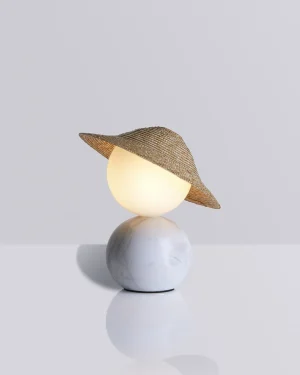
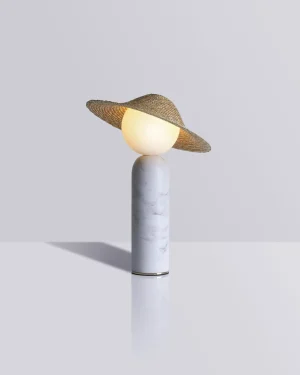
Théros 0.2 Table Lamp in Blown Glass and Marble
By Studio Aristotelis Barakos
€950 -
 In stock
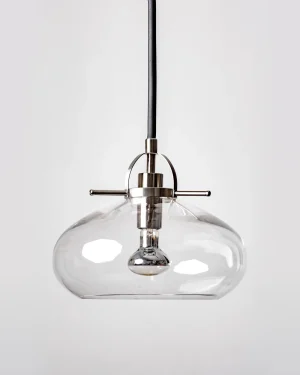
Théros 0.3 Table Lamp in Borosilicate Glass
By Studio Aristotelis Barakos
€1.100 -
 In stock
Art Deco Pendant Lamp in Glass and Stainless Steel
By Szostak Atelier
€1.000 This product has multiple variants. The options may be chosen on the product page -
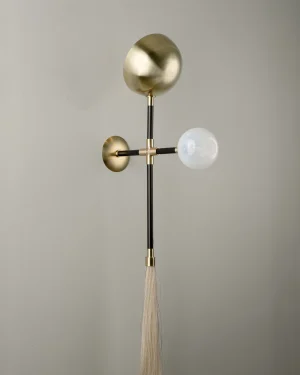
Gogo Wall Sconce in Brass, Blown Glass and Natural Fibers
By Isabel Moncada
€2.880 - €4.036 This product has multiple variants. The options may be chosen on the product page -
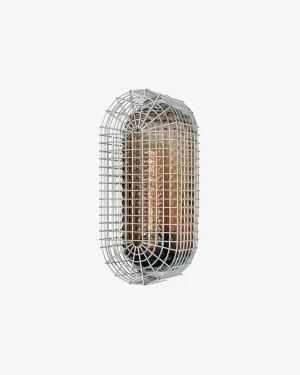
Chastity Wall Sconce in Stainless Steel and Blown Glass
By Studio S II
€1.946 -
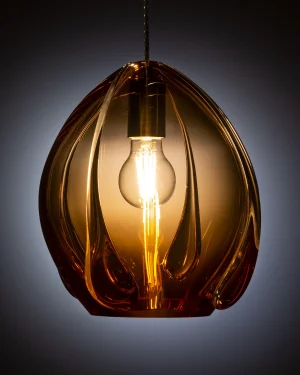
Glass Drops Fire Opal Pendant Lamp in Blown Glass
By Georgiev Kiril
€1.050 -
 In stock
Ines Ceiling Lamp in Blown Glass And Brass
By Clara Viladecans
€550 This product has multiple variants. The options may be chosen on the product page -

Marsha 02 Pendant Lamp in Blown Glass and Steel
By MESEME by Riya Panchal
€810 This product has multiple variants. The options may be chosen on the product page -
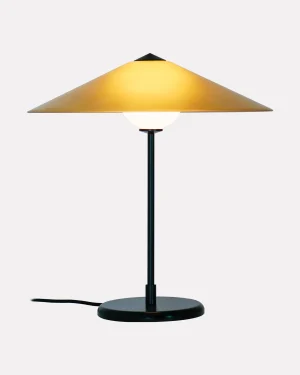
Marsha Table Lamp in Glass and Metal
By MESEME by Riya Panchal
€1.015 This product has multiple variants. The options may be chosen on the product page -
 In stock
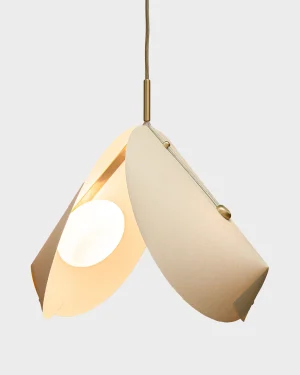
Concha Model 03 Pendant Lamp in Brass and Blown Glass
By MESEME by Riya Panchal
€434 This product has multiple variants. The options may be chosen on the product page -
 In stock
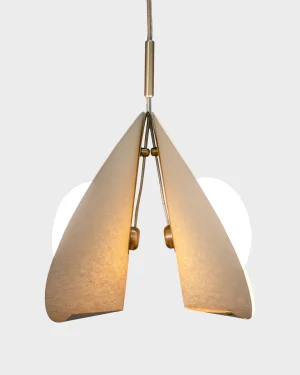
Concha Model 01 Pendant Lamp in Paper, Metals and Glass
By MESEME by Riya Panchal
€375 This product has multiple variants. The options may be chosen on the product page -
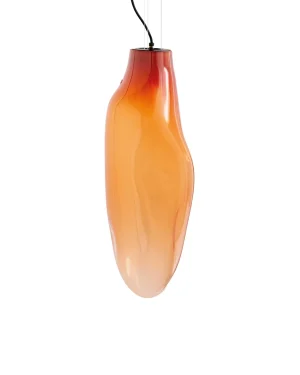
Lyra Pendant Lamp Single, Coral in Blown Glass
By ELOA - Unique Lights
€2.330 - €4.750 This product has multiple variants. The options may be chosen on the product page -
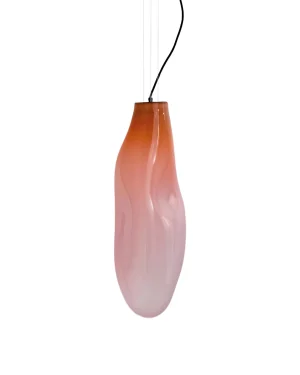
Lyra Single, Flamingo Opaque Pendant Lamp in Blown Glass
By ELOA - Unique Lights
€2.330 - €4.750 This product has multiple variants. The options may be chosen on the product page -
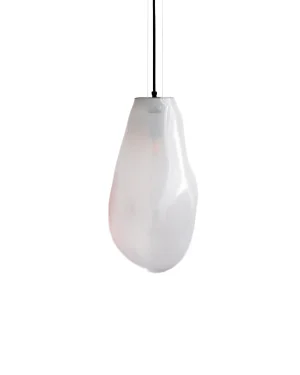
Lyra Pendant Lamp in White Opaque Glass
By ELOA - Unique Lights
€2.330 - €4.750 This product has multiple variants. The options may be chosen on the product page -
 In stock
Dahlia Blossom Wall Sconce in Blown Glass and Steel
By Toro Manifesto
€1.500 -
 In stock
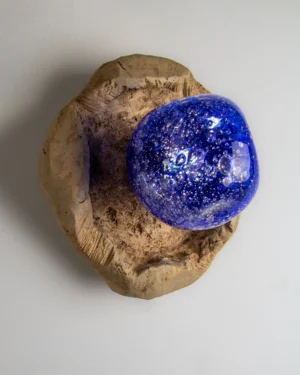
Asea No.13 Wall Sconce in Stoneware and Blown Glass
By Ceren Gürkan
€1.300 -

Lasso Floor Lamp in Stainless Steel and Glass
By Nitush and Aroosh
€2.850 -
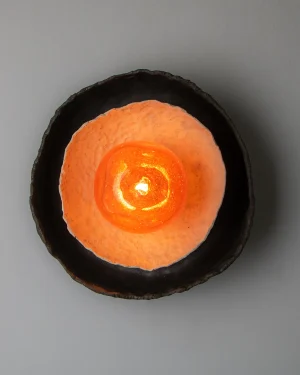
Asea No. 26 Red Wall Sconce in Blown Glass and Stoneware
By Ceren Gürkan
€1.100 -
 In stock
Asea No.40 Wall Sconce In Stoneware And Blown Glass
By Ceren Gürkan
€1.200 -
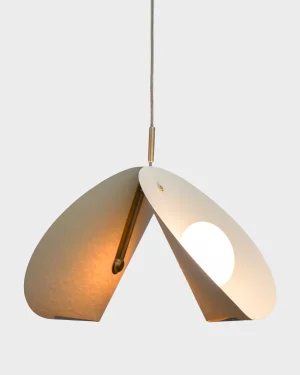
Concha Model 02 (Medium) Pendant Lamp in Paper and Brass
By MESEME by Riya Panchal
€434 This product has multiple variants. The options may be chosen on the product page -

The Mesia Table Lamp in Ceramics and Glass
By Luis Gimeno Design
€1.400 This product has multiple variants. The options may be chosen on the product page -
 In stock
Abyss No. 23 Table Lamp in Stoneware
By Ceren Gürkan
€2.500 -

Glow Side Table Floor Lamp in Glass and Stainless Steel
By Ziroru Studio
€1.275 This product has multiple variants. The options may be chosen on the product page -
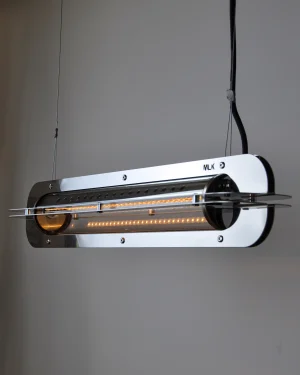
Pill600 Pendant Lamp in Mirror Stainless Steel
By MLK Furniture
€1.090 -

Pill1200 Floor Lamp in Stainless Steel
By MLK Furniture
€1.690 -
 In stock
Large Pendant Lamp in Blown Glass and Textiles
By SVITANOK
€375 - €500 This product has multiple variants. The options may be chosen on the product page -
 In stock
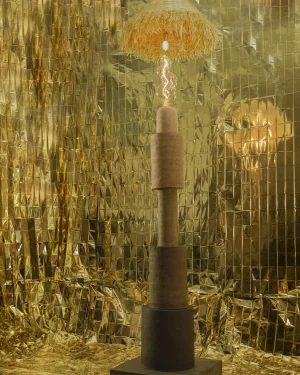
Thulani Floor Lamp in Terracotta and Rattan
By UAU Studio
€3.400 -

Bright Side Table Floor Lamp in Glass and Stainless Steel
By Ziroru Studio
€1.485 This product has multiple variants. The options may be chosen on the product page -

Florance I Ceiling Lamp in Brass, Glass and Fabric
By Atelier Alz
€575 -
 In stock
Root No. 3 Wall Sconce in Steel, Paper and Glass
By Natalie Dubrovska
€1.573 -

Collier P2 Ceiling Lamp in Glass and Aluminum
By Darka
€1.950 -
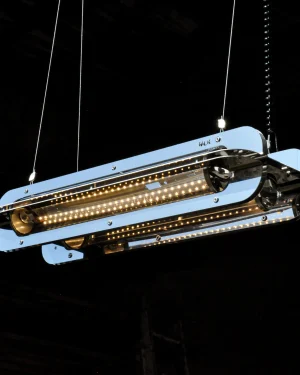
Pill600x2 Pendant Lamp in Mirror Stainless Steel
By MLK Furniture
€1.890 -
 In stock
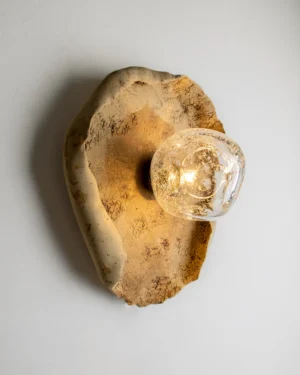
Asea No. 41 Wall Sconce in Stoneware and Blown Glass
By Ceren Gürkan
€1.000 -
In stock
Medium Pendant Lamp in Blown Glass and Textiles
By SVITANOK
€300 - €415 This product has multiple variants. The options may be chosen on the product page -
 In stock
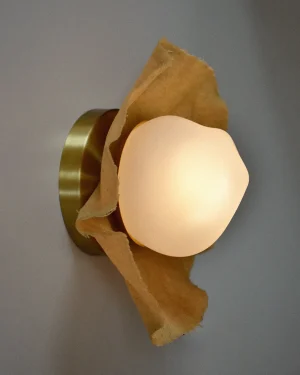
Liora I Wall Sconce in Glass and Brass
By Atelier Alz
€350 -
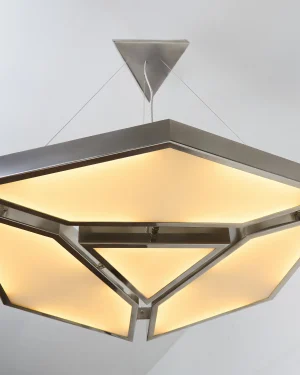
Alban Chandelier in Stainless Steel and Glass
By Nathan Chintala
€5.066 -
 In stock
Nova Blue Wall Sconce in Blown Glass and Steel
By Ceren Gürkan
€700 -

Large Wall Sconce in Blown Glass and Brass
By Naama Hofman
€850 This product has multiple variants. The options may be chosen on the product page -
 In stock
Pregnant Lady Floor Lamp in Fiberglass
By StorqueStudios
€4.869 -
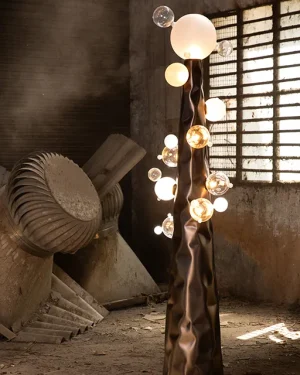 In stock
Molecule Floor Lamp in Stainless Steel and Blown Glass
By Nitush and Aroosh
€4.850 -

Collier S1 Wall Sconce in Glass and Aluminum
By Darka
€1.050 -

Small Wall Sconce in Blown Glass and Brass
By Naama Hofman
€700 This product has multiple variants. The options may be chosen on the product page -
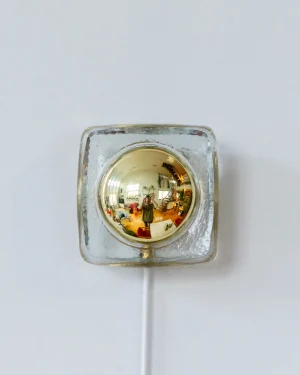 In stock
Starburst Wall Sconce in Brass and Blown Glass
By Voidfill Studio
€1.635 -
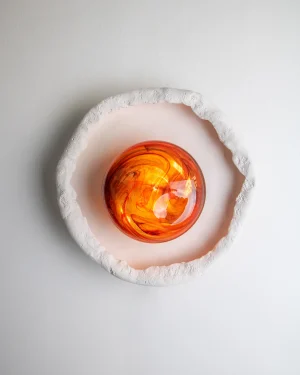 In stock
Asea No. 35 Wall Sconce in Porcelain and Blown Glass
By Ceren Gürkan
€1.200
Glass lamps are shaped by heat rather than cut by hand, which sets them apart from most lit objects on ADORNO: a gather of molten glass is blown, swung or pressed into form while still soft, so the body of the lamp carries the record of that single, continuous gesture. Studios working in blown glass, glass casting and borosilicate glass make each piece this way, often alongside brass, stainless steel or stoneware fittings that carry the wiring and the weight. Some runs are open, some limited, and a few are unique pieces that will not be repeated once sold.
What defines a glass lamp
Glass behaves differently from ceramic or wood because it is never fully opaque. A lamp body in clear, amber or smoked glass reads as a solid object by day and turns into a glowing volume once lit, showing every bubble, swirl or thickness caught in the glass during blowing. This is the same double life that runs through all designer lamps, but glass makes it most visible: nothing is hidden behind a glaze or a shade.
Color in glass is rarely painted on. Amber, gray, mint, scarlet and pink tones usually come from metal oxides mixed into the batch before blowing, which means the color sits inside the material rather than on its surface and will not fade, chip or wear thin.
The range of materials, finishes and editions
Alongside pure glass, many lamps pair a blown or cast glass body with a base or armature in brass, metal, stainless steel or stoneware, which adds weight at the foot and keeps a tall or bulbous shade from tipping. Styles run from Mid-Century Modern and Art Deco silhouettes, with their fuller curves and warmer tones, through to Minimalist and Neo-Industrial lamps that favor a plain cylinder or sphere in clear or lightly tinted glass. Boho Chic and Eclectic pieces tend to mix glass with natural fiber shades or reclaimed hardware.
Editions vary by studio. Some glass lamps are produced in open runs from a standard mold, others in limited editions of a set batch, and a smaller number are unique, hand-blown one at a time with no two bodies quite alike. The full range of glass pieces, lamps included, can be seen on the glass material page, and lamps in other materials sit within the wider lamp category.
Choosing a glass lamp for scale and placement
Because a glass body is seen through as well as around, scale matters more here than with an opaque shade. A large, clear glass lamp on a low side table will show the bulb directly, which suits a dimmable, warm-toned source; a smaller or tinted glass body softens the light more and can sit closer to eye level without glare.
- Measure the surface it will stand on, and leave room for the base to sit clear of the table edge.
- Choose a darker or more heavily tinted glass for a lamp that will run at eye level, and a clearer one for a lamp placed low or at a distance.
- Match the metal of the base, where there is one, to other hardware already in the room.
Where glass lamps belong in a room
A glass lamp earns its place wherever both its form and its light matter: a console in an entry, a side table beside a sofa, a desk, or a bedside surface where the glow at night is as important as the shape by day. For a sofa or reading chair, the living room lamps suit the lower, wider profiles that sit well at arm height. Lamps built on a Contemporary or Minimalist base, including many of the contemporary lamps, work equally well on a desk or a narrow hallway table. Where a sturdier stand is wanted, the metal lamps pair a glass shade with a heavier brass or steel foot.
Caring for glass
Glass is inert and will not absorb odors, stains or moisture, so a soft, dry or barely damp cloth is enough for regular dusting. Avoid sudden temperature changes, such as placing a cold glass lamp close to direct heat once switched on, since rapid shifts can stress the material. Check any metal fittings periodically, since these, not the glass itself, are usually what wears first.
How do I choose a glass lamp?
Look at how the glass handles light: clear glass throws a sharp pool of light, while tinted or bubbled glass softens it. Match that effect to the room and the mood you want after dark.
How do you clean and care for a glass lamp?
Dust with a dry or slightly damp cloth and avoid abrasive cleaners that can scratch the surface. Let bulbs cool before handling the glass, since sudden temperature changes can cause cracking.
What size glass lamp do I need?
Table lamps generally sit between 18 and 30 inches tall, while floor lamps run from 50 to 65 inches. Choose a height that places the light source near eye level when you are seated or standing nearby.
Which rooms suit glass lamps best?
Glass lamps work well wherever light itself should be visible, such as living rooms, bedrooms and reading corners. Clear or pale glass suits smaller spaces, since it does not block sightlines the way opaque materials do.
Is glass a fragile choice for everyday lighting?
Glass is more resilient than it looks once set and shaded correctly, though it can chip or crack under hard knocks. Keep it away from high-traffic edges and it will hold up for years.
What are ADORNO's shipping, returns and authenticity policies?
Shipping is insured and covers worldwide delivery. Returns are accepted within 14 days, except for made-to-order pieces, and every lamp comes with a certificate of authenticity plus a lowest-price guarantee.