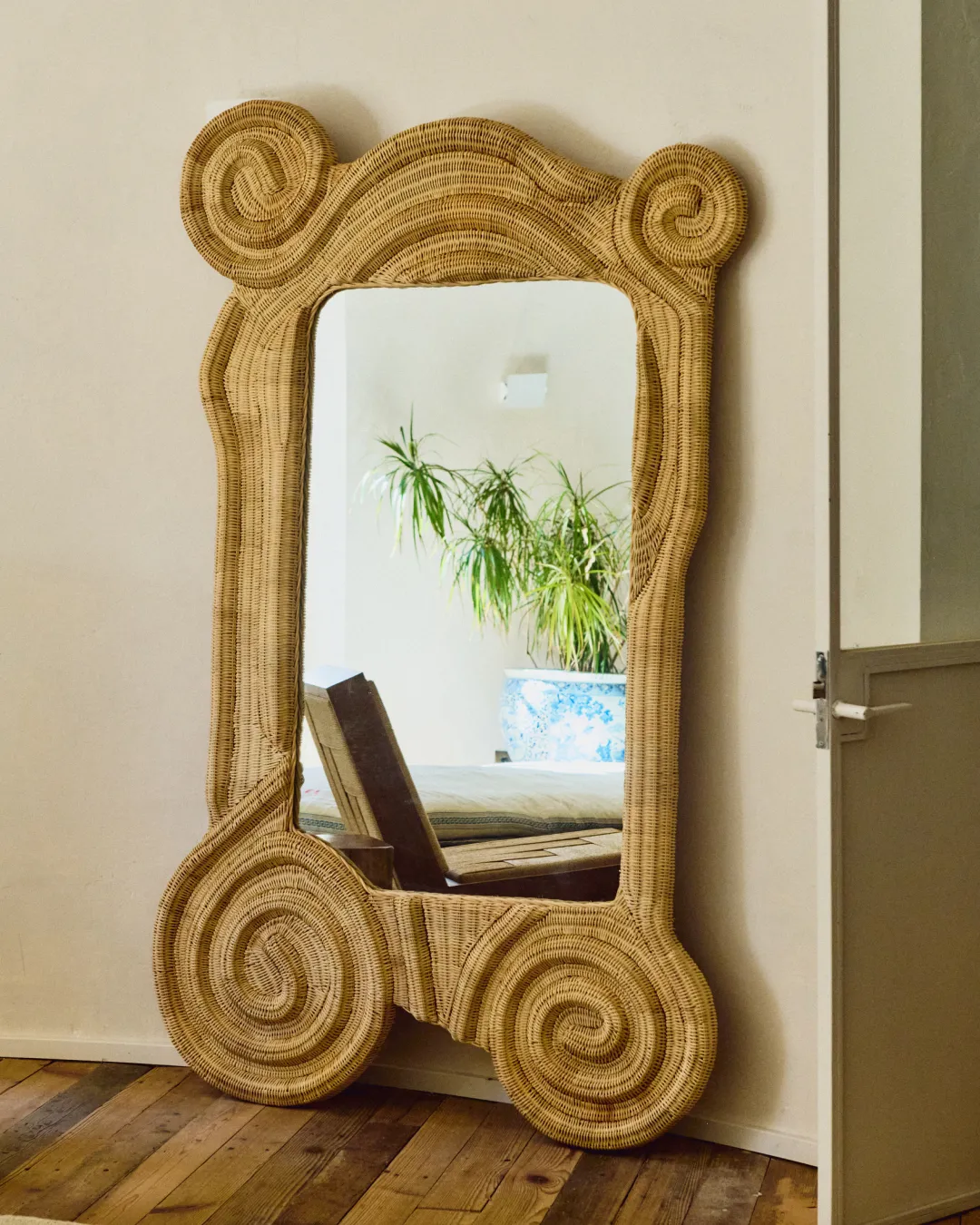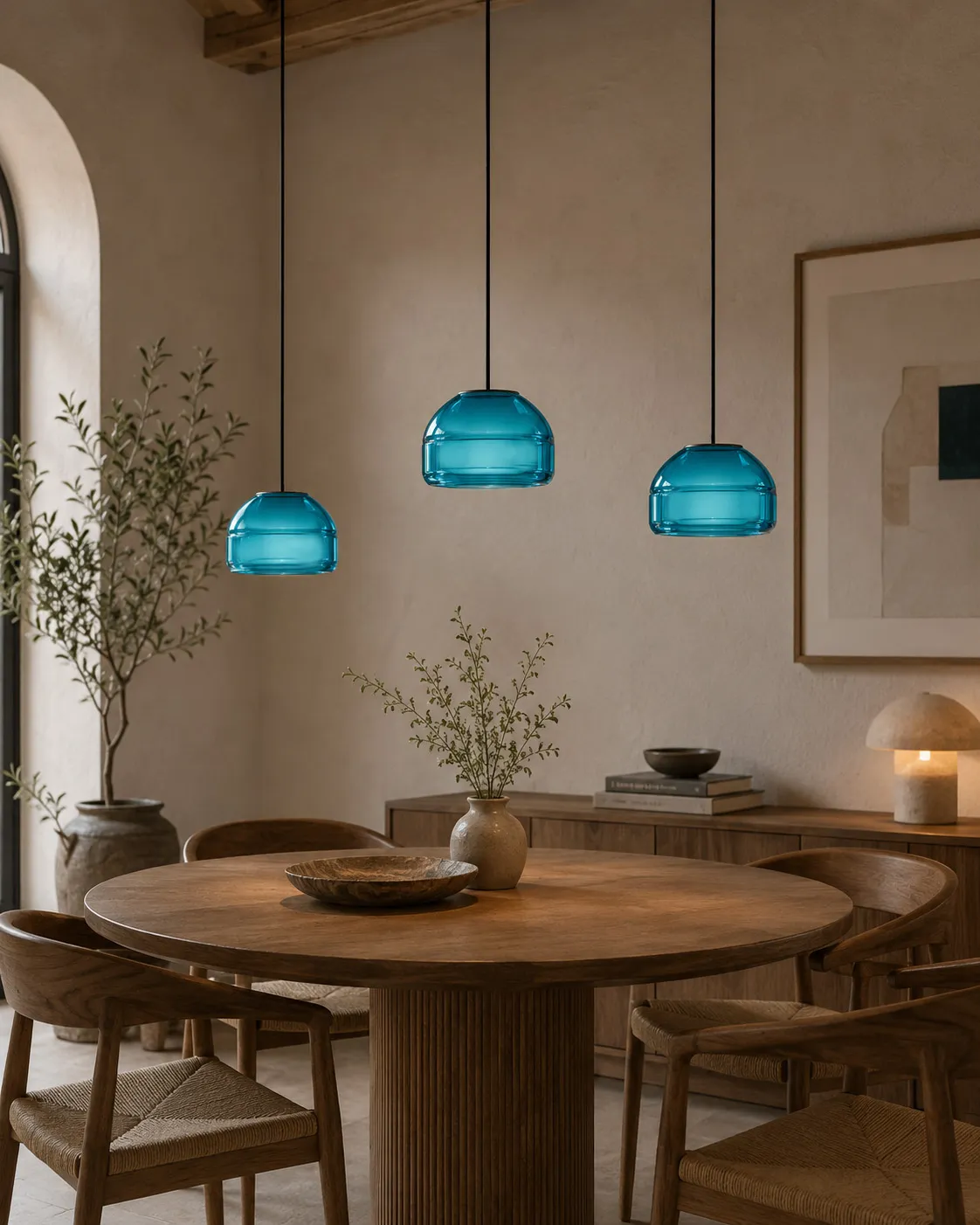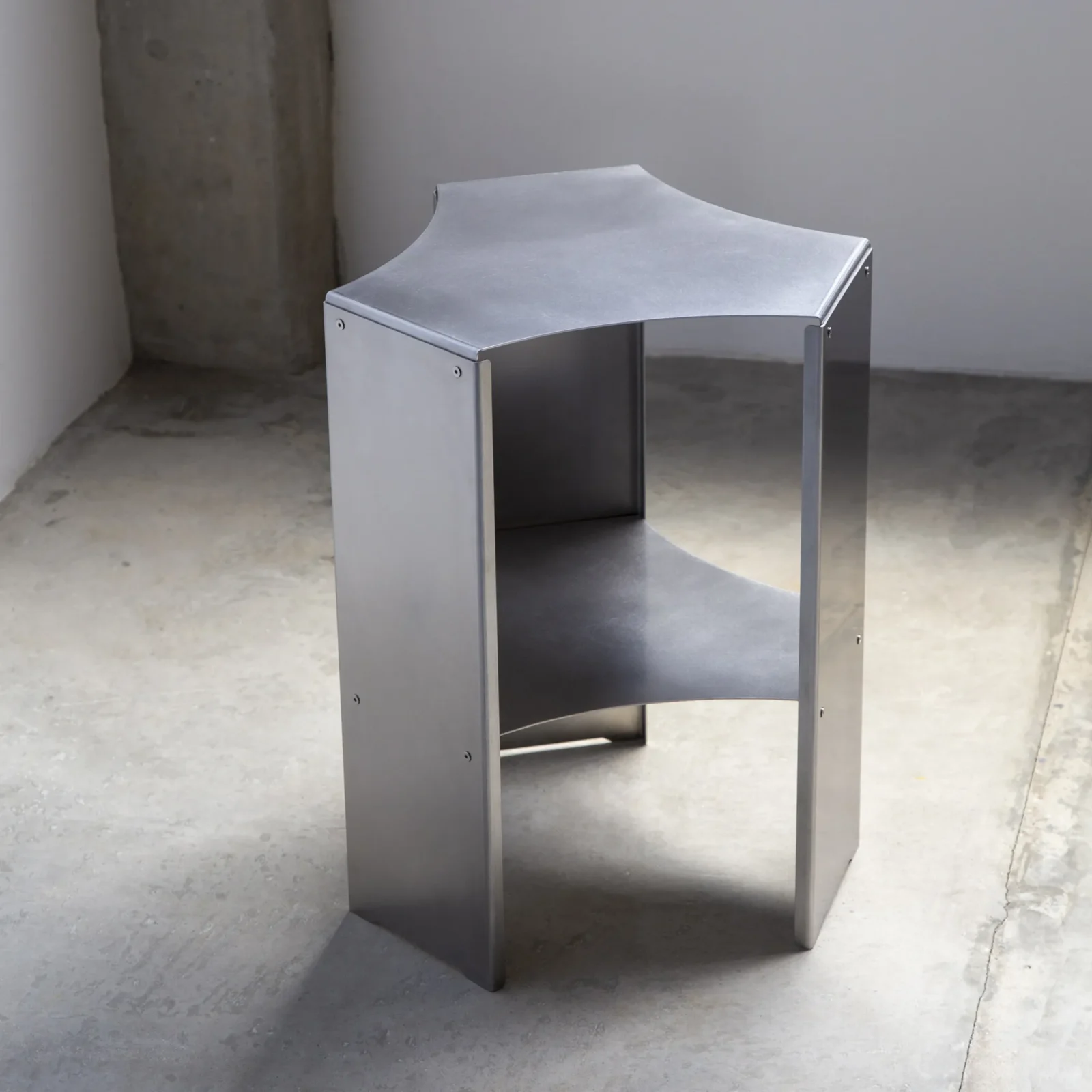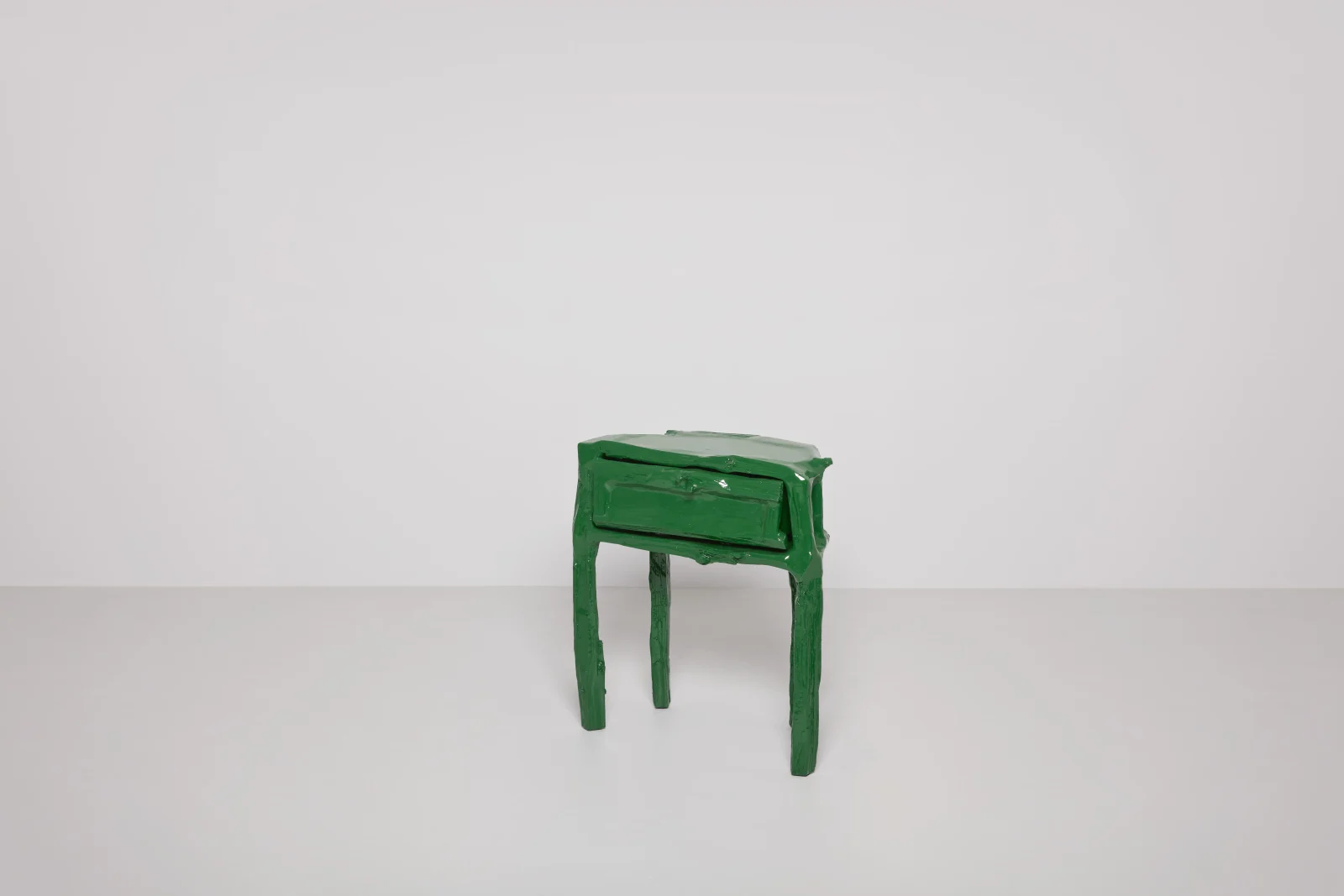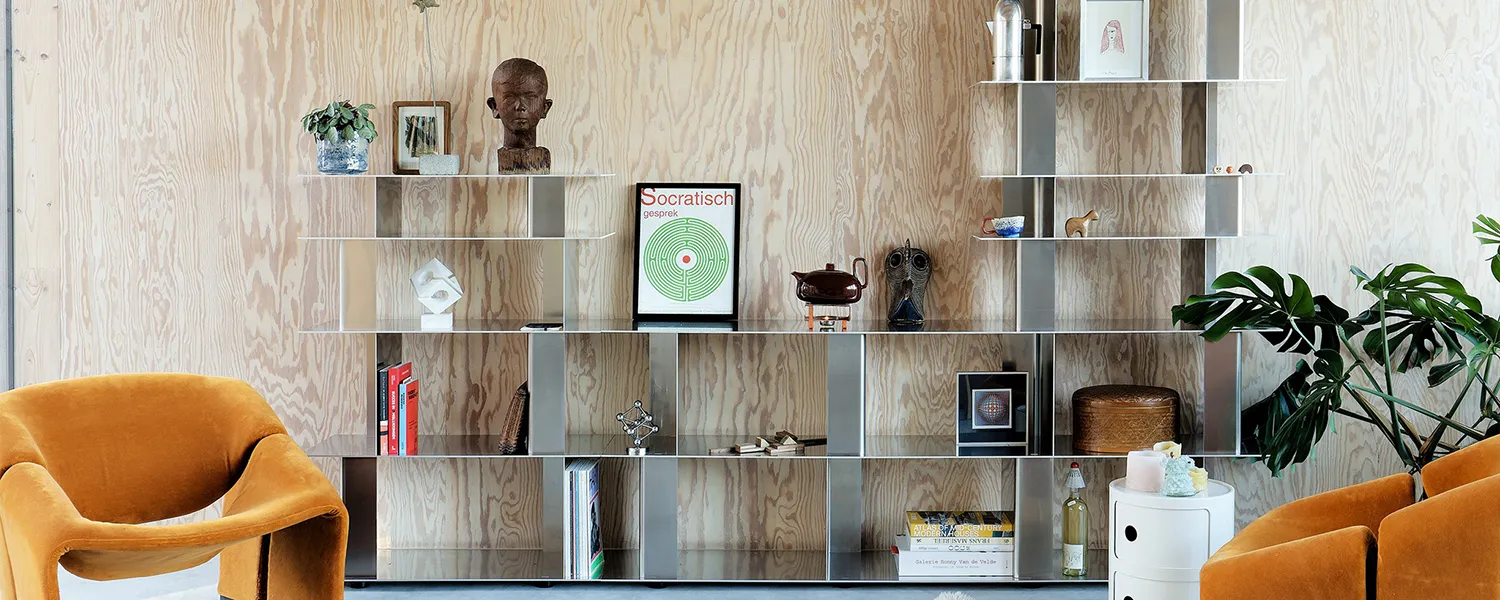
A quick experiment. When I say Gothic, what appears first in your mind? My guess is that for many people, it is a building. Notre Dame, perhaps, with towering arches, stained glass, flying buttresses. Now think of Rococo. Again, I suspect the image arrives through architecture or interiors first; ornate salons, gilded walls, painted ceilings. But when I say Mid Century Modern, I would wager most people do not picture an exterior before they picture an interior. An Eames lounge chair, a Barcelona chair by Mies van der Rohe, a Noguchi coffee table. The same thing happens with interior design styles like Memphis, where objects often feel more iconic than the architecture itself, Ettore Sottsass bookcases, playful lamps, impossible colors.


This is absolutely not to say that Mid Century Modern does not have its own defining architecture, of course it does. The point is that somewhere across the twentieth century there is a noticeable shift where furniture, lighting, and objects began to carry far more weight than architecture alone in defining a style. As interiors became increasingly understood as spaces shaped around living, rather than simply extensions of a building’s structure, the objects within them began to take on a much larger cultural role.
Development of Interior Design Styles
That difference says something about how design has been understood over time. For long stretches, interiors followed architecture. Rooms were treated as extensions of the structure itself, shaped by the same language and hierarchy. Over the twentieth century, that began to shift. Interiors became a field of their own, with their own priorities, their own logic, and a growing focus on how space is actually used. They started to carry more weight in defining a style, sometimes even more than the architecture surrounding them.
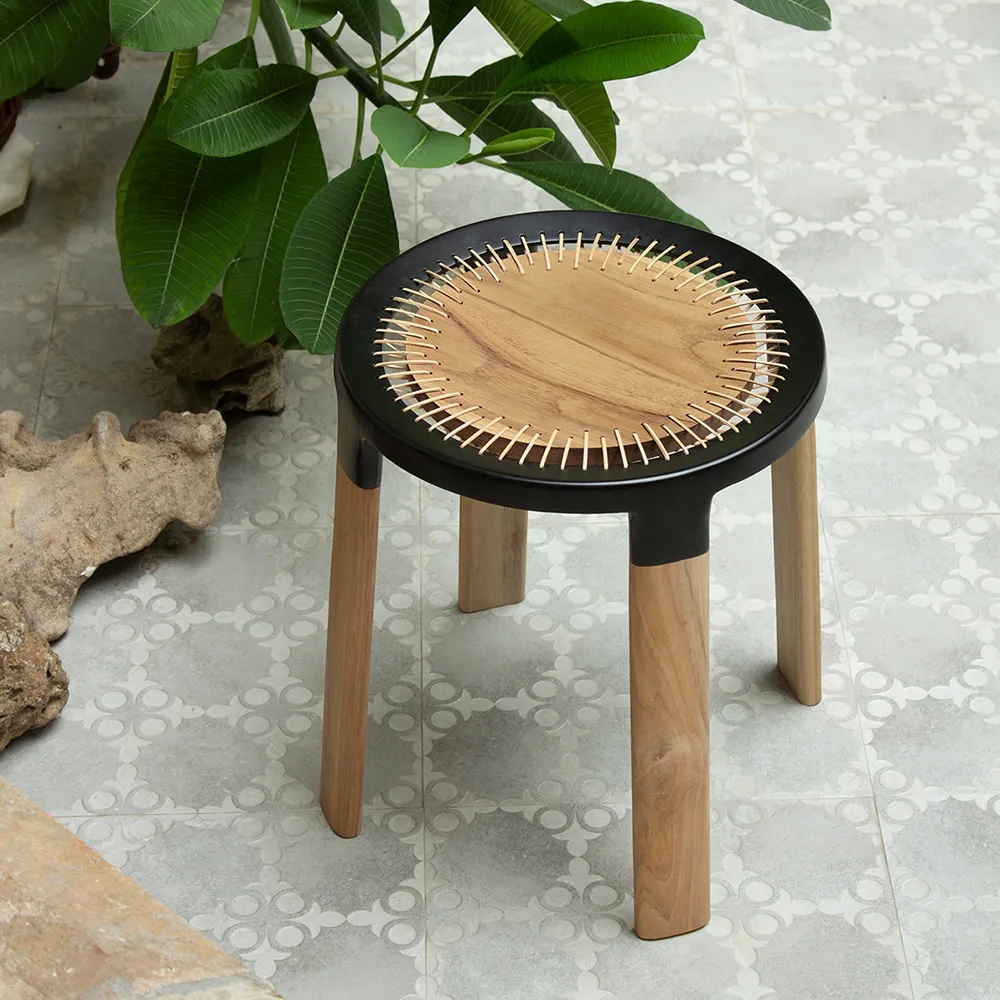
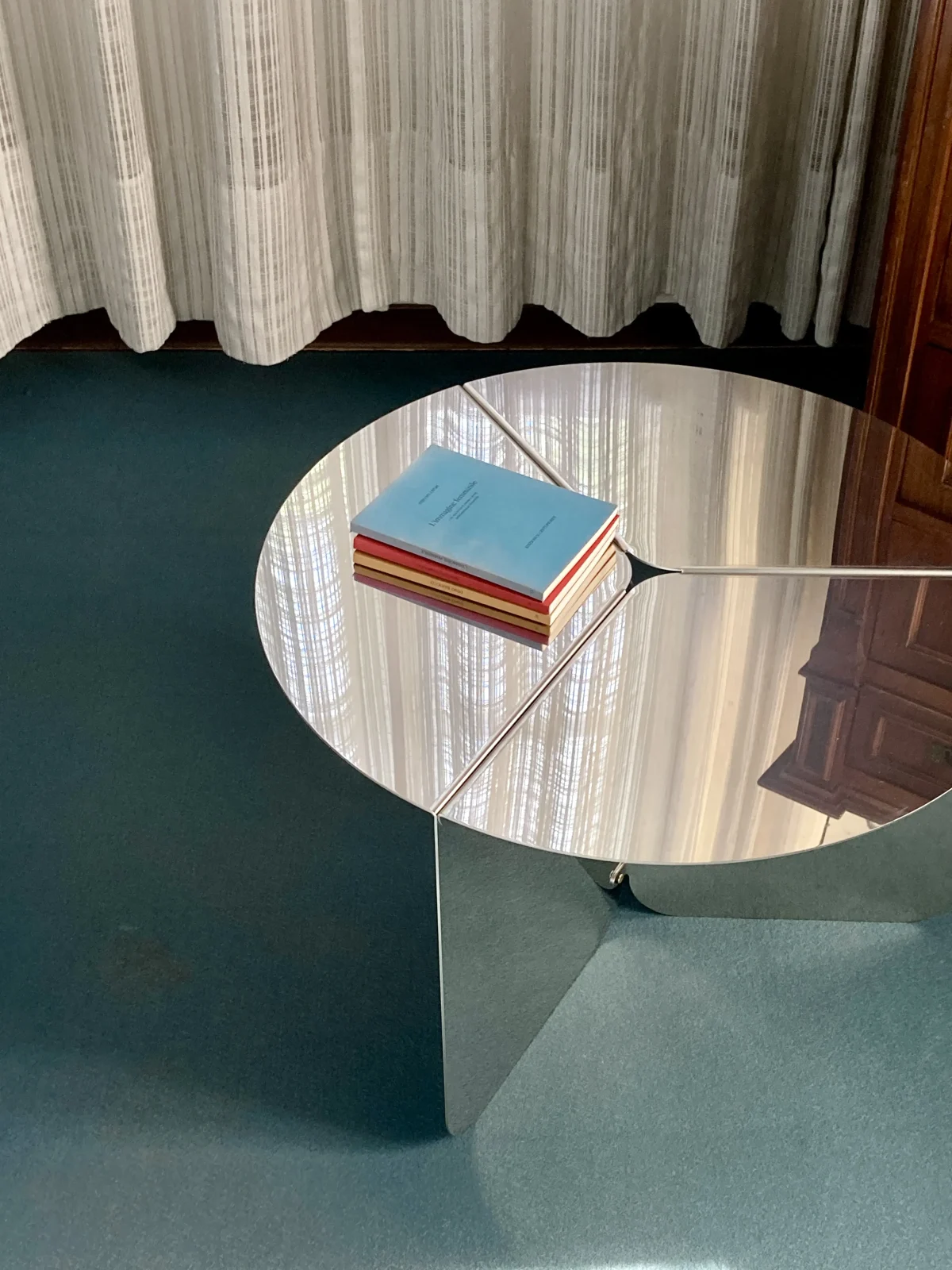
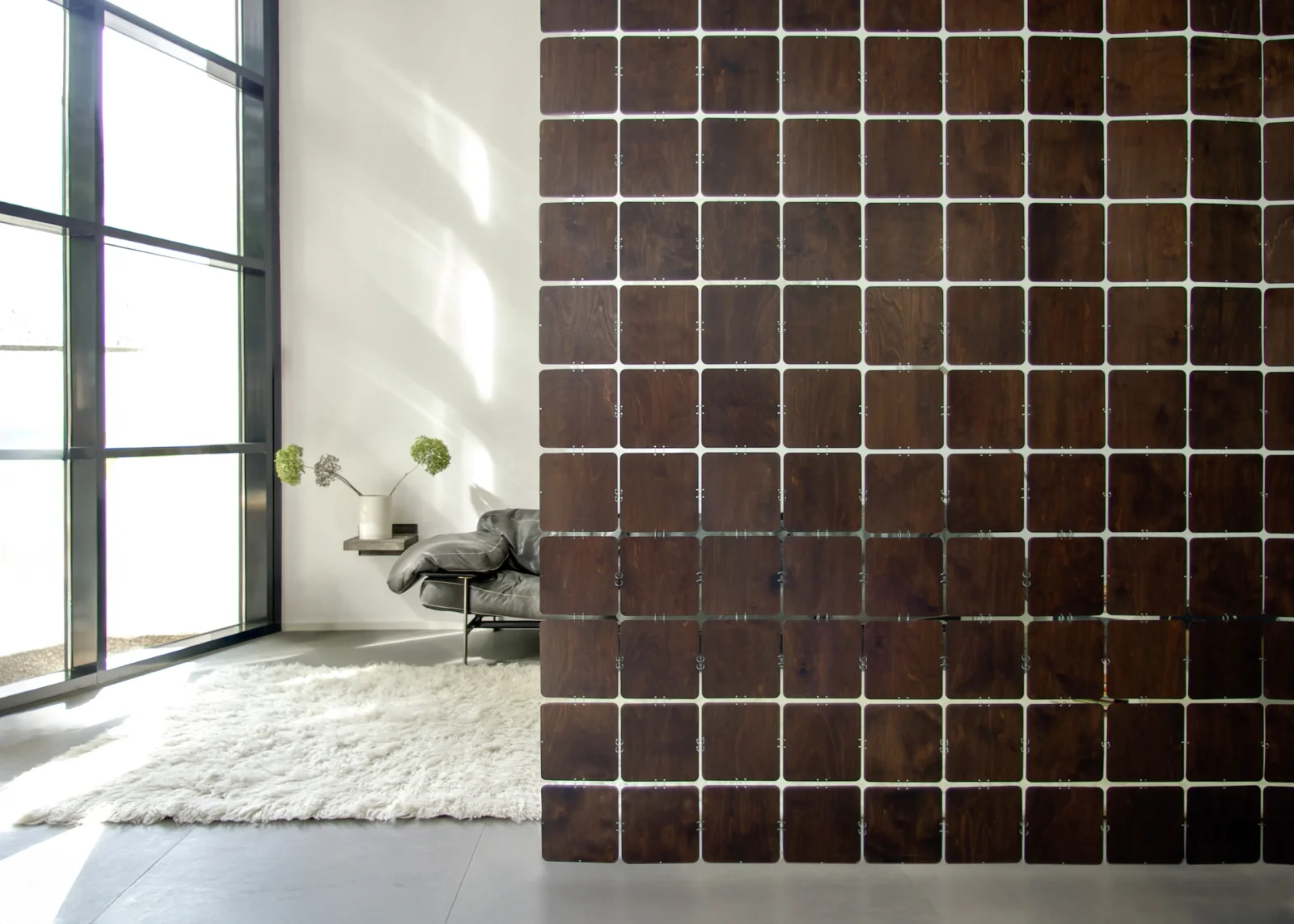
Part of that shift was social as much as aesthetic. Furniture became increasingly accessible through industrial production and mass media, allowing people to participate in design culture through the objects they brought into their homes. So it makes sense that, if my suspicion is correct, Mid Century Modern sits close to the point where people began associating interior design styles less with buildings and more with furniture and objects within a room.
Interior Design Styles Today
Today, that separation feels almost natural. Styles move easily between architecture and interiors, and just as easily between each other. There are countless design languages in circulation, and most spaces draw from several at once, combining references into something more specific. It is possible to build a room that holds multiple influences without losing clarity, as long as the underlying decisions remain intentional.
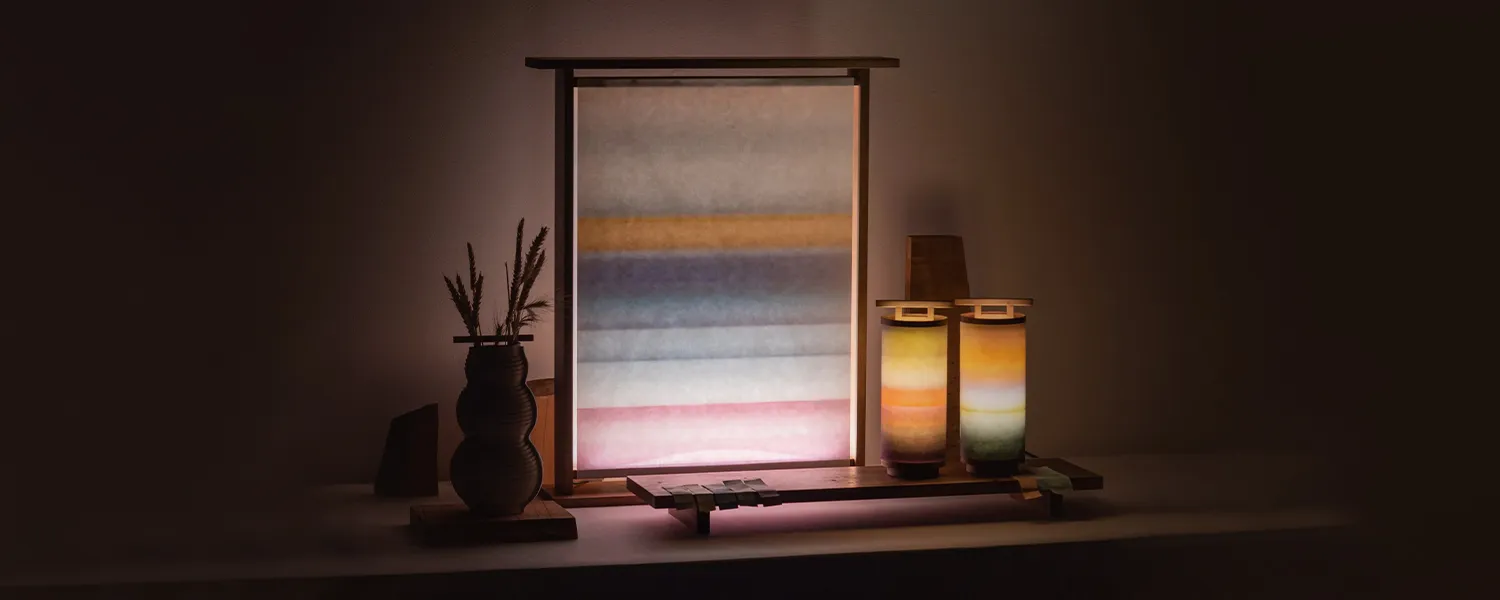
With that in mind, we are focusing on four styles continuing to generate strong interest right now. Mid Century Modern and Art Deco remain deeply established reference points, while Boho and Industrial perhaps could not feel more different from one another, yet both continue to see enormous popularity in contemporary interiors. One leans heavily into layering, texture, and collected atmosphere, while the other embraces exposed structure, utility, and raw material. Together, the four styles offer a useful cross section of how interiors are being shaped today.

Four Interior Design Styles the cover the bases
Mid Century Modern
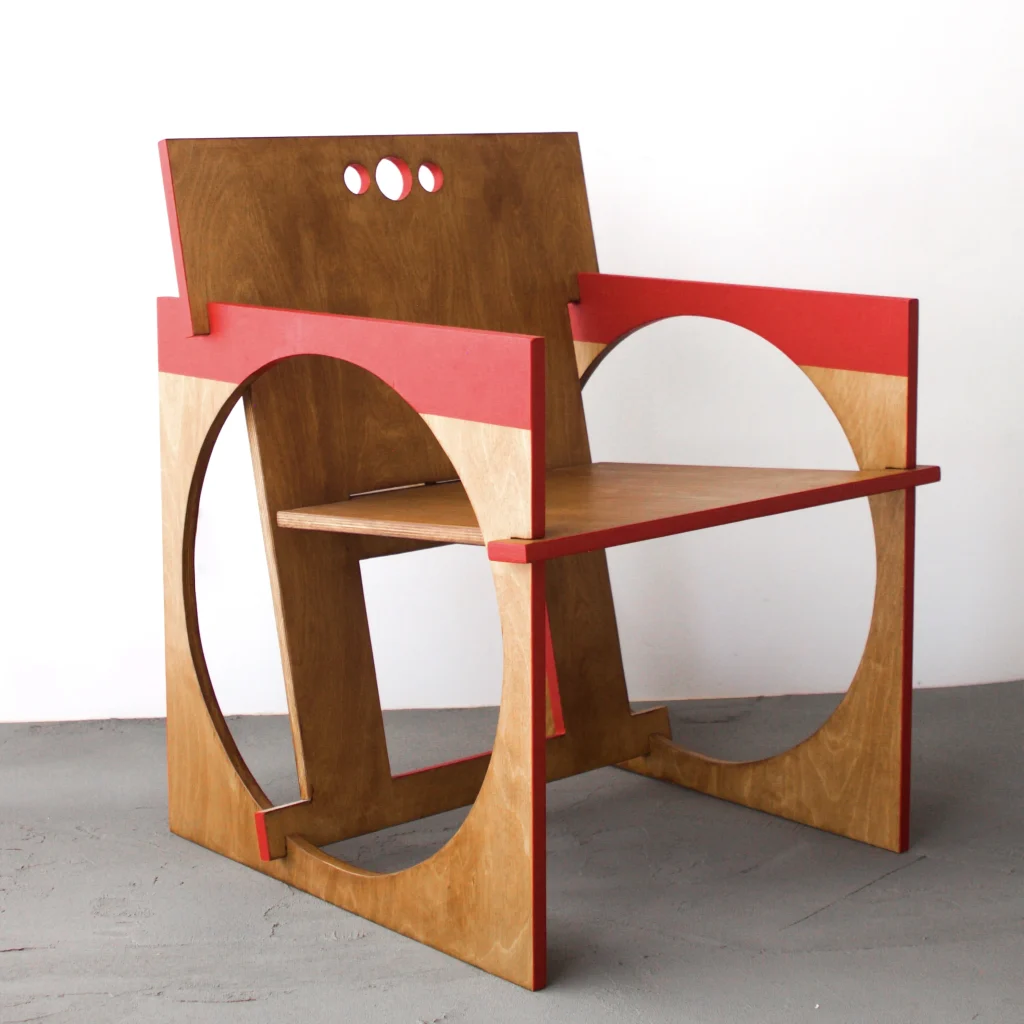
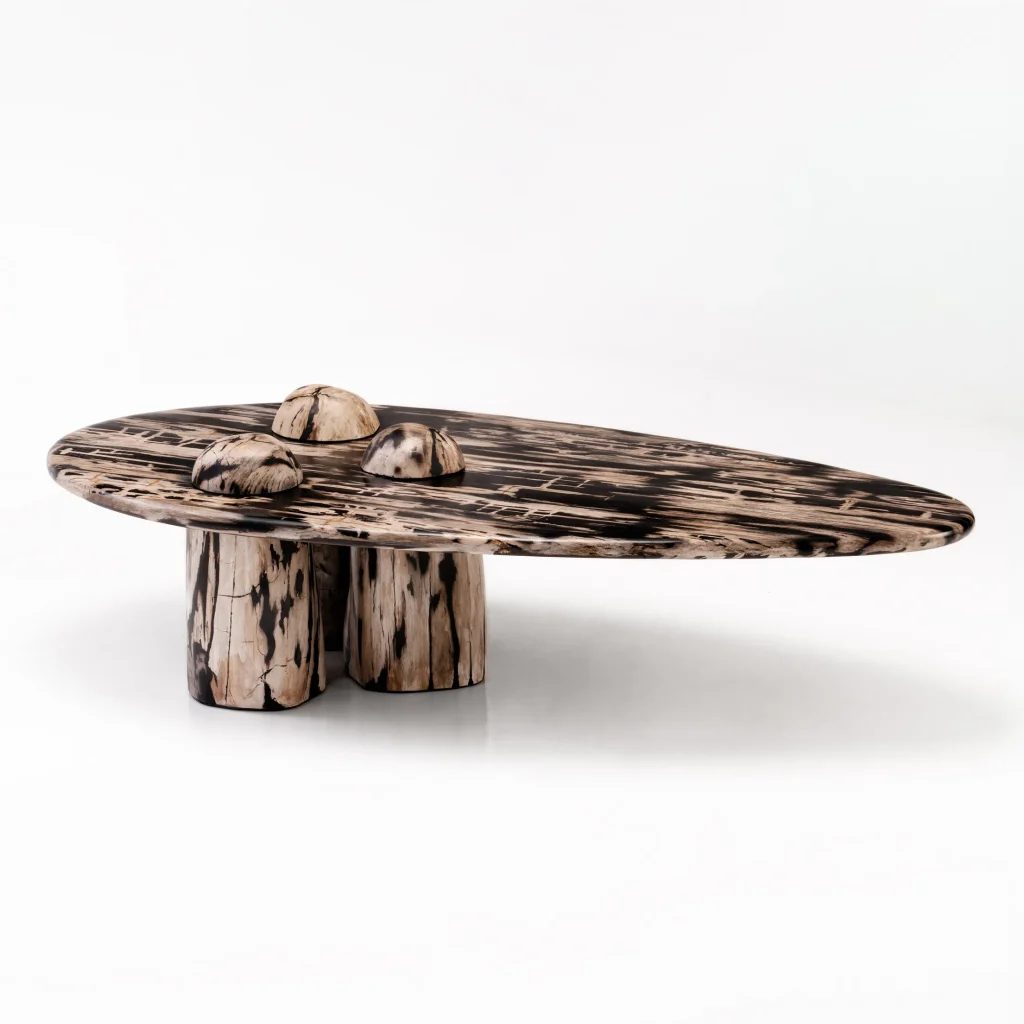
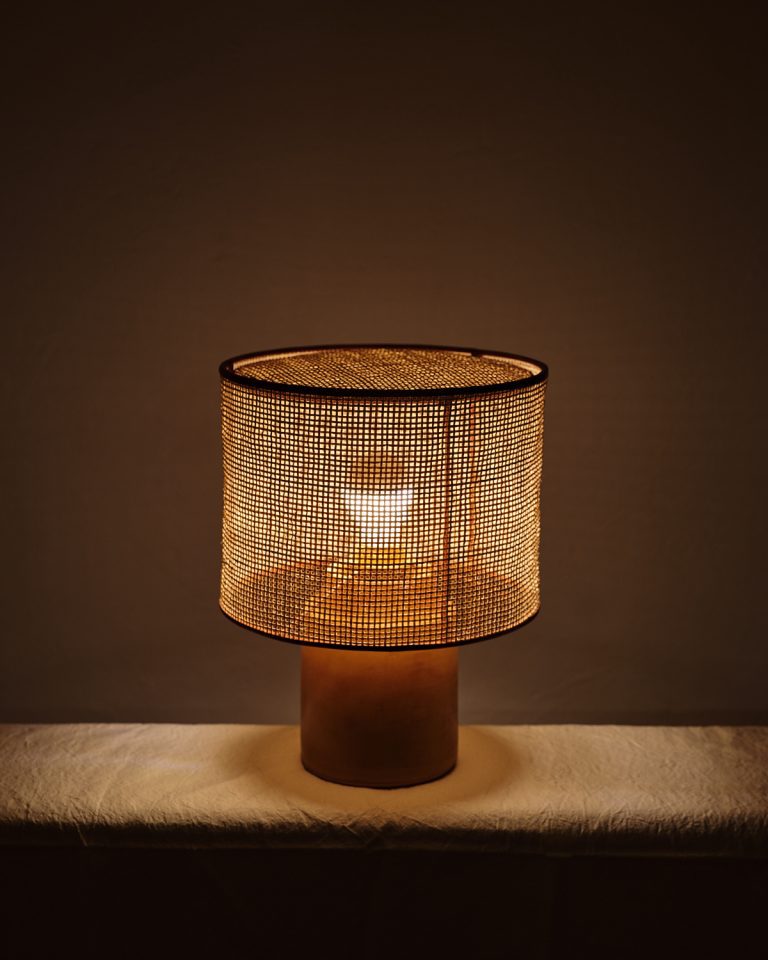
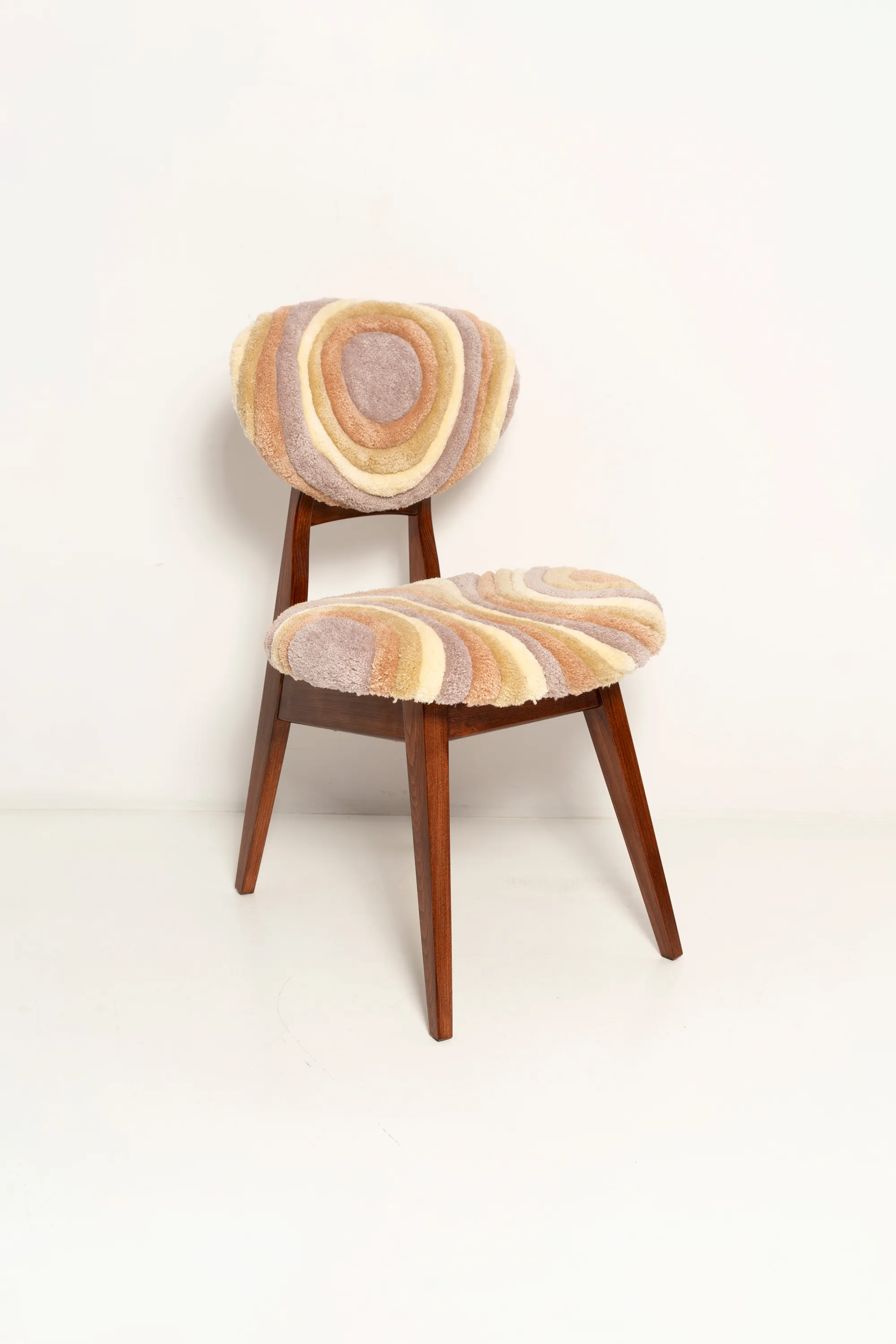
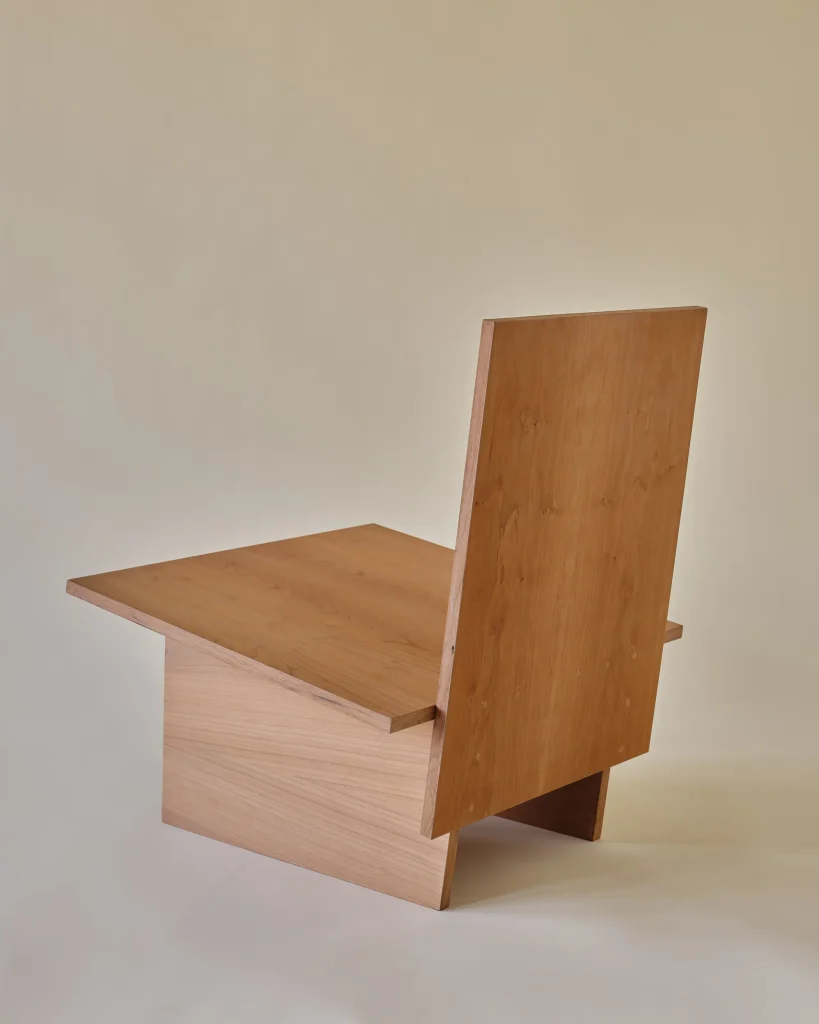
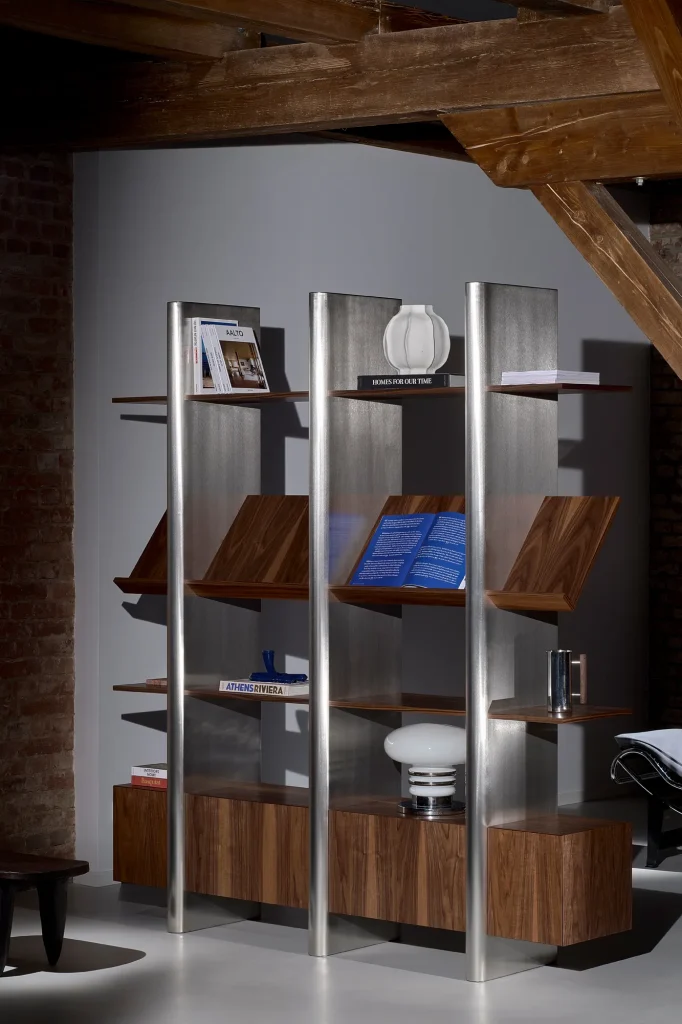
Mid Century Modern interior design still carries a high level of authority, perhaps because so much of contemporary interior design still borrows from it, often without realizing. The style emerged during a period deeply focused on rethinking domestic life after the war, with interiors increasingly designed around openness, efficiency, and everyday use. Wood, particularly walnut and teak, became central to the style, often paired with leather, chrome, glass, or newly industrial materials. Even today, the language remains deeply familiar, curved lounge chairs, modular shelving, tapered legs, sculptural lighting, because so much of contemporary design still traces back to this moment.
Art Deco
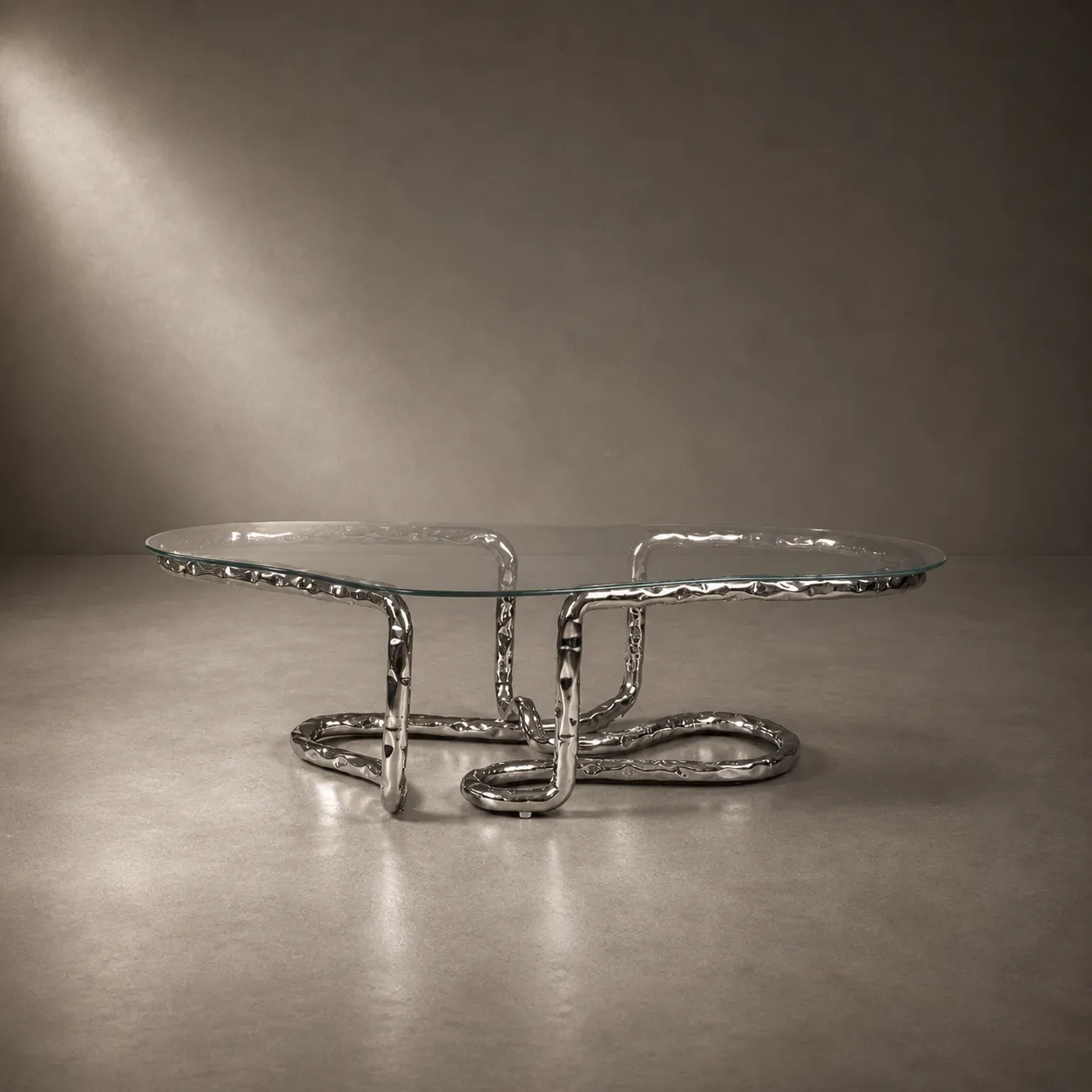
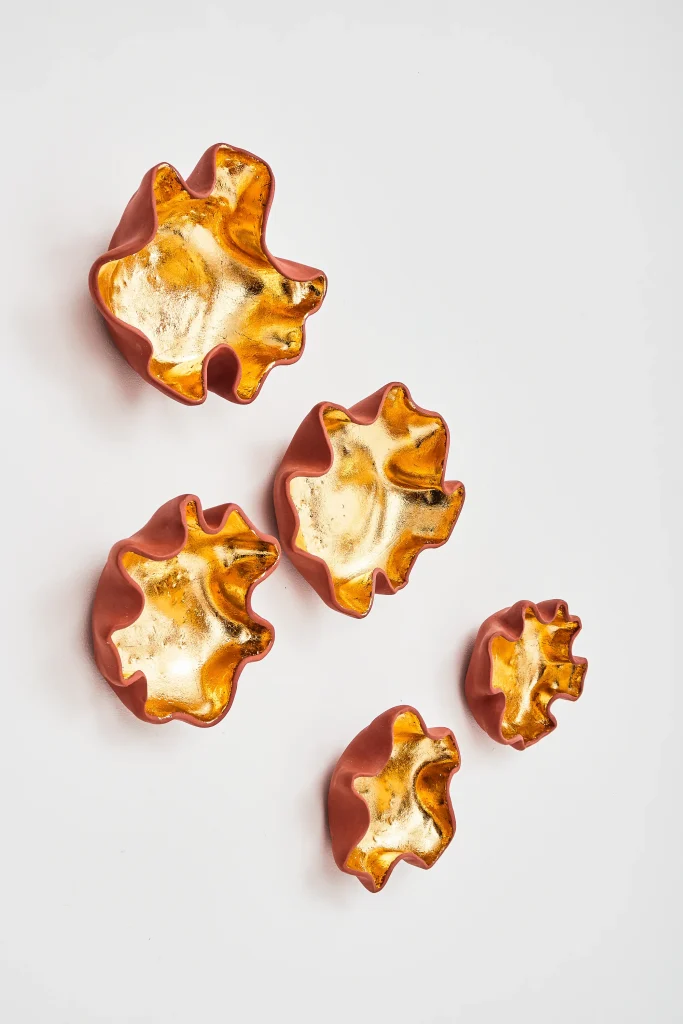
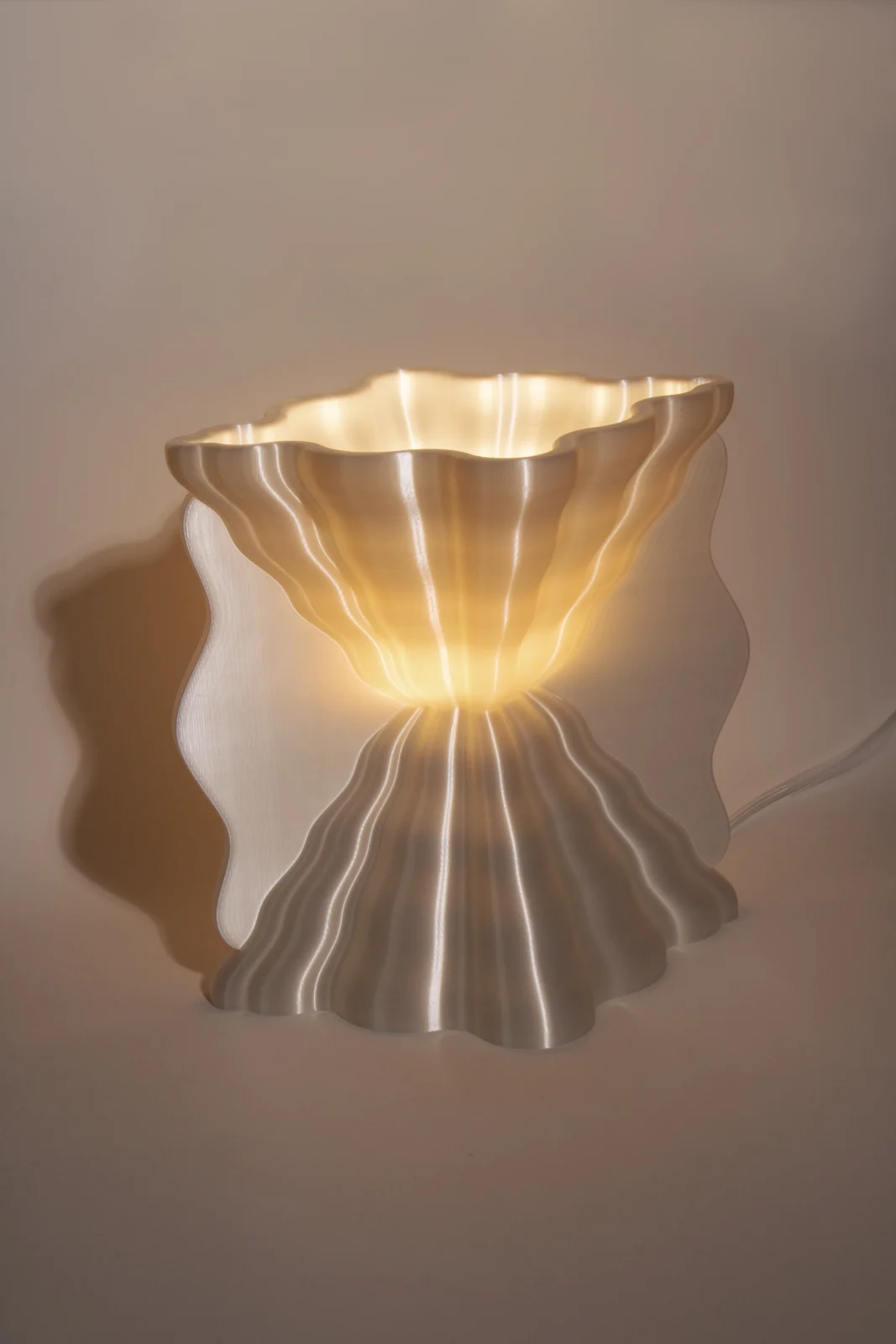
Art Deco interior design approaches space very differently. Where Mid Century Modern often aims for clarity and restraint, Art Deco embraces composition, geometry, polish, and romanticism. Emerging just before Mid Century Modern, across the 1920s and 30s, the style reflected a world captivated by industrial progress, luxury, travel, and modernity itself, though still closely tied to exclusivity and display rather than the broader accessibility that would later define much of Mid Century Modern design.
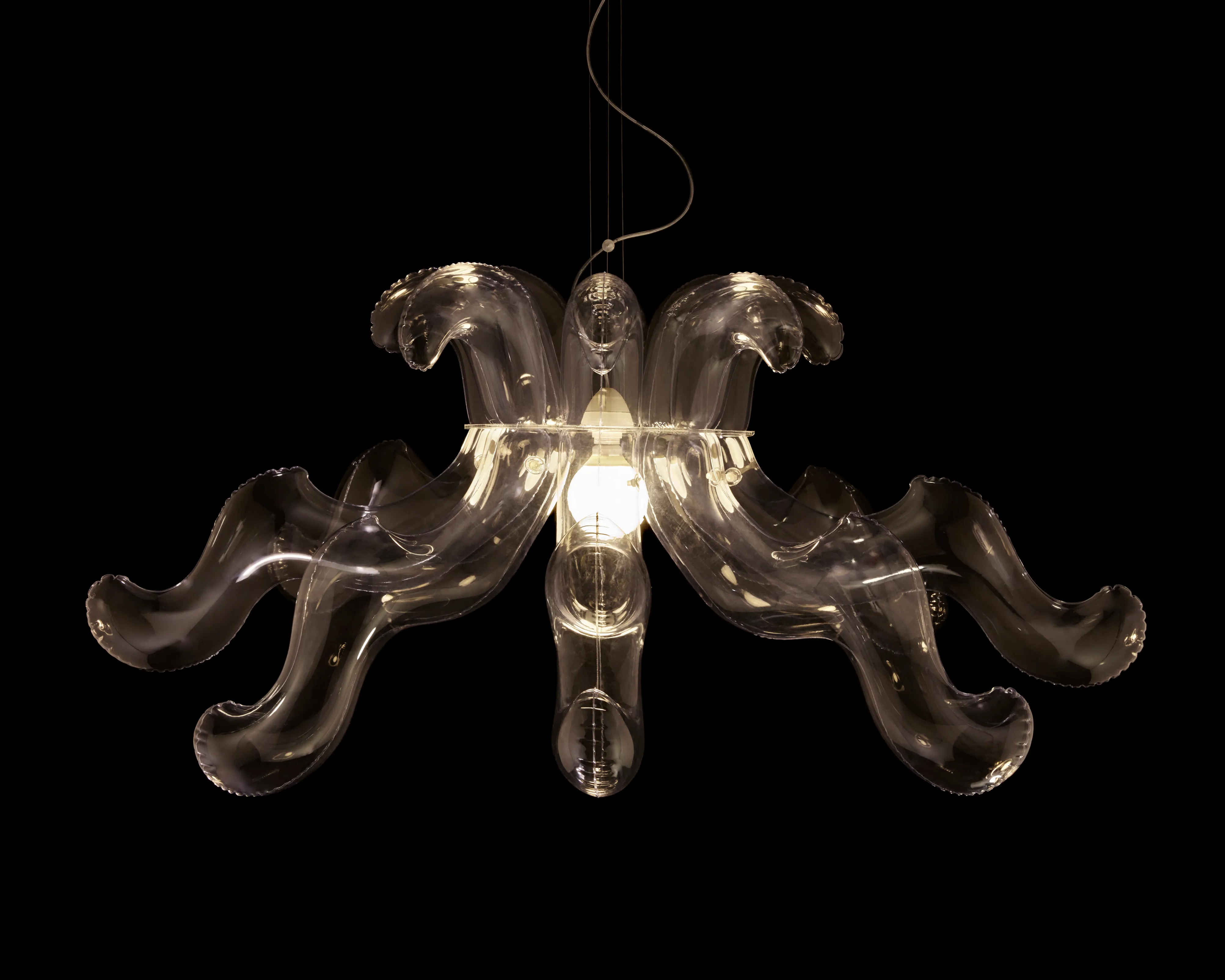
Interiors became opportunities for visual drama, rich materials, mirrored surfaces, lacquer, marble, velvet, brass, all arranged with deliberate symmetry and precision. In current interiors, Art Deco often returns through lighting, curved upholstery, geometric detailing, smoked glass, and metallic finishes, particularly in spaces looking for glamour without complete maximalism.
Boho
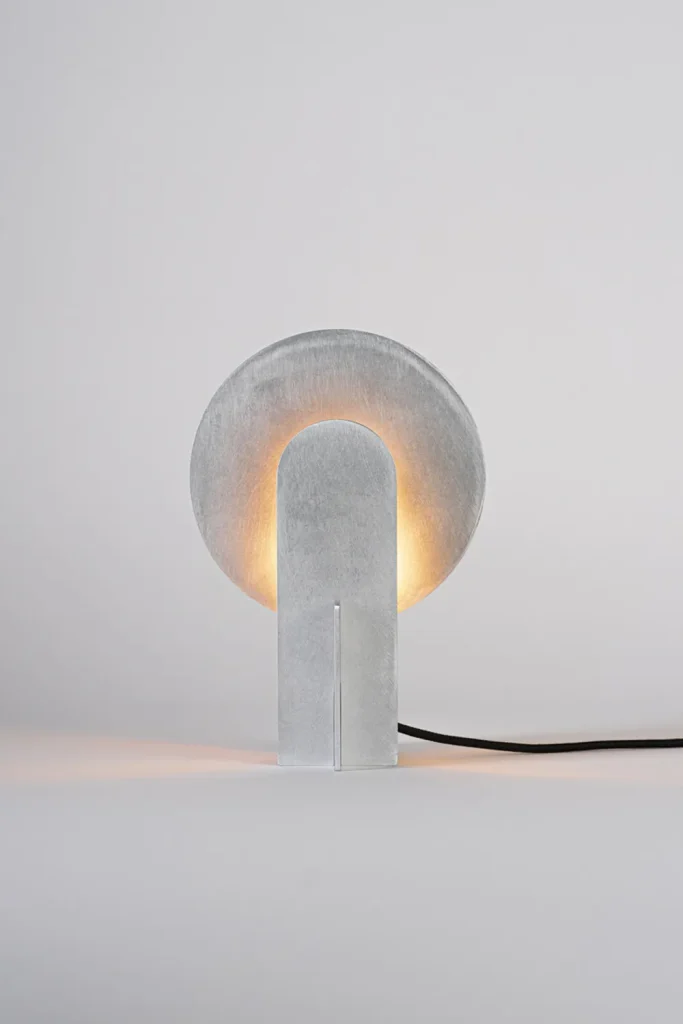
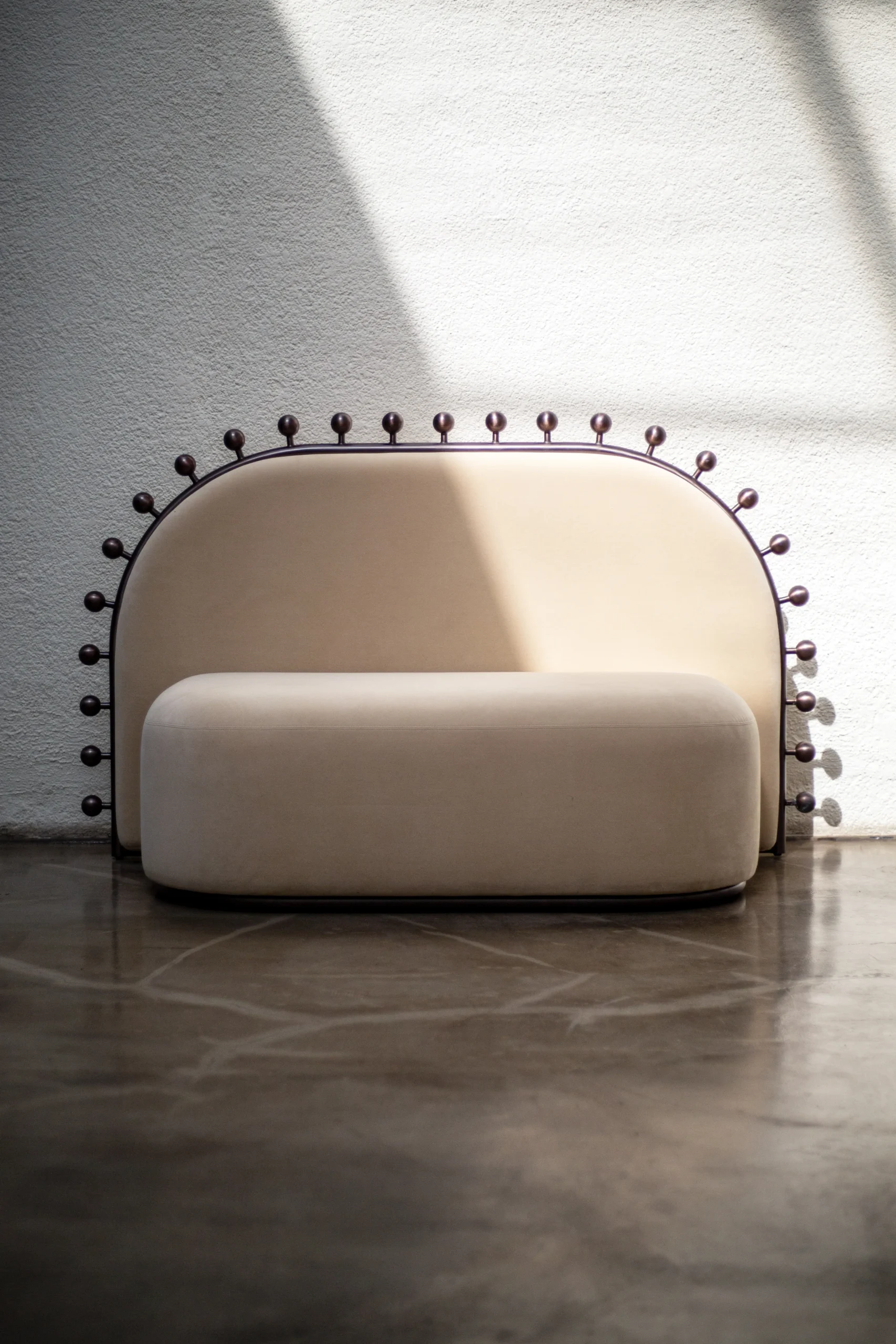
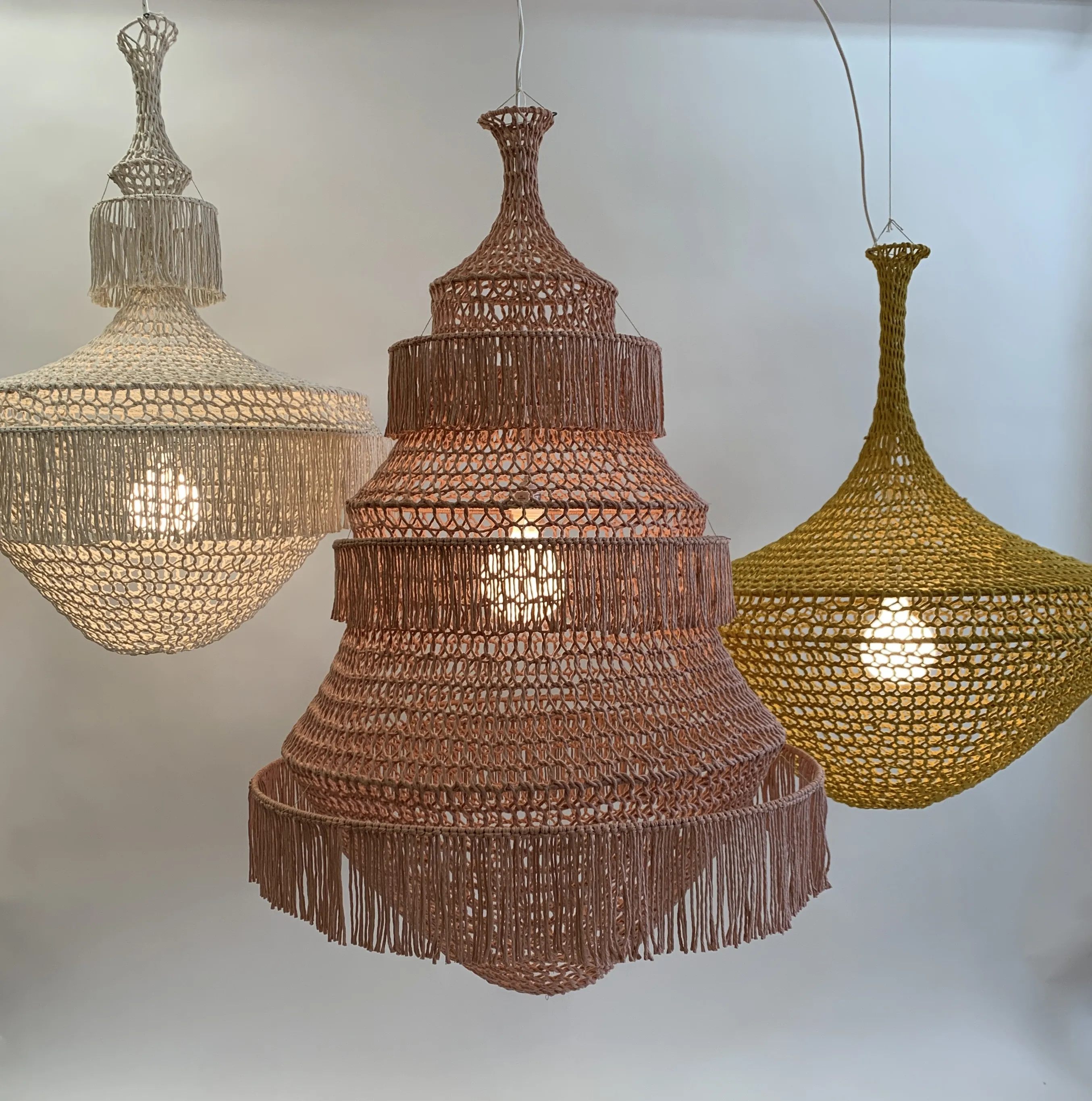
Boho interior design almost resists definition by nature. Unlike styles built around strict visual rules or architectural systems, boho interiors tend to grow through accumulation, layered textiles, vintage furniture, handmade objects, books, ceramics, woven materials, collected pieces that feel tied to personal experience rather than a singular design doctrine. The style has roots in earlier bohemian movements associated with artists, writers, and countercultural lifestyles, though contemporary boho interiors often pull just as heavily from global craft traditions, 1970s interiors, and increasingly, the internet itself.
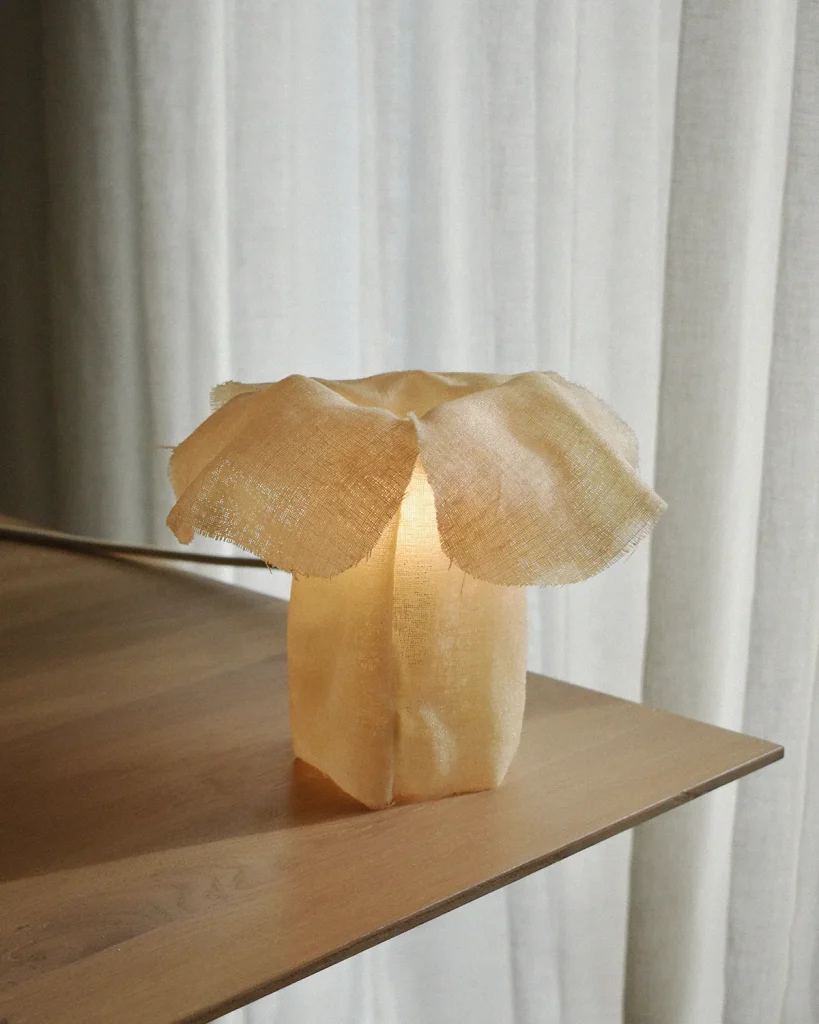
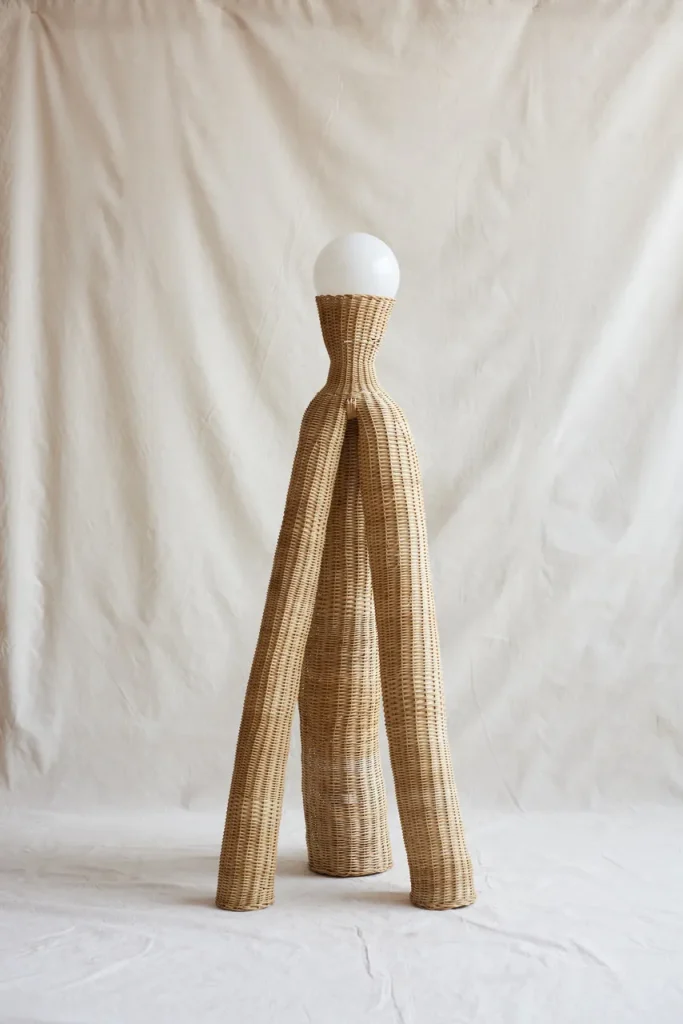

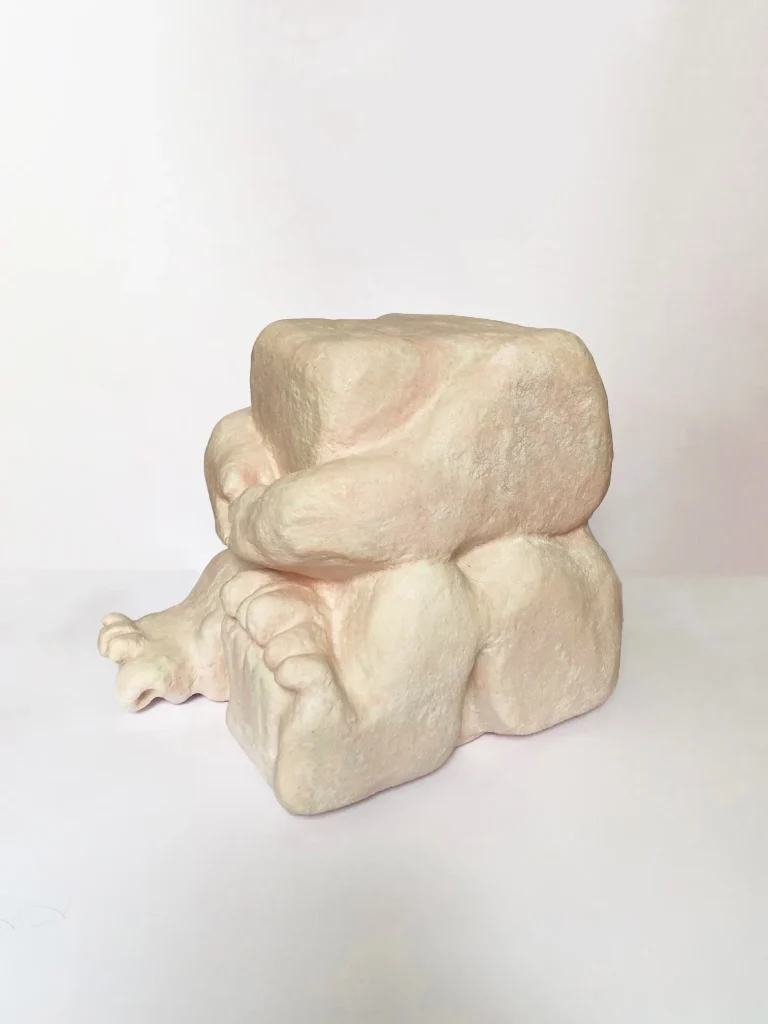
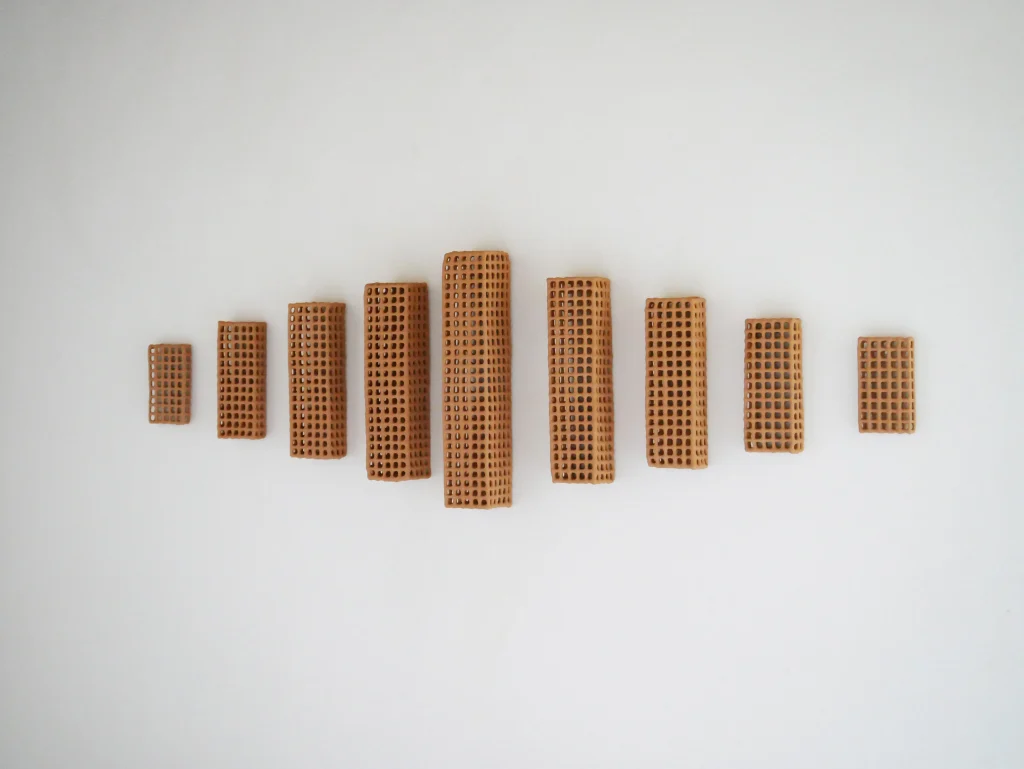
Its continued popularity likely says something larger about the current moment. As interiors become increasingly polished, digitized, and visually uniform, there is growing appeal in spaces that feel relaxed, individual, and visibly lived in. Boho also adapts unusually well alongside other interior design styles, moving easily between Mediterranean interiors, vintage spaces, Mid Century Modern furniture, or even more minimal environments. That flexibility is part of what keeps it so widely appealing.
Industrial
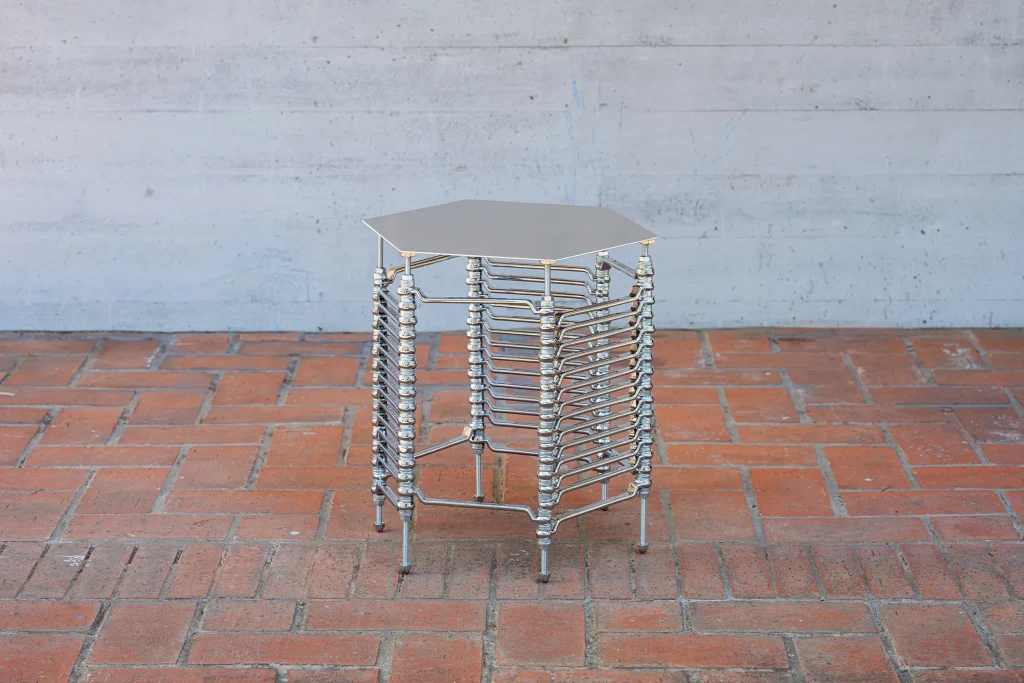
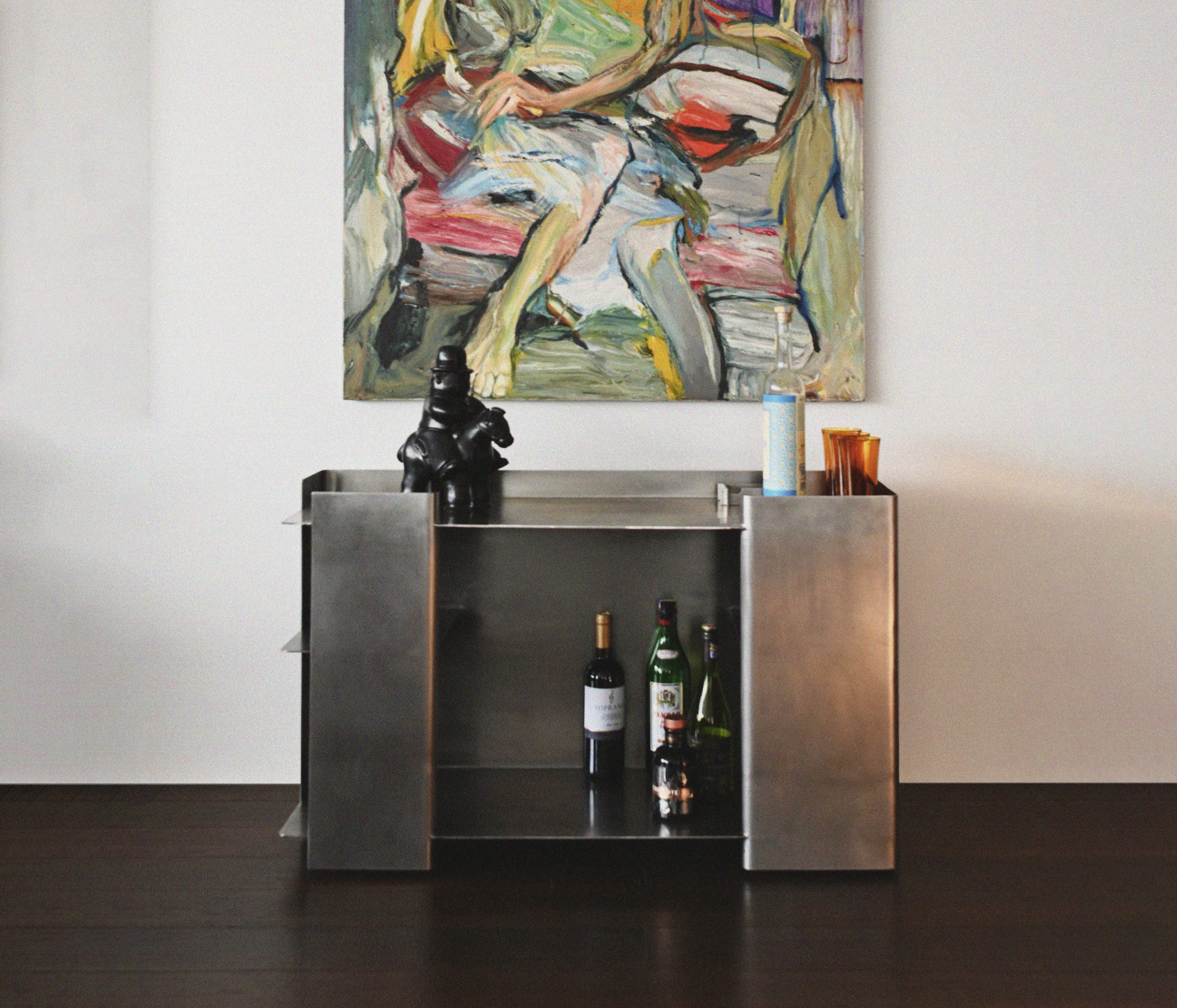
In stark contrast to boho style, industrial interior design emerged through conversion as much as intention. Former warehouses, factories, and workshops became living spaces, particularly across cities like New York and London, where exposed brick, steel beams, concrete floors, visible pipes, and oversized factory windows shifted from purely functional elements into aesthetic language.


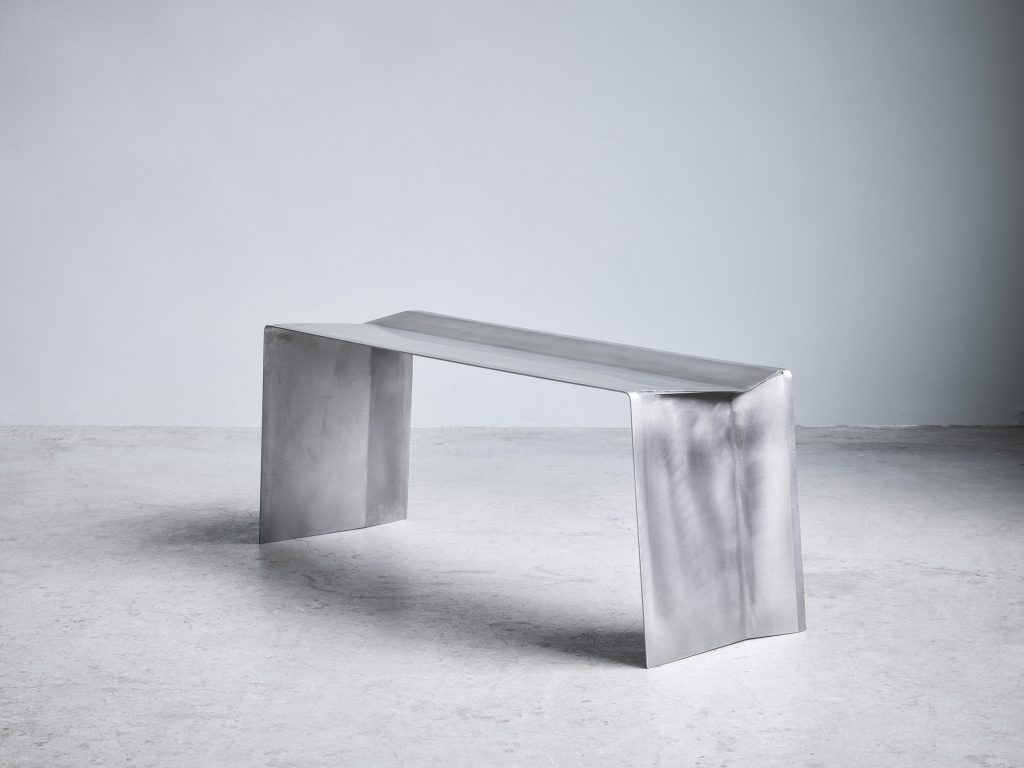
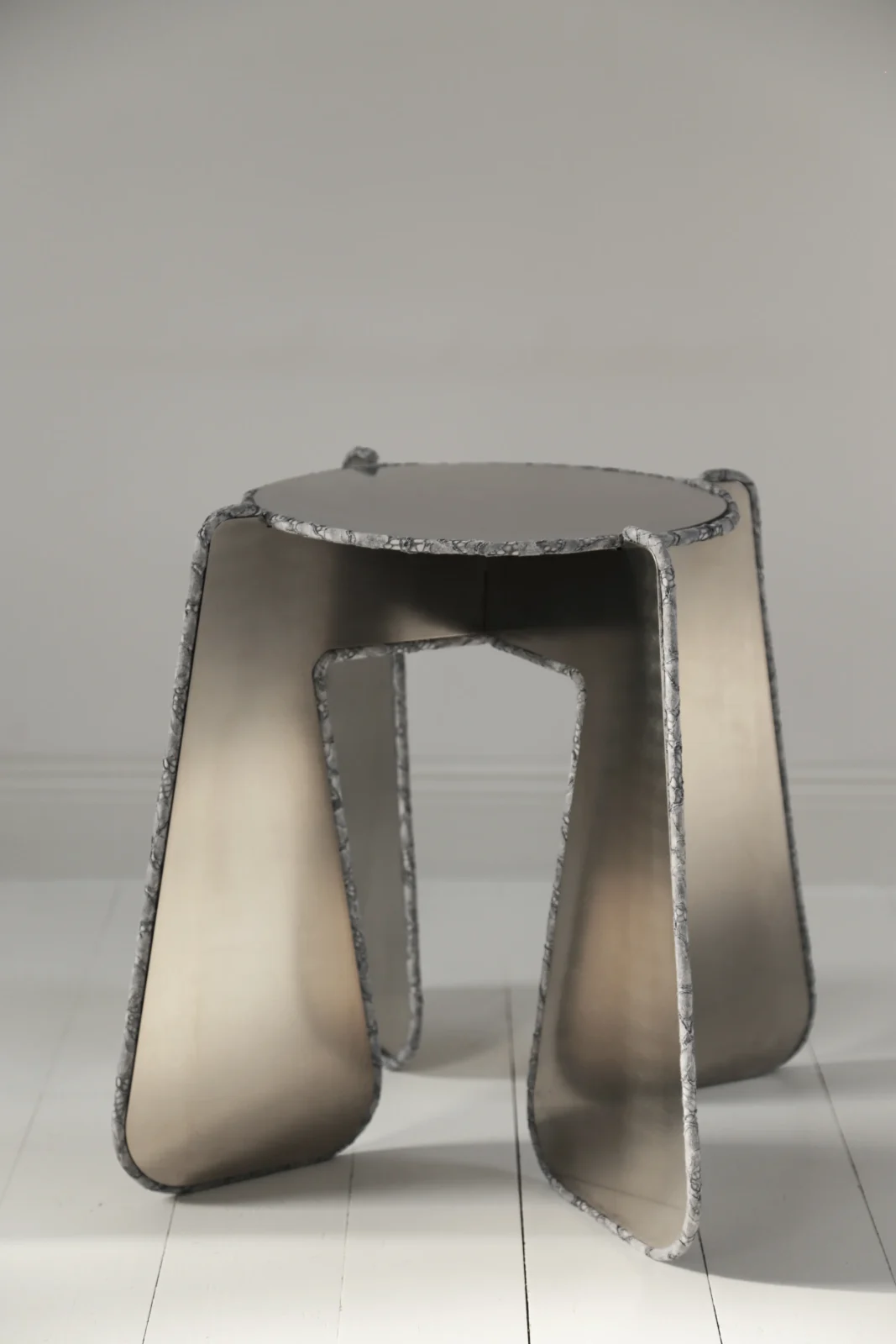
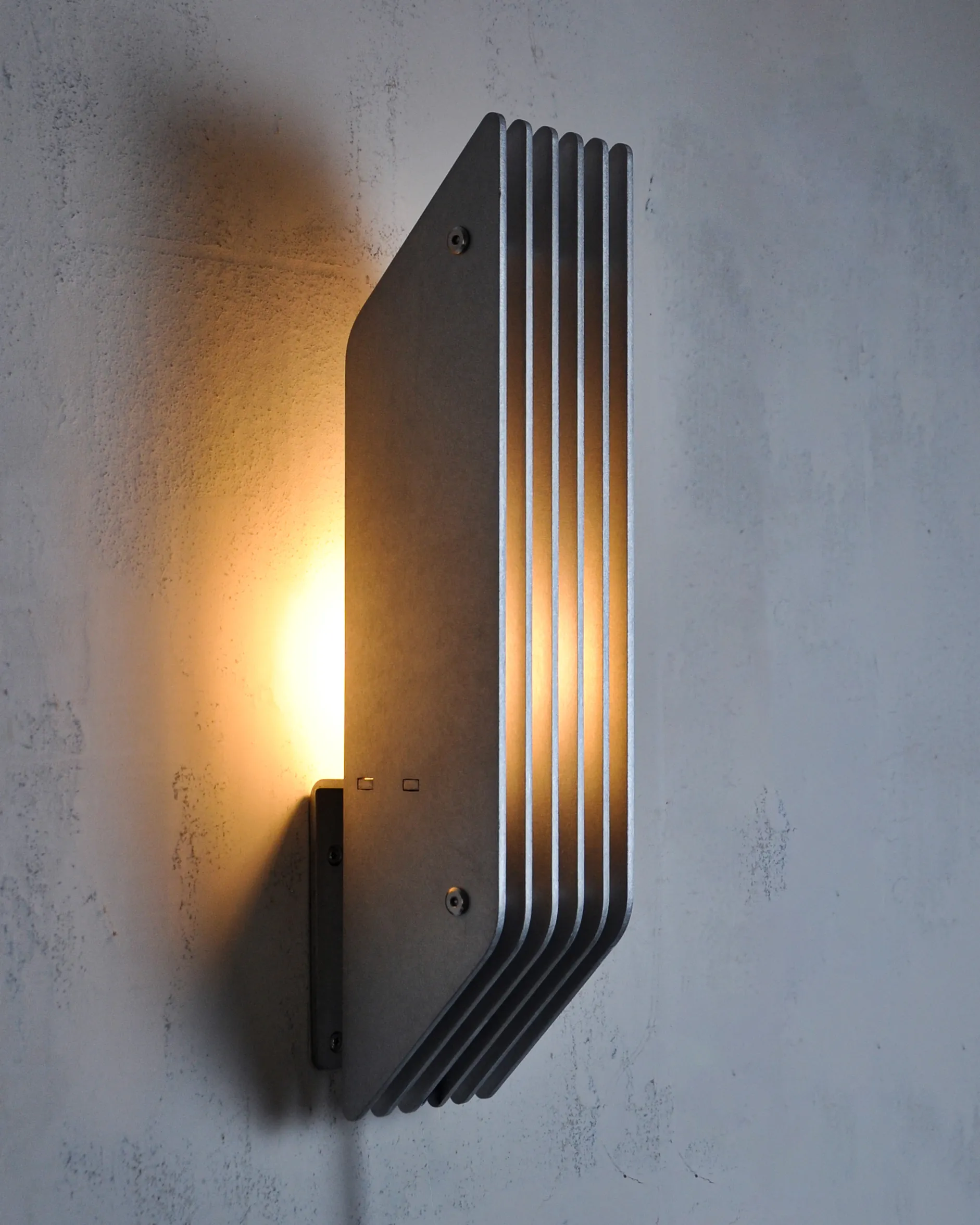
Part of the style’s continued popularity comes from its directness. Industrial interiors rarely disguise what a material is or how a space functions. Steel remains steel, concrete remains concrete, wear and age often left visible rather than polished away. Contemporary interpretations have softened considerably from earlier loft-like origins, introducing warmer woods, vintage furniture, layered textiles, and softer lighting to balance the rigidity of raw materials. That tension between roughness and comfort is much of what keeps the style relevant today.

Interior design styles rarely remain fixed. They overlap, soften, sharpen, and continually absorb elements from one another as the way we live changes around them. Perhaps that is why these four styles continue to hold attention today, each offering a distinct way of shaping atmosphere, identity, and daily life within a space.
Products by Tag
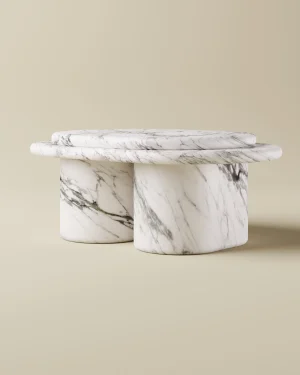
Element Coffee Table in Carrara, Black Marble and Onyx
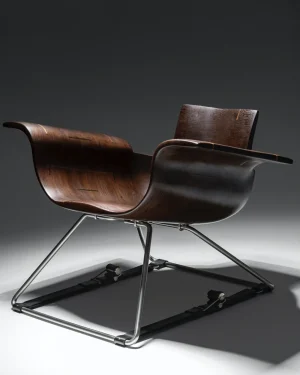
Roadster Armchair with Footstool
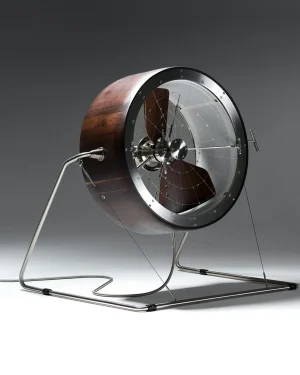
Jazz Fan
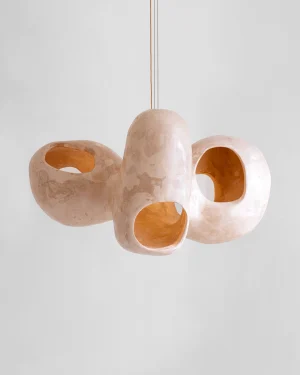
Bosei Chandelier in Gypsum
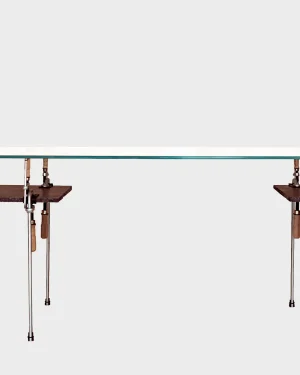
Temporal Exercise 2 Desk in Steel and Marble
Hostile Slidable Bench
Element Console Table in Bronze, MDF and Epoxy

Element V Coffee Table in Bronze, MDF and Epoxy
Pop Story Console Table in Engraved Mirrored Glass
Contourage Console Table in Quartz Sand

Element Coffee Table in Bronze, MDF and Epoxy

Abrigo Credenza – Handwoven Wood Cylinders/ Cotton Threads
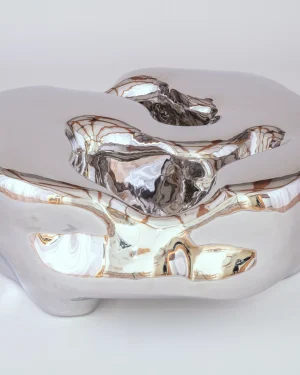
Surface Coffee Table in Mirror-Polished Stainless Steel

O.f.i.s Series, Tubular Armchair
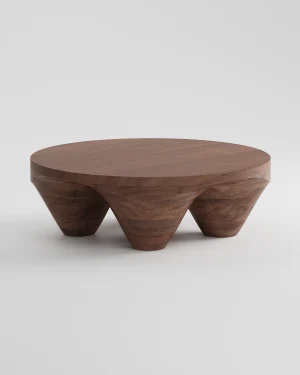
Utterö Coffee Table in Solid Mahogany

L’isola Che Non C’e’ – Sculptural Briarwood Island