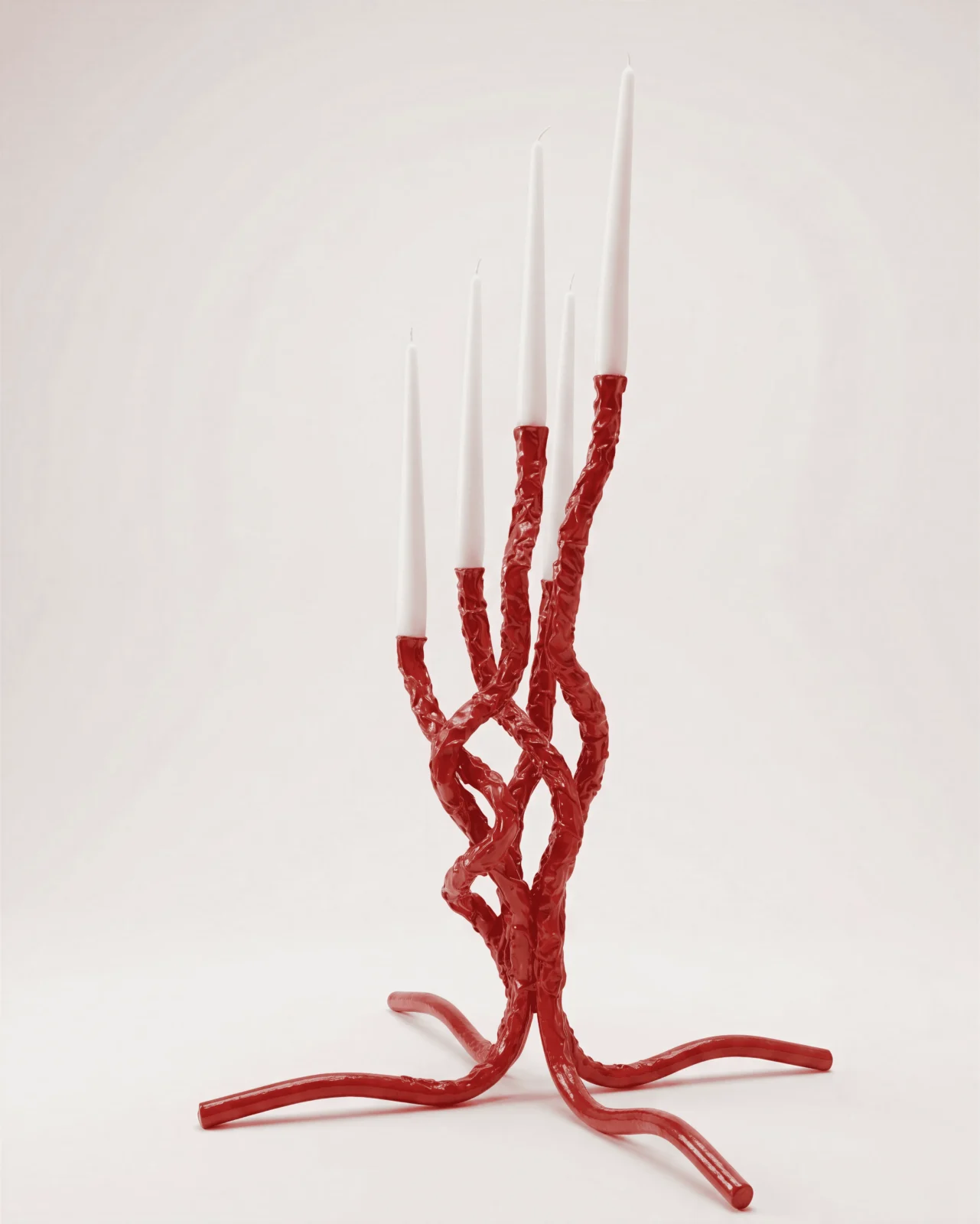
For about twenty years, furniture tried to grow rather than to be built. Then the war came and it stopped.
Art Nouveau is the shortest major movement in design history and the one most people can recognize without being able to name a single maker. The Paris Métro entrances, the lamps with dragonfly wings, the chairs whose legs appear to be stems — these are familiar objects attached to a style that lasted barely two decades and then vanished so completely it took fifty years to be taken seriously again.
This is a guide to reading it: what the movement was arguing for, the six markers that identify a piece, why the regional names all describe the same thing, how to tell it apart from Art Deco, and where its logic survives in furniture being made now. It is not a sales listing — ADORNO is a marketplace for contemporary collectible design, so the pieces shown here are living makers working in a tradition rather than period originals.
What Art Nouveau actually was
Art Nouveau was an international design movement running from roughly 1890 to 1910, defined by organic, asymmetrical forms drawn from plants and the human figure, and by the refusal to separate ornament from structure. It took its name from Maison de l’Art Nouveau, the Paris gallery Siegfried Bing opened in 1895.
The argument underneath it mattered more than the curves. Nineteenth-century furniture had spent decades recycling historical styles — a Gothic sideboard, a Louis XV chair, a Renaissance cabinet, often in the same room. Art Nouveau was the first movement to say that a new century needed forms that had never existed before, and that those forms should come from nature rather than from the past.
It also inherited a conviction from William Morris and the Arts and Crafts movement: that industrial production had degraded everyday objects, and that the fix was the hand of a maker. Consequently Art Nouveau furniture was expensive, slow to produce and available to very few people — which is both why it is beautiful and why it did not survive contact with the twentieth century.
Six markers that identify it
- The whiplash line. A long, asymmetrical curve that accelerates and doubles back on itself, named after Hermann Obrist’s 1895 embroidery Cyclamen, which critics said moved like the crack of a whip. If a single feature identifies the movement, this is it.
- Nature as structure, not decoration. A table leg does not have a vine carved onto it — the leg is the stem. Ornament and load-bearing are the same gesture, which is the deepest idea in the movement.
- Deliberate asymmetry. One side of a cabinet differs from the other. Nineteenth-century furniture was almost always mirrored; Art Nouveau broke that on purpose.
- Motifs from growth and transformation. Lilies, irises, poppies, water plants, insects — dragonflies and moths especially — and women with long flowing hair, which functioned as another kind of line.
- Visible craft. Marquetry in many woods, hand-blown and acid-etched glass, hand-forged iron, enamel, hammered copper. The maker’s hand is meant to be read.
- The total interior. Furniture, lighting, door handles, textiles, wallpaper and the building designed as one scheme. Victor Horta designed his clients’ doorbells.
The regional names all describe the same movement
This is the single most confusing thing about Art Nouveau, and it is a naming problem rather than a design one. The movement spread across Europe quickly and each country called it something different.
- France and Belgium — Art Nouveau. Two French centers: Nancy, led by Émile Gallé and Louis Majorelle, working in marquetry and glass; and Paris, where Hector Guimard designed the Métro entrances.
- Germany — Jugendstil. After Die Jugend, a Munich magazine. Tends toward flatter, more graphic forms than the French version.
- Austria — Secession, or Sezessionsstil. The Vienna Secession under Josef Hoffmann and Koloman Moser moved quickly toward grids and squares, making it the most geometric branch and a direct ancestor of modernism.
- Catalonia — Modernisme. Antoni Gaudí’s furniture for Casa Batlló and Casa Milà is the most sculptural work the movement produced.
- Italy — Stile Liberty or Stile Floreale. Named after London’s Liberty department store, which is how the style arrived.
- Scotland — the Glasgow School. Charles Rennie Mackintosh’s extreme vertical chairs sit at the austere end and influenced Vienna heavily.
- United States — Tiffany style. Louis Comfort Tiffany’s leaded glass is the American contribution, more in lighting than furniture.
Consequently a Jugendstil cabinet and an Art Nouveau cabinet are the same category of object. The differences between Nancy and Vienna are real, but they are regional accents rather than separate movements.
The line that does the work
Everything in Art Nouveau follows from one decision: that a line should look like it is moving. A straight line states a fact; a whiplash curve describes a growth that has not finished. Furniture built this way reads as caught mid-gesture rather than resolved.
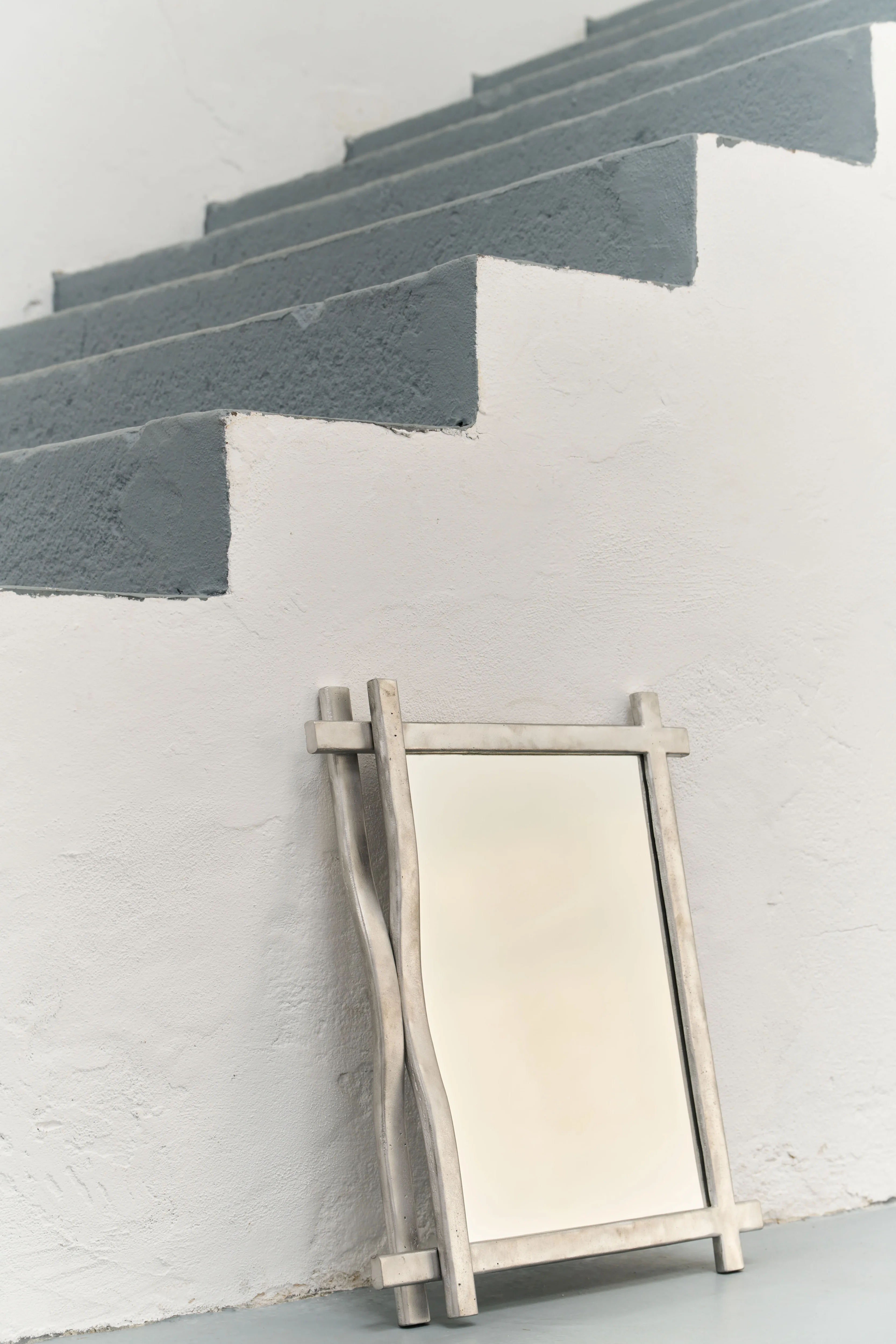
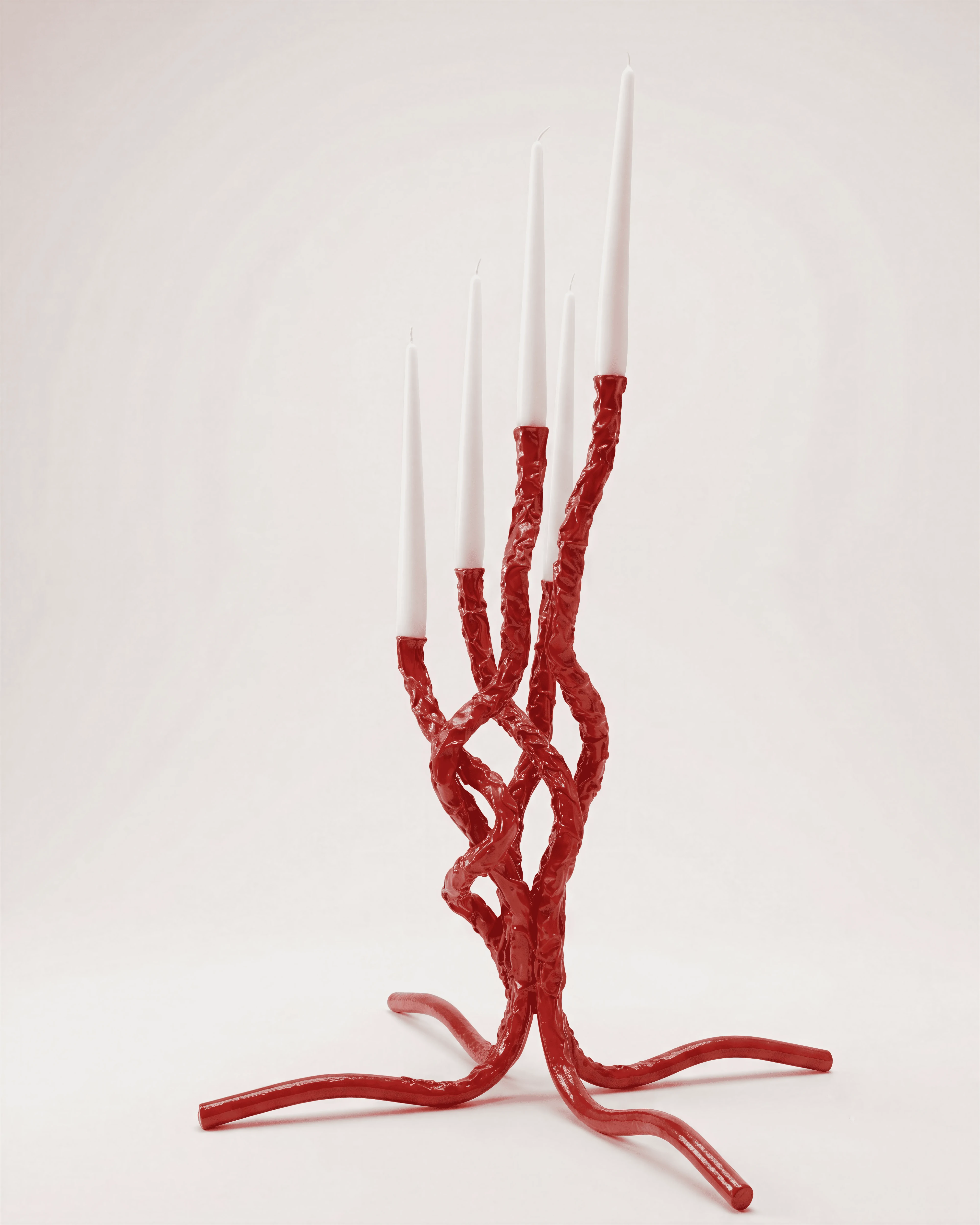
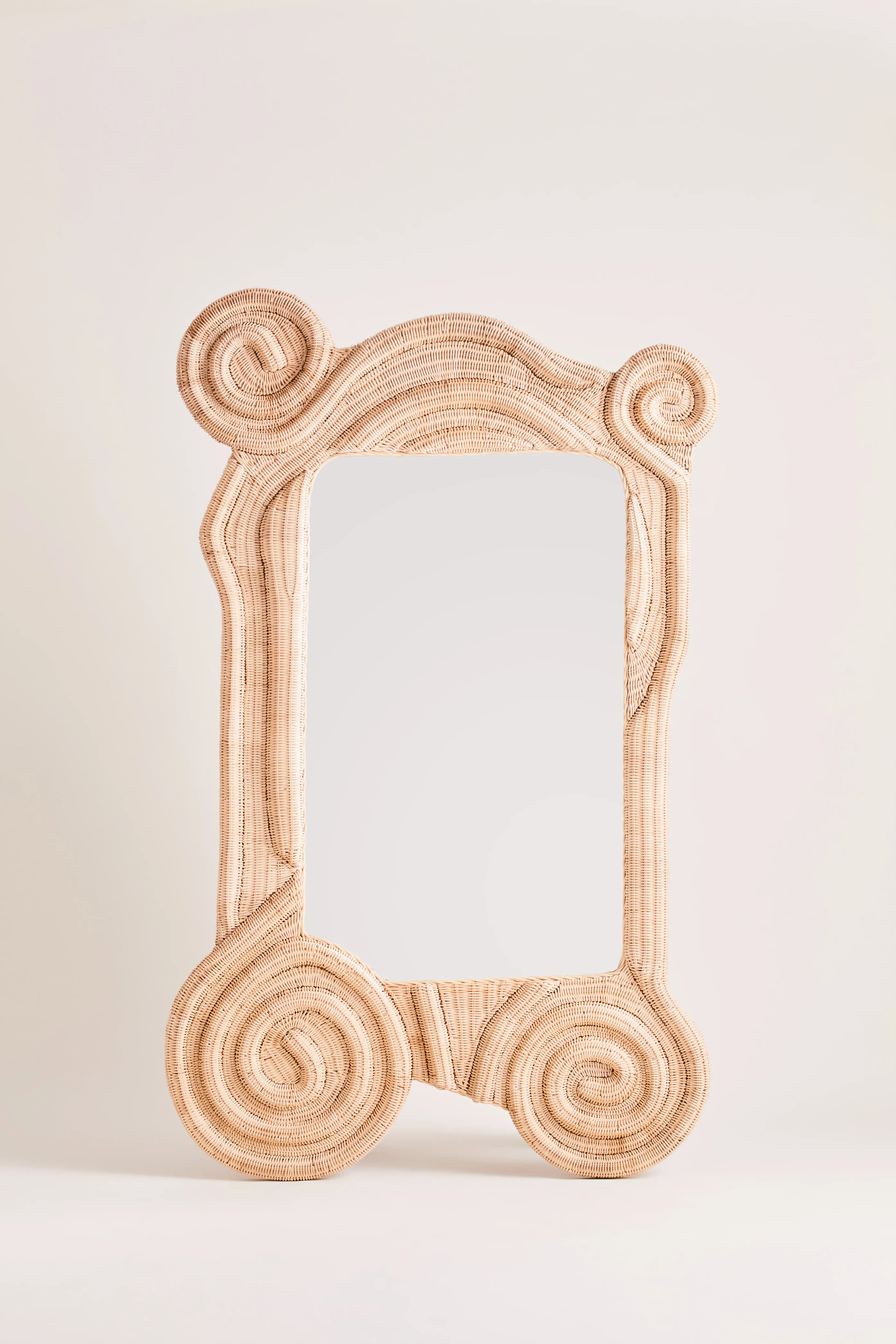
The same logic turns up constantly in contemporary studio work, usually without the floral vocabulary attached. A cast metal frame built from intertwining lines, a candleholder that branches like a root system, a forged iron piece whose structure reads as veins — these are Art Nouveau arguments made in a modern register. Furthermore, they tend to come from the same production conditions: one maker, one object, no mold.

Nature as structure
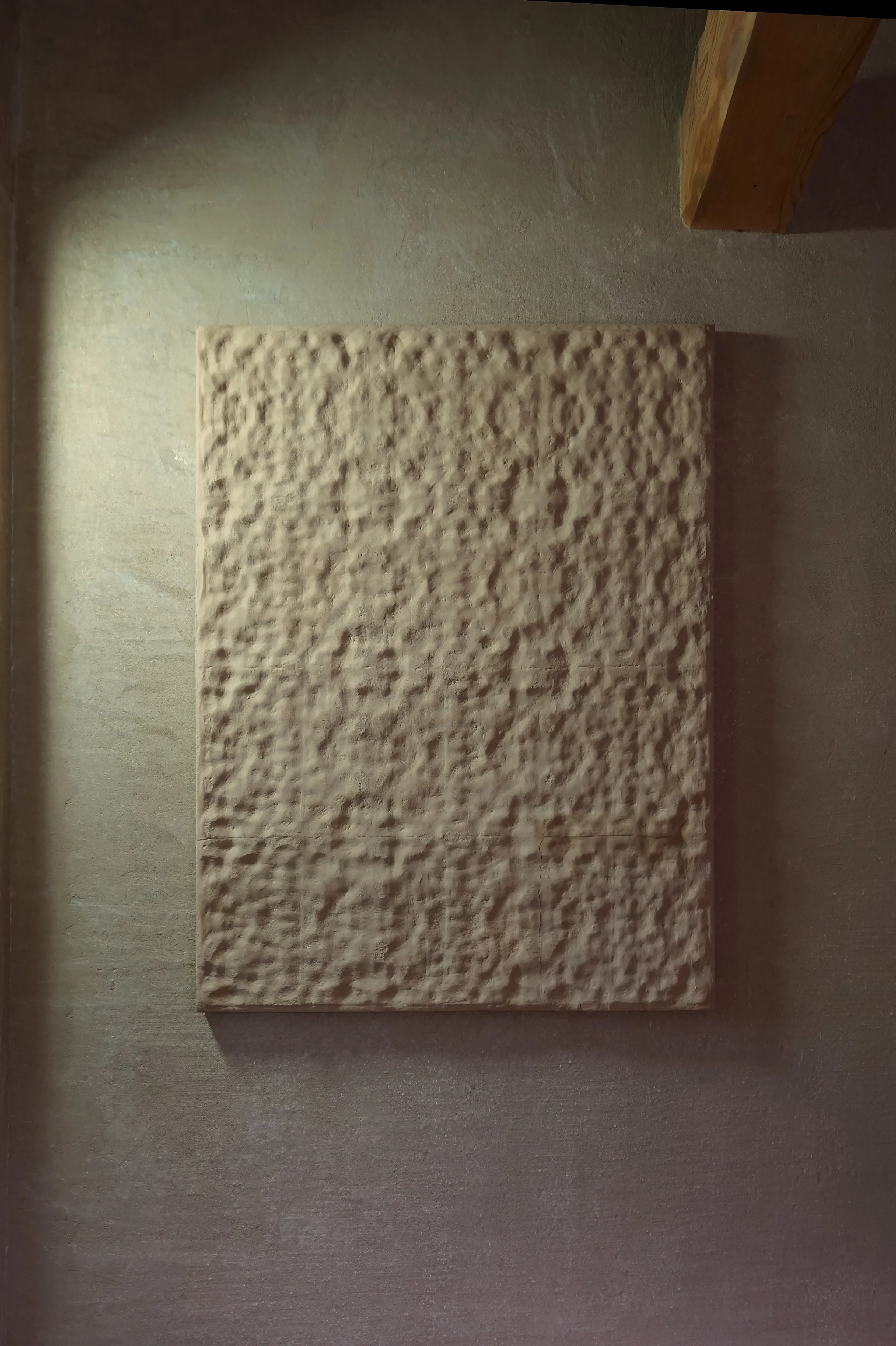
The movement’s most durable idea is not the flower motif. It is that a designer should take the logic of natural growth — how a stem distributes load, how a cell packs against its neighbors, how a shell spirals — and build with it rather than copying the appearance.
Gallé studied botany seriously. Guimard’s Métro frames are structural cast iron that happens to look like plant stems because stems are an efficient answer to the same problem. Specifically, this is why the best Art Nouveau furniture does not read as decorated: the ornament is load-bearing.
That thinking reappears directly in contemporary work on biomimicry and grown materials, which our features on studios growing furniture from nature and insect-inspired design explore at length.
Materials and techniques
Art Nouveau was a materials movement as much as a formal one, and several techniques were either invented or revived for it.
- Marquetry. Gallé’s workshop used dozens of woods in a single panel to draw landscapes and plants in grain and color rather than carving them.
- Bentwood and laminated timber. Steam-bending let a chair frame follow a continuous curve, and Thonet’s industrial process was turned to organic ends.
- Hand-blown and cameo glass. Layers of colored glass cut back with acid to reveal a design beneath — Gallé and Daum built an industry on it.
- Leaded and iridescent glass. Tiffany’s favrile glass carried color within the material rather than painted onto it.
- Wrought and cast iron. Guimard’s Métro entrances are the monument, but the same forging turns up in balustrades, beds and lighting.
- Hammered copper, brass and enamel. Surfaces that show the tool, used for hardware and for lamp bodies.
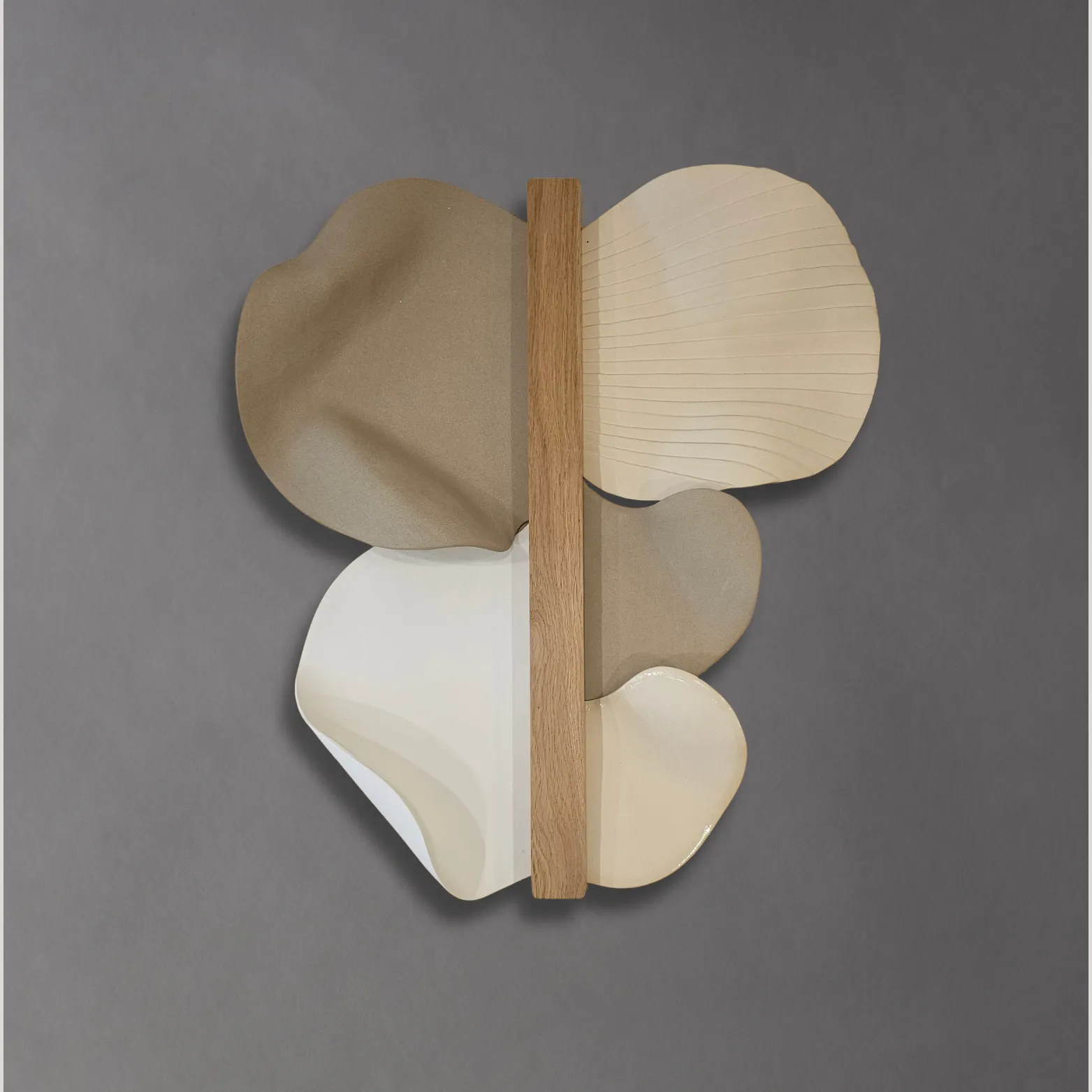
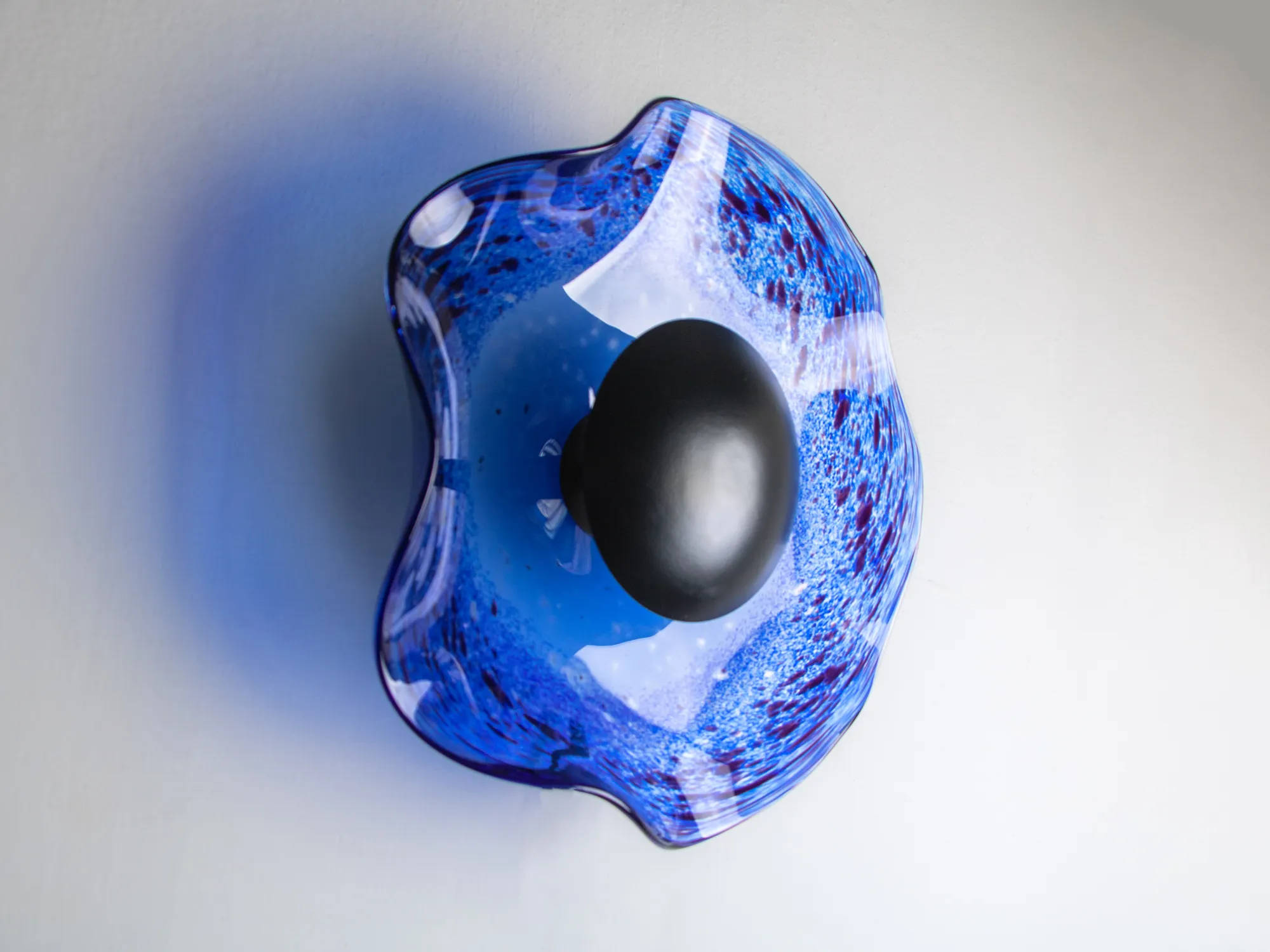
Glass is where the movement’s ideas survive most visibly today. A hand-blown vessel or a shade whose color lives inside the material rather than on its surface is a direct descendant, and the technique has barely changed.


Art Nouveau or Art Deco?
The two are confused constantly, partly because the names rhyme and partly because they are adjacent in time. They are close to opposites.
- Dates. Art Nouveau runs 1890 to 1910. Art Deco runs 1920 to 1939, with the 1925 Paris Exposition as its landmark.
- Line. Nouveau is curved, asymmetrical and organic. Deco is straight, symmetrical and geometric — chevrons, sunbursts, stepped forms.
- Source. Nouveau looks at plants and the human body. Deco looks at machines, speed, and Egyptian and Aztec motifs.
- Production. Nouveau resisted the machine and was made by hand. Deco embraced industry and used chrome, Bakelite and glossy lacquer.
- Mood. Nouveau is dreamlike and botanical. Deco is confident, urban and streamlined.
The quickest test on an unlabeled piece: if the curves are asymmetrical and look grown, it is Nouveau. If the forms are symmetrical, stepped or angular and look manufactured, it is Deco. Our guide to furniture styles across every era places both in a wider sequence.
Why it ended so quickly
By 1910 Art Nouveau was already out of fashion, and the First World War finished it. Three things killed it.
It could not be made at scale. Every curve required skilled hand labor, which made the furniture expensive and slow. A movement committed to improving everyday objects could not reach ordinary people, and the contradiction was fatal.
Cheap imitation discredited it. Once manufacturers began stamping out floral ornament, the style became associated with the mass-produced versions rather than the originals.
Modernism arrived with the opposite argument. The Vienna Secession had already moved toward the grid, and the Deutscher Werkbund and then the Bauhaus proposed that good design meant forms suited to machine production. Consequently ornament went from being the point to being, in Adolf Loos’s framing, something close to a crime.
The movement was dismissed for decades and only reassessed seriously from the 1960s onward, which is why so much of it was demolished or broken up in between.
Living with it now
A whole Art Nouveau interior is a museum. One piece in a restrained room is a different proposition, and it is how the style works in a contemporary home.
Use it as the single curved object. These forms are assertive, and they need plain surroundings to read. A carved or forged piece against flat walls and simple upholstery looks deliberate; the same piece among other ornate furniture turns into noise.
Follow the palette rather than the motifs. Olive, mustard, deep teal, aubergine, bronze and amber are the movement’s colors, and they work in a modern room without a single lily in sight.
Start with lighting or a mirror. Both are the easiest entry points — a glass shade or a sculptural frame delivers the whole idea at a fraction of the commitment a cabinet demands.
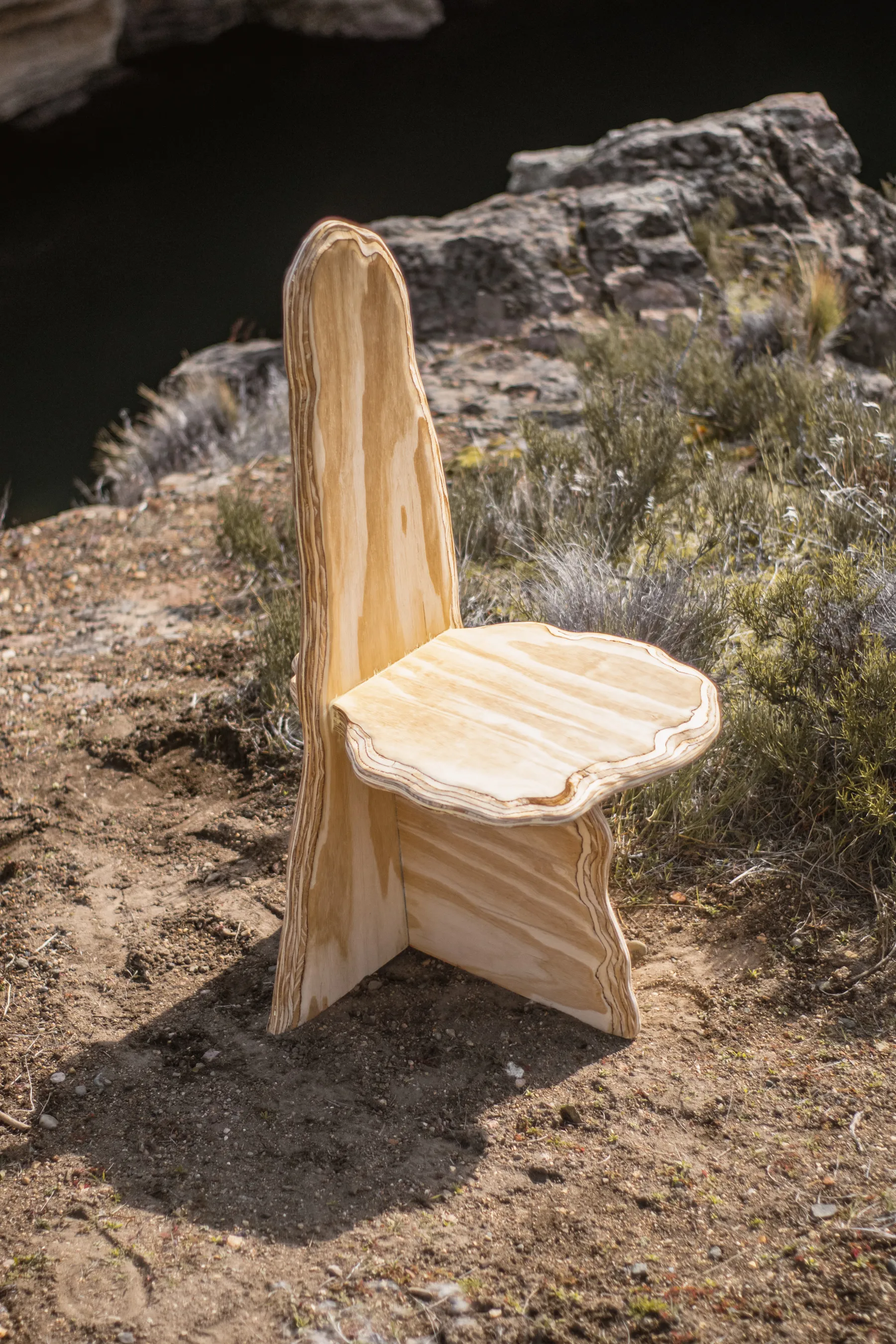
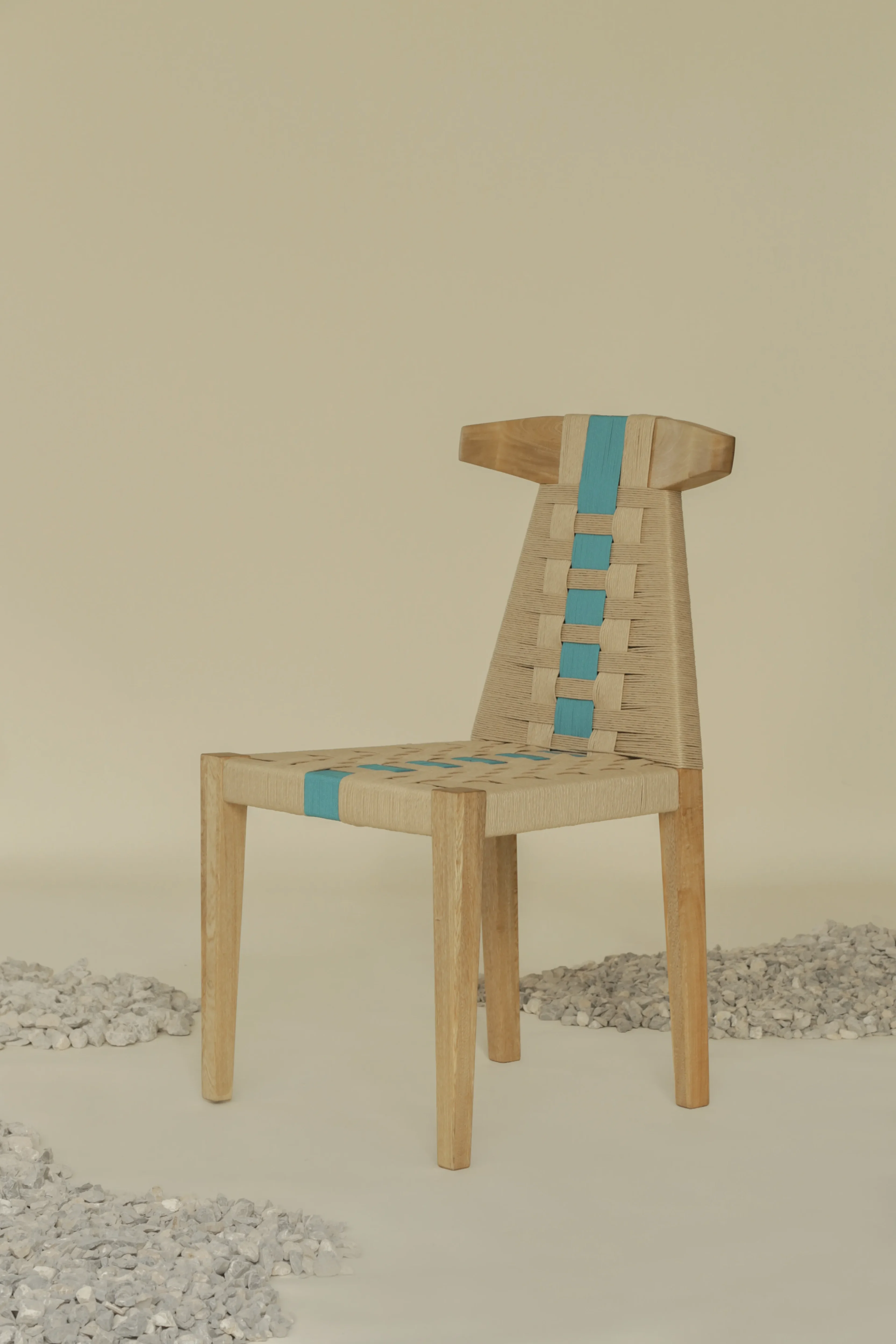
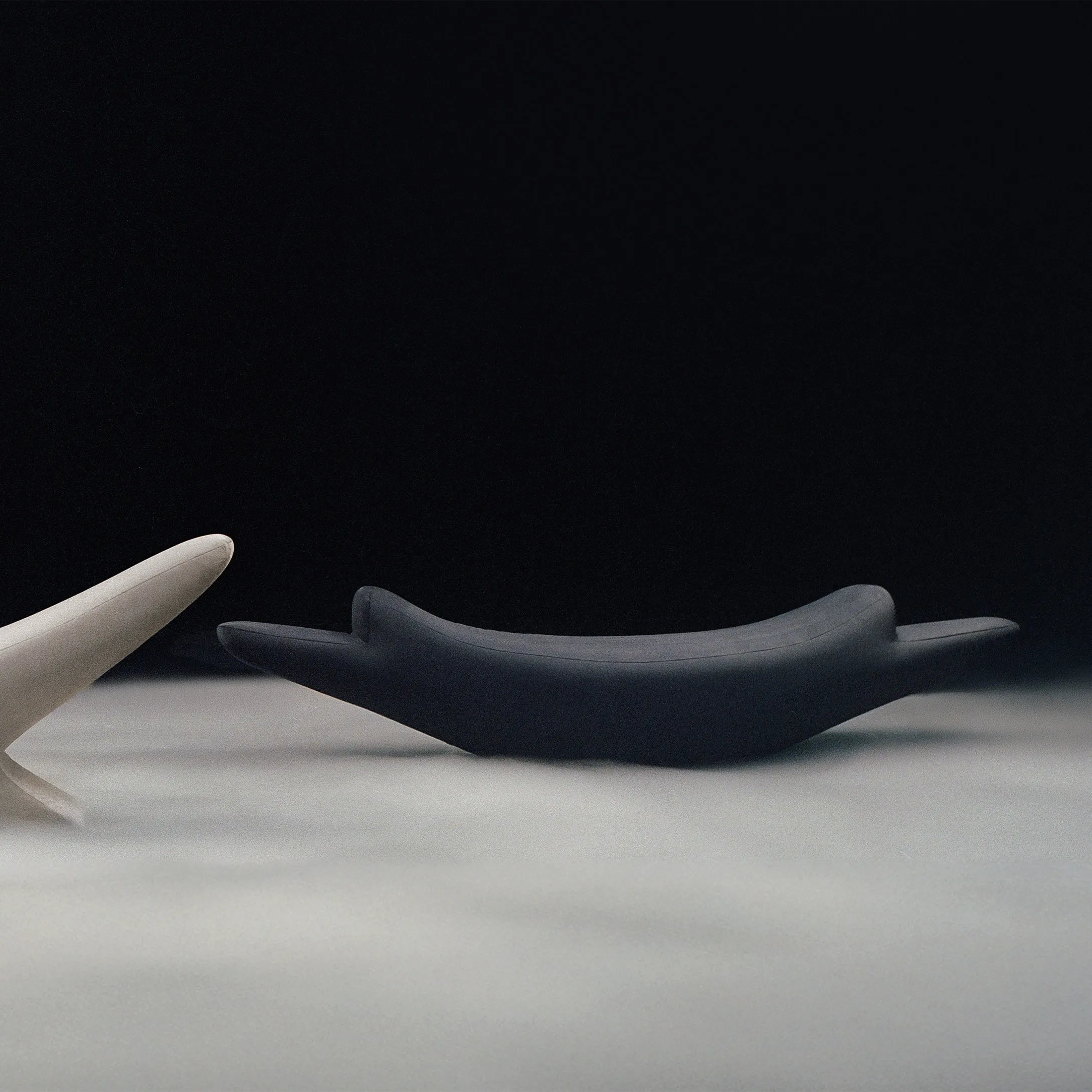
Let the room stay quiet. The style is at its best against plaster, plain timber and simple textiles. Meanwhile, contemporary pieces working in organic forms are easier to integrate than period originals, since they were designed for rooms like the ones we live in.
If you are looking at an antique
Original Art Nouveau furniture is genuinely rare, and reproductions have been made continuously since the 1960s revival. A few checks separate them.
- Look for a signature. Gallé, Majorelle and Daum signed their work, often in the marquetry or molded into the glass. An unsigned piece is not automatically a reproduction, but a signed one is far easier to place.
- Check the joinery. Period pieces use mortise-and-tenon and hand-cut dovetails. Dowels, staples or machine-cut joints point to later manufacture.
- Read the back and underside. Unfinished surfaces, saw marks and uneven patina belong to hand work. A uniform finish everywhere suggests a modern copy.
- Expect asymmetry. Reproductions tend to tidy the form into symmetry, because it is cheaper to make.
- Weigh the glass. Cameo glass is layered and heavy, and the design sits within the material. Printed or surface-etched decoration is a reproduction tell.
Original upholstery is worth keeping where it survives, since reupholstering reduces the value of a documented piece considerably. And a wobbling antique is usually repairable — period joints can be taken apart and reglued, which is not true of modern glued board.
Frequently asked questions
What is Art Nouveau?
Art Nouveau was an international design movement running from roughly 1890 to 1910, characterized by organic, asymmetrical forms drawn from plants and the human figure, and by treating ornament and structure as the same thing. It was named after Maison de l’Art Nouveau, the Paris gallery Siegfried Bing opened in 1895, and it was a deliberate break from the nineteenth-century habit of recycling historical styles.
How do you identify Art Nouveau furniture?
Look for the whiplash line — a long asymmetrical curve that doubles back on itself — along with plant and insect motifs built into the structure rather than applied to it, deliberate asymmetry between the two sides of a piece, elaborate marquetry or hand-forged metal, and evidence of hand craft on unfinished surfaces.
What is the difference between Art Nouveau and Art Deco?
Art Nouveau (1890–1910) is curved, asymmetrical, organic and handmade, drawing on plants and the human figure. Art Deco (1920–1939) is straight, symmetrical, geometric and industrial, drawing on machines and speed. If the shape looks grown, it is Nouveau; if it looks manufactured, it is Deco.
Is Jugendstil the same as Art Nouveau?
Yes. Jugendstil is the German name for the same movement, after the Munich magazine Die Jugend. The style also went by Secession in Austria, Modernisme in Catalonia, Stile Liberty in Italy and Tiffany style in the United States. Regional differences are real but amount to accents rather than separate movements.
Who were the main Art Nouveau furniture designers?
Émile Gallé and Louis Majorelle in Nancy, Hector Guimard in Paris, Victor Horta and Henry van de Velde in Belgium, Josef Hoffmann and Koloman Moser in Vienna, Antoni Gaudí in Barcelona, Charles Rennie Mackintosh in Glasgow, and Louis Comfort Tiffany in the United States, principally in glass.
Does Art Nouveau work in a modern home?
One piece does, against plain surroundings. These forms are assertive and need quiet walls and simple upholstery to read properly — an entire Art Nouveau interior becomes a period room. Lighting and mirrors are the easiest entry points, and the movement’s palette of olive, mustard, teal, aubergine and amber works without any floral motifs at all.
The argument that outlived the style
Art Nouveau lost. Within fifteen years its curves looked dated, and the century went to the grid instead. But the thing it was arguing for has proved harder to dismiss than the ornament it argued with: that objects made by hand are worth more than objects stamped out, that structure and beauty should be one decision rather than two, and that nature is a better source of form than the back catalog of European history.
Every one of those positions is live again in contemporary studio design — in cast metal that branches like roots, in clay packed into cell geometries, in glass whose color sits inside the material. The lilies are gone. The reasoning is not.