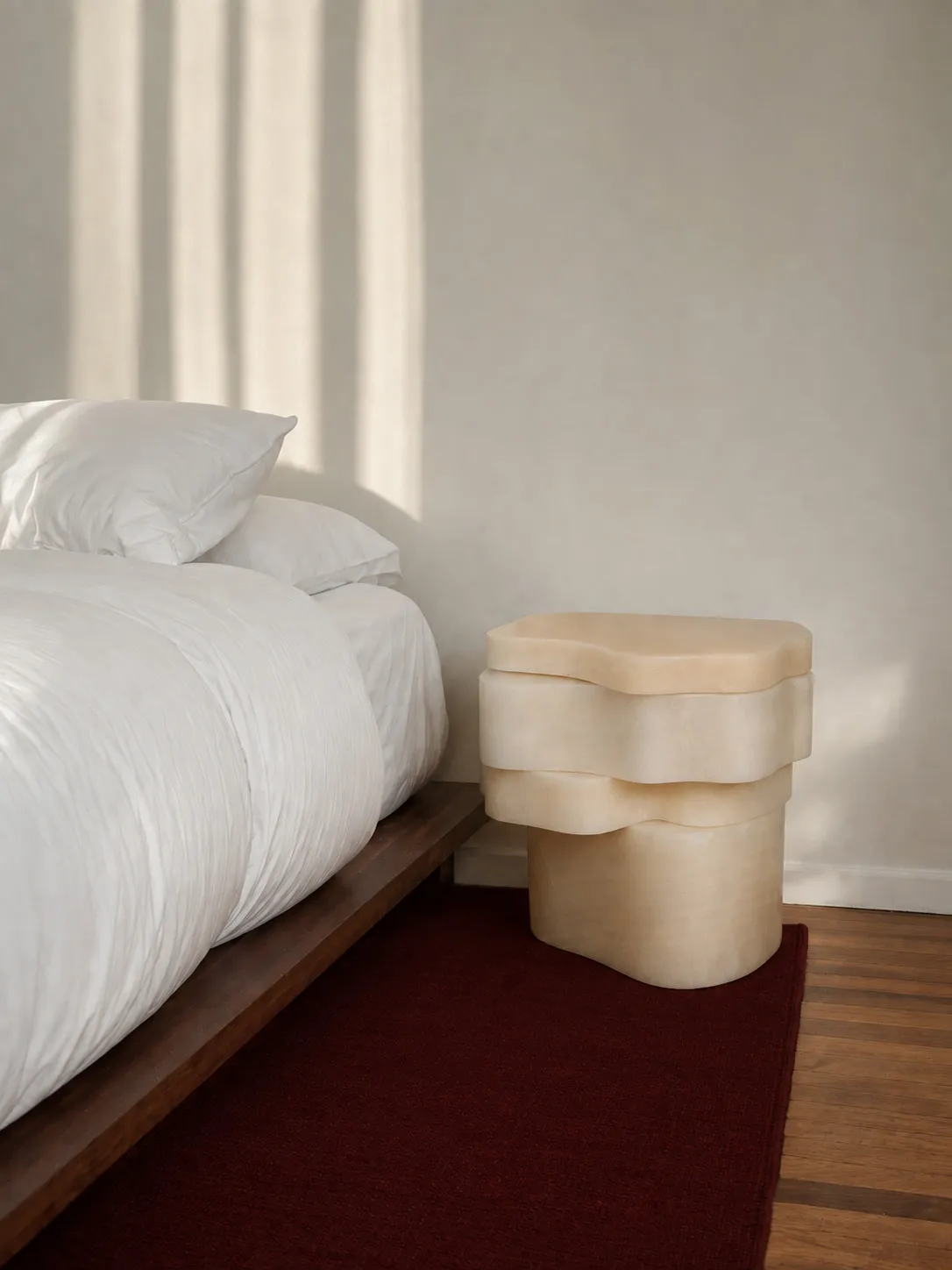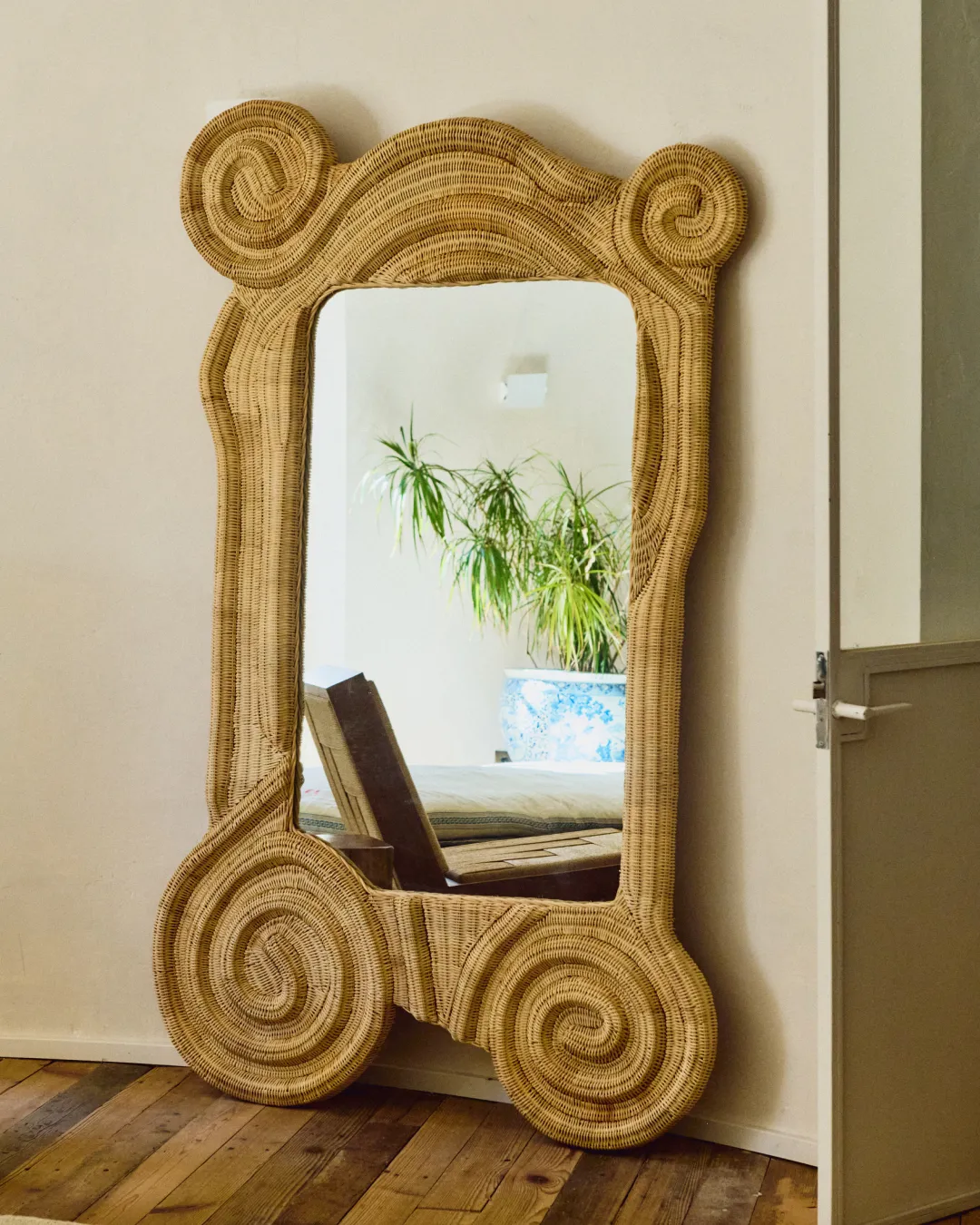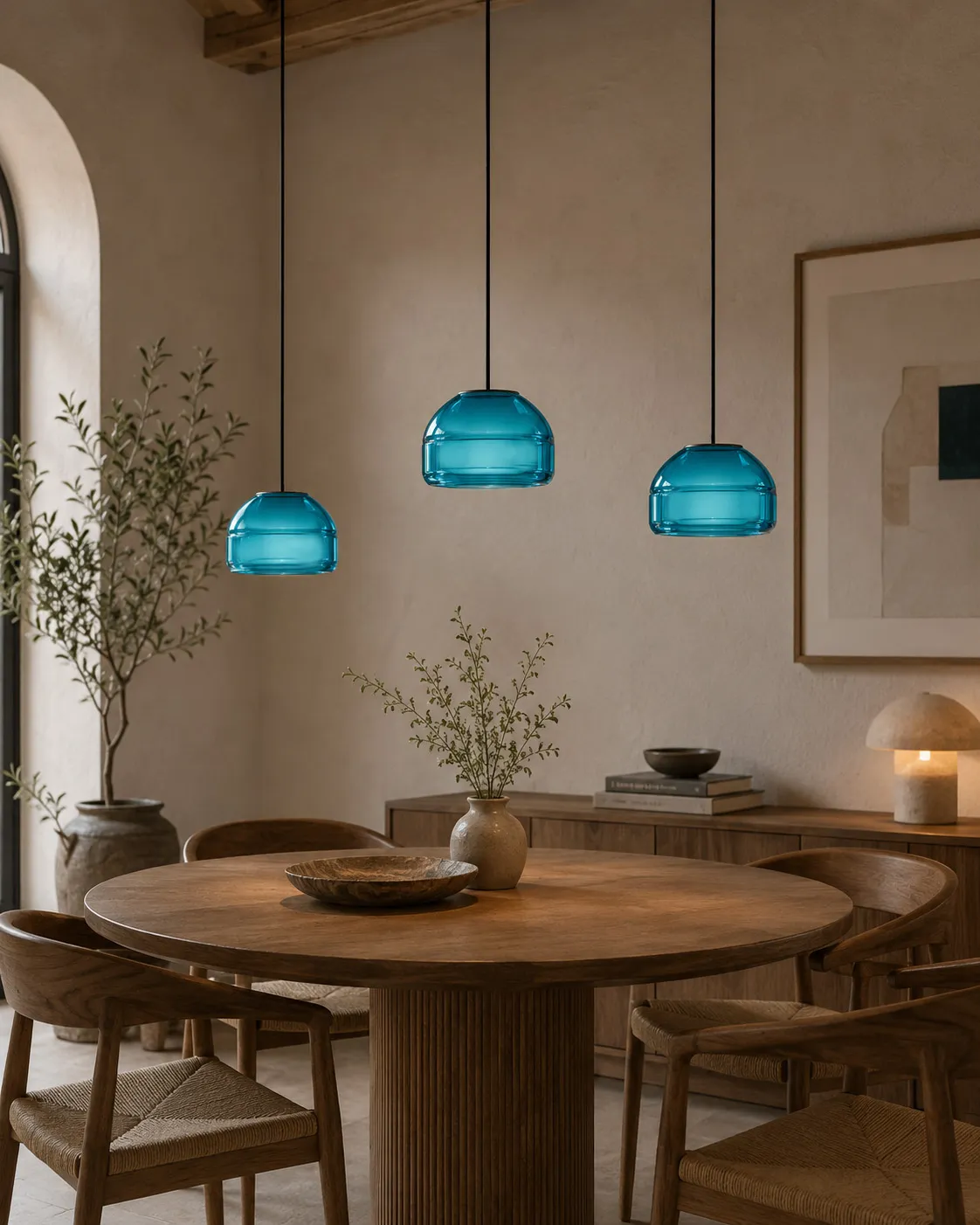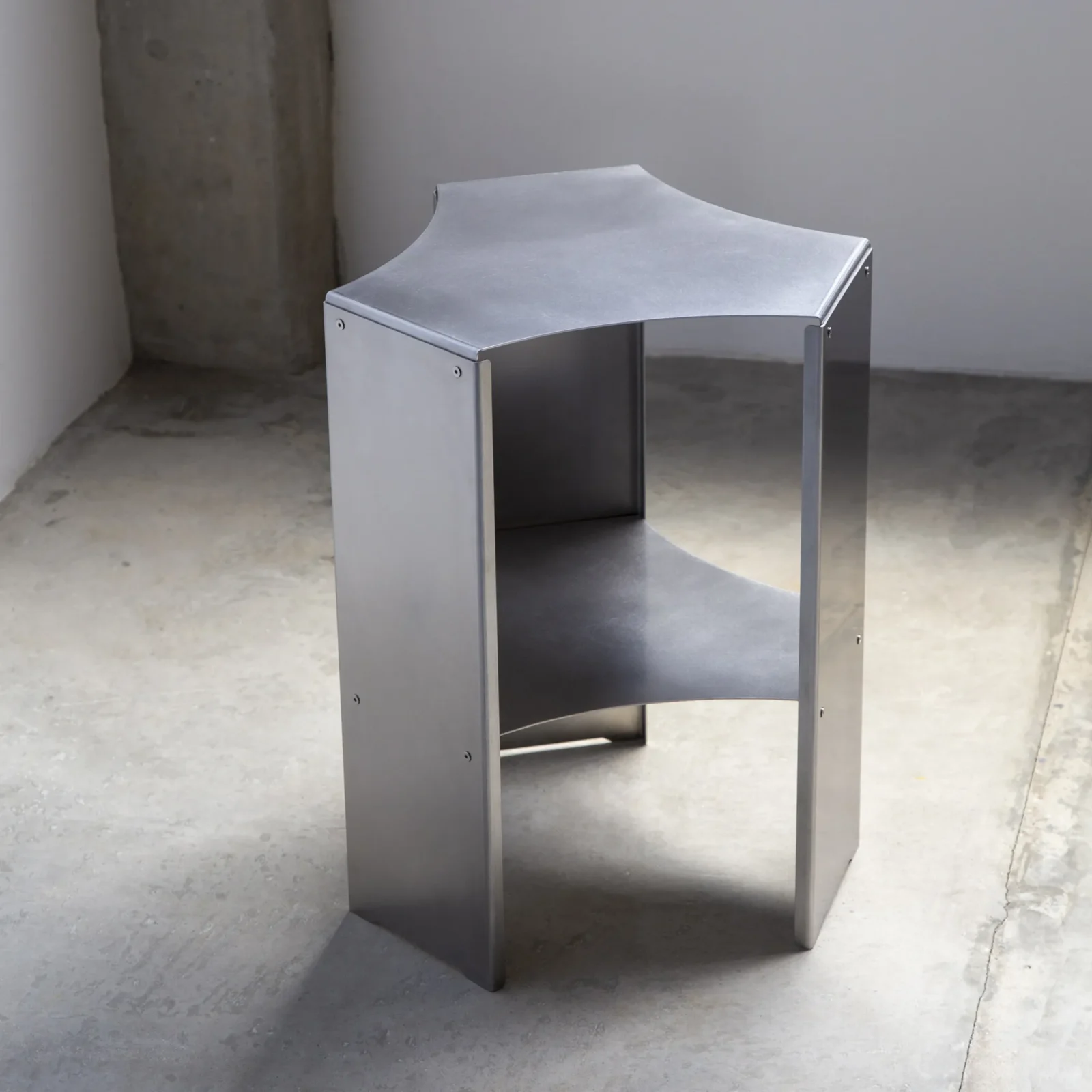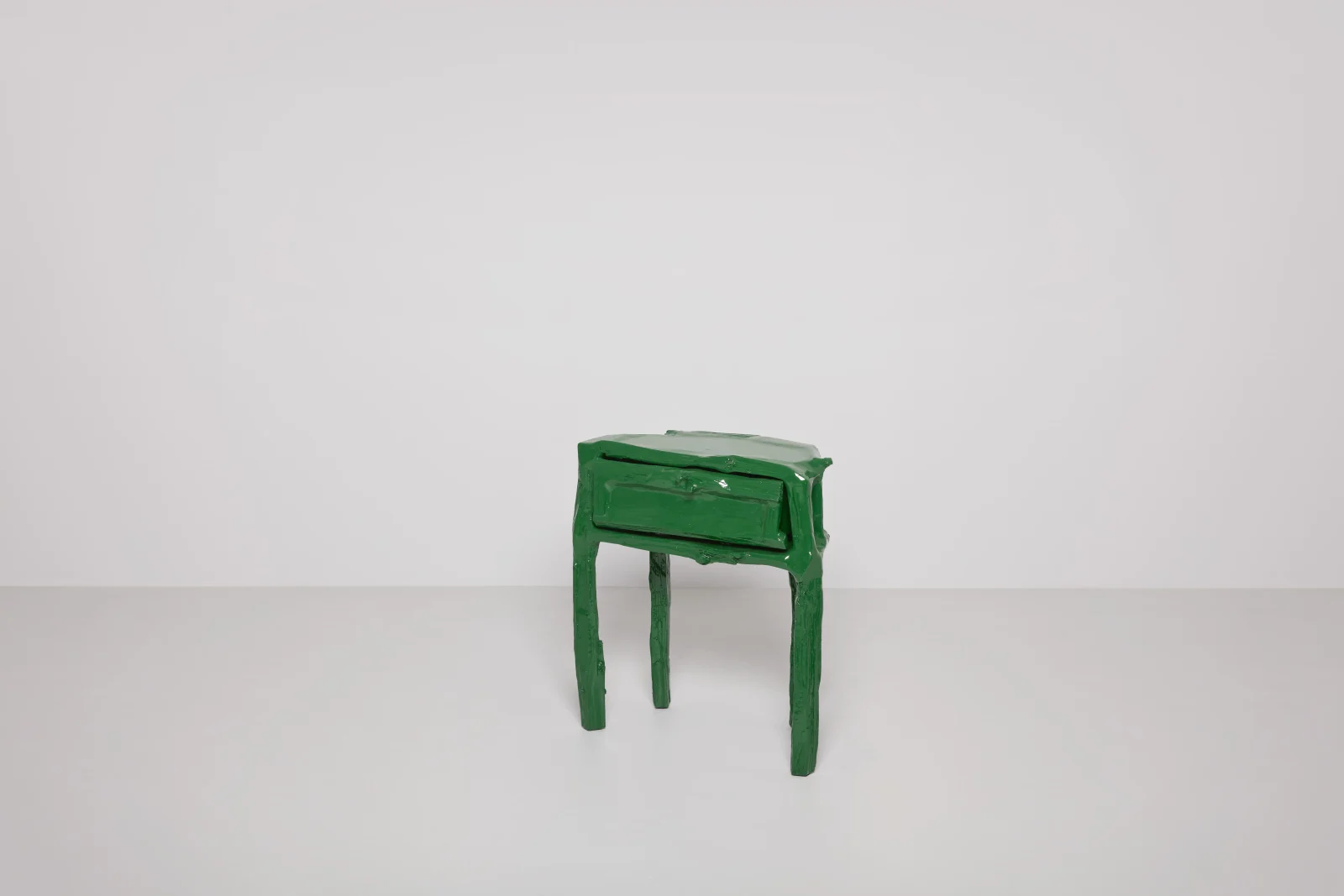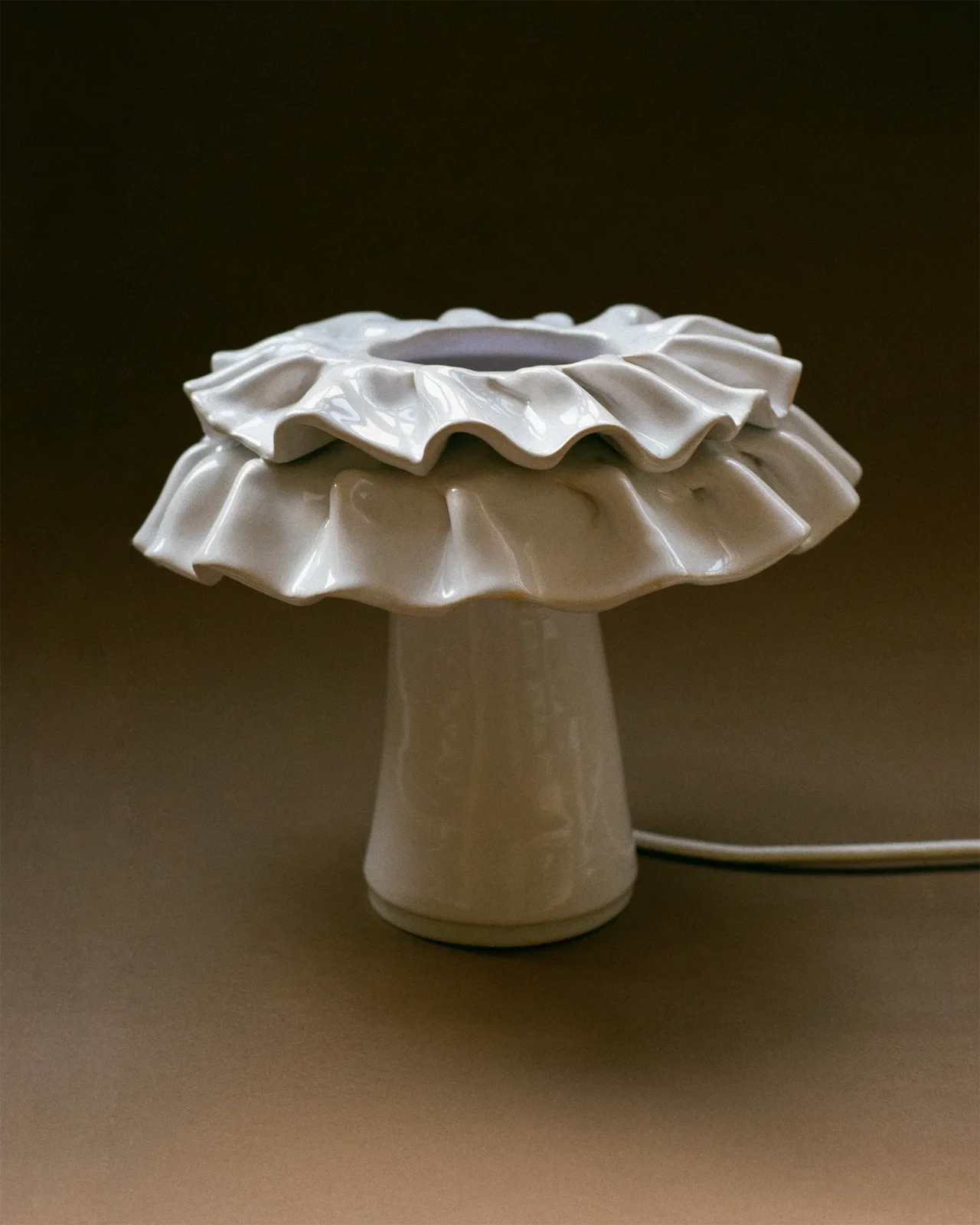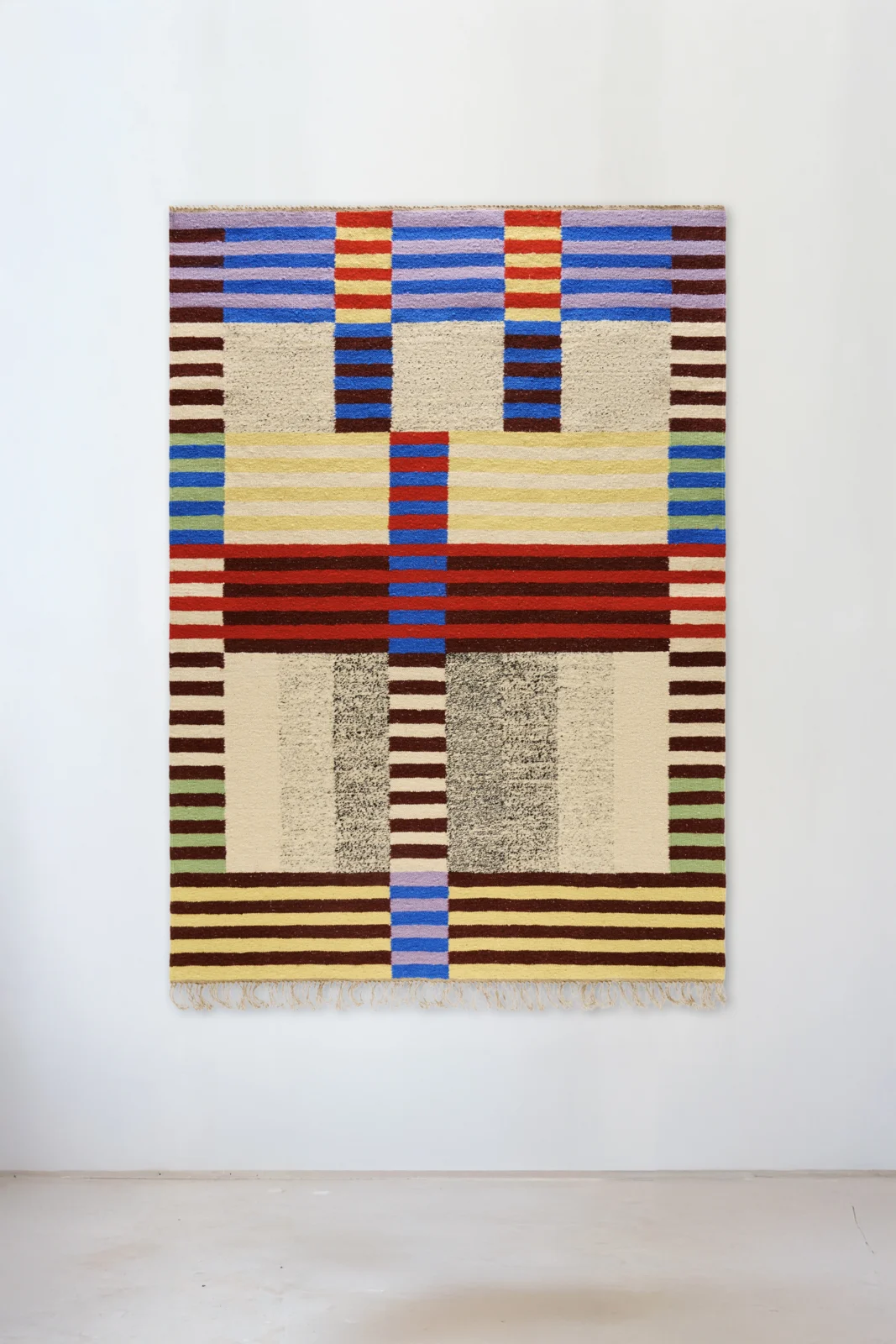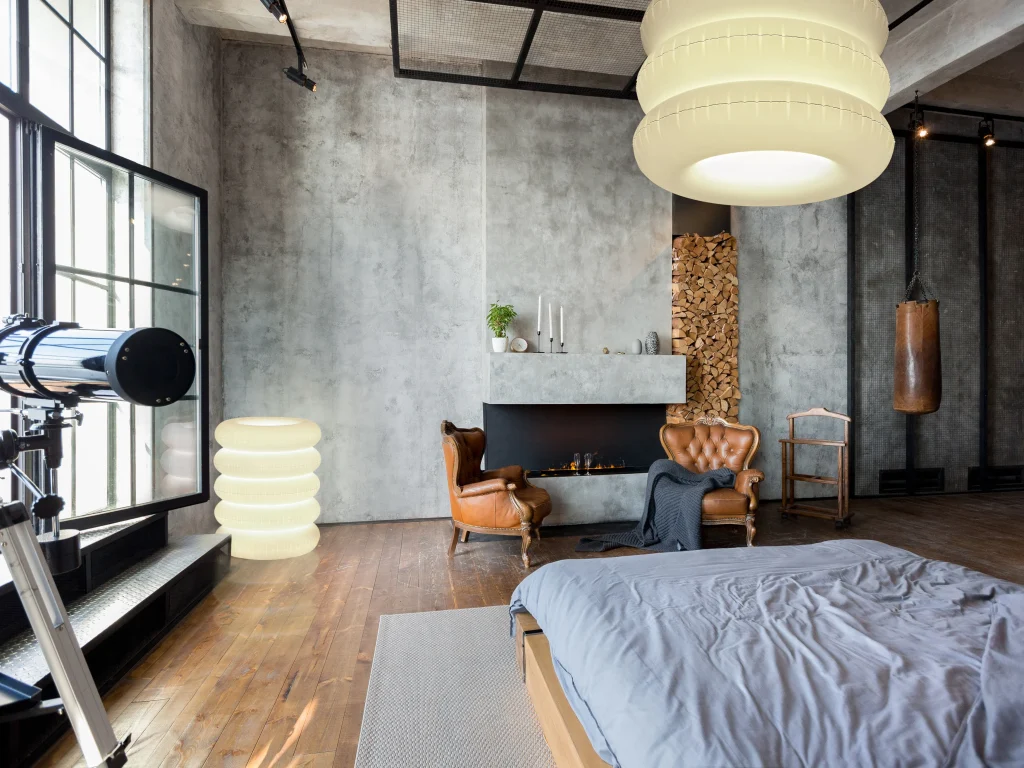
Every chair, table, and cabinet belongs to a lineage. Knowing it changes how you see a room.
Walk into any well-considered interior and the furniture is doing more than holding weight. It is quoting history — a Queen Anne leg here, a Bauhaus frame there, a Moroccan pouf softening the corner. Furniture style refers to the specific combination of period, region, material, and craftsmanship convention that gives a piece its identity. Unlike interior design “themes,” which are loose and personal, a furniture style is a documented set of characteristics: silhouette, joinery, ornament, and the cultural moment that produced it.
This guide works chronologically through the historical styles, then across the world through regional traditions, and finally into the lifestyle-driven aesthetics that dominate homes today. Along the way: how to identify a style at a glance, how to mix several without the room looking accidental, and what actually matters when buying, caring for, and living with furniture that carries a name.
What Actually Defines a Furniture Style?
Four factors separate one style from the next, and identifying them is more useful than memorizing names.
- Proportion and silhouette. Renaissance case pieces sit heavy and architectural; mid-century credenzas run low and horizontal. Scale alone often signals the era before any ornament does.
- Material and construction. Solid walnut and hand-cut dovetails point one direction; steel tubing and molded plywood point another. Materials are rarely arbitrary — they reflect what technology and trade made available at the time.
- Ornamentation (or the deliberate absence of it). Baroque gilding and Rococo carving exist at one extreme; Bauhaus and Shaker restraint sit at the other. Ornament is a philosophical statement as much as a decorative one.
- Function and context. Some styles were built for royal courts, others for monastic simplicity, others for postwar apartments with limited square footage. Function shaped form long before “form follows function” became a slogan.
Furniture historians and appraisers use these four markers — plus details like leg shape, hardware, and joinery — to date and authenticate pieces, which is why they matter even to someone who isn’t buying antiques.
Historical Furniture Styles: A Timeline
Ancient and Medieval Foundations
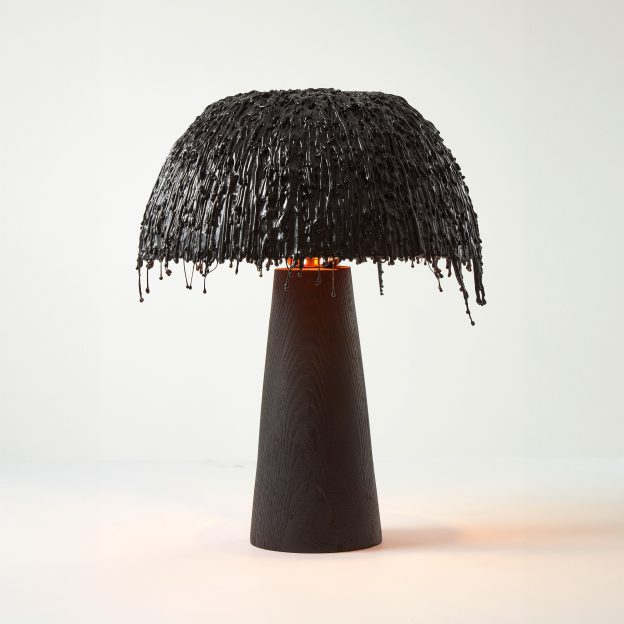
The earliest documented furniture styles come from Ancient Egyptian, Ancient Greek, and Roman traditions — klismos chairs with curved legs, folding stools, and marble tables that established proportion systems still referenced today. The Medieval period that followed favored heavy oak, iron strapwork, and chip-carved surfaces, built for durability rather than display. Out of this grew the Gothic style, identifiable by pointed arches, tracery, and vertical emphasis borrowed directly from cathedral architecture.

Renaissance Through Baroque and Rococo
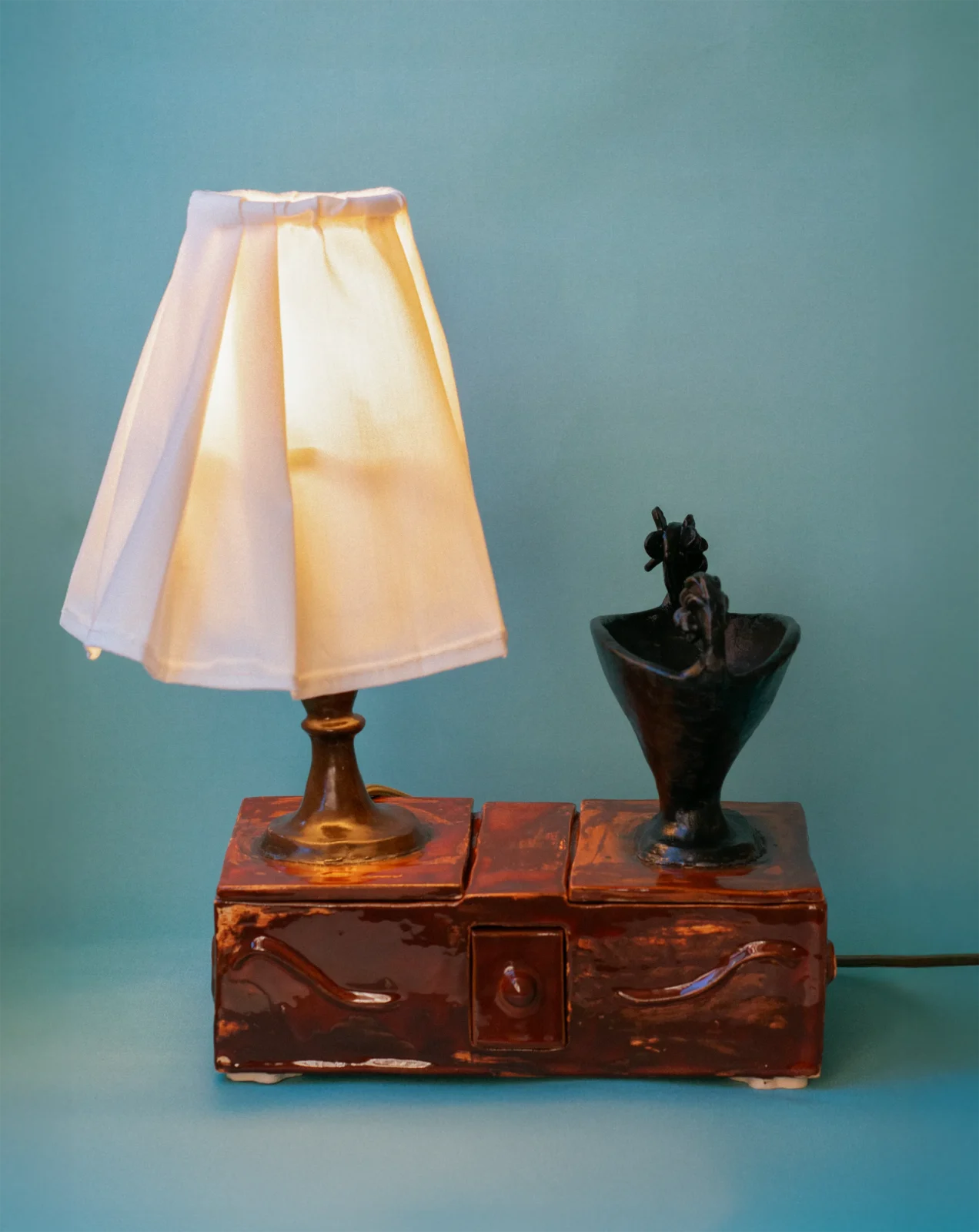
The Renaissance (14th–17th century) reintroduced classical proportion, symmetry, and inlay work, treating furniture as an extension of architecture and painting. Baroque furniture, which followed, turned up the volume: bold curves, gilded surfaces, and dramatic scale meant to project power. Rococo softened Baroque’s weight into asymmetrical curves, pastel palettes, and delicate carving — ornamental, but lighter on its feet.

The English and American Named-Cabinetmaker Era
Between the late 17th and early 19th centuries, English and American furniture is often dated by the cabinetmaker or monarch associated with it:
- William and Mary — trumpet-turned legs, japanned lacquer finishes, an early move toward comfort.
- Queen Anne — the cabriole leg, curved backs, understated elegance; arguably the most imitated silhouette in furniture history.
- Georgian — mahogany, symmetry, and classical detailing across a broad, long-reigning style umbrella.
- Chippendale — named for Thomas Chippendale, known for ball-and-claw feet and elaborate fretwork.
- Hepplewhite and Sheraton — later 18th-century refinements favoring straight, tapered legs and inlaid neoclassical motifs.
Neoclassical, Empire, and Regency
Neoclassical design returned to Greek and Roman purity following archaeological discoveries at Pompeii, favoring clean lines over Rococo excess. Empire style, tied to Napoleonic France, scaled this up with imperial symbolism — sphinxes, laurel wreaths, dark mahogany, and gilt bronze mounts. Regency, its British contemporary, is lighter: brass inlay, saber legs, and Egyptian-influenced motifs. Biedermeier, emerging in Central Europe around the same period, stripped the grandeur down to warm fruitwood and honest, middle-class comfort.


Victorian Through Arts and Crafts
The Victorian era (roughly 1837–1901) is less a single style than a series of historical revivals layered together — Gothic Revival, Rococo Revival, and later Colonial Revival and Tudor Revival all fall under its umbrella, unified by heavy upholstery, dark wood, and dense ornament. As a direct reaction, the Arts and Crafts movement championed honest joinery, visible construction, and natural materials. Its American offshoots — Mission style and Shaker furniture — pushed further toward function over decoration, with Shaker design in particular prized today for its almost ascetic clarity.

Art Nouveau Through Postmodernism
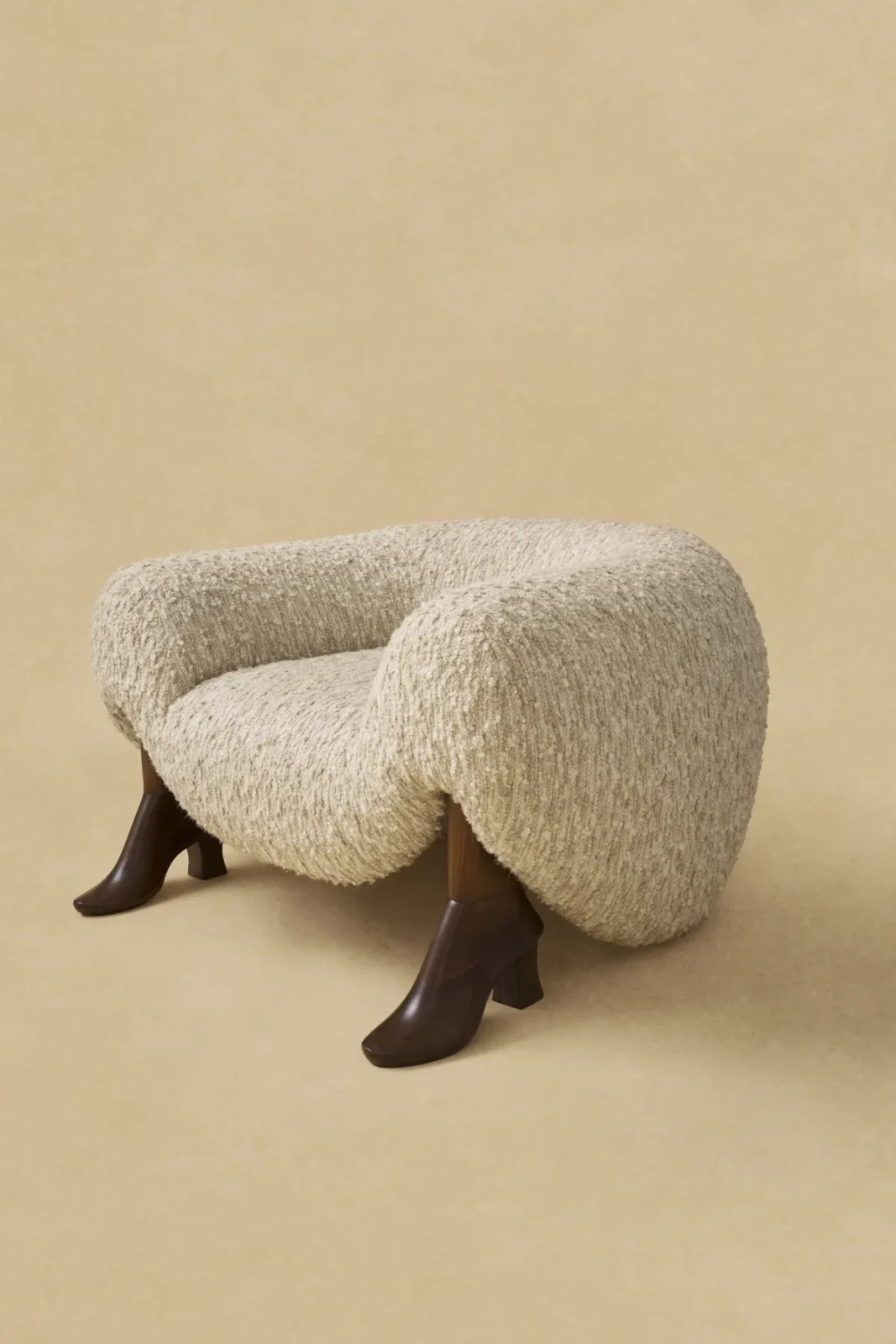
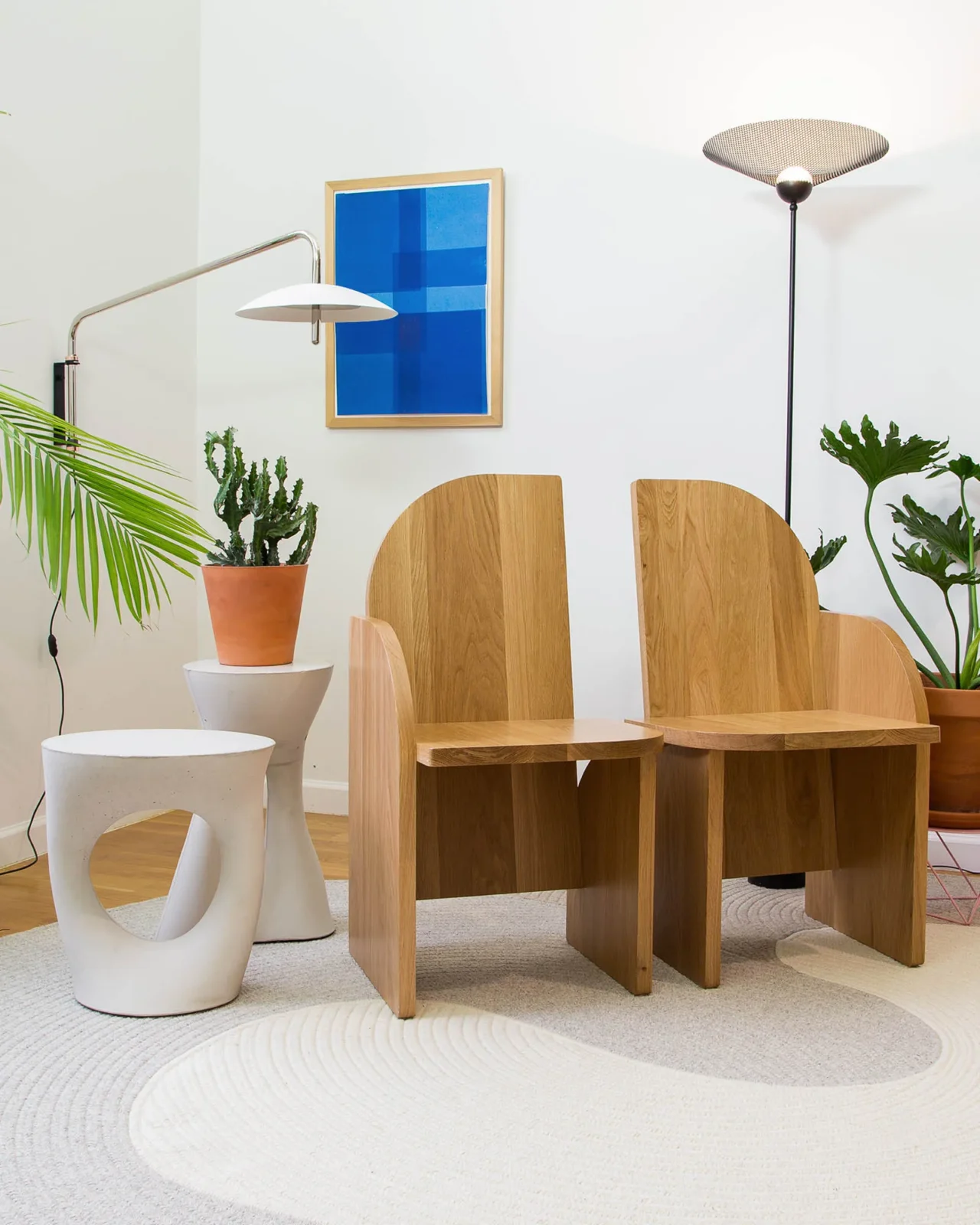
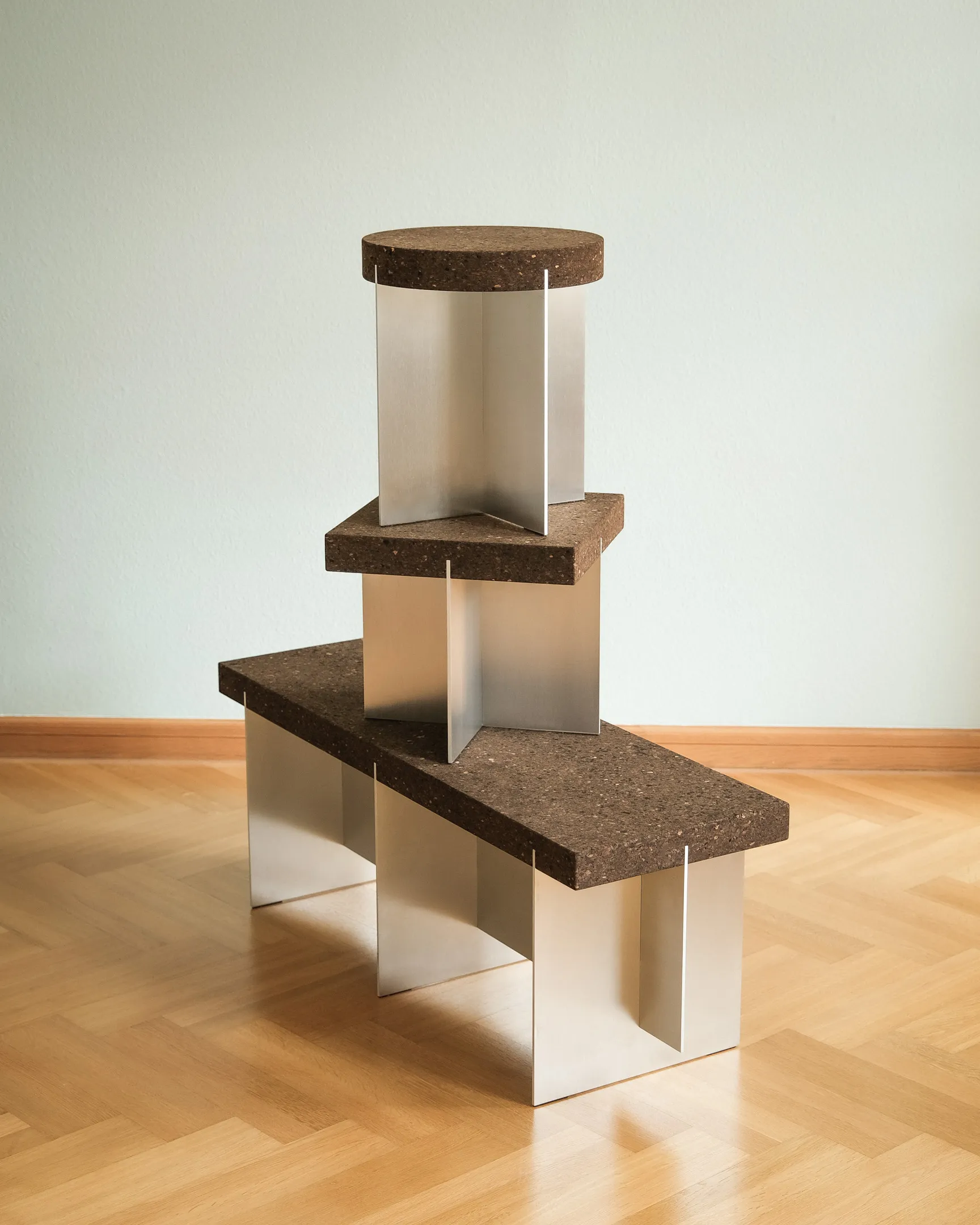
Art Nouveau (1890–1910) introduced flowing, organic lines drawn from plant forms, followed closely by Art Deco, which favored geometric symmetry, exotic veneers, and machine-age glamour. The Bauhaus school then rejected ornament almost entirely, treating furniture as functional sculpture in tubular steel and molded forms — a philosophy that fed directly into Modernism and, after 1945, Mid-Century Modern, with its tapered legs, organic curves, and honest materials. Postmodernism and the Memphis style of the 1980s pushed back against Modernist restraint with clashing color, playful geometry, and deliberate irreverence. Brutalist furniture, working in raw concrete and blocky steel, ran parallel — austere, monumental, unapologetically heavy. Many of these movements continue to resurface in contemporary studio work.


Historical Styles at a Glance
| Style | Period | Key Materials | Defining Feature |
|---|---|---|---|
| Renaissance | 14th–17th c. | Walnut, inlay | Architectural symmetry |
| Baroque | 17th–18th c. | Gilded wood | Dramatic curves, ornament |
| Rococo | 18th c. | Carved wood, pastel paint | Asymmetrical curves |
| Queen Anne | Early 18th c. | Walnut, mahogany | Cabriole leg |
| Georgian | 18th c. | Mahogany | Classical proportion |
| Neoclassical | Late 18th c. | Mahogany, satinwood | Greco-Roman purity |
| Empire | Early 19th c. | Dark mahogany, ormolu | Imperial symbolism |
| Victorian | 1837–1901 | Rosewood, walnut | Dense ornament, revival mixing |
| Arts and Crafts | 1880–1920 | Oak | Visible, honest joinery |
| Art Deco | 1920s–30s | Exotic veneers, chrome | Geometric glamour |
| Mid-Century Modern | 1945–1970s | Teak, walnut, molded plywood | Tapered legs, organic form |
| Postmodern / Memphis | 1980s | Laminate, mixed media | Bold color, irreverence |
Regional and Cultural Furniture Styles
Geography shapes furniture as much as history does. Scandinavian design pairs pale woods, gentle curves, and restraint with a strong craft tradition — the ancestor of today’s minimalist interiors. Japanese furniture emphasizes low profiles, natural materials, and negative space, principles rooted in Zen philosophy; its fusion with Scandinavian sensibility has produced the widely searched Japandi style. Mediterranean and Tuscan styles draw on wrought iron, terracotta, and sun-worn wood, while Moroccan furniture leans into carved screens, brass inlay, and saturated color. Balinese and broader Indonesian traditions favor teak, rattan, and intricate hand-carving suited to warm climates.
Closer to North American vernacular, French Country and French Provincial furniture soften formal French lines into farmhouse comfort, while English Cottage style favors chintz, worn wood, and an unpretentious, lived-in warmth. Colonial and Southwestern styles reflect early American settlement patterns — the former borrowing from European precedent, the latter drawing on Spanish and Indigenous craft with leather, dark wood, and geometric textiles. Coastal and Hamptons styles, meanwhile, are more recent lifestyle constructs than historical ones, built around light woods, linen, and a deliberately breezy palette.

Lifestyle and Contemporary Aesthetics
Where historical and regional styles are documented by scholars, today’s most-searched aesthetics are largely consumer- and media-driven — no less legitimate, just younger and less codified.
Farmhouse and Modern Farmhouse combine rustic materials with clean, contemporary lines. Industrial style borrows from converted warehouses — exposed steel, reclaimed wood, visible hardware. Rustic furniture prioritizes raw, natural texture over refinement. Bohemian and Eclectic styles share a love of mixed pattern and global sourcing, though eclectic design generally implies a more deliberate curatorial hand. Minimalist and Maximalist sit at opposite poles of the same question — how much is necessary — while Contemporary is often confused with “modern” but actually refers to whatever is current, shifting decade by decade.
Vintage, Retro, and Antique are frequently used interchangeably but aren’t synonyms: antique furniture is generally understood to be 100+ years old, vintage refers to an identifiable earlier decade without that age threshold, and retro describes new furniture that intentionally references an earlier decade’s look. Cottagecore and Grandmillennial are recent internet-native aesthetics built on nostalgia — the former rural and romantic, the latter a maximalist revival of traditional chintz and brass. Wabi-sabi and Organic Modern both celebrate imperfection and natural material, while Biophilic design extends that principle into a deliberate connection with the natural world. Sustainable and Eco-friendly furniture describe sourcing and manufacturing practices rather than a visual style, and can technically apply to any aesthetic above. Transitional style deliberately blends traditional and contemporary elements in the same room — a bridge rather than a category of its own. Niche but frequently searched: High-Tech (industrial materials in sleek, machine-precise forms), Western and Mountain Modern or Lodge style (heavy timber, leather, a nod to ranch and cabin life), and Mughal-influenced design (inlay and ornament drawn from South Asian imperial courts).


Comparing Commonly Confused Styles
| Often Confused | Key Difference |
|---|---|
| Contemporary vs. Modern | “Modern” refers to a fixed historical period (roughly 1900s–1950s); “contemporary” shifts with the current decade. |
| Rustic vs. Farmhouse | Rustic prioritizes raw, unfinished texture; farmhouse pairs that texture with cleaner, more finished lines. |
| Bohemian vs. Eclectic | Bohemian leans on global, layered pattern; eclectic is a more restrained, deliberately edited mix of styles. |
| Vintage vs. Antique | Antique implies genuine age (typically 100+ years); vintage references an era’s look without that threshold. |
| Minimalist vs. Scandinavian | Minimalist is about reduction generally; Scandinavian is a specific regional tradition that happens to be understated. |
How to Identify a Furniture Style
Reading a piece of furniture is a skill, and it starts below the tabletop.
Legs and feet are often the fastest tell. Cabriole legs (curved, ending in a ball-and-claw or pad foot) point to Queen Anne or Chippendale. Straight, tapered legs suggest Hepplewhite, Shaker, or mid-century design. Saber legs, which curve backward like a blade, are a Regency or Empire signature. Trumpet-turned legs belong to William and Mary furniture.
Joinery and construction reveal age and intent. Hand-cut dovetails, slightly irregular under close inspection, generally predate machine-cut, perfectly uniform ones. Visible joinery — exposed pegs, through-tenons — is a deliberate Arts and Crafts statement rather than a flaw.
Hardware narrows the window further. Brass bail pulls suggest 18th-century English styles; bin pulls and simple wood knobs point toward Shaker or Mission work; chrome and Lucite belong to Art Deco and mid-century pieces.
Material choice rounds out the picture. Dark, heavy mahogany suggests Georgian, Empire, or Victorian origin; pale oak or ash suggests Scandinavian or contemporary Arts and Crafts work; teak and molded plywood are unmistakably mid-century.
Common Mistakes When Combining Furniture Styles
- Matching everything to the same period. A room built entirely from one style, however well-executed, often reads more like a museum period room than a home.
- Mixing scale without a plan. A delicate Queen Anne side chair next to an oversized industrial coffee table can work, but only if the contrast is intentional rather than incidental.
- Ignoring wood tone. Clashing undertones — warm honey oak against cool gray-washed walnut — are one of the most common reasons a mixed room feels unresolved.
- Treating “eclectic” as an excuse for no plan at all. The most successful eclectic rooms still follow a hidden logic — a shared color story, a consistent material, or a recurring silhouette.
- Overlooking proportion relative to the room. A style can be historically accurate and still feel wrong if its scale doesn’t suit the ceiling height or floor area it’s placed in.
How to Mix Furniture Styles Successfully
A useful working ratio, borrowed from professional interior design practice: roughly 70% dominant style for the large-footprint pieces (sofa, dining table, bed), 20% secondary style for supporting furniture and lighting, and 10% wildcard through art, textiles, or one deliberately unexpected object. Anchoring the room in one era or region first, then layering in contrast, tends to produce more coherent results than starting with a pile of favorite pieces and hoping they align. A shared material, a consistent metal finish, or a repeated color across otherwise unrelated styles is often the thread that makes a mixed room read as intentional rather than accidental.
Room-by-Room Style Considerations
- Living rooms carry the most visual weight in a home and tolerate the boldest style statements — a Mid-Century sofa, a Baroque mirror, and a Moroccan rug can coexist if scale and color are managed.
- Dining rooms benefit from a strong anchor piece (the table) with more flexibility in seating — mixing chair styles around a single table is one of the more forgiving ways to combine eras.
- Bedrooms generally read calmer with fewer competing styles, since the room is used for rest rather than display.
- Home offices suit the more restrained, functional traditions — Shaker, Scandinavian, mid-century — where clean lines support concentration.
- Entryways are a low-risk place to experiment, since the exposure is brief and the room typically holds only one or two pieces.
Materials and Craftsmanship
Material choice is inseparable from style but deserves its own scrutiny when evaluating quality, regardless of era. Solid wood construction, hand-cut or precision machine joinery, and natural finishes tend to age better and repair more easily than veneer over particleboard, though well-made veneer over solid substrates has a long, legitimate history in fine furniture — Georgian and Art Deco makers both used it deliberately. Sustainability has become a factor in its own right: reclaimed wood, FSC-certified timber, and natural oil or wax finishes (as opposed to synthetic lacquers) reduce environmental impact without necessarily changing the visual style at all.
Buying and Maintenance Considerations by Style
Before committing to a piece, weigh authenticity versus reproduction (a genuine antique carries patina and provenance; a reproduction offers the look at lower cost and fewer restoration concerns), construction quality over surface appeal (check joinery and frame stability before finish), and scale for the space — a style that photographs well is not automatically the right size for a given room.
Care needs vary by style, too. Ornate, carved pieces (Baroque, Rococo, Victorian) collect dust in detail work and benefit from soft-bristle brushes rather than cloths alone. Natural, unfinished wood (rustic, Scandinavian, Japanese) needs periodic oiling to prevent drying and cracking. Lacquered and veneered surfaces (Art Deco, mid-century) are more vulnerable to heat and moisture rings than solid wood and should be protected with coasters and trivets. Metal-framed pieces (industrial, Bauhaus, high-tech) generally need only occasional polishing but should be checked for loose fittings over time.
Frequently Asked Questions
What style of furniture is popular right now?
Contemporary tastes currently favor a blend of Japandi, organic modern, and warm minimalism — pared-back forms in natural materials, with occasional maximalist or grandmillennial rooms pushing in the opposite direction.
What are the four basic types of furniture styles?
Furniture is often grouped into four broad categories: traditional (historical, ornate), modern (clean-lined, function-first), transitional (a blend of the two), and eclectic (an intentional mix without a single dominant era).
What are the classic American furniture styles?
Colonial, Federal, Shaker, Mission, and Mid-Century Modern are generally considered the defining American contributions, each tied to a distinct period of the country’s design history.
How can I tell if a piece of furniture is antique or a reproduction?
Look at joinery (hand-cut versus machine-uniform), wear patterns (consistent with age and use versus artificially distressed), and materials (period-appropriate versus modern composites); when in doubt, an appraiser can date a piece more definitively.
Can furniture styles from different eras go together in one room?
Yes — most professionally designed rooms mix at least two styles. The key is a shared thread, whether that’s color, material, or scale, rather than matching every piece to the same period.
Is “modern” the same as “contemporary” furniture?
No. Modern refers to a specific historical design movement roughly spanning 1900 to the 1950s, while contemporary describes whatever is currently in production and fashion, regardless of era.
Furniture style, in the end, is a vocabulary — one that makes it possible to describe a room precisely instead of vaguely. Recognizing a cabriole leg or a Bauhaus frame doesn’t require a design degree, only attention to the details that define it. At ADORNO, that same vocabulary shapes how pieces are described and grouped across the collection, from historically grounded silhouettes to contemporary studio work, for anyone looking to apply what they’ve learned here to an actual room.