Updated on: August 21, 2026
Eclectic interior design occupies a peculiar position in the language of style. To name it is not to describe a look, but to point toward a way of working. Where terms like mid-century modern or minimalist immediately conjure shared visual references, eclecticism resists that kind of shorthand. It does not arrive with a preset palette, period or silhouette. Its meaning remains open, contingent and dependent upon what surrounds it. This is because eclecticism does not reside in singular objects themselves — it can only actualise through relationship. Pieces become eclectic through proximity, contrast and context. What we call eclectic design is, at its core, an arrangement of relationships rather than a collection of things.
What is eclectic interior design?
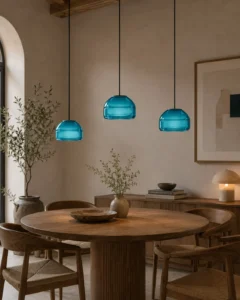
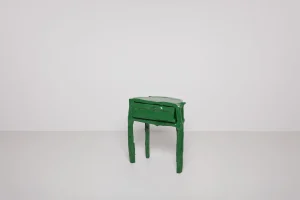
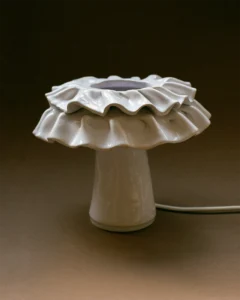
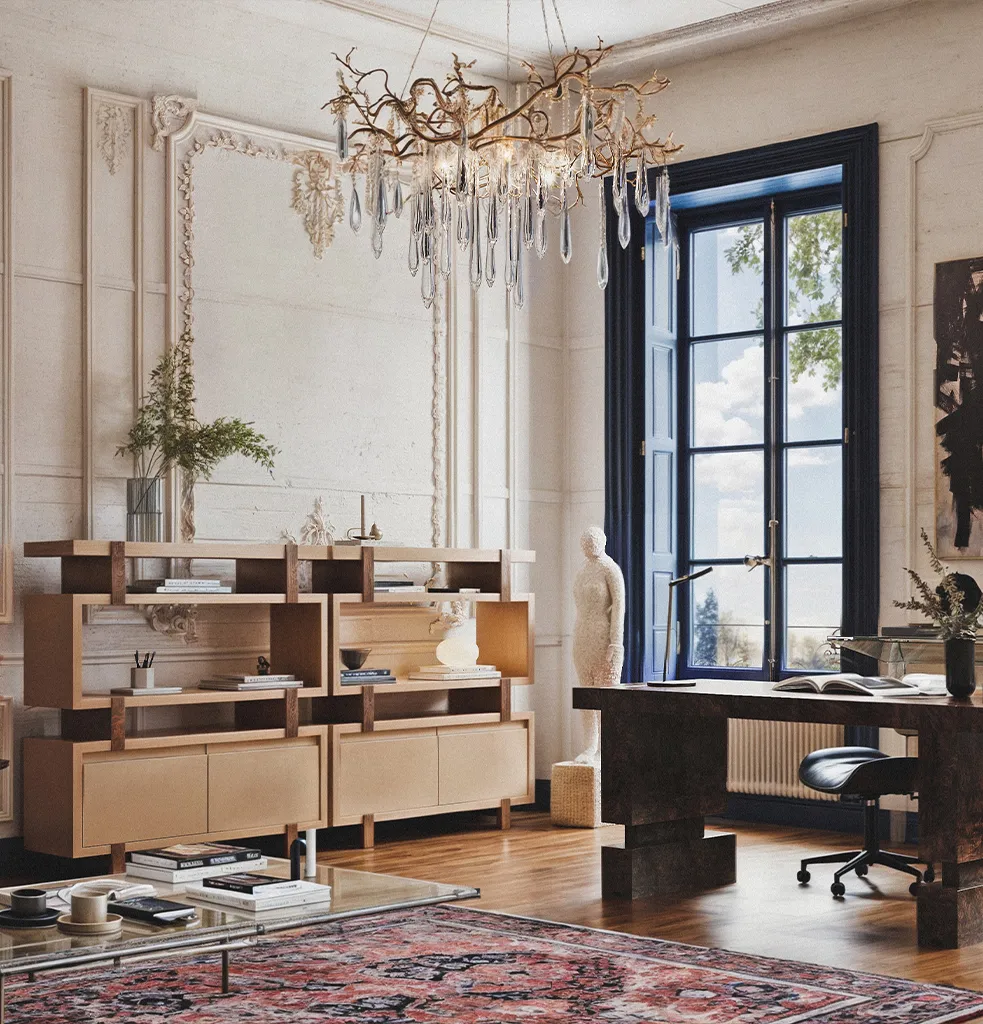
Eclectic interior design combines objects from different styles, periods and cultural traditions in a single room, held together by something consistent — usually a restricted palette, a repeated material or a shared scale. The defining feature is intentional juxtaposition: contrasting things placed together on purpose, so the friction between them becomes the effect rather than a problem.
Consequently the honest test is whether you can name the constraint. If nothing connects the objects beyond the fact that you own them, the room is not yet eclectic — it is a collection in progress. That distinction is the difference between a room that reads as assembled and one that reads as accumulated.
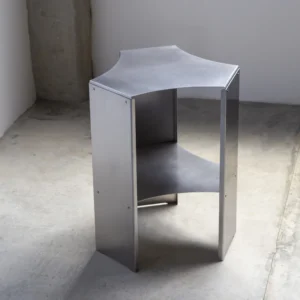
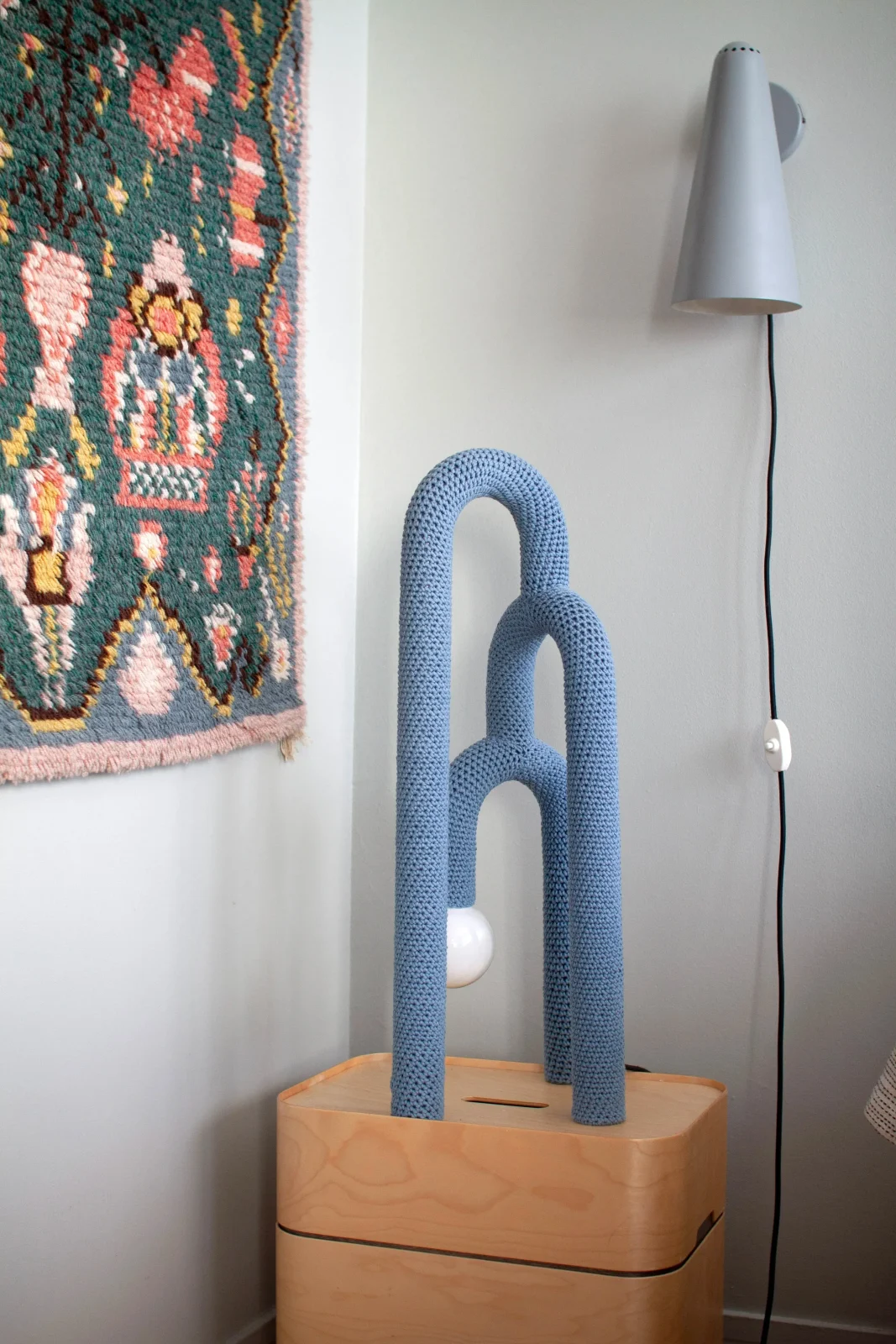
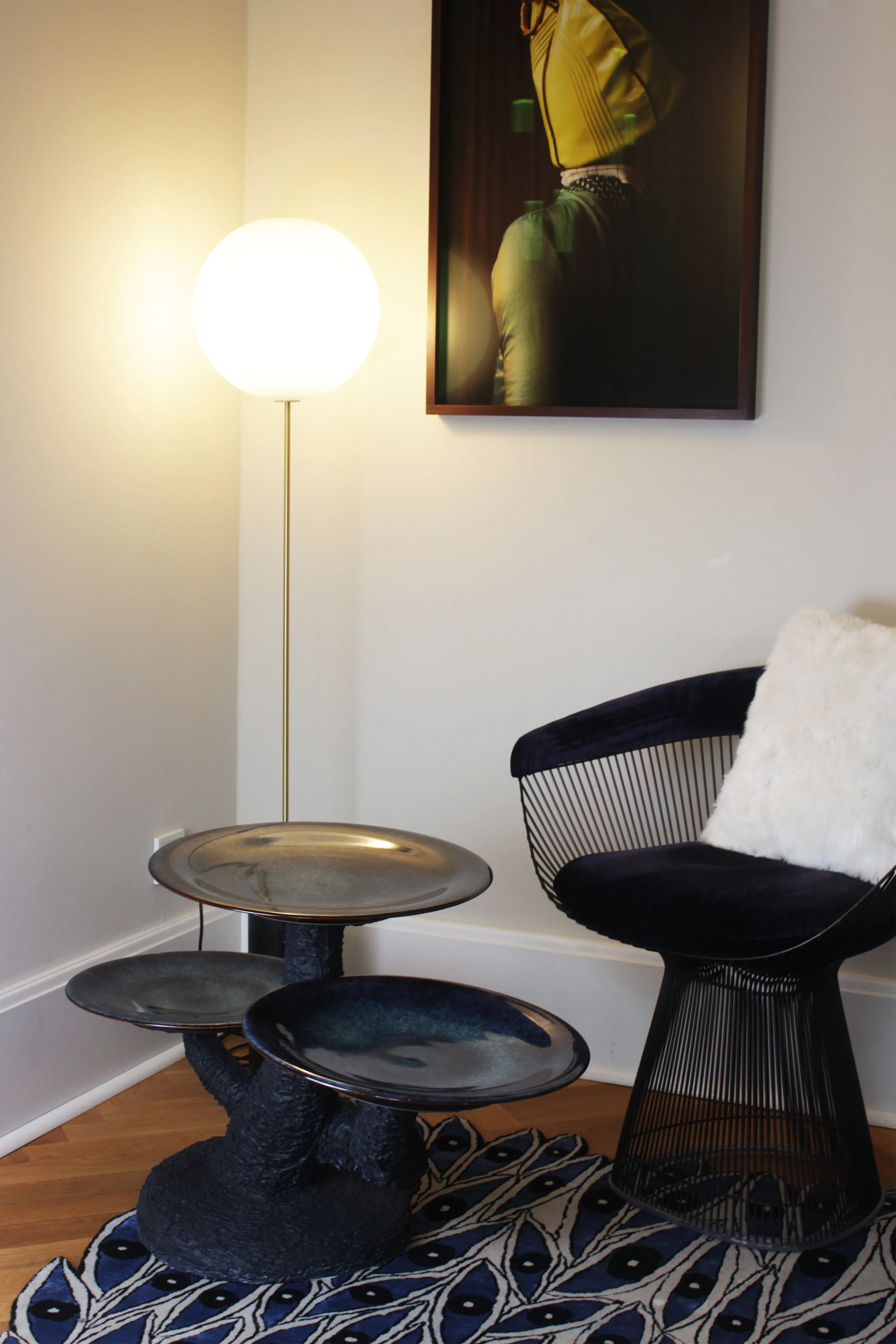
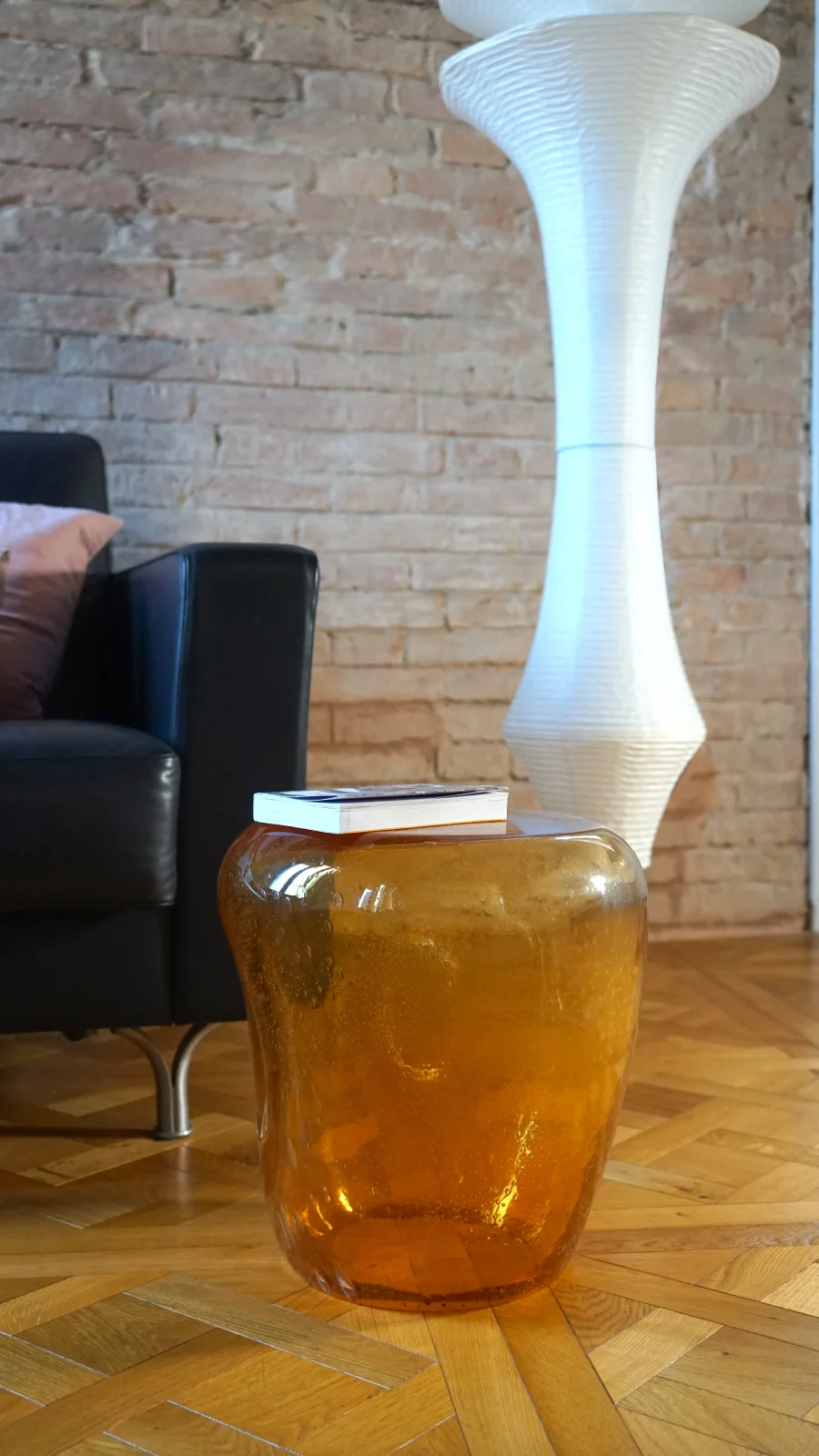
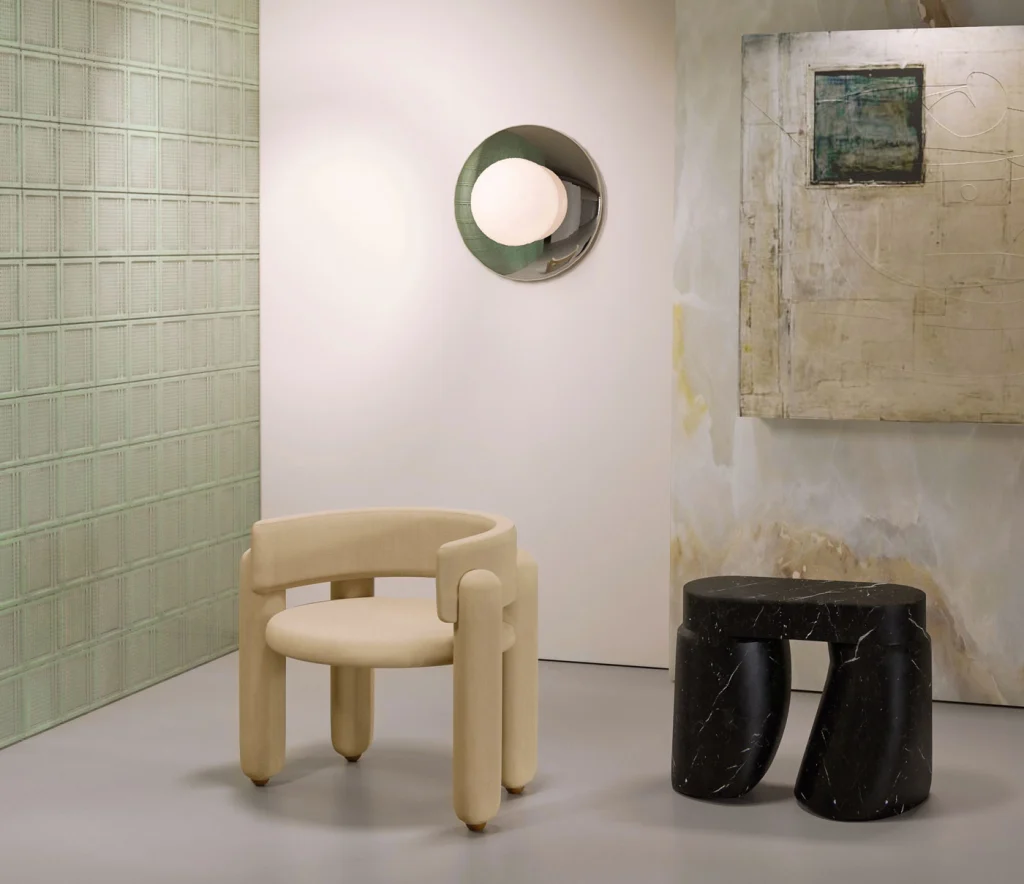
This is what makes eclecticism singular among design approaches. It functions less like a style and more like a method of assembly. The same minimalist chair can read as restrained, expressive, or even radical depending entirely on what accompanies it. Paired with furniture and lighting from the same visual language, it reinforces cohesion. Placed among objects drawn from different styles, it remains the same chair but enters an entirely different conversation. Eclecticism does not describe the chair. It describes the situation the chair enters.
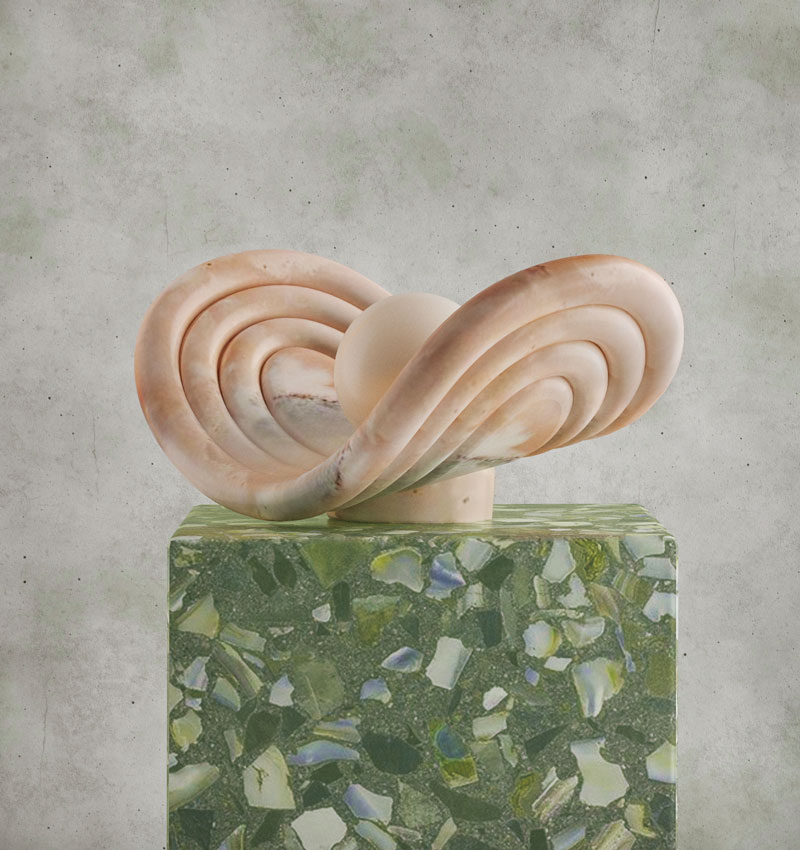
Eclectic interiors in ages of acceleration
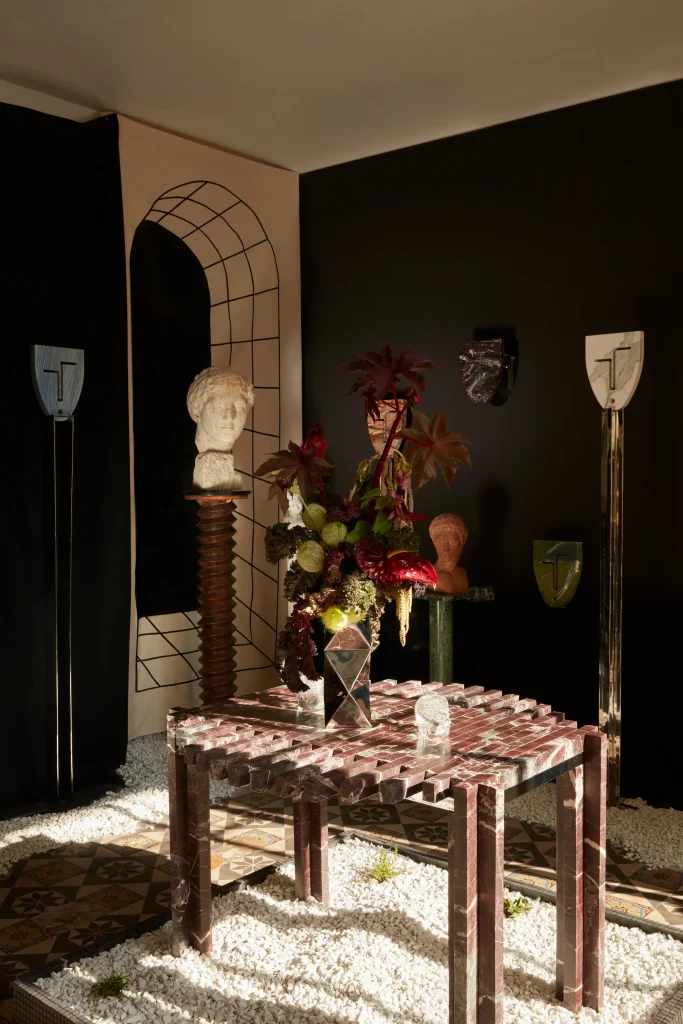
Eclectic interiors have often taken shape during periods of rapid transformation, with the Victorian era offering a clear precedent. Industrialisation, expanding global trade and shifting class structures brought more objects into more homes than ever before. Furniture, books, textiles, artefacts and curios from different geographies and centuries accumulated side by side, reflecting exposure rather than adherence to a single aesthetic. Eclecticism, in this sense, described a way of living with change more than a decorative style.

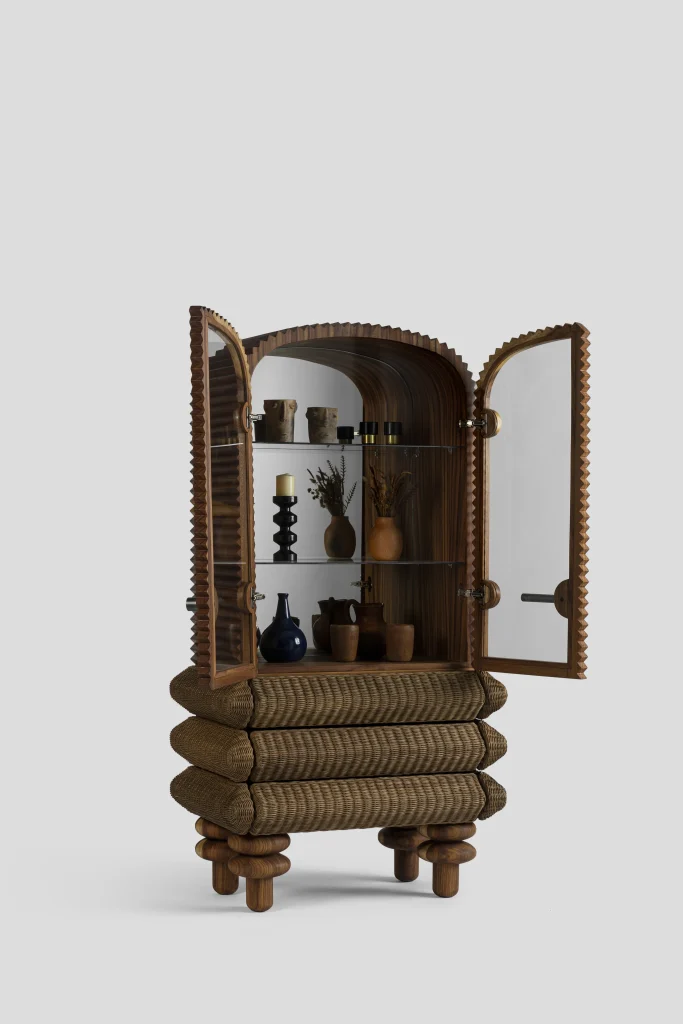
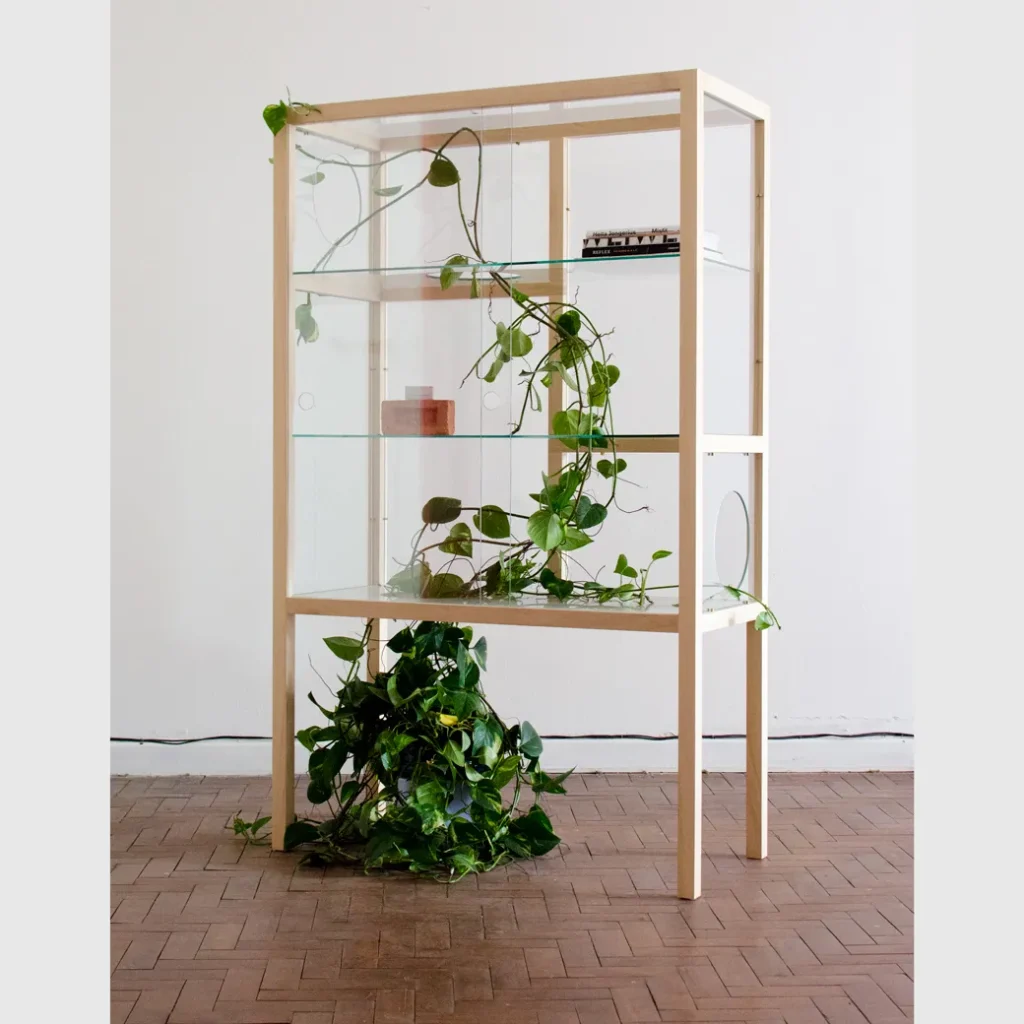
It was during this period that curio cabinets first rose in popularity. Their renewed presence today feels less nostalgic than cyclical. Once again, interiors respond to accelerated change, fluid identities and global circulation. As in the Victorian era, collecting becomes a way to steady experience — holding onto fragments of meaning as the world reorganises itself around us.
From sameness to selection
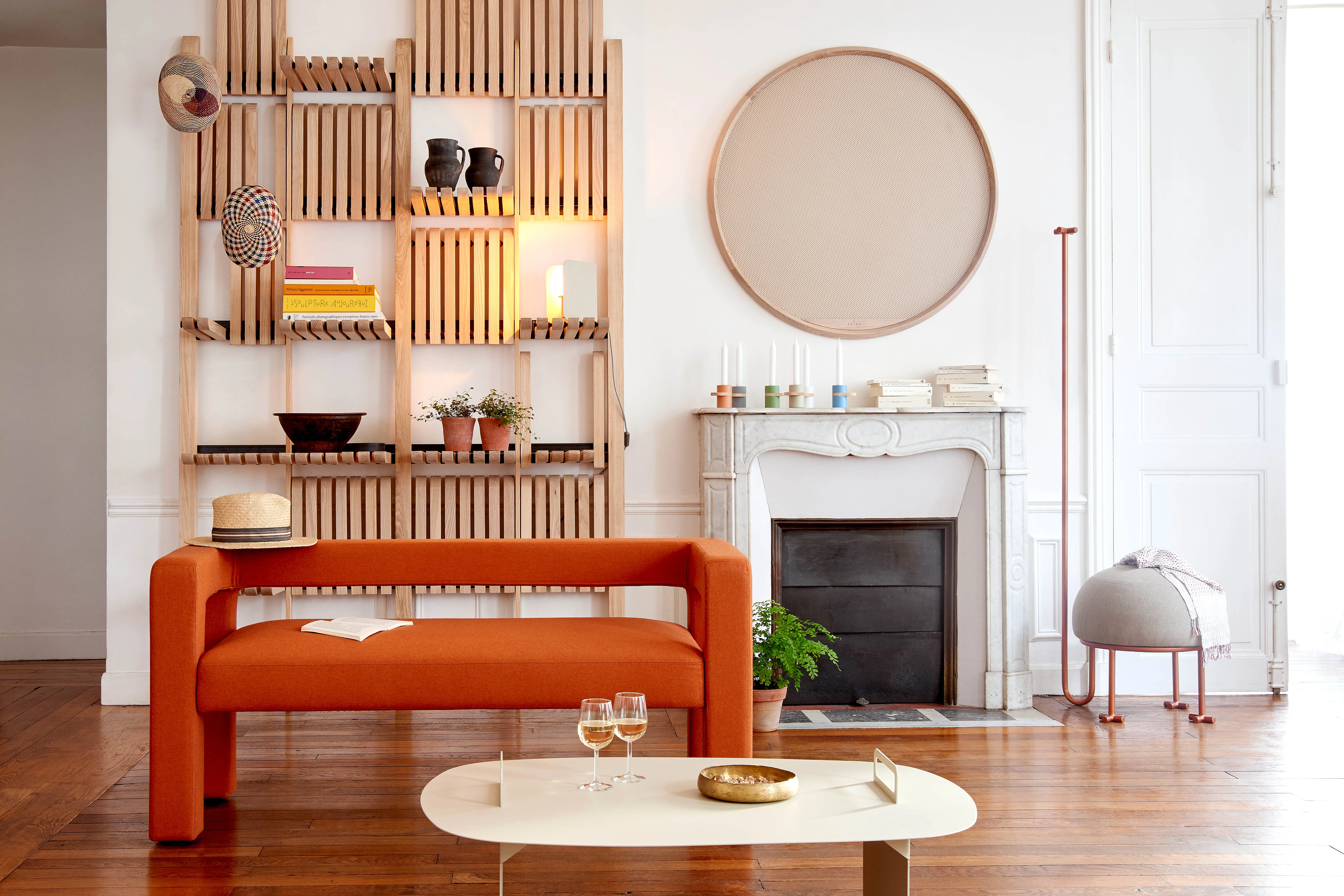
Today’s renewed interest in eclectic interiors reflects a broader social shift. After years shaped by smooth finishes, neutral palettes, clean-girl aesthetics and algorithm-driven minimalism, sameness feels draining. Thrifting, resale platforms and vintage collecting continue to grow because people want objects with history, texture and irregularity. Choice now leans toward resonance rather than visual agreement, and taste becomes something you build over time — sometimes inherited, sometimes assembled piece by piece. Eclectic interiors feel current because they hold complexity with ease. Older objects sit comfortably within present-day lives, carrying memory forward rather than freezing it in place.
Collecting as a contemporary ritual
This shift toward eclectic interiors shows up in behaviour, not only in aesthetics. Search interest for storage designed with collecting in mind — curio cabinets and open shelving — continues to rise. Hobbies centred on accumulation and reflection are gaining traction too. Practices such as junk journaling and building trinket cabinets through repeated thrift visits place value on the act of selection and proximity.
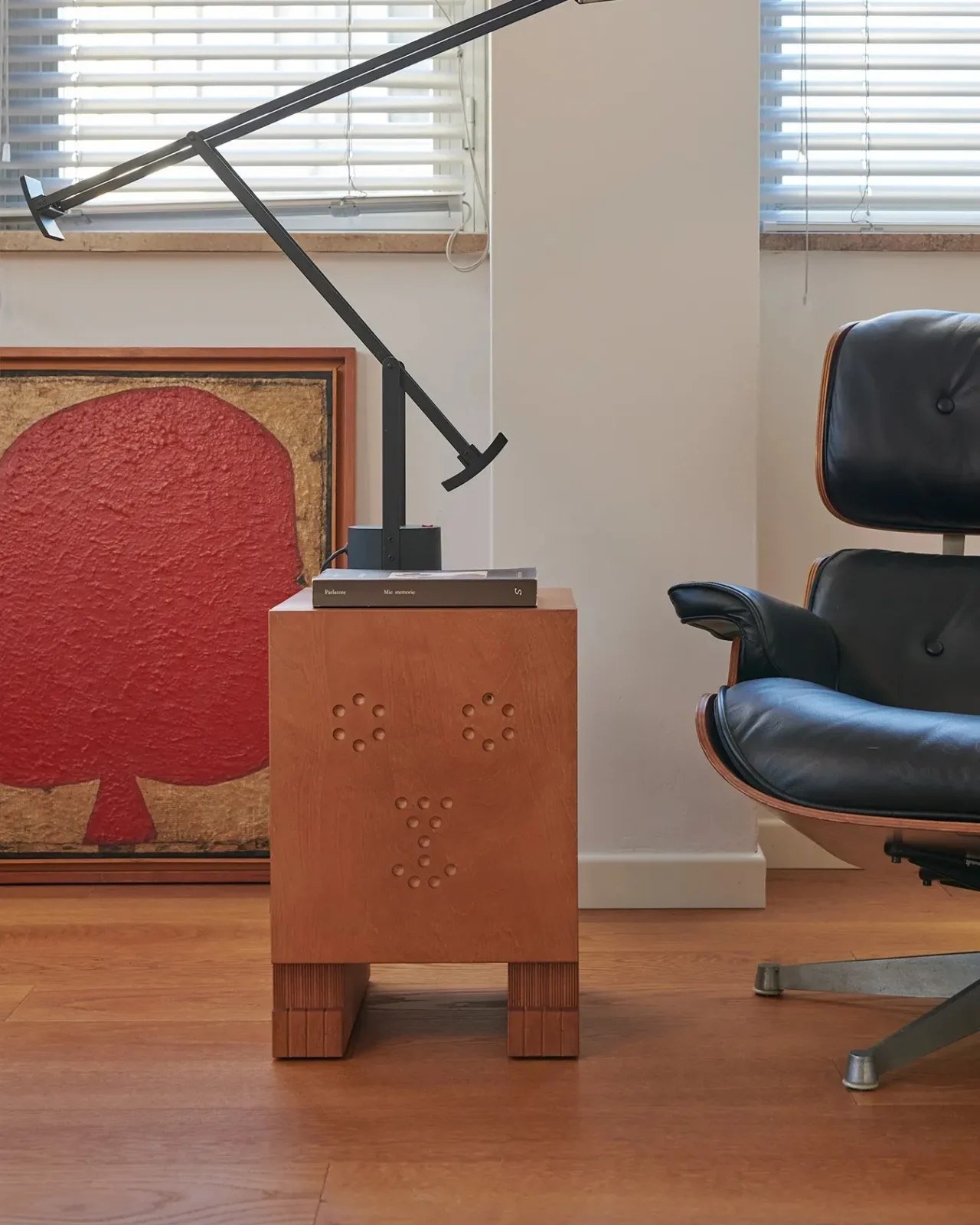
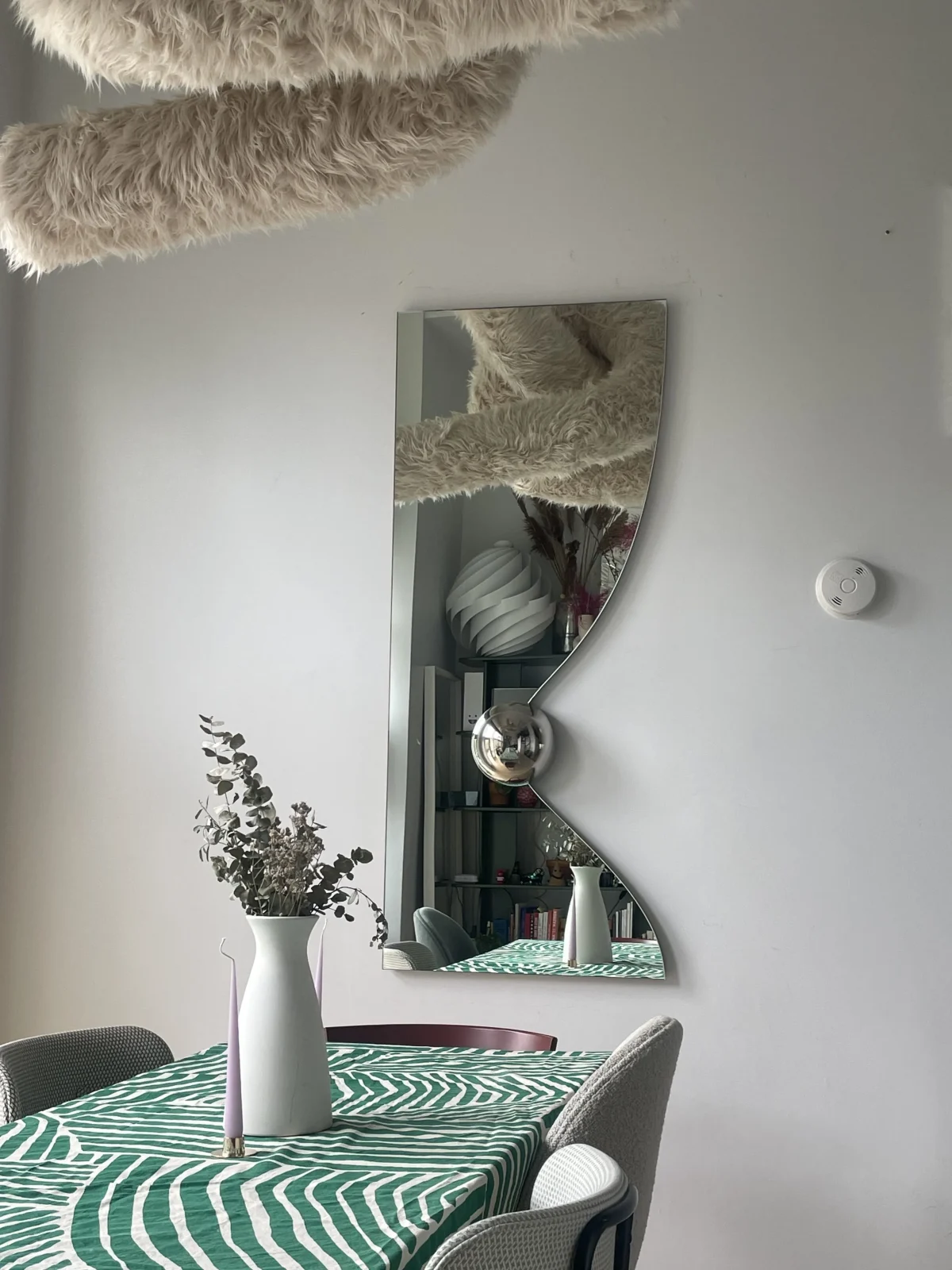
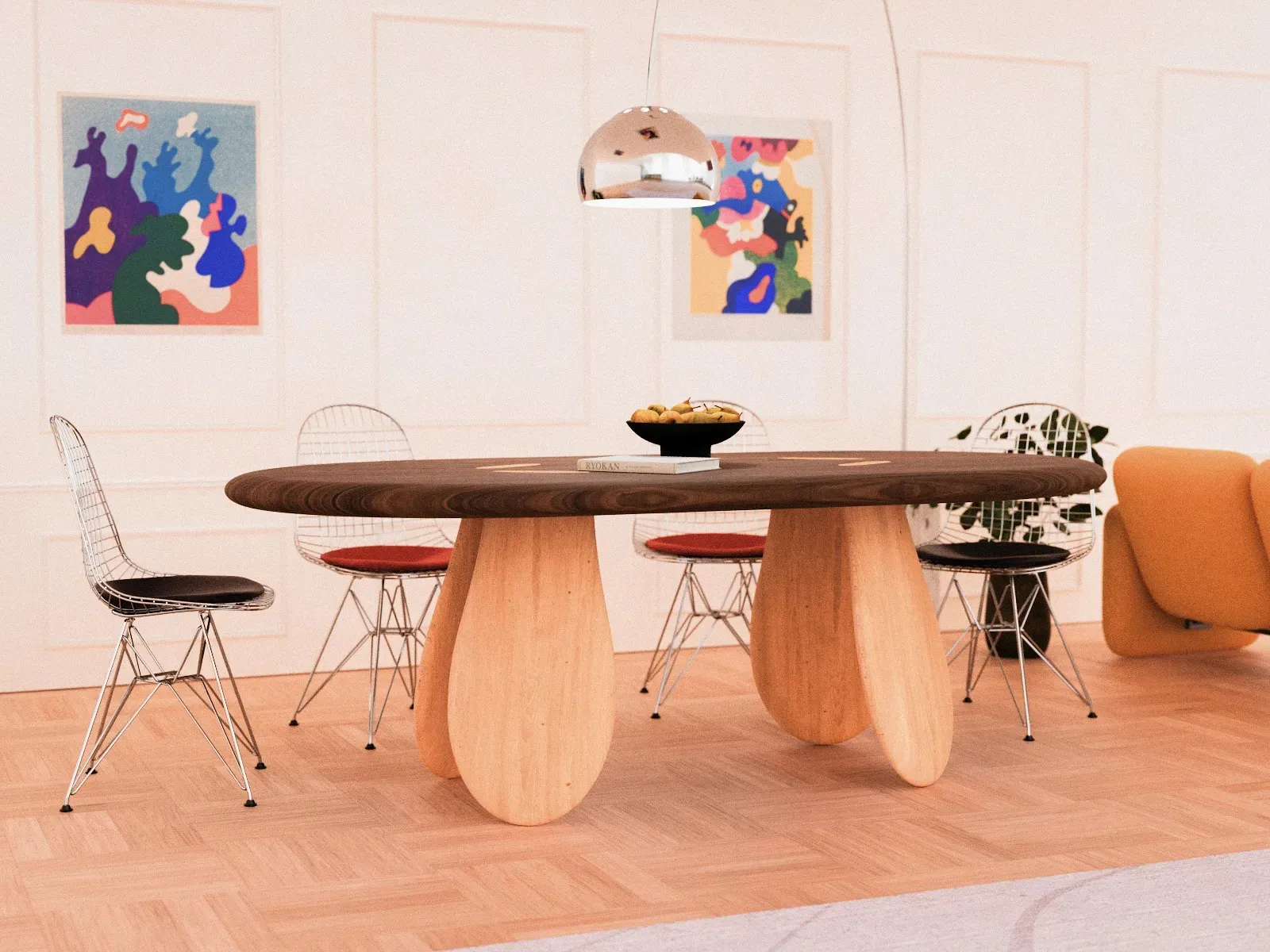
Eclecticism also functions as a visual language in its own right, independent of personal accumulation. Its appeal is evident in pre-assembled thrift bundles and styled book collections designed to arrive already gathered, carrying the appearance of having been built over time. This speaks to a desire for the visual signal of eclecticism — the atmosphere of collection without the long arc of selection.
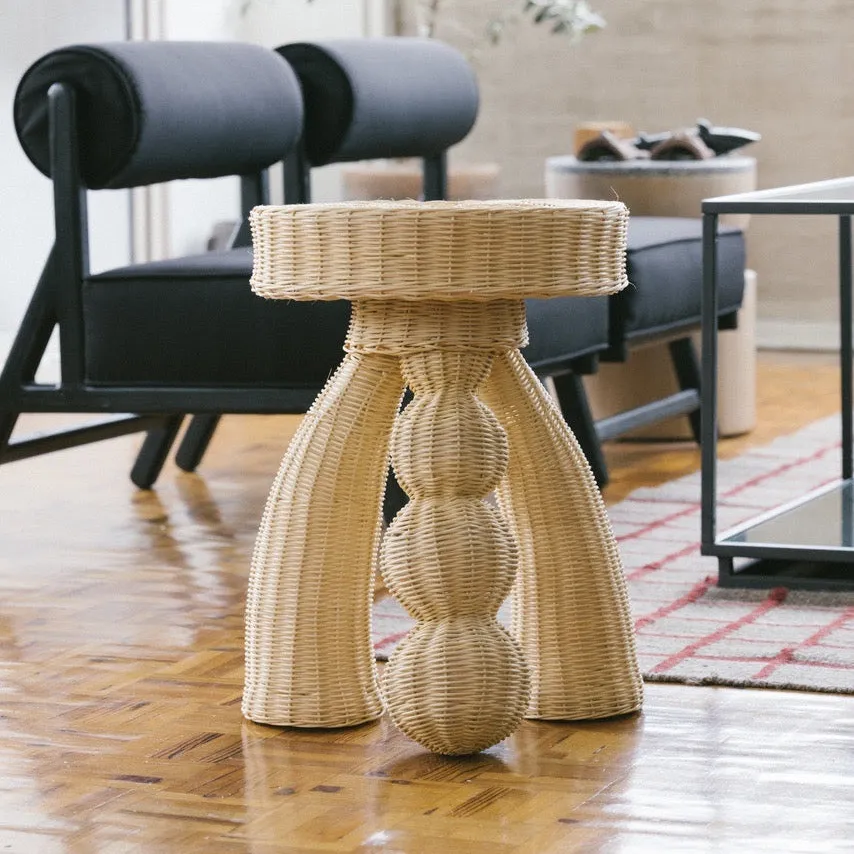
How to build an eclectic room that holds together
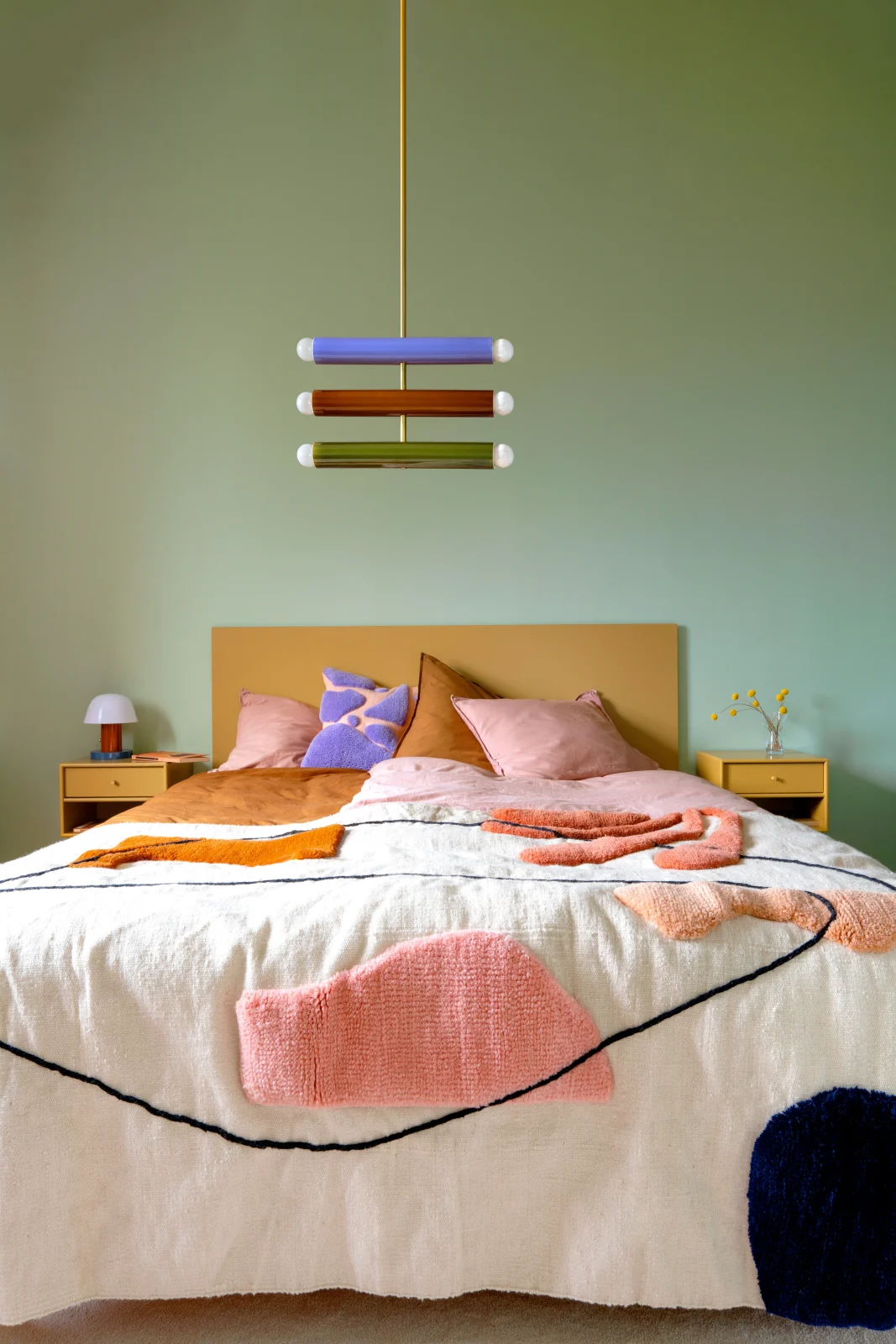
Fix the palette first. Three or four colours across the whole room, then vary everything else freely. This single constraint does more than any other to make a wide mix read as deliberate rather than accidental.
Repeat one material. Brass appearing on a lamp, a mirror frame and a handle connects three otherwise unrelated pieces. The repetition is what the eye follows through the room.
Keep scale consistent within groups. Objects of wildly different size on one surface read as clutter. Group by height and mass, then let period and origin differ as much as you like.
Leave clear space. Eclectic rooms need breathing room more than plain ones, not less. Each piece has to be visible individually to register as a choice rather than as part of a mass.
Eclectic interior design through companionship
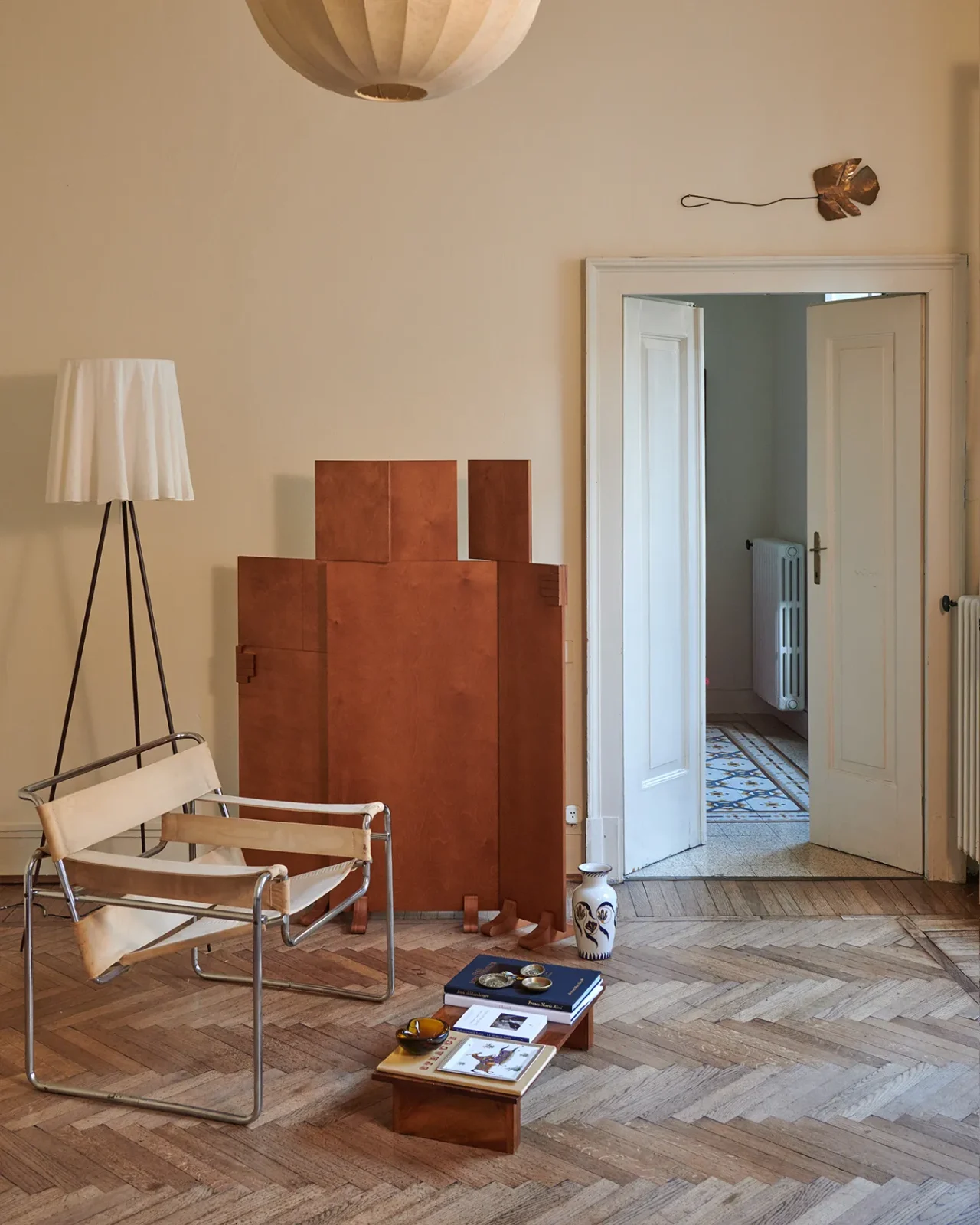
Eclectic interior design exists only through relationship. No object is eclectic in isolation. It becomes so through proximity, contrast and exchange. This is what makes eclecticism fundamentally different from other approaches — it is not a style that stands alone, it requires other styles to breathe. Modern beside antique, minimal alongside romantic, industrial next to artisanal. Eclecticism lives in dialogue, in friction, in companionship. It endures because it allows interiors to reflect how life is actually lived: layered, unfinished, and continually in conversation.
Frequently asked questions
What is eclectic interior design?
Combining objects from different styles, periods and cultures in one room, held together by something consistent — usually a restricted palette or a repeated material. It is a method of assembly rather than a look, which is why no single object is eclectic on its own.
How do you make an eclectic room look intentional rather than cluttered?
Impose one constraint and hold it — usually three or four colours, or a single material repeated across several pieces. Then keep scale consistent within groupings and leave clear space around things. If you cannot name what connects the objects, the room will read as accidental.
Can a minimalist room be eclectic?
Yes. Eclecticism concerns the range of sources rather than the quantity of objects, so a spare room holding four pieces from four different centuries is eclectic without being remotely maximal. The two are frequently confused.
Where do you start with an eclectic interior?
With one piece you genuinely want, then build outward and slowly. The look you are after is a room assembled over years, and there is no shortcut that convincingly imitates it — which makes this the rare style where doing it properly is also the cheaper route.
Is eclectic the same as bohemian or maximalist?
No. Boho has a defined material and colour vocabulary; eclectic has none, so an eclectic interior could be entirely chrome and glass. Maximalism concerns quantity; eclecticism concerns where things come from. Both are possible eclectic outcomes rather than synonyms.