Updated on: August 21, 2026
The design world is recalibrating its value systems. As global consumption rises, a counter-movement has emerged where creatives find worth in the discarded, the thrifted and the overlooked. This is not only environmental consciousness but a broader cultural dialogue about material worth and meaning.
The numbers reflect the change. The global secondhand market reached $264 billion in 2025, with 37% of consumers increasing spending on secondhand apparel, and resale is projected to outpace traditional retail ninefold by 2027. Those figures point to a reimagining of how objects acquire and retain cultural significance.
Designers have become cultural archaeologists, transforming industrial waste, construction debris and found materials. Their work shifts away from modernist ideals of progress and newness, showing that innovation often arises through transformation rather than creation. It manifests in three approaches — repurposing found objects, recontextualizing salvaged materials, and metamorphosing waste into entirely new substances — and each reflects a different relationship with time, memory and material culture.
What is thrifted design?
Thrifted design is the practice of building new work from secondhand, salvaged or discarded material rather than from newly produced stock. It overlaps with upcycling but is broader: upcycling describes what happens to the material, while thrifting describes where it came from.
Consequently the defining constraint is supply. A designer working from salvage cannot order more of what they used, which means editions are short or singular by necessity. That scarcity is not a marketing decision, and it is the clearest practical difference between this work and mass-produced furniture that happens to use recycled content.
Repurposing with purpose: preserving the past in new forms
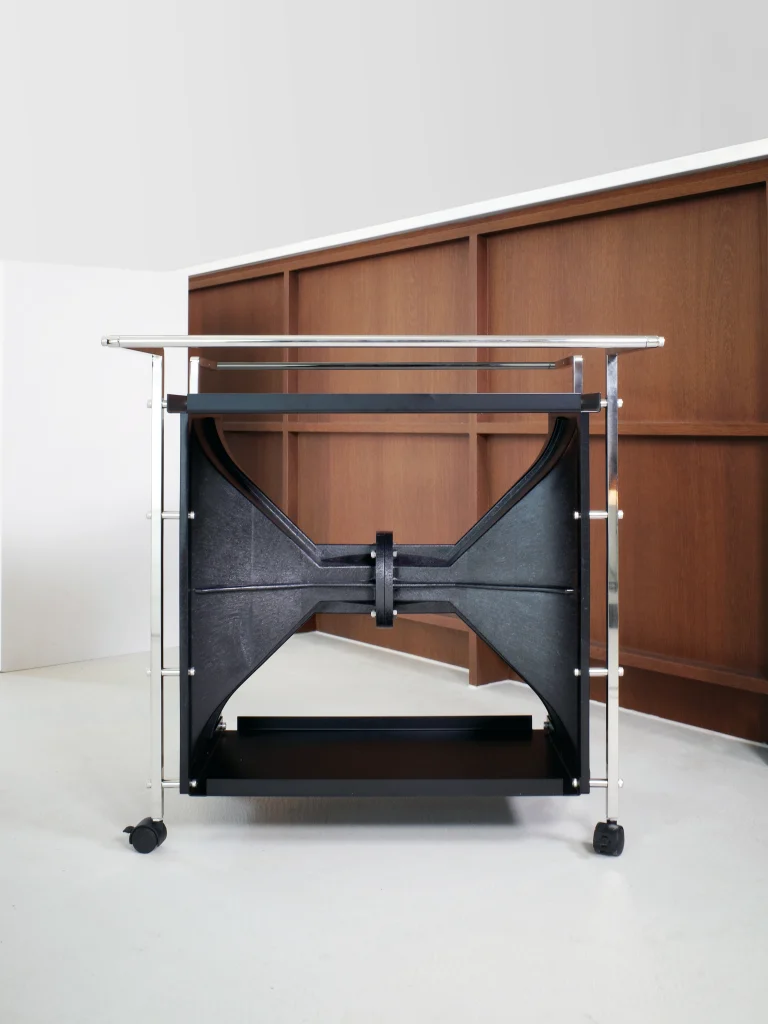
Juyong Shim’s Horn Series reinterprets the speaker horn — an industrial relic now largely obsolete. Decommissioned audio horns become shelves, side tables and stools, with the original flared geometry left entirely legible rather than disguised.

Lauren Goodman’s Fresh Catch series addresses ocean waste directly. Roughly three million lobster traps sit in Maine’s waters and more than a hundred thousand are lost each year; Goodman collects abandoned traps by hand from tidal coves, deconstructs them and welds them into furniture that keeps its maritime identity while serving domestic functions.

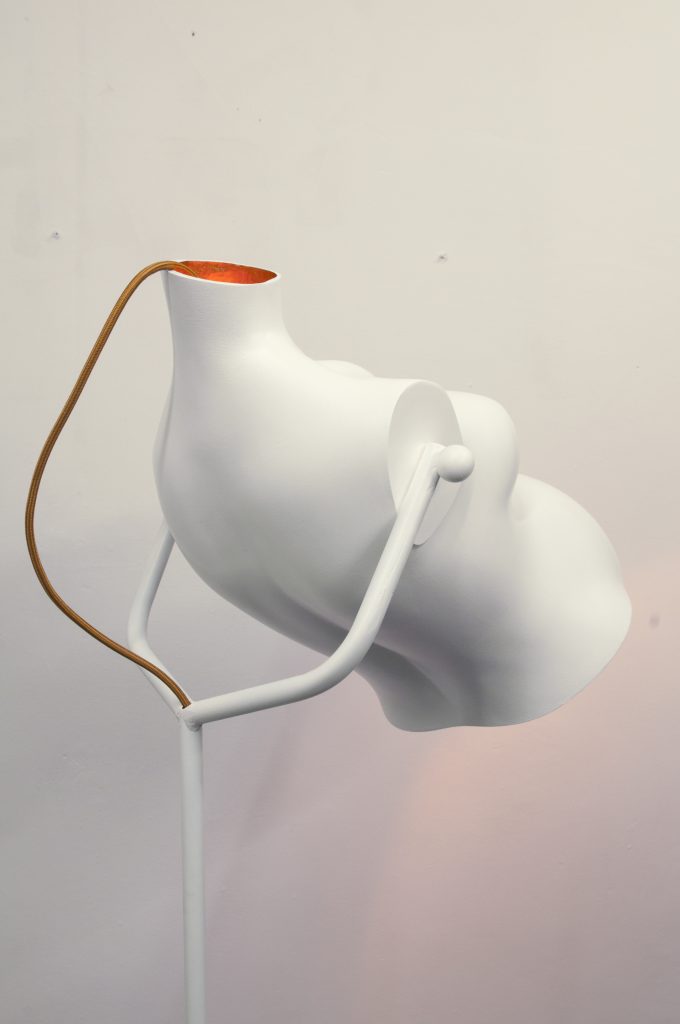
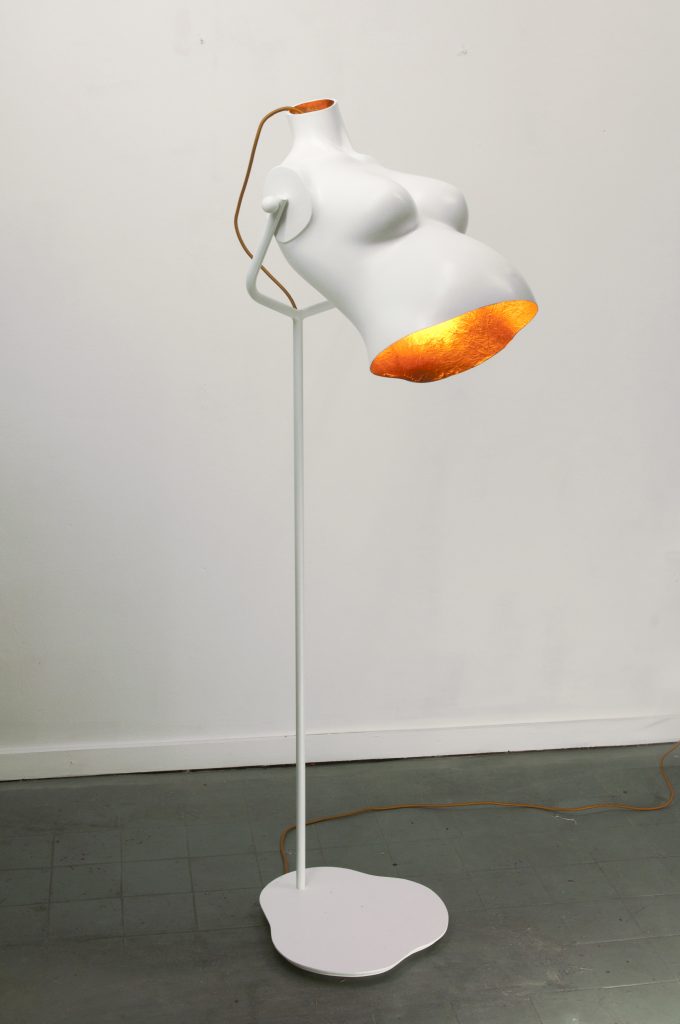
StorqueStudios‘ Pregnant Lady floor lamp turns a thrifted mannequin into sculptural lighting. The designers describe the results as “regenerated bodies of light” — an object made to represent the human form, given a second life as something that illuminates.
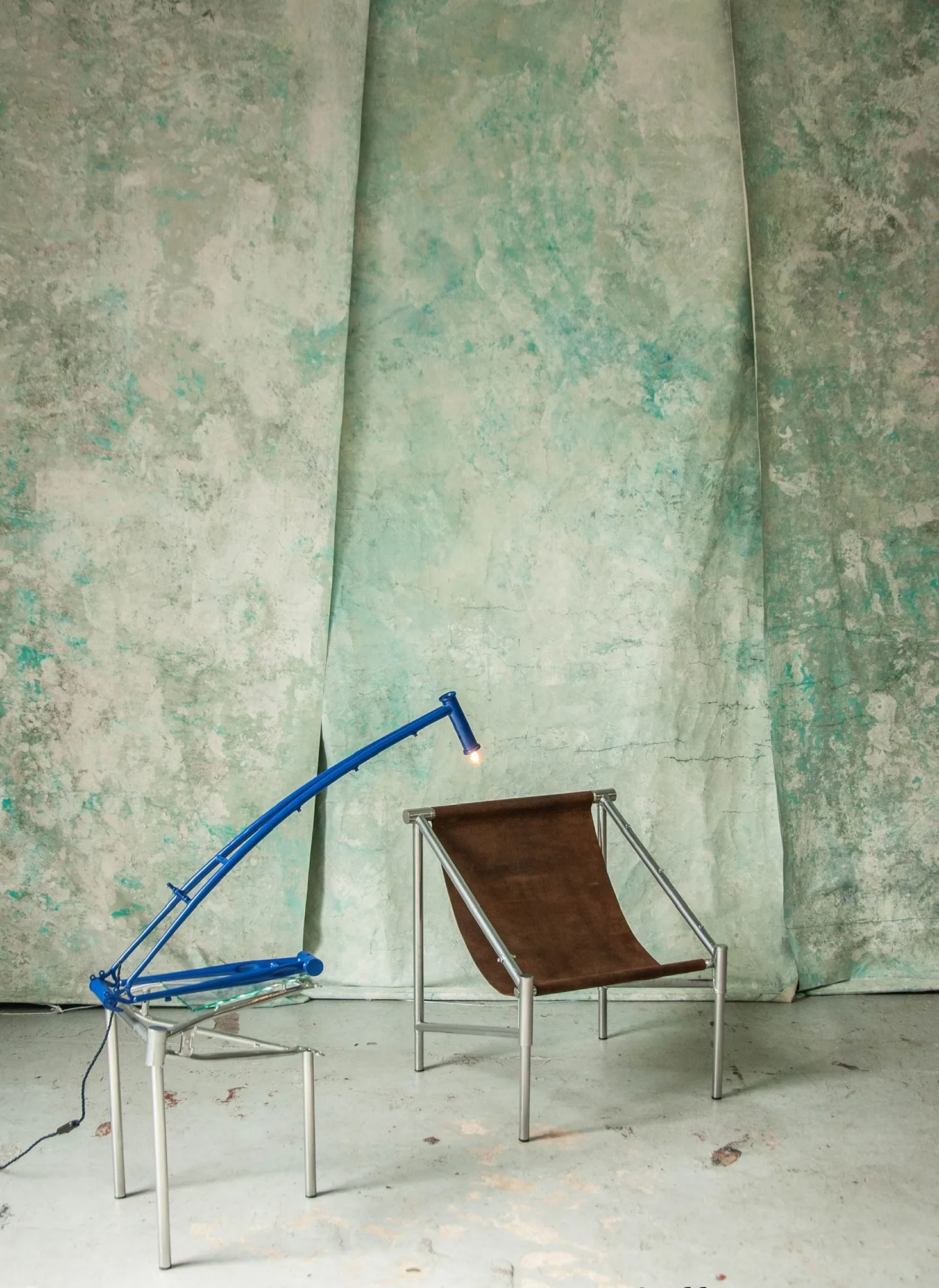
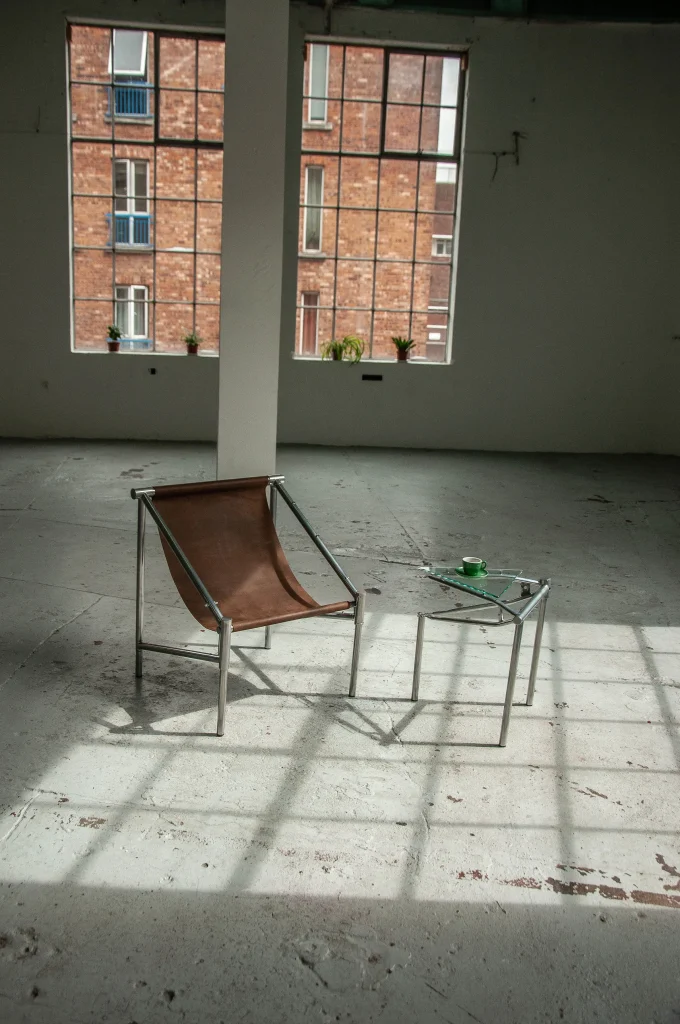
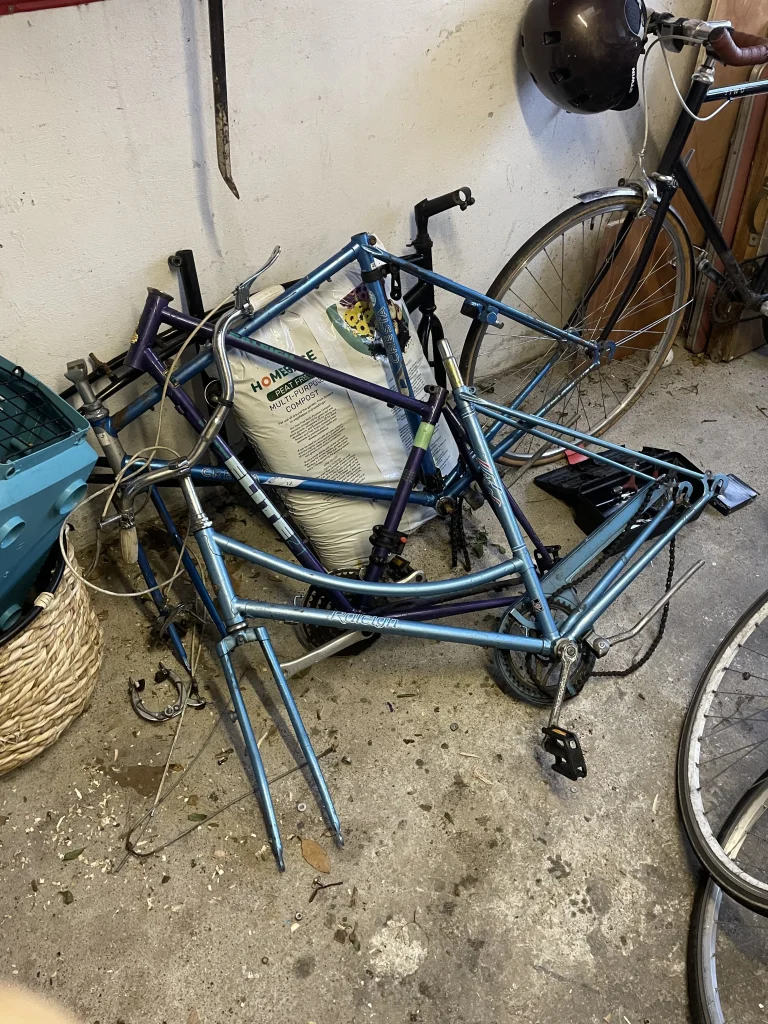
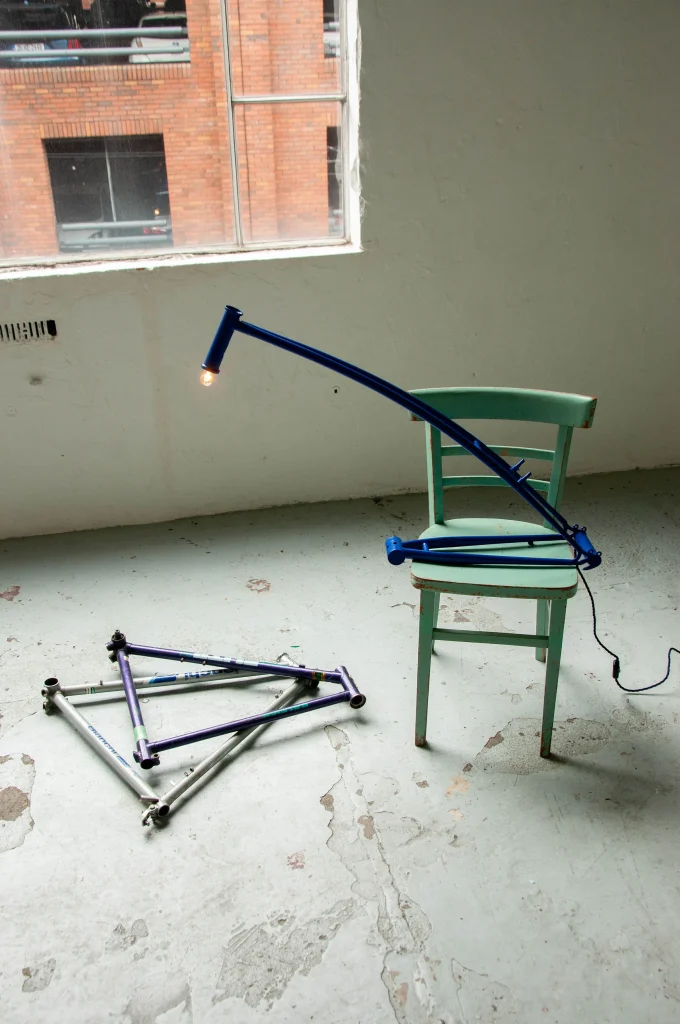
Cara Campos‘ O.F.F series works bicycle frames into domestic furniture, the Steel Lounge Chair using road bike front triangles. Campos is explicit that the work goes beyond upcycling — it “pays homage” to the intangible value the material already carries, which is a different claim from simply diverting it from waste.
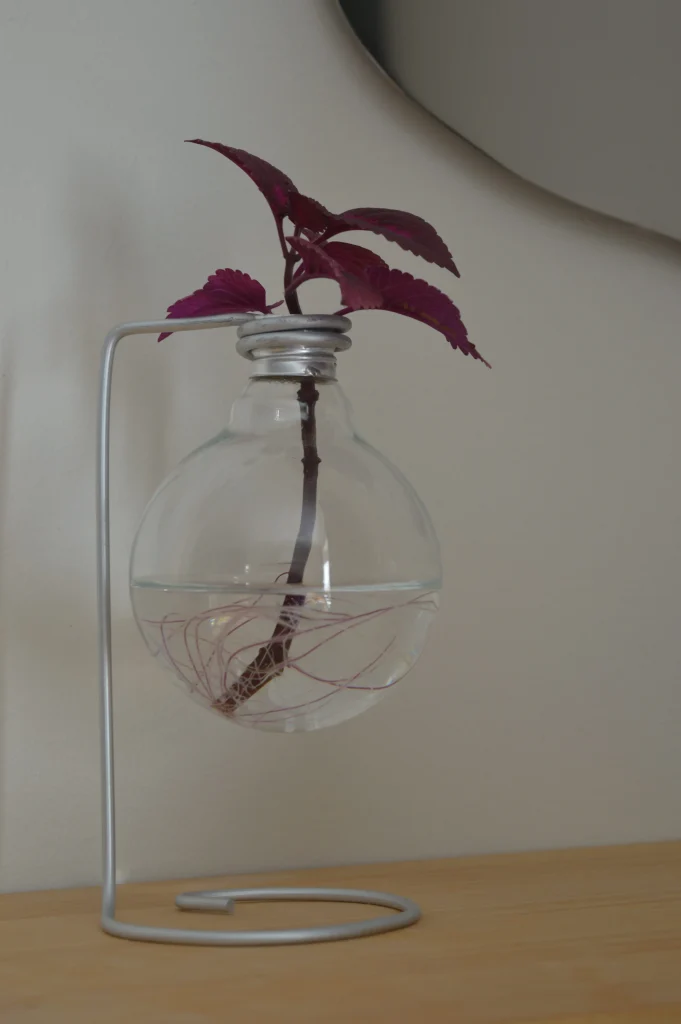
Bulb — Glass Cuttings Vase by Olle Sahlqvist uses upcycled lamps as holders for propagating houseplants. The vase gives cuttings a place to grow new roots — a discarded object supporting something else’s second start, which is a neater version of the argument than most pieces here manage.

Salvaged stories: breathing new life into historical materials
Materials that keep their original character while taking on new contexts act as vessels of collective memory. SKNYPL’s Living Sculpture collection repurposes 200-year-old pine from a Georgian railway sawmill into modular furniture — timber that had already served one purpose for two centuries before starting another.
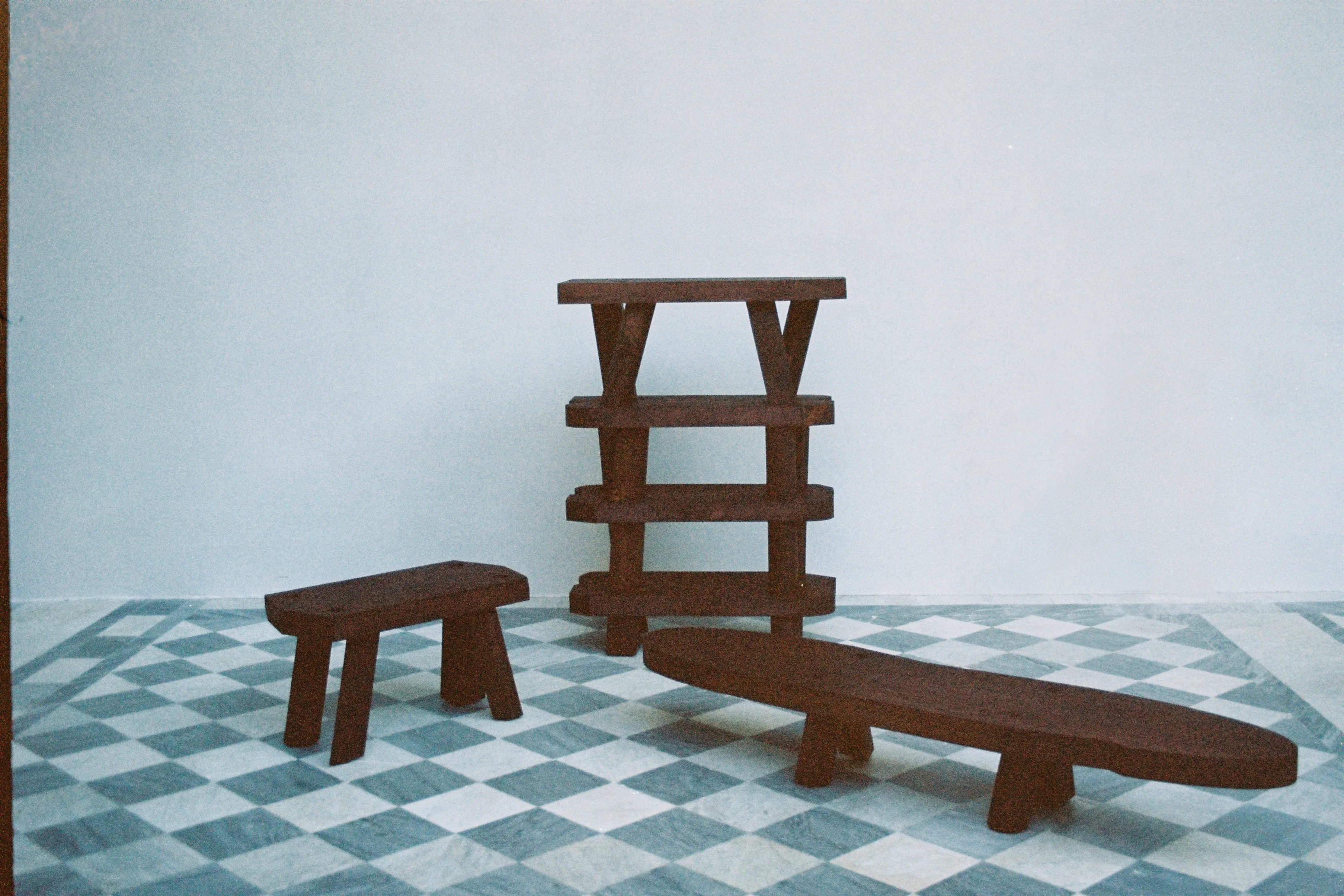
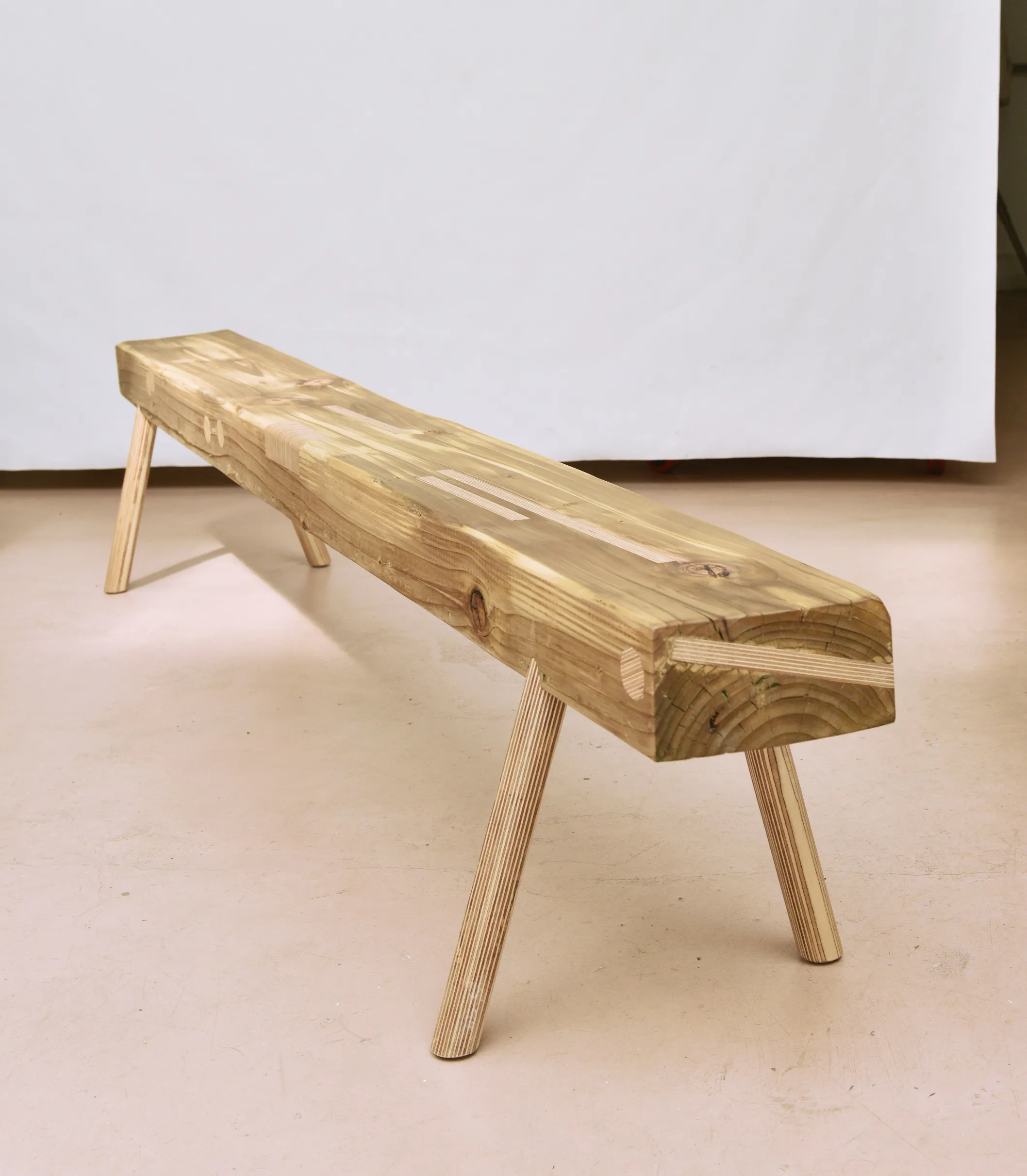
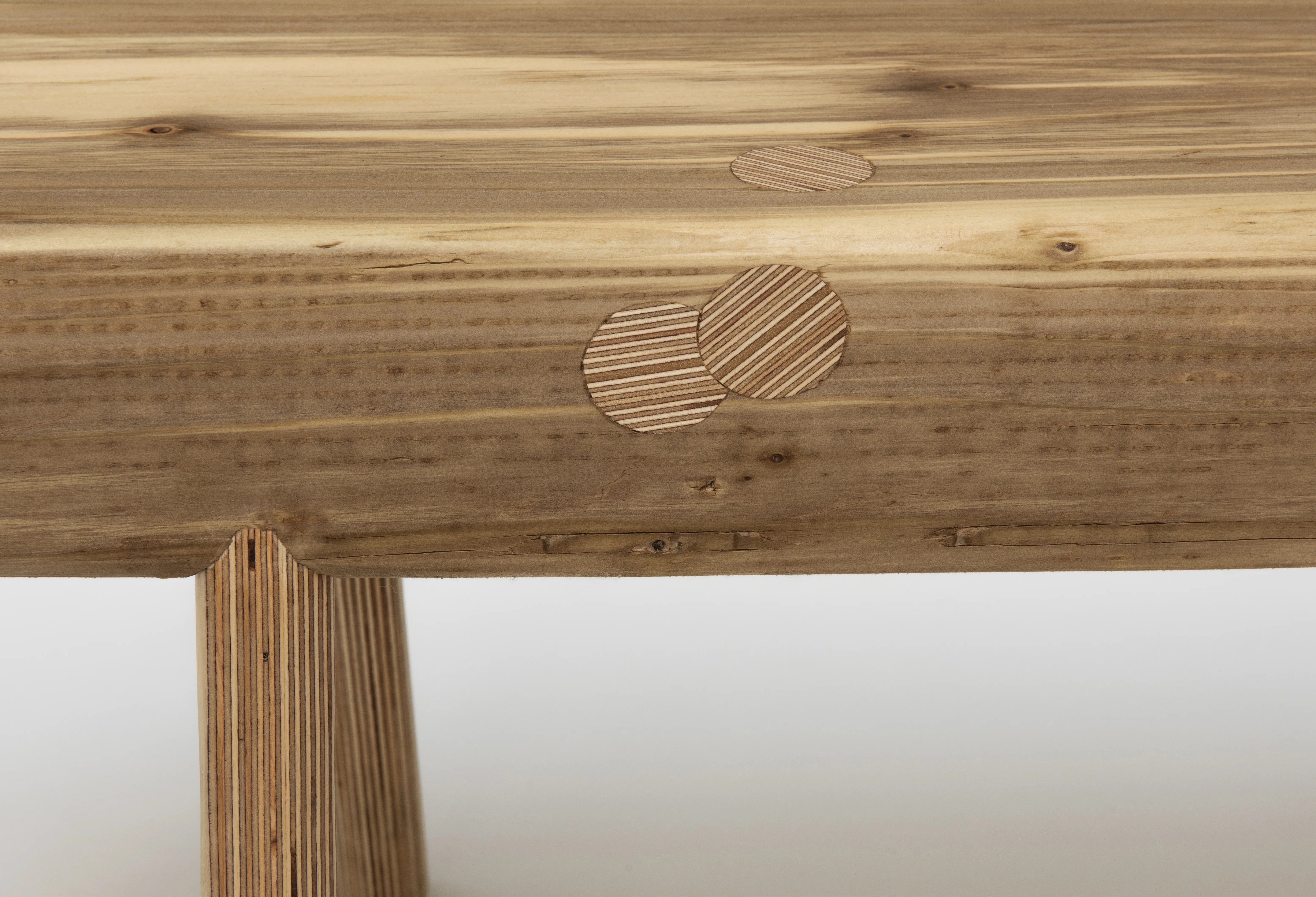
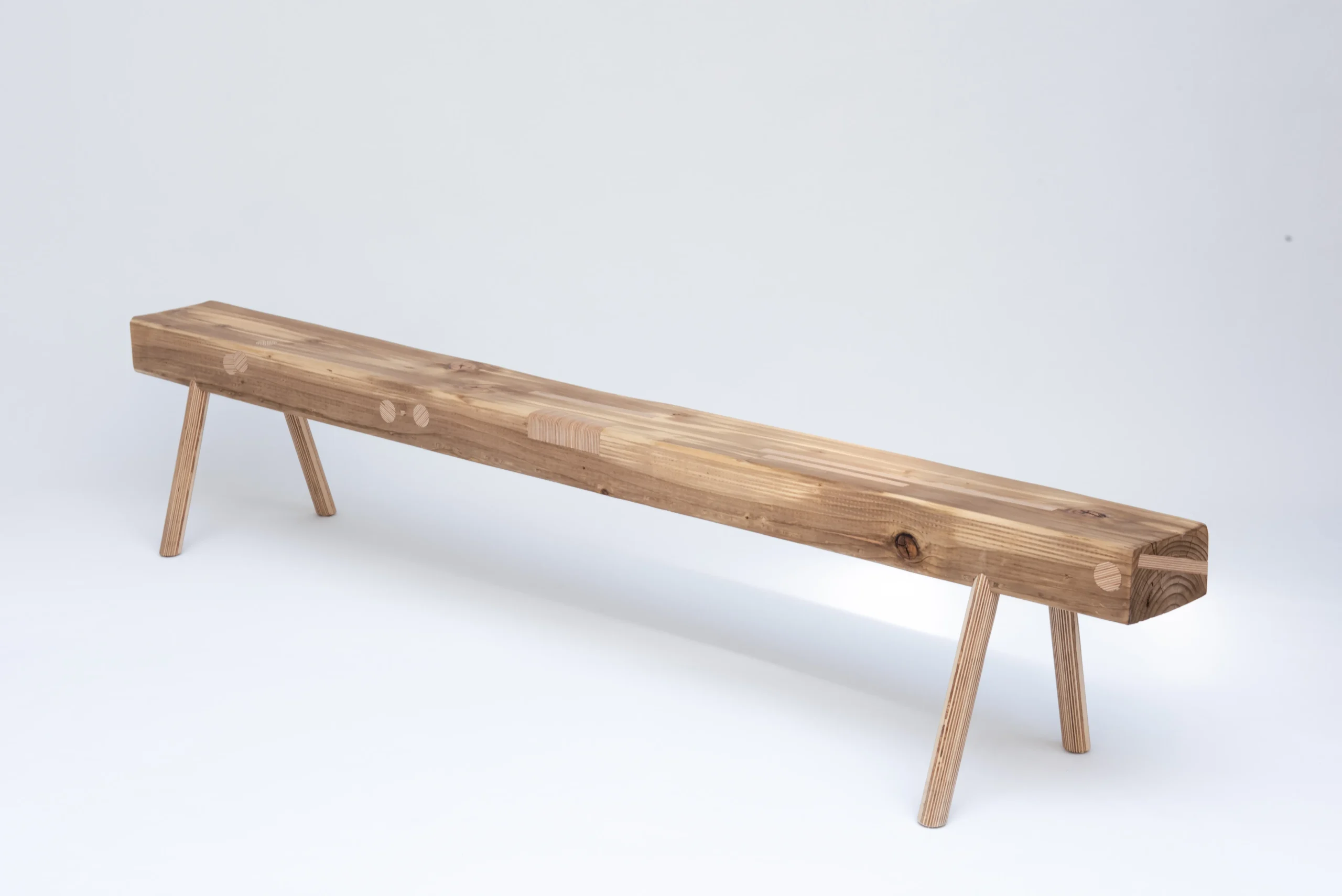
StorqueStudios‘ Bimschtal bench series treats the wear on construction beams as the feature, keeping scratches and screw holes rather than sanding them out. Birch plywood inserts repair the beams and simultaneously draw attention to the patina — repair made visible instead of concealed.
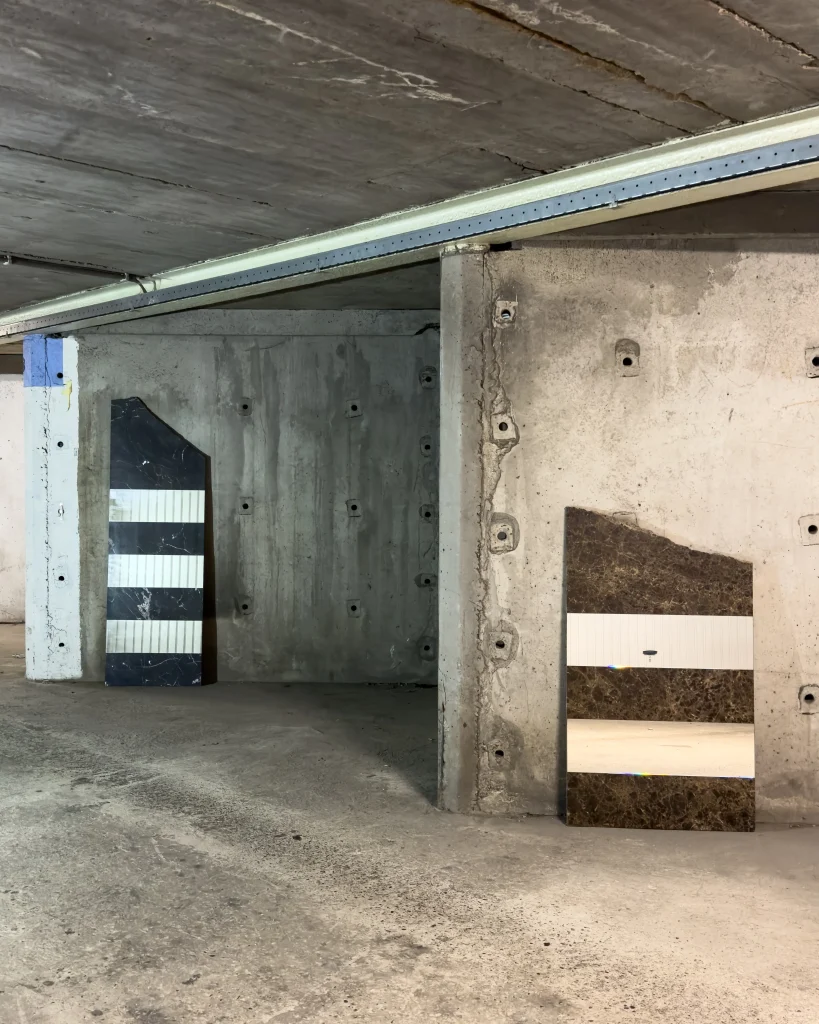
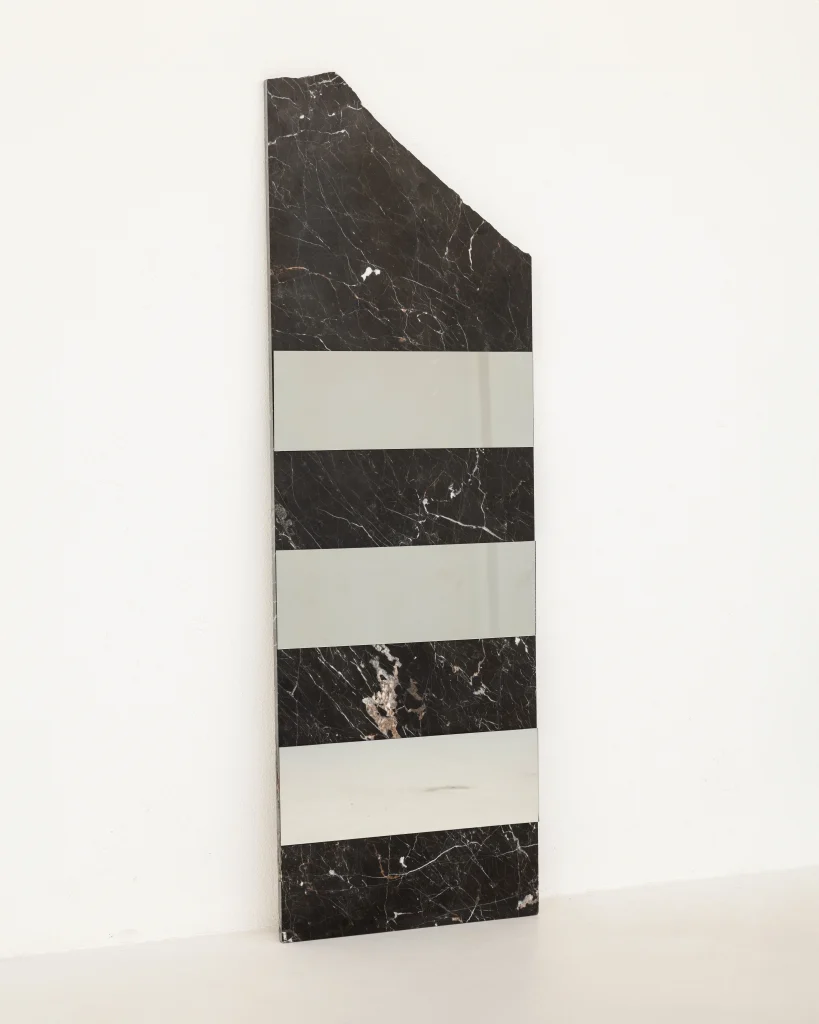
Oskar de Roover’s Broken Mirror collection turns damaged marble into sculptural art, inserting precision-cut mirrors into the natural fractures. The contrast between the accidental break and the machined insert is the piece — destruction and control held in the same object.
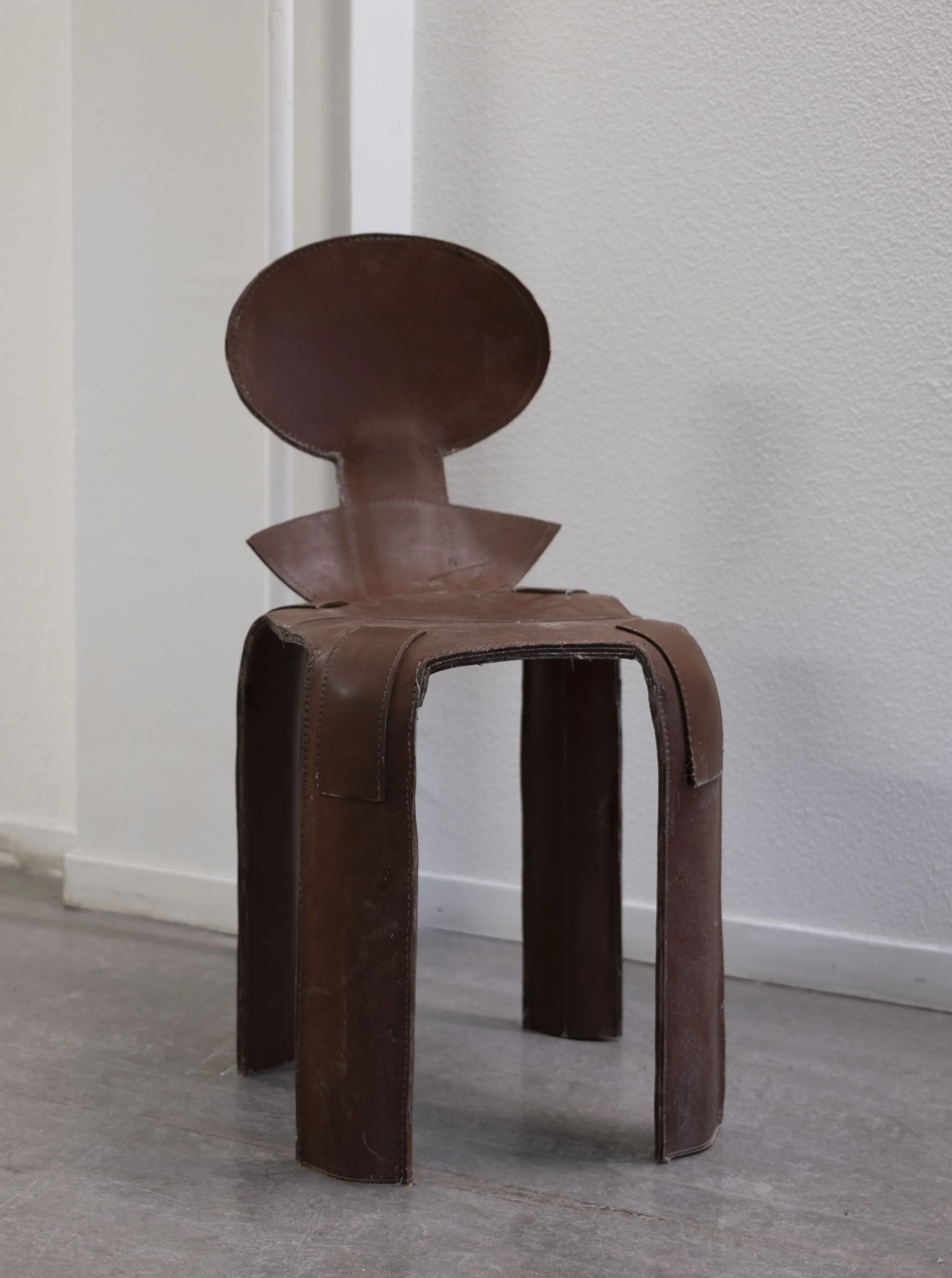
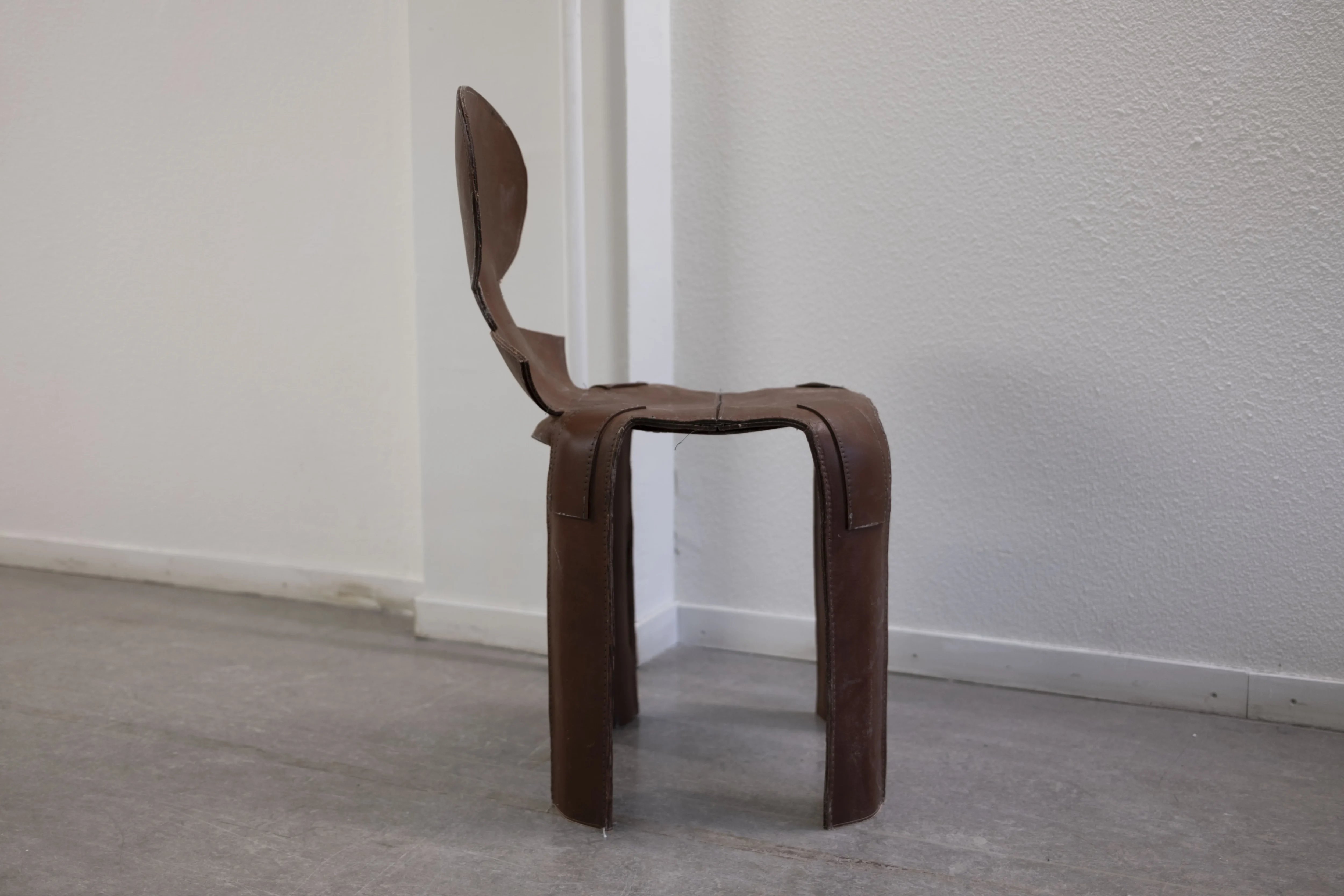
Emil Keller’s Hartleder Cowhide Chair uses second-grade cowhide — discarded for imperfections — hardened with animal fat. The chair needs no additional materials at all. With around 45% of cow skins discarded in Western countries, it is one of the more materially rigorous sustainable propositions here.
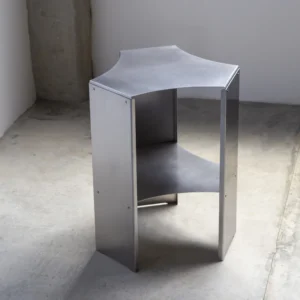
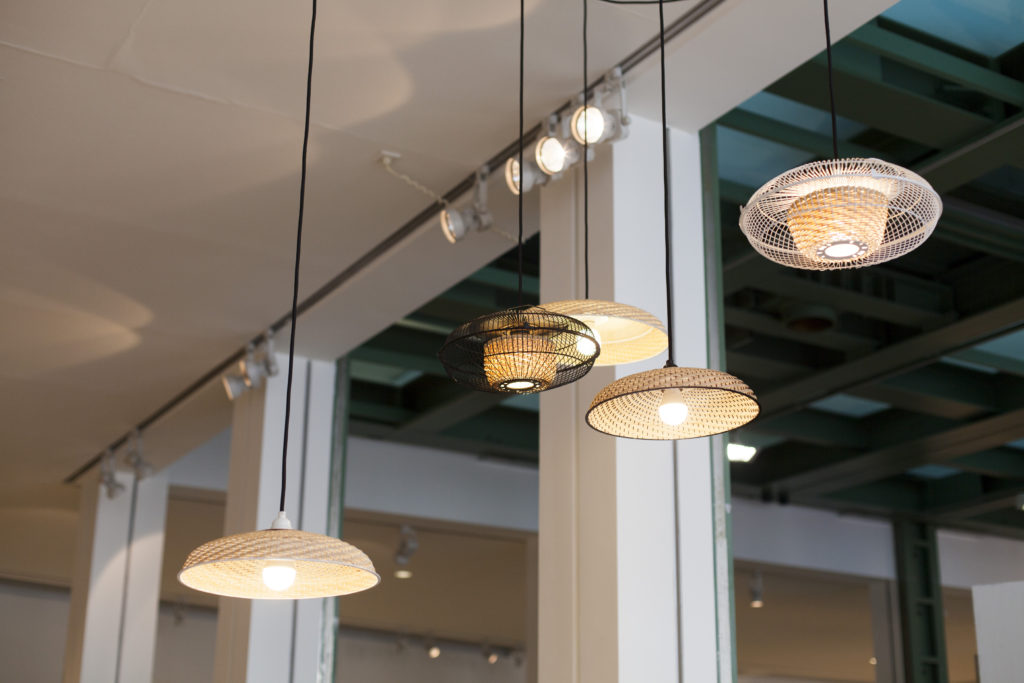
Nolan Talbot-Kelly’s Contemporary Waste collection includes the Hood Light, made from found stainless steel ductwork. The perforated surface throws dappled light, and wing nut fasteners keep the reference to the material’s mechanical origins visible rather than tidying it away.

Metamorphosis of waste: transforming the discarded into design
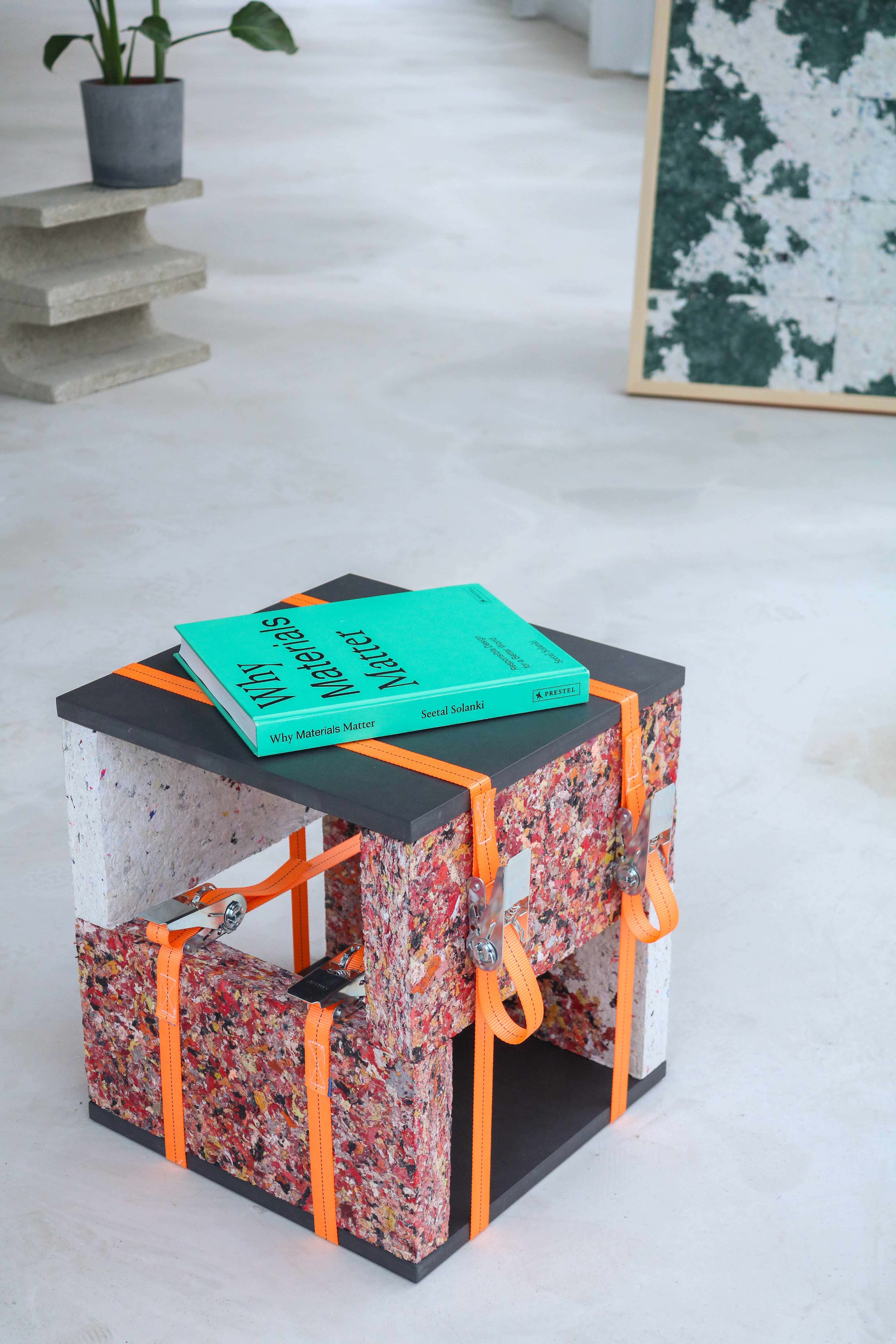
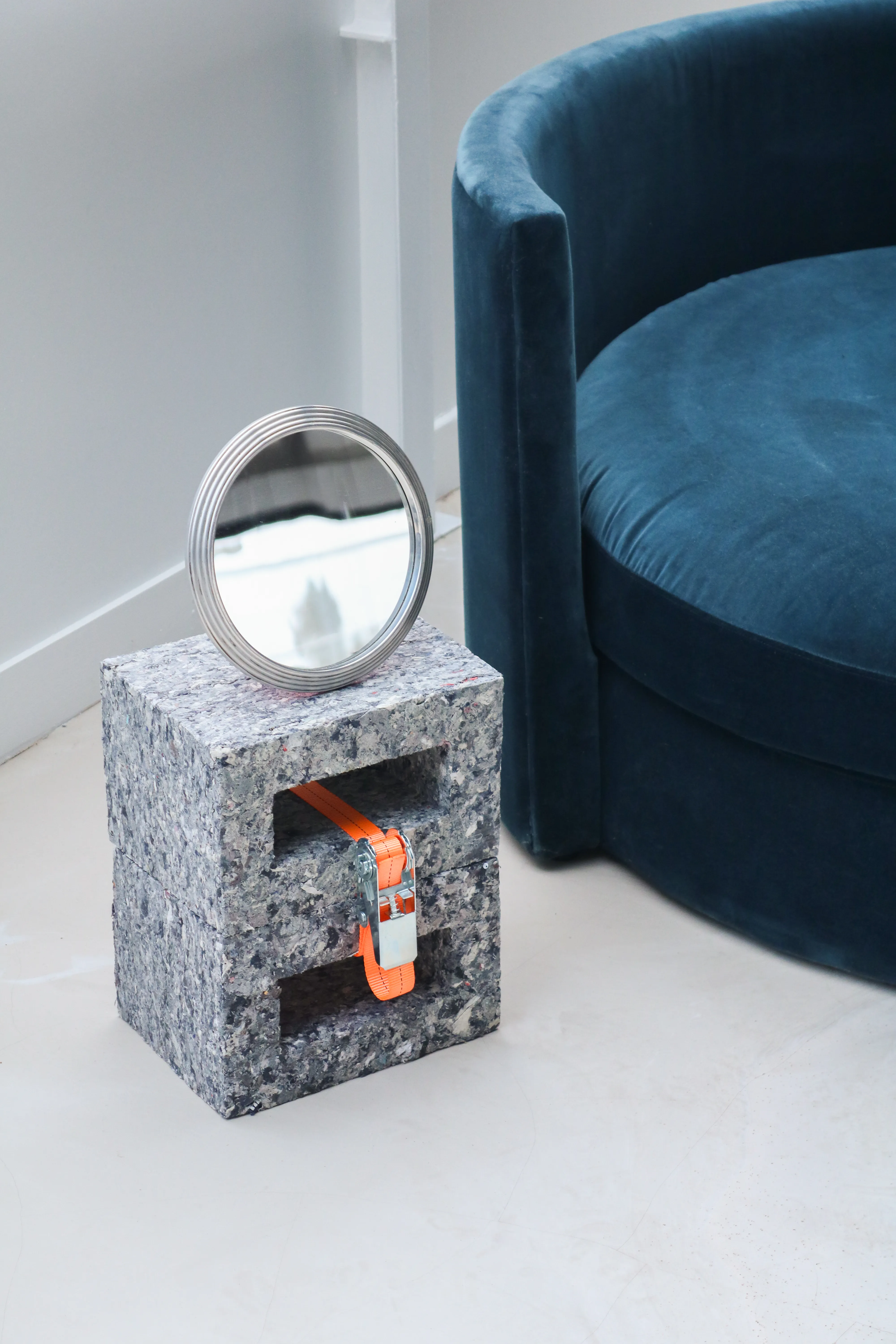
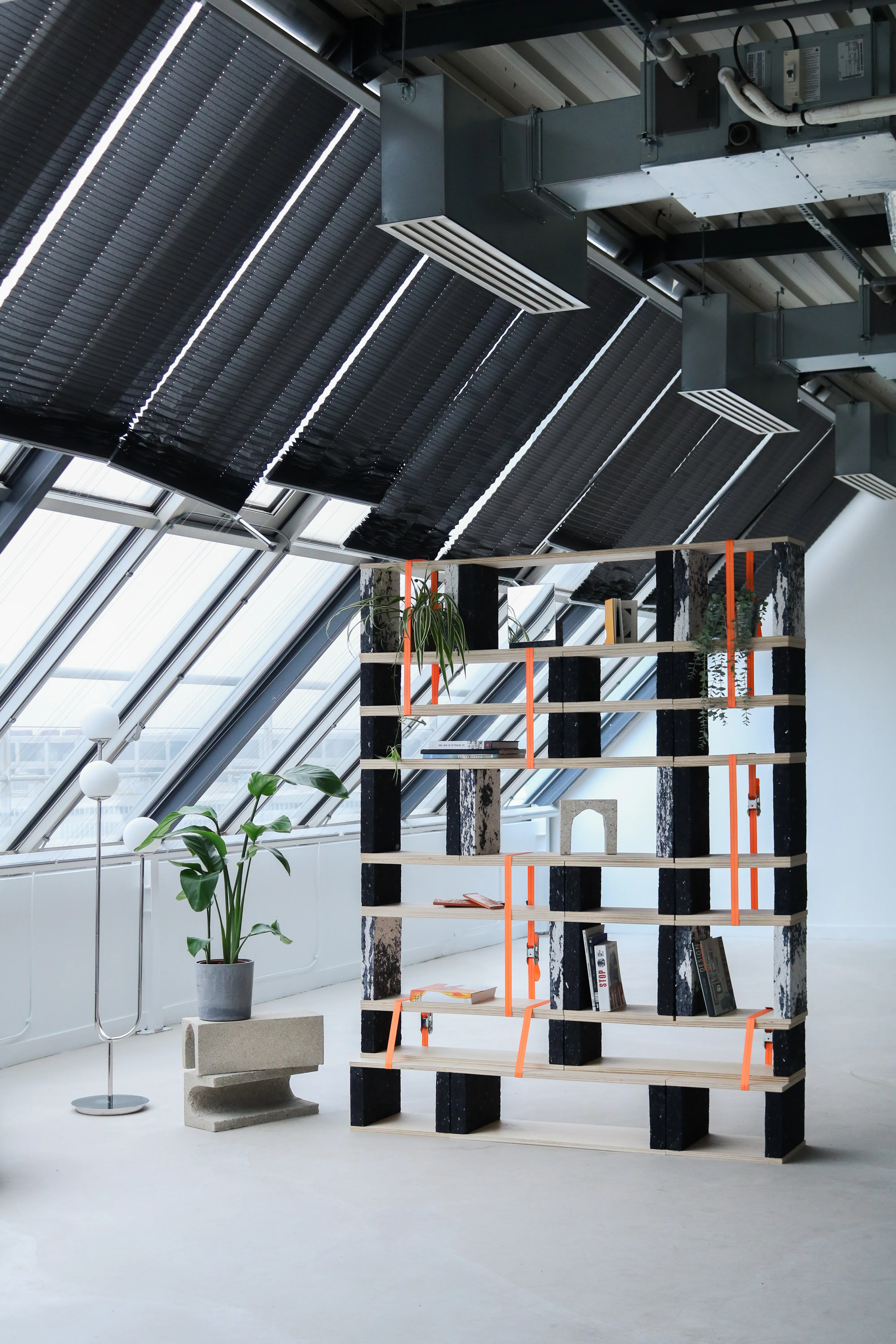
At the far end of the spectrum, designers create entirely new materials from recycled components, where the original object disappears completely. FabBRICK transforms textile waste into modular building blocks that read like stone — soft, pliable fabric pressed into rigid structural form, reversing what each material is normally asked to do.
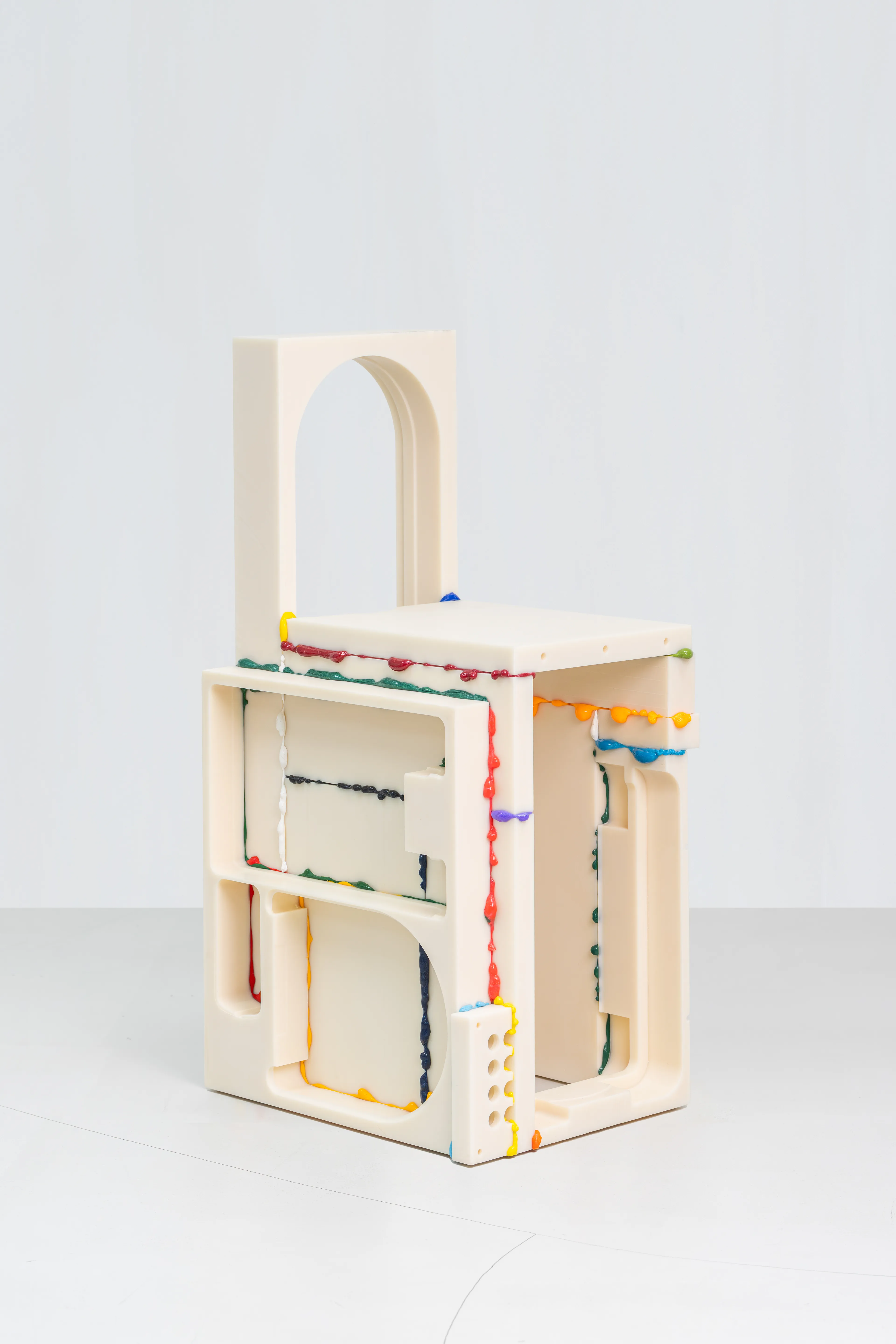
Atelier SOHN’s B.S.P Series came out of five years working with Samsung factory waste, initially pressing recycled plates from large discarded machining units. The turn came when the designer realised the original components already had aesthetic qualities requiring minimal intervention — a conclusion that reversed the studio’s whole material philosophy.
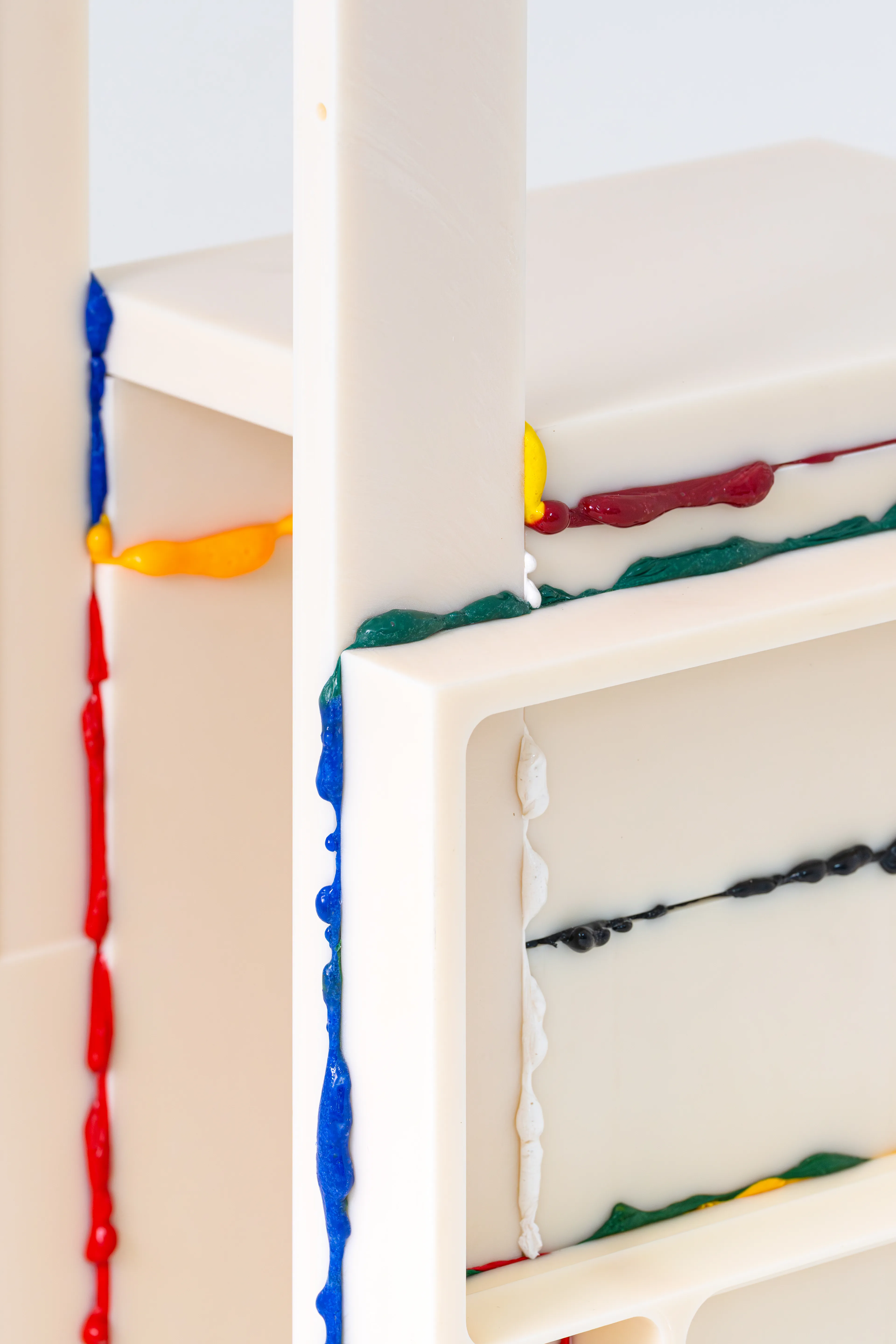
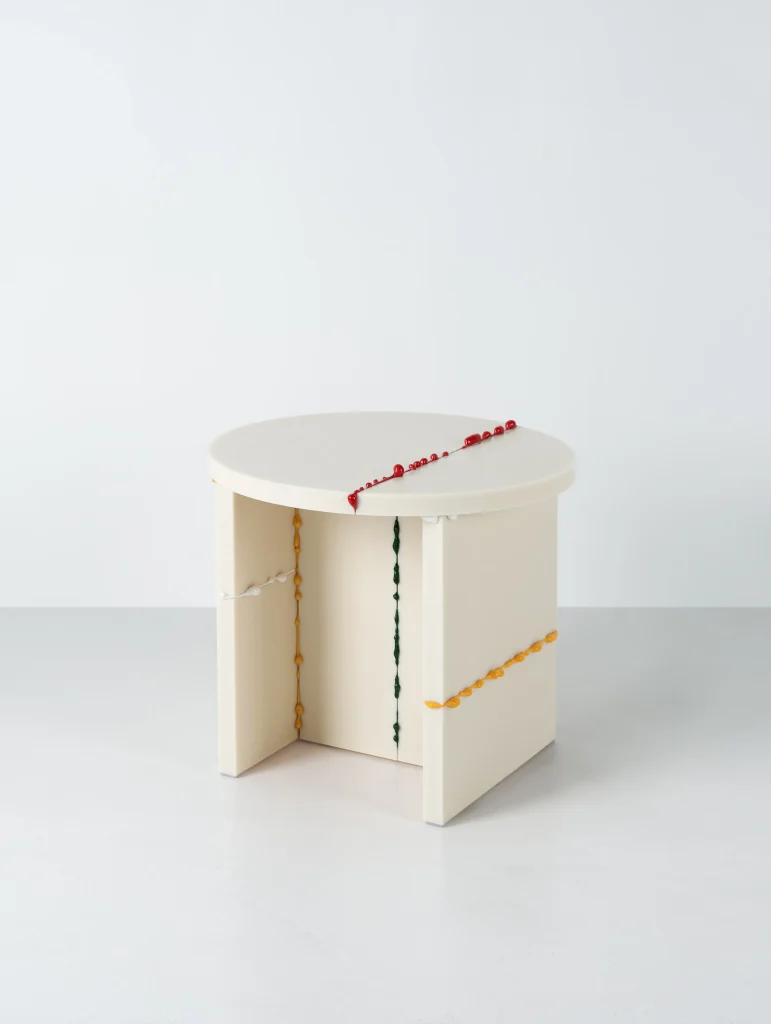
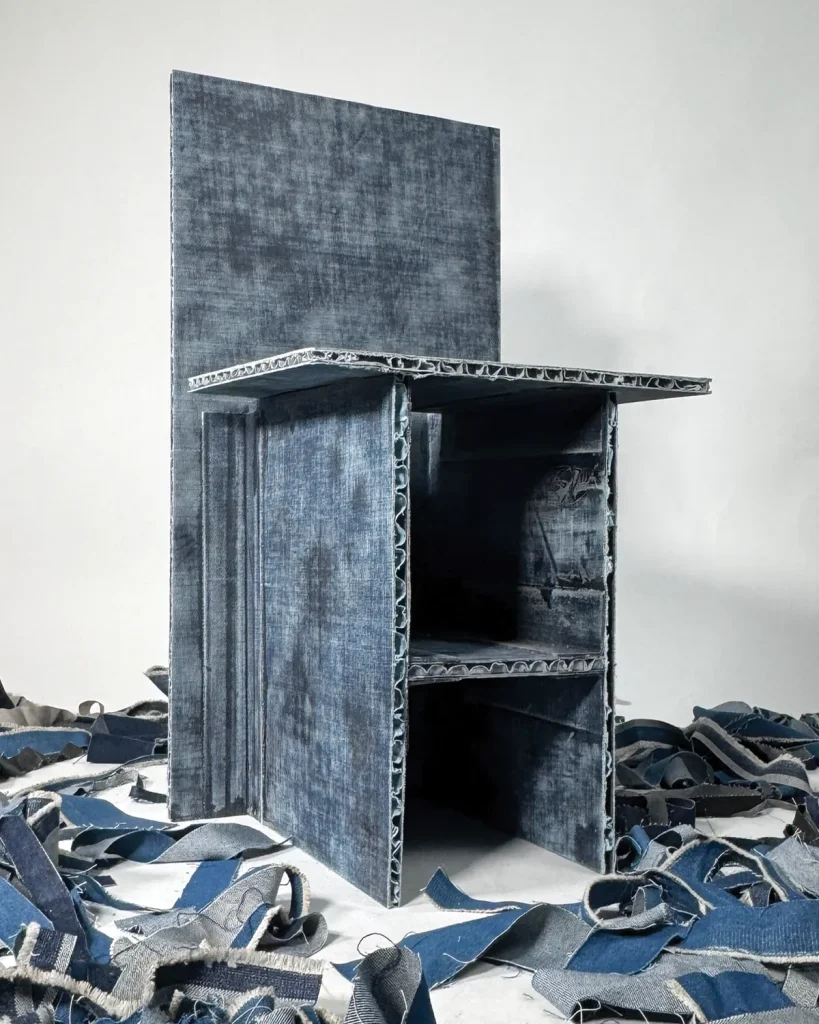
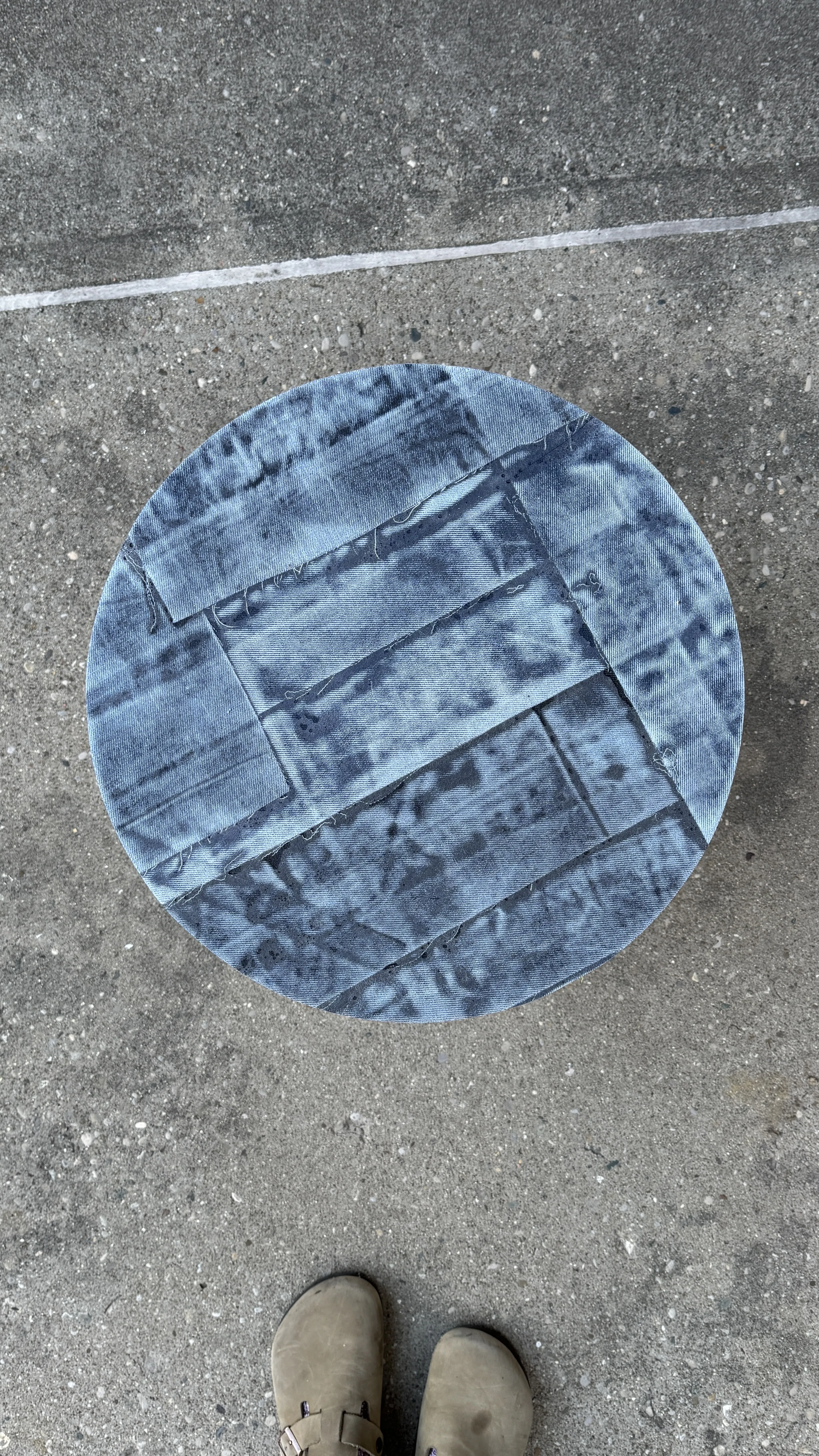
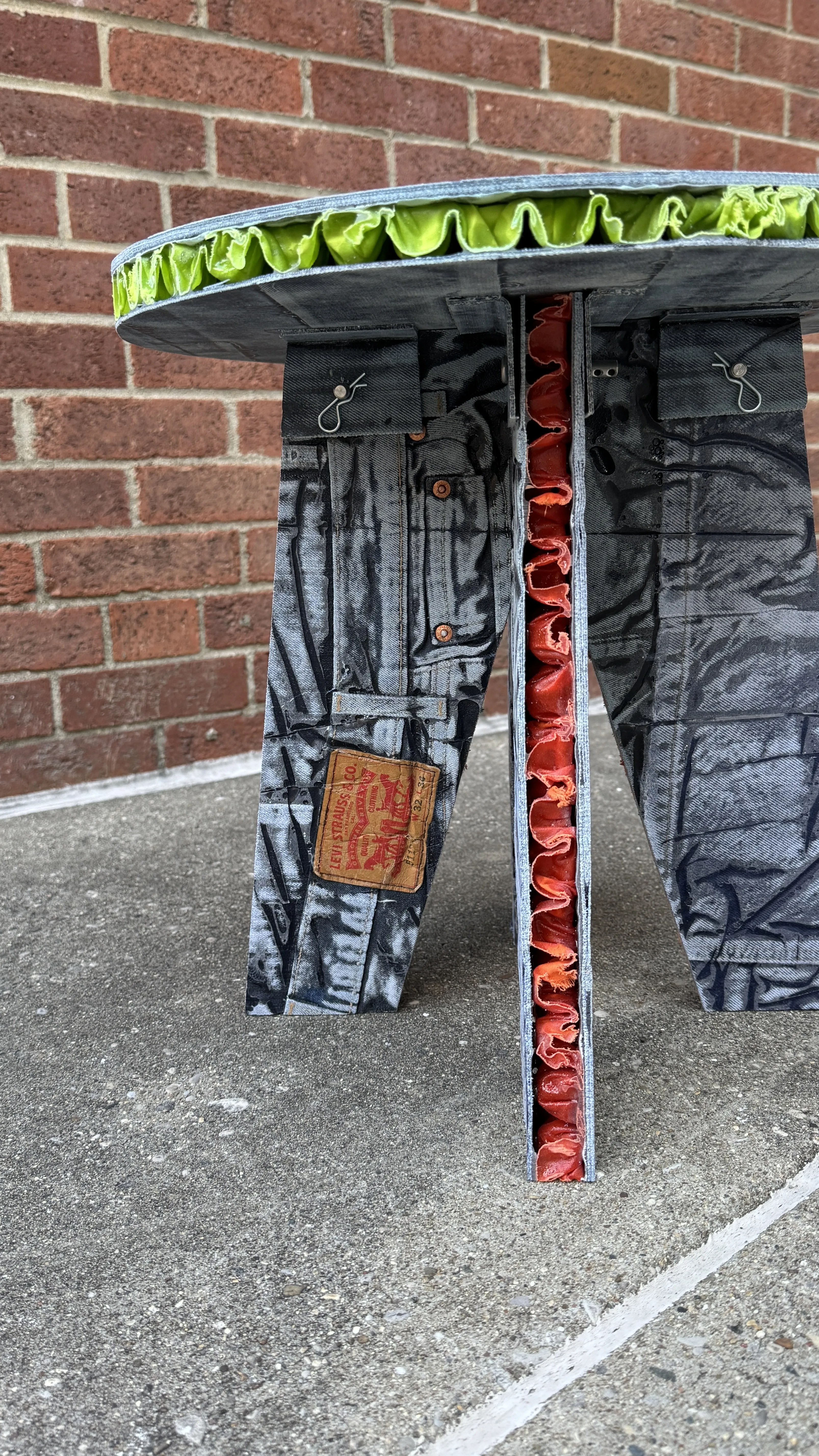
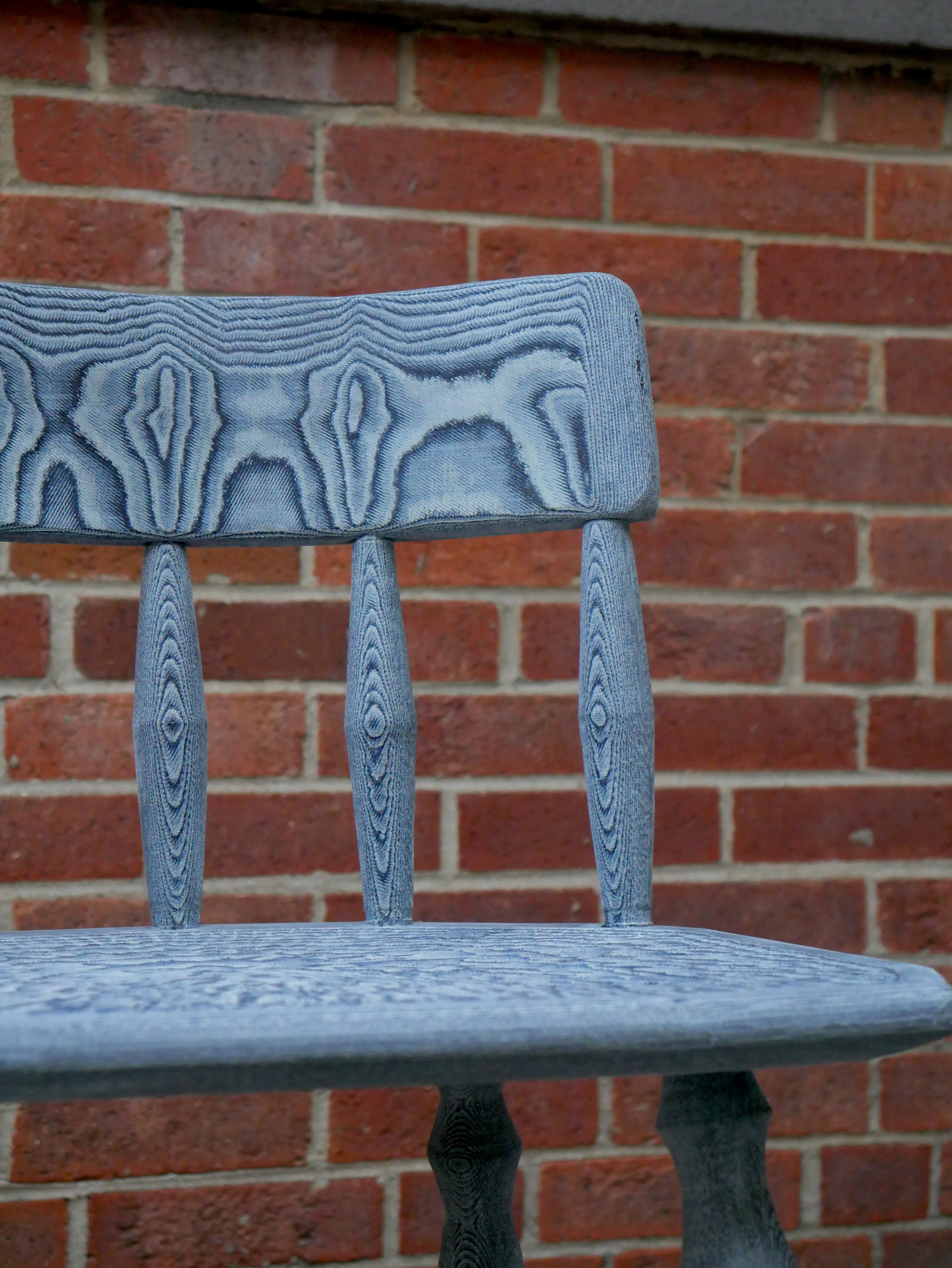
Sam LaRocco’s Side Jables, from the Puff-Ply Series, combine recycled denim with resin through industrial corrugation processes normally reserved for architecture. The result bears no visual resemblance to its textile origins — the furthest point on the spectrum, where the source material becomes genuinely invisible.
Cultural implications of material transformation
These practices reflect a broader shift toward a circular economy while questioning modernist assumptions about progress and newness. Upcycled design suggests an alternative temporal relationship, where past, present and future converge inside a single object.
The movement also widens access to design by elevating humble materials — thrift store finds, construction waste, industrial byproducts — into serious work. Even so, it is worth being clear about the limits: salvage is slow to source and labour-intensive to work, so this route produces small numbers at high prices rather than a scalable answer to overproduction. Its value is as a demonstration, and the demonstration is convincing.
Frequently asked questions
What is thrifted design?
Design built from secondhand, salvaged or discarded material rather than new stock. It overlaps with upcycling, but upcycling describes what happens to the material while thrifting describes where it came from.
Is thrifted furniture better quality than new?
Often, though it depends on the source. Old-growth reclaimed timber is denser and more dimensionally stable than plantation stock, and salvaged steel and marble are simply the same material with a history. What matters is the making — whether the piece has been properly rebuilt rather than merely reassembled.
Why is upcycled design expensive if the material is free?
Because the cost sits in labor and sourcing, not material. Salvage has to be found, assessed, cleaned and worked individually, and inconsistent input means nothing can be batched. Cheap material, expensive process — and the finite supply keeps editions short.
What is the difference between recycling and upcycling?
Recycling breaks material down to feedstock and reprocesses it, usually losing quality along the way. Upcycling transforms it without breaking it down, ending with something worth more than the input. Our guide to upcycling in design covers this in detail.
How big is the secondhand market?
It reached $264 billion globally in 2025, with 37% of consumers increasing spending on secondhand apparel, and resale is projected to grow around nine times faster than traditional retail by 2027.