Almost every drinking glass ever made is solving the same two problems: how much air the drink needs, and how much of your hand it can stand.
That is the logic underneath a cabinet of glassware that looks like arbitrary variety. A wine glass has a stem because body heat ruins white wine. A brandy snifter has no stem worth speaking of because body heat is the point. A highball is tall because the drink is mostly mixer and needs room for ice; a rocks glass is short and heavy because the drink is mostly spirit and needs none.
The three questions every glass answers
- Does the drink need to stay cold? If yes, it gets a stem or a handle, so your palm is not in contact with the liquid. White wine, champagne, cocktails served straight up.
- Does the drink need air? Aroma collects in the space above the liquid. A wide bowl with a narrower rim traps and concentrates it, which is why red wine glasses balloon and then taper.
- How much ice is involved? Ice sets the volume. A drink built over cubes needs two to three times the liquid volume in glass.
Everything else — cut, color, weight, the thickness of the rim — is preference. These three are physics.
Stemmed glasses
A stem exists to keep your hand off the bowl. Hold a stemmed glass by the stem or the base, not the bowl, or the glass is doing nothing.
Wine and champagne
- Red wine glass. Large rounded bowl, roughly 12 to 22 oz (350–650 ml), tapering at the rim. The volume is for swirling, not for filling — pour to the widest point of the bowl and no further.
- White wine glass. Narrower and smaller, around 8 to 12 oz (240–350 ml). Less surface area keeps it cold and keeps delicate aromatics from blowing off.
- Universal glass. A medium bowl around 14 oz (400 ml) that handles both acceptably. If you own one wine glass, own this.
- Champagne flute. Tall and narrow, about 6 oz (180 ml). Preserves bubbles by minimizing surface area.
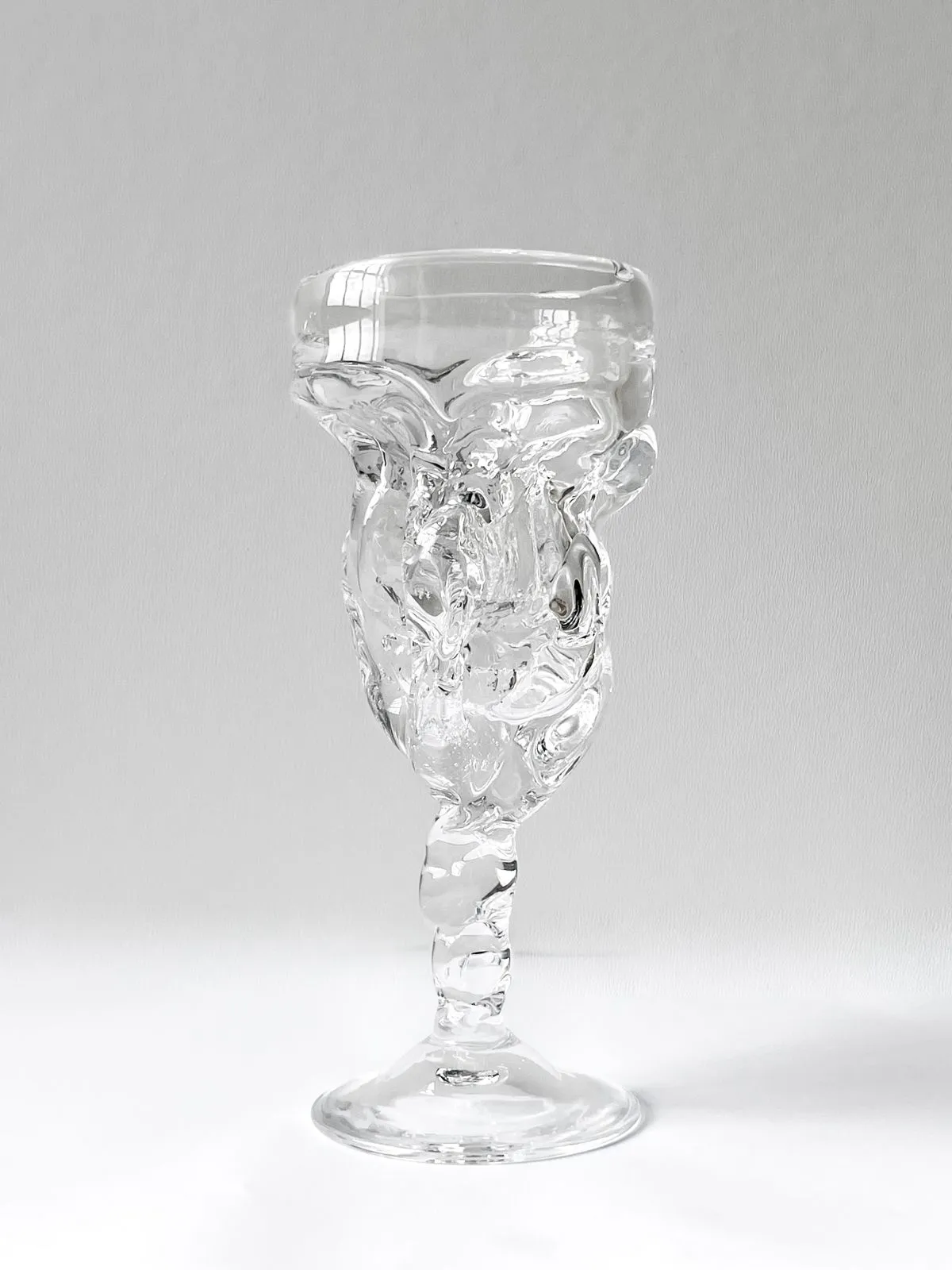
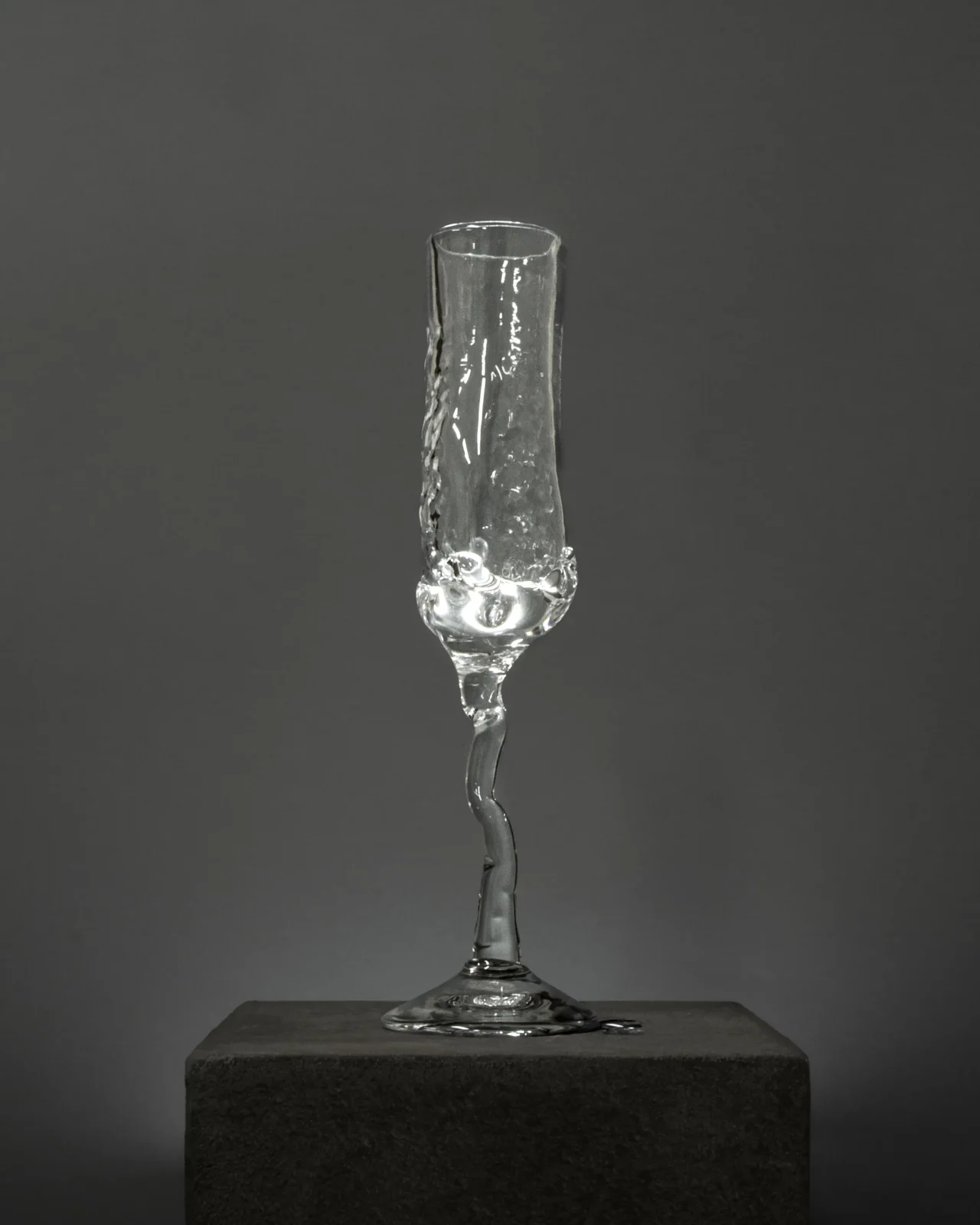
Glassware also happens to make an unusually good present, since it is something people use every day and almost never upgrade for themselves. Our guide to gifts for wine lovers collects the pieces worth giving.
Cocktail and fortified wine
- Coupe. Shallow, wide, stemmed, about 5 to 7 oz (150–210 ml). Originally for champagne, now the standard for cocktails served up — daiquiris, martinis, anything shaken and strained without ice. It loses bubbles fast, which is why sparkling wine moved on and cocktails moved in.
- Martini glass. The conical V. Holds the same drinks as a coupe and spills considerably more of them.
- Nick and Nora. A small stemmed bowl, around 5 oz (150 ml). The bartender’s preference over both — it holds the volume of a coupe without the spillage of a martini glass.
- Sherry and port glasses. Small stemmed glasses, 3 to 5 oz (90–150 ml), for fortified wine served in smaller measures.

Tumblers and short glasses
Stemless, flat-bottomed, and the most used glasses in any house. The distinctions come down to height and wall thickness.
For spirits and long drinks
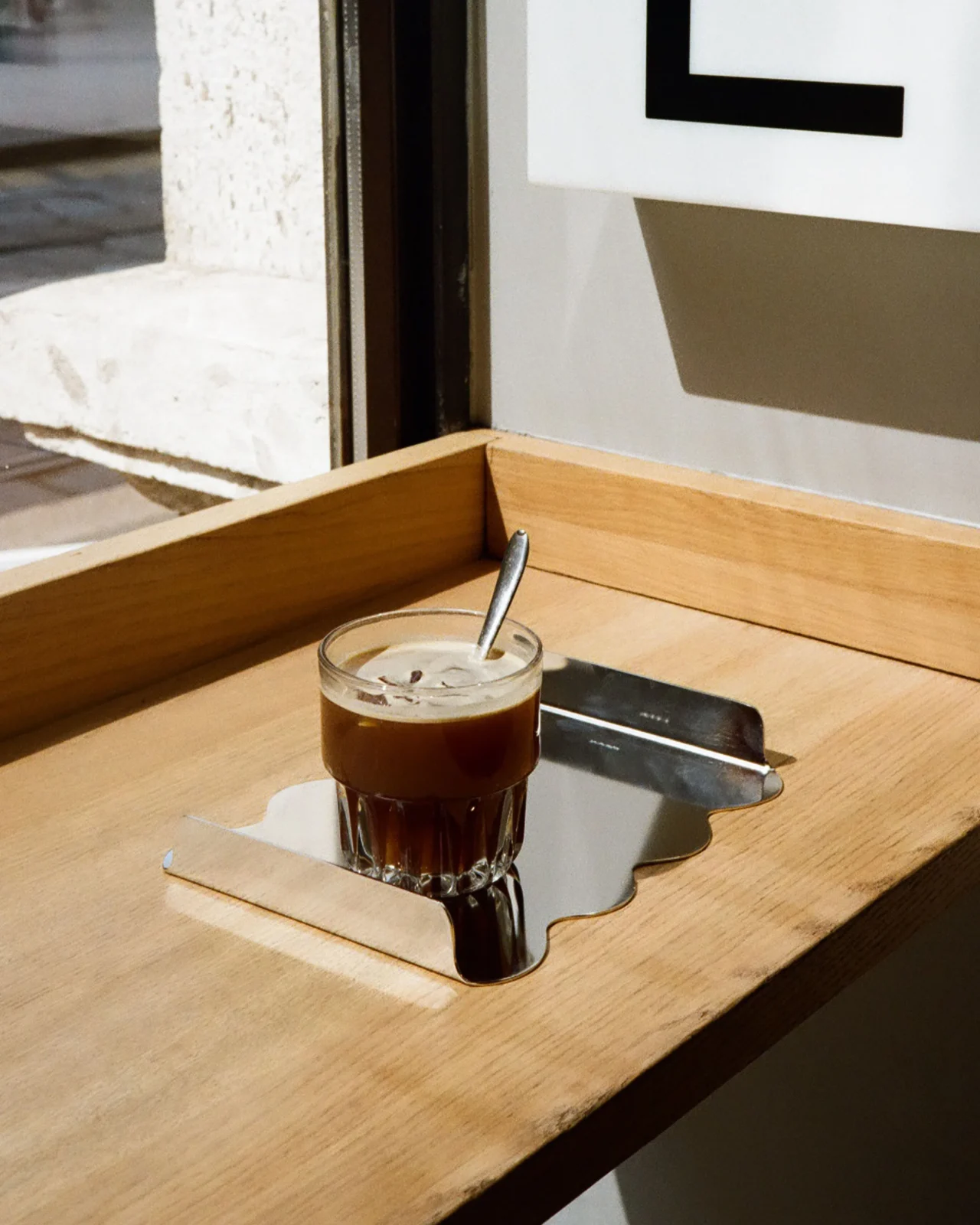
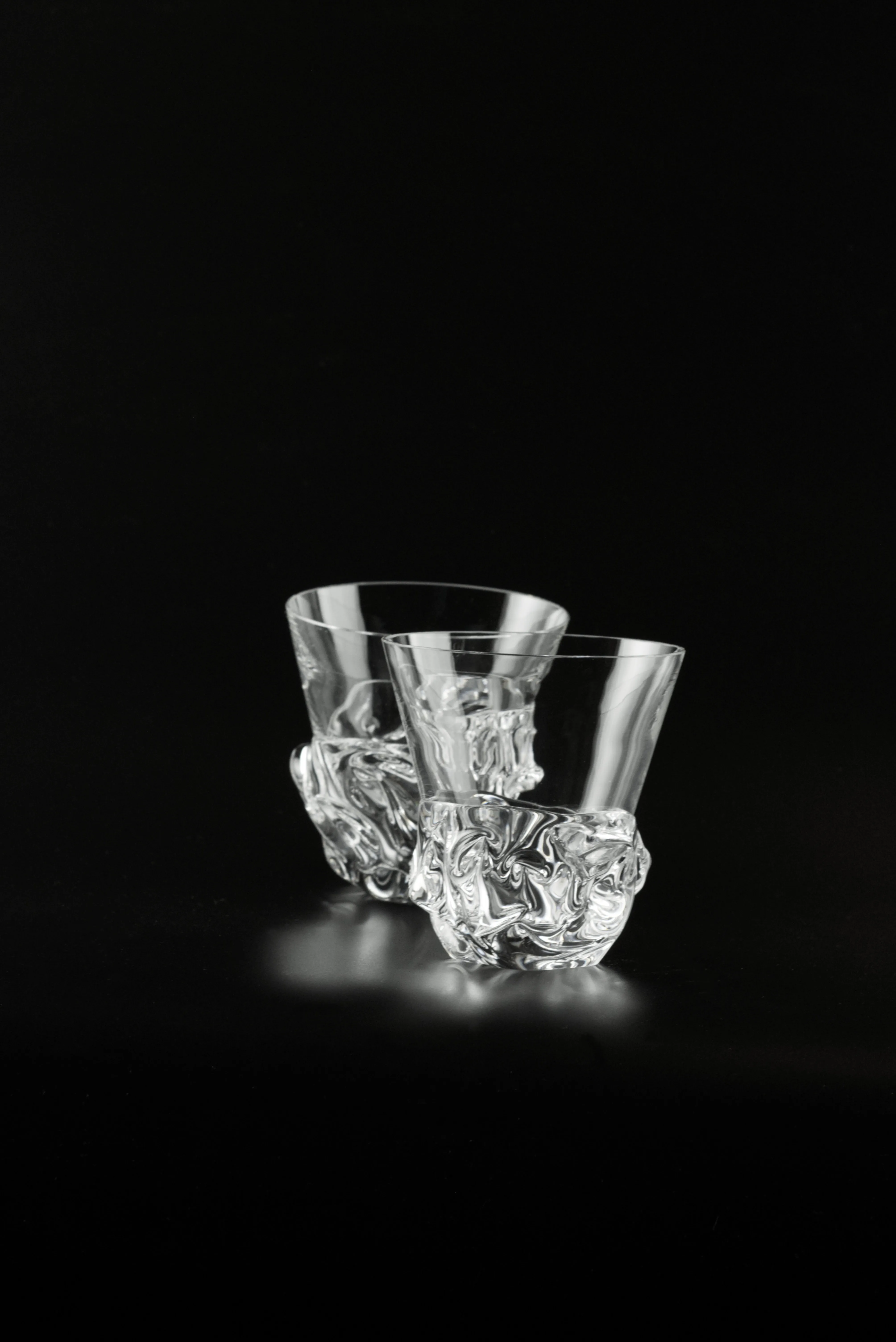
- Rocks glass, also called an old fashioned or lowball. Short, wide, heavy-based, 6 to 10 oz (180–300 ml). Built for spirits over ice, and for drinks stirred in the glass. The heavy base is functional — it takes muddling without cracking.
- Double old fashioned. The same shape at 12 to 14 oz (350–410 ml), for a large ice cube with room around it.
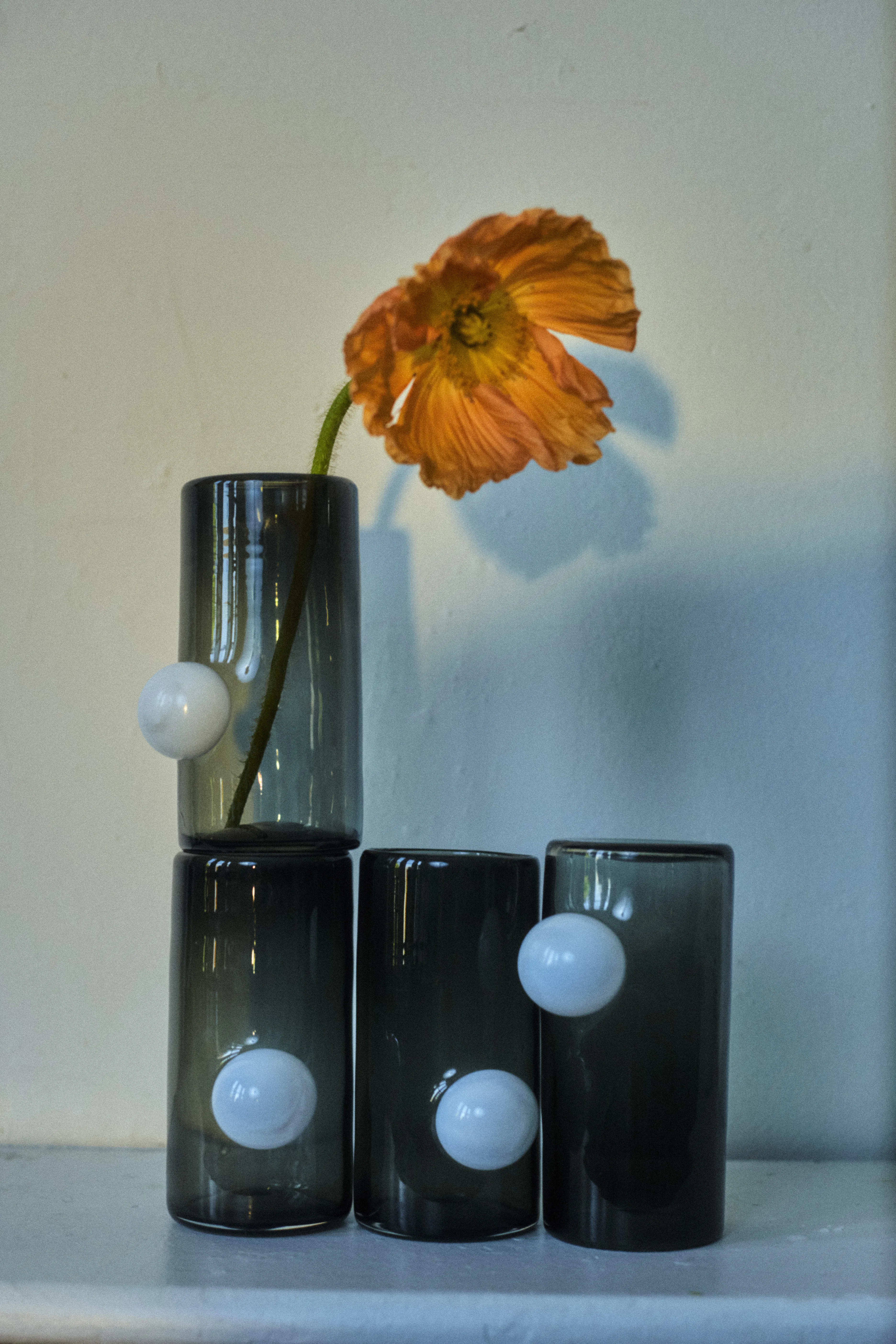
- Highball. Tall and straight-sided, 8 to 12 oz (240–350 ml). For spirit-and-mixer drinks built over ice — gin and tonic, whiskey soda.

For water and the table
- Collins. Taller and narrower than a highball, 10 to 14 oz (300–410 ml). The narrower bore slows dilution and holds carbonation longer.
- Water or table glass. 8 to 12 oz (240–350 ml), the everyday workhorse. Worth owning in a form you like, since it is on the table at every meal.
- Juice glass. 4 to 6 oz (120–180 ml). Small, and increasingly used for wine at casual tables.
One practical note: a thin rim feels better to drink from and breaks more easily. Thick-rimmed tumblers survive dishwashers and children; thin-rimmed ones are for the table.


Cocktail and spirits glasses
Cocktail glassware divides on one question: is the drink served over ice, or strained without it?
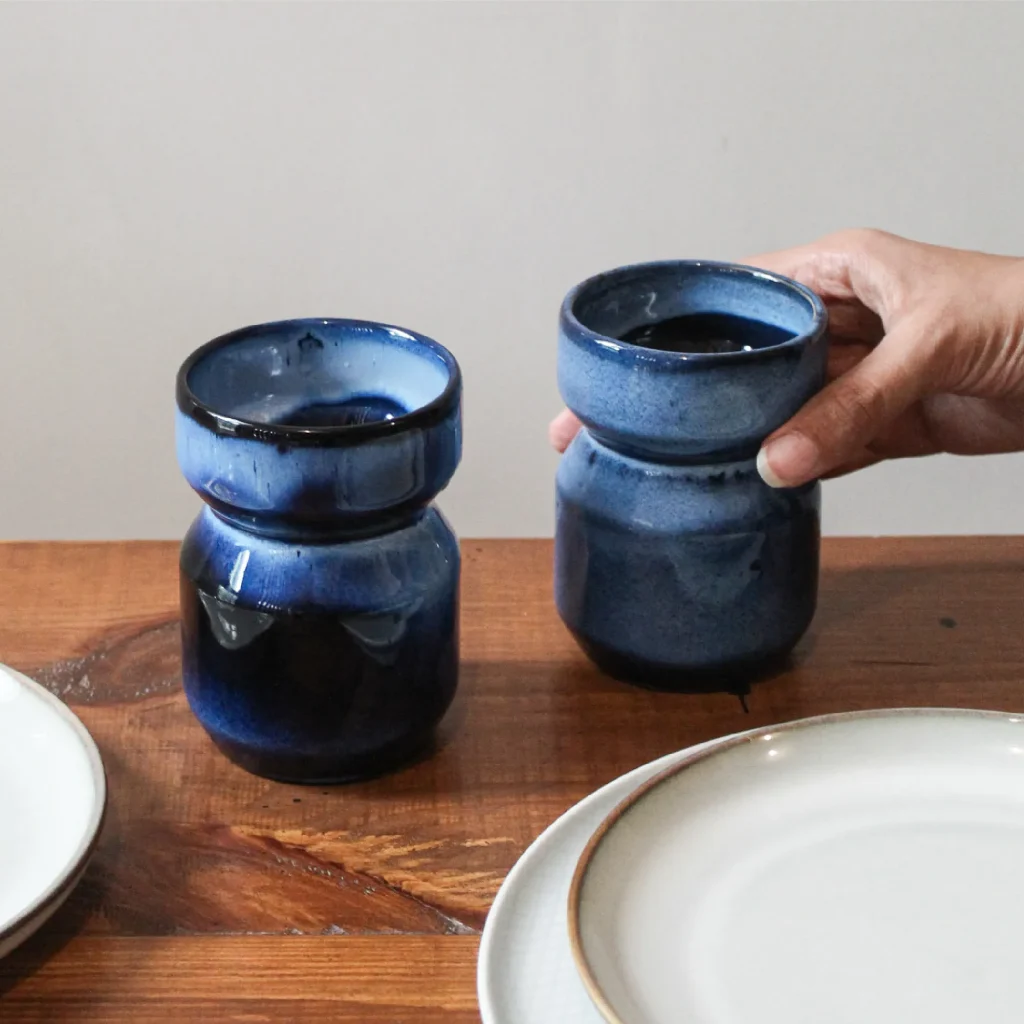
Served up — shaken or stirred with ice, then strained into a chilled glass — means stemmed. Coupe, Nick and Nora, or martini glass. The stem keeps a drink with no ice in it cold for the ten minutes it takes to drink. Served on the rocks means a tumbler: a rocks glass for spirit-forward drinks, a highball or collins for anything long.
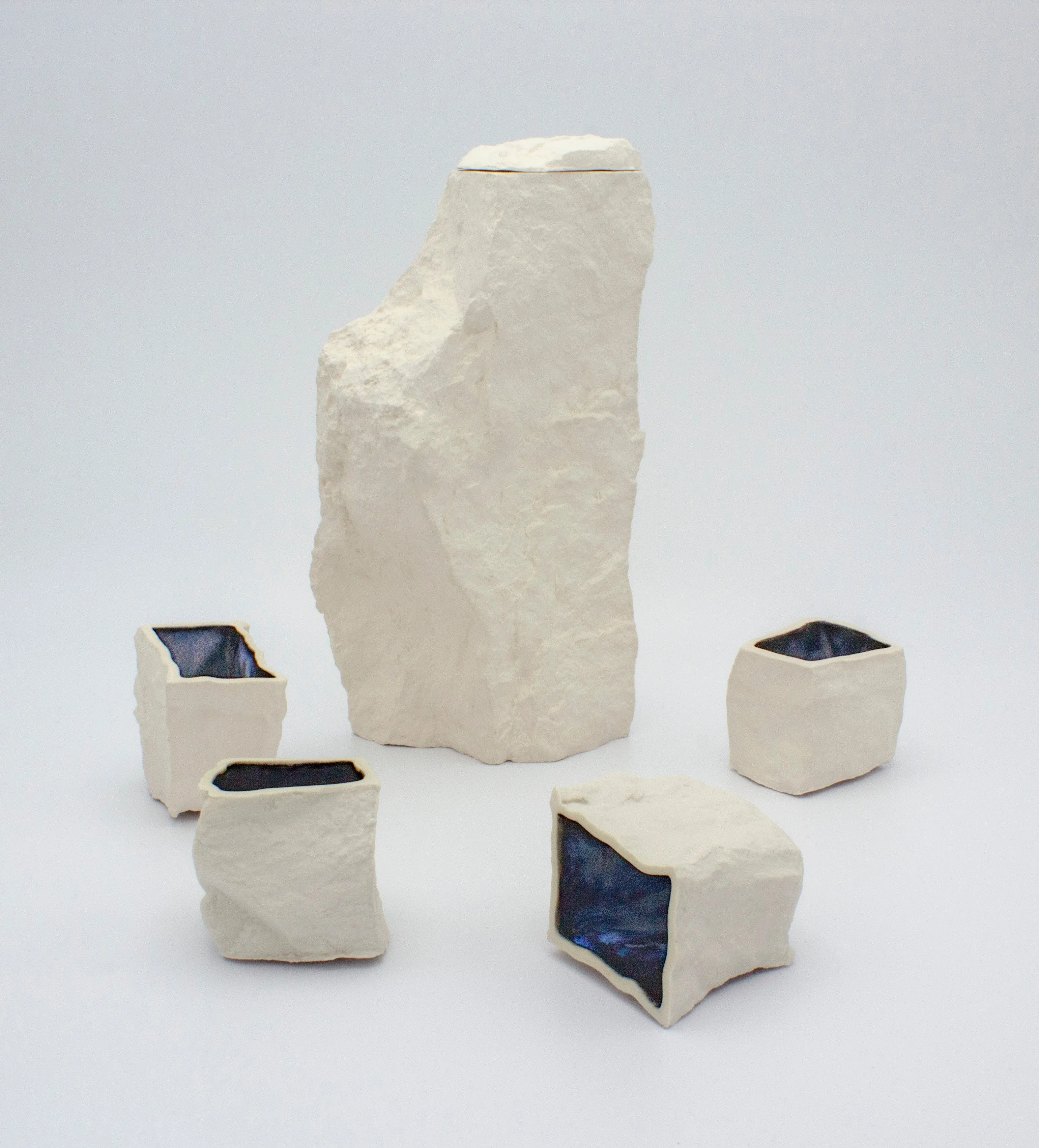
Beyond those, a handful of specialists: the margarita glass with its stepped bowl, the hurricane for tiki drinks, and the copper mule mug whose metal frosts on contact. Each is a refinement rather than a necessity — a coupe and a rocks glass between them cover most of the canon.

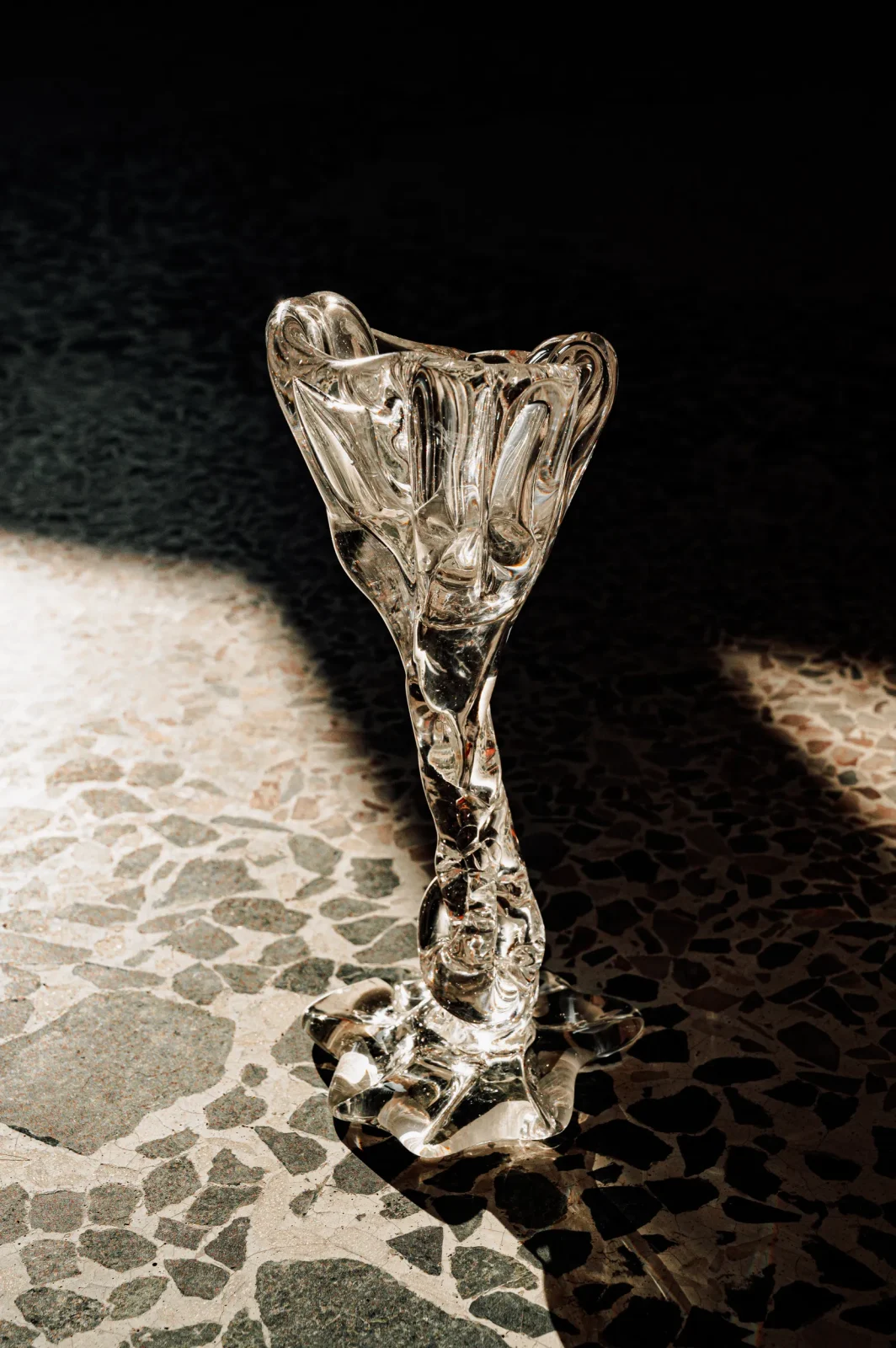

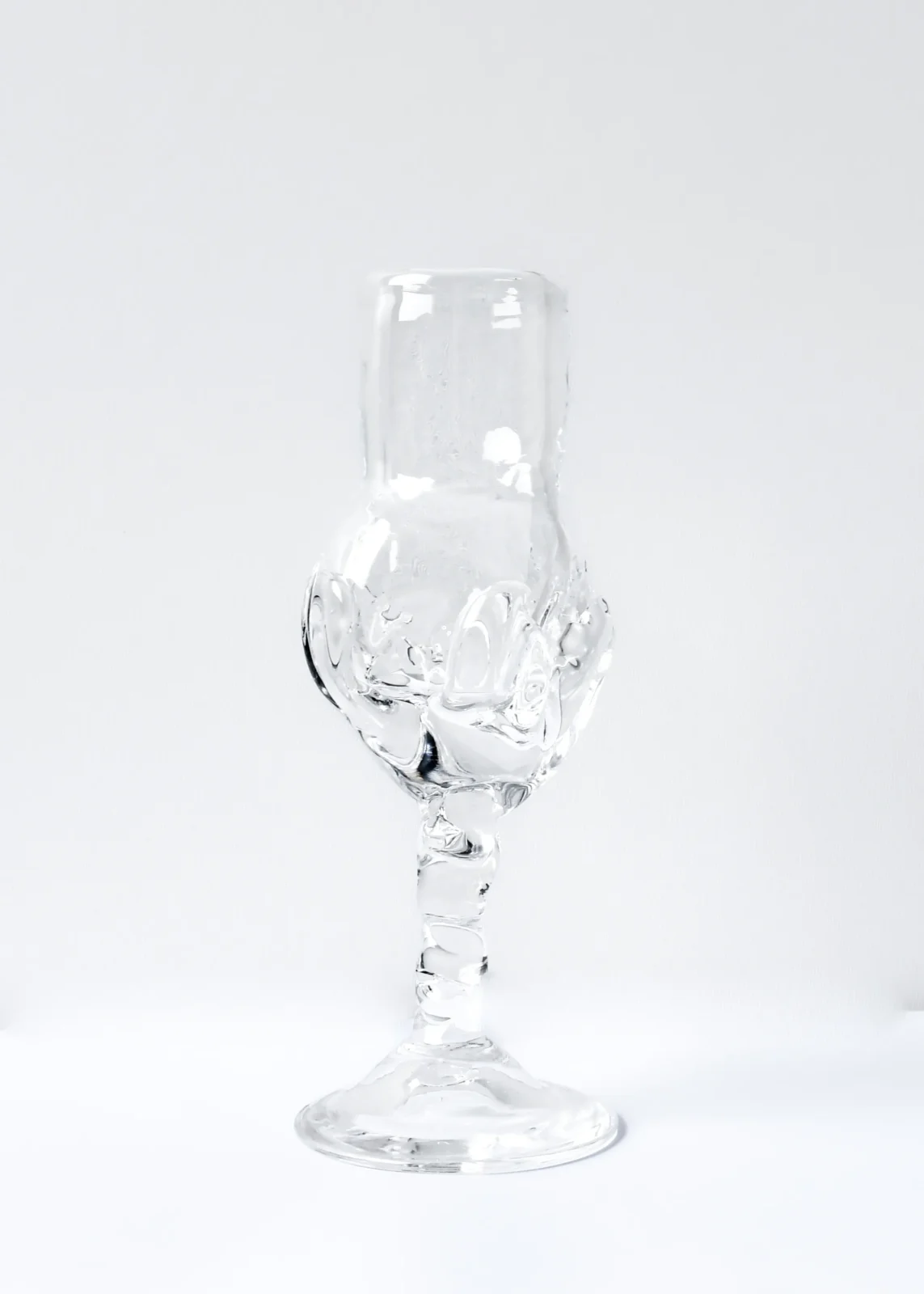
Spirits drunk neat follow different logic. The snifter is the outlier that proves the rule: short-stemmed and wide-bowled so the hand does warm the brandy, releasing aroma that the narrow rim then concentrates. A Glencairn does the same job for whisky in a smaller, tulip-shaped form, a grappa glass narrows to a long neck so the alcohol vapor separates from the aromatics, and a shot glass holds 1 to 2 oz (30–60 ml) with no pretensions at all.

Beer glasses
Beer glassware follows the same aroma logic as wine. A pint — straight-sided American or bulged British nonic — is the general-purpose vessel at 16 to 20 oz (470–570 ml). A pilsner is tall and tapered to show color and hold a head. A tulip curves outward at the rim to trap aroma, which is why it suits Belgian and strongly hopped beers. A weizen glass is tall with a wide top for the thick head wheat beers produce, and a stange is a narrow straight cylinder for delicate styles like kölsch.
What the material means
- Soda-lime glass. The standard. Affordable, durable, slightly thicker walls. Most everyday tumblers.
- Borosilicate. Low thermal expansion, so it survives sudden temperature changes — hot tea into a cold glass. Light, thin-walled and much harder to break by thermal shock.
- Lead crystal. Lead oxide adds weight, clarity and the ring when tapped. It also leaches lead, so it is for serving, not for storing liquid.
- Lead-free crystal. Uses barium or zinc instead. Nearly the same optics and weight, none of the concern — the sensible modern choice.
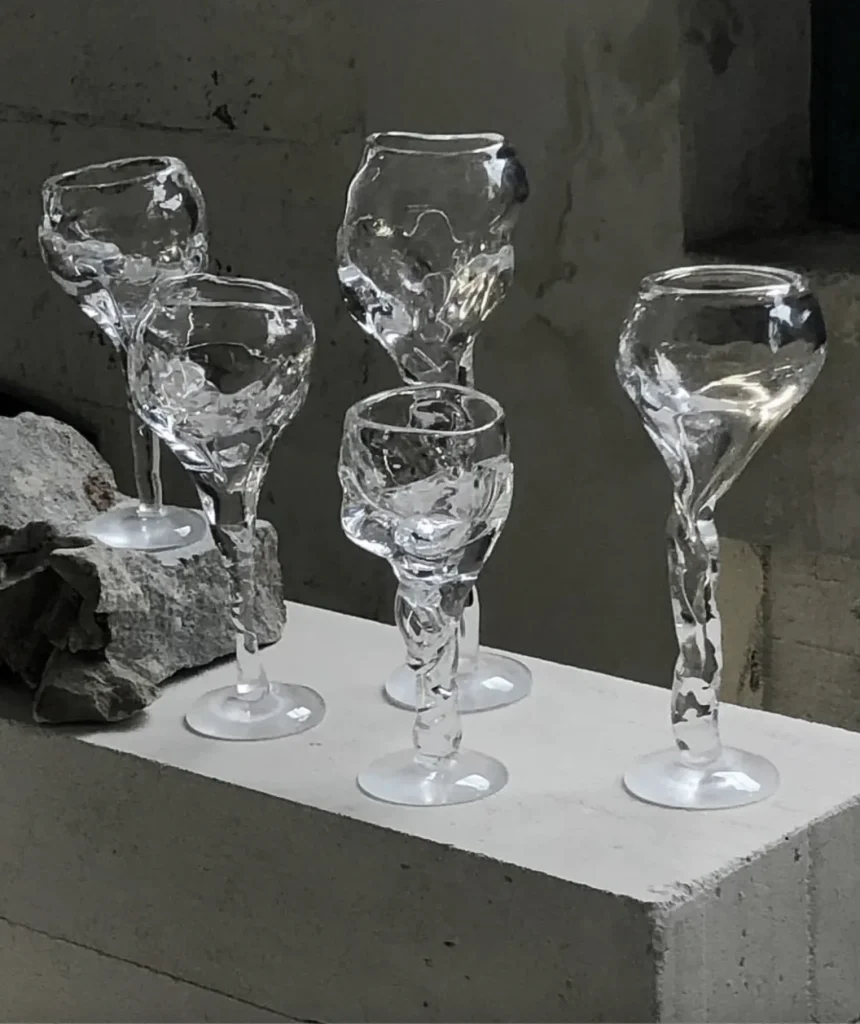
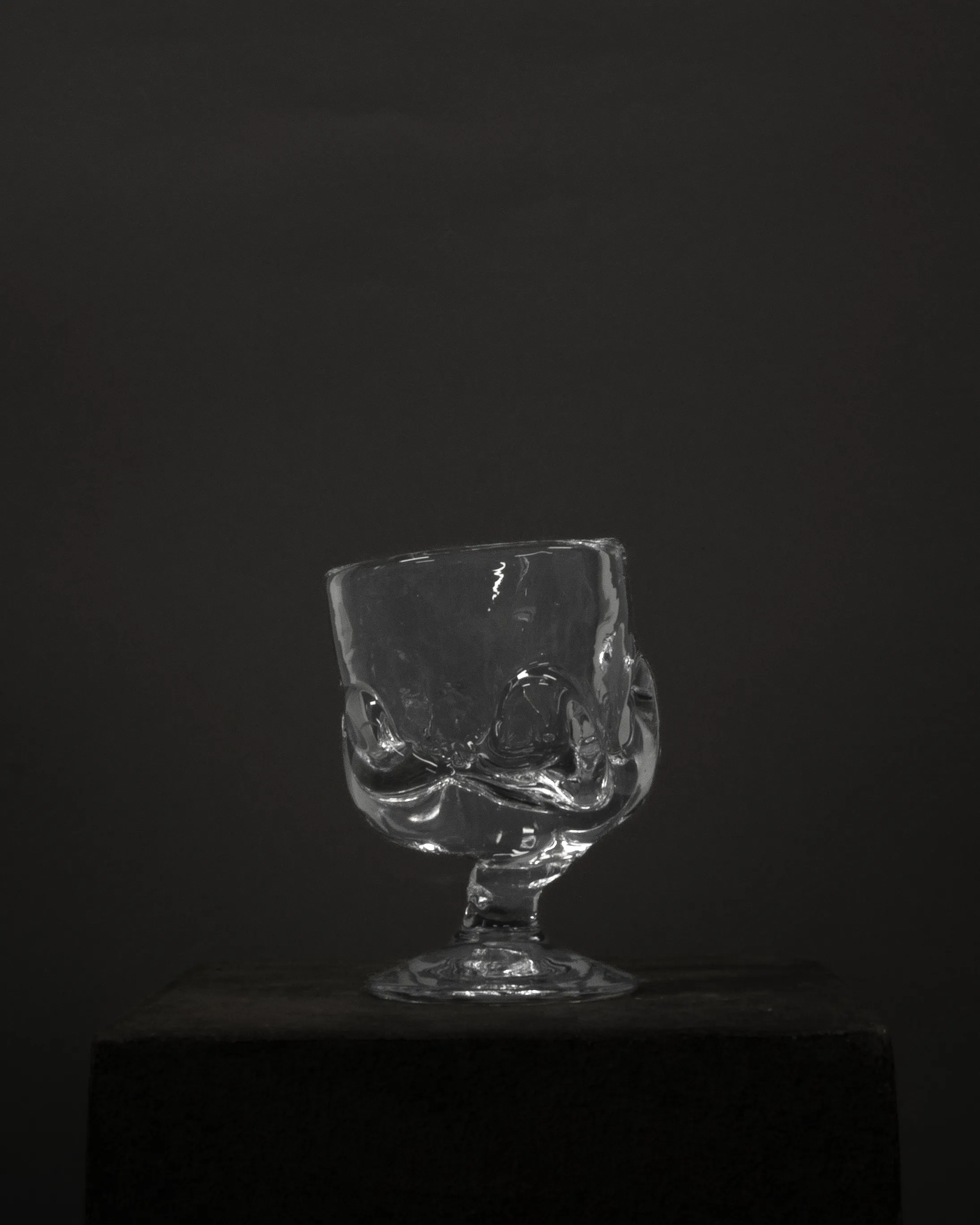
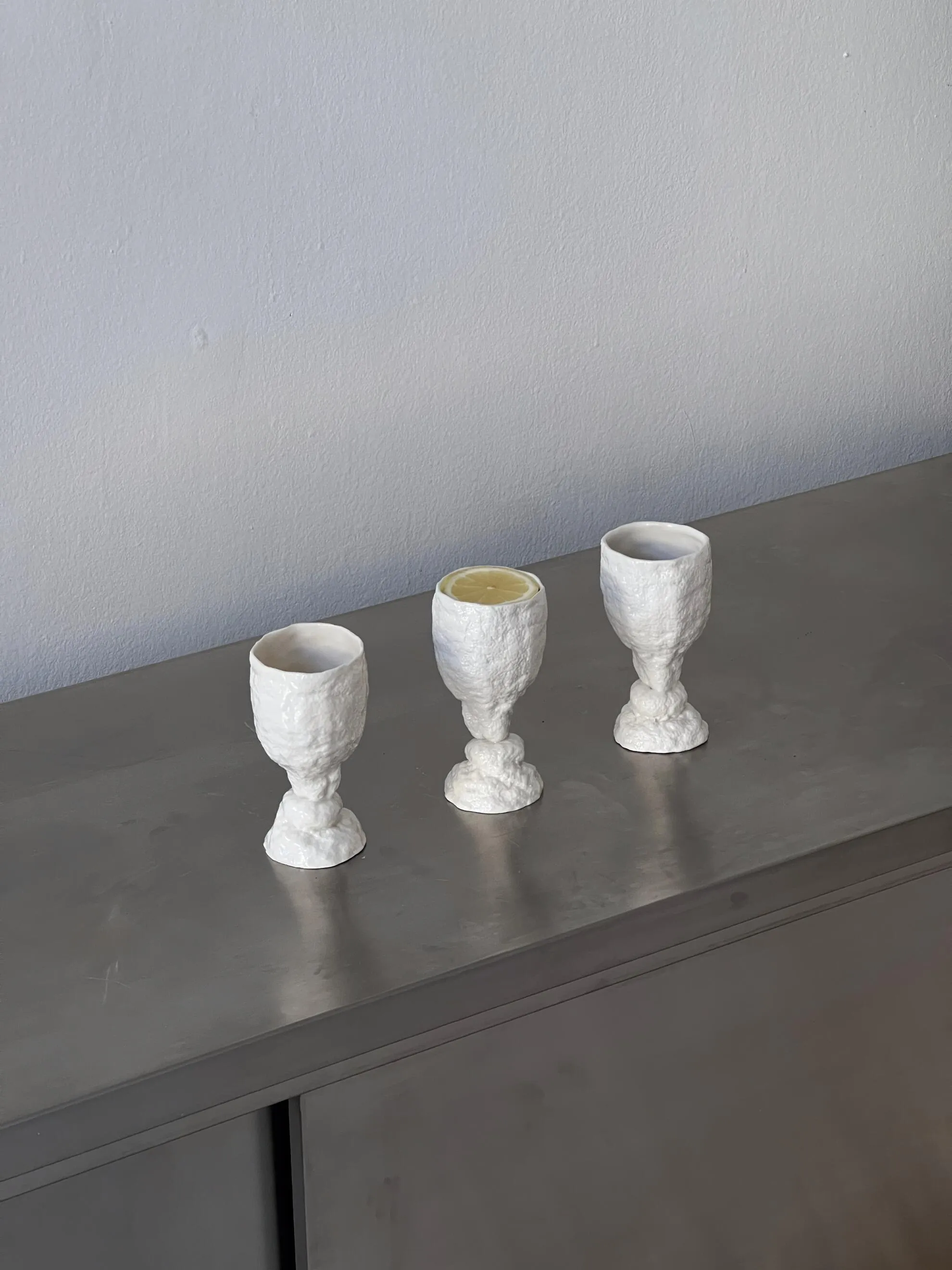
- Hand-blown. Irregular wall thickness, slight asymmetry, sometimes a visible pontil mark on the base. No two match, which is the appeal and the reason to buy them in fours rather than twelves.
On dishwashers: hand-blown and thin-rimmed glasses should be washed by hand, since the vibration chips rims and the heat clouds the surface over time. Cloudiness is usually permanent — it is etching, not residue.
What to actually own
Most households need four types, not fourteen.
- A universal wine glass, around 14 oz (400 ml). Handles red, white and sparkling well enough that nobody will mind.
- A tumbler, 8 to 12 oz (240–350 ml), for water at every meal.
- A rocks glass, 8 to 10 oz (240–300 ml), for spirits, and for anything short.
- A coupe, 5 to 7 oz (150–210 ml), for cocktails up and for sparkling wine when the occasion calls for it.
Six of each covers a dinner party. Buy in fours or sixes rather than twelves, since breakage is inevitable and a mismatched pair of good glasses beats a full set of mediocre ones.
Frequently asked questions
What are the main types of drinking glasses?
They divide into stemmed and stemless. Stemmed glasses — wine glasses, flutes, coupes, martini and Nick and Nora glasses — keep your hand off the bowl so the drink stays cold. Stemless tumblers — rocks, highball, collins, water and juice glasses — are for drinks served over ice or at room temperature. Beer and spirits glasses are specialized variations on the same principles.
What is a coupe glass?
A coupe is a shallow, broad-bowled stemmed glass holding about 5 to 7 oz (150–210 ml). It was originally designed for champagne, but its wide surface releases bubbles quickly, so sparkling wine moved to the flute. It is now the standard glass for cocktails served up — shaken or stirred with ice, then strained without it.
What is the difference between a highball and a collins glass?
Both are tall and straight-sided for drinks built over ice. A highball holds 8 to 12 oz (240–350 ml); a collins is taller and narrower at 10 to 14 oz (300–410 ml). The narrower bore of a collins slows dilution and holds carbonation longer, which is why long, fizzy drinks go in it.
What is a rocks glass used for?
Spirits served over ice, and cocktails stirred and built in the glass — an old fashioned, a negroni, whisky on the rocks. It holds 6 to 10 oz (180–300 ml) with a heavy base that can take muddling without cracking. A double old fashioned is the same shape at 12 to 14 oz (350–410 ml), sized for a single large ice cube.
Why do wine glasses have stems?
To keep your hand off the bowl. Body heat warms wine quickly, which flattens white wine especially, and fingerprints on the bowl obscure the color. Hold a stemmed glass by the stem or the base — holding the bowl defeats the design entirely.
How do you clean and care for drinking glasses?
Wash anything thin-rimmed or hand-blown by hand, in warm rather than hot water with a mild, unscented detergent — sudden temperature changes crack glass more often than knocks do. Dry immediately with a lint-free linen cloth, supporting the bowl rather than twisting it against the stem, which is how most stemware actually breaks. Store glasses upright: resting them on the rim traps stale air and chips the most fragile edge. Hard-water spots will lift in a short white vinegar soak, but dishwasher cloudiness is etching rather than residue and cannot be reversed.
How many types of glasses do I need?
Four covers almost everything: a universal wine glass around 14 oz (400 ml), a water tumbler at 8 to 12 oz (240–350 ml), a rocks glass at 8 to 10 oz (240–300 ml), and a coupe at 5 to 7 oz (150–210 ml). Six of each handles a dinner party.