Updated on: August 5, 2026
Sustainability in design is usually discussed as a materials problem. Use recycled content, specify biodegradable finishes, cut the plastic. Those things matter, but they treat the symptom. The harder question sits underneath: what is our actual relationship with the objects we own, and how long do we intend to keep them?
That relational question is what determines long-term outcomes in furniture, art and the decorative arts. It shapes buying habits and design briefs in ways that no material substitution can. Recycling and low-impact materials are real progress, but they function as a bandage over a larger wound — the volume of what we buy and discard. A shift in focus toward how we relate to objects offers something more durable. Consequently, cultivating attention and intent in what we acquire produces less waste, longer product lives, and a genuinely more sustainable way of living.


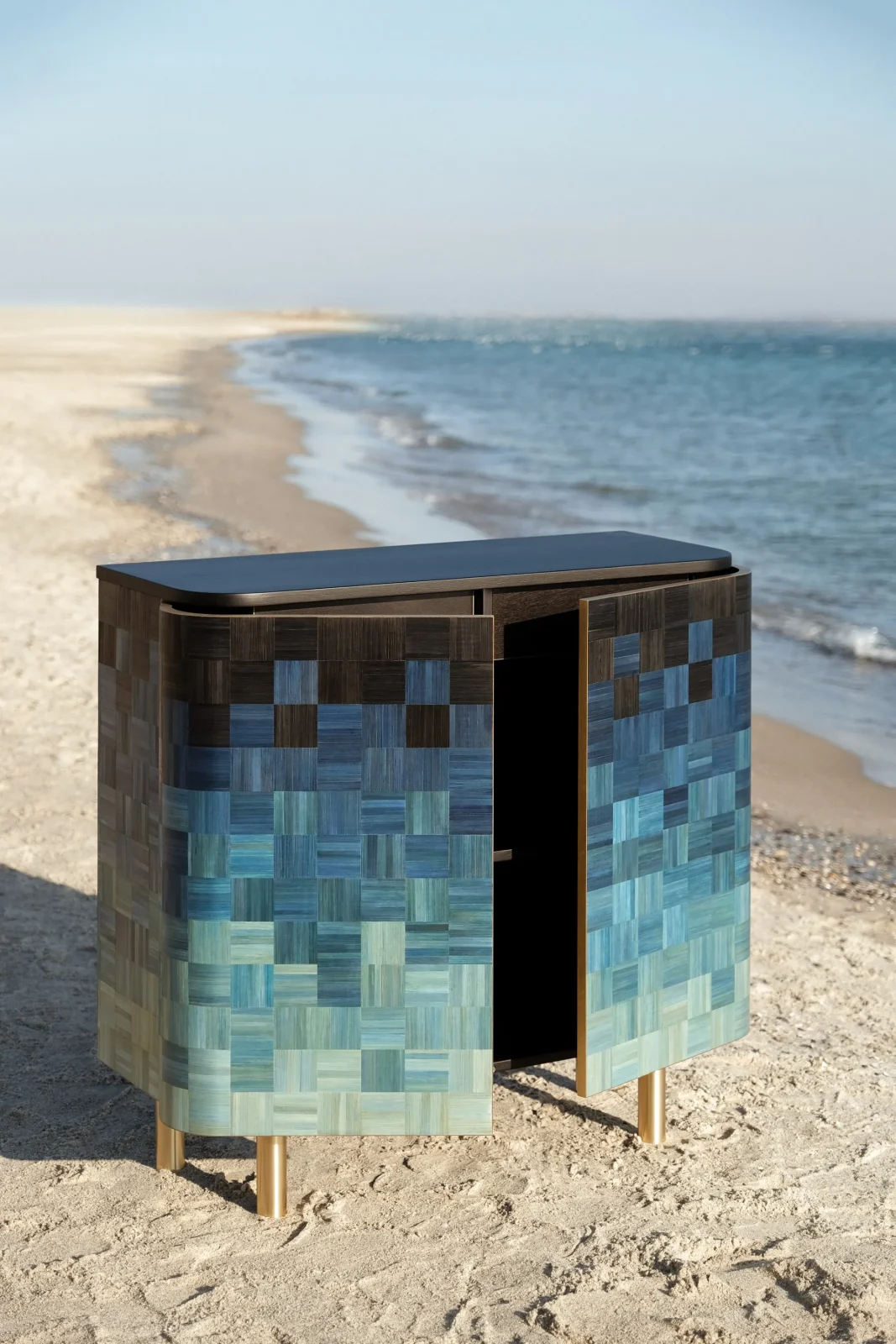
What is sustainable design?
Sustainable design is the practice of designing objects, spaces and systems so that their total environmental cost — extraction, manufacture, transport, use, repair and disposal — is as low as the brief allows, and so that the object lasts long enough to justify having been made at all. That last clause is the part most often skipped.
Notably it now covers both physical and philosophical ground. The discipline has moved well past specifying recycled content or biodegradable components, and asks instead how a whole object behaves across decades. If the ambition is a genuinely circular, closed-loop system, then we have to see ourselves as part of the loop rather than its endpoint — alongside the things we make and live with. Our habits are as load-bearing as the materials.
Furthermore, sustainability functions better as an operating principle than as a purchase criterion. It is not only the choice between plastic and glass packaging at the shelf; it is the whole relationship with the material world, and it holds across every category from architecture to product design.
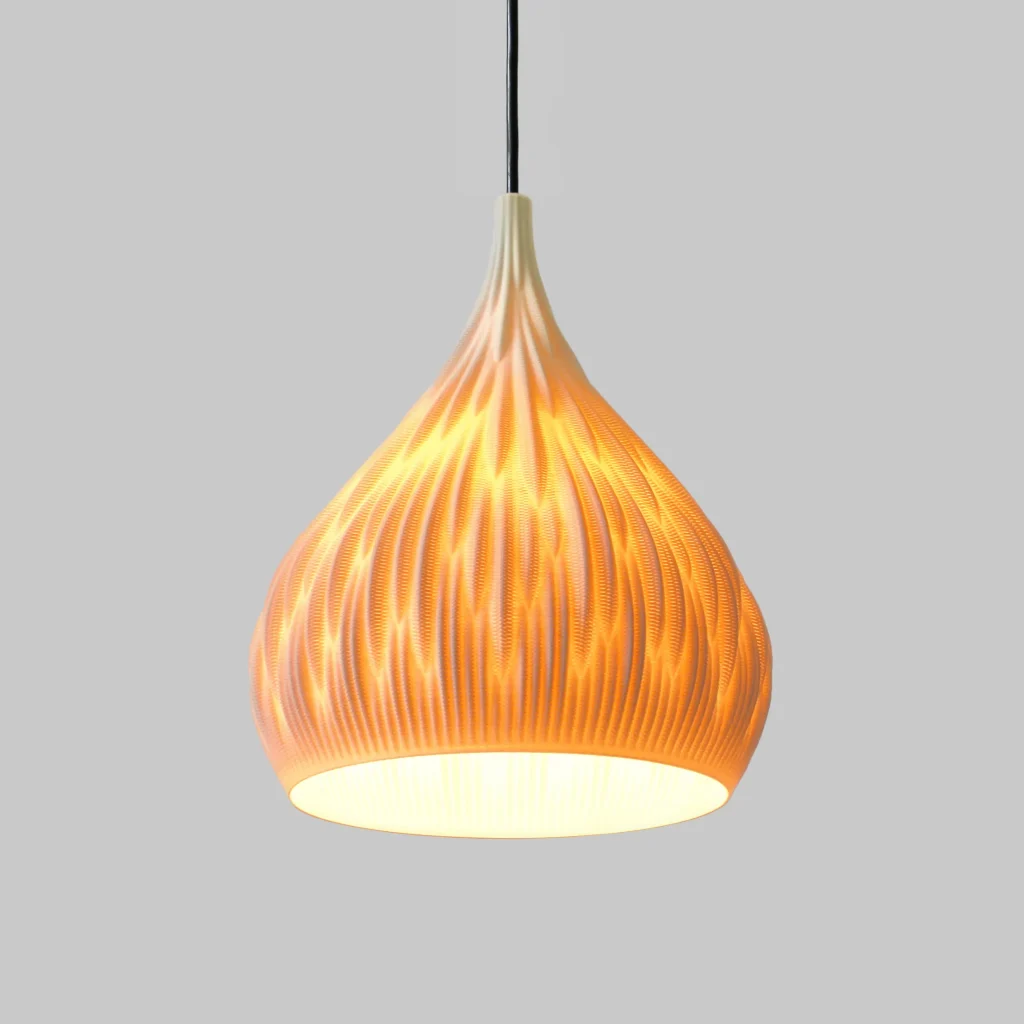

How does sustainability shape our relationship with objects?
Central to the whole idea is an unglamorous fact: we keep what we care about. Attachment to an object extends past its physical properties into the stories it holds, the memories attached to it and the emotions it provokes. Those attachments determine how we value the material world, and therefore how much of it we throw away.
Building meaningful connections with what we own produces stewardship as a side effect. You start recognising an item’s worth in terms beyond utility or appearance — the experience it carries, the labour inside it. Consequently consumption becomes more deliberate. Objects stop reading as disposable commodities and start reading as things with a future, which makes you conscious of the resources spent making them and more inclined to maintain rather than replace.
Above all, this is not merely a sentimental argument. Attachment is the most reliable predictor of how long an object survives, which makes it a sustainability mechanism as much as an emotional one. It pushes toward consuming less, choosing more carefully, and living in better proportion to the planet.


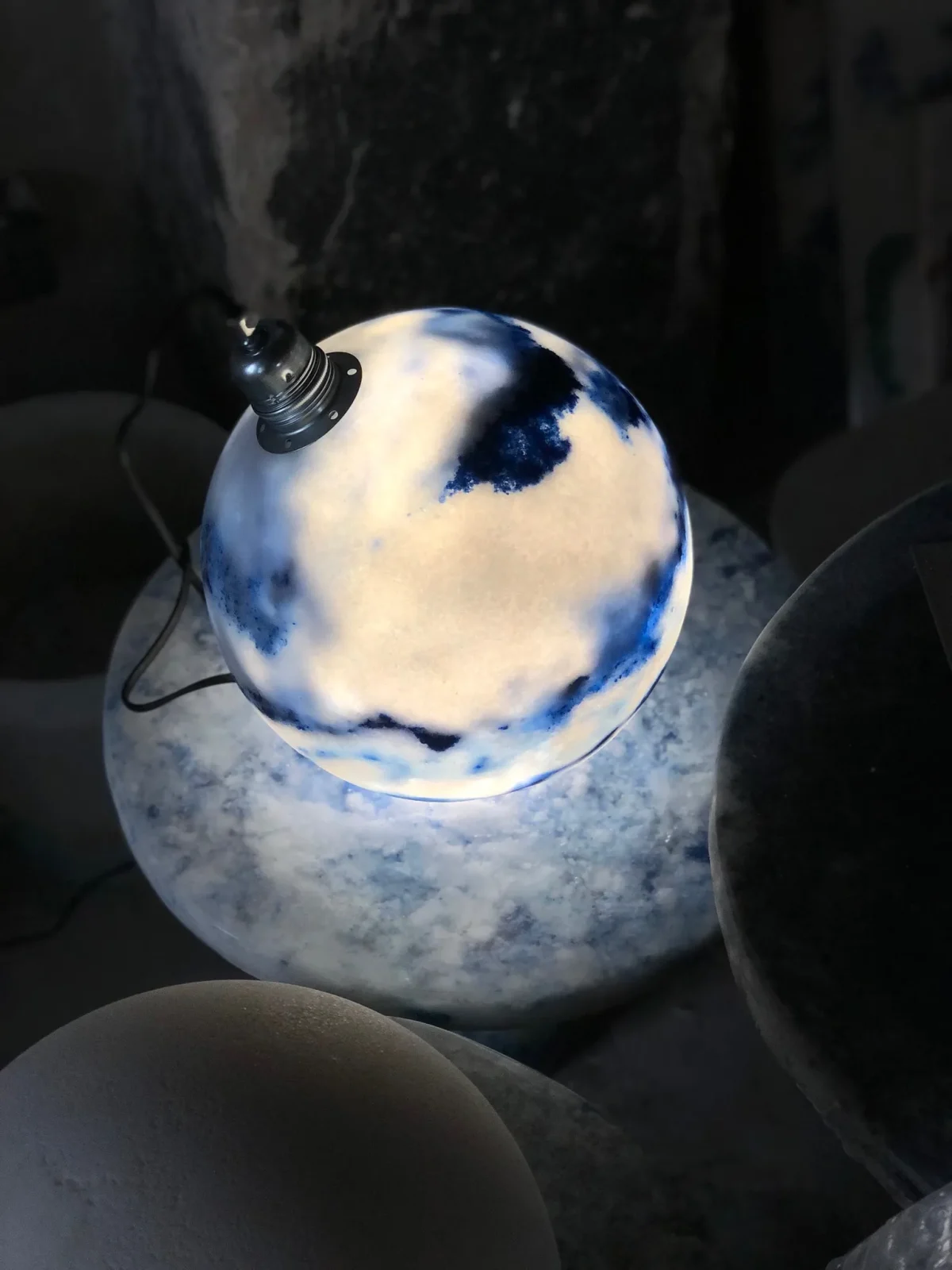
See the full gallery of sustainable lighting →
What makes furniture sustainable?
Sustainable furniture is easy to claim and harder to verify. Four things actually determine it, and only one of them is the material.
Material and sourcing
Solid wood from a certified or local source outperforms engineered board on both lifespan and end-of-life, because it can be sanded, repaired and eventually composted rather than landfilled. Look for FSC or PEFC certification on timber, and for natural rather than synthetic upholstery fill. Sustainable wood furniture is largely a question of whether the joinery lets the wood be repaired — a glued particleboard carcass cannot be.
Construction and repairability
Mechanical fixings beat adhesive. A chair assembled with screws, dowels or traditional joints can be taken apart, re-glued and re-covered; one bonded together cannot be opened without destroying it. Therefore the most useful question in a showroom is not what the piece is made of but whether a competent person could fix it in twenty years.
Transport and packaging
Furniture is mostly air by volume, which makes shipping a large share of its footprint. Flat-packed and knock-down construction cuts that considerably, and locally made pieces cut it further. Meanwhile packaging is worth checking: moulded pulp and cardboard over expanded polystyrene.
Longevity, and who made it
Eco-friendly furniture that gets replaced in five years is not eco-friendly. Longevity is the dominant variable, and it comes from build quality plus a design you will still want later. Small-batch and studio-made work tends to score well here for an unromantic reason: the maker is identifiable, the piece is repairable, and there is no incentive to engineer obsolescence into it. Our roundup of independent studios gives a sense of how that plays out in practice.
How does sustainability relate to longevity in design?
Designing for longevity is genuinely difficult in a market built on advertising and an accelerating trend cycle. Consumer culture rewards pursuit of the newest aesthetic, which produces disposability as a structural outcome rather than an accident. Fast fashion and planned obsolescence between them have normalised replacement over investment.
That pressure works against long-lasting products from both directions. Buyers have to prioritise quality over quantity; designers and manufacturers have to resist producing constantly to feed demand that is largely manufactured. Consequently progress depends on making the case for longevity plainly and on rewarding studios that build for it.
Rather than chasing transient trends with disposable materials, designers working this way tend toward enduring and often restrained form, with construction to match. Good material and sound joinery mean furniture and decor survive, which removes the replacement cycle entirely. It also keeps the object desirable, which is the other half of lasting.


How do heritage and tradition support sustainability?
Bringing heritage and tradition into design deepens the object and advances sustainability at the same time, by tying it to something older than the current season and creating an obligation to keep it. Consider the heirloom quilt. Assembled across generations, frequently from leftover cloth, it carries a record of resourcefulness in its construction.
Beyond use, such textiles are physical evidence of family history — love, endurance, invention. There is something worth sitting with in the thought that quilts have kept generations warm. Gratitude toward an object for having provided shelter creates a sense of debt, and debt creates care: you look after it so that it can go on lasting for whoever comes next.
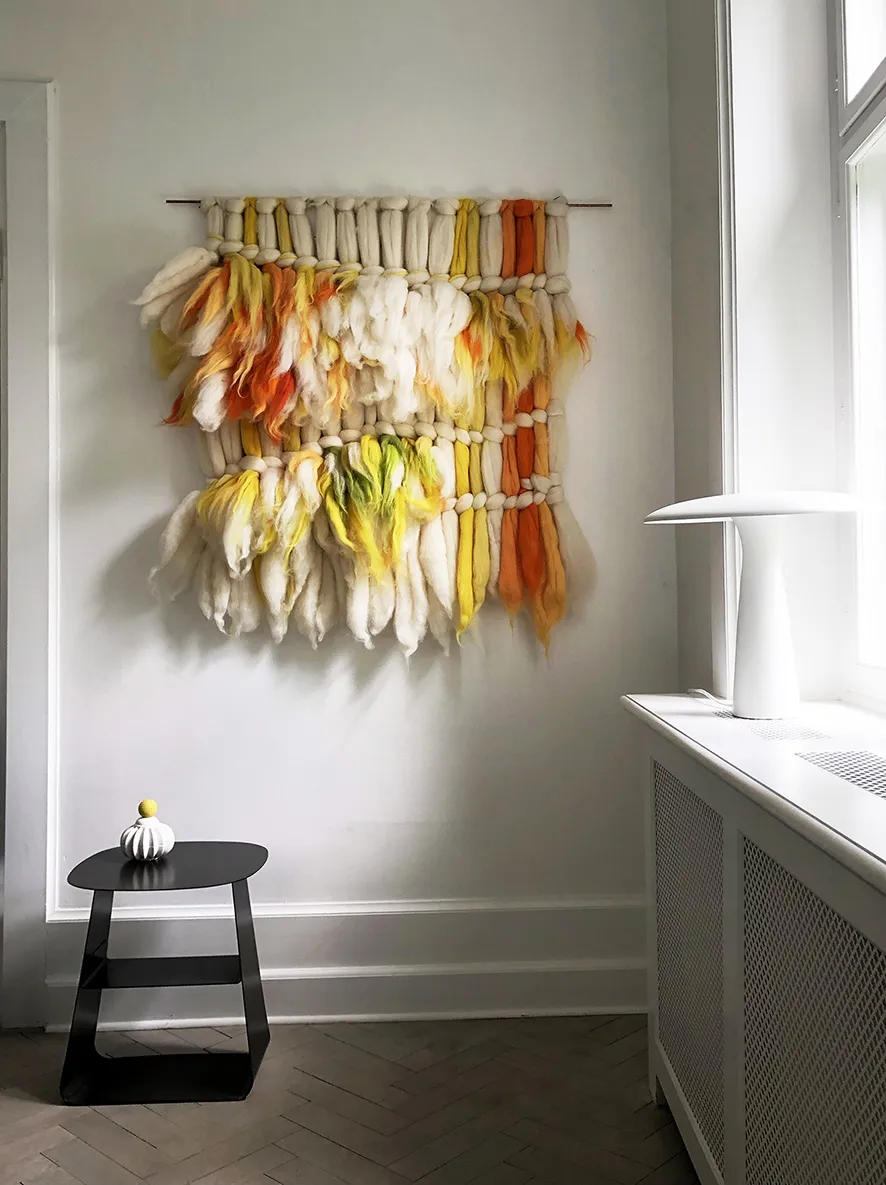
Similarly, contemporary practice shows renewed interest in artisanal method and indigenous technique. Furniture designers draw on ancient joinery to make pieces that carry cultural reference and low impact simultaneously. Sourcing locally abundant material and using established construction methods honours the tradition while cutting the footprint — the two motives happen to align.
Moreover, traditional technique tends to embody resourcefulness by necessity, which produces durable results. Hand processes developed when material was expensive and replacement was not an option, so they optimise for repair. Integrating them into contemporary design preserves ancestral knowledge and yields objects with both meaning and staying power.
How do repair and upcycling support sustainability?
In a throwaway culture where obsolescence is designed in, repair and upcycling become the practical lever. Designers hold most of the power here, through modular principles, interchangeable parts and components a non-specialist can actually reach. That lets people extend the life of what they own through maintenance rather than replacement.
Upcycled furniture has moved from necessity to method. As consumption has risen, so has discomfort with its consequences, and interest in DIY and so-called lost arts — sewing, mending, knitting — has returned with it. People are repairing and repurposing themselves, which reconnects them with traditional skill and returns some agency over their possessions.
Consequently there is an opening for designers. Making repair and reuse possible reduces the environmental cost of consumer culture and, at the same time, strengthens the bond between owner and object — the thing that keeps it in the house. Encouraging people to mend, repurpose and rethink what they own cuts waste and builds a real appreciation for how things are made. Our piece on making new from old goes further into the practice.

Three sustainability considerations beyond recycling
Flat-packing for transport efficiency
Flat-packing addresses a specific and often ignored cost: shipping air. Designing so a product packs flat minimises wasted volume in transit, which means fewer truckloads and less fuel for the same number of pieces. Flat-packed furniture also needs less packaging material. There is a secondary effect worth noting: because the buyer assembles it, they understand how it comes apart — which makes later repair far more likely.
Multifunctional design for space and use
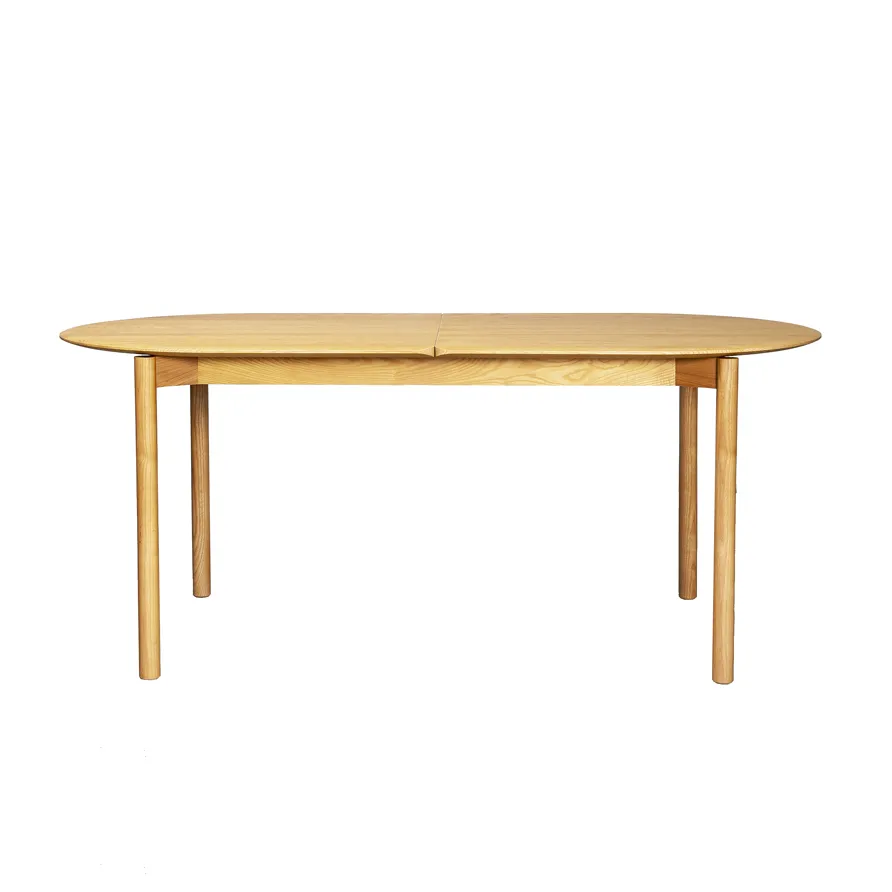
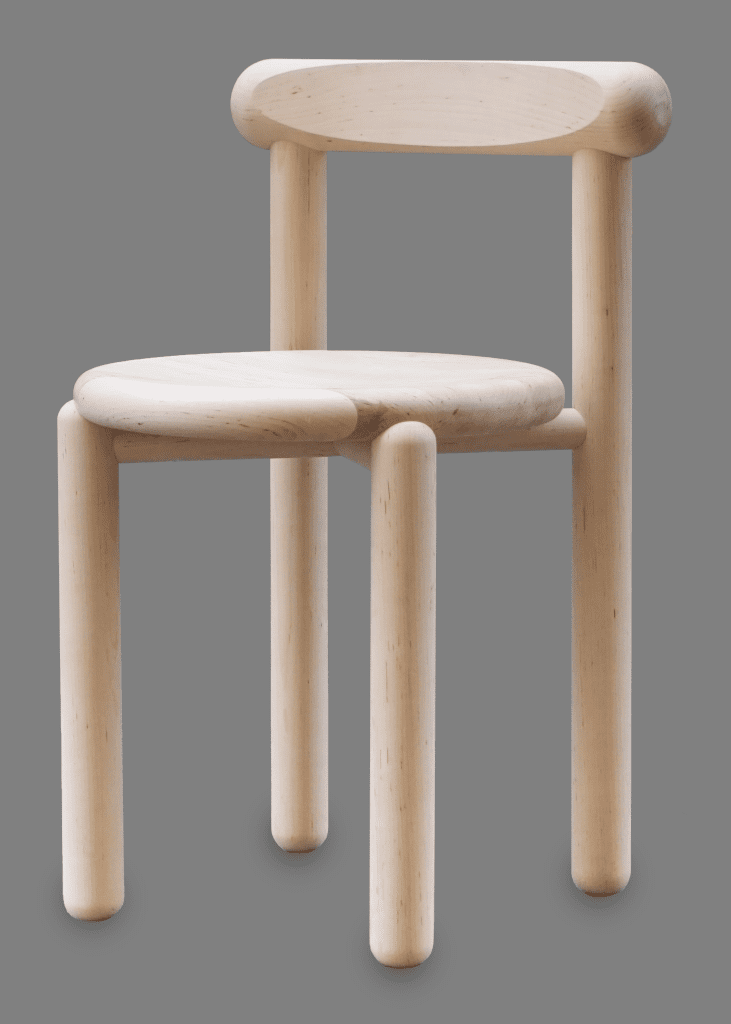
Multifunctional design reduces the number of objects a room needs. A piece that serves two purposes, or adapts to different configurations, does the work of two — from convertible sofas that take a guest to modular storage that reconfigures to a new flat instead of being replaced. That adaptability is what matters: furniture usually gets discarded because it no longer fits the space, not because it broke.


Biomaterials
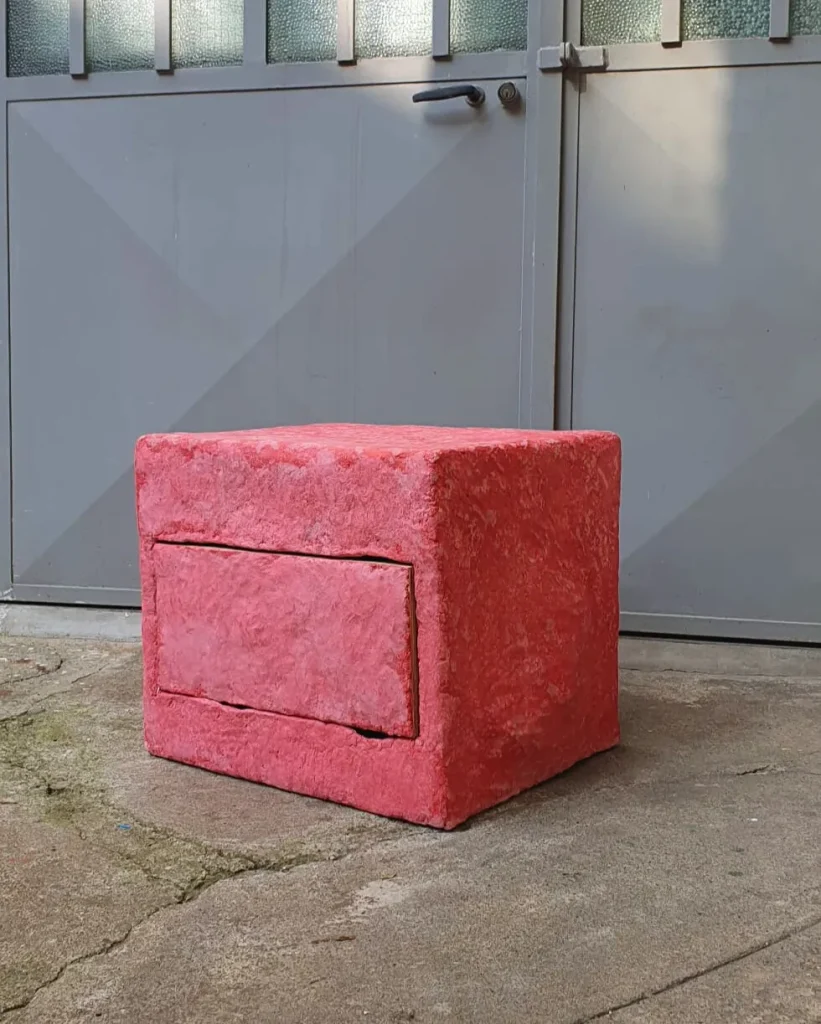
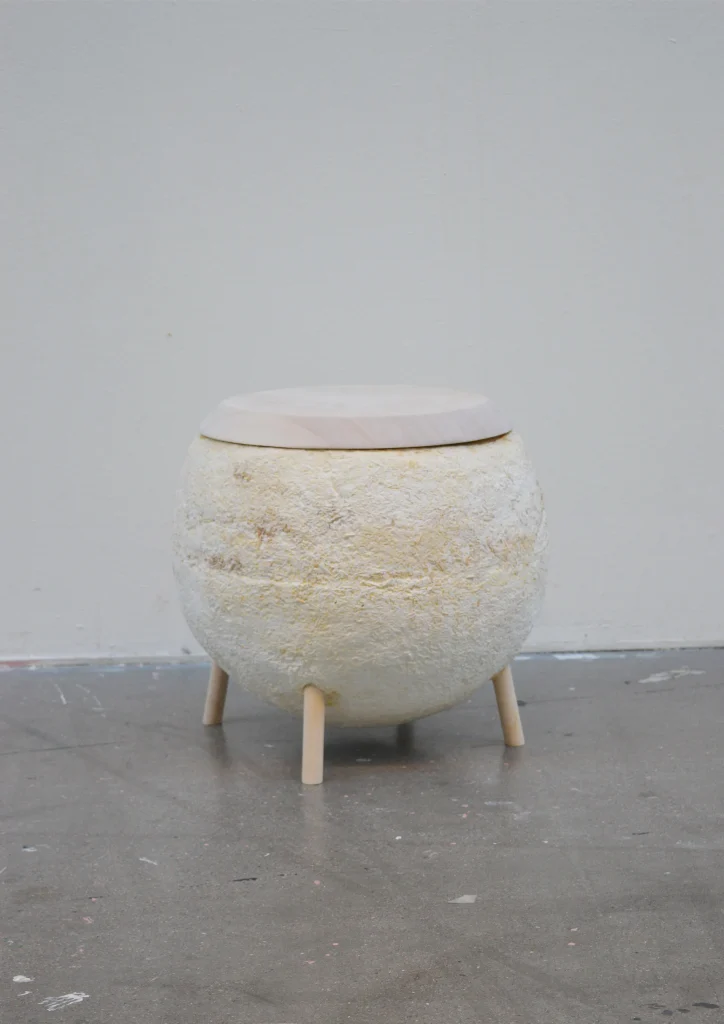
Biomaterials — mycelium grown from fungi, algae-based plastics, biodegradable polymers from agricultural waste, textiles spun from pineapple or citrus fibre — are reshaping what sustainable production can mean. They use natural systems rather than extraction, and offer biodegradability with genuine range of application. Mycelium in particular can be grown into dense, structural material that behaves like foam or plastic, then composted at end of life.
Algae-based plastics use photosynthesis to fix carbon dioxide into bioplastic, so the feedstock absorbs rather than emits. Biodegradable polymers from corn or sugarcane byproducts substitute for fossil-derived plastic. Fibre from pineapple or citrus waste turns an agricultural disposal problem into cloth. Even so, a caution is warranted: biodegradable only helps if the disposal route actually composts it, and many of these materials need industrial conditions rather than a garden heap.


Sustainable interior design: applying this at home
Sustainable interior design is mostly a sequence of unexciting decisions, and the first one is to buy less. Nothing specified well outperforms nothing bought at all.
After that: repair before replacing, and reupholster before discarding a frame that is structurally sound. Buy second-hand and vintage where the piece will take it, since the footprint is already spent. When buying new, weigh cost per year of use rather than sticker price — a chair at three times the money that lasts five times as long is the cheaper object. Choose natural fibres and solid timber where they will be handled and worn, and check that upholstery can be removed and cleaned rather than only replaced.
Finally, favour pieces you can name the maker of. Traceability is not sentiment; it is the practical difference between a piece that can be repaired, re-covered or resold and one that is anonymous and therefore disposable. That principle runs through everything from hand-knotted rugs to handwoven textiles.
Frequently asked questions
What is sustainable design in simple terms?
Designing something so that the total environmental cost of making, shipping, using and disposing of it is as low as possible, and so that it lasts long enough to be worth having made. Material choice is one input; lifespan is the dominant one.
What are the principles of sustainable design?
Broadly: use less material, choose renewable or recycled input, design for disassembly and repair, minimise transport volume, avoid toxic finishes, and design for a long useful life. The last point governs the others, since a short-lived object wastes every good decision made about it.
How can you tell if furniture is genuinely sustainable?
Check whether it can be taken apart and repaired, whether the timber is certified, whether the maker is identifiable, and whether replacement parts or re-covering are available. Vague claims like “eco” or “green” without a certification or a named material are not evidence.
Is second-hand furniture more sustainable than new eco-friendly furniture?
Usually yes. The footprint of an existing piece has already been spent, so reusing it adds almost nothing. A new item, however well made, starts from zero. The exception is where a second-hand piece is failing structurally and would need replacing again shortly.
Are biomaterials like mycelium actually better?
For the right application, yes — they are grown rather than extracted and can be composted. The caveats are durability, since many are less robust than the plastics they replace, and disposal, since some require industrial composting that most people cannot access.
Does flat-pack furniture count as sustainable?
The format helps: less shipping volume, less packaging, easier disassembly. Whether a given flat-pack piece is sustainable depends on what it is made of and whether it survives being moved twice. Flat-pack in solid timber with mechanical fixings is a very different object from glued particleboard.
Where this goes next
Most of the remaining work is informational. When people understand the environmental and social cost behind what they buy, decisions change without anyone needing to be lectured. Designers, manufacturers and retailers carry that responsibility — being specific about material, production and repairability rather than gesturing at green credentials. Making the case for durable design, and for repair, reuse and multifunction, lets people buy in line with what they already believe.
Above all, the relationship between people and objects is what sets consumption patterns, and therefore what any of this achieves. Design that produces attachment, that lasts, and that can be mended encourages behaviour no regulation reaches. From flat-packed furniture cutting transport emissions to wabi-sabi making visible wear desirable rather than shameful, the useful moves are already available. The question is whether we keep what we buy.