Updated on: August 14, 2026
Maximalism is usually explained as the opposite of minimalism, which is accurate but not very useful. The more precise description is that it treats abundance as a compositional strategy: more pattern, more colour, more objects, arranged so the density itself becomes the effect. Done well it reads as confident. Done badly it reads as a room nobody edited.
What follows covers what maximalism actually is, where it genuinely came from, how it works in art and in interiors, and the practical rules that separate the two outcomes.
What is maximalism?
Maximalism is an approach across art, design and interiors built on excess, layering and ornament. It juxtaposes many elements — intricate pattern, saturated colour, competing texture, visible detail — to produce a dense sensory result rather than a resolved, quiet one.
The governing principle is that more can be more, provided the accumulation is deliberate. Consequently maximalism is not the absence of discipline; it is discipline applied to abundance instead of to subtraction, which is considerably harder to get right.

What is a maximalist?
Someone who prefers abundance to restraint as a default — in a room, a wardrobe or a body of work. In interiors specifically it describes a person who collects rather than curates down, and who treats an empty surface as an opportunity rather than a virtue.
Maximalism versus minimalism
These are two different answers to the same question: how do you hold attention in a room? Minimalism does it through isolation — few objects, each given space to register. Maximalism does it through accumulation and juxtaposition, where the relationships between things carry the interest.
Notably they fail in the same way, which is indecision. A half-committed maximalist room looks cluttered; a half-committed minimalist one looks bare. Both approaches only work when fully chosen.
Where maximalism actually came from
The lineage is more recent than it is usually given credit for. Ornament and abundance are ancient — Baroque, Rococo and Victorian interiors were all maximalist in effect — but maximalism as a self-aware position is a reaction to modernism, and it therefore postdates it.
The pivotal moment is architectural. In 1966 Robert Venturi published Complexity and Contradiction in Architecture, answering Mies van der Rohe’s “less is more” with “less is a bore” — a direct argument that ambiguity and richness are legitimate design goals rather than failures of nerve. That reframing is the foundation everything later builds on.
Postmodern design followed, and the Memphis Group — founded in Milan in 1981 around Ettore Sottsass — gave it objects: laminate, clashing colour, arbitrary pattern, deliberate refusal of good taste. Memphis is the closest thing maximalist design has to a founding movement, and much of what circulates as “maximalist” now is recognisably descended from it.
Artists are frequently cited alongside this and the attributions need care. Yayoi Kusama’s obsessive repetition and total-environment installations genuinely prefigure maximalist thinking, though she belongs to her own trajectory rather than to a movement. Abstract Expressionists such as Pollock are often listed too, which does not hold chronologically — they were working in the 1940s and 50s, before minimalism existed to react against.

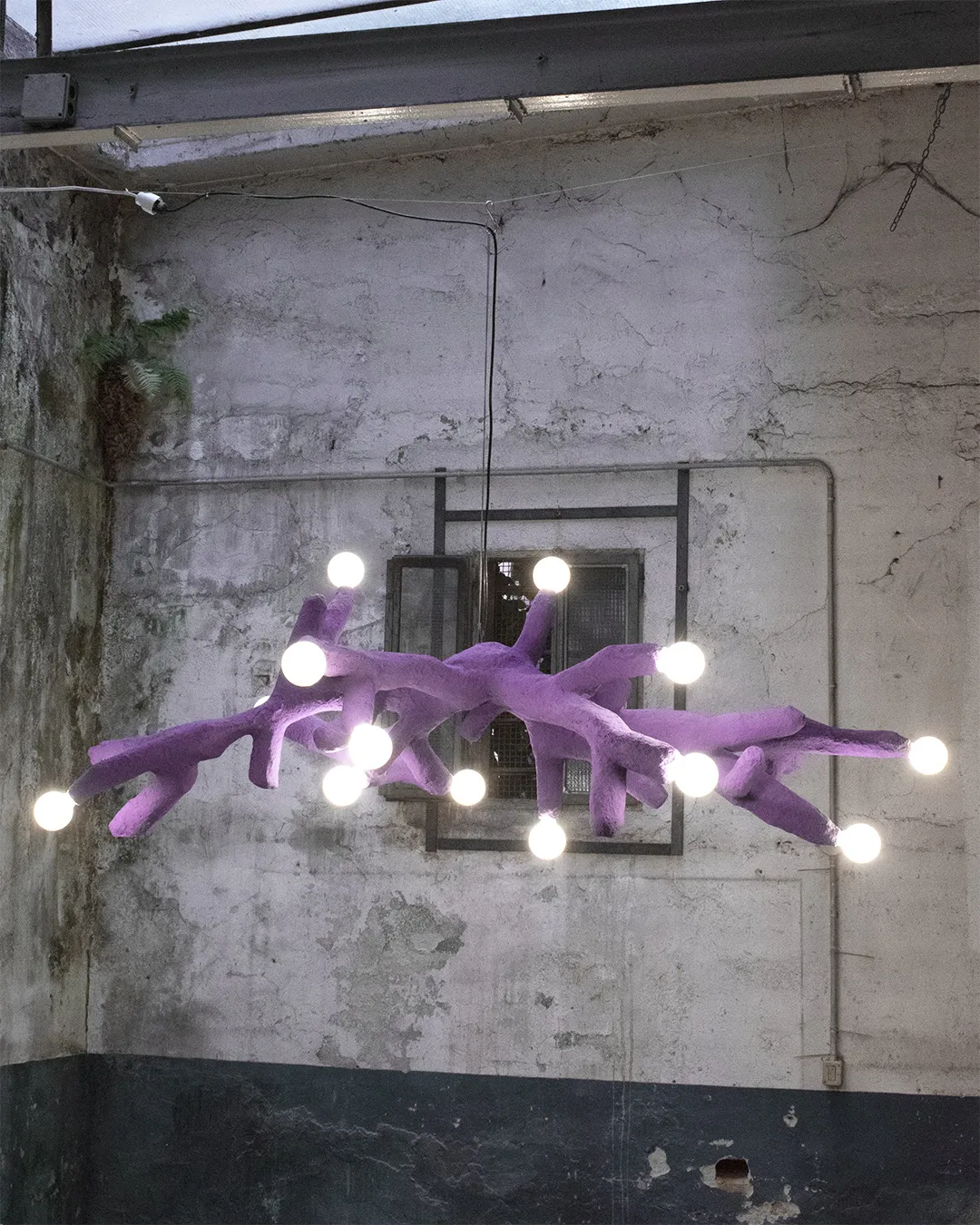
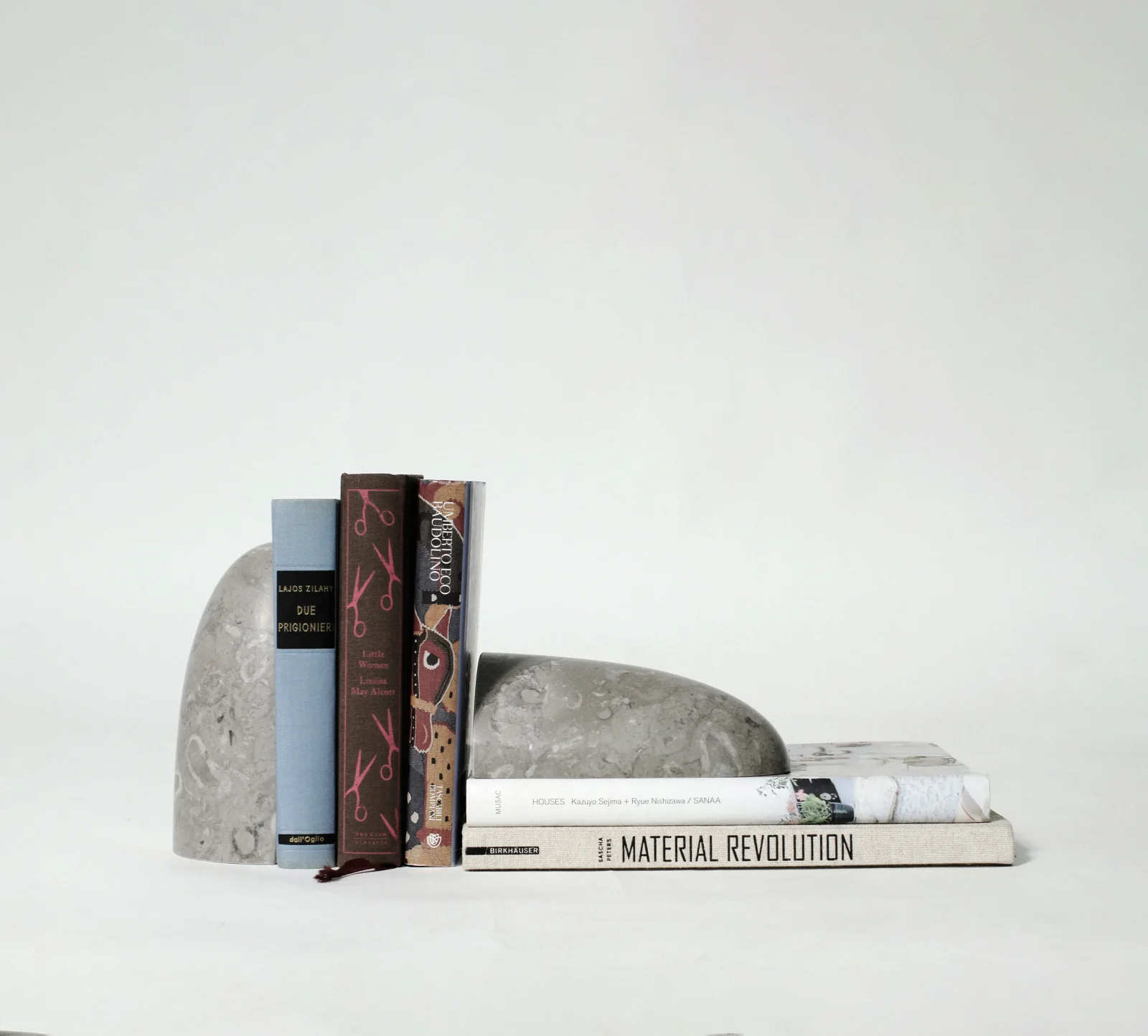
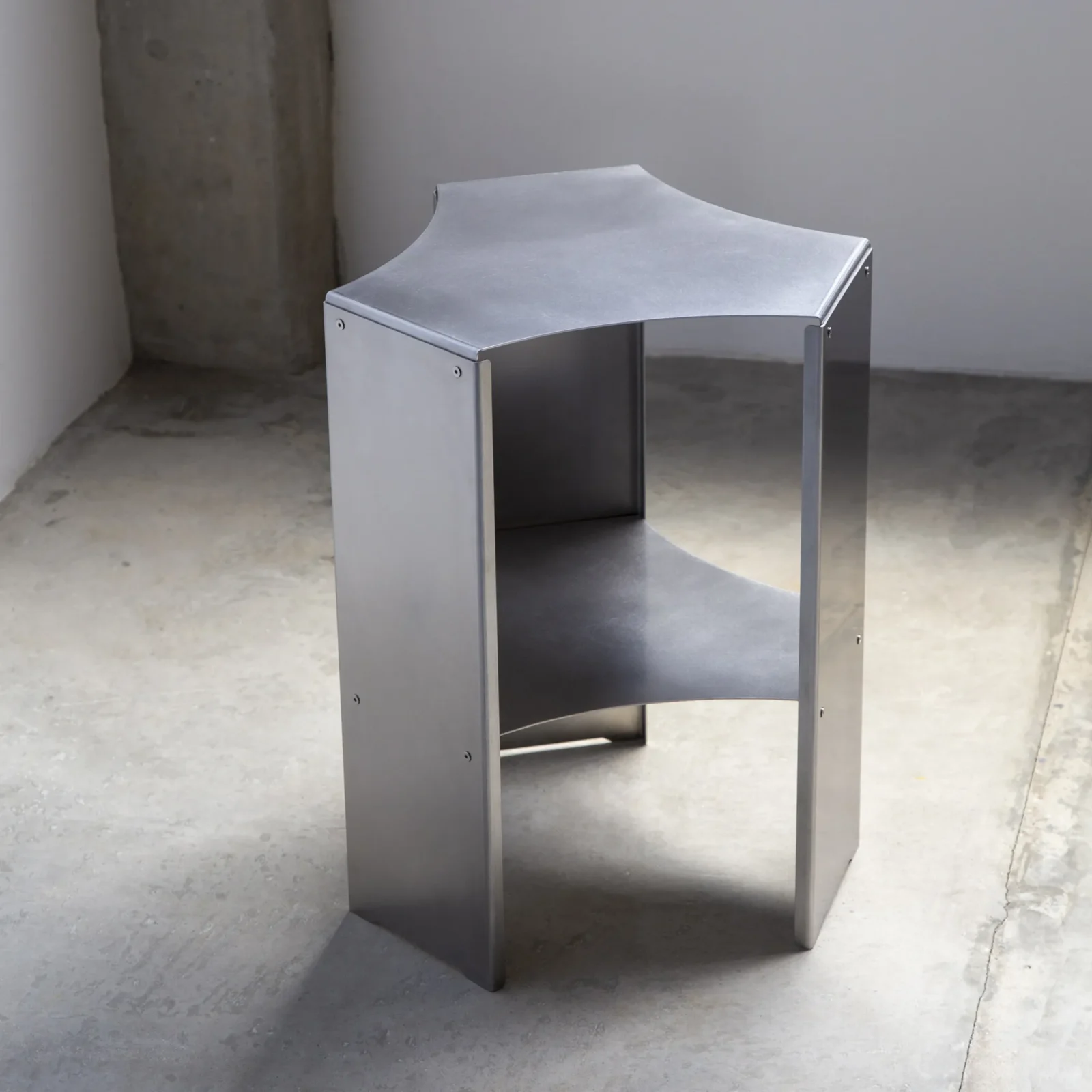
by Jonathan Bocca
Maximalist art
In art specifically, maximalism describes work that fills its frame — dense surface, layered mark-making, repetition to the point of saturation, and often no clear focal point at all. That last quality is the most distinctive: a maximalist work frequently refuses to tell you where to look, which forces the eye to keep moving.
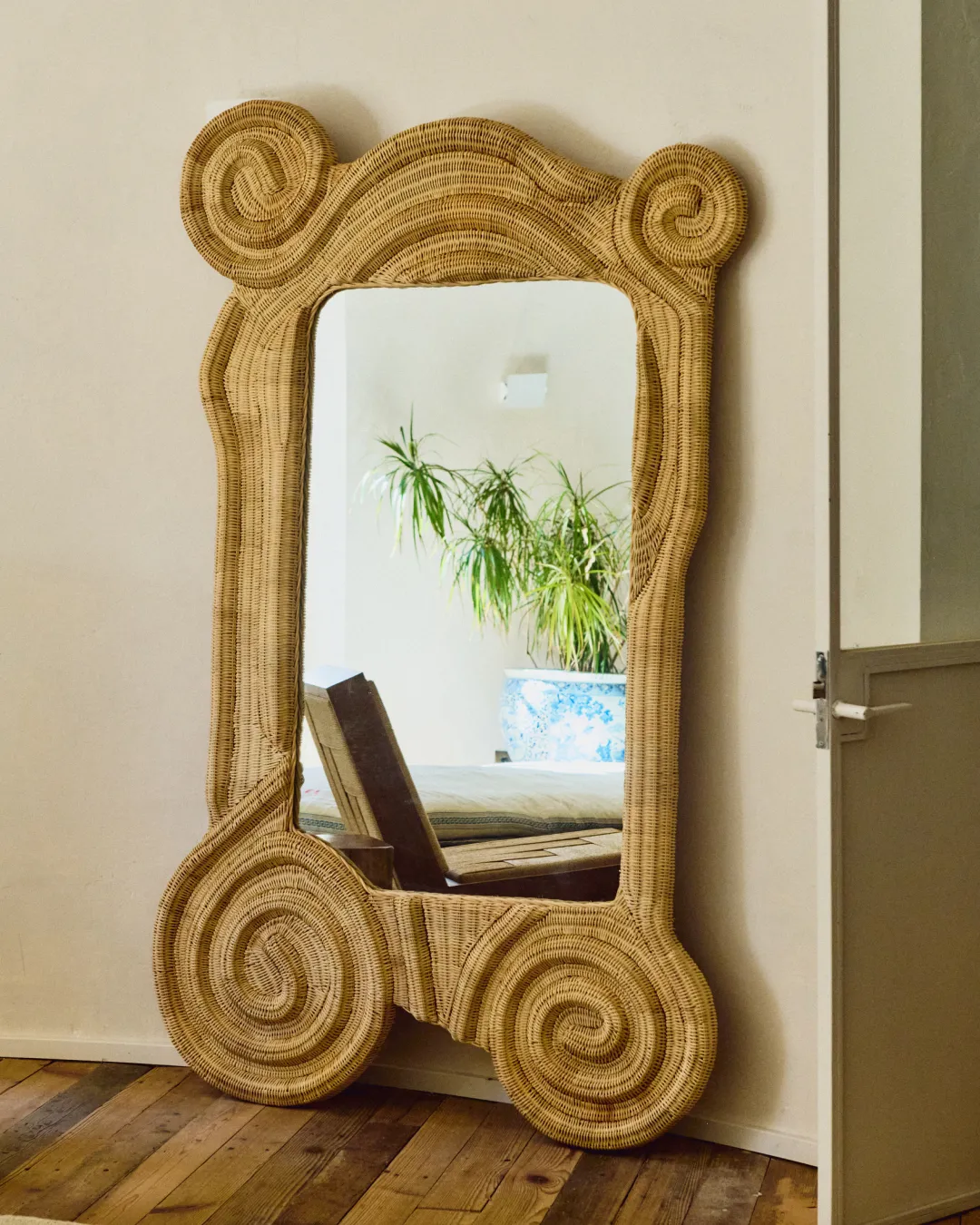
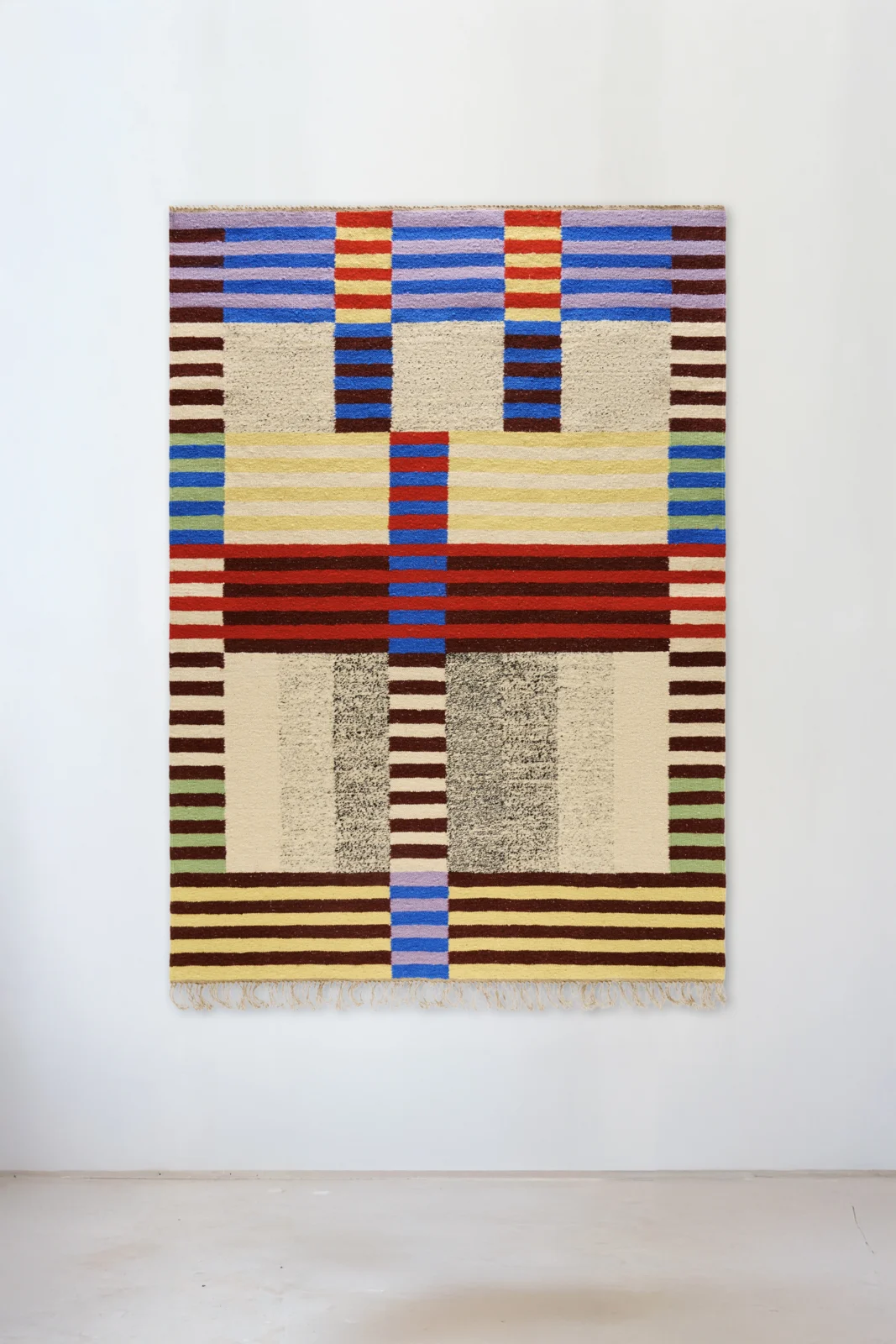
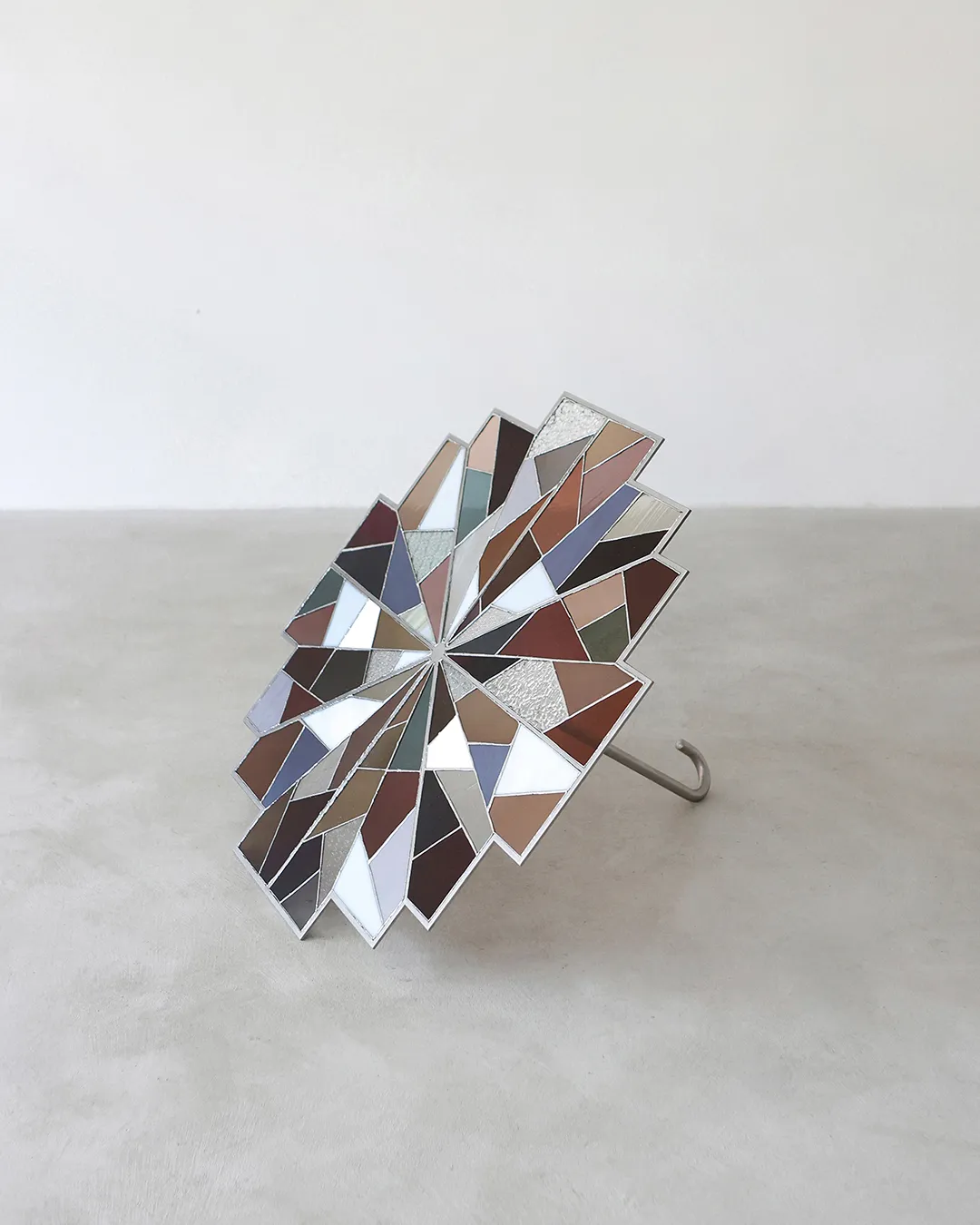
Practically it shows up as pattern-on-pattern, high chroma, accumulation of small elements into a mass, and material excess — beadwork, embroidery, glaze piled into relief, or objects assembled until the structure is invisible. Scale is often part of the argument, since abundance reads differently at wall size than at object size.
It is worth separating maximalist art from merely busy art. The difference is whether the density is doing something — building rhythm, creating depth, overwhelming on purpose — or whether it is simply the absence of an edit. The works that hold up reward sustained looking; the ones that do not are exhausted after a glance.

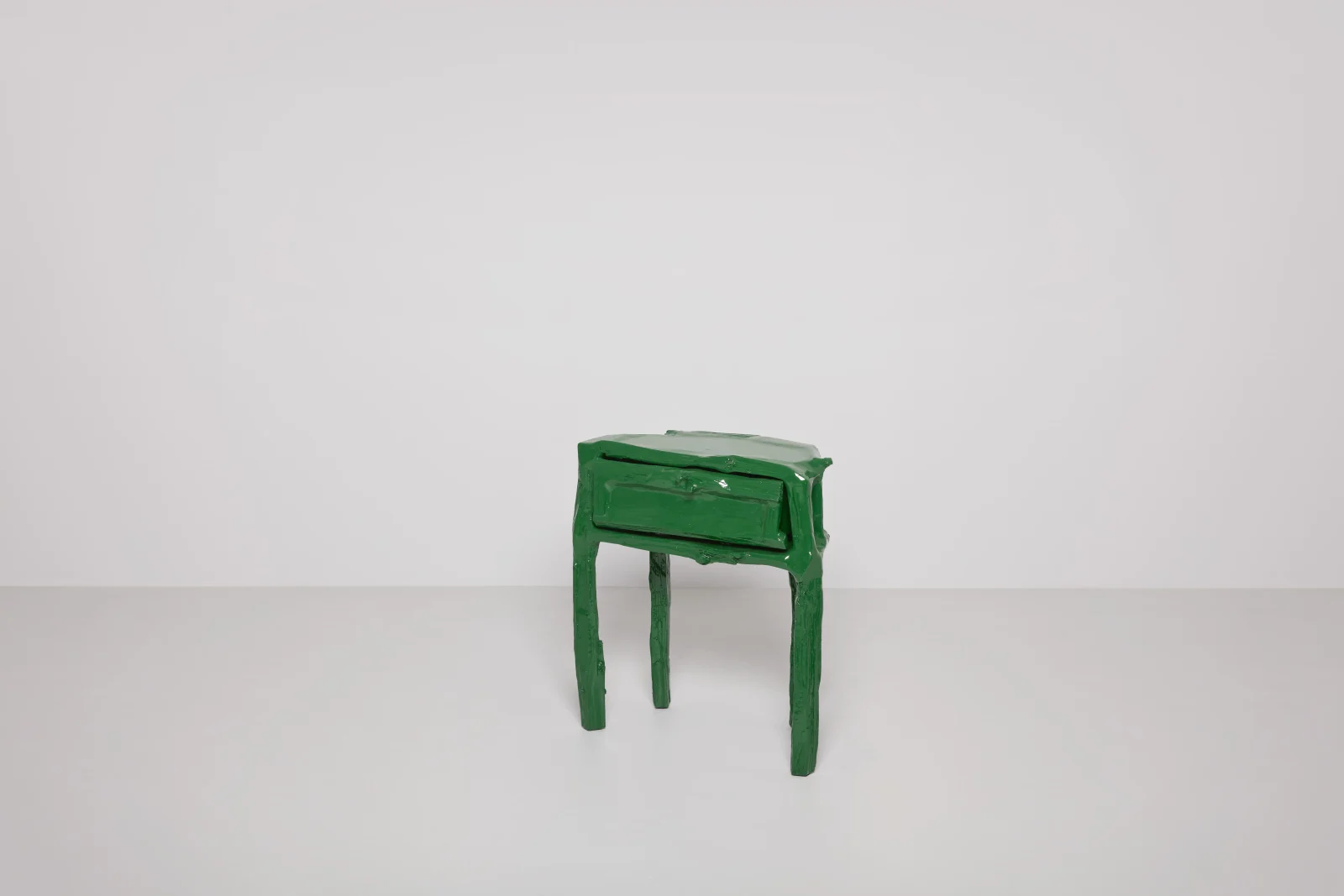
by Joel Blanco

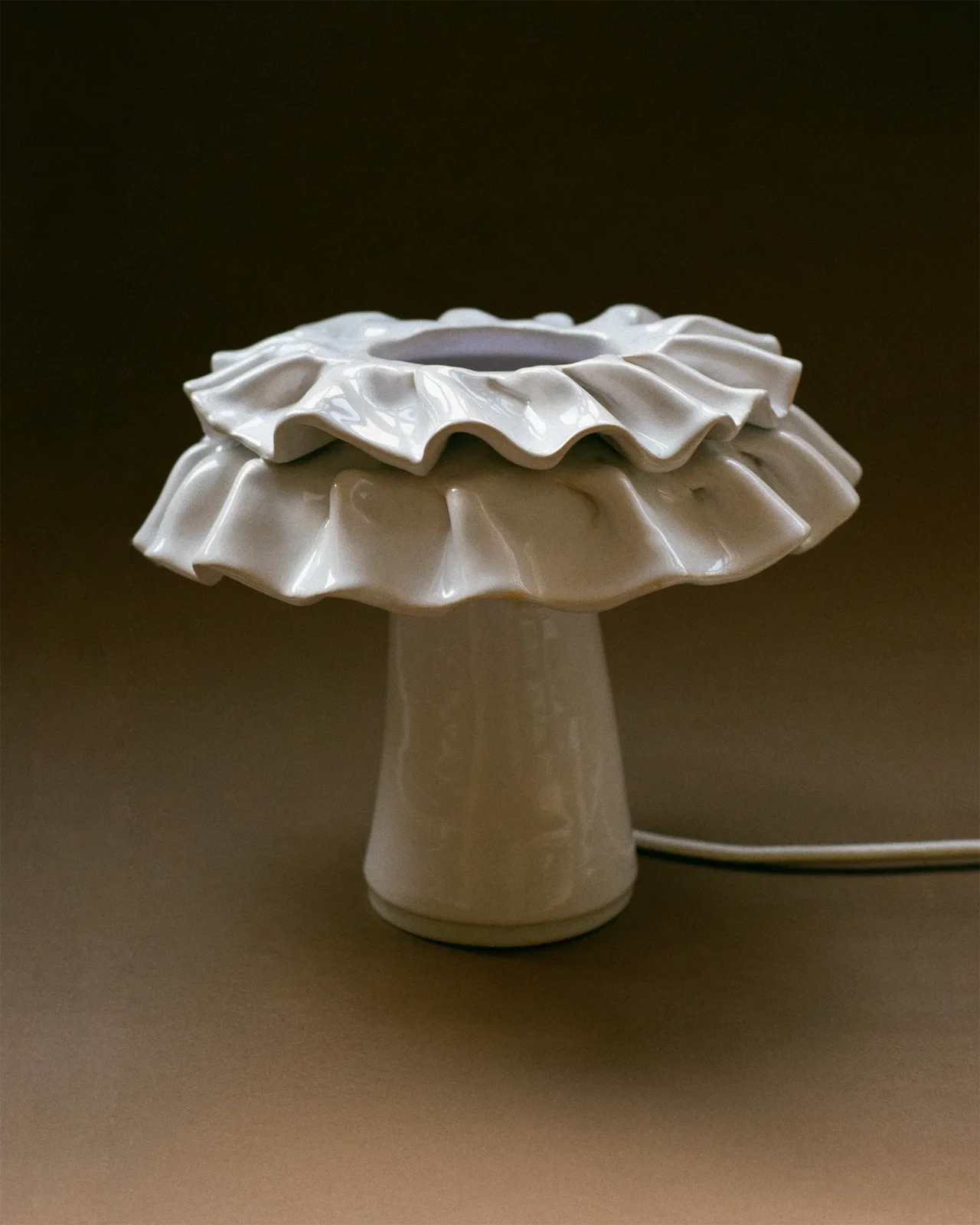
by thehighkey
Key characteristics of maximalist style
- Pattern on pattern. Several patterns in one space, usually varied in scale so they read as layers rather than competition.
- Saturated colour. High chroma used at volume rather than as an accent against neutrals.
- Layering for depth. Objects overlapping and partially obscuring each other, so the eye reads distance.
- Ornament as legitimate. Decorative detail that serves no function, included on the grounds that pleasure is reason enough.
- Scale and confidence. Oversized pieces and full walls. Timid maximalism does not work, which is why the style punishes hedging.
- An eclectic range of sources. Periods and cultures mixed freely — though eclecticism concerns where things come from, while maximalism concerns how many.
Maximalist interior design
Maximalism translates into interiors more readily than most art movements, because a room is already an accumulation. The work is in deciding what holds it together.
Maximalist living room
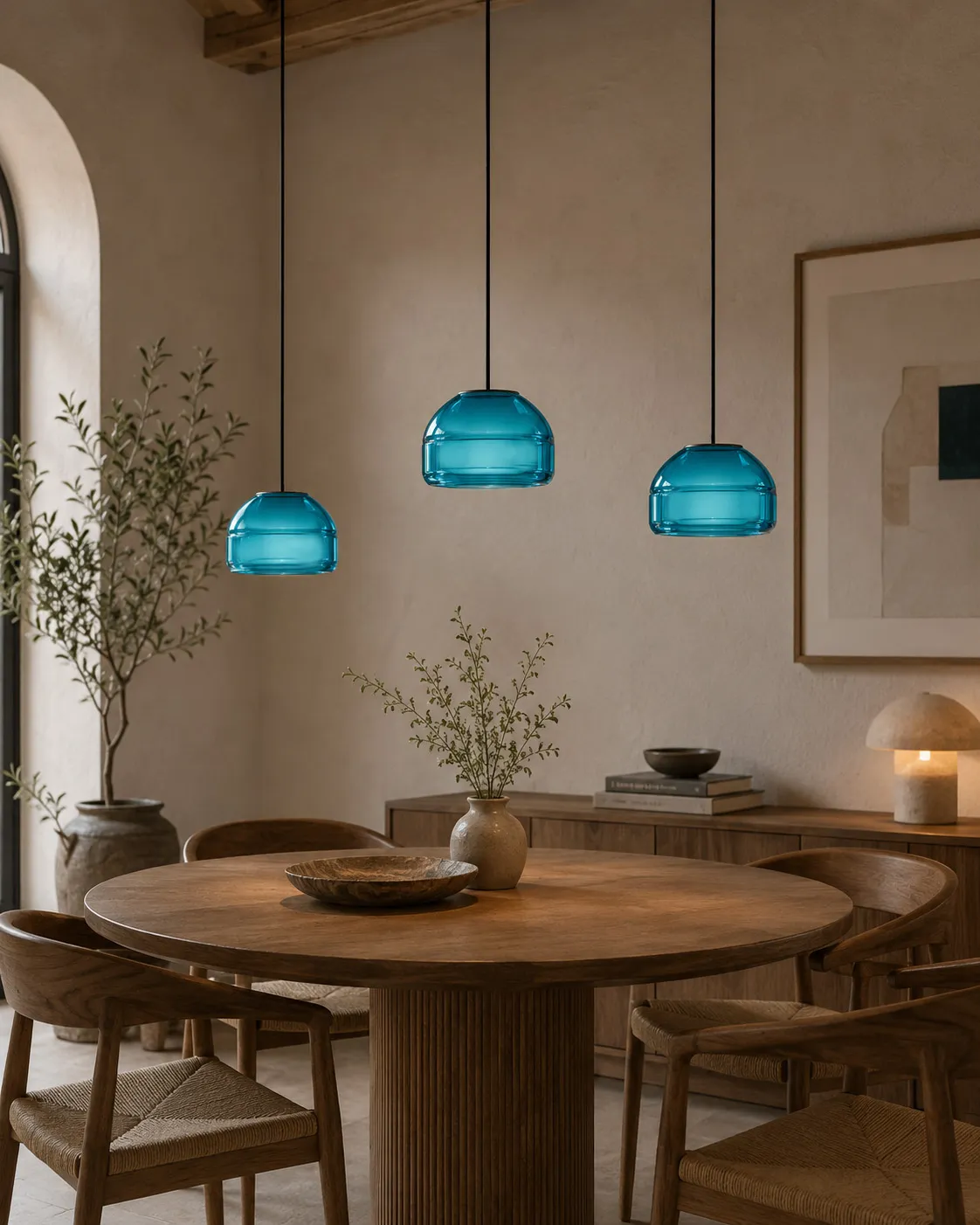
The room with enough surface to carry it. Start with one dominant element — a patterned rug or a fully covered wall — and build outward, varying pattern scale rather than repeating the same size. Keep seating shapes relatively simple, since upholstery and pattern are already doing the work. Lighting should come from four or five low sources; a single overhead fixture flattens layering completely.
Maximalist bedroom
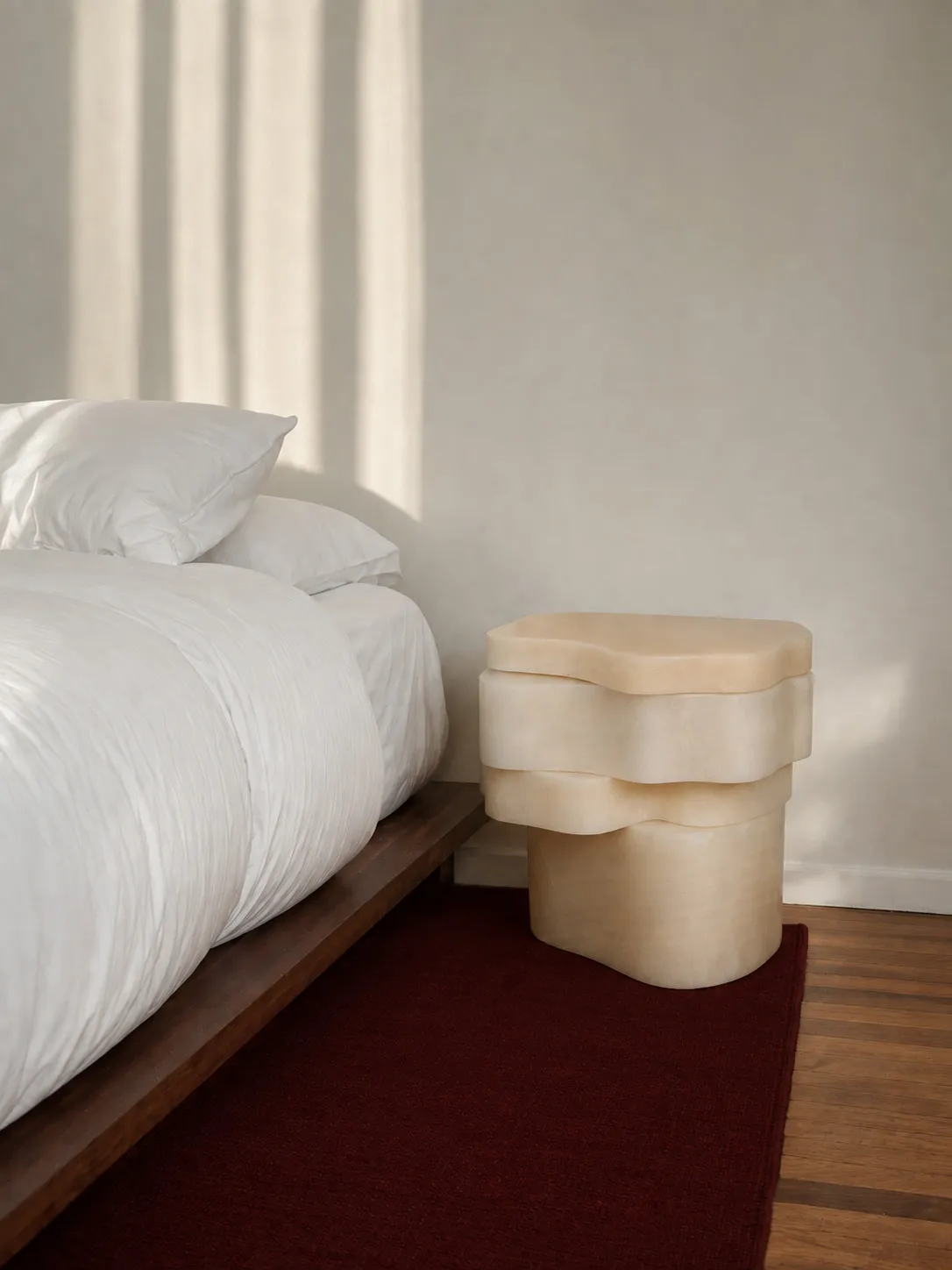
Harder, because the room has to permit sleep. The workable approach concentrates density behind and above the bed — a papered wall, a gallery arrangement, a substantial headboard — and keeps the sightline from the pillow calmer. Deep saturated colour works better here than high-contrast pattern, which is what tends to keep people awake.
Moody maximalism
The version that has taken over recently, and the easiest to live with. Instead of bright clashing colour it runs dark — deep greens, oxblood, near-black — with the same density of pattern and object. Because the base tone is low, the layering reads as depth rather than noise, and it forgives a wider mix than a pale maximalist scheme would.
How to do maximalism without it failing
Limit the palette, not the quantity. The single most useful constraint. Four or five colours repeated across many objects reads as composed; unlimited colour across unlimited objects reads as chaos. This is what most failed maximalist rooms get wrong.
Vary pattern scale. A large-scale print, a medium one and a small one will sit together. Three patterns at the same scale will fight, because the eye cannot establish a hierarchy.
Give the eye one place to rest. A plain surface, an expanse of single colour, one uncluttered wall. Without it the room becomes tiring rather than rich — and this is the reason a spare corner improves a maximalist space instead of contradicting it.
Commit fully or not at all. Two cushions and a patterned lamp is not maximalism, it is an unfinished room. The style depends on reaching a density that reads as intentional.
Buy things you actually like. Unglamorous but decisive. A maximalist room is a room full of visible decisions, so anything included to fill space will show.
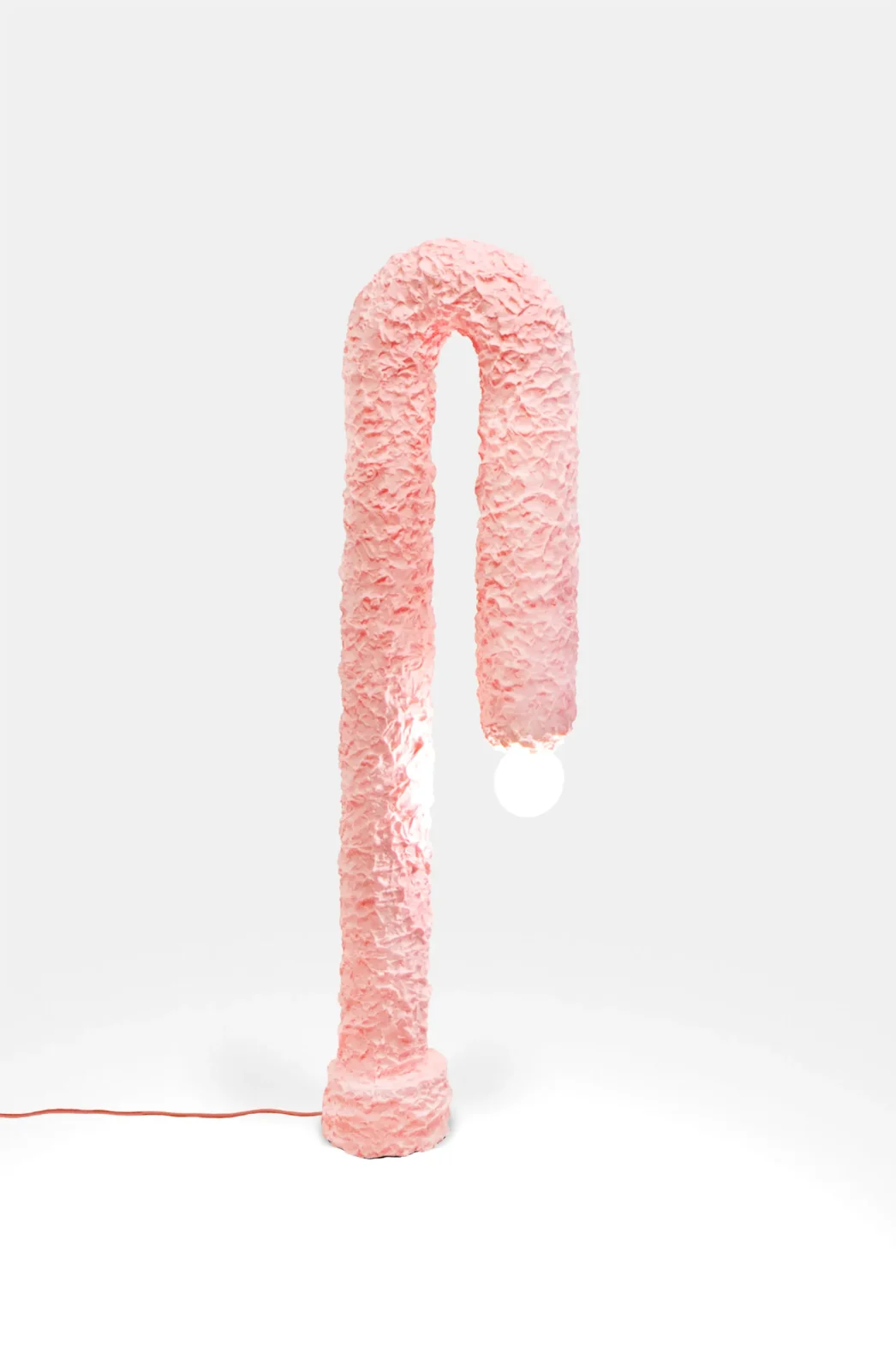
by BehaghelFoiny Studio
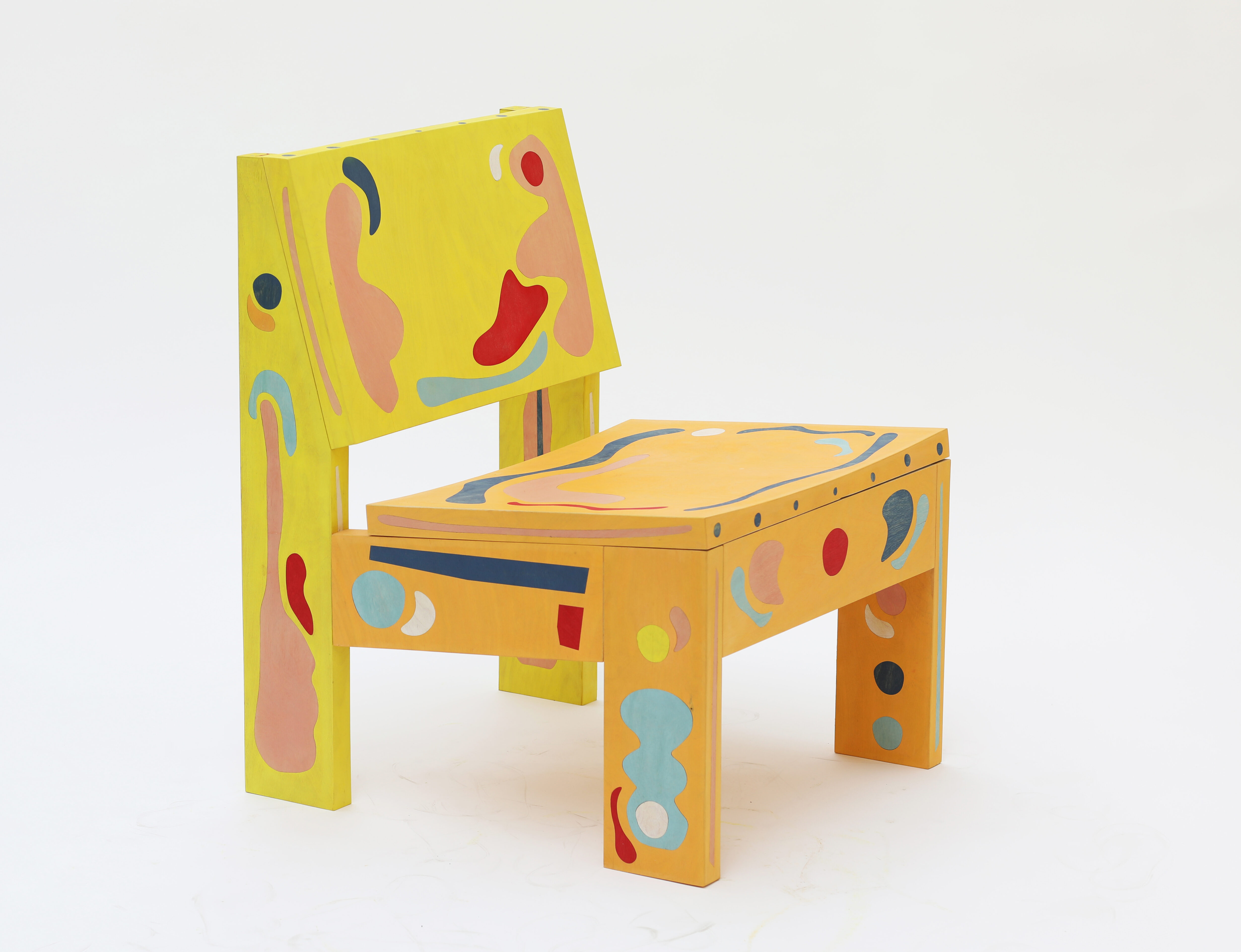
by Laura Kjær Studio
Frequently asked questions
What is maximalism in simple terms?
An approach built on abundance — lots of pattern, colour, texture and objects, arranged so the density is the effect. It is the deliberate opposite of minimalism’s restraint, and it works only when the accumulation is chosen rather than accidental.
What is maximalist art?
Work that fills its frame through dense surface, layered mark-making and repetition, often with no single focal point. The distinguishing feature is that it refuses to direct your eye, so you keep looking. Material excess — beading, embroidery, built-up glaze — is common.
What is the difference between maximalism and eclecticism?
Maximalism is about quantity; eclecticism is about the range of sources. A spare room holding four objects from four different centuries is eclectic without being maximalist, and a maximalist room could draw entirely from one style.
Who started maximalism?
No single figure, but the decisive statement is Robert Venturi’s “less is a bore” in 1966, answering modernism’s “less is more”. The Memphis Group in Milan from 1981 gave the position actual objects, and most contemporary maximalist design descends from that lineage.
Can a small room be maximalist?
Yes, and small rooms often suit it better than large ones — the enclosure is already there, so density reads as enveloping rather than sprawling. Keep the palette tight and use vertical space, since floor area is the constraint rather than visual capacity.
How many patterns can you mix?
There is no upper limit, but they need to differ in scale. Three patterns at large, medium and small will read as layered; five at the same scale will read as noise regardless of how well the colours relate.
Why maximalism keeps coming back
Maximalism recurs whenever restraint has been dominant long enough to feel like a rule rather than a choice. The current revival follows a decade of pale, matched, open-plan interiors, and its appeal is straightforwardly that a maximalist room looks like a person lives there.
Above all it is the more forgiving of the two positions in one specific way: a maximalist scheme absorbs a new object without needing to be redone, where a minimalist one is disrupted by it. That makes it well suited to buying slowly and keeping things — which is the opposite of how the style is usually characterised.
Also worth reading: maximalist decor pieces · maximalist seating · maximalist lamps
Browse maximalist design on ADORNO
ADORNO works with independent studios making pieces bold enough to hold their own in a dense room — where the point is not to blend in but to be one of several things worth looking at.