



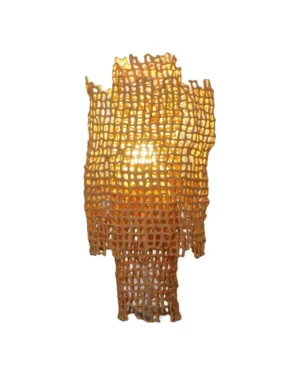

-
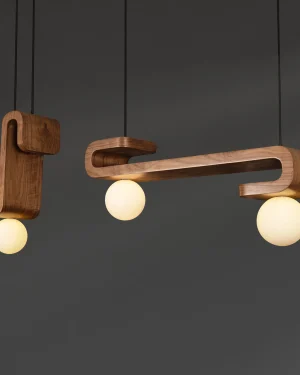 In stock
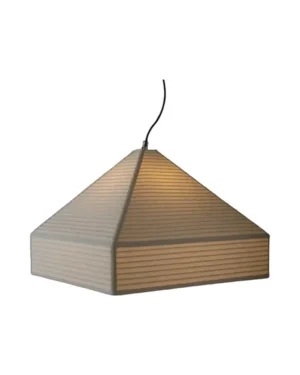
Esse Ceiling Lamp in Wood
By Saadia Design
€1.200 - €2.500 -
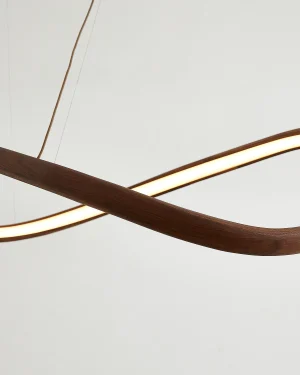 In stock
Horizonte Pendant Lamp in Walnut Wood
By Poémia
€8.450 -
 In stock
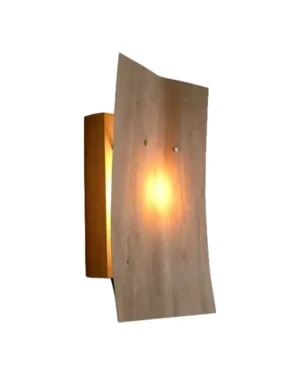
Mujo P Iver Wall Sconce in Walnut Wood and Washi Paper
By Prangé
€948 -
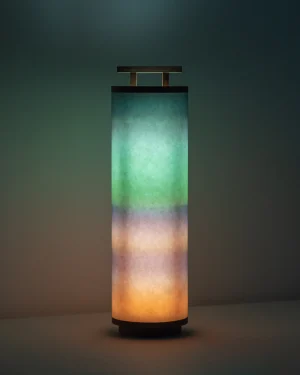 In stock
Torii G Pala Table Lamp in Washi Paper and Walnut
By Prangé
€1.232 -
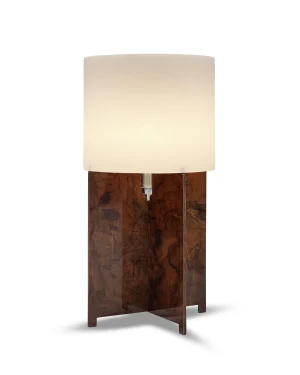 In stock
Lumix Table Lamp in Walnut Wood
By Pablo Sinan Design
€550 -
 In stock
Herbarium Mini Lunaria Annua Wall Sconce In Glass And Plywood
By Mateusz Wappa
€1.200 -
 In stock
Herbarium Mini Daucus Carota Wall Sconce In Glass And Plywood
By Mateusz Wappa
€1.200 -
 In stock
Lumix Table Lamp in Poplar Wood
By Pablo Sinan Design
€550 -
 In stock
Mujo M Reol Wall Sconce in Walnut Wood and Washi Paper
By Prangé
€1.706 -
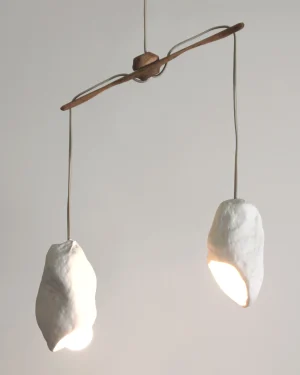
Maat Ceiling Lamp
By Dace Sūna
€1.200 -
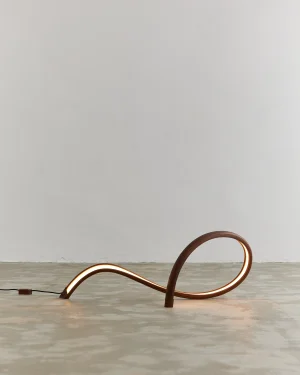 In stock
Maré Table Lamp in Walnut Wood
By Poémia
€3.600 -
 In stock
Mujo M Aray Wall Sconce in Walnut Wood and Washi Paper
By Prangé
€1.706 -

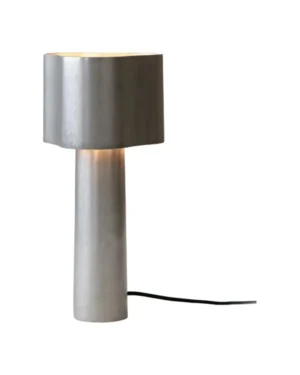
Bells and Whistles Table Lamp in Aluminum
By Toro Manifesto
€2.100 -
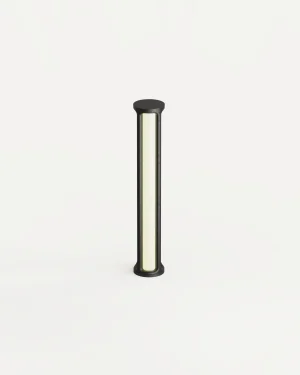 In stock
Aion Lamp
By Sebastián Ángeles
€3.942 -

Falcon Table Lamp in Brass and Walnut Wood
By Nathan Chintala
€1.914 -
 In stock
N2 Panel Table Lamp In Walnut And Steel
By Aaron Scott
€1.200 -

The Mammal Table Lamp in Walnut Wood
By CHANDLER MCLELLAN
€1.155 -

Moono Sliding Pendant Light
By SHRE Studio
€2.500 - €2.700 -
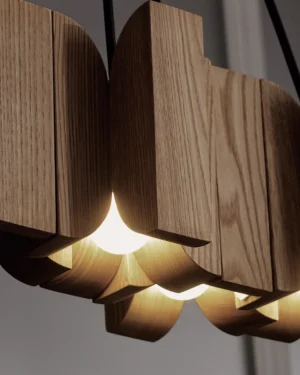
Natura Flower Pendant Lamp In Wood
By SHRE Studio
€330
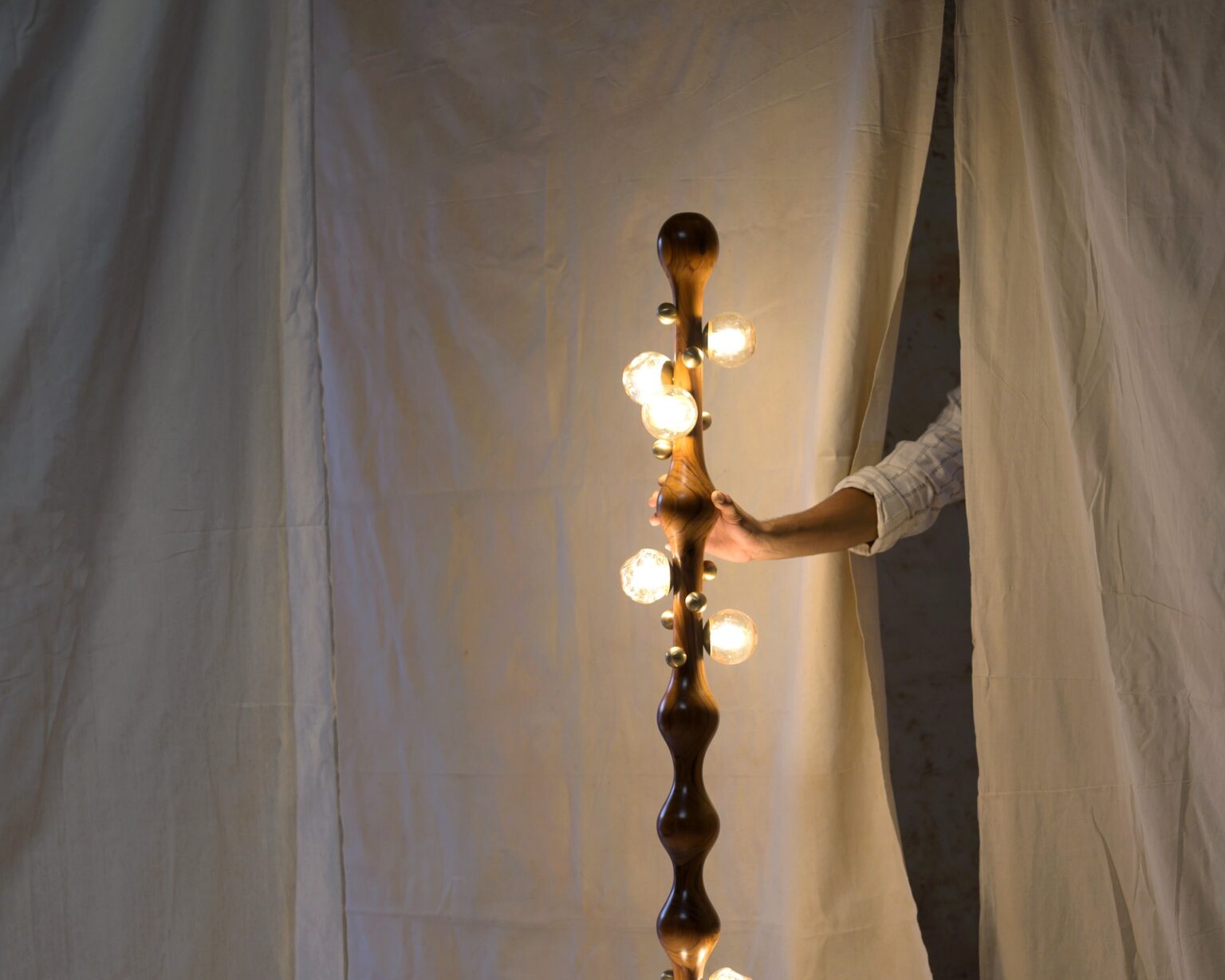
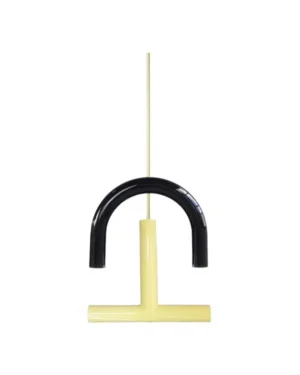
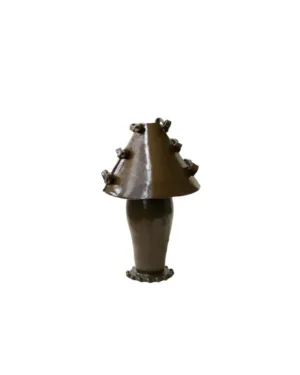
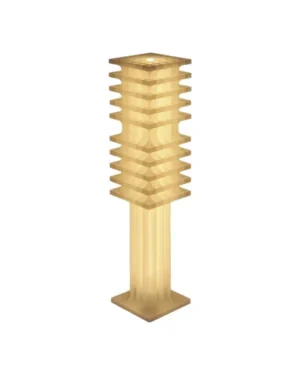
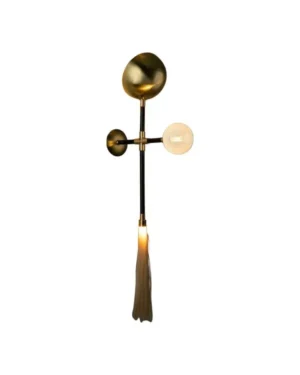
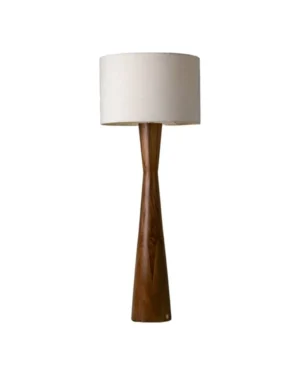
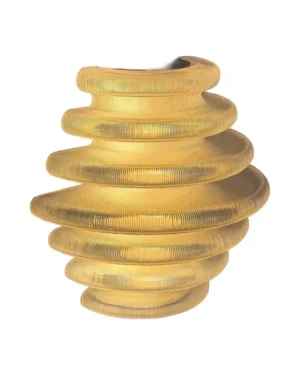
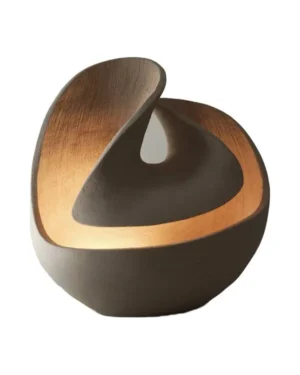
Walnut lighting on ADORNO gathers lamps where dense, straight-grained wood is turned, carved or veneered into bodies, bases and shades. Studios working in wood and cabinetmaking choose the species for its tight grain and warm brown tone, pairing it with brass fittings, glass diffusers or paper shades. The wood is shaped by hand tools and lathes rather than molded, so each lamp carries the slight variation that comes from a living material.
What defines walnut in a lamp
Walnut is prized for its color, a brown that runs from pale honey in the sapwood to near-black streaks near the heartwood, and for a grain tight enough to hold fine carving without splintering. It is harder than pine or ash but still workable, which is why cabinetmakers turn it into bases, arms and shades rather than reserving it for structural frames alone. Left unfinished or oiled, it darkens further with light and handling, a slow change that most owners read as a sign of age rather than wear.
Materials, finishes and techniques in the range
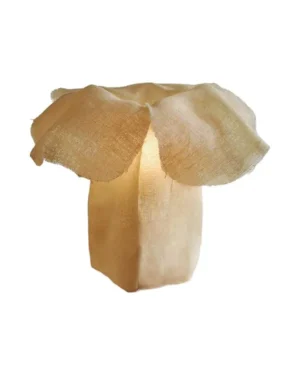
Walnut lighting rarely stands alone. Bases turned or carved from solid wood are often set against brass or aluminum stems, glass shades, or diffusers worked from washi paper, each material doing a different job: the metal carries current and heat, the glass or paper spreads light, the wood grounds the piece visually and in the hand. Veneering lets a thin skin of walnut dress a lighter substrate, while steam bending and laser cutting show up on shades and frames where the wood or an adjoining material needs a curve or pattern.
- Working methods: wood and cabinetmaking, wood carving, veneering, steam bending, metalwork, laser cutting, paperwork
- Companion materials: brass, aluminum, glass, washi paper, dried flowers
- Editions: open editions sit alongside limited editions and occasional one-off pieces
Anyone drawn to the grain and color of this wood in seating or tabletops can follow the same material across walnut furniture, including walnut seating and walnut tables, where the same darkening and grain patterns apply.
How to choose a walnut lamp
Scale first: a table lamp should sit low enough that its shade falls below eye level when seated, while a floor lamp needs enough height to clear a sofa arm or reading chair without casting a hard shadow. Finish matters almost as much as form, since an oiled surface will take fingerprints and change color faster than a lacquered one, and a darker walnut will read heavier in a small room than a pale, sapwood-streaked piece.
Placement decides the rest. A pendant with a walnut and brass body asks for a table or seating group beneath it, while a slim walnut floor lamp works as a quiet companion to an armchair or reading corner. Anyone weighing proportions against a broader field of lamps can compare across all lighting or narrow by look through contemporary lighting and minimalist lighting.
Where it suits the home
Walnut lighting sits comfortably in living rooms and studies, where its tone pairs with leather, wool and other wood furniture without competing for attention. In bedrooms, a walnut table lamp beside the bed gives off a softer, warmer light than metal or glass alone, aging alongside the room rather than staying fixed in place. Those shopping by room specifically can look at living room lighting and bedroom lighting for pieces sized to those spaces.
Caring for a walnut lamp
Keep walnut lighting out of direct sun, which bleaches the color unevenly and can dry the wood faster than normal use. Dust with a soft, dry cloth, and feed an oiled finish occasionally with a wood-safe oil to keep the grain from going dull or cracking at the joints. Avoid damp cloths or household cleaners, since standing moisture can raise the grain or dull the finish over time.
For the full range of pieces made in this wood, across lighting, seating and tables, see every walnut piece on ADORNO.
How do I choose a walnut lamp?
Look at what the wood is paired with: brass or aluminum fittings read warmer and more formal, glass or paper shades spread softer light. Let the room's existing wood tones guide the shade of walnut, from honey sapwood to near-black heartwood.
How do I care for a walnut lamp?
Dust with a dry or slightly damp cloth and keep it away from direct sun and heat sources near the bulb. Left unfinished or oiled, the wood darkens gradually with light and handling, which is normal aging rather than damage.
What size walnut lamp suits my room?
Table and desk lamps generally sit low enough to clear eye level when seated, while floor lamps anchor a corner or reading chair at standing height. The maker can confirm exact dimensions through Chat with the maker on the piece's page.
Which rooms work well with walnut lighting?
The warm, dense grain suits living rooms and bedrooms where the wood tone can sit against upholstery or other furniture, and studies or reading corners where a turned base adds weight on a desk or side table.
Is walnut lighting handmade or made to order?
Many pieces are shaped by hand tools and lathes rather than molded, so slight variation is normal. Check the piece's page or chat with the maker for details on whether it is made to order or ready to ship.
What are ADORNO's shipping and return policies?
Shipping is insured and sent worldwide. Returns are accepted within 14 days, except for made-to-order pieces, and every lamp arrives with a certificate of authenticity.